
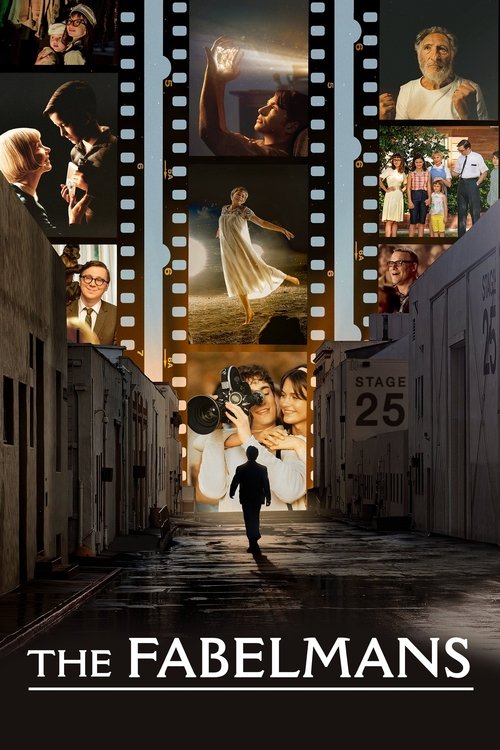
The Fabelmans (2022)
Directed by Steven Spielberg
Growing up in post-World War II era Arizona, young Sammy Fabelman aspires to become a filmmaker as he reaches adolescence, but soon discovers a shattering family secret and explores how the power of films can help him see the truth.
69 connections found
View:
69 films that influenced The Fabelmans
What critics say influenced The Fabelmans
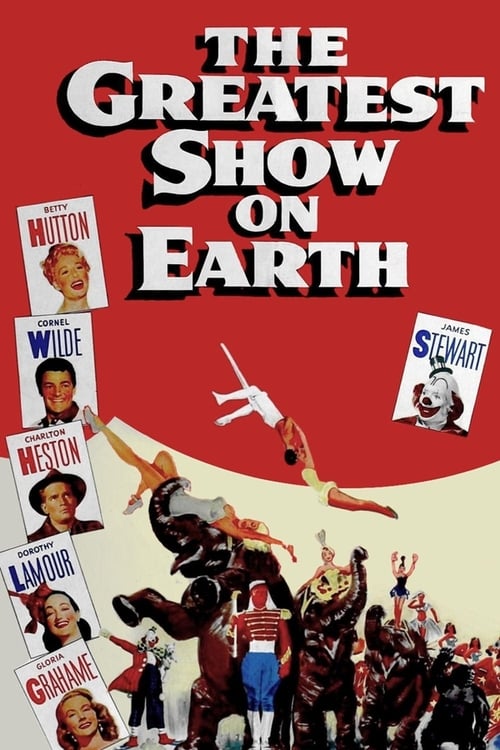


It’s all true to Spielberg’s life, including three younger sisters, his childhood film projects referenced by name, and his early fear of movies, as seen when Sammy’s parents carefully explain how the pictures work before blowing his mind with The Greatest Show on Earth (1952).
And it all started with a fateful night out in 1952 to see “The Greatest Show on Earth,” the first time in a movie theater for wide-eyed 6-year-old Sammy (Mateo Zoryon Francis-DeFord).
The Fabelmans begins with young Sammy becoming inspired by a trip to the theater to see Cecil B. DeMille’s The Greatest Show on Earth .
Some of those experiences — including seeing Cecile B. DeMille’s “The Greatest Show on Earth” as a boy and getting some simple but crucial advice from a filmmaking idol as a young man — are dramatized in “The Fabelmans,” a largely but not wholly autobiographical coming-of-age tale that wrestles with themes such as family, control and isolation.
When Burt and Mitzi take Sammy to “The Greatest Show on Earth,” he’s terrified at first (“Dreams are scary”); his father patiently explains the concept of persistence of vision, literally breaking an otherwise mysterious medium down to its physiological elements.
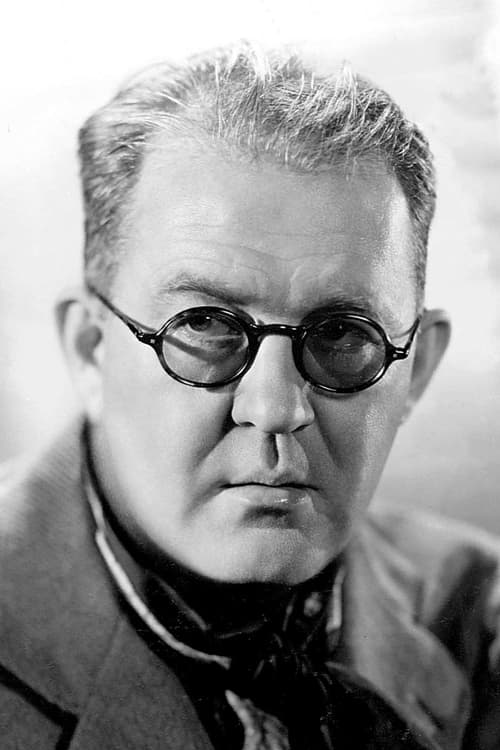
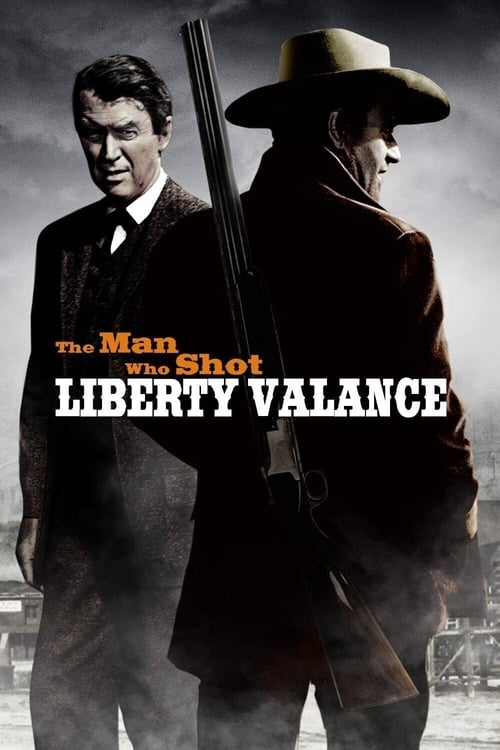
Before long 10 years have passed and the older teen Sammy (played by Gabriel LaBelle) is making all sorts of films, using his friends including Westerns inspired after seeing 1962’s John Ford classic The Man Who Shot Liberty Valance (Branagh did an homage to that one as well in Belfast), and World War II epics among others.
We then jump in time to a teenage Sammy, who moves with his family to Arizona and casts all his Boy Scout pals in a makeshift Western inspired by John Ford’s “The Man Who Shot Liberty Valance.”
Fast forward 10 years, and Sam (now played by an excellent Gabriel LaBelle) is inspired to make a Western after seeing John Ford’s “The Man Who Shot Liberty Valance.”
The subsequent, increasingly ambitious projects that Sam takes on—including a mummy picture, a western inspired in part by John Ford’s The Man Who Shot Liberty Valance , and then a WWII epic titled Escape to Nowhere —all suggest the formation of the kind of showmanship and instinct for popular entertainment that would go on to solidify Spielberg’s legend.
He makes juvenile movies starring his sisters, and moves into short features starring his Boy Scout chums—a western inspired by “The Man Who Shot Liberty Valance” and a war picture called “Escape to Nowhere” (both of which reflect titles actually made by Spielberg).

Admittedly, the specific representatives in question—a hospital administrator (Kim Dixon) and lawyer (David Levine)—glower with the unignorable malevolence of SVU guest-stars (or maybe Jeroen Krabbe’s pharmaceutical rep in The Fugitive ), but the movie’s heart is unquestionably in the right ideological place.

(If you had “a Blow-Up reference” on your Spielberg bingo card, mark it now.)
Starting with a passage reminiscent of “Blow-Up,” Sammy discovers things he had never imagined, another in a concatenation of primal scenes.
The fact that Sammy grows aware of Mitzi’s close bond with the family friend by looking through his home movies, studying them frame by frame in Blow-Up style, is a devastating concept—Sammy’s solace and voice, his camera, is now a tool for wounding revelation.
The whole thing is masterful; it’s like the showcase set pieces of Blow-Up or Blow Out , if Antonioni or De Palma had decided to depict the murder of a marriage rather than a shadowy assassination.
It’s Spielberg’s version of Blow-Up and we learn a hard truth as its revealed to Sammy.
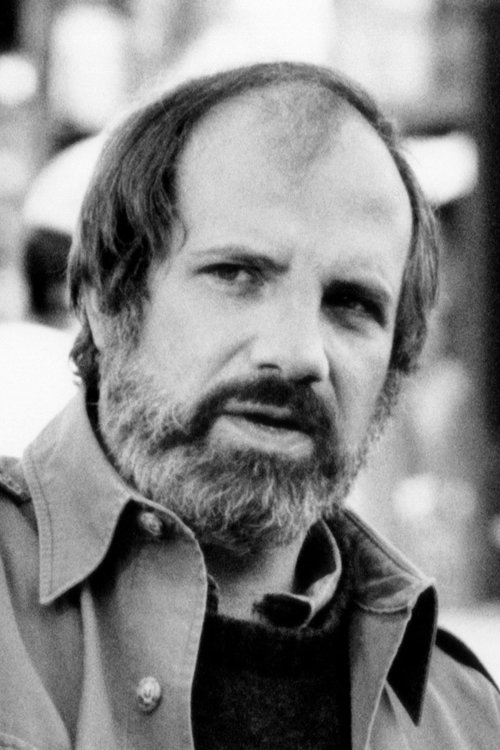

For cinephiles, the moment will recall Brian De Palma’s “Blow Out,” but for Sammy it’s the end of innocence.
It reminded me, sans murder, of Brian DePalma’s “Blow Out.”
The whole thing is masterful; it’s like the showcase set pieces of Blow-Up or Blow Out , if Antonioni or De Palma had decided to depict the murder of a marriage rather than a shadowy assassination.
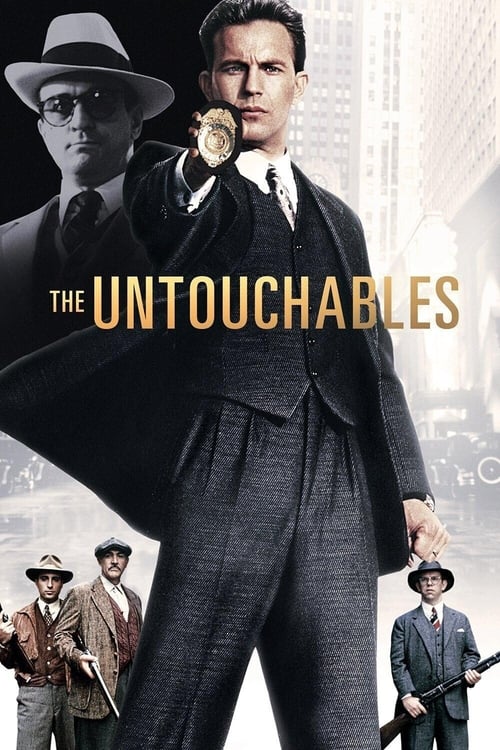
Indiana Jones and the Last Crusade is an altogether wonderful adventure film, though the highlight is undeniably the introduction of Sean Connery, fresh off an Oscar win for The Untouchables , as Henry Jones, Sr.
Advertisement
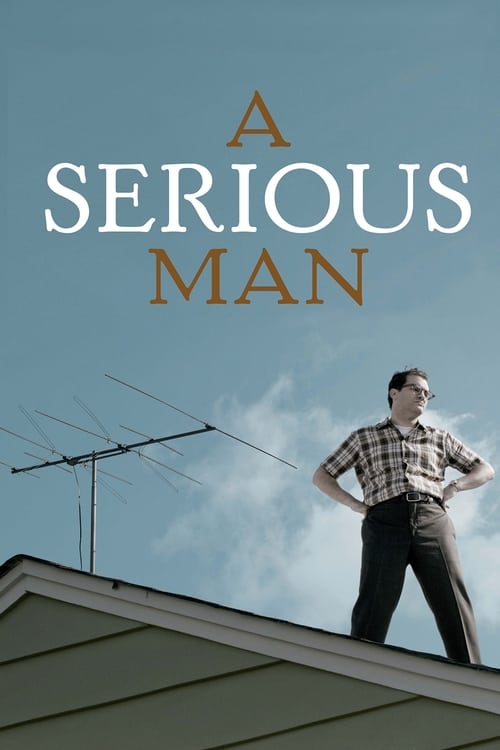
She gathers her children in the family car and drives toward chaos—a tornado swirling in the distance, recalling the final scene from the Coen brothers’ A Serious Man (2009)—and leaves Burt behind with their new baby.
On one level, it’s a direct allusion to similar scenes of chaos on the New Jersey streets in War of the Worlds (the key difference being that Tom Cruise is driving away from the danger rather than towards it), but on another, it also recalls the Coen Brothers’ A Serious Man, which ends on a tornado being a kind of expression of God’s continual heaping of misery onto the characters.
The last big-ticket American movie to put these cultural concerns so front and center was the Coen brothers’ A Serious Man , which Spielberg evokes—perhaps accidentally—in an early scene involving a tornado that hints at the Fabelmans’ stormy fortunes.

The movie echoes Giuseppe Tornatore’s Cinema Paradiso, although Spielberg’s approach isn’t as openly poetic.
Even the sequences that involve filmmaking once again don’t seem to lend to any notable future; though it clearly nods to “Cinema Paradiso,” sans the comparably potent revelations, Sammy’s formative years of experimenting with putting together motion pictures aren’t emblematic of any recognizable works.
The former happily overcomes the latter – and not incidentally, should be catnip to award voters, in the way something like “Cinema Paradiso” was – but the dynamic does somewhat counter the movie’s nostalgic pleasures.
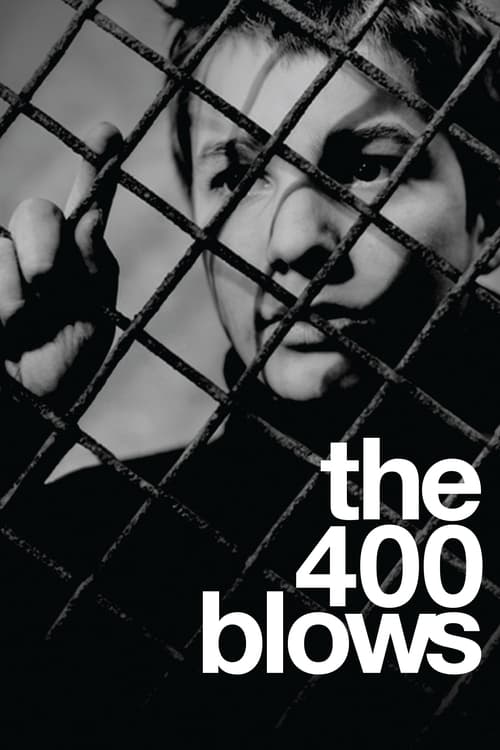
The Fabelmans is not merely about any movie-mad kid, but an autobiographical reminiscence by Spielberg himself, and thus it falls into a fairly narrow subgenre of movies in which the filmmaker’s own childhood is very specifically explored—akin to Cameron Crowe’s Almost Famous, with its one-in-a-million set of coming-of-age exploits, rather than François Truffaut’s The 400 Blows, which mined the director’s childhood but can stand as a universal depiction of youthful unhappiness.
More similar to Woody Allen’s autobiographical “Radio Days” than it is to European art films such as “The 400 Blows” and “Amarcord” (the more highbrow models other directors typically point to when re-creating their childhoods), “The Fabelmans” invites audiences into the home and headspace of the world’s most beloved living director, an oddly sanitized zone where even the trauma — which includes anti-Semitism, financial disadvantage and divorce — seems to go better with fresh-buttered popcorn.
It's isn't nearly as powerful as Ordinary People, Boyhood, Tokyo Sonata or The 400 Blows, but at least it's not as schmaltzy as Belfast.
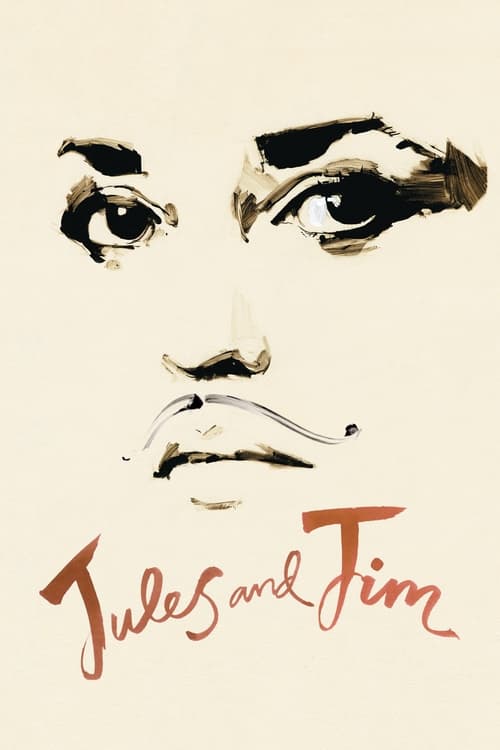
The three grownup stars constantly recalibrate the complicated flow of emotions in their Jules and Jim -like dynamic while pouring affection on Sammy and his three sisters.

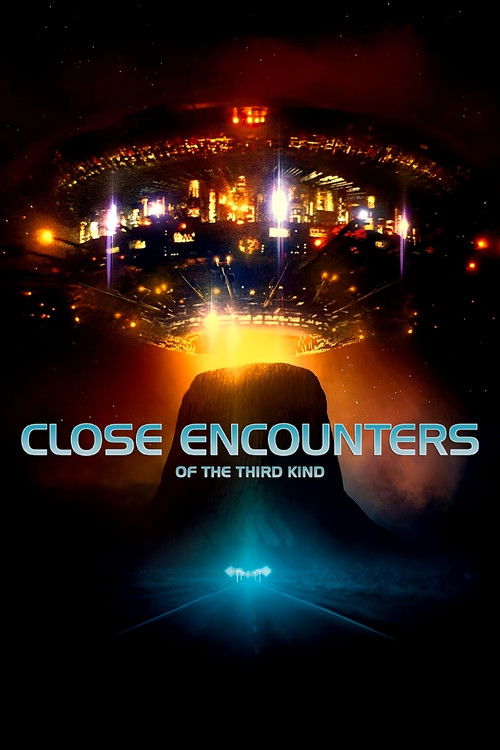
Don’t come to The Fabelmans expecting to see how Spielberg created Jaws or what inspired Close Encounters of the Third Kind (although we kind of wish we had seen a little of Sammy making his/Spielberg’s 8mm UFO epic “Firelight,“ made when he was just 17 years old).
The first, when a storm rages in the quaint suburban neighborhood of Spielberg’s childhood, is a direct reference to Close Encounters of the Third Kind (1977).
Spielberg has made a wide variety of films, but many of his movies—especially the ones having to do with outer-space creatures, such as 1977’s “Close Encounters of the Third Kind,” 1982’s “E.T. the Extra-Terrestrial” and 2005’s “War of the Worlds” remake—have a few themes in common, such as people dealing with fractured families and/or families in conflict because one person in the family is determined to pursue a particular goal against tremendous odds.
The very fact that Spielberg’s childhood has been a known subtext in so many of his works, from Close Encounters of the Third Kind to Catch Me If You Can, inspires us to make those comparisons.
The divorce of Spielberg's parents has been a theme in many of his movies, from the breakdown of the Close Encounters of the Third Kind family and the single mother in E.T., to Indiana Jones's daddy issues and the real-life Frank Abagnale in Catch Me If You Can.
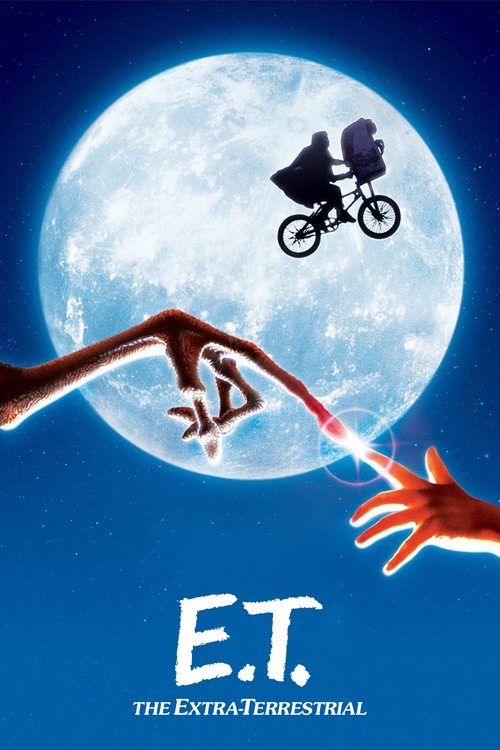
But there is a late-blooming raison d’être here: reminding us that Spielberg’s great works (from E.T. to A.I. to Munich) have always evoked lonesome alienation when they wanted.
His group of friends/co-conspirators enters the frame on bicycles, reminding us of “E.T.”
Spielberg once said his original concept for E.T. “didn’t include an extraterrestrial.
For the children, but especially Sammy, it is a harsh confrontation with antisemitism combined with the fish-out-of-water existence that so many out-of-sync teenagers face when confronted with a rich kid/jock atmosphere that they are no more prepared to face than an alien from “ET.” Mitzi, whose hold on daily life was already fragile, now feels she’s without an anchor and she begins to withdraw further.
The divorce of Spielberg's parents has been a theme in many of his movies, from the breakdown of the Close Encounters of the Third Kind family and the single mother in E.T., to Indiana Jones's daddy issues and the real-life Frank Abagnale in Catch Me If You Can.
Moments dealing with initial romantic inclinations, like in E.T. (1982) or the boy scouts which conjure the opening of Indiana Jones and the Last Crusade (1989) are only a couple of the nods to Spielberg’s own creative conjurings, but in essence, besides the cinematic prowess of Kaminski (and playful nods to what constitutes an interesting horizon line), there’s little to differentiate the tone of The Fabelmans from a myriad of other memoir-inclined narratives (think last year’s The Tender Bar , for instance).
But there is a late-blooming raison d’être here: reminding us that Spielberg’s great works (from E.T. to A.I. to Munich) have always evoked lonesome alienation when they wanted.
Pick a combination, any combination, of these themes that interest you, and Spielberg’s lovely, sensitive, and often very funny epic—seamlessly co-written by repeat Spielberg collaborator, the great Tony Kushner (“Munich,” “Lincoln” and “West Side Story“)—will fulfill your appetite.
Spielberg and his co-writer, Tony Kushner (with whom he has worked since the 2005 Munich ), have fashioned a seemingly rambling, yet ever-astute meditation on art and filmmaking, turning time and again to the glorious power of the moving image to inspire, astound, and transform.
With the passage of time, he is able to look back upon his own youth, fictionalizing it for dramatic purposes — he receives his first writing credit since A.I. Artificial Intelligence (2001), collaborating with writer Tony Kushner (Munich, 2005; Lincoln, 2012; West Side Story, 2021) — and softening the edges, without eliminating entirely the painful stabs of memory that are inherent in recalling any great love.
Late one night in Malta, during the filming of the 2005 Academy Award-nominated drama “Munich,” screenwriter Tony Kushner asked Steven Spielberg when he decided he wanted to be a movie director.
In The Fabelmans, Steven Spielberg puts his own childhood up on the big screen, through the Dream Factory, with the help many of his regular collaborators, screenwriter Tony Kushner (Munich, Lincoln), John Williams (Jaws, Indiana Jones, Jurassic Park) and Janusz Kaminski (Schindler’s List, Saving Private Ryan, West Side Story) among others.
But there is a late-blooming raison d’être here: reminding us that Spielberg’s great works (from E.T. to A.I. to Munich) have always evoked lonesome alienation when they wanted.
With the passage of time, he is able to look back upon his own youth, fictionalizing it for dramatic purposes — he receives his first writing credit since A.I. Artificial Intelligence (2001), collaborating with writer Tony Kushner (Munich, 2005; Lincoln, 2012; West Side Story, 2021) — and softening the edges, without eliminating entirely the painful stabs of memory that are inherent in recalling any great love.
From the opening line of dialogue in Steven Spielberg‘s The Fabelmans , an autobiographical coming-of-age tale that boasts itself as his first writing credit since A.I. some two decades prior, we get a sense of what’s to come as, outside a New Jersey movie house in the early 1950’s, young Sammy Fabelman (Mateo Zoryna Francis-Deford as a child, Gabriel LaBelle as an adolescent) is about to be enveloped by the cinematic wonders of Cecil B. DeMille’s The Greatest Show on Earth .
Like Close Encounters of the Third Kind, E.T. the Extra-Terrestrial, A.I. Artificial Intelligence, and War of the Worlds—to name just a few—The Fabelmans is a domestic drama, one based more directly than each of those titles on Spielberg’s actual experience.
More attention is paid in the script (the first that Spielberg has helped write since A.I.) toward sketching out Burt and Mitzi, even if the director doesn’t quite have the heart to extend his parents beyond archetypes: Burt is smart and safe, Mitzi frustrated and impetuous.
The rest are well-made but weary films that fail to inspire the wonder Spielberg has staked his career upon, a feeling that made him one of the most sought-after directors for more than three decades, beginning with his plus-sized blockbuster, Jaws (1975).
Don’t come to The Fabelmans expecting to see how Spielberg created Jaws or what inspired Close Encounters of the Third Kind (although we kind of wish we had seen a little of Sammy making his/Spielberg’s 8mm UFO epic “Firelight,“ made when he was just 17 years old).
Roy Neary making mashed potato mountains in Close Encounters ; Sheriff Brody and his wee-est one echoing back his actions in that infamously ad-libbed wonder of a scene in Jaws .
In The Fabelmans, Steven Spielberg puts his own childhood up on the big screen, through the Dream Factory, with the help many of his regular collaborators, screenwriter Tony Kushner (Munich, Lincoln), John Williams (Jaws, Indiana Jones, Jurassic Park) and Janusz Kaminski (Schindler’s List, Saving Private Ryan, West Side Story) among others.
Think about the disgusting crunch that accompanied Quint falling into Bruce the Shark’s mouth in “Jaws,” or those melting faces at the end of “Raiders of the Lost Ark.” Sentimentality and sadism make strange bedfellows, and Spielberg has never kicked either of them out of bed.
One need not peer too closely during these passages to spy the seeds of Raiders of the Lost Ark, War of the Worlds and E.T., the last of which is potently evoked in a nighttime campfire scene that finds a nightgown-wearing Mitzi twirling and smiling in car headlights for Sammy’s camera—and the two adult men in her life—like a translucent angel portending both bliss and doom.
Spielberg has made a wide variety of films, but many of his movies—especially the ones having to do with outer-space creatures, such as 1977’s “Close Encounters of the Third Kind,” 1982’s “E.T. the Extra-Terrestrial” and 2005’s “War of the Worlds” remake—have a few themes in common, such as people dealing with fractured families and/or families in conflict because one person in the family is determined to pursue a particular goal against tremendous odds.
This is not one of his ordinary-people-in-extraordinary-circumstances films à la Close Encounters, E.T. , or War of the Worlds .
Like Close Encounters of the Third Kind, E.T. the Extra-Terrestrial, A.I. Artificial Intelligence, and War of the Worlds—to name just a few—The Fabelmans is a domestic drama, one based more directly than each of those titles on Spielberg’s actual experience.
From E.T.: The Extra-Terrestrial and Close Encounters of the Third Kind to Catch Me If You Can and War of the Worlds , so much of Spielberg’s filmography is filled with squabbling parents, split families, and absent fathers.
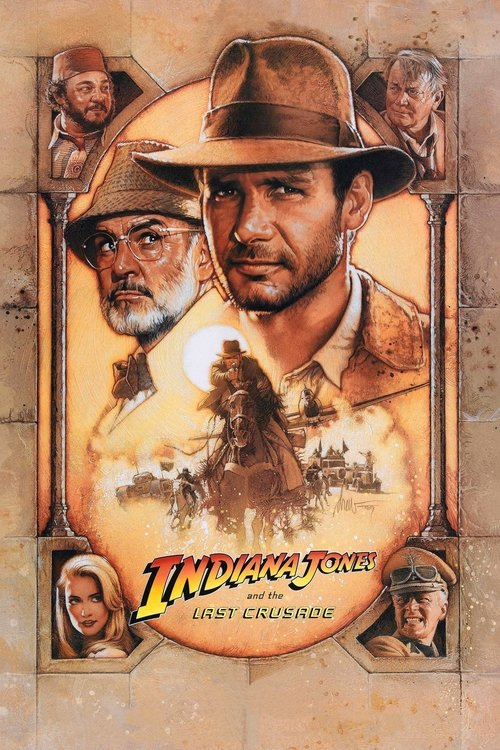
In the years between, he has gone from making mummy movies with his sisters wrapped in toilet paper to a Western shot in the Arizona hills with his fellow Boy Scouts—images that recall the opening of Indiana Jones and the Last Crusade (1989).
Moments dealing with initial romantic inclinations, like in E.T. (1982) or the boy scouts which conjure the opening of Indiana Jones and the Last Crusade (1989) are only a couple of the nods to Spielberg’s own creative conjurings, but in essence, besides the cinematic prowess of Kaminski (and playful nods to what constitutes an interesting horizon line), there’s little to differentiate the tone of The Fabelmans from a myriad of other memoir-inclined narratives (think last year’s The Tender Bar , for instance).
Released the same year as Indiana Jones and the Last Crusade to frosty reviews and tepid box office, comedy fantasy Always stars Holly Hunter, Richard Dreyfuss and Audrey Hepburn (in her final film) is a strange romantic fantasy tale of aviation and the afterlife.
It’s apparent in Jaws , Close Encounters of the Third Kind , Catch Me If You Can , Indiana Jones and the Last Crusade , and many many others.
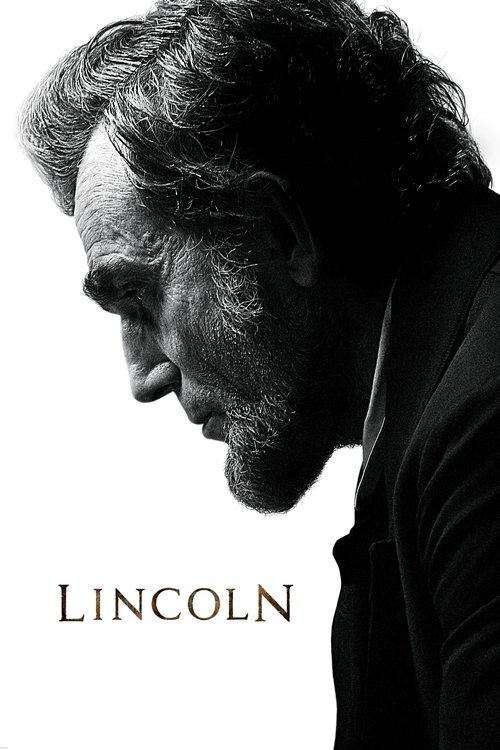
Pick a combination, any combination, of these themes that interest you, and Spielberg’s lovely, sensitive, and often very funny epic—seamlessly co-written by repeat Spielberg collaborator, the great Tony Kushner (“Munich,” “Lincoln” and “West Side Story“)—will fulfill your appetite.
With the passage of time, he is able to look back upon his own youth, fictionalizing it for dramatic purposes — he receives his first writing credit since A.I. Artificial Intelligence (2001), collaborating with writer Tony Kushner (Munich, 2005; Lincoln, 2012; West Side Story, 2021) — and softening the edges, without eliminating entirely the painful stabs of memory that are inherent in recalling any great love.
He co-wrote the film with his “Lincoln” screenwriter Tony Kushner.
In The Fabelmans, Steven Spielberg puts his own childhood up on the big screen, through the Dream Factory, with the help many of his regular collaborators, screenwriter Tony Kushner (Munich, Lincoln), John Williams (Jaws, Indiana Jones, Jurassic Park) and Janusz Kaminski (Schindler’s List, Saving Private Ryan, West Side Story) among others.
This one seems entirely appropriate, and it has been gestating in the director’s head ever since he and his co-writer Tony Kushner started kicking it around during the making of Lincoln over a decade ago.
Reuniting with his Lincoln (2012) scribe, Pulitzer Prize winner Tony Kushner, it’s a tender, if inherently self-indulgent characterization of an upwardly mobile Jewish family evolving along with the changing cultural mores of the 1950s and 1960s.
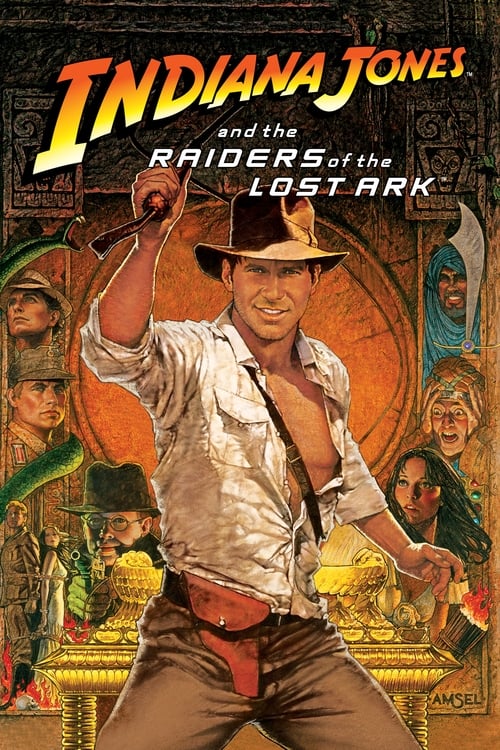
One need not peer too closely during these passages to spy the seeds of Raiders of the Lost Ark, War of the Worlds and E.T., the last of which is potently evoked in a nighttime campfire scene that finds a nightgown-wearing Mitzi twirling and smiling in car headlights for Sammy’s camera—and the two adult men in her life—like a translucent angel portending both bliss and doom.
Raiders of the Lost Ark is a tribute to swashbuckling early cinema that became the measuring stick for all adventure films.
Think about the disgusting crunch that accompanied Quint falling into Bruce the Shark’s mouth in “Jaws,” or those melting faces at the end of “Raiders of the Lost Ark.” Sentimentality and sadism make strange bedfellows, and Spielberg has never kicked either of them out of bed.
These early scenes are attuned to Spielberg’s childhood imagination and you can see the narrative breadcrumbs that lead to “Raiders of the Lost Ark” and “Saving Private Ryan.”
How Sammy finds himself in Ford’s movie studio office is one of the film’s many shaggy dog detours, but the brief visit puts an exclamation point on the proceedings, leading to one of the most tickling final shots of Spielberg’s career — and that includes the cavernous warehouse at the end of Raiders of the Lost Ark and the disappearing space ship in Close Encounters of the Third Kind .
By the end, when Spielberg builds to a meeting with a childhood hero (a very funny cameo that does feel a little like it belongs to a different movie) and succumbs to the familiar urge to lift spirits, The Fabelmans has taken on the romantic scale of an origin story: This, we’re told at last, is what made the man behind Jaws and Raiders of the Lost Ark and numerous other cinematic flags planted in the pop-culture imagination.
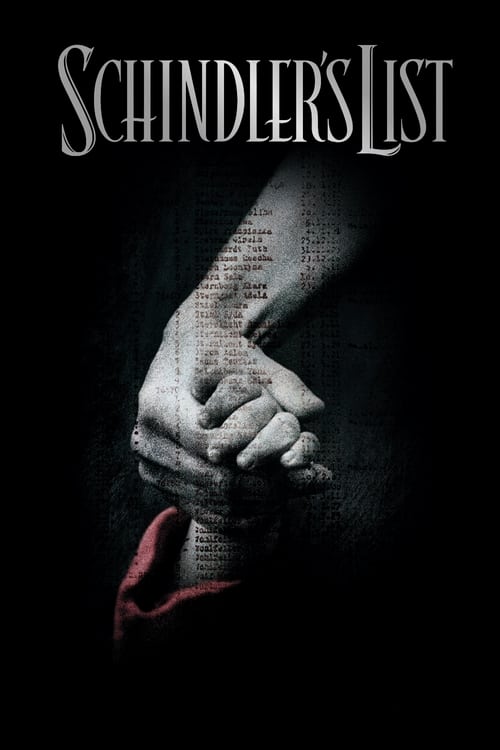
Much as he did with Jurassic Park and Schindler's List four years prior, Spielberg released a mega blockbuster and an unflinching historical drama in the same year, 1997.
The scene in which his dad asks him to edit a home movie when he’s prepping his war film should be seen as a commentary on Spielberg’s penchant for always having multiple projects going at once, like when he released Jurassic Park and Schindler’s List in the same year.
In The Fabelmans, Steven Spielberg puts his own childhood up on the big screen, through the Dream Factory, with the help many of his regular collaborators, screenwriter Tony Kushner (Munich, Lincoln), John Williams (Jaws, Indiana Jones, Jurassic Park) and Janusz Kaminski (Schindler’s List, Saving Private Ryan, West Side Story) among others.
Sure, Schindler’s List (1993) and Munich (2005) focus on some of the darkest chapters of modern Jewish history, but a Jewish aesthetic bleeds into much of his other work as well, especially in his post- Schindler’s List output.
It is impeccably shot by Spielberg’s regular cinematographer Janusz Kaminski (Oscar-winner for “Schindler’s List” and “Saving Private Ryan”).

The very fact that Spielberg’s childhood has been a known subtext in so many of his works, from Close Encounters of the Third Kind to Catch Me If You Can, inspires us to make those comparisons.
The divorce of Spielberg's parents has been a theme in many of his movies, from the breakdown of the Close Encounters of the Third Kind family and the single mother in E.T., to Indiana Jones's daddy issues and the real-life Frank Abagnale in Catch Me If You Can.
It’s not difficult to draw a straight line from Burt, a deeply practical man who exuded less than whole-hearted enthusiasm for his son’s burgeoning artistic interests, to the similarly tunnel-visioned Roy Neary in Close Encounters of the Third Kind or even Frank Abagnale Jr.’s detached father in Catch Me If You Can .
You’ve seen this story before, or just glints in prequels like “The Sugarland Express,” “E.T.” and “Catch Me If You Can.”
From E.T.: The Extra-Terrestrial and Close Encounters of the Third Kind to Catch Me If You Can and War of the Worlds , so much of Spielberg’s filmography is filled with squabbling parents, split families, and absent fathers.
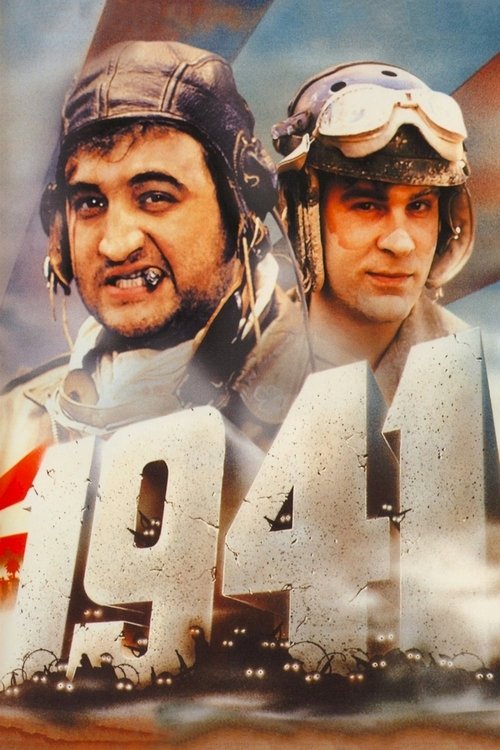
Excavating and elaborating his memories, Spielberg tells this story with a free-swinging vigor that he has matched only in “1941”—and that, there, was heightened by an antic facetiousness that’s altogether absent from the warmhearted, good-humored, intensely sincere “Fabelmans.”
Following the incredible successes of Jaws and Close Encounters , 1941 was generally regarded as Spielberg's first critical flop (though it turned a small profit at the box office).
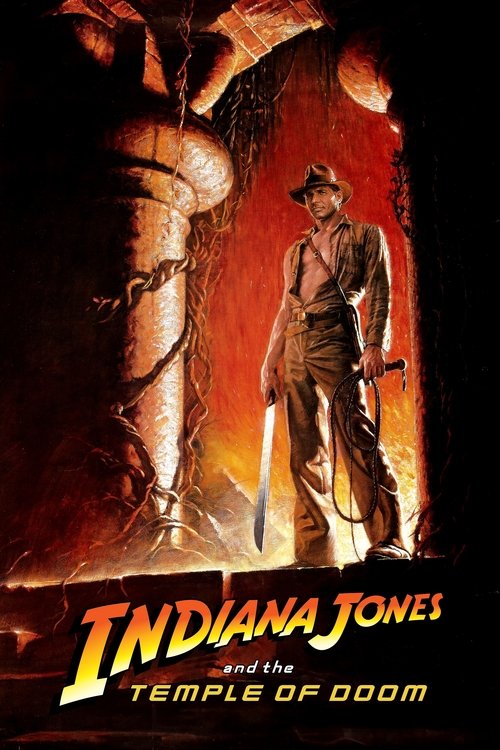
When he directed Indiana Jones And The Temple Of Doom , he channeled the misanthropic energy from his first marriage into its depiction of Willie Scott.
The scene in which his dad asks him to edit a home movie when he’s prepping his war film should be seen as a commentary on Spielberg’s penchant for always having multiple projects going at once, like when he released Jurassic Park and Schindler’s List in the same year.
In The Fabelmans, Steven Spielberg puts his own childhood up on the big screen, through the Dream Factory, with the help many of his regular collaborators, screenwriter Tony Kushner (Munich, Lincoln), John Williams (Jaws, Indiana Jones, Jurassic Park) and Janusz Kaminski (Schindler’s List, Saving Private Ryan, West Side Story) among others.
Before he was the iconic director who basically invented the summer blockbuster (Jaws, Indiana Jones, Jurassic Park, etc.), Steven Spielberg was a middle-class Jewish kid who made amateur movies as a hobby.
But popular entertainments like Jaws , the Indiana Jones films, and Jurassic Park still pulse with the passion of a filmmaker who’s profoundly attuned to movement, which makes them feel no less personal than more overtly “serious” films like Schindler’s List and Munich .
Considering Spielberg’s dense filmography has several films, “Close Encounters of the Third Kind” and “ET,” that have hinted or explored deeply personal childhood trauma, “The Fabelmans” might clue us in to the choices he made throughout his lucrative career, but this two-and-half-hour melodramatic weepie is undercooked with a slew of cheesy and cringe-inducing sequences overshadowing what got the “Jurassic Park” director here in the first place: the magic of making movies.
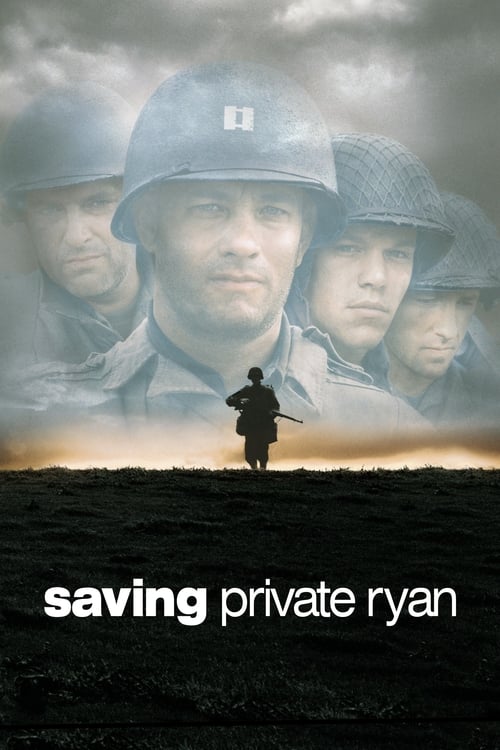
Elsewhere, the dazzling sequences of Sammy shooting his short films, including an elaborately mounted World War II drama that echoes Saving Private Ryan (1998), have an infectious energy.
In The Fabelmans, Steven Spielberg puts his own childhood up on the big screen, through the Dream Factory, with the help many of his regular collaborators, screenwriter Tony Kushner (Munich, Lincoln), John Williams (Jaws, Indiana Jones, Jurassic Park) and Janusz Kaminski (Schindler’s List, Saving Private Ryan, West Side Story) among others.
It is impeccably shot by Spielberg’s regular cinematographer Janusz Kaminski (Oscar-winner for “Schindler’s List” and “Saving Private Ryan”).
The theater seats clutched for dear life during “Jaws”; the tears shed at the end of “E.T.”; the larger 20th-century canvas of genocide and the slaughter of war in “Schindler’s List” and “Saving Private Ryan”: In wildly varying registers of escapism and seriousness, Spielberg has grabbed a worldwide audience and held it in his grip.
Who would have thought that the Normandy Beach opening of “Saving Private Ryan” might have its roots in “Escape to Nowhere,” for example?

Bridge of Spies was inspired by Arnold’s trip to Moscow with other electrical engineers in 1960, which happened during the Francis Gary Powers incident.
Cinematographer Janusz Kaminski’s cinematography evokes his Bridge of Spies approach — sepia and fable-like colors that make the film feel a tad surreal and dreamlike.
This is an odd miracle in itself, albeit it is easy to find this thread in his work, from Richard Dreyfus’ obsession (and eventual familial abandonment) in Close Encounters of the Third Kind, to the shattered Abagnale family dynamic in Catch Me If You Can, or Tom Hanks’ domestic arc in Bridge of Spies.
Even his adult drama stories, like Bridge of Spies and my favorite film of his, Catch Me If You Can, feel as designed for the big screen as the blockbusters that have become his trademark.
The Fabelmans perks up when ditching the family for high school drama (Uncle Boris was right!), where the manipulative possibilities of narrative film get a less-stock-than-expected consideration; in its high school section, this is Spielberg’s most sustainedly and unexpectedly funny work since Bridge of Spies .
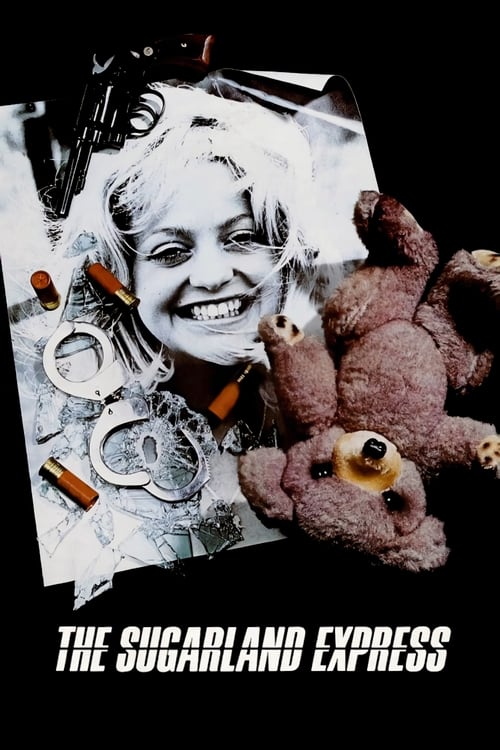
You’ve seen this story before, or just glints in prequels like “The Sugarland Express,” “E.T.” and “Catch Me If You Can.”
The acclaim and popularity of TV movie Duel led to a theatrical feature debut with the 1974 crime drama The Sugarland Express starring Goldie Hawn.
Every Spielberg feature, from The Sugarland Express to West Side Story , reveals elements of its creator’s passions.
The duo have had a long relationship dating back to The Sugarland Express in 1974.

Ever since the staggeringly simple highway nightmare and TV movie phenomenon “Duel” (1971), he has made anxiety — his own and others’ — into an idealized vision of the human experience and its attendant fantasies and nightmares.
The acclaim and popularity of TV movie Duel led to a theatrical feature debut with the 1974 crime drama The Sugarland Express starring Goldie Hawn.
In the end, it’s intermittently sweet and nostalgic, but peculiarly insignificant; rather than using its basis on Spielberg’s childhood to exhibit junctures that might have cultivated the seeds of “Duel,” “Jaws,” “Close Encounters of the Third Kind,” “Raiders of the Lost Ark,” “E.T. the Extra-Terrestrial,” or others, audiences are left only with a pleasant yet obvious vanity project of conspicuous inconsequence.
Yet for all the thrills, joy and heartbreak Spielberg has given us, from his crackling 1971 debut, “Duel,” to last year’s glorious “West Side Story,” we never get a strong sense of the man behind the camera.
And of course, the whole reason we’re watching the film is because we all know that not long after the self-congratulatory end of the film, young Fabelman/Spielberg shot upward like an arrow through Hollywood, soaring from TV work to feature film directing the amazingly accomplished Duel (1971) at age twenty-five, then making it big — huge — with Jaws at twenty-nine.
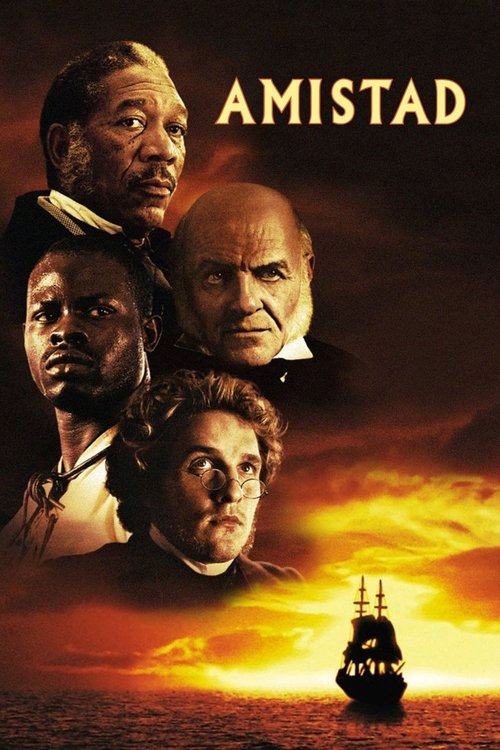
At worst, he can bore you to tears ( Lincoln , Amistad ).
Based on the complex legal aftermath of an 1839 slave revolt, Amistad doesn't have the emotional heft of Schindler's List or The Color Purple , but it's a distinguished, well-acted historical drama.
The historical drama of Amistad , or the war epics Schindler’s List and Saving Private Ryan ?

Spielberg, known as a creator of iconic spectacles, has never shied away from looking at real pain, as in “Schindler’s List” and “The Color Purple.”
Based on the complex legal aftermath of an 1839 slave revolt, Amistad doesn't have the emotional heft of Schindler's List or The Color Purple , but it's a distinguished, well-acted historical drama.
One common denominator to the movies Spielberg has made over the second act of his career—after 1985’s The Color Purple saw him shift in spirit from film-brat showman to Serious Filmmaker, with all the laurels and prestige that implies—is a desire to examine the past using state-of-the-art means, which can, on the surface, look a bit like glossy and borderline-reactionary nostalgia.
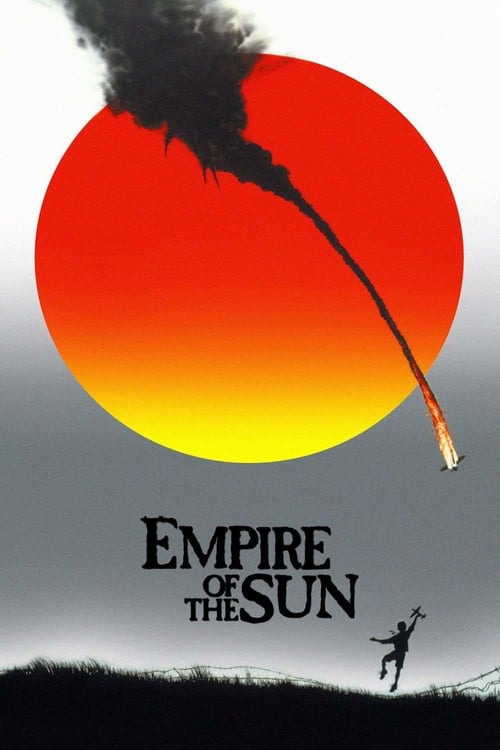
It’s one of the most piercing passages in all of Spielberg—up there with the finale of “Empire of the Sun” (1987), when another boy, marooned by war, is reunited with his parents.
Sure, he made movies that focused on children in extraordinary situations ("Empire of the Sun," "E.T. the Extra-Terrestrial") but they weren't about growing up.
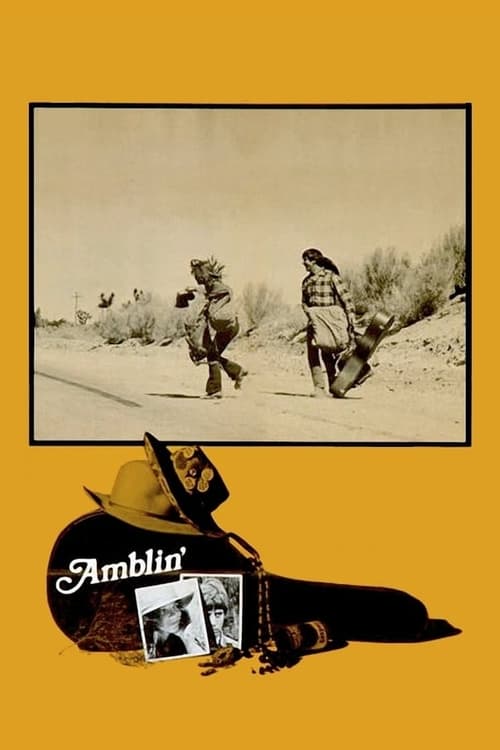
His 1968 short, "Amblin'," which he named his company after, was about a young kid who hooks up with a girl while hitchhiking one summer.
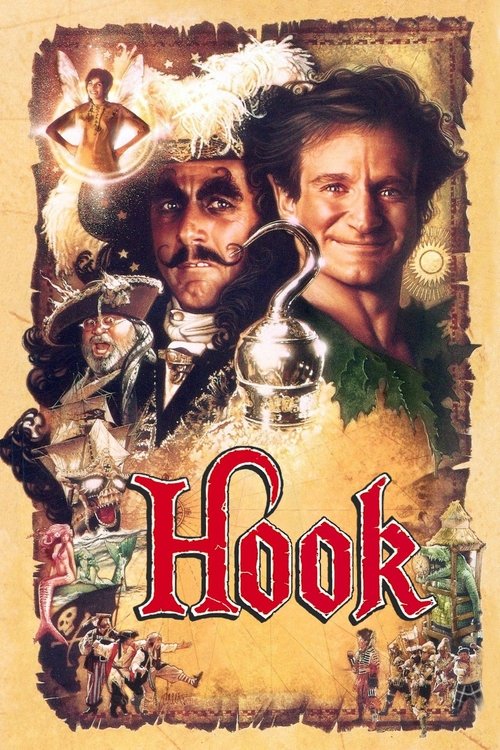
Whether it’s an emotionally distant dad letting his family fall apart in “Close Encounters of the Third Kind” or an adult Peter Pan fighting for his children in “Hook,” such bonds clearly matter in Spielberg’s on-screen fictions because the same connections broke down in his off-screen reality.
This one of those self-reflexive, super-indulgent Spielberg pictures like “Hook” or “Ready Player One” where the director gets so preoccupied mucking around with the idea of what it means to be a Steven Spielberg movie he forgets that most people enjoy Steven Spielberg films because they tell clear, crowd-pleasing stories and are entertaining as hell.
Hook is an uncomfortable blend of adult cynicism and a kiddie tone that never finds the effortless wonder that's in so many Spielberg pictures—and the muddy production values stand out against a filmography that's mostly visually breathtaking.
But he’s never exactly hidden in his work, employing clear directorial surrogates in everything from Jaws to Hook to The BFG , and The Fabelmans is his clearest attempt so far to reckon with what kind of artist he is, and why.
The director, once accused of having a Peter Pan complex for being so fixated on his childhood, even made an actual Peter Pan movie, 1991’s Hook .
“E.T.” for all of its glory could be emotionally manipulative, as was the underappreciated “Hook,” which has found fans 30-plus years after its release.

Released the same year as Indiana Jones and the Last Crusade to frosty reviews and tepid box office, comedy fantasy Always stars Holly Hunter, Richard Dreyfuss and Audrey Hepburn (in her final film) is a strange romantic fantasy tale of aviation and the afterlife.
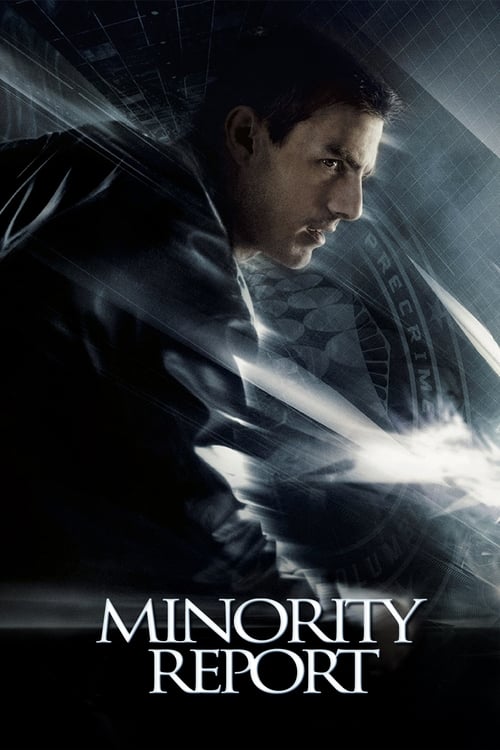
Spielberg has been known for years as a sentimental, happy ending kind of filmmaker (ahem Minority Report?
Minority Report is a Hitchcockian "wrong man" yarn, a Philip K. Dick fable, with Spielberg's stamp and lively touch all over it.
Advertisement

At its height, Speilberg channels a sense of Douglas Sirk’s soapy melodramas, such as All That Heaven Allows (read review) or There’s Always Tomorrow (1956), where Jane Wyman and Barbara Stanwyck play mothers whose children disastrously intervene in their love lives.
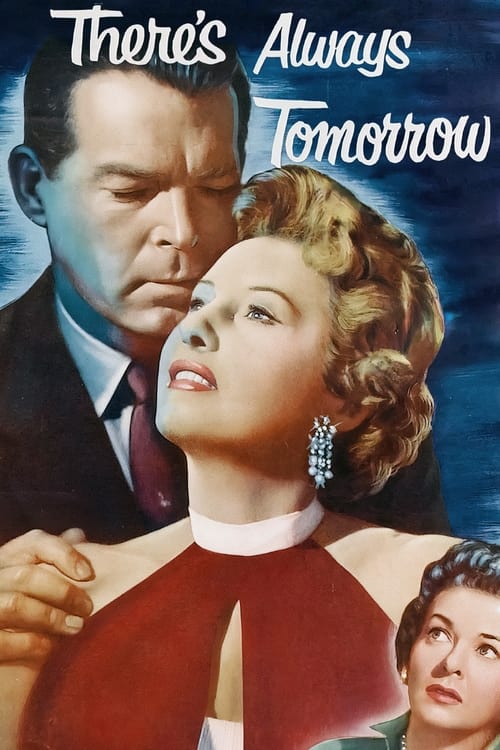
At its height, Speilberg channels a sense of Douglas Sirk’s soapy melodramas, such as All That Heaven Allows (read review) or There’s Always Tomorrow (1956), where Jane Wyman and Barbara Stanwyck play mothers whose children disastrously intervene in their love lives.
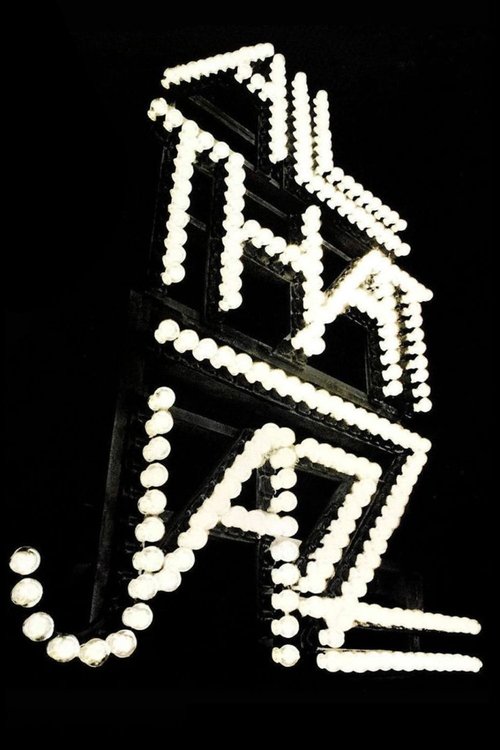
An obviously very personal film for Steven Spielberg, “The Fablemans” could easily be compared to Bob Fosse’s “All That Jazz” – without the naked women, of course.