View:

Connections, in both directions

Original Sin poster
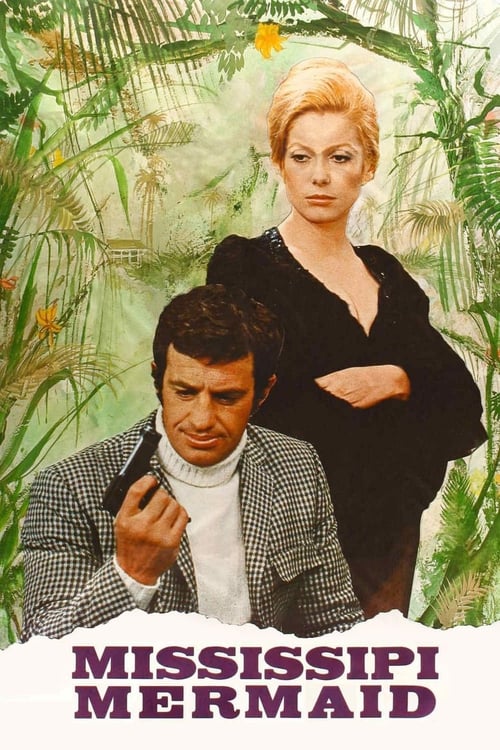
Based on the same Cornell Woolrich novel that Francois Truffaut had fun with in 1969's underrated Mississippi Mermaid, this Cuban-based potboiler takes longer to play out than a swim from Nova Scotia to Havana.
USA TODAY • Aug 3, 2001
archive.org ↗
Movie fans will recall that Francois Truffaut had a bit more artistic luck adapting this same Woolrich novel with his 1969 French version, "Mississippi Mermaid," starring Jean-Paul Belmondo and Catherine Deneuve -- even though it was one of the biggest box-office flops of his career.
The Seattle Times
archive.org ↗
We can see the bare bones of Woolrich's story and how it might have worked in some other incarnation (Francois Truffaut also filmed this novel in 1969 as Mississippi Mermaid.)
Combustible Celluloid
combustiblecelluloid.com ↗
Original Sin is based upon Cornell Woolrich's (Rear Window) novel, Waltz Into Darkness, which Francois Truffaut adapted in 1969 and titled Mississippi Mermaid.
Fantastica Daily
archive.org ↗
Based on the 1947 Cornell Woolrich novel Waltz into Darkness (previously filmed as François Truffaut's Mississippi Mermaid), Original Sin is a little bit exotic period piece, a lot noir, but Cristofer and his cast never quite get it together.
Peter Canavese • Groucho Reviews
grouchoreviews.com ↗
Cristofer's adaptation of Cornell Woolrich's "Walk Into Darkness" (which was also the basis for Truffaut's "Mississippi Mermaid") is filled with howlers like this one: "This is not a love story, but a story about love," Jolie's Julia says in voiceover narration.
Box Office Mojo
archive.org ↗
Fahrenheit 9/11 poster
(Right now, there’s little Moore can’t take care of on his bellicose lonesome, unless you count Bush Senior, who gets trashed in the movie and has called him a “slimeball” for tarnishing his son’s image, or a cranky Ray Bradbury, who cussed out the filmmaker for stealing the title of his novel Fahrenheit 451 and then changing it without permission.)
LA Weekly
archive.org ↗
The title is a play on Ray Bradbury's science-fiction classic "Fahrenheit 451," in which "firemen" burn books and serve a totalitarian regime that tolerates no dissent.
The title is a play on "Fahrenheit 451," the temperature at which paper burns, and a Ray Bradbury novel about a future totalitarian state in which reading and independent thought are banned.
Fahrenheit 9/11 — the title is a play on the Ray Bradbury novel (and Francois Truffaut film) Fahrenheit 451, about a future totalitarian state where reading, and thus independent thinking, has been outlawed — has news value beyond its financing and distribution tangles.
"Fahrenheit 9/11" takes its title from Ray Bradbury's novel "Fahrenheit 451," which takes place in a futuristic totalitarian state that prohibits reading -- and the independent thought it fosters.
Submarine poster
Lifting from Wes Anderson , Noah Baumbach , Danny Boyle , Whit Stillman and older avatars such as Richard Lester (let's not even start on its tributes to tributes to Truffaut 's " The 400 Blows "), it's so relentless in its piling on of snappy effects -- perfectly frozen freeze-frames, "quirky" mismatches of narration and image, and more, more, more -- that it kind of plays like " The Graduate " going through steroid psychosis.
Coming-of-age movies involving precocious, troublesome boys are a genre unto themselves, ranging from "Rushmore" to Truffaut's "The 400 Blows."
Peter Rainer, The Christian Science Monitor • The Christian Science Monitor • Jun 3, 2011
csmonitor.com ↗
At one point, he can be seen running across a beach like another coming-of-age touchstone, Antoine Doinel, in a scene that is a direct visual quote of The 400 Blows.
There's a reoccurring beach motif that invokes François Truffaut's The 400 Blows.
FilmInk
com.au ↗
Belfast poster
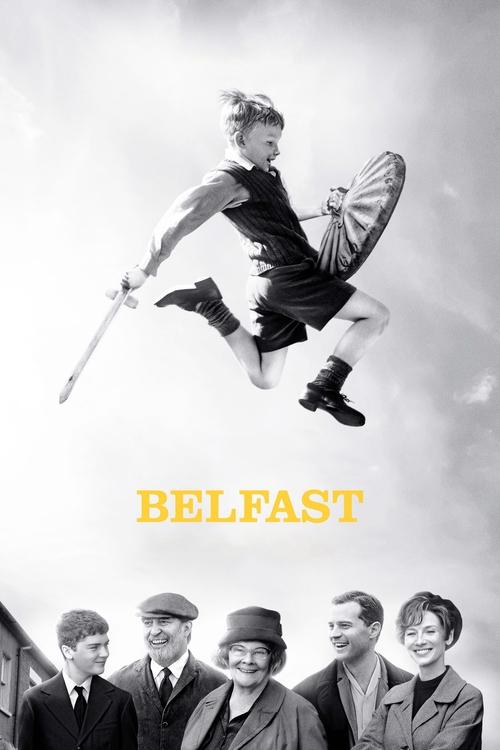
He’s occasionally led astray by his troublemaking cousin (Lara McDonnell) for delinquent scenes that recall Francois Truffaut’s “The 400 Blows” (1959), but he is a sweet boy with a good heart.
Jason Fraley • WTOP News • Dec 3, 2021
wtop.com ↗
He appears on-screen, often alone and silent, for nearly every minute of the movie, and his watchful, expressive face recalls the juvenile protagonists of Truffaut films like The 400 Blows or Small Change .
Dana Stevens • Slate • Nov 11, 2021
slate.com ↗
Sometimes, they can emerge with all-time masterpieces that use memory as a springboard for art that both celebrates and interrogates the past, like Alfonso Cuaron’s Roma or François Truffaut’s The 400 Blows.
Barry Hertz • The Globe and Mail • Nov 8, 2021
theglobeandmail.com ↗
François Truffaut may have started off with “The 400 Blows,” but typically films like Federico Fellini’s “Amarcord,” Woody Allen’s “Radio Days” and Spike Lee’s “Crooklyn” arrive a little later in the careers, after they're lauded enough to start feeling reflective.
Sean Burns • WBUR • Dec 1, 2021
wbur.org ↗
He appears on-screen, often alone and silent, for nearly every minute of the movie, and his watchful, expressive face recalls the juvenile protagonists of Truffaut films like The 400 Blows or Small Change .
Dana Stevens • Slate • Nov 11, 2021
slate.com ↗
News of the World poster
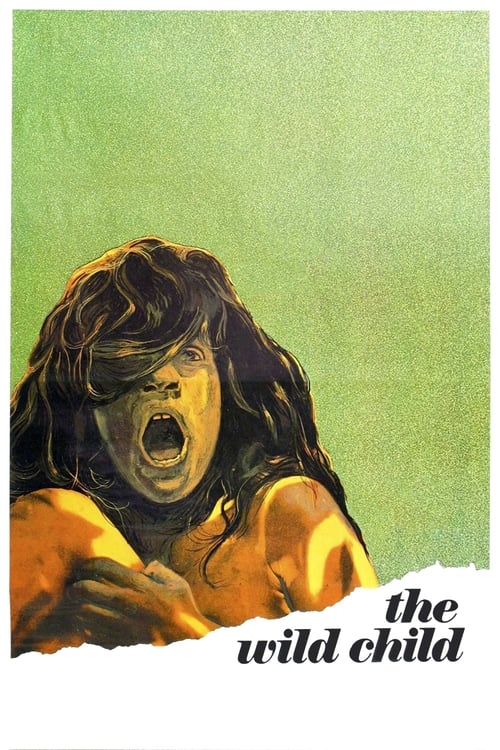
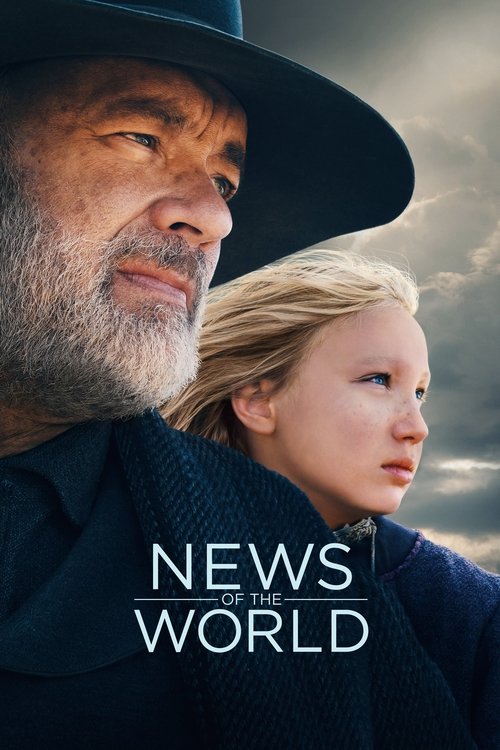
The pitch-perfect emotional interplay between Hanks and Zengel, the seasoned veteran and the promising newcomer who bring out the best in each other, recalls the fascinating give-and-take between director-star Francois Truffaut and Jean-Pierre Cargol in Truffaut’s The Wild Child (1970), a not-dissimilar story about a learned man’s efforts to bestow the profoundly mixed blessings of civilization on a youngster who, all things considered, might be better off unbound by those constraints.
Cowboys & Indians
cowboysindians.com ↗
The Florida Project poster
But what it really reminded me of was “Little Fugitive,” the great 1953 independent movie, about a boy let loose in Brooklyn’s Coney Island, that influenced the French New Wave, or François Truffaut’s “Small Change,” in which childhood is comprehended, without sticky sentimentality, as an enraptured time of life.
Peter Rainer, The Christian Science Monitor • The Christian Science Monitor • Oct 5, 2017
csmonitor.com ↗
There’s a dash of Truffaut’s “400 Blows” and “Small Change” in the movie’s recipe, along with the “Our Gang” vibe.
Michael Phillips • Chicago Tribune • Oct 9, 2017
chicagotribune.com ↗
Influences here range from Ken Loach’s 1969 gem Kes, Carroll Ballard’s 1979 classic The Black Stallion, François Truffaut’s timeless 1959 stunner The 400 Blows, John Boorman’s graceful 1987 drama Hope and Glory and Andrea Arnold’s 2009 marvel Fish Tank.
Sara Michelle Fetters
moviefreak.com ↗
Have they escaped the cellular confines of “The 400 Blows” or “Salaam Bombay”?
Tom Meek • Cambridge Day • Oct 12, 2017
cambridgeday.com ↗
This kind of social realist, vérité-style filmmaking has been part of cinema almost from its beginning, reaching peaks in Italian neorealism (1948’s Bicycle Thieves ) and the French New Wave (1959’s The 400 Blows ).
Alissa Wilkinson • Vox • May 31, 2017
vox.com ↗
Her wonderful performance helps The Florida Project – despite the lack of much narrative structure – sit proudly beside such great studies of childhood as The 400 Blows, Fanny and Alexander and Boyhood .
Donald Clarke • The Irish Times • May 26, 2017
irishtimes.com ↗
Frances Ha poster
A glimpsed poster for Truffaut’s 1976 comedy Small Change suggests an inspiration for the picture’s skit-like structure.
Ryan Gilbey • New Statesman • Jul 25, 2013
newstatesman.com ↗
But combined with the Small Change poster positioned conspicuously in one of the several New York flats that Frances crashes in throughout the film, it seems like Baumbach isn't only fetishizing various nouveau vagues of French cinema.
John Semley • Slant Magazine • Sep 18, 2012
slantmagazine.com ↗
Other sources include Allen's "Manhattan" ("Frances Ha," too, is presented in black-and-white) and the romantic classics of the French New Wave (the movie borrows much of its music from Georges Delerue, known for his work on such films as "Jules and Jim" and "Hiroshima Mon Amour," and from Jean Constantin, who scored "The 400 Blows").
The Commercial Appeal
commercialappeal.com ↗
Yet most of the energizing formal ideas are taken from other movies; the creative nadir may be when Baumbach uses Georges Delerue's iconic theme from Jules and Jim as a shortcut to pathos.
Other sources include Allen's "Manhattan" ("Frances Ha," too, is presented in black-and-white) and the romantic classics of the French New Wave (the movie borrows much of its music from Georges Delerue, known for his work on such films as "Jules and Jim" and "Hiroshima Mon Amour," and from Jean Constantin, who scored "The 400 Blows").
The Commercial Appeal
commercialappeal.com ↗
Mixing music from The 400 Blows and David Bowie's '80s dance-rock phase, shooting in black-and-white, and focusing more on character than plot, Frances Ha checks in at less than 90 minutes, which might give the impression that it's a cool sketch rather than a particularly memorable or weighty film.
Moonrise Kingdom poster
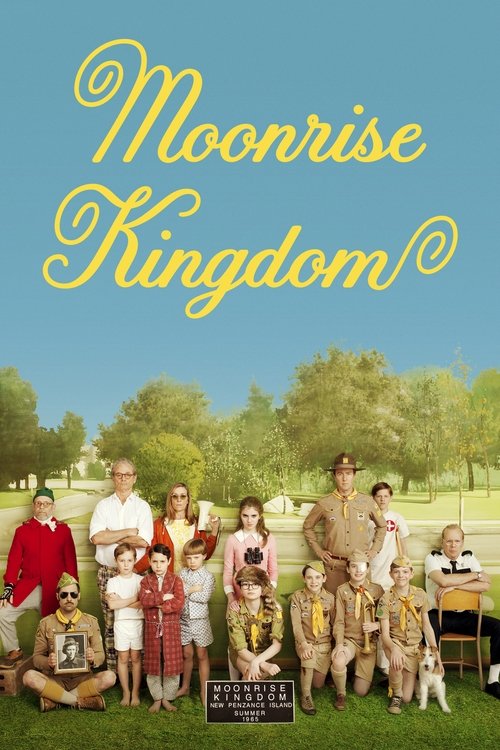
But Anderson handles it with a sensitivity and an unembarrassed openness that evoke the style of François Truffaut, in classics such as The 400 Blows and Small Change.
Peter Travers • Rolling Stone • May 24, 2012
rollingstone.com ↗
The film certainly owes a debt to the crafty kid imps of The 400 Blows and Small Change (by one of Anderson's avowed heroes, François Truffaut) but on the evidence of his artful and electric action direction, Anderson might work wonders with a throwback thriller in the vein of his hero's hero: Alfred Hitchcock.
The Austin Chronicle
austinchronicle.com ↗
But Anderson handles it with a sensitivity and an unembarrassed openness that evoke the style of François Truffaut, in classics such as The 400 Blows and Small Change.
Peter Travers • Rolling Stone • May 24, 2012
rollingstone.com ↗
The film certainly owes a debt to the crafty kid imps of The 400 Blows and Small Change (by one of Anderson's avowed heroes, François Truffaut) but on the evidence of his artful and electric action direction, Anderson might work wonders with a throwback thriller in the vein of his hero's hero: Alfred Hitchcock.
The Austin Chronicle
austinchronicle.com ↗
The Dreamers poster
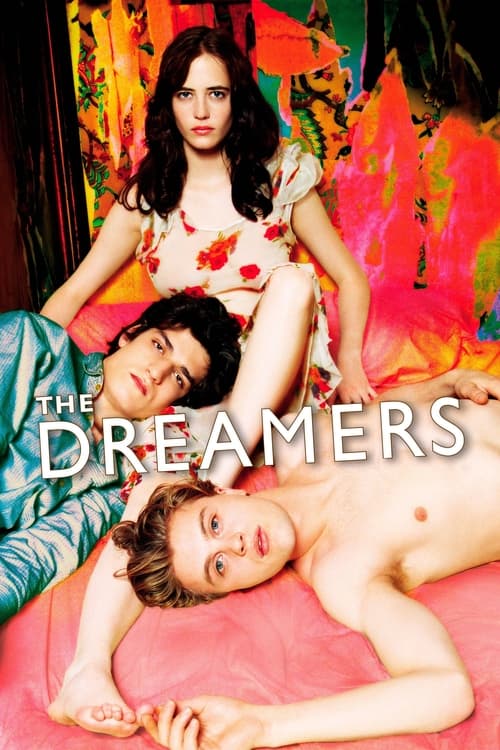
In other words, the threesome's delight in replaying scenes from Band of Outsiders and Jules and Jim is shared by the director, for whom the art of making love to the French New Wave is nothing new.
Rob Nelson • City Pages • Feb 11, 2004
archive.org ↗
Given the plot, it's odd that Truffaut's Jules and Jim is never alluded to in any way, and the references to other movies that are included usually work better for the Cincinnati crowd (with its narrower choices) than for Parisians or Chicagoans (except for the one most American viewers are likely to find inexplicable -- clips from the end of Robert Bresson's Mouchette to contextualize a suicide attempt, which I found offensive).
Chicago Reader
archive.org ↗
The prominently displayed La Chinoise (Jean-Luc Godard, 1967) poster on Theo's wall notwithstanding, the cinema The Dreamers draws on is more '59 than '68, the giddy thrill of new found moral and aesthetic freedom, as well as celebration of youthfulness, in certain works of the early New Wave – À Bout de souffle (Jean-Luc Godard, 1959), Une Femme est une femme (Jean-Luc Godard, 1961), Shoot the Pianist (François Truffaut, 1961), Jules et Jim (François Truffaut, 1962).
Senses of Cinema
archive.org ↗
(Adair's novel is even worse, insofar as it ends by sentimentally commemorating Truffaut's Stolen Kisses and its dedication to Langlois.
Chicago Reader
archive.org ↗
Me and Earl and the Dying Girl poster
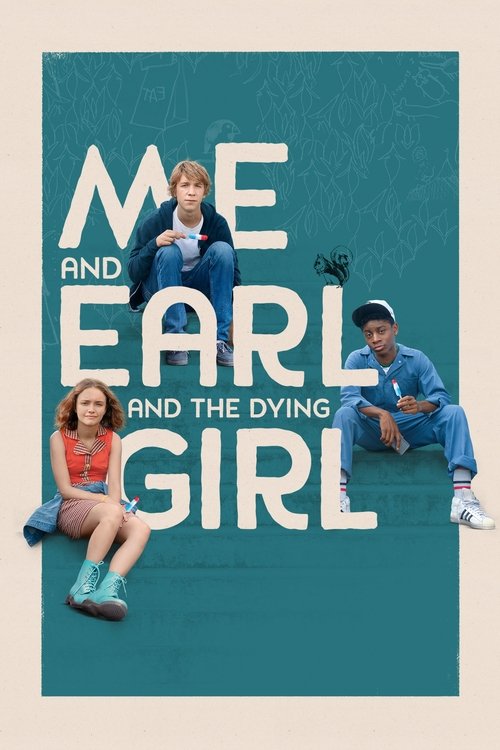
Criterion box art bounces off the walls including the cover of Fassbinder’s “Berlin Alexanderplatz,” publisher Dalkey Archive is referenced, and clips from movies like Truffaut’s “The 400 Blows,” Werner Herzog’s “My Best Fiend” and “Aguirre, The Wrath Of God,” Les Blank’s “Burden Of Dreams” and the unmotivated track right away from Travis Bickle on a payphone in “Taxi Driver.”
Ray Pride • Newcity Film • Jun 10, 2015
newcityfilm.com ↗
It’s a remarkably assured con-job — but I’m not sure that the director, Alfonso Gomez-Rejon, and the screenwriter, Jesse Andrews (adapting his own novel), haven’t conned themselves into thinking they’ve captured the feel of modern adolescence better than anyone since Truffaut in The 400 Blows.
David Edelstein • New York Magazine (Vulture) • Jun 12, 2015
vulture.com ↗
Instead of the latest date flick, Greg, whose room is decorated with posters of The 400 Blows, likes foreign films that are “confusing and pointless, like life.”
Rex Reed, observer.com, rex-reed • Observer • Jun 10, 2015
observer.com ↗
He and Earl grew up watching movies like Werner Herzog 's "Aguirre The Wrath of God", Truffaut's " The 400 Blows ," Powell and Pressberger's "Tales of Hoffmann," and spend their free time as teenagers making their own movies, spoofs of the greats with titles like "The 400 Bros," "The Sockwork Orange," and "2:48 p.m. Cowboy."
RogerEbert.com
rogerebert.com ↗
True to its title, “Me and Earl and the Dying Girl” is first and foremost the story of “me,” the movie’s narrator, Greg Gaines (Thomas Mann), a misfit Pittsburgh high school senior with a passion for classic cinema, as demonstrated by his “Nosferatu” T-shirt, his bedroom poster of Truffaut’s “The 400 Blows” (another tale of a misunderstood adolescent) and, especially, his Mad magazine-esque homemade mini-movies.
The Commercial Appeal
commercialappeal.com ↗
Hanna poster
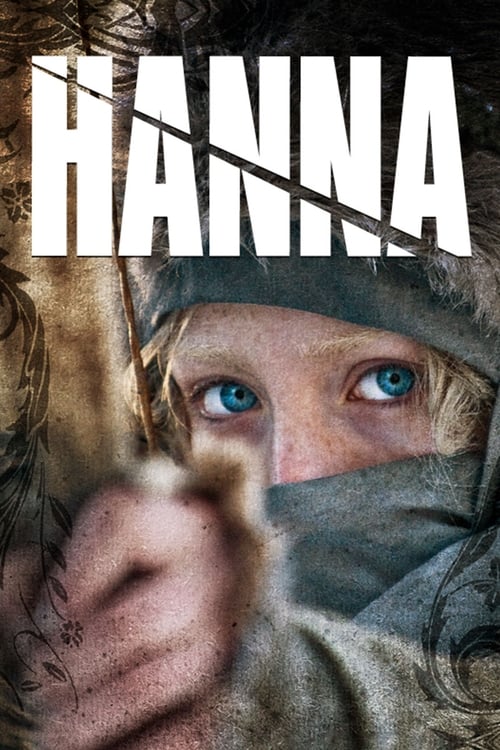
The concept of a lead character who was raised in nature and isolated from the rest of humanity aligns Hanna with classic films like François Truffaut’s The Wild Child or Werner Herzog’s The Enigma Of Kaspar Hauser, but Wright and his screenwriters, Seth Lochhead and David Farr, don’t study their heroine’s cultural miscues all that closely.
Scott Tobias • The A.V. Club
archive.org ↗
Burning poster
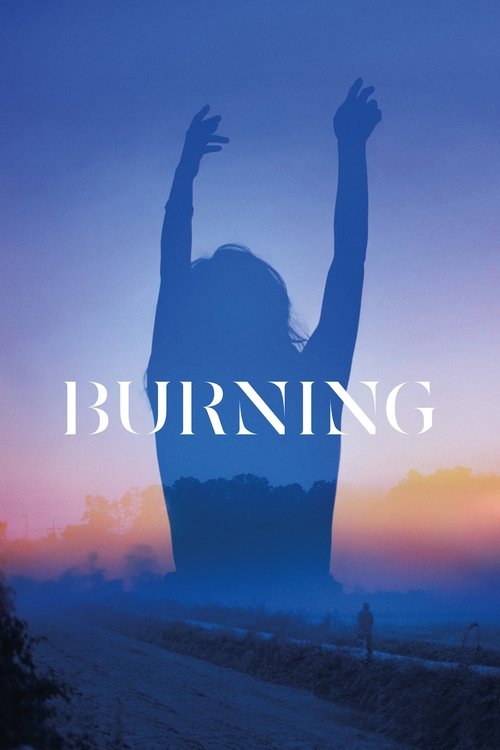
For a while the trio sustains a friendship that has pleasing echoes of the romantic triangle in François Truffaut’s “Jules and Jim,” but Jongsu is seized by inevitable jealousy.
High-Rise poster
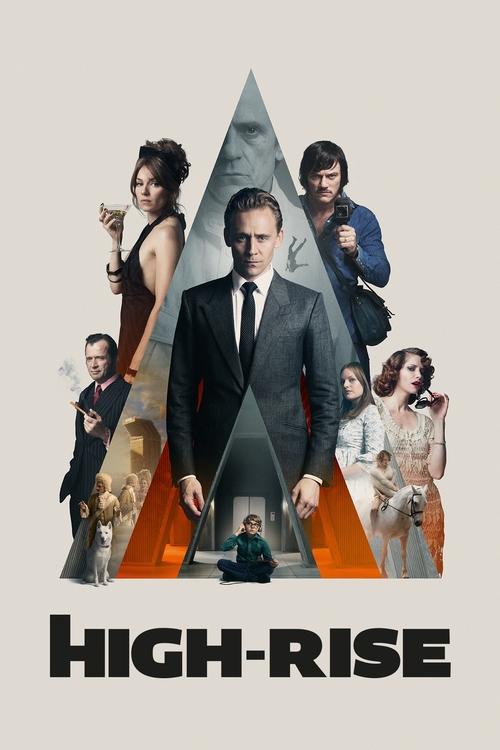
The Brutalist architecture and cold sterility of the building suggests Jean-Luc Godard's Alphaville, and the polished futurism and stiffly remote characters are reminiscent of François Truffaut's Fahrenheit 451.
Y Tu Mamá También poster
But the Harold & Maude poster above the two naked high-schoolers energetically screwing in the opening shot, not to mention the arch voiceover narrator that intrudes at key moments à la Truffaut�s Jules and Jim, suggests that director Alfonso Cuarón had more in mind than parodying crass Hollywood teensploitation.
The Boston Phoenix
bostonphoenix.com ↗
Armageddon Time poster
After becoming entranced by a Kandinsky painting, the two ditch the field trip and escape to Central Park, then an arcade and a record shop to buy a Sugar Hill Gang album—unleashed scenes that recall the energy of François Truffaut’s The 400 Blows (1959) in their freedom from school and authority.
Brian Eggert • Deep Focus Review • Oct 25, 2022
deepfocusreview.com ↗
It's like Barry Levinson's Avalon morphing into The 400 Blows.
Combustible Celluloid
combustiblecelluloid.com ↗
What do Ordinary People, Wildlife, Boyhood and The 400 Blows have in common?
NYC Movie Guru
nycmovieguru.com ↗
James Gray’s Armageddon Time is the kind of movie you get when a talented filmmaker thinks back upon the painful moments of his childhood and then, after close reflection, decides to remake The 400 Blows.
Oliver Jones, observer.com, oliver-jones • The New York Observer • Oct 28, 2022
observer.com ↗
Mama poster
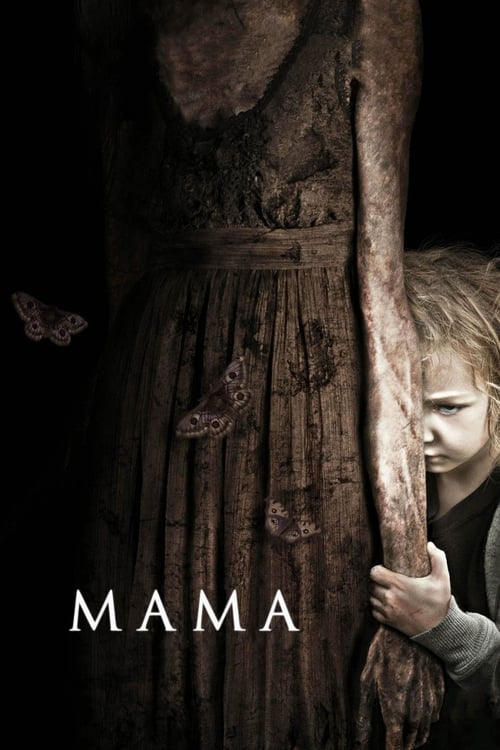
One irresistible parallel is not to Mr. del Toro's work but to François Truffaut's transcendently beautiful "The Wild Child," in which Truffaut himself played Dr. Itard, the physician who undertook to civilize a feral boy discovered in the forests of 18th-century France.
Joe Morgenstern • The Wall Street Journal
archive.org ↗
Companion viewing: "Devil's Backbone," "The Orphanage," "Sinister," "The Wild Child"…
The Fabelmans poster
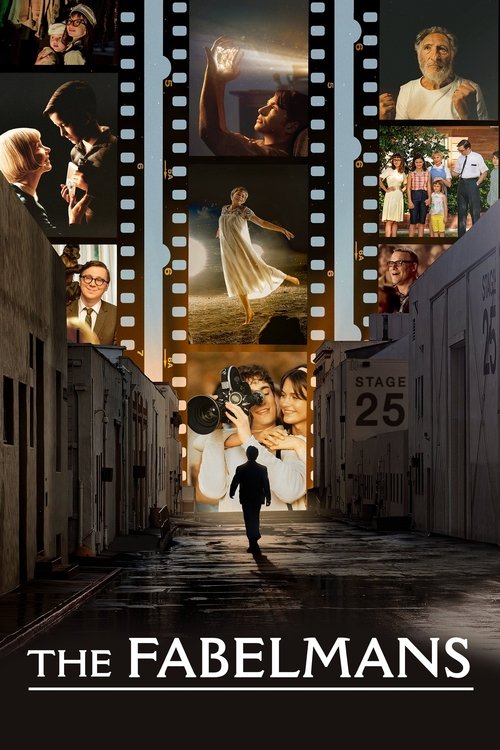
The Fabelmans is not merely about any movie-mad kid, but an autobiographical reminiscence by Spielberg himself, and thus it falls into a fairly narrow subgenre of movies in which the filmmaker’s own childhood is very specifically explored—akin to Cameron Crowe’s Almost Famous, with its one-in-a-million set of coming-of-age exploits, rather than François Truffaut’s The 400 Blows, which mined the director’s childhood but can stand as a universal depiction of youthful unhappiness.
scarecrow • Scarecrow • Nov 25, 2022
scarecrow.com ↗
More similar to Woody Allen’s autobiographical “Radio Days” than it is to European art films such as “The 400 Blows” and “Amarcord” (the more highbrow models other directors typically point to when re-creating their childhoods), “The Fabelmans” invites audiences into the home and headspace of the world’s most beloved living director, an oddly sanitized zone where even the trauma — which includes anti-Semitism, financial disadvantage and divorce — seems to go better with fresh-buttered popcorn.
Peter Debruge • Variety • Sep 11, 2022
variety.com ↗
It's isn't nearly as powerful as Ordinary People, Boyhood, Tokyo Sonata or The 400 Blows, but at least it's not as schmaltzy as Belfast.
NYC Movie Guru
nycmovieguru.com ↗
The three grownup stars constantly recalibrate the complicated flow of emotions in their Jules and Jim -like dynamic while pouring affection on Sammy and his three sisters.
Bill Newcott, Donald Liebenson • The Saturday Evening Post • Nov 17, 2022
saturdayeveningpost.com ↗
Lilya 4-ever poster
It's no accident that her faraway look mirrors that of the young runaway at the close of François Truffaut's "The 400 Blows."
CalendarLive
archive.org ↗
Kill Bill: Vol. 1 poster
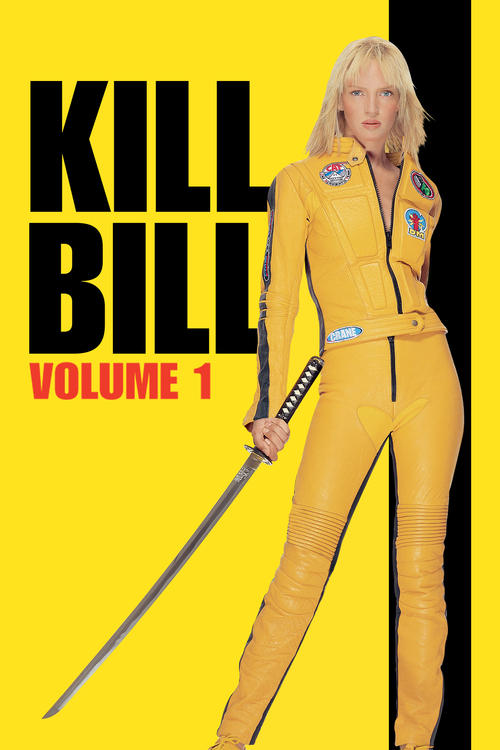
Rather like Jeanne Moreau's avenging newlywed in Truffaut's The Bride Wore Black (her husband was shot on the church steps following the ceremony), The Bride seeks to exact a suitable revenge.
LA Weekly
laweekly.com ↗
Taking a cue from Francois Truffaut's 1968 film The Bride Wore Black, the simple plot has The Bride (Uma Thurman) taking revenge on five dangerous killers.
Combustible Celluloid
combustiblecelluloid.com ↗
Just as RZA's score samples Morricone, Herrmann and Quincy Jones, cameraman Robert Richardson 's dazzling visual iconography comes from The Bride Wore Black, Nikita and Modesty Blaise, Takashi Miike and Seijun Suzuki, Akira Kurosawa and Sergio Leone, Kinji Fukasaku and Brian De Palma, Shaw Brothers' chop socky, Jack Hill blaxploitation and '70s TV schlock - and there's even a cool animé section.
Time Out
timeout.com ↗
You can bet QT has), some Asian standards there, mixed in with Truffaut (whose The Bride Wore Black informs Kill Bill more than a little, though Tarantino has denied seeing it; I doubt this) and nasty X-rated Swedish exploitation (They Call Her One-Eye, an influence on the heroine and one of her betrayers).
Ben Nieporent • eFilmCritic
efilmcritic.com ↗
The Bride Wore Black meets Charlie’s Angels when Uma Thurman’s nameless protagonista (referred to as The Bride) wakes up from a four-year coma and decides to eliminate the titular mob boss’s motley crew of assassins who put her there.
Ed Gonzalez • Slant Magazine • Oct 9, 2003
slantmagazine.com ↗
By the time the story—inspired by Truffaut's The Bride Wore Black—begins, we've sat through another "teaser trailer" for the film.
Peter Canavese • Groucho Reviews
grouchoreviews.com ↗
Forbidden Games poster
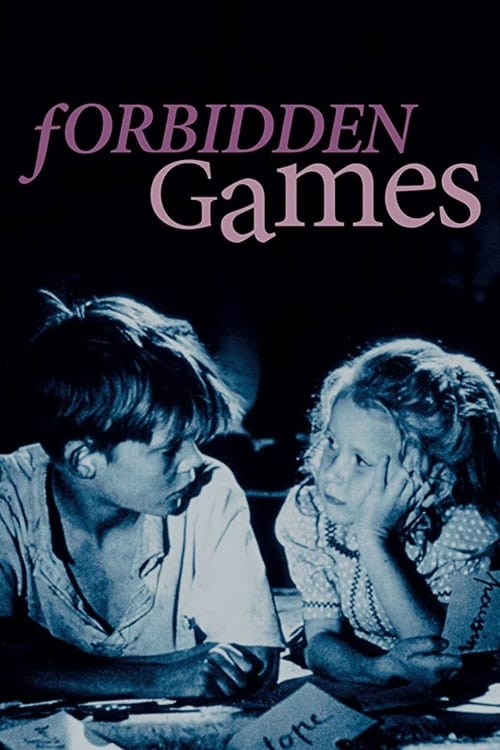
Not since the 1952 arrival of René Clement's "Forbidden Games," with which this extraordinary little picture of M. Truffaut most interestingly compares, have we had from France a cinema that so brilliantly and strikingly reveals the explosion of a fresh creative talent in the directorial field.
BOSLEY CROWTHER • The New York Times
archive.org ↗
LET it be noted without contention that the crest of the flow of recent films from the "new wave" of young French directors hit these shores yesterday with the arrival at the Fine Arts Theatre of "The 400 Blows" ("Les Quatre Cents Coups") of Françcois Truffaut.Not since the 1952 arrival of René Clement's "Forbidden Games," with which this extraordinary little picture of M. Truffaut most interestingly compares, have we had from France a cinema that so brilliantly and strikingly reveals the explosion of a fresh creative talent in the directorial field.Amazingly, this vigorous effort is the first feature film of M. Truffaut, who had previously been (of all things!) the movie critic for a French magazine.