
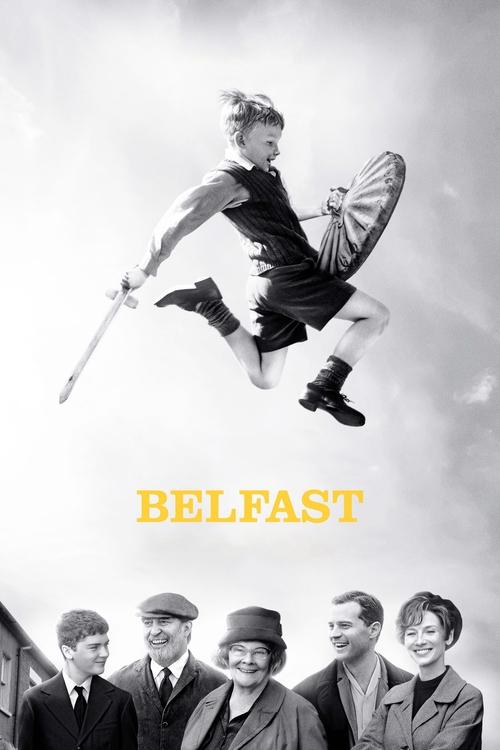
Belfast (2021)
Directed by Kenneth Branagh
Buddy is a young boy on the cusp of adolescence, whose life is filled with familial love, childhood hijinks, and a blossoming romance. Yet, with his beloved hometown caught up in increasing turmoil, his family faces a momentous choice: hope the conflict will pass or leave everything they know behind for a new life.
61 connections found
View:
61 films that influenced Belfast
What critics say influenced Belfast
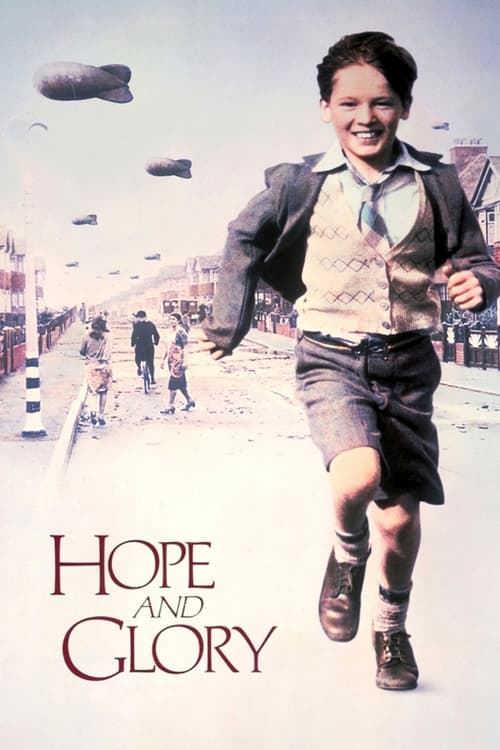


More serious is the inclination to underplay the menace of the time in favor of a generalized sense of uplift amid destruction; it doesn’t go as far in that lamentable direction as Roberto Benigni’s “Life Is Beautiful” did, but doesn’t quite find the sweet spot that John Boorman did in his autobiographical picture “Hope and Glory”—one of Branagh’s obvious inspirations.
You may recall similarly formative moviegoing scenes from John Boorman’s “Hope and Glory” or Terence Davies’ “The Long Day Closes,” with their early glimpses of a future steeped in the pictures.
Almost certainly inspired by John Boorman’s 1987 life-as-a-boy-during-WW2 memoir, Hope and Glory, Branagh seeks to center his story on the impressions of a child.
This is a child’s-eye view of serious adult problems, in the vein of Hope and Glory, John Boorman’s exuberant 1987 film memoir of being a kid in London during the Blitz.
I would guess that Branagh drew inspiration from John Boorman’s masterful 1987 film about his childhood during World War II, Hope and Glory .
For its part, Belfast dips high and low through the semi-autobiographical cinema canon, with perhaps its largest debt owed to John Boorman’s Second World War-era coming-of-age film Hope and Glory.
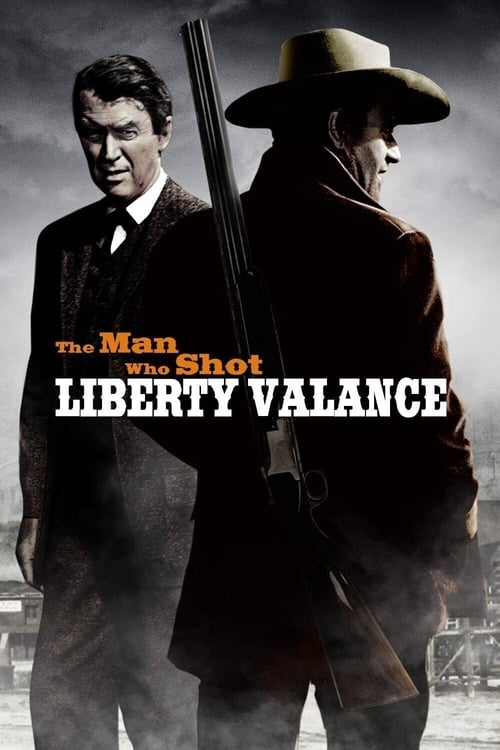
Back home on telly, High Noon and The Man Who Shot Liberty Valance echo the morality and violence in the streets, while Star Trek suggests a better future.
“Belfast” is unabashedly sentimental, from the plethora of Van Morrison songs on the soundtrack to the parallels drawn to Westerns such as “The Man Who Shot Liberty Valance” and (particularly) “High Noon.”
Excepts from two other films are shown (but those, matching the films, are in b&w): The Man Who Shot Liberty Valance and High Noon.
And Buddy, picking up on real-life trauma and archetypal themes from Westerns like “The Man Who Shot Liberty Valance” and “High Noon” on the telly, struggles to make childish sense of it all as Van Morrison songs of the day waft out of radios and well up on the soundtrack.
There are several classic movie references and film clips from Chitty Chitty Bang Bang , High Noon and The Man Who Shot Liberty Valance are shown.
And Buddy, hooked on movies like “High Noon” and “The Man Who Shot Liberty Valance,” sees his father as the hero of the day.
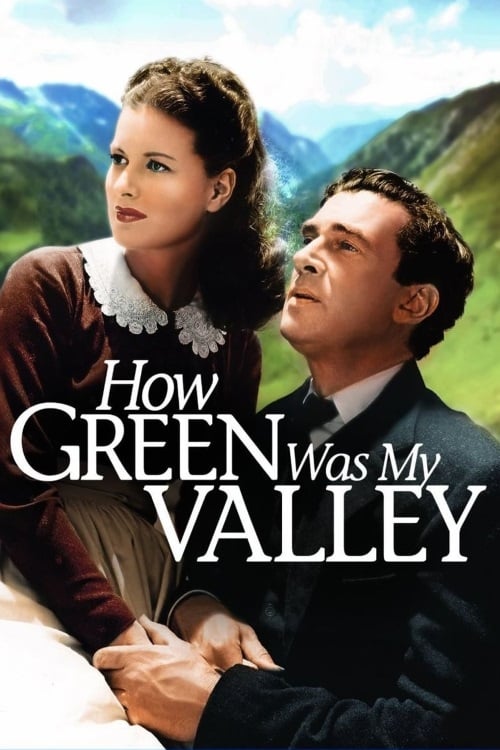
Along with the black & white and a story of community, it’s obvious that Branagh’s inspiration are the films of John Ford, specifically How Green Was My Valley , a movie that is the pinnacle of movies about family.
We’ve been here before, as long ago as “How Green Was My Valley” (1941) and as recently as “Minari” (2020), with John Boorman’s London Blitz memoir “Hope and Glory” (1987) a particularly relevant midpoint.
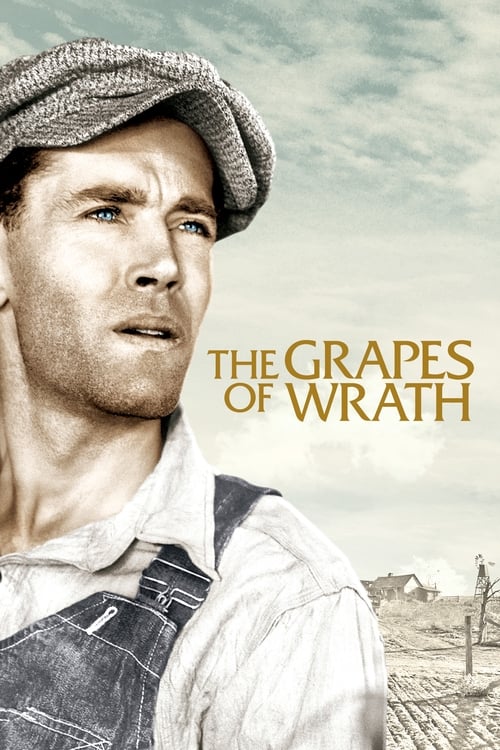
Jamie Dornan, famous for “Fifty Shades of Grey” and singing to seagulls earlier this year in “Barb and Star Go to Vista Del Mar,” is a sympathetic working man out of “The Grapes of Wrath” here.
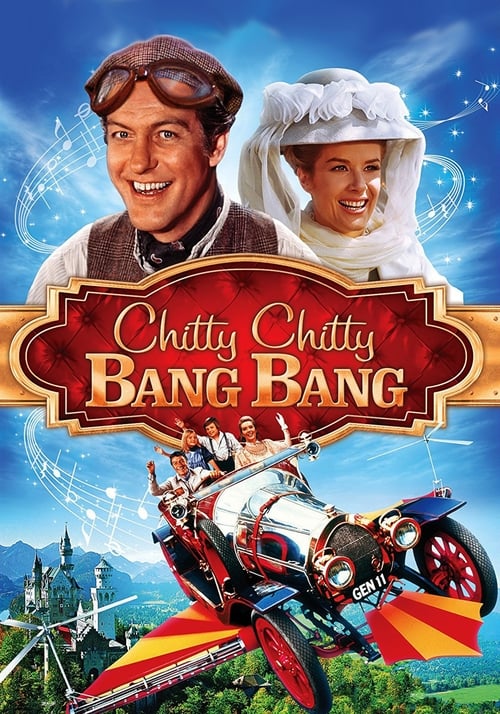
Even so, as a portrait of one future auteur’s late-1960s childhood, Belfast is vivid and heartfelt: In one scene, the whole family treks out to see the ridiculous 1968 crowd-pleaser Chitty Chitty Bang Bang, falling under the spell of its godawful but indelible theme song.
The magic moment here belongs to the communal experience of seeing Chitty Chitty Bang Bang together, a vivid splash of colour and levity in a film that is brimming with playful nods to well-worn genres and beloved characters.
There are several classic movie references and film clips from Chitty Chitty Bang Bang , High Noon and The Man Who Shot Liberty Valance are shown.
Buddy (Jude Hill) is a young, working-class Belfast boy whose biggest concerns are playing in the streets with a makeshift sword and trashcan-lid shield, Matchbox cars, the girl he has a crush on in his class, Westerns on TV and going to see the movie about the flying car in “Chitty Chitty Bang Bang.”
The only two scenes in which “Belfast” uses color (other than a brief intro and exit) involve the film musical “Chitty Chitty Bang Bang” (1968), which the family goes to see; and a staged version of “A Christmas Carol,” which Buddy attends with his grandmother.
Family visits to movies like “Chitty Chitty Bang Bang” (1968) add wonder and fantasy to Buddy’s life and a clue to his future career.
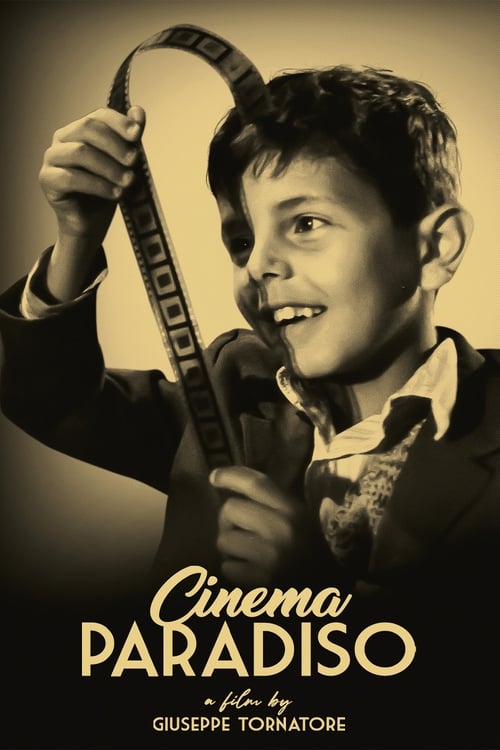
Those particular scenes recall the Italian homage to celluloid, Cinema Paradiso (1988).
These scenes are not only catnip for cinephiles who get the references, they show the magic of moviegoing like “Cinema Paradiso” (1988), providing a family-friendly escape from the social and political upheaval around them.
Those particular scenes recall the Italian homage to celluloid, Cinema Paradiso (1988).
These scenes are not only catnip for cinephiles who get the references, they show the magic of moviegoing like “Cinema Paradiso” (1988), providing a family-friendly escape from the social and political upheaval around them.
It reminded me a lot of Cinema Paradiso and captures the magic of childhood and how movies often narrate the key moments of our lives.
Like “Cinema Paradiso” or “Fanny & Alexander,” Branagh creates the sensation we are seeing life unfold through the eyes of its young protagonist.
Here, “Belfast” turns on a “Cinema Paradiso” like charm as Buddy delights in watching movies such as “One Million Years B.C.” and “Chitty Chitty Bang Bang.”
Advertisement
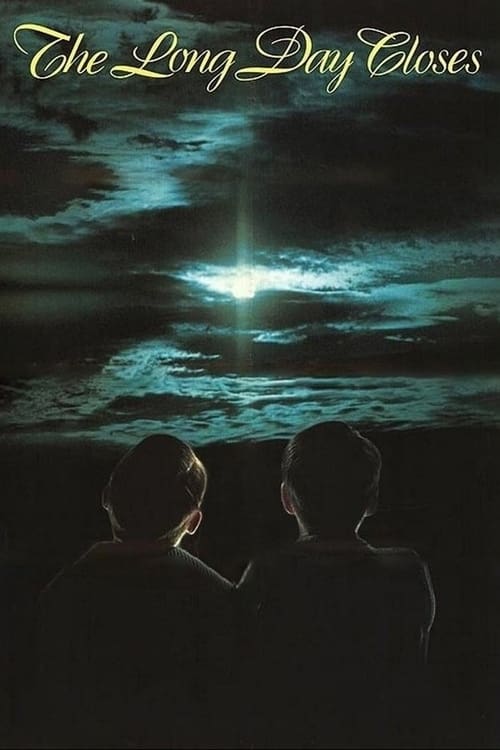
You may recall similarly formative moviegoing scenes from John Boorman’s “Hope and Glory” or Terence Davies’ “The Long Day Closes,” with their early glimpses of a future steeped in the pictures.
It may seem like having a child protagonist might restrict the themes and subject matter that you would explore, but just take a quick look through an array of films of this kind to see the depth that’s possible: Louis Malle’s Au Revoir Les Enfants (a favorite of Branagh’s) handles the shame and complicity of bystanders during the Holocaust, Spike Lee’s Crooklyn celebrates a Brooklyn childhood without once losing perspective of race and class, Terrence Davies’ The Long Day Closes is a blossoming poem to the childhood memories that we carry with us for life, Abbas Kiarostami’s Where is the Friends House?
Thematically, it also has much in common with Terence Davies’ 1992 classic The Long Day Closes, which considers the influence of movies, family, and home on a young boy’s life.
This technique, used to perfection by Terence Davies in The Long Day Closes, also risks the ridiculous in what turns out to be the emotional highlight of the film: a reenactment of a moment from High Noon, replete with Tex Ritter’s famous “Do Not Forsake Me” ballad coming over the soundtrack.
Belfast doesn’t come close to relaying personal experiences in the way that enhanced Terence Davies’s The Long Day Closes , John Boorman’s Hope and Glory , and Jim Sheridan’s In America , just to name three Irish-ethnic movies where the directors’ own lives prompted deep responses universally.
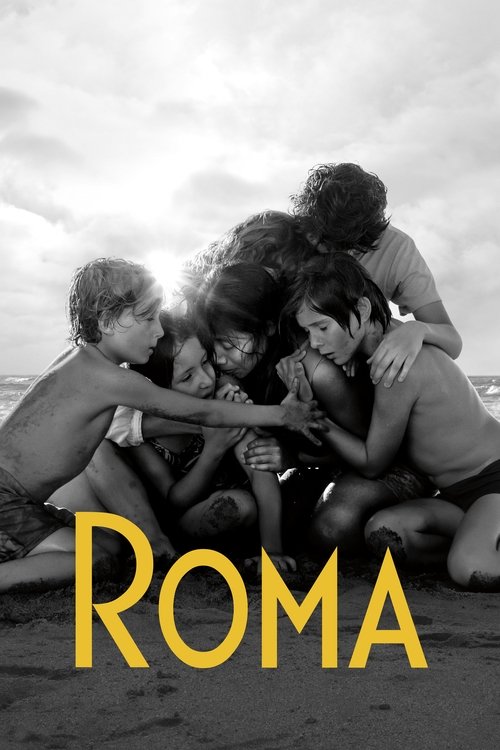
At a quick glance, there’s temptation to compare the film to Alfonso Cuarón’s Roma; after all, the superficial similarities are patent: both are black-and-white paeans to their director’s hometowns, both dip into nostalgia tempered by unrest and violence, both pay tribute to the rapturous discovery of cinema, and both are set about a year apart, around 1969/1970 respectively.
Cup your hands around your ears, and you’ll hear the faint sound of comparisons to Roma being whispered in the wind, partially because Belfast ‘s particular mix of the past’s lighter and darker shades are reminiscent of Alfonso Cuarón’s 2018 masterpiece, and partially because Branagh’s film is also largely shot in black-and-white.
Kenneth Branagh's sweet but slight "Belfast" has been understandably, yet reductively, compared to Alfonso Cuaron's 2018 Oscar-winning "Roma," where the filmmaker crafted a memory piece about his childhood in Mexico City.
But, à la Alfonso Cuarón’s Roma , the rest of the film is in atmospheric black-and-white.
His choice to shoot in black and white with cinematographer Haris Zambarloukos brings to mind other recent personal projects like Alfonso Cuarón’s “Roma” and Pawel Pawlikowski’s “Cold War,” both recreations of the past based on the experiences of loved ones.
In many of its stylistic details, Belfast resembles another film that takes place in its writer-director’s fondly remembered if less than idyllic childhood: Alfonso Cuarón’s Mexico City–set Roma , also shot in black and white with long, intricately choreographed tracking shots.
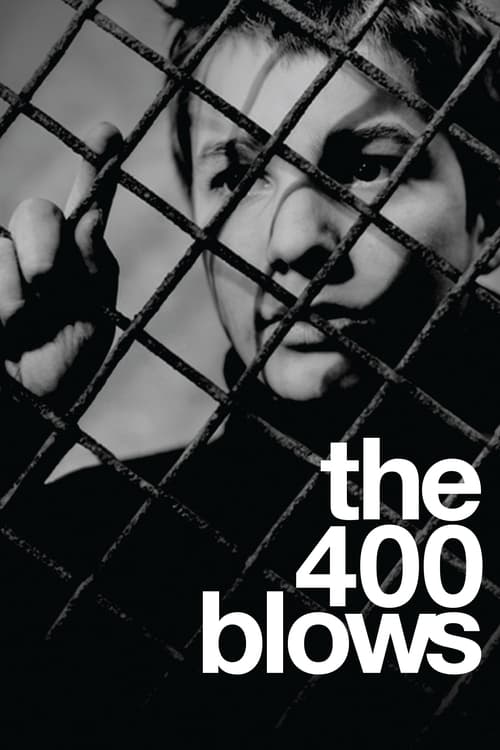
He’s occasionally led astray by his troublemaking cousin (Lara McDonnell) for delinquent scenes that recall Francois Truffaut’s “The 400 Blows” (1959), but he is a sweet boy with a good heart.
He appears on-screen, often alone and silent, for nearly every minute of the movie, and his watchful, expressive face recalls the juvenile protagonists of Truffaut films like The 400 Blows or Small Change .
Sometimes, they can emerge with all-time masterpieces that use memory as a springboard for art that both celebrates and interrogates the past, like Alfonso Cuaron’s Roma or François Truffaut’s The 400 Blows.
François Truffaut may have started off with “The 400 Blows,” but typically films like Federico Fellini’s “Amarcord,” Woody Allen’s “Radio Days” and Spike Lee’s “Crooklyn” arrive a little later in the careers, after they're lauded enough to start feeling reflective.
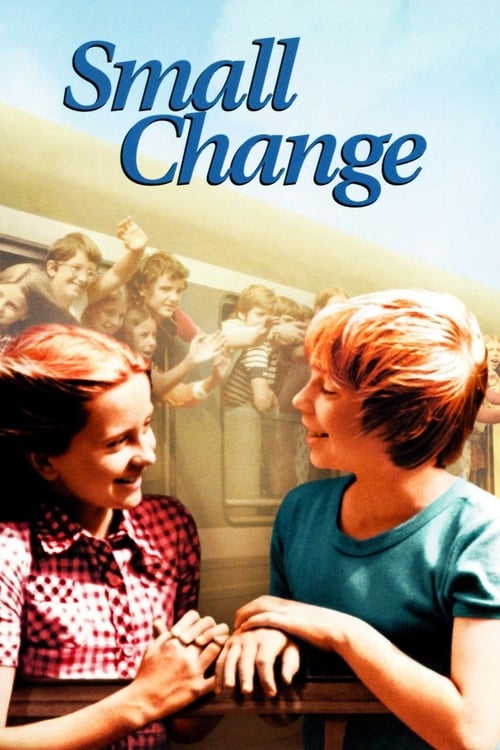
He appears on-screen, often alone and silent, for nearly every minute of the movie, and his watchful, expressive face recalls the juvenile protagonists of Truffaut films like The 400 Blows or Small Change .

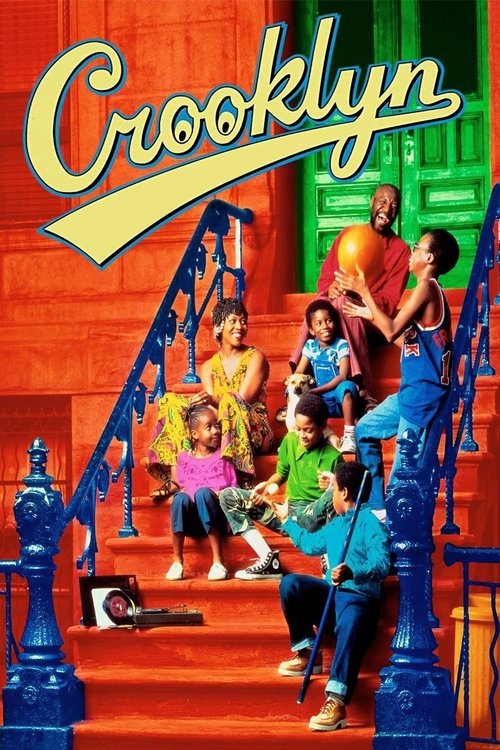
It may seem like having a child protagonist might restrict the themes and subject matter that you would explore, but just take a quick look through an array of films of this kind to see the depth that’s possible: Louis Malle’s Au Revoir Les Enfants (a favorite of Branagh’s) handles the shame and complicity of bystanders during the Holocaust, Spike Lee’s Crooklyn celebrates a Brooklyn childhood without once losing perspective of race and class, Terrence Davies’ The Long Day Closes is a blossoming poem to the childhood memories that we carry with us for life, Abbas Kiarostami’s Where is the Friends House?
François Truffaut may have started off with “The 400 Blows,” but typically films like Federico Fellini’s “Amarcord,” Woody Allen’s “Radio Days” and Spike Lee’s “Crooklyn” arrive a little later in the careers, after they're lauded enough to start feeling reflective.
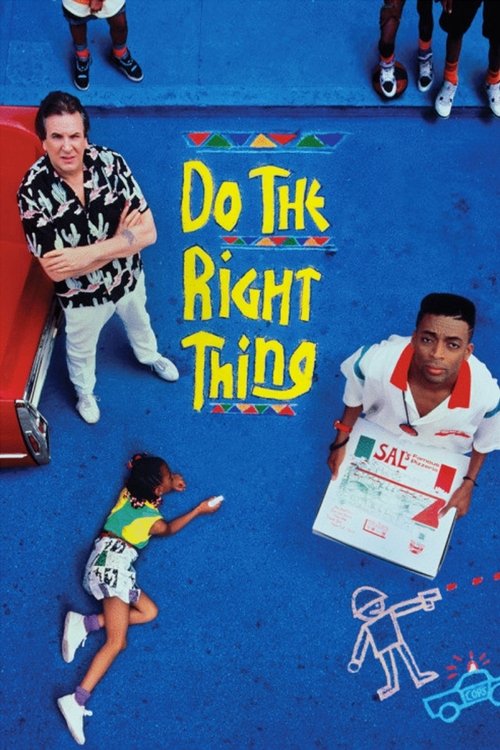
But as far as thematic storytelling goes, this is like if A Christmas Story was directed by Richard Linklater with a dash of Spike Lee’s Do the Right Thing ; it primarily centers on nine-year-old Buddy in a series of snapshot vignettes doing child-like activities, such as playing, having first crushes at school, and getting into trouble.
Advertisement
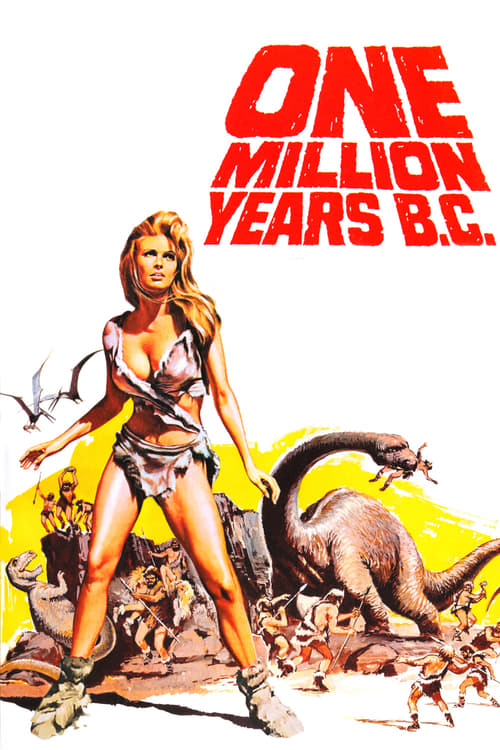
We follow him as he develops his first crush, and falls in love with the movies after his dad takes him to see Raquel Welch in One Million Years B.C.
In Belfast , Buddy watches the flying car in Chitty Chitty Bang Bang , and Raquel Welch in One Million Years B.C. , mouth agape for entirely different reasons.
Tellingly, the moments in which the film springs into living color mostly come at the cinema (where Buddy takes in such Technicolor spectacles as Chitty Chitty Bang Bang and One Million Years B.C.) and at a stage production of A Christmas Carol (there is also a hardy-har moment in which Buddy reads a Marvel comic featuring a certain Norse deity).
Star Trek is on TV, One Million Years B.C. is playing at the Saturday matinee picture show, blue-eyed Celtic soul is on every jukebox, and a man just landed on the moon.
Branagh does use the choice to introduce a number of fairly brilliant bursts of color whenever Buddy and his family are at the cinema, watching movies of the time like One Million Years B.C. or even stage plays, which are jarringly, in color.
Color scenes #2 and #3 are both movie clips, with Buddy sitting in a theater with his family watching One Million Years B.C. and Chitty Chitty Bang Bang.
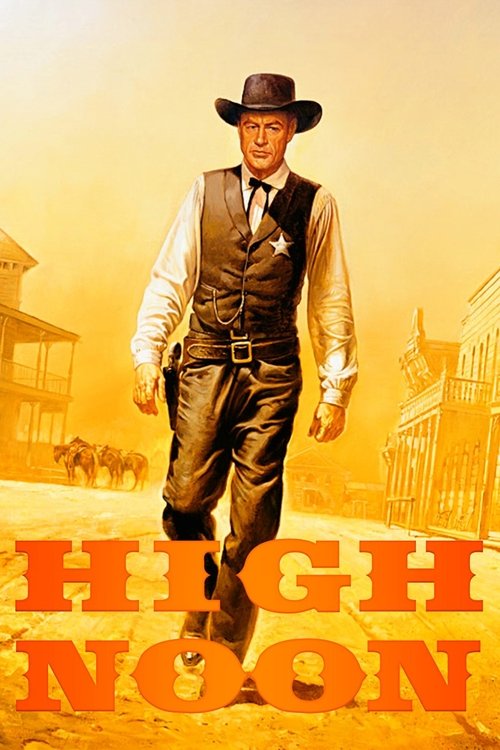
The point made may be overly obvious to an adult, but Gary Cooper makes an appearance in the western “High Noon,” with the voice of Tex Ritter’s pleading “Do Not Forsake Me, Oh My Darlin’.”
Hill is unaffected and charming, and while Dornan is rather understated—perhaps too much of the Gary Cooper from “High Noon”—he carries off the final confrontation with Clanton steadfastly, even if the situation seems a bit melodramatic and contrived.
The film is crammed with eccentric neighbors and memories of TV shows: Raquel Welsh in fur bikini in “One Million Years B.C.”, John Wayne’s comforting machismo in “The Man Who Shot Liberty Valence,” episodes of “Star Trek,” and especially “High Noon” (Buddy can’ help but see his own father as a Gary Cooper character faced with a deadly choice).
From Chitty Chitty Bang Bang (1968) to oldies such as High Noon (1952), the boy sat in the cinema wide-eyed with wonder.