
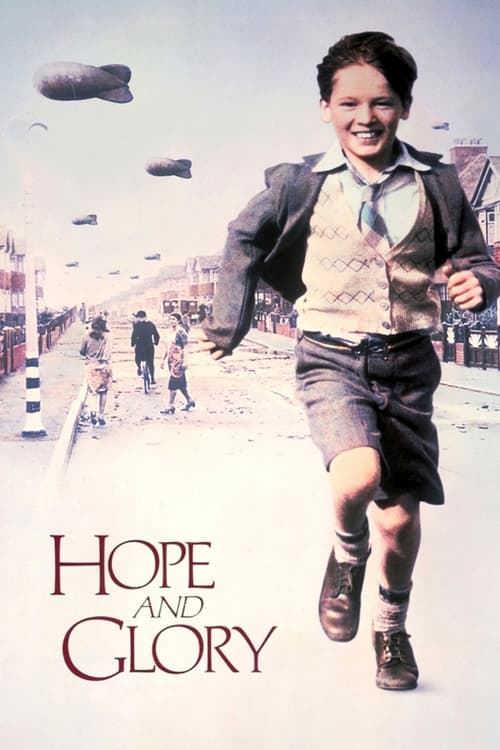
Hope and Glory (1987)
Directed by John Boorman
A middle-aged man recalls his childhood growing up in and around London during World War II.
6 connections found
View:
6 connections, in both directions
What critics compared Hope and Glory to
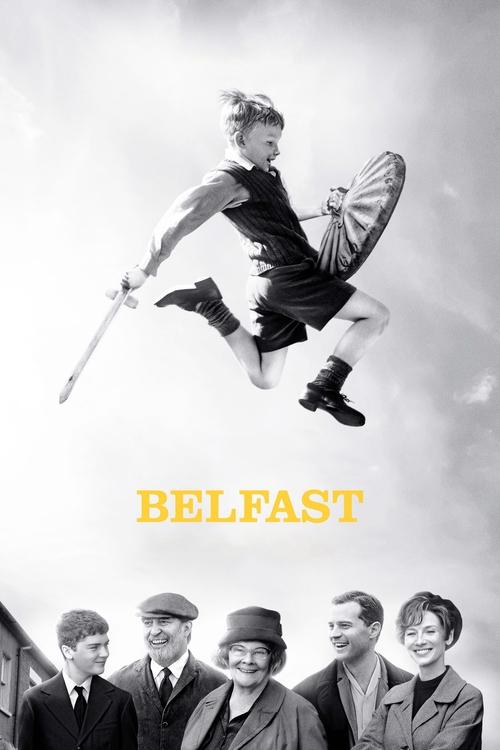


More serious is the inclination to underplay the menace of the time in favor of a generalized sense of uplift amid destruction; it doesn’t go as far in that lamentable direction as Roberto Benigni’s “Life Is Beautiful” did, but doesn’t quite find the sweet spot that John Boorman did in his autobiographical picture “Hope and Glory”—one of Branagh’s obvious inspirations.
You may recall similarly formative moviegoing scenes from John Boorman’s “Hope and Glory” or Terence Davies’ “The Long Day Closes,” with their early glimpses of a future steeped in the pictures.
Almost certainly inspired by John Boorman’s 1987 life-as-a-boy-during-WW2 memoir, Hope and Glory, Branagh seeks to center his story on the impressions of a child.
This is a child’s-eye view of serious adult problems, in the vein of Hope and Glory, John Boorman’s exuberant 1987 film memoir of being a kid in London during the Blitz.
I would guess that Branagh drew inspiration from John Boorman’s masterful 1987 film about his childhood during World War II, Hope and Glory .
For its part, Belfast dips high and low through the semi-autobiographical cinema canon, with perhaps its largest debt owed to John Boorman’s Second World War-era coming-of-age film Hope and Glory.
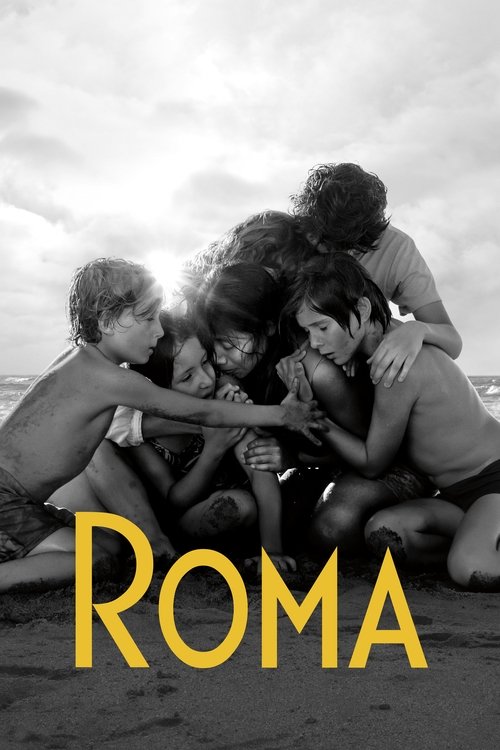
If there’s any parallel, it’s with John Boorman’s Blitz-set Hope And Glory , though they’re literally worlds apart.
Oh sure, there have been a couple of examples of this particular brand of filmmaking that I have admired—John Boorman’s “Hope and Glory” and Steven Spielberg’s “Empire of the Sun” (especially its astounding first hour or so) immediately spring to mind—but those hardly begin to make up for such utter grotesqueries as “The Tin Drum,” “The Boy in the Striped Pajamas” and, of course, the more-appalling-than-ever “Life is Beautiful,” films that take the most horrific event of the 20th century and attempt to milk it for cheap sentiment and, hopefully, Oscar nominations from people who mistakenly assume that just because a movie involves a serious subject like the Holocaust, it must be serious as well and therefore worthy of consideration.
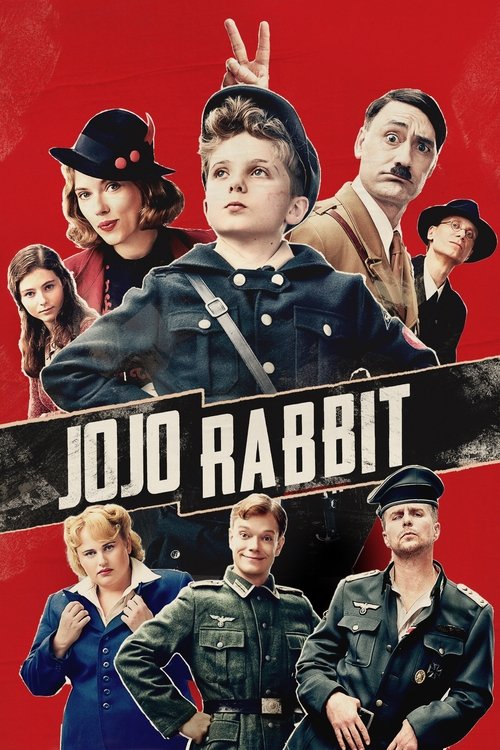
It's as if Waititi had mixed together John Boorman's semi-autobiographical World War II film "Hope and Glory" with "Forrest Gump."
There’s a long tradition of movies seeing war through the eyes of a child – heck, John Boorman’s “Hope and Glory” and Steven Spielberg’s “Empire of the Sun” even came out the same damn year – while Federico Fellini’s “Amarcord” depicted the rise of fascism in Italy as an extended adolescence, authoritarianism as a fart-filled wank.
As in John Boorman's Hope and Glory, all the comfort and intelligence is on one side and all the pain and stupidity is on the other.
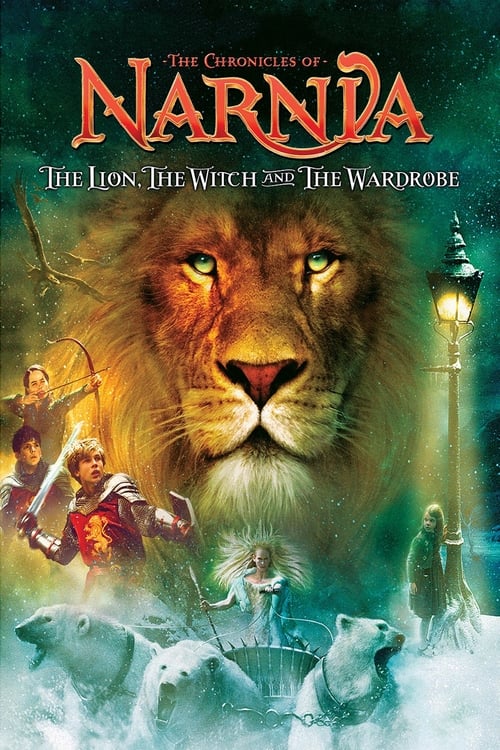
The Chronicles of Narnia: The Lion, the Witch and the Wardrobe (2005)
Directed by Andrew Adamson
Plot
Based on Lewis’ beloved 1950 novel and adapted to the screen by Ann Peacock, Adamson, Christopher Markus and Stephen McFeely (“The Life and Death of Peter Sellers”), “The Lion, the Witch and the Wardrobe” begins like John Boorman’s marvelous 1987 memoir “Hope and Glory” in London during the Blitz, an event only referred to in passing in the book.
Advertisement

On the subject of military memoirs, let me recommend a new one by John Boorman: Queen and Country, a lovely, nostalgic, regret-tinged sequel to his 1987 Hope and Glory.

Influences here range from Ken Loach’s 1969 gem Kes, Carroll Ballard’s 1979 classic The Black Stallion, François Truffaut’s timeless 1959 stunner The 400 Blows, John Boorman’s graceful 1987 drama Hope and Glory and Andrea Arnold’s 2009 marvel Fish Tank.