
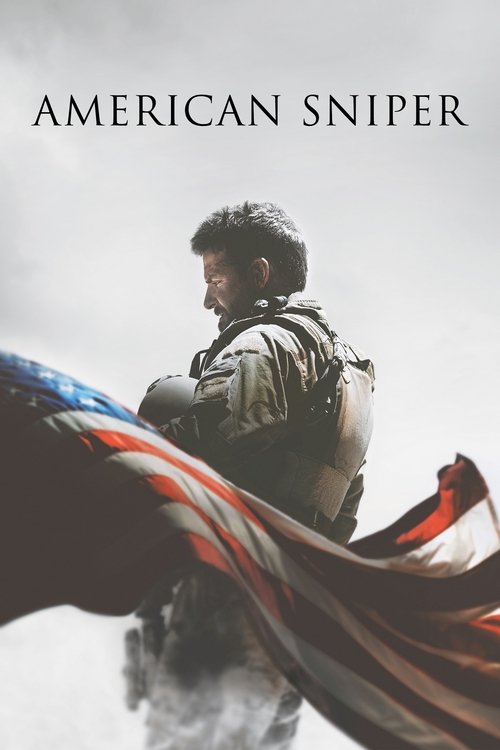
American Sniper (2014)
Directed by Clint Eastwood
U.S. Navy SEAL Chris Kyle takes his sole mission—protect his comrades—to heart and becomes one of the most lethal snipers in American history. His pinpoint accuracy not only saves countless lives but also makes him a prime target of insurgents. Despite grave danger and his struggle to be a good husband and father to his family back in the States, Kyle serves four tours of duty in Iraq. However, when he finally returns home, he finds that he cannot leave the war behind.
65 connections found
View:
65 films that influenced American Sniper
What critics say influenced American Sniper

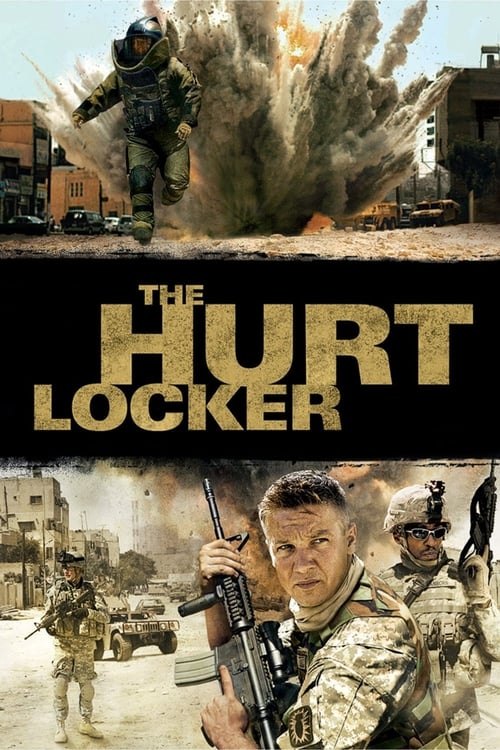


Similarly great films like “The Hurt Locker” and “Blackhawk Down” were more graphic (and just as profane) but not any more gripping.
For a man who saw a war through the scope of a rifle, the newfound mundaneness of his life is interesting, but it was portrayed far more effectively in the waning, wordless moments of Kathryn Bigelow’s “The Hurt Locker.”
Of course, there have been great war films that didn’t deal directly with the politics of war itself—Kathryn Bigelow’s still-jarring The Hurt Locker (2009), for one—but those films succeeded because their depiction of war was so powerful and the central characters were so compelling.
As we learned from the best of the Vietnam war films, and as superb films about the Middle East war such as The Hurt Locker, Lone Survivor and Zero Dark Thirty have reinforced, America's modern enemies - and, therefore, our enemies - don't recognise the uniforms, rules, protocols, theatres or even age limits of conventional warfare.
The scenes, rich and rife with conflict and drenched with sun and sand, feel borrowed from Katherine Bigelow’s haunting wartime chronicle “The Hurt Locker,” yet there’s no plumbing of the soul or genuine crisis of conscience in Eastwood’s endeavor.
“American Sniper” is an Iraq War movie, a genre so small it pretty much begins and ends with “The Hurt Locker.”
As we learned from the best of the Vietnam war films, and as superb films about the Middle East war such as The Hurt Locker, Lone Survivor and Zero Dark Thirty have reinforced, America's modern enemies - and, therefore, our enemies - don't recognise the uniforms, rules, protocols, theatres or even age limits of conventional warfare.
Unfortunately, American Sniper adds nothing new to this conversation — more so since it comes on the heels of more accomplished "over there" efforts like Kathryn Bigelow's Zero Dark Thirty and The Hurt Locker — and while Eastwood and scripter Jason Hall take some care in muddying the morality at play, they still err on the side of sainthood in painting their portrait of Chris Kyle, a man whose more tasteless actions and comments have been white scrubbed from this biopic.
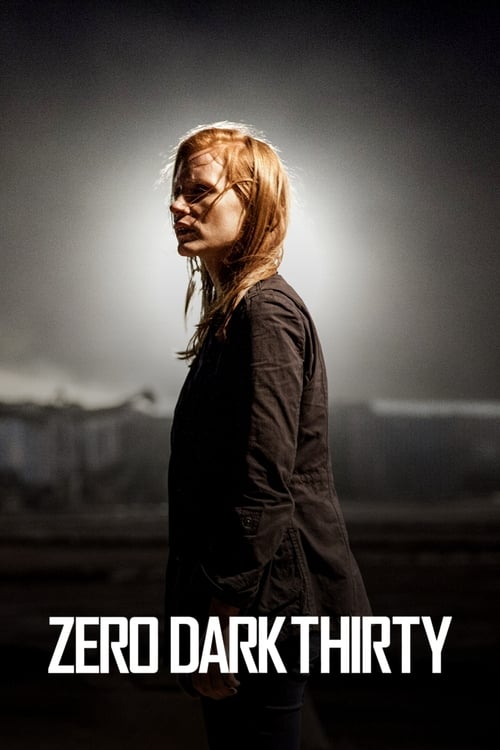
There’s not a whole lot of “Zero Dark Thirty” strategy-room stuff in this film.
"American Sniper" seems like it's trying so hard to be this year's "Zero Dark Thirty" and it just isn't.
Sniper lacks the intrigue and grandiosity of Kathryn Bigelow’s Zero Dark Thirty (2012), or the intimate personal edge of Camp X-Ray (2014), about a Guantanamo Bay guard who becomes gradually disillusioned, after building a friendship with a detainee.
Three Kings, The Hurt Locker, Zero Dark Thirty and Lone Survivor all pushed the boundaries in their scrutiny of modern warfare.

It’s either a new generation’s Sergeant York or the misguided American equivalent of that Nazi propaganda film-within-a-film in Quentin Tarantino’s Inglorious Basterds (2008).
Biopics about American war heroes are a Hollywood tradition going all the way back to Gary Cooper starring as the legendary World War I sharpshooter "Sergeant York" and World War II's highly decorated Audie Murphy playing himself in "To Hell and Back." "American Sniper" is squarely in that mold, but because it's directed by Clint Eastwood something else is going on as well.
Like The Hurt Locker and a century’s worth of war movies that preceded it—from Sergeant York to Saving Private Ryan—it provides an opportunity to examine the artistic representation of combat.
Eastwood’s Chris is a movie war hero with echoes of Gary Cooper’s Sergeant York , the good-ole-boy pacifist who won the Medal of Honor for killing 28 Germans and capturing another 132 in a World War I raid, and Jeremy Renner’s Sgt.
Bulked up yet still able to express his signature neuroticism (dialed down from the David O. Russell comedies), Cooper has never been better, registering a seesawing psychology on par with Gary Cooper’s turn in Sergeant York.
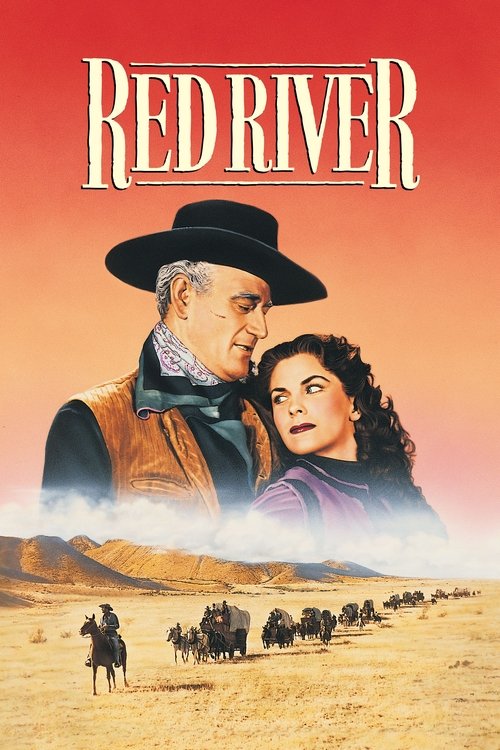
The performance is so strong, so credible, that you could ignore, if you wanted to, the absence of anything darker, such as the monomaniacal ambition and cruel self-righteousness that raged in John Wayne when he embodied this type in Red River and The Searchers, or the sense of guilt that nagged at Eastwood himself in Unforgiven.
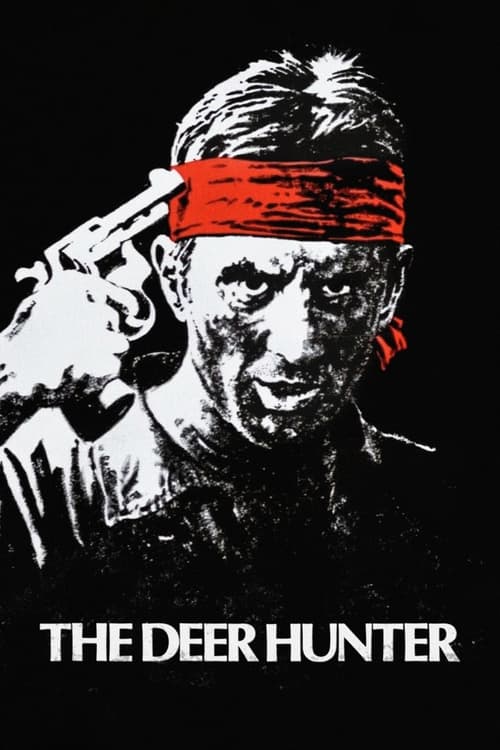
American Sniper possesses the sweep and scope of Michael Cimino's The Deer Hunter, but very little of that movie's romantic grandeur.
Not since The Deer Hunter, however, has Hollywood done such justice as American Sniper to polemical wars?
Like Michael Cimino’s similarly themed Vietnam war epic The Deer Hunter, Stone’s film eschewed the sentimental, jingoistic tone of World War II combat films, revising their tropes of greatest-generation heroism and camaraderie to reflect a more caustic viewpoint about a more divisive war.
It’s a moment similar to when The Deer Hunter (1978) arrived.
Veterans Day: 14 Real-Life Soldiers Portrayed in Film (Photos) Tom Cruise as Ron Kovacs in "Born on the Fourth of July" George C. Scott as George S. Patton in "Patton" Christian Bale as Dieter Dengler in "Rescue Dawn" Mark Wahlberg as Marcus Luttrell in "Lone Survivor" Real-life veteran R. Lee Ermey as Gunnery Sergeant Hartman in "Full Metal Jacket" Real-life veteran Dale Dye as Captain Harris in "Platoon" Real-life war hero Audie Murphy as Audie Murphy in "To Hell and Back" Jeremy Renner as Sgt.
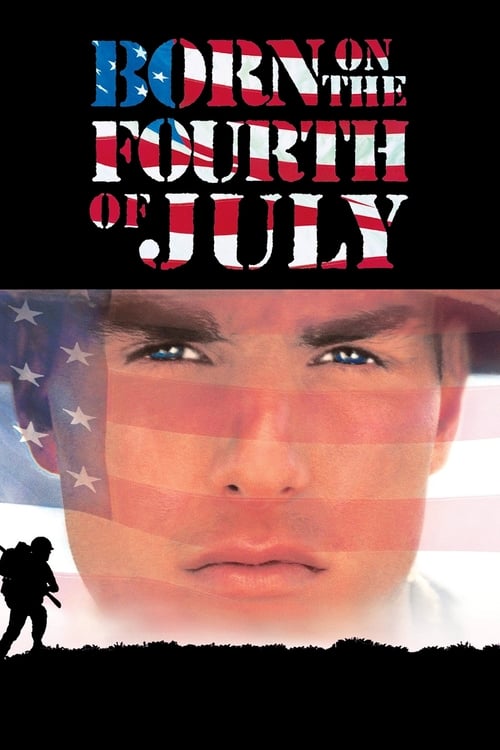
American Sniper doesn't glorify what Kyle did, but like the angrier Born on the Fourth of July makes clear why he did it.
Unfortunately, the movie stalls during its final twenty minutes as it attempts to switch gears and present a theme that other films (like Oliver Stone's Born on the Fourth of July and the aforementioned Brothers) have done better.
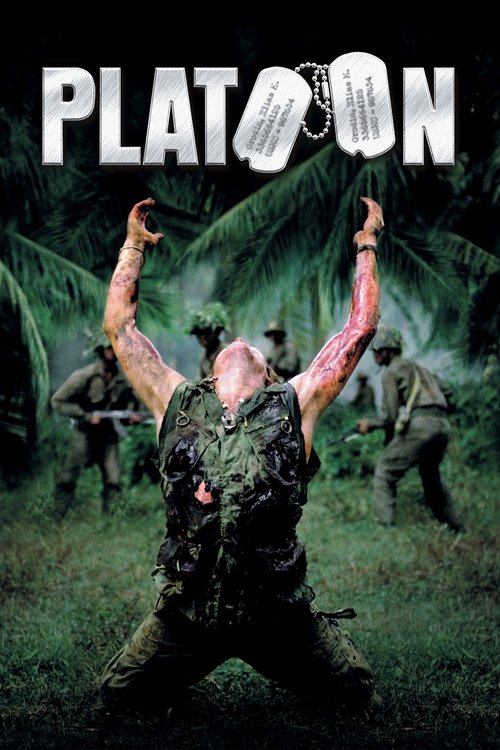
That quote was cited by Roger Ebert in his review of Oliver Stone’s 1986 Oscar winner Platoon, which challenged Truffaut’s rule by showing shocking sequences of American soldiers torching a Vietnamese village.
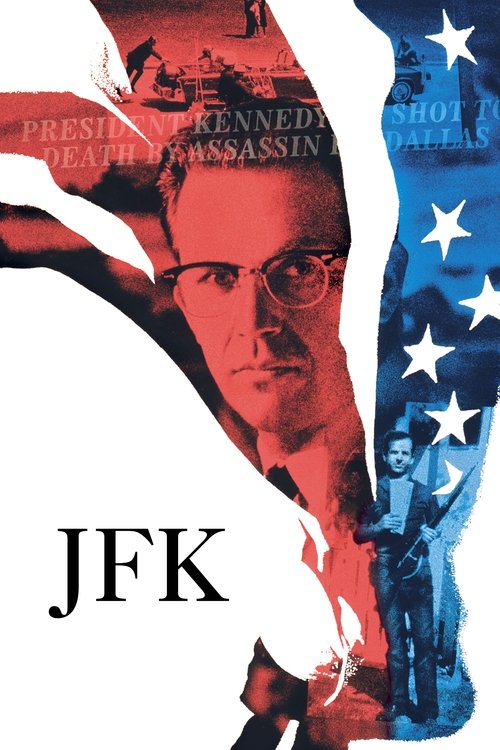
Michael Mann ("Manhunter"), John Milius, ("Dillinger,") and Oliver Stone ("JFK," "J.
Advertisement
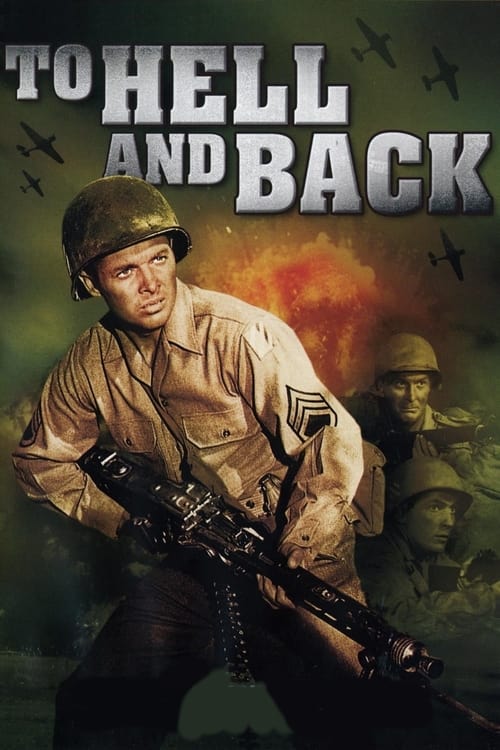
Veterans Day: 14 Real-Life Soldiers Portrayed in Film (Photos) Tom Cruise as Ron Kovacs in "Born on the Fourth of July" George C. Scott as George S. Patton in "Patton" Christian Bale as Dieter Dengler in "Rescue Dawn" Mark Wahlberg as Marcus Luttrell in "Lone Survivor" Real-life veteran R. Lee Ermey as Gunnery Sergeant Hartman in "Full Metal Jacket" Real-life veteran Dale Dye as Captain Harris in "Platoon" Real-life war hero Audie Murphy as Audie Murphy in "To Hell and Back" Jeremy Renner as Sgt.
Biopics about American war heroes are a Hollywood tradition going all the way back to Gary Cooper starring as the legendary World War I sharpshooter "Sergeant York" and World War II's highly decorated Audie Murphy playing himself in "To Hell and Back." "American Sniper" is squarely in that mold, but because it's directed by Clint Eastwood something else is going on as well.
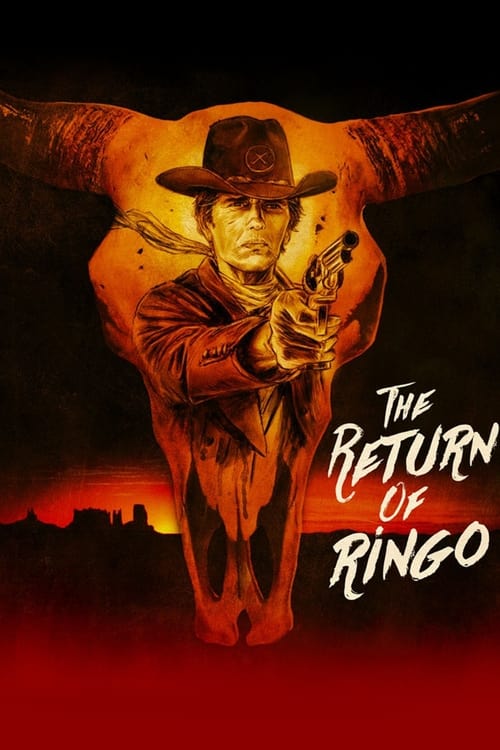
What makes it extra special is that Eastwood lifted it from the spaghetti western The Return of Ringo (1965).
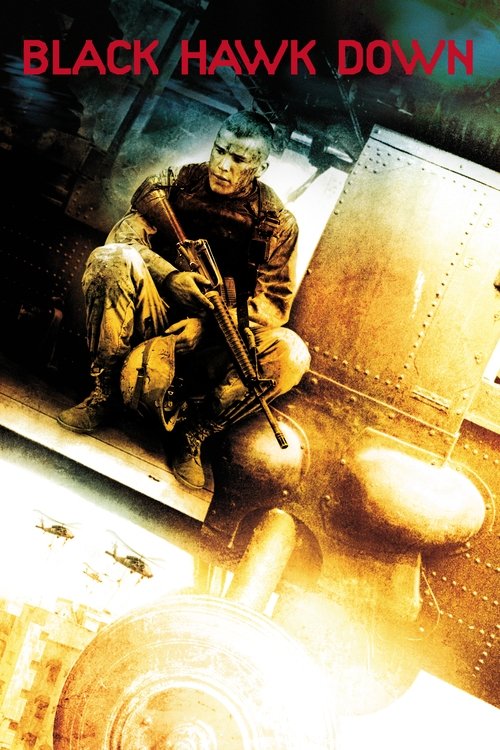
Eastwood alternates between harrowing war imagery — a mesmerizing battle in a sandstorm recalls the vertiginous chaos of “Black Hawk Down” — and quieter moments of equal power.
Recent war films such as “Black Hawk Down” (2001), and “United 93” (2006) wear their obvious political ideologies on their sleeves.
Recall the boundless irony in Eastwood's Flags of Our Fathers (the sad story of Native American war hero Ira Hayes) and Letters from Iwo Jima (the director's view of Japanese soldiers fighting and dying in vain) — and other combat adventures, such as Lone Survivor (SEALs in Afghanistan), Fury (Brad Pitt against the Nazis), and Black Hawk Down (Army Rangers vs. insurgents in Somalia) — and we realize something is lacking.
American Sniper may not be the strongest biopic in the genre, but it is on par with other acclaimed military action-thrillers like Black Hawk Down or The Hurt Locker.
Even then the sniper sequences aren’t as compelling as in Enemy at the Gates , lacks the intensity of Jeremy Renner’s disaffected soldier in The Hurt Locker and doesn’t offer that time is against them feeling of Black Hawk Down .

Knee-jerk leftist Michael Moore chimed in on Twitter calling snipers “cowards” and Seth Rogen made a regrettable gag that American Sniper reminded him of the Nazi propaganda film premiered in the last act of Inglourious Basterds.
The rhetoric has been charged: Seth Rogen tweeted that the movie reminded him of “Nation’s Pride”—the movie-within-a-movie about a heroic Nazi sniper in Quentin Tarantino’s Inglourious Basterds.
In the past few days Eastwood’s film has become a fight-starting tinderbox on Twitter and in the media, with Michael Moore expressing dismay at the film’s romanticization of sniper warfare, and Seth Rogen comparing Sniper to the fictional Nazi propaganda film featured in Quentin Tarantino’s Inglourious Basterds.
Advertisement
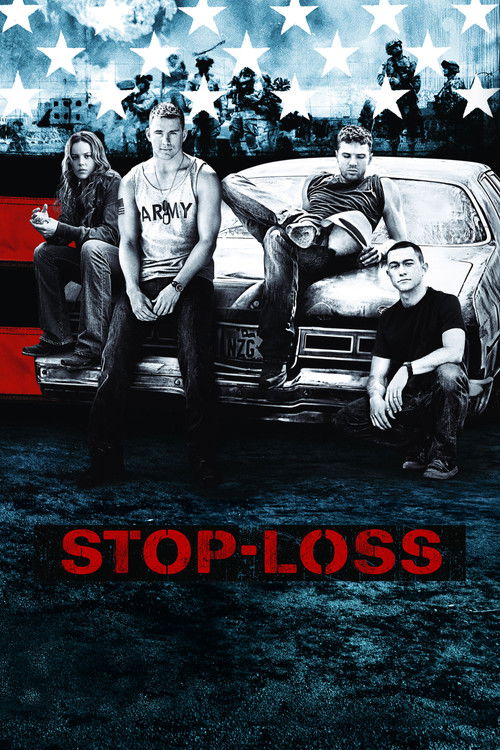
If you want to see recent movies that fit more accurately into the war genre designation you could check out Kimberly Peirce’s “Stop-Loss” (2008) or Paul Haggis’s “In the Valley of Elah” (2007).
Kimberly Peirce’s Stop-Loss , Paul Haggis’ In the Valley of Elah and Paul Greengrass’ Green Zone asked searching questions about the human costs of America’s post-9/11 interventions—questions that echoed through near-empty theaters.
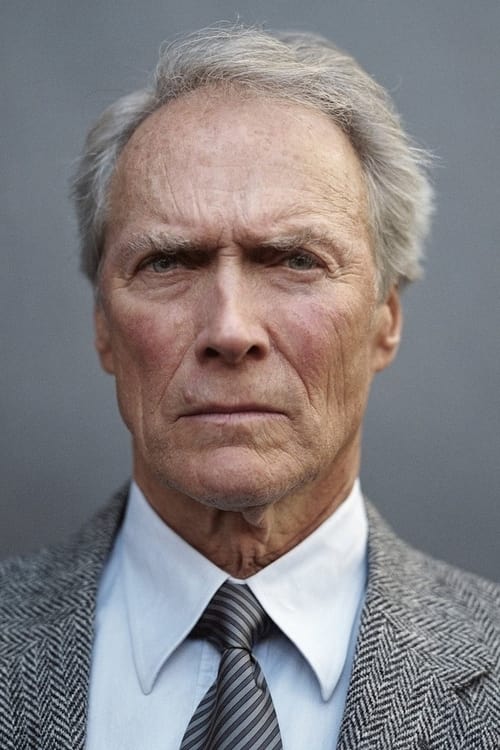
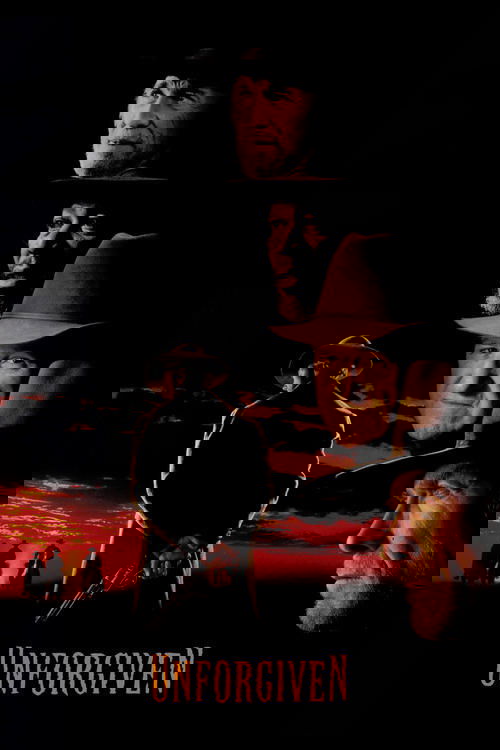
It doesn’t say violence is beautiful, but that it is necessary, placing it closer to “Unforgiven” than to Eastwood’s dreadfully reductionist war pictures “Flags of Our Fathers” and “Letters from Iwo Jima.”
Inspired by Chris Kyle?s own memoir and directed by Oscar winner Clint Eastwood (Unforgiven and Million Dollar Baby ), American Sniper showcases the life of the most lethal sniper in U.S. military history.
Like William Munny (Unforgiven) or Walt Kowalski (Gran Torino), he’s an uncommonly good shot and a reluctant hero, half-believing the stories about him but also too aware of what’s wrong with them.
“I need you to be human again,” Taya cries at one point, a crucial line of dialogue that undercuts any simplistic sense of jingoism that might be ladled onto the film (at another point, Kyle tells his son while out hunting “It’s a heck of a thing stopping a beating heart,” which has to be a purposeful echo of the infamous line in Eastwood’s masterpiece Unforgiven “It’s a hell of a thing killin’ a man”).
“American Sniper,” Eastwood’s 37th film as a director, is his darkest, tightest and most morally ambiguous drama since he shot the western dead with “Unforgiven.”
After years of “one for you” (a “Dirty Harry” flick) and “one for me” (“Honky Tonk Man,” “White Hunter, Black Heart”) with Warner Brothers, Eastwood created “Unforgiven,” winning his first directing Oscar along the way.
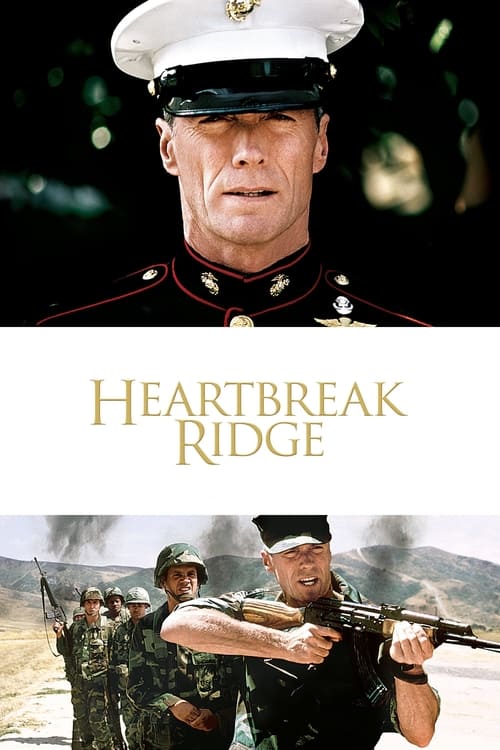
Can you draw a line from the cockamamie Grenada invasion-set "Heartbreak Ridge" to the mournful "Flags of Our Fathers" to his latest, "American Sniper"?
“I’m not most men, sir!” Kyle splutters during a Marine training regime which sees him drenched, harangued and browbeaten by hard-arse sarges not unlike the one Eastwood played in Heartbreak Ridge .
From the gung-ho Heartbreak Ridge to his more thoughtful Flags of Our Fathers / Letters from Iwo Jima double-header, Eastwood’s frontline sojourns are consistent in their kinship with the common soldier.
By understanding of the endless shades of gray inherent to these issues, Eastwood recalls not the Regan-era simplicity of his earlier war pictures like Heartbreak Ridge, but his 2006 WWII double-header Flags of Our Fathers and Letter from Iwo Jima.
It doesn’t say violence is beautiful, but that it is necessary, placing it closer to “Unforgiven” than to Eastwood’s dreadfully reductionist war pictures “Flags of Our Fathers” and “Letters from Iwo Jima.”
Morally, though, he has regressed from the heights of Letters From Iwo Jima (2006).
He followed that film up with “Mystic River” (another Oscar nod) and “Million Dollar Baby” (another Oscar) as well as two very different films that looked at war through different eyes, “Flags of My Father” and “Letters From Iwo Jima.”
They are the arguments in a filmography that represents a decadeslong inquisition into the attractions and consequences of bloodletting and brutality, on levels that range from the intimate and personal (“Play Misty for Me”) to the public and political and global (“Letters from Iwo Jima”).
With this film, Mr. Eastwood seems to dedicate his hawk’s eye vision of “supporting the troops” to an unpopular continuation of the ongoing war in Iraq, but his direction has none of the vigor of either of his previous war efforts, Flags of Our Fathers and Letters From Iwo Jima.
But it’s a challenging movie gesture just the same, one in keeping with the work of the director who followed up “Flags of Our Fathers” with the Japanese-language “Letters From Iwo Jima.”
He followed that film up with “Mystic River” (another Oscar nod) and “Million Dollar Baby” (another Oscar) as well as two very different films that looked at war through different eyes, “Flags of My Father” and “Letters From Iwo Jima.”
In other words, Kyle is not unlike the conflicted “heroes” in Eastwood’s best movies, from “Unforgiven” and “Mystic River” to “Million Dollar Baby” and “Gran Torino.”
There were blue-collar Bostonians scarred by an abusive past in “Mystic River,” and views of war punishing a nation’s own soldiers in his World War II duo “Flags of Our Fathers” and “Letters From Iwo Jima.”
The backflip in political rhetoric is startling given two of Eastwood’s best films Unforgiven and Mystic River deconstructed the myth of righteous violence.
Sometimes, Eastwood has proven a graceful and nuanced director: Bird (1988), Unforgiven (1992) and Mystic River (2003) remain troubling and original.
It’s what connects recent films like “Mystic River” and this year’s misfire “Jersey Boys,” and it’s what extends most prominently into “American Sniper,” Eastwood’s purest and most involving vehicle of tension in years.
It doesn’t say violence is beautiful, but that it is necessary, placing it closer to “Unforgiven” than to Eastwood’s dreadfully reductionist war pictures “Flags of Our Fathers” and “Letters from Iwo Jima.”
With this film, Mr. Eastwood seems to dedicate his hawk’s eye vision of “supporting the troops” to an unpopular continuation of the ongoing war in Iraq, but his direction has none of the vigor of either of his previous war efforts, Flags of Our Fathers and Letters From Iwo Jima.
But it’s a challenging movie gesture just the same, one in keeping with the work of the director who followed up “Flags of Our Fathers” with the Japanese-language “Letters From Iwo Jima.”
Can you draw a line from the cockamamie Grenada invasion-set "Heartbreak Ridge" to the mournful "Flags of Our Fathers" to his latest, "American Sniper"?
Although Steven Spielberg was set to direct before exiting the project last summer (just a few months after Kyle’s death in Texas at the age of 38), “American Sniper” turns out to be very much in Eastwood’s wheelhouse, emerging as arguably the director’s strongest, most sustained effort in the eight years since his WWII double-header of “Flags of Our Fathers” and “Letters From Iwo Jima.”
Clint Eastwood has delved into the fog of war in such hypnotically powerful films as Letters from Iwo Jima and Flags of Our Fathers.
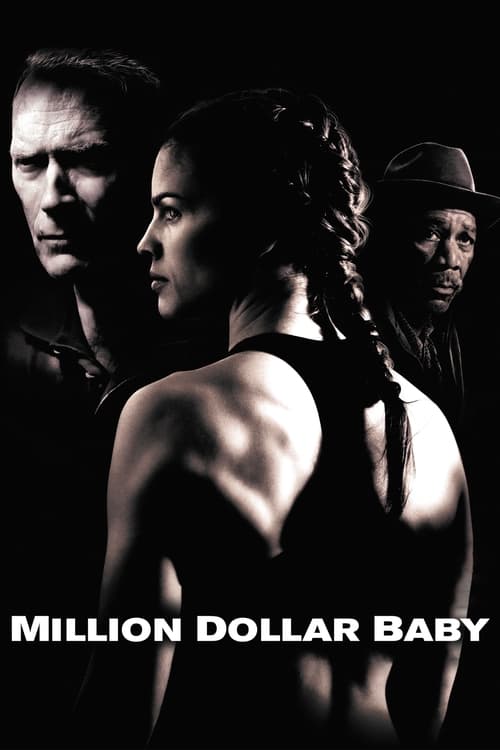
He followed that film up with “Mystic River” (another Oscar nod) and “Million Dollar Baby” (another Oscar) as well as two very different films that looked at war through different eyes, “Flags of My Father” and “Letters From Iwo Jima.”
Clint Eastwood has spent much of his forty-plus-year directing career grappling with issues of violence, "Play Misty for Me" to "Unforgiven" to "Million Dollar Baby."
The movie doesn’t need this terrorist doppelgänger — Kyle’s conscience is enough of a shadow self, even if its influence is evident entirely through Kyle’s decisions, not through words or speeches: Like much of Eastwood’s work (“Unbroken,” “Million Dollar Baby”), “American Sniper” is laconic and profound in corresponding measure.
In other words, Kyle is not unlike the conflicted “heroes” in Eastwood’s best movies, from “Unforgiven” and “Mystic River” to “Million Dollar Baby” and “Gran Torino.”
Some of his recent movies that I particularly like are “Gran Torino,” “Million Dollar Baby” and “Letters from Iwo Jima.”
Inspired by Chris Kyle?s own memoir and directed by Oscar winner Clint Eastwood (Unforgiven and Million Dollar Baby ), American Sniper showcases the life of the most lethal sniper in U.S. military history.
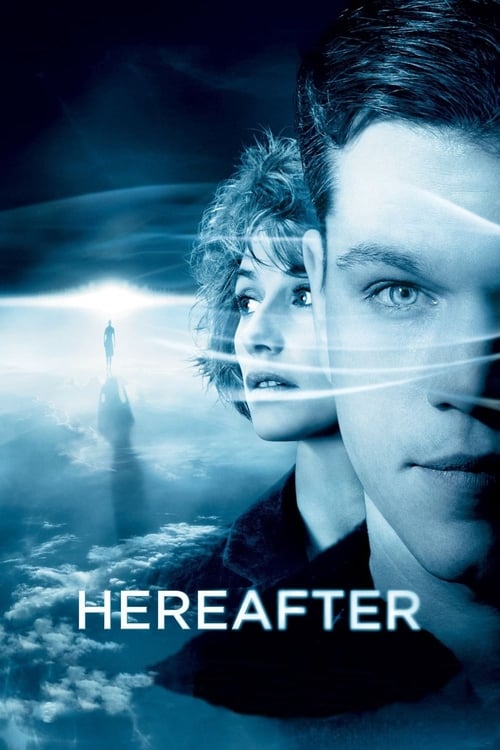
And then, in 2009, he went on an equally impressive run of dogs: Invictus, Hereafter, J. Edgar, Jersey Boys.
After an intense final gun battle descends into absolute chaos when enveloped by a massive dust storm (which visually summons up memories of the tsunami scene in Eastwood's 2010 feature Hereafter), Kyle announces that he's had enough.
Eastwood is 84 years old and while many of his recent efforts have been ghastly disasters – Jersey Boys (2014), J. Edgar (2011), and Hereafter (2010) are particularly terrible – one can feel the effort he has put into this film.
Obviously, we don’t know, but the “Gravity”-esque synth work in the score, combined with this film taking place closer to the present than anything he’s done since 2010’s “Hereafter,” suggests that Eastwood is trying a little harder than usual to prove that his work still has an “edge,” damn it.
There’s no question American Sniper is Clint Eastwood’s best film in years – though it should be noted that we can claim this because recent films like Jersey Boys, J. Edgar, Hereafter, Invictus and Gran Torino have been mediocre disappointments.
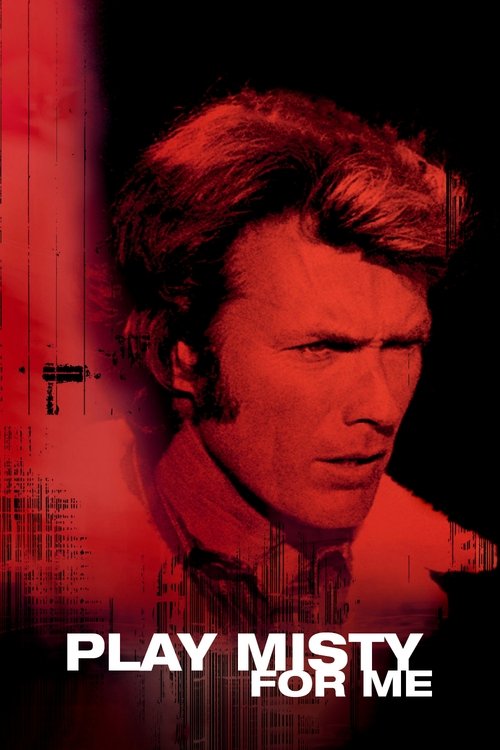
Clint Eastwood has spent much of his forty-plus-year directing career grappling with issues of violence, "Play Misty for Me" to "Unforgiven" to "Million Dollar Baby."
They are the arguments in a filmography that represents a decadeslong inquisition into the attractions and consequences of bloodletting and brutality, on levels that range from the intimate and personal (“Play Misty for Me”) to the public and political and global (“Letters from Iwo Jima”).
Since “Unforgiven” — and arguably even as early as the first film he directed, the proto-“Fatal Attraction” shocker “Play Misty for Me” — Clint Eastwood has been deconstructing his onscreen persona and all the questionable vigilante business it represents.
En Francotirador (American Sniper, EU, 2014), ambiguo filme 34 del insigne estilista californiano y aún actor rudo de 85 años Clint Eastwood (de nuevo endurecido y belicoso inmediatamente después de una ficción en apariencia tan blanda como Jersey Boys, persiguiendo la música 14), con guión de Jason Hill basado en el libro autobiográfico que Chris Kyle redactó al lado de Scott McEwer y James Defelice, el experto marine exterminador de élite SEAL sin piedad Chris (Bradley Cooper barbudo anticarismático) es asaltado evocadoramente, en un momento crucial de puntería y decisión francotiradoras, por su trayectoria vital y por las circunstancias particulares que en cadena de flash-backs lo convirtieron en un hombre-leyenda viviente porque “Nuestras vidas se desenvuelven ante nuestros ojos como reflejos enigmáticos en el espejo”: su fascinación por las armas desde que solía cazar alces con su padre en Texas, su sorprendente tino (digno de un redivivo Sargento York de Hawks 41), su aceptación de…
The cinematographer Tom Stern was a gaffer on Honkytonk Man (1982) and became Eastwood's director of photography on Bloodwork (2002), beginning a long collaboration.
With "Unforgiven," "The Bridges of Madison County" (one of the best films ever made from a lousy book) and "Letters From Iwo Jima" at the crest, and decades of ups and downs beneath it, Eastwood's career behind the camera has veered in continually unexpected directions.
Indeed, I can't think of an Eastwood film since The Bridges of Madison County which so successfully foregrounds an actor and banks everything else on that actor's performance doing work that would be impossible if the film tried to approach it any other way.
Like William Munny (Unforgiven) or Walt Kowalski (Gran Torino), he’s an uncommonly good shot and a reluctant hero, half-believing the stories about him but also too aware of what’s wrong with them.
In other words, Kyle is not unlike the conflicted “heroes” in Eastwood’s best movies, from “Unforgiven” and “Mystic River” to “Million Dollar Baby” and “Gran Torino.”
Despite Eastwood's own conservative leanings, the filmmaker can hardly be dismissed as a knee-jerk chickenhawk or rambling right-wing tool (well, aside from that Razzie-worthy bit opposite an empty chair at the RNC), and his films have over the decades served as an intriguing — and evolving — treatise on issues of gun violence and hero worship, beginning with the hardline stylings of Dirty Harry through the revisionist politics of Unforgiven through the startlingly progressive stance of Gran Torino.
Some of his recent movies that I particularly like are “Gran Torino,” “Million Dollar Baby” and “Letters from Iwo Jima.”
Director Clint Eastwood has an excellent track record for helming stories that are respectful towards American ideals of patriotism and national identity, while simultaneously daring to question their foundations — Flags of Our Fathers and Gran Torino are fantastic examples.
It represents, in a way, a kind of regression in what some had come to see as the director's late-blooming humanism -- it is far more Dirty Harry than Letters From Iwo Jima or even Gran Torino -- and the breeziest reading of the film is as a celebration of the warrior ethos.