
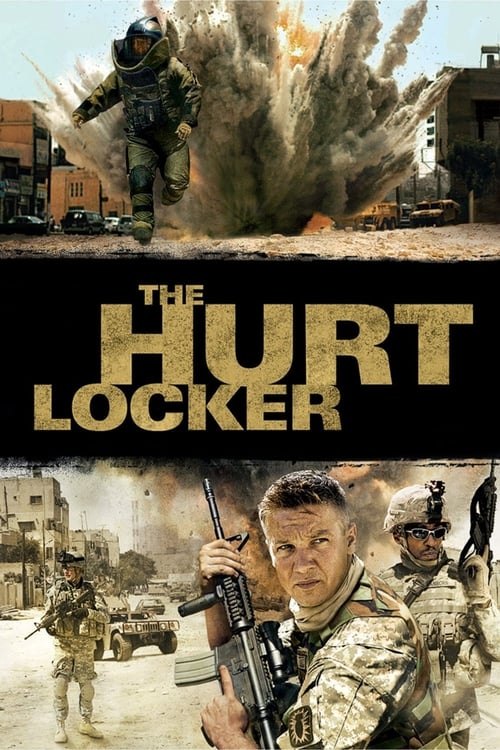
The Hurt Locker (2008)
Directed by Kathryn Bigelow
During the Iraq War, a Sergeant recently assigned to an army bomb squad is put at odds with his squad mates due to his maverick way of handling his work.
29 connections found
View:
29 films that influenced The Hurt Locker
What critics say influenced The Hurt Locker
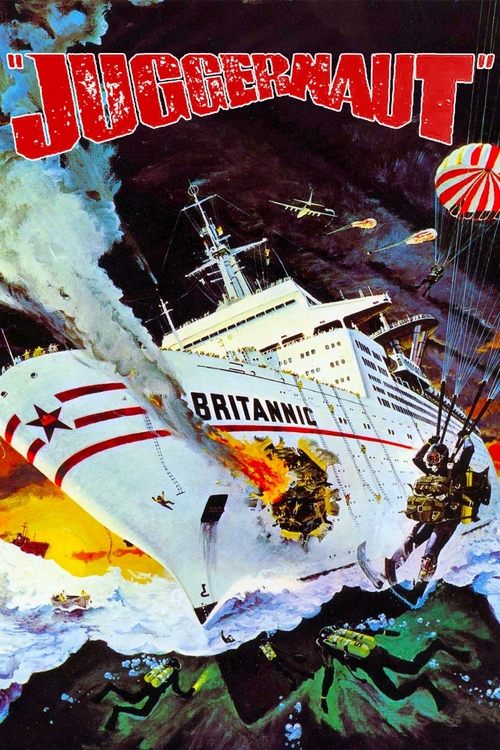


There was the alcoholic, gammy-legged David Farrar handling a particularly tricky one on a beach in Powell and Pressburger's The Small Back Room; Otto, the anti-Nazi German sapper, in Edgar Reitz's Heimat; the TV series Danger UXB; Richard Harris, the naval bomb disposal expert playing lethal games with Freddie Jones's vengeful bomber in Juggernaut; and more recently "Kip" Singh, the Indian military engineer disarming German bombs in Italy in The English Patient before being driven beyond endurance by our bomb in Hiroshima (a key incident in Michael Ondaatje's novel that didn't reach the screen).
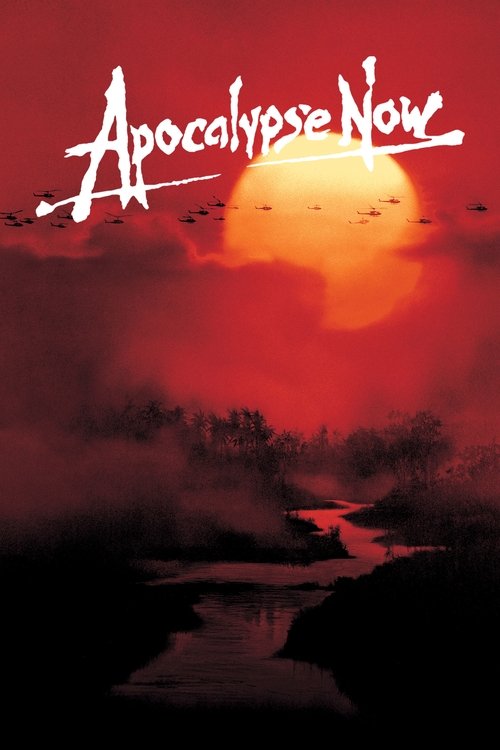
Like many films dealing with similar subject matter (for example the Apocalypse Now or more recently Sam Mendes' Jarhead) pure politics are left to one side in favour of an exploration into the impact of war on the male psyche.
With his brash, devil-may-care cockiness and good-ol’-boy swagger, Jeremy Renner recalls Robert Duvall in Apocalypse Now .
With The Hurt Locker, Bigelow not only ratchets up the style factor, giving the film a disturbing yet beautiful texture (some scenes are as memorable and iconic as those in Apocalypse Now), but she also manages to jangle our nerves for the entire 130 minutes with an extremely visceral depiction of what men do under combat stress conditions.
Like the great modern war films— Apocalypse Now , Full Metal Jacket , The Thin Red Line — The Hurt Locker depicts the war zone as a dystopia, where notwithstanding the horror, those who fight draw pleasure from how the possibility of imminent death concentrates the mind and sends the serotonin levels soaring.
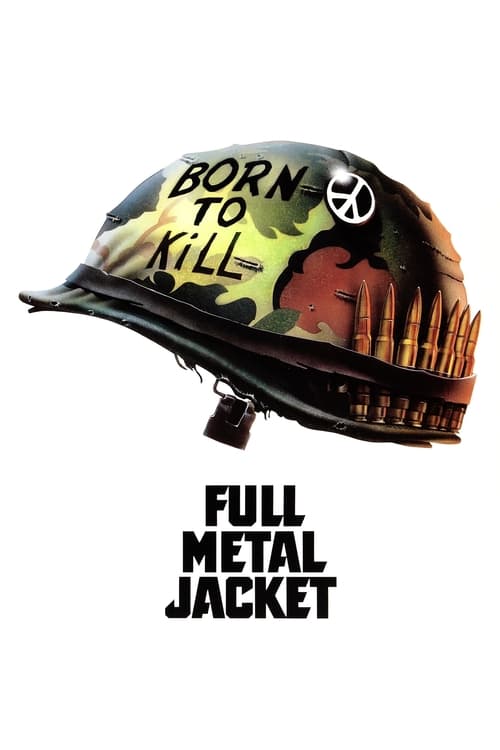
Imagine Full Metal Jacket meets The Wire.
"The Hurt Locker" is about Iraq in the same way that "Paths of Glory" was about World War I or "Full Metal Jacket" was about Vietnam -- which is to say, utterly and not at all.
It's the best war movie since Full Metal Jacket.
Claims that it’s the best movie about war since Stanley Kubrick’s Full Metal Jacket (1987) may not be far off the mark, though it’s worth noting that The Hurt Locker lacks the scope and the perspective of distance of the Kubrick film.
Like the great modern war films— Apocalypse Now , Full Metal Jacket , The Thin Red Line — The Hurt Locker depicts the war zone as a dystopia, where notwithstanding the horror, those who fight draw pleasure from how the possibility of imminent death concentrates the mind and sends the serotonin levels soaring.

The film is set in 2004 and is no less a period piece than Oliver Stone’s Vietnam-era “Platoon,” or Stanley Kubrick’s World War I masterpiece “Paths of Glory.”
"The Hurt Locker" is about Iraq in the same way that "Paths of Glory" was about World War I or "Full Metal Jacket" was about Vietnam -- which is to say, utterly and not at all.
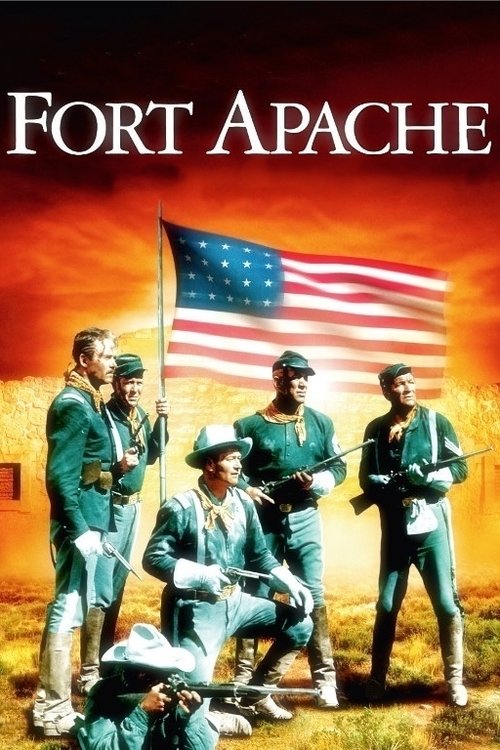
These men are soldiers - bomb disposal experts, in fact - but they could be cops or fireman (or the cavalrymen in John Ford's classic "Fort Apache").
Advertisement
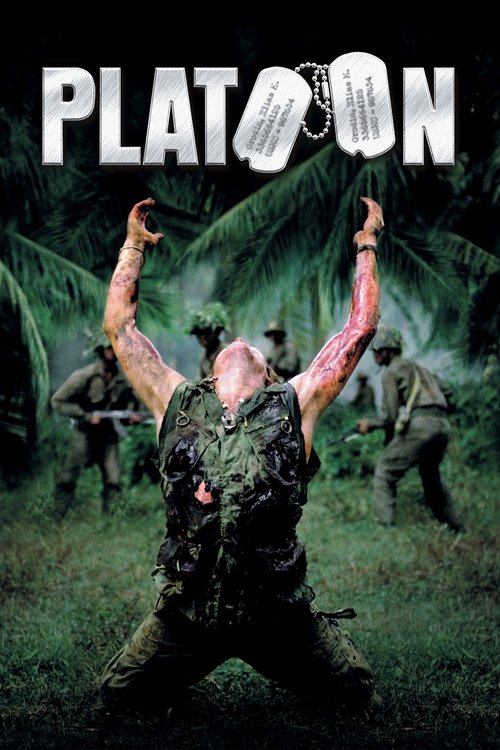
Avoiding big statements, or political point-scoring, Bigelow and Boal look to Oliver Stone's Platoon and keep it purely grunt-eyed.
The film is set in 2004 and is no less a period piece than Oliver Stone’s Vietnam-era “Platoon,” or Stanley Kubrick’s World War I masterpiece “Paths of Glory.”
The clever dual-purpose nature of the line — equal parts bravado-fueled action hero witticism and pointed political statement — is at the heart of what makes The Hurt Locker the best film yet made about the Iraq War, and the best American film about war since Platoon.
Boldly jettisoning the breast- beating sentimentalism that has defined mainstream war movies since the 1980s Vietnam cycle (Platoon, Casualties of War) and rejecting too the po-faced didacticism of recent Iraq war stinkers (Lions for Lambs, Redacted), the director Kathryn Bigelow and the screenwriter Mark Boal instead plant the viewer directly into the dizzying, often terrifying, heart of the action for two solid hours, with little respite.
There are exceptions, of course, like Oliver Stone's Platoon , which takes no prisoners in depicting war as the gruesome, dehumanizing business it is.
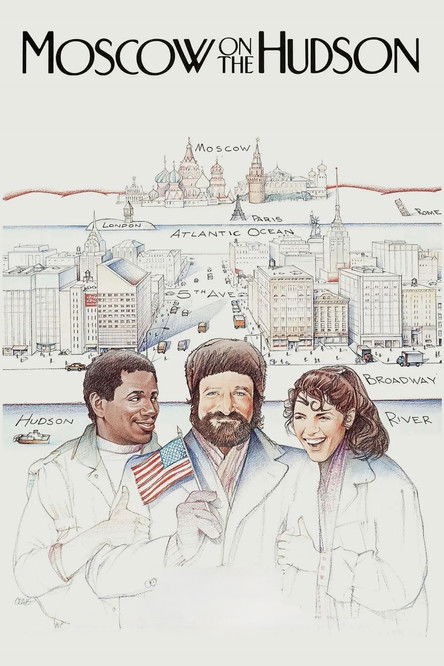
Bigelow also lifts a scene, a bit shamelessly, from Paul Mazursky’s “Moscow on the Hudson,” in which Russian defector Robin Williams finds himself overwhelmed by choice in an American supermarket; she might have found another way to make her point about the glut of creature comforts American life has to offer.

One would have to go back to The Wages of Fear , Henri-Georges Clouzot's 1953 film about hired European workers moving nitroglycerin over mountain dirt roads, to match The Hurt Locker 's mix of intelligent character observation and white-knuckle tension.
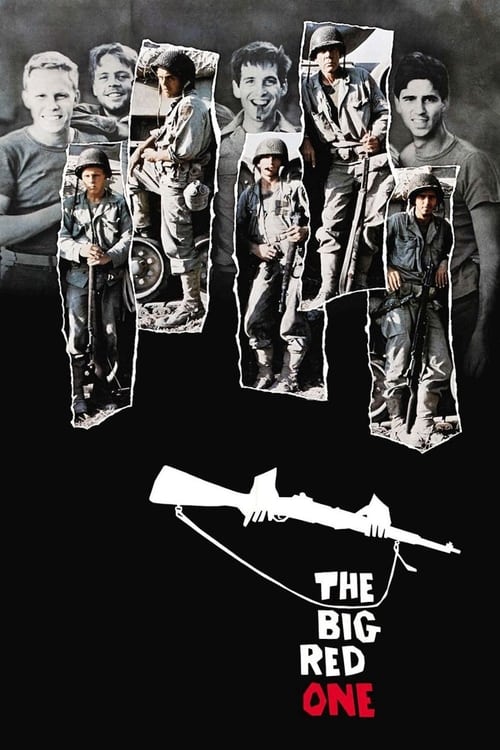
Bigelow and screenwriter Mark Boal tell the story in a series of episodes, much like Samuel Fuller's WWII masterpiece The Big Red One (1980).
Advertisement
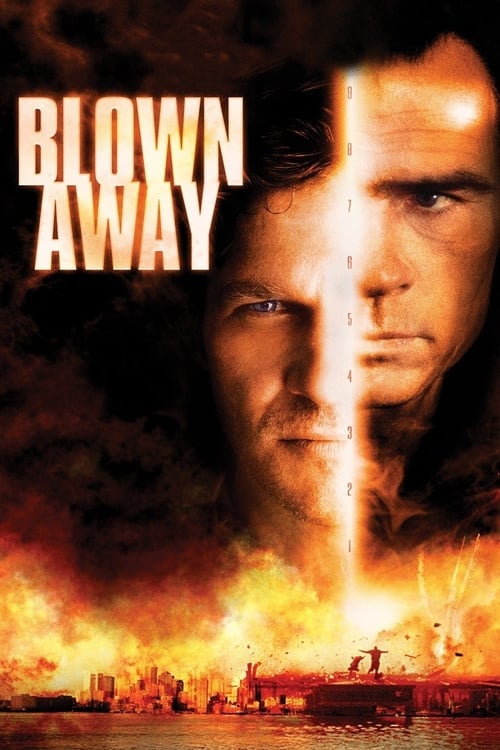
The film completely eschews the kind of Hollywoodised conceits found in Speed or Blown Away (both 1994), and instead displays a genuine fascination with the day-to-day procedures of bomb disposal in a combat zone.

Review "The Hurt Locker" 131 minutes R; war violence, profanity Grade: A- at Green Valley, Suncoast, Town Square Carol Cling's Movie Minute Deja View The Iraq war -- and its impact on combatants -- have inspired a variety of dramas, including these: "Battle for Haditha" (2007) -- Documentarian Nick Broomfield goes dramatic with a moment-by-moment, multiperspective re-creation of a 2005 Marine massacre of civilians in Iraq.