

Kathryn Bigelow
250 connections found

View:
Connections, in both directions
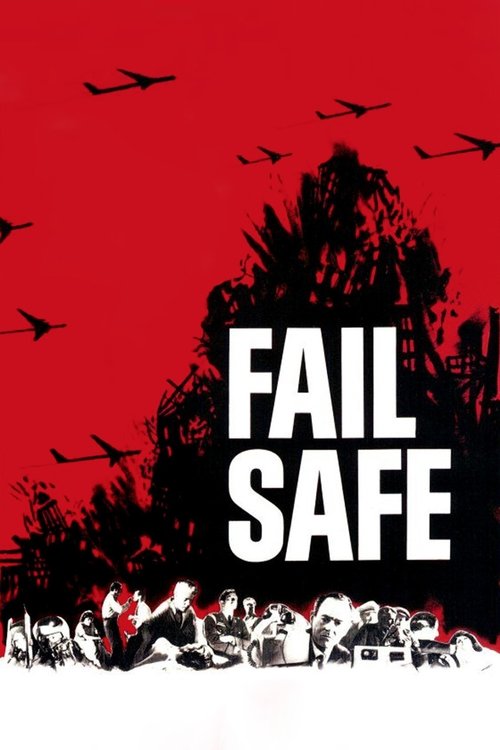


…films like Fail Safe or Dr Strangelove have suggested, we’re not much more than human error away from the end of the world…
A House of Dynamite’s ending feels less like a bold echo of Fail Safe and more like a shrug.
…titles like Fail Safe…
Nuclear missile horror stories used to be more frequent in the years after the Cold War first heated up, most famously 1964’s accidental diptych Fail Safe and Dr. Strangelove, followed by 1983’s accidental diptych WarGames and The Day After.
A House of Dynamite doesn’t have the sweaty humanity of Fail Safe or the dark absurdism of Dr. Strangelove.
Cold war–era filmmakers asked what happens when the bomb drops, from bureaucratic panic in Fail Safe (1964) to full-on collapse in Threads (1984).
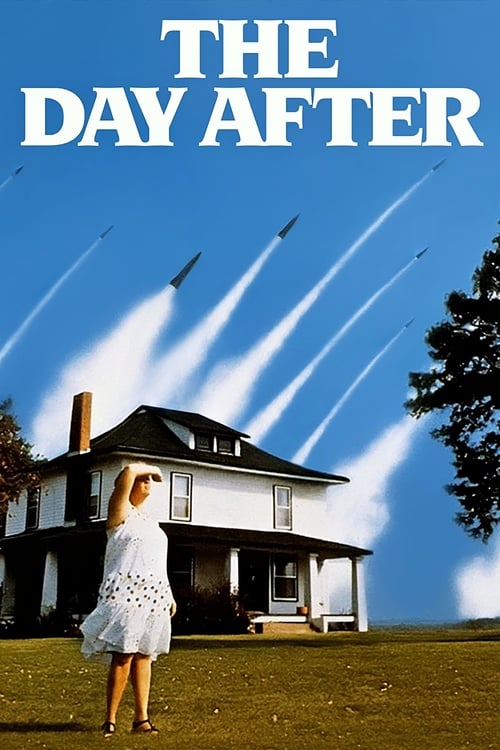
Nuclear missile horror stories used to be more frequent in the years after the Cold War first heated up, most famously 1964’s accidental diptych Fail Safe and Dr. Strangelove, followed by 1983’s accidental diptych WarGames and The Day After.
…feels like a twenty first century’s unofficial somber prequel to “The Day After” (1983)…
A House of Dynamite’s status as a cautionary tale also places it in the tradition of Cold War–era dramas like Fail Safe and The Day After…
…with cultural phenomena like “The Day After” and “99 Luftbaloons” constantly reminding us how close we were to extinction.
I remember as a curious 6-year-old kid being terrified by the TV movie The Day After, which looked at the repercussions of a nuclear conflict.
In November of 1983, the ABC television network aired a movie called The Day After that imagined what it would be like if nuclear bombs struck the United States.

What worked for Akira Kurosawa’s “Rashomon” (1950) doesn’t connect in the same way here.
If you’ve seen Akira Kurosawa’s Rashomon (1950), then you have an idea of what Bigelow is aiming for here…
Conceptually A House of Dynamite would appear to have the structure of 21st century realpolitik Rashomon parable: the same story told from such divergent and conflicting perspectives that it suggests a greater truth that remains elusive for one and all.
It isn't a "Rashomon" effect, where we get different interpretations of the same event, but a filling in of background from different angles.
Rather than simply adopt the standard Rashomon template…
A House of Dynamite uses a Rashomon-style structure, showing the same sequence of events from various points of view.

Bones and All (2022)
Directed by Luca Guadagnino
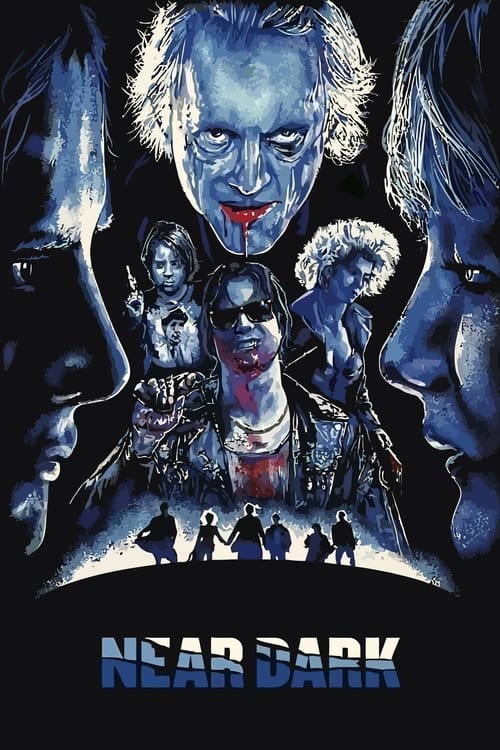
influenced by Near Dark (1987)
Visuals Themes Characters
Determined to track down her long-absent mother and learn how she came to be this way, Maren buys a Greyhound bus ticket and heads across the country, discovering in uncanny, nocturnal sequences reminiscent of both Kathryn Bigelow’s Near Dark and Joel Schumacher’s The Lost Boys that she’s far from alone in her appetites.
That’s what we get with the Italian director Luca Guadagnino’s equal parts elegant and grotesque road-trip saga “Bones and All,” which has a “Badlands” meets “Near Dark” vibe and contains a couple of genuinely effective shock moments, but ultimately comes across as a gratuitously violent and at times overwrought Young Adult drama dressed up with art-house accessories.
Meanwhile, Maren and Lee’s dynamic most closely recalls that of the two moody yet visceral vamps in Near Dark (1987), both in their moral questions about killing to survive and the strange spell their romantic chemistry casts on the viewer.
In a bus-station sequence that reminded me of Caleb's attempts to get home after being bitten by a vampire in Near Dark , Marin starts in the direction of an address on an old, folded birth certificate her father's left her.
Choose your plan ArrowRight With its aestheticized gore; moody teenage angst; and knowing references to such classics as “Badlands,” “Bonnie and Clyde” and “Near Dark,” Luca Guadagnino’s visualization of Camille DeAngelis’s young-adult novel plunges audiences into a gross but occasionally engrossing slough of cognitive dissonance.
Or Kathryn Bigelow’s vampire-outsider western Near Dark?
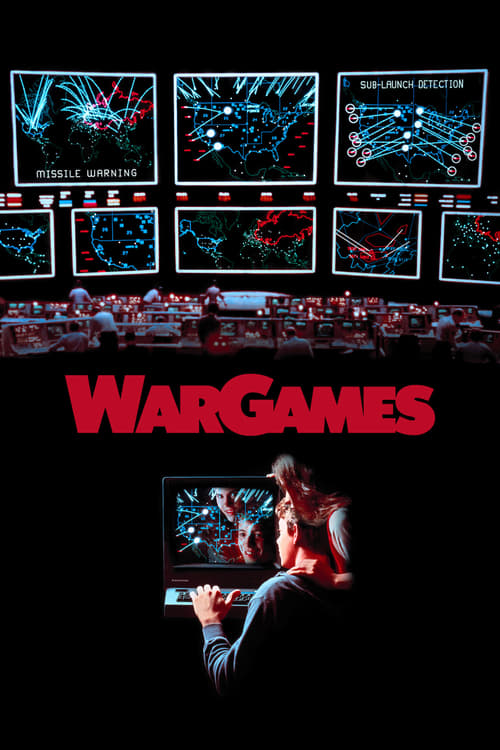
Nuclear missile horror stories used to be more frequent in the years after the Cold War first heated up, most famously 1964’s accidental diptych Fail Safe and Dr. Strangelove, followed by 1983’s accidental diptych WarGames and The Day After.
…the best “impending nuclear war” films are John Badham’s WarGames and Steve De Jarnatt’s Miracle Mile…
…but whatever happened to nail-biters such as WarGames (John Badham, 1983) and Fail Safe (Sidney Lumet, 1964)…
This is the lesson of WarGames (1983) after all: “The only winning move is not to play.”
The threat of nuclear war was evoked regularly in films such as WarGames (1983)…
I also had a strange fascination with films that dealt with those themes from the horrific presentations of the aftermath in the TV film, The Day After and the feature Testament to the dystopian depictions in Miracle Mile to the near-miss silliness of WarGames and the scarily timely docu-portrayal of a nuclear power plant accident in The China Syndrome.
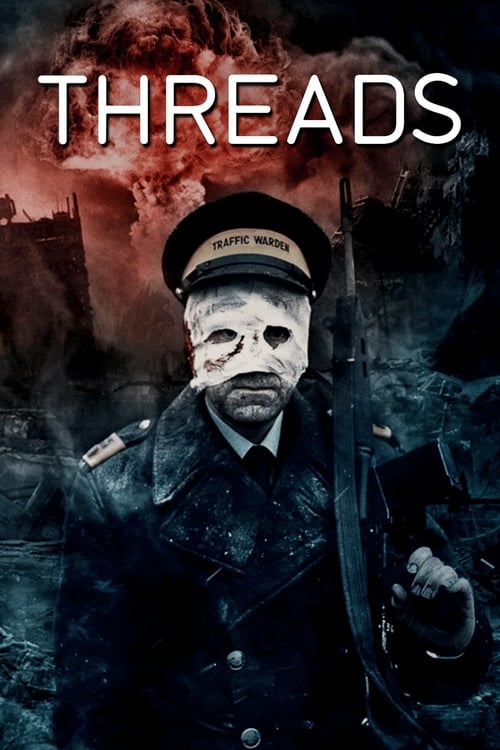
Threads…
Cold war–era filmmakers asked what happens when the bomb drops, from bureaucratic panic in Fail Safe (1964) to full-on collapse in Threads (1984).
…the made-for-television movies The Day After, The War Game, Threads, and Testament are uniformly excellent…
A House of Dynamite would cower in fear at the imagery of Threads.
It wasn’t even the hellish aftermath the survivors would face, as depicted in the BBC drama Threads (1984).
Mick Jackson’s Threads traumatising anyone who saw it on its first broadcast in 1984…
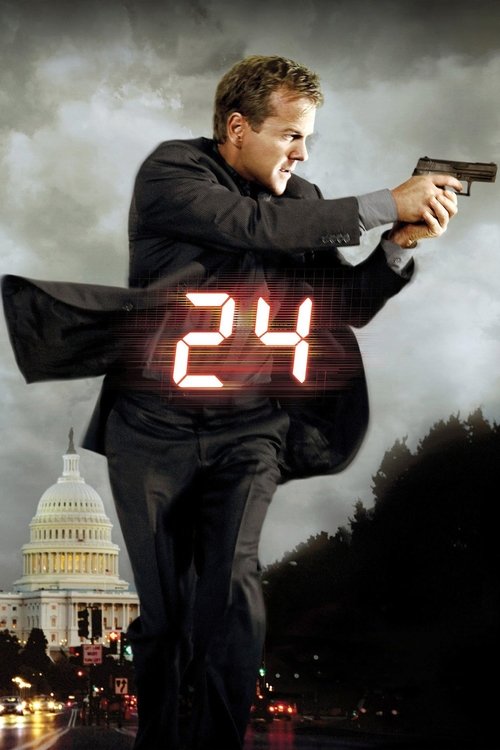
In fact, it looks a lot like an episode of 24, and that’s not where the similarities end.
Even if it often recalls quick-cut, accelerated-pace TV shows like 24, the aesthetic feels fresh.
…it is both riveting and sprawling, even as it is shot mostly in shaky-cam closeup that calls to mind the tenser moments of 24…
Bigelow's film feels bizarrely cut out of the same post-9/11 nationalism that birthed similar media like 24.
It’s like Bigelow found the perfect marriage between the stressful kineticism of hit aughts series 24 and the cerebral video work of Harun Farocki.
…like any thriller where lives hang in the balance, such as any episode of 24…
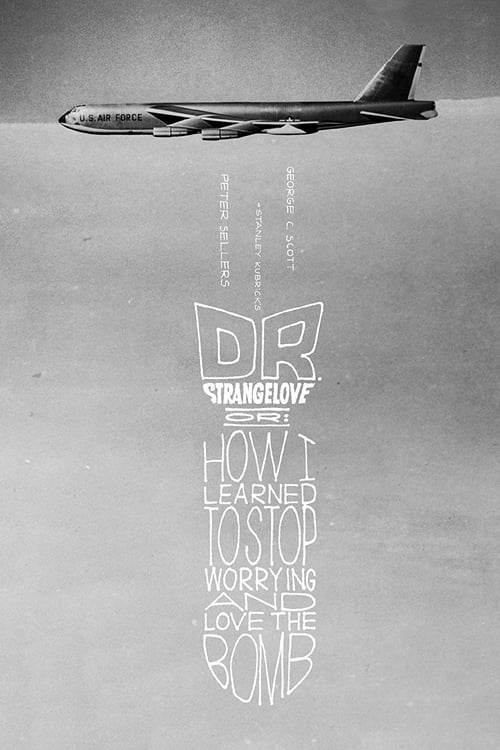
Dr. Strangelove or: How I Learned to Stop Worrying and Love the Bomb (1964)
Directed by Stanley Kubrick
influenced A House of Dynamite (2025)
Themes
Another way of looking at it, though, is as the most entertaining Hollywood movie on the subject of potential mass destruction since Stanley Kubrick’s Dr Strangelove.
It’s like Stanley Kubrick’s brilliant Dr. Strangelove, but without any of that 1964 film’s scathing satire—this is deadly serious stuff.
In comparison, Dr. Strangelove or: How I Learned to Stop Worrying and Love the Bomb (1964) might very well be the greatest examination of the Cold War and nuclear fallout precisely because it doesn’t shy away from its ending.
…films like Fail Safe or Dr Strangelove have suggested, we’re not much more than human error away from the end of the world…
The heyday of nuclear conflict thrillers was 1964, when the grim collateral damage of Sidney Lumet’s Fail Safe and the megaton satire of Stanley Kubrick’s Dr Strangelove were released.
Stanley Kubrick’s satirical Dr. Strangelove: Or How I Learned to Stop Worrying and Love the Bomb…
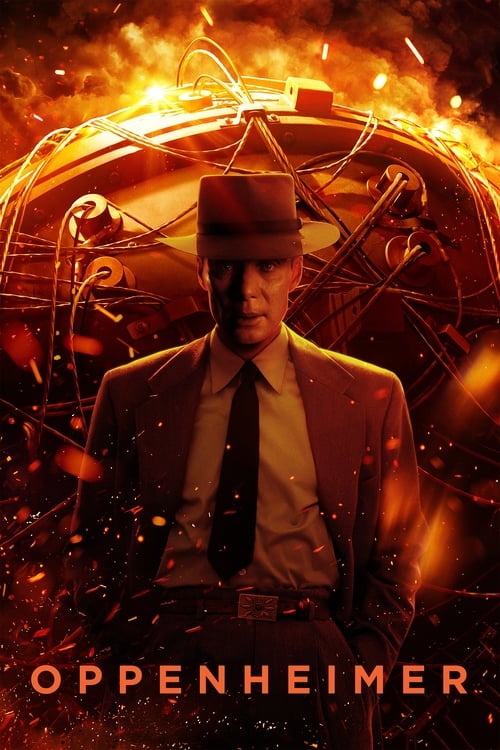
…the opposite of Christopher Nolan’s stinger in Oppenheimer, which cut through time and space to grant its namesake a moment of terrible prophecy.
It picks up where Christopher Nolan’s Oppenheimer left off, with its chilling reminder that the invention of the atomic bomb may have triggered a chain reaction leading to humanity’s end.
And it comes amid a modern revival of big-screen nuclear anxiety including 2023’s “Oppenheimer” and preceding James Cameron’s announced plans to make “Ghosts of Hiroshima.
Not unlike Christopher Nolan’s Oppenheimer, A House of Dynamite is fundamentally an institutionalist’s outcry about the horrors of nuclear proliferation.
Oppenheimer…
Oppenheimer and Cuban Missile Crisis docudrama Thirteen Days on the BOATS (Based On A True Story) end of things…

Warfare (2025)
Directed by Ray Mendoza
influenced by The Hurt Locker (2008), Zero Dark Thirty (2012)
Themes Visuals
I suppose one could call this the anti-Hurt Locker.
…one wonders what differentiates this film from, say, Black Hawk Down, or Saving Private Ryan, or Hacksaw Ridge, or The Hurt Locker…
“Warfare” has the same relentless, unforgiving quality of modern war classics like “Black Hawk Down” and “The Hurt Locker,” but the scope is far more granular.
Kathryn Bigelow’s Oscar winner, The Hurt Locker, in 2009…
I love and appreciate The Hurt Locker as much as anyone, as well as Zero Dark Thirty, and even Redacted.
It is this documentarian-like element which will probably prevent Warfare from having the cultural impact of a movie like Black Hawk Down or The Hurt Locker, or sure, pure propaganda like American Sniper.

Though Jeremy Hindle’s production designs come across as too gleaming and not lived-in enough, projecting an unfortunate TV aesthetic (think “The West Wing” or “Designated Survivor”) that’s difficult to shake.
There’s a very old school feeling to “A House of Dynamite,” almost like a cry back to the America of “The West Wing” – people trying to do their jobs to the best of their ability, their competence on full display (so, definitely not an allegory for our current administration).
…a half-baked screenplay that seeks to ape Aaron Sorkin’s rat-a-tat dialogue from “The West Wing.”
In some ways all this plays like the finest feature-length episode of The West Wing you ever saw.
…sub-“The West Wing”, pseudo-smart politi-banter…
…the bulk of the picture features sub-The West Wing, pseudo-smart politi-banter…
Even Kathryn Bigelow’s Zero Dark Thirty receives a few side-eyed references that may have audiences questioning its status as one of the best films of the decade.
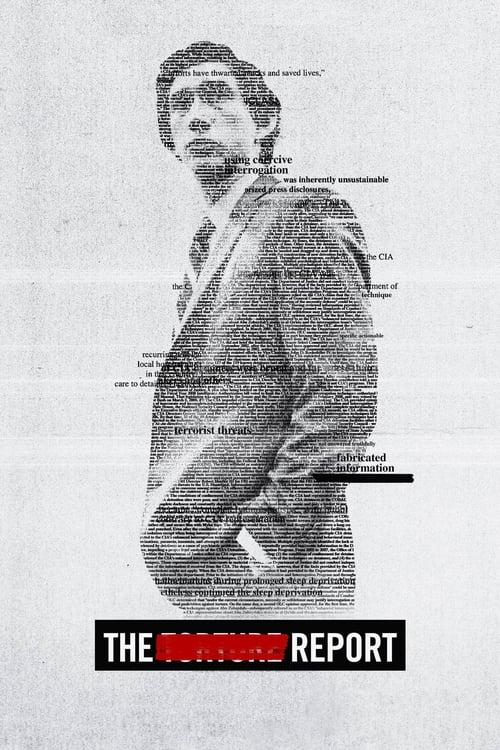
A rejoinder of sorts to Kathryn Bigelow’s superior “Zero Dark Thirty,” which was widely misinterpreted by some as condoning torture, “The Report” has clearly been conceived in the mold of pictures like “All the President’s Men,” “Zodiac” and “Spotlight,” all of which made gripping cinema out of the daily drudgery of investigative work.
There’s a brief moment late in The Report where a trailer for Zero Dark Thirty can be seen.
“Homeland,” “24” and “Zero Dark Thirty” are invoked as fictional advocates of the value of torture in the war on terror.
The Report is as dedicated to reminding everyone that narcs f-cking suck as Zero Dark Thirty is dedicated to selling torture as a permissible interrogation tactic.
After all, the investigation into the CIA's "enhanced interrogation techniques" took so long to reach the public (2007-2014) The Report actually contains a scene of Jones railing against the inaccuracies of 2012's Zero Dark Thirty.
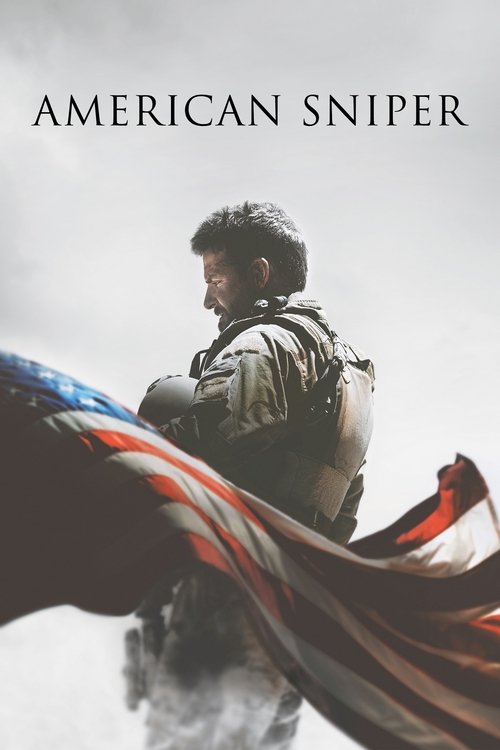
American Sniper (2014)
Directed by Clint Eastwood
influenced by The Hurt Locker (2008), Zero Dark Thirty (2012)
Themes Visuals
Similarly great films like “The Hurt Locker” and “Blackhawk Down” were more graphic (and just as profane) but not any more gripping.
For a man who saw a war through the scope of a rifle, the newfound mundaneness of his life is interesting, but it was portrayed far more effectively in the waning, wordless moments of Kathryn Bigelow’s “The Hurt Locker.”
Of course, there have been great war films that didn’t deal directly with the politics of war itself—Kathryn Bigelow’s still-jarring The Hurt Locker (2009), for one—but those films succeeded because their depiction of war was so powerful and the central characters were so compelling.
As we learned from the best of the Vietnam war films, and as superb films about the Middle East war such as The Hurt Locker, Lone Survivor and Zero Dark Thirty have reinforced, America's modern enemies - and, therefore, our enemies - don't recognise the uniforms, rules, protocols, theatres or even age limits of conventional warfare.
The scenes, rich and rife with conflict and drenched with sun and sand, feel borrowed from Katherine Bigelow’s haunting wartime chronicle “The Hurt Locker,” yet there’s no plumbing of the soul or genuine crisis of conscience in Eastwood’s endeavor.
“American Sniper” is an Iraq War movie, a genre so small it pretty much begins and ends with “The Hurt Locker.”
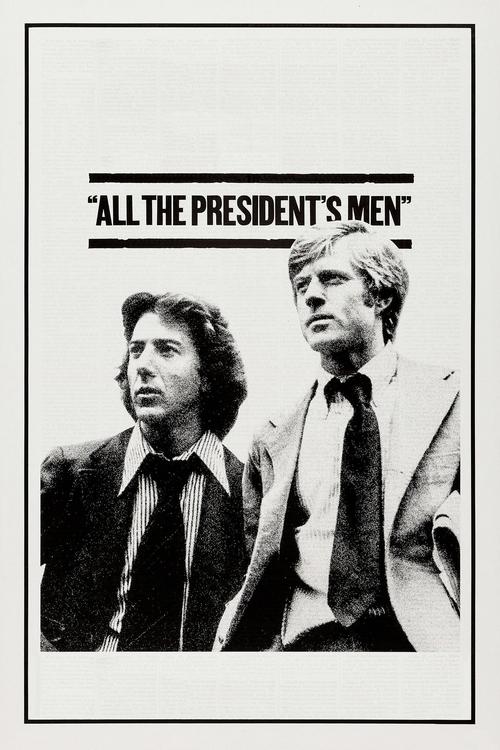
All the President's Men (1976)
Directed by Alan J. Pakula
influenced Zero Dark Thirty (2012), A House of Dynamite (2025)
Plot
All The President's Men was asking "What did the president know and when did he know it?"
But don’t expect a fast-paced historic reenactment akin to All the President’s Men .
The also torn-from-the-headlines "All the President's Men" did something similar, but a difference is that "Zero Dark Thirty" is punctuated at seemingly regular intervals with outbursts of violence, to remind the viewer what's at stake; also interrupting the satellite-enhanced ratiocination are a few intricate suspense set pieces.
But that’s what’s so remarkable about Zero Dark Thirty, recalling another film where our knowledge of its outcome rendered the narrative no less compelling: All the President’s Men, where the process becomes the story.
In that sense, her film resembles Alan J. Pakula’s All the President’s Men (1976) with the key difference being that, in the latter, the characters all feel like fully rounded, lived-in human characters rather than connect-the-dots archetypes.
The film boasts a storytelling efficiency formerly reserved for classics like All the President’s Men and Chinatown .
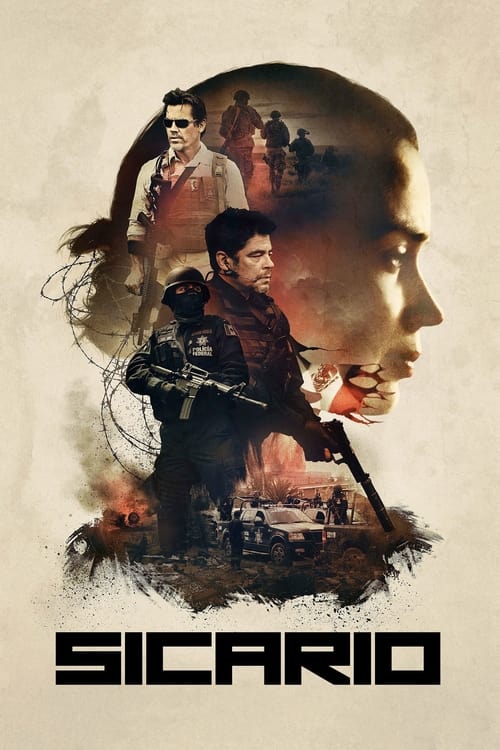
Sicario (2015)
Directed by Denis Villeneuve
influenced by Zero Dark Thirty (2012), The Hurt Locker (2008)
Plot Visuals Themes Characters
The film, whose initial trailers made it look like Traffic Redux thanks to the war-on-drugs subject matter and the casting of Benicio Del Toro, has already been compared to Zero Dark Thirty , and it’s easy to see why: It takes on a seemingly unwinnable policy war, it delves into the fuzzy legalities of fighting said war, it places a tough woman at its center, and it concludes with an extended raid sequence (even borrowing the earlier picture’s copious infrared and night vision photography).
Psychologically, by situating an idealistic heroine at the heart of a militarized manhunt and forcing her to confront its sordid ethical realities, Sicario clearly aims to be the Mexican drug war’s Zero Dark Thirty (also on a visual level Villeneuve borrows a lot from Kathryn Bigelow’s film, for example a lengthy night-time ambush rendered in night-vision).
But Sicario emerges, less typical G-man thriller than something akin to Michael Mann's Heat or a Zero Dark Thirty substituting the War on Terror for the War on Drugs.
In a terrific performance that recalls the steely ferocity of Jodie Foster in “The Silence of the Lambs” and Jessica Chastain in “Zero Dark Thirty,” Emily Blunt stars here as Kate Macer, an FBI field agent who has been forced to don a Teflon exterior in order to rise through the Bureau’s male-dominated ranks, and to cope with the depravity she frequently witnesses in the line of duty.
The movie sometimes feels like "Zero Dark Thirty" and has a title (which in Jerusalem refers to a person hunting Roman invaders and means "hit man" in Mexico) that sounds like "Syriana," but "Sicario" is simpler than both of those—thankfully, to an extent, as how many people can actually explain all of "Syriana"?
To compare to Sicario to Heat or Zero Dark Thirty or even, for one or two brief flashes, Apocalypse Now , is not out of line.
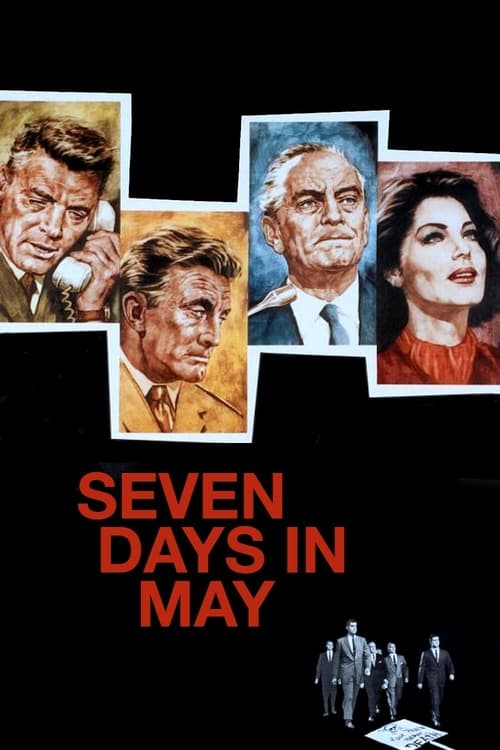
Seven Days in May (1964)
Directed by John Frankenheimer
influenced A House of Dynamite (2025)
Themes Characters Plot
This steely, apocalyptic tone owes something to John Frankenheimer’s Seven Days in May and Tony Scott’s Crimson Tide, though Bigelow’s approach is more clinical than those films were inventive.
“A House of Dynamite” yearns to be a contemporary “Fail Safe” or “Seven Days in May,” a speculative nail-biter for our times.
The 51-year-old film is very much of its time, along with Seven Days in May and Dr. Strangelove.
These generic bureaucratic faces seem vacant compared with those in Advise and Consent, Seven Days in May, Twilight’s Last Gleaming, and Thirteen Days…
…not unlike films such as Fail-Safe or Seven Days in May.
…it is in fact a familiar reformulation of the nuclear-thriller films of the early 1960s — "Fail Safe," "Seven Days in May," even Stanley Kubrick's "Dr. Strangelove," which parodied the genre.
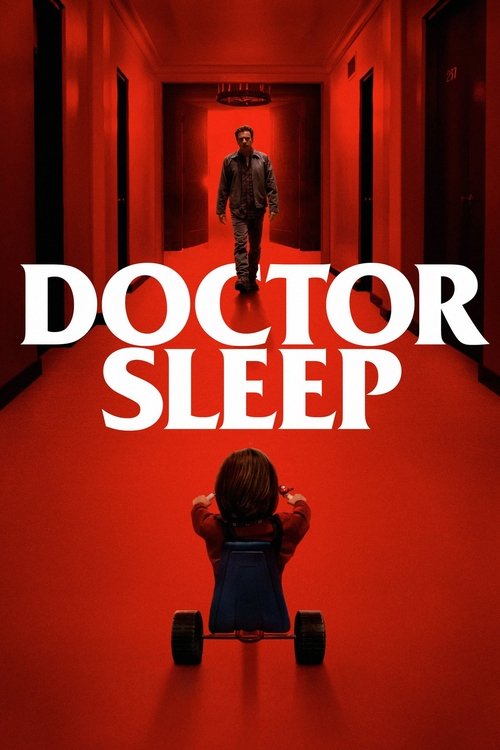
Doctor Sleep (2019)
Directed by Mike Flanagan
influenced by Near Dark (1987)
Themes Visuals Characters Plot
Flanagan has mentioned being inspired by the likes of Near Dark , taking Ferguson and her brood down the path of being like a malevolent group of immortal carnies.
Rose the Hat is a fascinating, layered villain as she commands a group of immortality-seeking psychic vampires, who aesthetically owe a debt to Kathryn Bigelow’s criminally underrated Near Dark (1987).
These "vampires" are new: nomadic, like the bloodsuckers from Near Dark , but interested only in "eating" fear and pain in the form of "steam" that sublimates from their victim's lips at the moment of their death.
Led by the seductively malevolent Rose The Hat (Rebecca Ferguson, enjoyably flamboyant in her big-bad role), these nomadic Near Dark predators treat their pint-sized prey like living vape pens; triggering their pain and fear, they suck the shining straight out of them in puffs of vapor, slowing their own aging process.
A group of sinister Near Dark ish nomads encircle a little girl with the intent to abduct and, we soon learn, consume her.
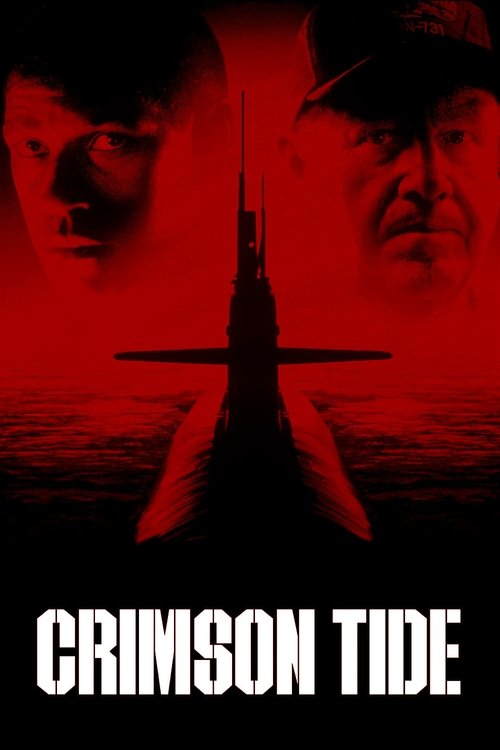
…from 1964's Fail Safe or Kubrick's Dr. Strangelove to Tony Scott's Crimson Tide (1995) to this year's Mission: Impossible - The Final Reckoning and Hulu's Paradise.
This steely, apocalyptic tone owes something to John Frankenheimer’s Seven Days in May and Tony Scott’s Crimson Tide, though Bigelow’s approach is more clinical than those films were inventive.
…or those silly spectacles that are actually Certified Bangers™ like The Hunt for Red October (John McTiernan, 1990) and Crimson Tide (Tony Scott, 1995)…
…the ’90s had Crimson Tide…
Crimson Tide is a terse two-hander with nuclear war as the MacGuffin…
Thanks for the reminder that “Crimson Tide” rules.
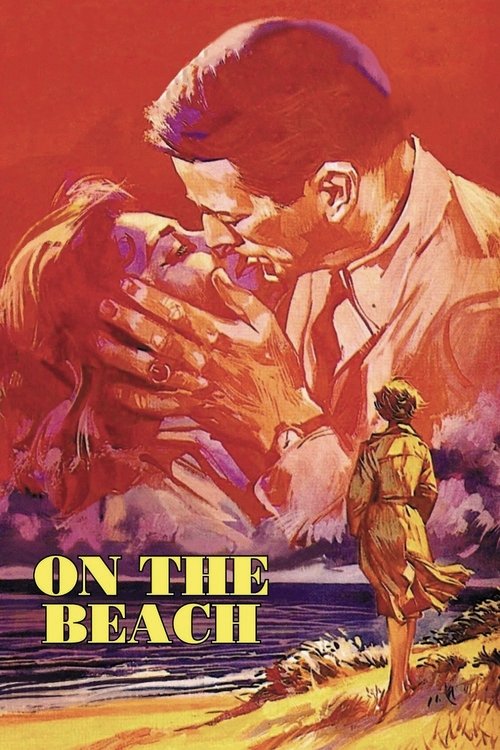
Our fears showed up in the movies, too, in Cold War dramas like Sidney Lumet’s 1964 Fail Safe or apocalyptic thrillers like Stanley Kramer’s 1959 On the Beach.
Ditto the not-made-for-TV When the Wind Blows, The Quiet Earth, and On the Beach.
Nevil Shute’s On the Beach was made into a sombre film by Stanley Kramer in 1959…
Stanley Kramer’s 1959 On the Beach that ended with the last gasp of humanity in an empty Australian town after the nuclear fallout has passed through…
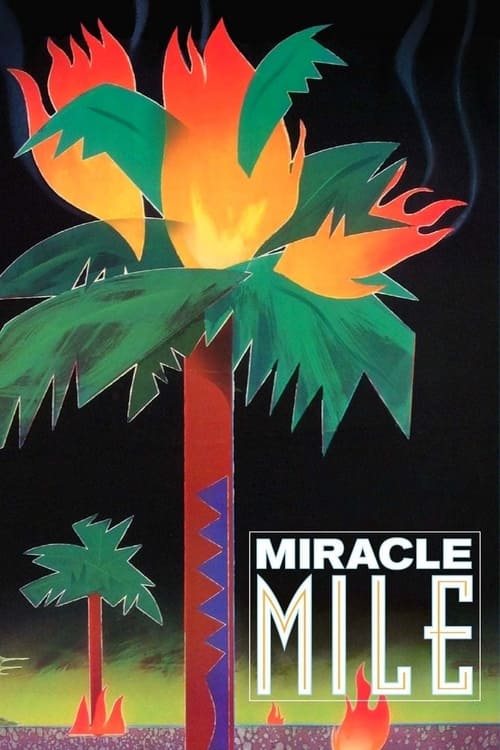
Miracle Mile…
…the best “impending nuclear war” films are John Badham’s WarGames and Steve De Jarnatt’s Miracle Mile…
…and Miracle Mile (1988), attesting to its prominent place in the American psyche at that time.
I also had a strange fascination with films that dealt with those themes from the horrific presentations of the aftermath in the TV film, The Day After and the feature Testament to the dystopian depictions in Miracle Mile to the near-miss silliness of WarGames and the scarily timely docu-portrayal of a nuclear power plant accident in The China Syndrome.