
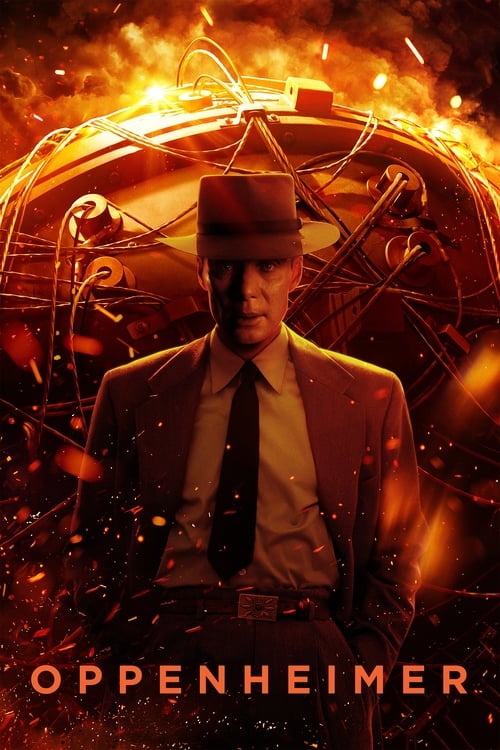
Oppenheimer (2023)
Directed by Christopher Nolan
The story of J. Robert Oppenheimer's role in the development of the atomic bomb during World War II.
20 connections found
View:
20 films that influenced Oppenheimer
What critics say influenced Oppenheimer
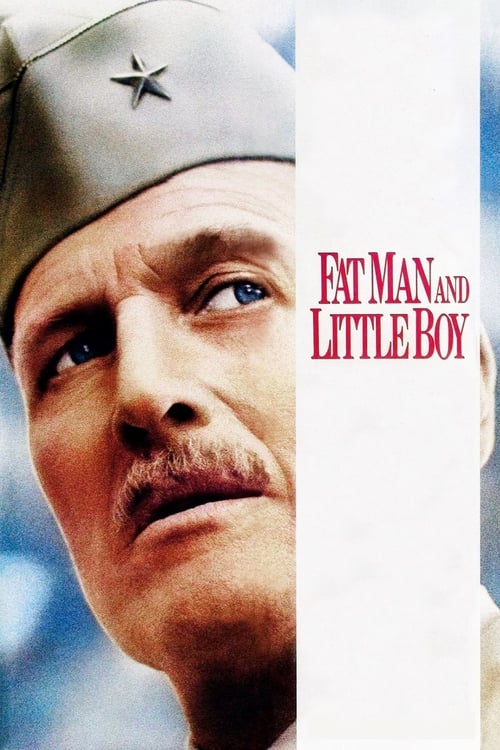


Film historians may recall that Paul Newman previously played Groves in Roland Joffé’s Fat Man and Little Boy (1989), which covered the same ground.
I first remember hearing Oppenheimer's name in my seventh-grade history class when we watched Fat Man and Little Boy, where Dwight Schultz from The A-Team played him.
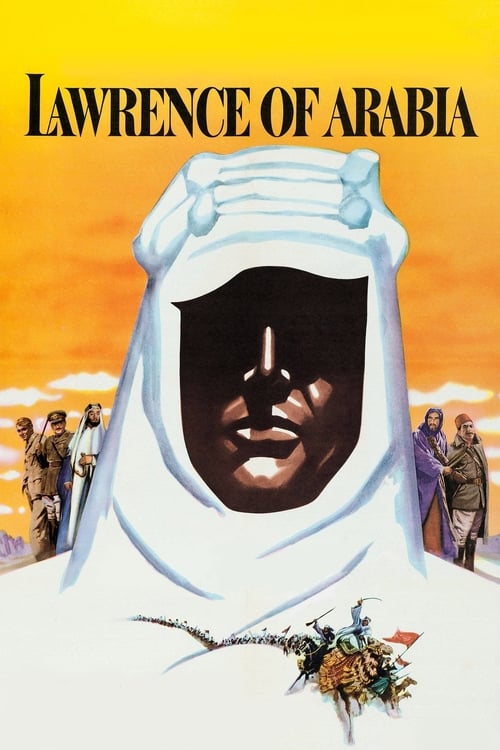
The wide shots seem to be an homage to David Lean’s Lawrence of Arabia .
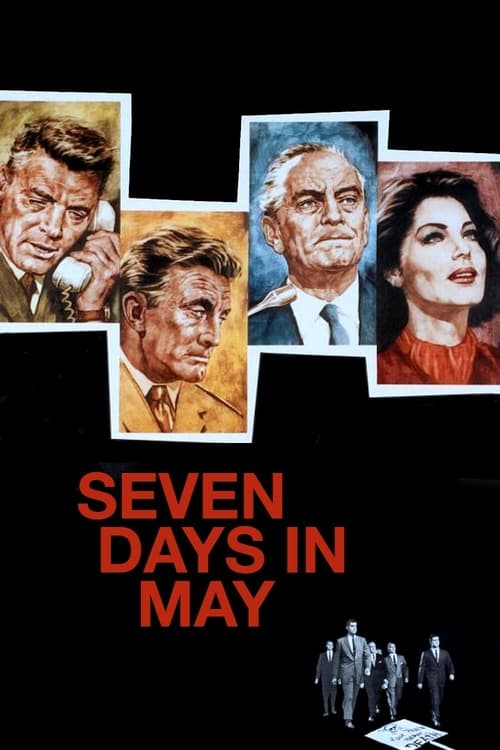
He keeps the viewer on their toes with sizzling dialogue reminiscent of 12 Angry Men or Seven Days in May and keeps the visual and audio razzle-dazzle to a surprising minimum.
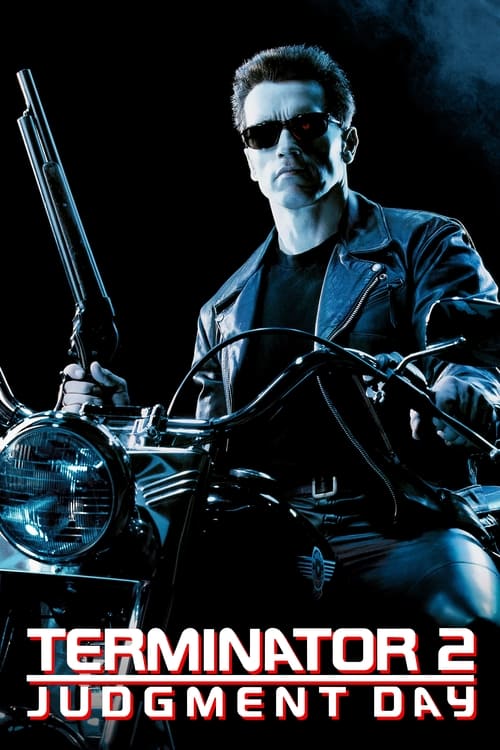
It’s a rather cold, hard end point considering the anxiety and excitement Nolan builds towards the first major test of the atomic bomb prior to its use on Nagasaki and Hiroshima (neither of which we see, instead crystallized in the imagined nightmares of Oppenheimer , envisioning how his creation eradicates life, albeit in less sensational ways than something James Cameron fashioned in 1991’s Terminator 2: Judgment Day ).
Maybe it's about the fact that we are what the T-800 says we are in Terminator 2 : hellbound with an appetite for self-destruction, even as we're fucking like rabbits and procreating like there's actually a tomorrow.
Advertisement

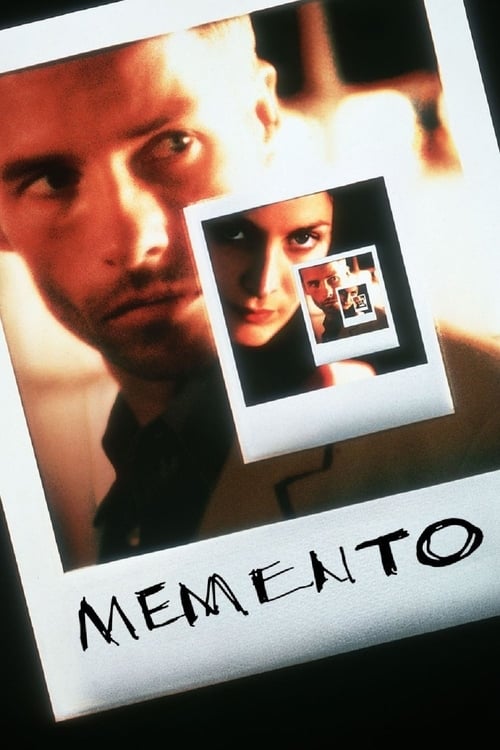
The movie, presented in a swift three act structure that mirrors the director’s own “Memento,” grapples with the horrors, innovation, and intensity of the project where the physicists in charge never could say with 100% certainty the bomb’s aftershocks wouldn’t destroy the atmosphere.
In this, Nolan is doing what he’s always done, all the way back to Memento : demanding that his audience work, and leaving them heaving with a feeling of intellectual reward.
If you want to understand how “Oppenheimer” fits into the larger picture of Christopher Nolan’s career, I think you have to go back to “Memento.”
Acclaimed director Christopher Nolan has come so far from Following and Memento in every way possible as a filmmaker.
This chronological experimentation will be familiar to fans of Director Christopher Nolan’s Memento, Interstellar, and Dunkirk.
This is a man who started off making arthouse films like Memento and Insomnia and then he changed the comic book movie genre with his Batman trilogy – a franchise that showed that world that comic book movies could be solid, brilliant films.
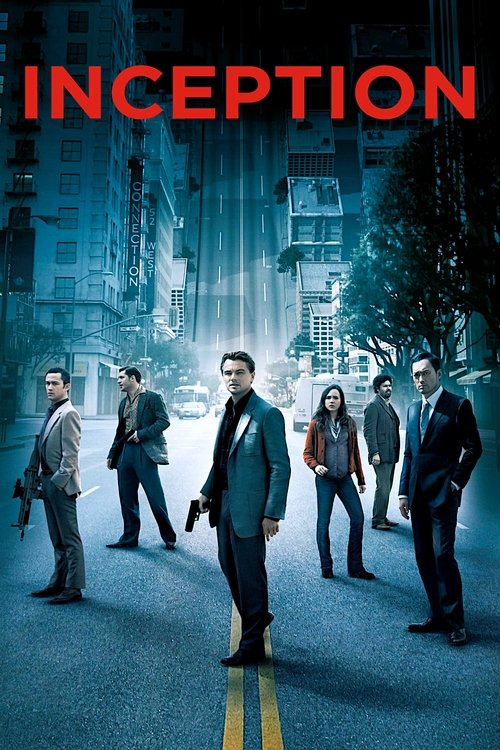
It's all quite portentous, though I don't know if it has anything revelatory to impart, making it not unlike other Christopher Nolan films, expensive nothingburgers like Tenet and Dunkirk and Inception , too, let's face it.
And while Nolan is interested in character and performance, most of his movies in the IMAX format, even the historically inspired WW2 movie Dunkirk (Nolan, 2017), contain memorable action, exploiting the vastness of the IMAX screen to great kinetic effect whether it’s Batman roaring along on the Batbike, co-conspirators free floating inside a falling transit van in Inception (Nolan, 2010) or British WW2 soldiers trapped inside a flooding ship.
But given my general love of Christopher Nolan’s work [see Inception and Dunkirk ], I knew I could not miss this one.
It’s been 13 years since Inception , a film which showed off director Christopher Nolan‘s innovation, technical skill, and storytelling at its peak.
There are others that create vivid impressions, though, whether it’s Pugh or Kenneth Branagh as Niels Bohr or David Krumholtz, Josh Hartnett or David Dastmalchian- this feels like his richest ensemble of characters since “Inception,” and they are all in the service of a film exploring the challenging mind, and legacy, of one of the most significant men in the 20th Century, from one of the best filmmakers of the 21st Century.
In amongst all of that he also delivered the masterpieces Inception and Dunkirk and even his films that have divided critics – The Prestige, Interstellar and Tenet – do deserve some credit for their originality.
It's all quite portentous, though I don't know if it has anything revelatory to impart, making it not unlike other Christopher Nolan films, expensive nothingburgers like Tenet and Dunkirk and Inception , too, let's face it.
Most of his films carry the theme of putting ideas into someone else’s head, from the two aforementioned films to his Dark Knight trilogy to Tenet.
Nolan has been rather obsessed with this subject matter for a long time, even his previous film Tenet deals with a doomsday bomb and has a reference to the Manhattan Project.
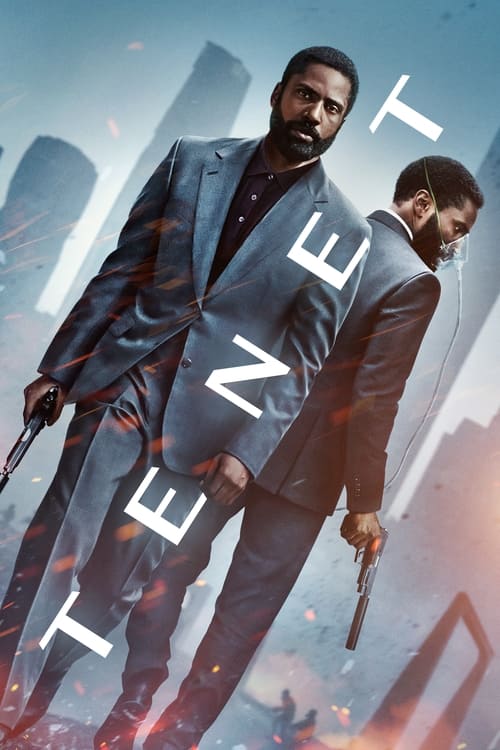
At one juncture in Christopher Nolan’s last outing, the mind-bending, time-rewinding spy thriller “Tenet” (2020), a scientist in the future able to weaponize and manipulate the past to alter history is likened to J. Robert Oppenheimer, lead scientist at the Manhattan Project, which produced the nuclear warhead that in effect ended World War II.
Mandalorian and Black Panther composer Ludwig Göransson reunites with Christopher Nolan here after scoring Tenet and crafts a pulsating musical backbone to Oppenheimer that is critical in creating an immersive experience.
It's a dense movie with “Tenet” collaborator Ludwig Göransson’s magnetic score and Hoyte van Hoytema’s cinematography (a stunner in 70mm) elevating the performances and narrative.
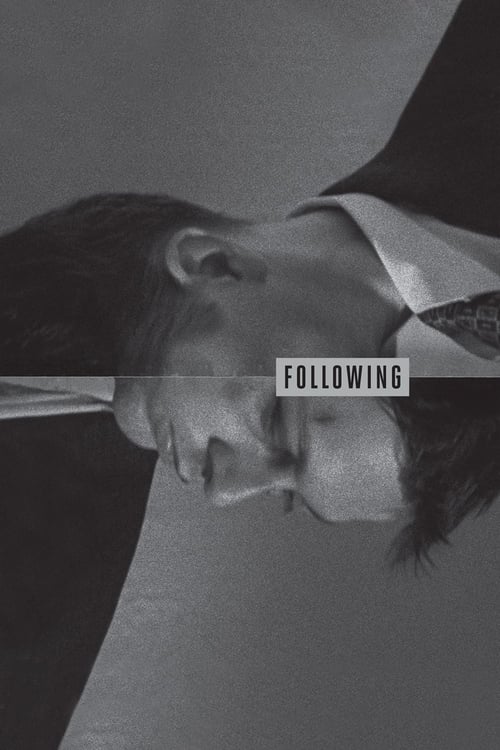
Acclaimed director Christopher Nolan has come so far from Following and Memento in every way possible as a filmmaker.
Christopher Nolan is back with his sixth feature, 25 years after his feature debut Following.
In line with his first film, Following (1998), the plot alternates through 3-4 timelines.
He has it in him ( Memento is perverse as shit, ditto Following ), but though I'm a staunch defender of his Dark Knight trilogy--he excels at monumentalizing iconography--I wonder where the dangerous, morally slippery, devil-may-care part of him has gone.
And he does it once again with Oppenheimer , his 12th feature film since Following in 1998.
The close-up view of free will in Tenet, the allure of power in The Prestige , and the obsession of his first film Following .
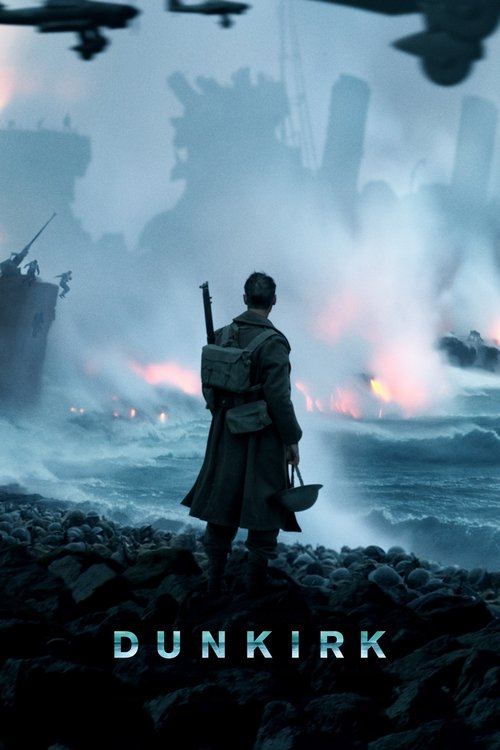
It's all quite portentous, though I don't know if it has anything revelatory to impart, making it not unlike other Christopher Nolan films, expensive nothingburgers like Tenet and Dunkirk and Inception , too, let's face it.
And while Nolan is interested in character and performance, most of his movies in the IMAX format, even the historically inspired WW2 movie Dunkirk (Nolan, 2017), contain memorable action, exploiting the vastness of the IMAX screen to great kinetic effect whether it’s Batman roaring along on the Batbike, co-conspirators free floating inside a falling transit van in Inception (Nolan, 2010) or British WW2 soldiers trapped inside a flooding ship.
In a similar vein as Dunkirk , the past, present and future all collide, eventually revealing the greater picture as Nolan smoothly rounds things out with an incredible, bone-chilling ending that is bound to leave many viewers speechless.
Following 2017’s Dunkirk , it’s another expertly crafted period reenactment of the key figures involved in a transformative historical moment which changed the aspects of not only scientific understanding but political maneuverings between fickle world powers.
But given my general love of Christopher Nolan’s work [see Inception and Dunkirk ], I knew I could not miss this one.
The filming style and cuts in Oppenheimer were like a culmination of Christopher Nolan’s last decades of films like Dunkirk , Inception and Interstellar .
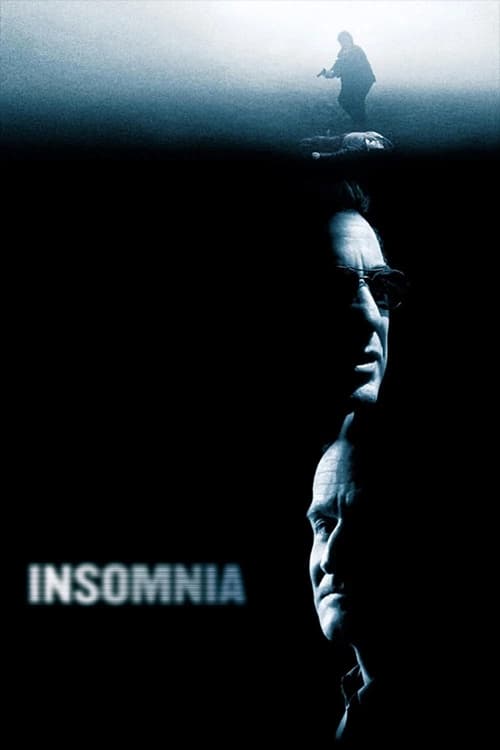
This is a man who started off making arthouse films like Memento and Insomnia and then he changed the comic book movie genre with his Batman trilogy – a franchise that showed that world that comic book movies could be solid, brilliant films.
Oppenheimer is a film for adults, and that’s not solely dependent on its R-rating (Nolan’s first since 2002’s Insomnia ), but rather in the slower, denser material that is waded into as the film builds to its explosive climax.
Er ist ein versierter Filmemacher (Tenet – 2020; Dunkirk – 2017; Interstellar – 2014; The Dark Knight Rises – 2012; Inception – 2010; The Dark Knight – 2008; Prestige – Die Meister der Magie – 2006; Batman Begins – 2005; "Insomnia" – 2002; Memento – 2000).
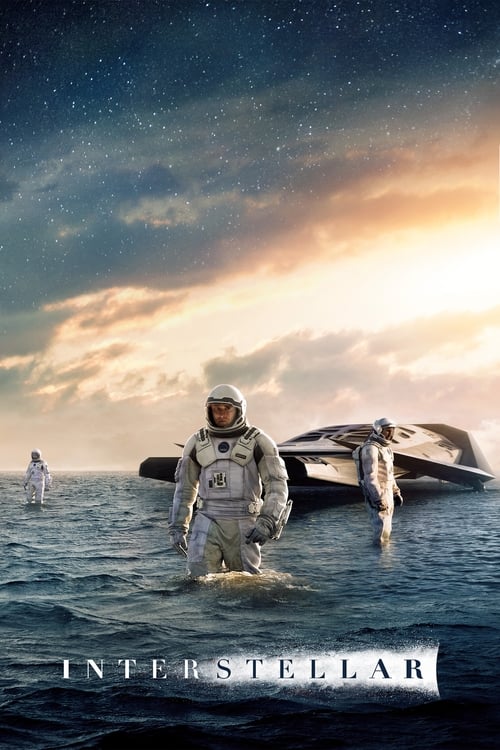
In recent films, Christopher Nolan has always liked to play with the notion of time, and I wondered how he would explore that in what is a straightforward narrative compared to films like Interstellar .
His best work ( The Prestige , Interstellar ) ultimately resists the comedown that can accompany such explication as the material retains some fundamental sense of wonder.
The filming style and cuts in Oppenheimer were like a culmination of Christopher Nolan’s last decades of films like Dunkirk , Inception and Interstellar .
This chronological experimentation will be familiar to fans of Director Christopher Nolan’s Memento, Interstellar, and Dunkirk.
It’s needlessly artistic, though it’s evident that writer/director Christopher Nolan, who previously helmed such ambitious sci-fi extravaganzas as “Interstellar” and “Tenet,” desperately wants to avoid a commonplace presentation for this production.
Adding to the grandeur is cinematographer Hoyte Van Hoytema ( Nope , Interstellar ) with his towering and impactful visuals.

Though Oppenheimer shares visual and thematic touchstones with Christopher Nolan’s other films, its most obvious point of comparison may be Miyazaki Hayao’s The Wind Rises .
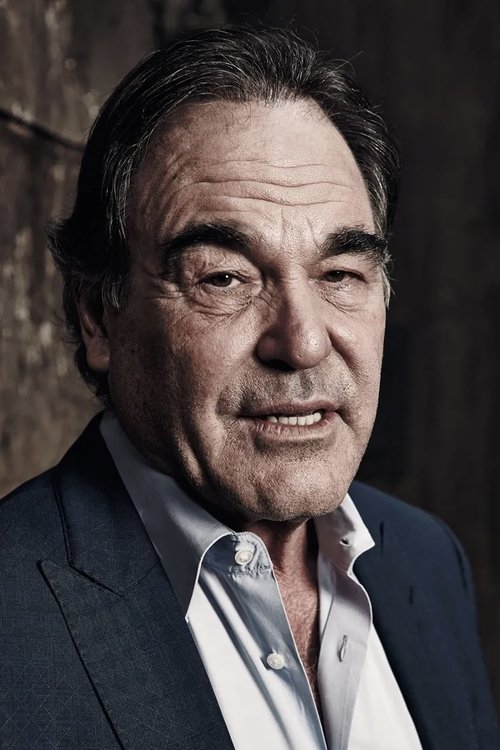
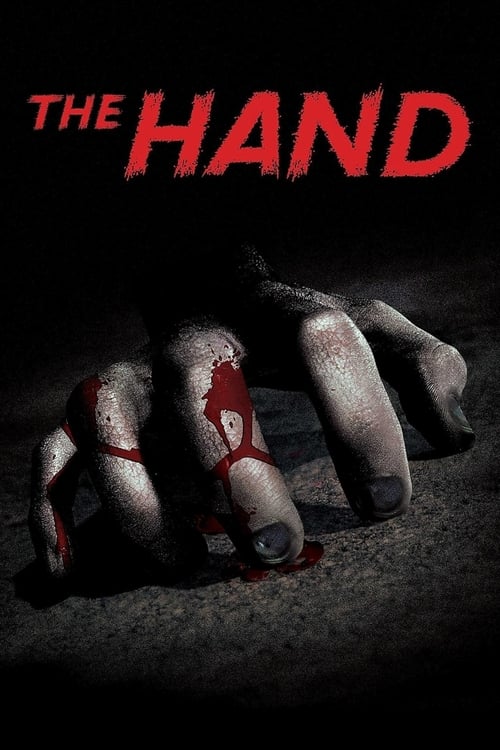
Consider what Oliver Stone brought to his American history lessons, once upon a time: a pure, unfiltered shot of screaming-hot madness; the homeless guy Stone played in his own The Hand who accosts you with his briefcase full of evidence and a bellyful of zealotic bile.
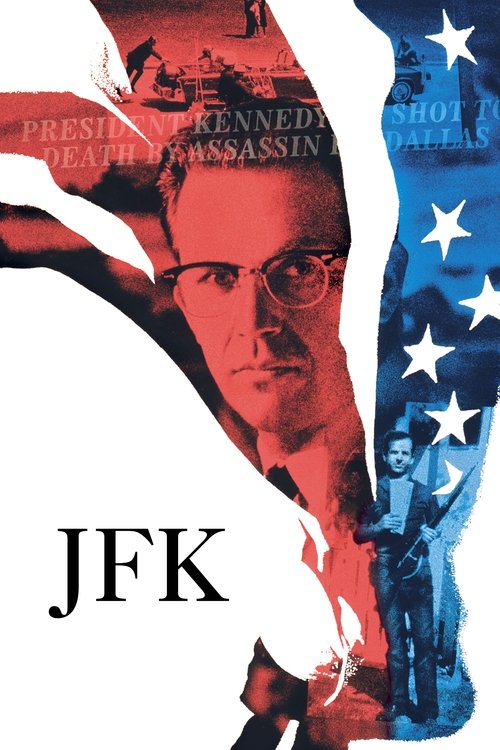
After blowing his audience away with the spectacle of the Trinity sequence, Nolan deftly switches into an equally compelling post-war narrative that recalls Oliver Stone’s JFK in its use of frenetic yet scalpel precise editing; Switching back and forth between the board hearing into Oppenheimer’s security clearance and the confirmation hearing preparing to initiate Strauss into the senate.
Oppenheimer is peak cinema, Nolan’s Oscar-worthy (on many fronts) magnum opus that will be remembered in the same vain as Oliver Stone’s JFK for its examination of all aspects of what transpired.
The clear but kinetic interweaving that frames the Strauss hearings in black and white and the rest in color is eerily evocative of Oliver Stone’s energetically edited and sharply acted bit of nearby history, “JFK” (1991); in “Oppenheimer,” that then-junior senator from Massachusetts poetically has a small hand in one of the three timelines.
As Oppenheimer realizes that “genius is no guarantee of wisdom,” and his superiors only want to expand America’s nuclear arsenal, the film’s final act becomes a dizzying mix of JFK , Amadeus and The Tell Tale Heart .
If anything, Oppenheimer resembles Oliver Stone’s Academy Award–winning docudrama JFK more than anything else.
Oppenheimer is a film that will live shoulder to shoulder with other historical biopics like Lawrence of Arabia, The Insider, Malcolm X, and JFK that showcased an important moment or figure in history and had the presence of mind to ask the audience hard questions about humanity as they are walking out of the theater.
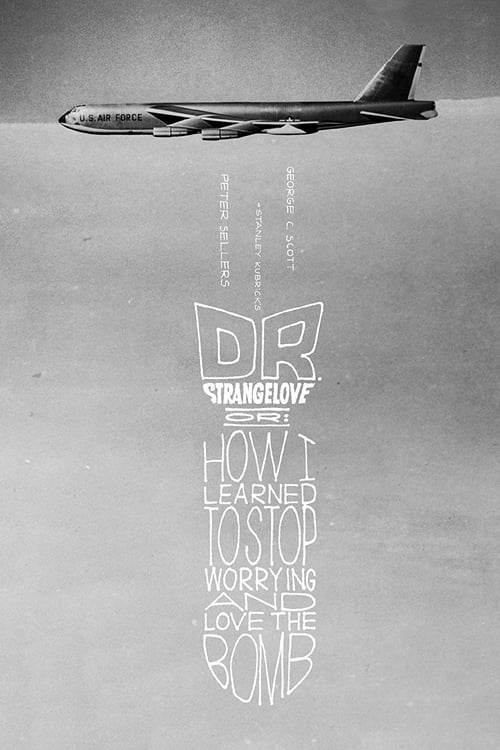
Dr. Strangelove or: How I Learned to Stop Worrying and Love the Bomb (1964)
Directed by Stanley Kubrick
Themes
Daarna wordt het ook pijnlijk duidelijk hoe de politiek het overneemt als de wetenschap klaar is (kijk ook zeker Dr. Strangelove or: How I Learned to Stop Worrying and Love the Bomb van Stanley Kubrick nog eens).
Advertisement
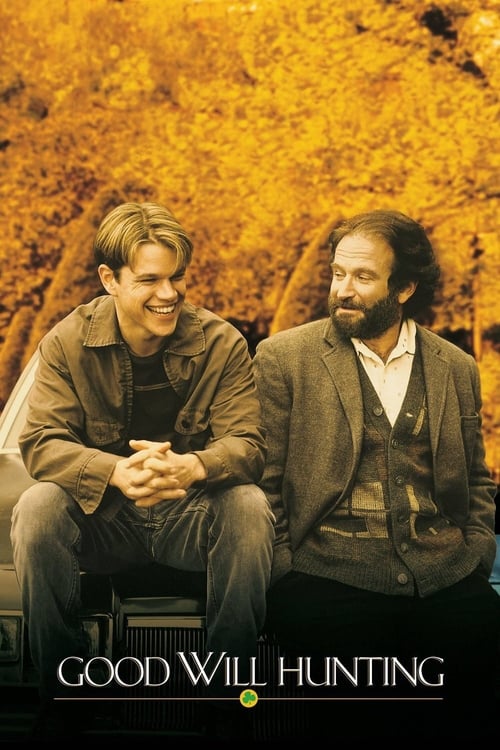
The cast beyond Murphy and Robert Downey Jr., who manages to make the eely Strauss human, is a long list of potential competing supporting-actor award nods, starting with Matt Damon as general (to be) Lesley Groves, who oversees the Manhattan Project and gets to deliver a fiery back-and-forth that’s almost on par with his indelible rant in “Good Will Hunting” (1997).
The actor is also known for their role in “Good Will Hunting,” their role in “Bourne Identity,” and their role in “The Martian.”

Als Vergleichsfilme müssen aufgrund der politischen Wirrungen und der von Nolan so typischen nicht linearen Erzählweise eher Oliver Stones JFK und David Finchers The Social Network hinzugezogen werden.