
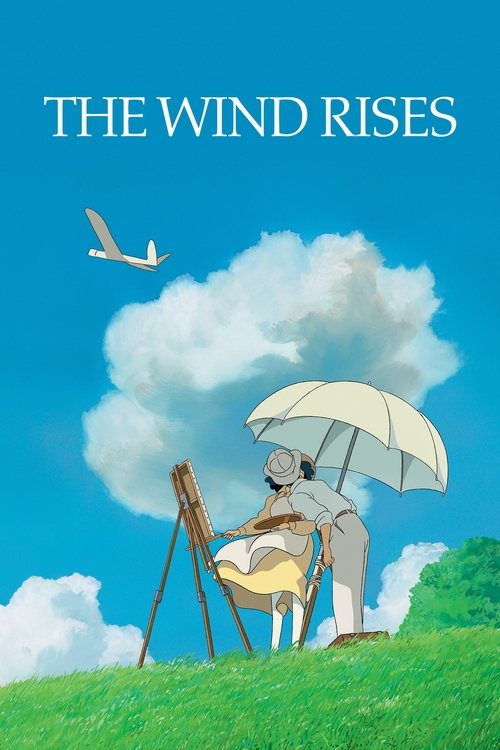
The Wind Rises (2013)
Directed by Hayao Miyazaki
A lifelong love of flight inspires Japanese aviation engineer Jiro Horikoshi, whose storied career includes the creation of the A-6M World War II fighter plane.
43 connections found
View:
43 films that influenced The Wind Rises
What critics say influenced The Wind Rises
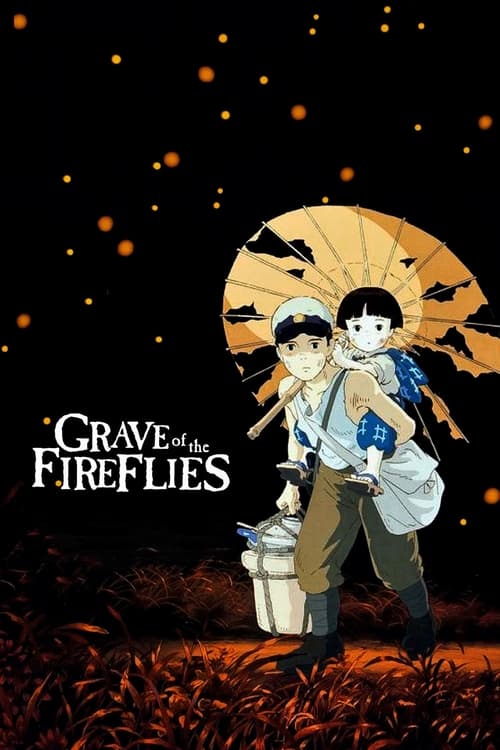


As is, it's something more akin to Studio Ghibli's own Grave of the Fireflies in its humanizing of a man whose dreams were corrupted into something terrible.
Seriously, as feeling more conscious of its overlooked dark side, now I wonder whether my viewing of this film could have been improved by a double feature show with other Japanese animation " Grave of the Fireflies " (1988).
Yet just as with Isao Takahata’s “Grave of the Fireflies,” about two children surviving amid the terrors of World War II, it would be hard to argue that the subject of Mr. Miyazaki’s film was cavalierly seized upon.
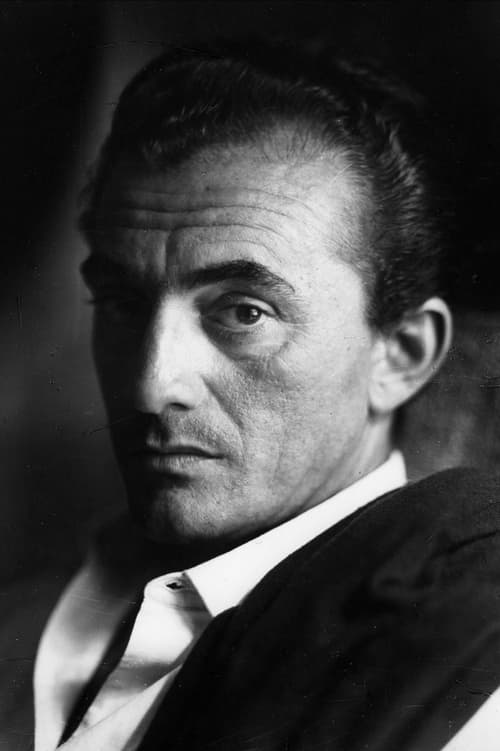
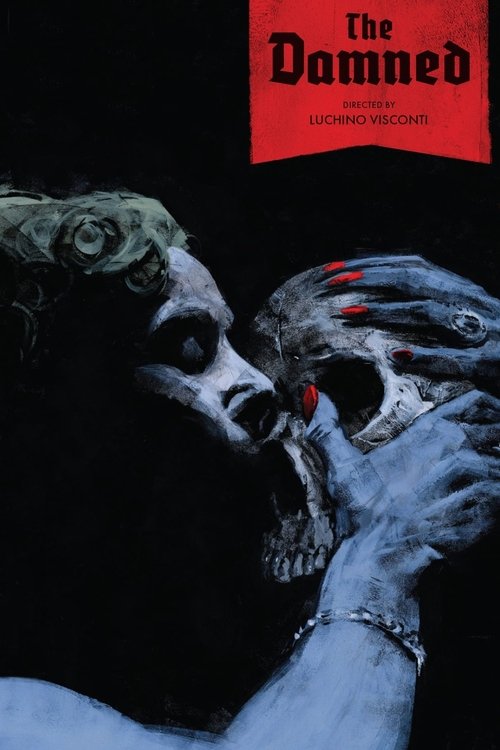
The sickly sweet tone reminds me of Luchino Visconti's pageant of fascist "beauty," The Damned (1969), as well as his adaptation of Mann's Death in Venice (1971).
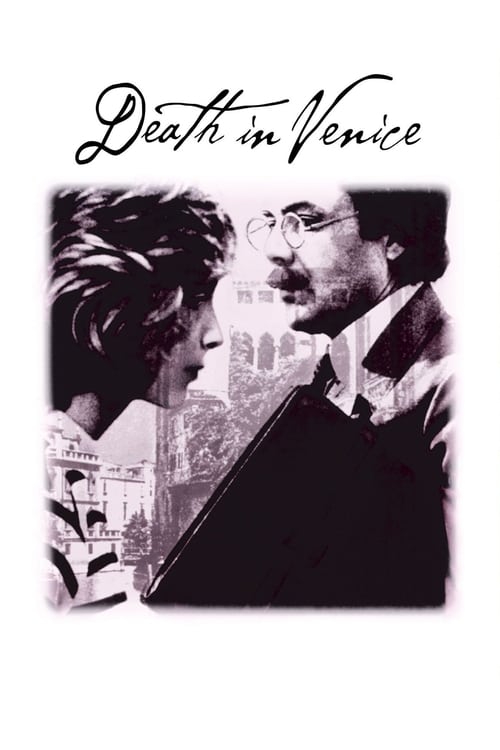
The sickly sweet tone reminds me of Luchino Visconti's pageant of fascist "beauty," The Damned (1969), as well as his adaptation of Mann's Death in Venice (1971).
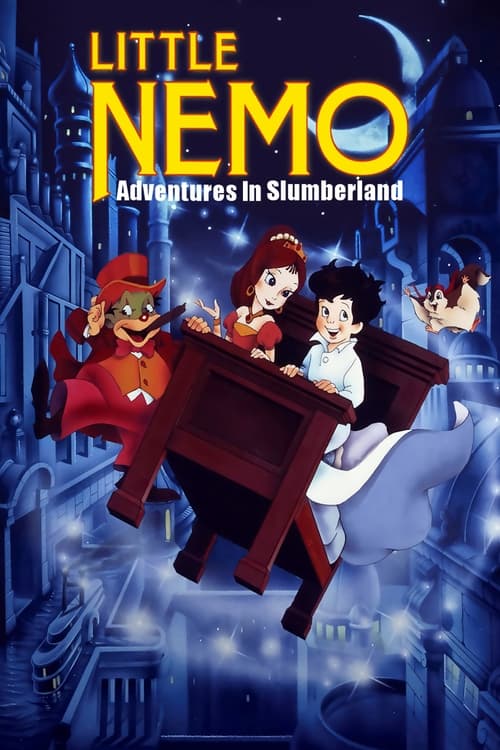
Miyazaki has often been referred to as “Japan’s Walt Disney,” but that somewhat flip comparison falls flat in the face of Miyazaki’s body of work, which more often takes its cues from the early 20th century cartoonist Winsor McCay’s whimsical and rollicking Little Nemo: Adventures in Slumberland strip and Japanese mythology.


(The sequences reminded me a good bit of the recurring dream in Satoshi Kon’s 2006 film Paprika.)
There have been many superior producers of anime, led by the late, great Satoshi Kon (“Millennium Actress,” “Paprika”), but the septuagenarian Miyazaki is regarded as Japan’s answer to Walt Disney and gets his films distributed to American art-house theaters.
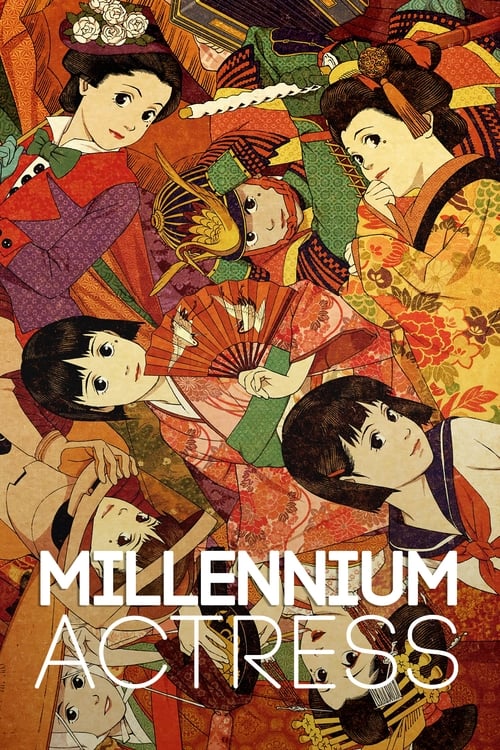
There have been many superior producers of anime, led by the late, great Satoshi Kon (“Millennium Actress,” “Paprika”), but the septuagenarian Miyazaki is regarded as Japan’s answer to Walt Disney and gets his films distributed to American art-house theaters.
Advertisement

It actually reminds me of “Madadayo,” the last film of another Japanese master, Akira Kurosawa.
It has the elegiac feel of other career-twilight movies, such as John Ford's "Cheyenne Autumn," Akira Kurosawa's "Madadayo," Ingmar Bergman's "Saraband," Terence Fisher's "Frankenstein and the Monster from Hell" (yes) and Robert Altman's "A Prairie Home Companion," a movie literally haunted by an angel of death, albeit an attractive one ( Virginia Madsen ).
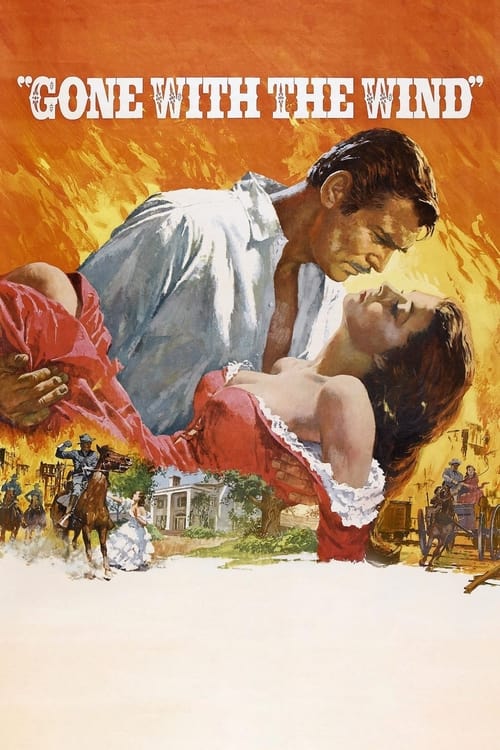
The Wind Rises, believed to be his swansong, certainly feels like a final film: grand, eloquent and epic, it’s Gone With the Wind-esque in scope and purpose, an inspired-by-history love story/biopic centred around Jiro Horikoshi, who designed Japanese fighter planes during World War II.
For one thing it brings “Gone With the Wind” emotional-historical sweep to a piece of animation.
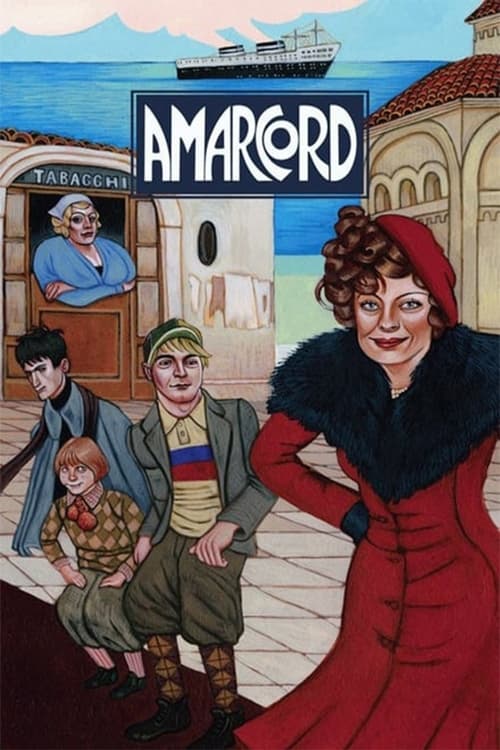
Nominated for Best Animated Feature at the March 2 Academy Awards, the film can be read as Miyazaki’s Amarcord or Fanny and Alexander, but it’s not technically autobiographical, as the Fellini and Bergman reflections were.

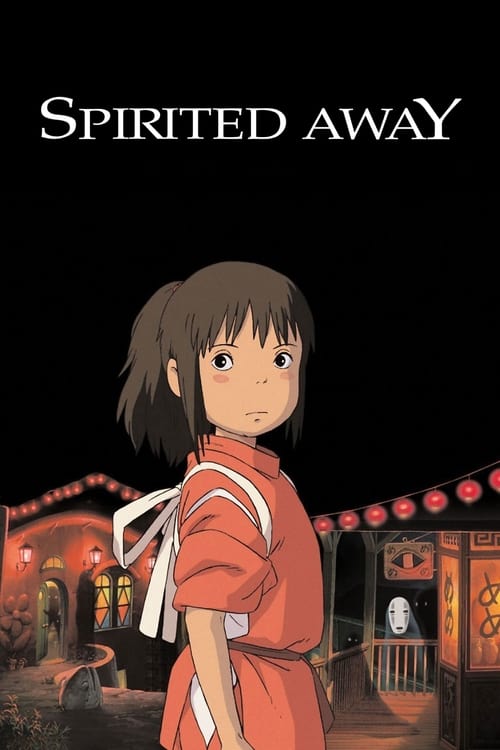
No one who’s seen My Neighbor Totoro, Kiki’s Delivery Service,or Spirited Away is likely to forget the outré imagery that defines those films, even if the details of their somewhat random stories fade away.
Miyazaki is best known for cartoons like “Spirited Away” and “Howl’s Moving Castle,” movies featuring imaginative fantasy worlds that appealed to children and adults alike.
Hayao Miyazaki has been a critical darling as an animator almost since his films started being imported to the U.S. He’s been hailed as a master and even given an Oscar for “Spirited Away.”
“The Wind Rises” is a lyrical animated historical fantasy from the maker of the children’s classics “Spirited Away” and “Princess Mononoke.”
(Start with "My Neighbor Totoro," "Princess Mononoke" or "Spirited Away.")
Like our dreams, his animated features — which include such modern masterpieces as “Spirited Away,” “Princess Mononoke” and “My Neighbor Totoro,” among others — mix day-to-day concerns with imaginative fantasy that propels us to other times in other worlds.
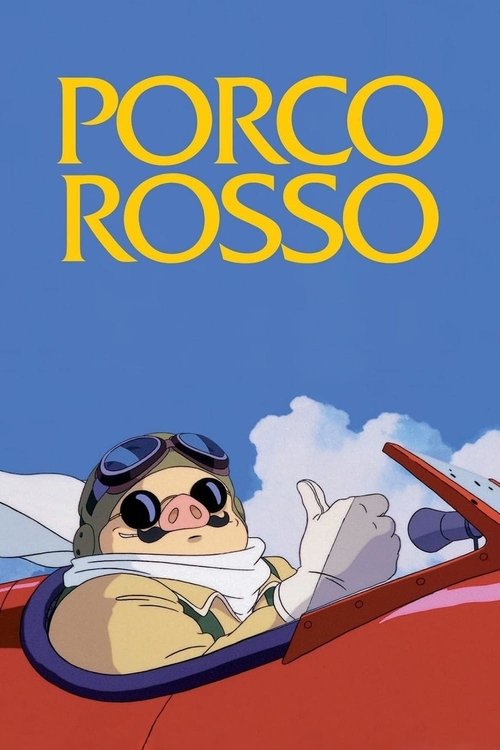
It’s an odd note to go out on—the only film he’s directed that tells a real-life story, replacing the flying pig of Porco Rosso with Jiro Horikoshi, the designer of Japan’s famed Zero aircraft.
He’s even found a way to improve on the breathtaking flying sequences of his underrated 1992 hit, Porco Rosso.
But his greatest plane movie is the underrated “Porco Rosso” from 1992, which incorporated imaginative fantasy elements into its narrative and dazzling, breathtaking representations of planes in flight.
It’s there, at the idyllic getaway where Jiro rencounters a tubercular Naoko, and “The Wind Rises” abruptly seems to pivot from an inquiry about the creative process to a florid and deeply Sirk-ian melodrama, Miyazaki indulging in his habit of using cinematic references to locate us in time (see “Porco Rosso”).
But the Miyazaki film with the strongest connection to his latest is 1992’s “Porco Rosso,” in which the title character was an Italian WWI flying ace transformed into a pig and the landscape is the rise of European Fascism in the years preceding WWII.
Always determined to tell his kind of stories his way, Miyazaki has returned to subject matter close to his heart — the joy and romance of airplanes and flight, most fully explored in 1992's "Porco Rosso" — but he's elected to tell it in a manner new to him.
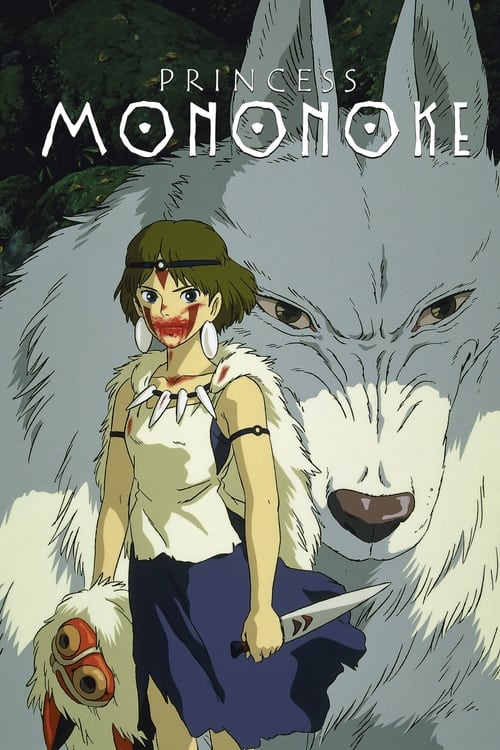
That wasn’t just because it meant an end to the career of the maker of such non-classic favorites as My Neighbor Totoro (1988), Princess Mononoke (1997) and Spirited Away (2001), it was also a reminder of other veteran filmmakers who have gone out on a sour note.
In those fantasy sequences, the long shadow of the war and mankind’s penchant for corrupting edifying visions is represented by shadowy gremlins and monsters that pollute and choke Jiro’s idyll dreamworlds in the same way the poison of Iron Age bullets mutated the woodland gods in Miyazaki’s Princess Mononoke.
From "Princess Mononoke" to the Oscar-winning "Spirited Away," Miyazaki's filmmaking has no immediate parallel outside of the thematically complex and visually audacious 2-D works produced by Studio Ghibli, which he co-founded.
And though Miyazaki has stated that the intention of the film is not to condemn war, “The Wind Rises” continues the strong pacifist themes of his earlier “Nausicaa” and “Princess Mononoke,” marveling at man’s appetite for destruction and the speed with which new technologies become weaponized.
But towering over them is “Princess Mononoke”, a 1997 Japanese anime that was directed by Hayao Miyazaki whose swan song “The Wind Rises”, a biopic of the engineer responsible for the Zero fighter plane of WWII, was judged by NYFCO as best animated feature this year—the only choice that coincided with my own.
Legendary animation director Hayao Miyazaki (“Spirited Away,” “Princess Mononoke”) doesn’t ask this question directly in “The Wind Rises,” his latest and, he says, his last film.
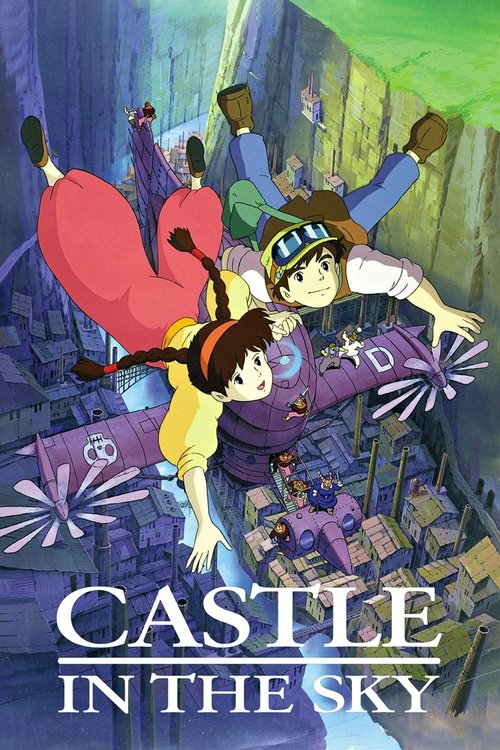
The adult Horikoshi continues to dream of Caproni, meeting him in fantastic settings that recall those of Miyazaki's Castle in the Sky (1986); the Italian becomes a sort of amoral guardian angel, materializing to assuage Horikoshi's guilt about how his designs will be used.
Miyazaki has always been interested in depicting flight in his films, and complex flying machines have been a regular staple in his canon (Porco Rosso, Castle in the Sky, Kiki’s Delivery Service, Spirited Away, Nausicaä, and My Neighbor Totoro have all featured exhilarating flying sequences), so it should only make sense that his final film be about a man who dreamed of flying machines.
Three great animation films " My Neighbor Totoro " (1988), " Princess Mononoke " (1997), and " Spirited Away " (2001) further solidified my affection and admiration toward his works, and I enjoyed " Howl's Moving Castle " (2004) and " Ponyo " (2008) while gladly going back to "Nausicca of the Valley of the Wind" (1984) and "Castle in the Sky" (1986).
Miyazaki has always inserted his personal love of flight into his films, which prominently feature airborne creatures or inventive airships: the floating island of Castle In The Sky, the porcine fighter ace of Porco Rosso, the sometimes-winged wizard of Howl’s Moving Castle, and many more.
This innovator in the world of animation has made two other films that take us up into the sky: Howl's Moving Castle and Castle in the Sky .
In addition to his two films centered around fantastical airborne residences (“Castle in the Sky,” “Howl’s Moving Castle”), he directed a 2002 short on the history of flight for exhibition in his Studio Ghibli museum.
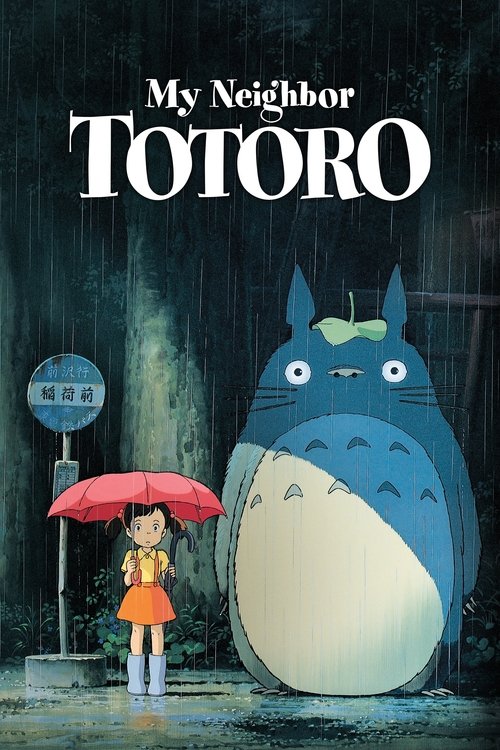
Certain scenes in My Neighbor Totoro (1988) evoke a four-year-old's perspective with uncanny precision, and Miyazaki's screenplays for Whisper of the Heart (1995) and From Up on Poppy Hill (2011) achieve something similar in their portraits of early adolescent girls, making their experiences feel universal.
This is supposedly the last film that Japanese animation master Hayao Miyazaki will make, and while it will never win the following of his earlier works like My Neighbor Totoro (1988), Spirited Away (2001) or Howl’s Moving Castle (2004), it is, in many ways, Miyazaki’s most ambitious film.
Miyazaki has always been interested in depicting flight in his films, and complex flying machines have been a regular staple in his canon (Porco Rosso, Castle in the Sky, Kiki’s Delivery Service, Spirited Away, Nausicaä, and My Neighbor Totoro have all featured exhilarating flying sequences), so it should only make sense that his final film be about a man who dreamed of flying machines.
That 1997 movie was the first time many American filmgoers entered Miyazaki’s world of myth, magic and lyrical, finely detailed imagery; happily, there are now generations of children who have grown up cherishing such Miyazaki classics as “My Neighbor Totoro,” “Kiki’s Delivery Service,” “Spirited Away” and “Howl’s Moving Castle” the way their parents played and re-played “Snow White,” “101 Dalmatians” and “The Aristocats.”
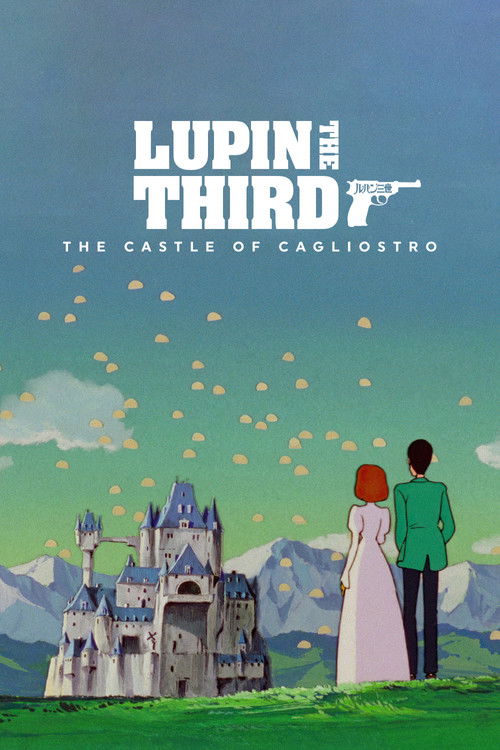
I’ve seen Spirited Away and Ponyo, and gone back to Porco Rosso and The Castle of Cagliostro but I need to see more.
Miyazaki’s 1979 debut The Castle of Cagliostro and the 1984 Nausicaä of the Valley of the Wind established him as a young visionary in the bustling industry of Japanese anime.
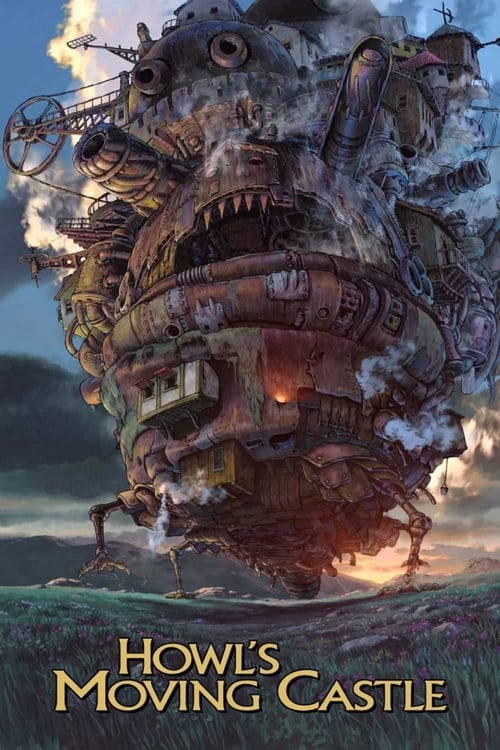
The apparent last work of Japanese animation genius Hayao Miyazaki (“Spirited Away,” “Howl’s Moving Castle”), who has announced his retirement at 73, “Wind” is lovely, inspired and haunted by the mauling of invention.
This is supposedly the last film that Japanese animation master Hayao Miyazaki will make, and while it will never win the following of his earlier works like My Neighbor Totoro (1988), Spirited Away (2001) or Howl’s Moving Castle (2004), it is, in many ways, Miyazaki’s most ambitious film.
While Hayao Miyazaki’s (Howl’s Moving Castle, Princess Mononoke, Spirited Away) latest endeavour boasts all the familiar artistic qualities of his previous films, The Wind Rises is a very different and contentious beast on which the writer/director has chosen to rest his pen.
Miyazaki's cinematic template — wide-eyed Amerasian archetypes, lush naturalism and vivid surrealism familiar from films like "Princess Mononoke" and "Howl's Moving Castle" — are here in service of a soaring and lyrical work that, for the first time, is grounded in an all-too-plausible reality that is said to represent the master's final film.
That 1997 movie was the first time many American filmgoers entered Miyazaki’s world of myth, magic and lyrical, finely detailed imagery; happily, there are now generations of children who have grown up cherishing such Miyazaki classics as “My Neighbor Totoro,” “Kiki’s Delivery Service,” “Spirited Away” and “Howl’s Moving Castle” the way their parents played and re-played “Snow White,” “101 Dalmatians” and “The Aristocats.”
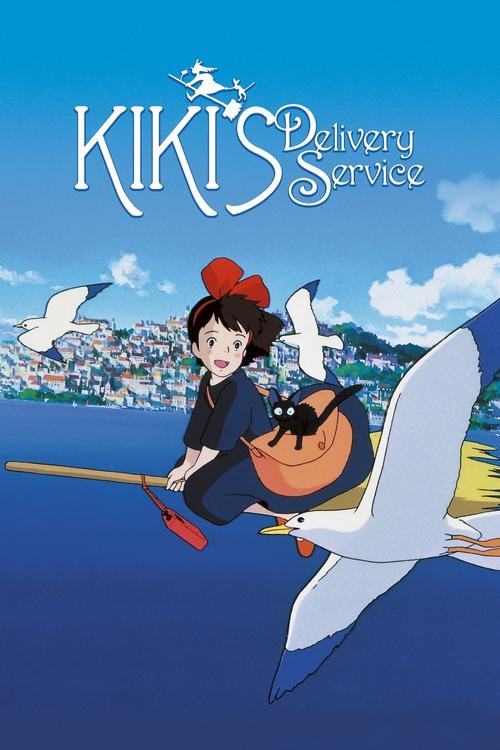
The Japanese animator Hayao Miyazaki has long had an aerial fixation, setting one movie after another in the realms of fanciful flight, from “Nausicaa of the Valley of the Wind” to “Kiki’s Delivery Service” to the underrated “Porco Rosso” (about a World War I flying ace who turns into a pig man).
Miyazaki has always been interested in depicting flight in his films, and complex flying machines have been a regular staple in his canon (Porco Rosso, Castle in the Sky, Kiki’s Delivery Service, Spirited Away, Nausicaä, and My Neighbor Totoro have all featured exhilarating flying sequences), so it should only make sense that his final film be about a man who dreamed of flying machines.
That 1997 movie was the first time many American filmgoers entered Miyazaki’s world of myth, magic and lyrical, finely detailed imagery; happily, there are now generations of children who have grown up cherishing such Miyazaki classics as “My Neighbor Totoro,” “Kiki’s Delivery Service,” “Spirited Away” and “Howl’s Moving Castle” the way their parents played and re-played “Snow White,” “101 Dalmatians” and “The Aristocats.”
It’s a shame to know he’s taking his leave, but to paraphrase Casablanca’s Rick, we’ll always have Kiki’s Delivery Service, Princess Mononoke, and, finally, The Wind Rises.
I think that’s why I love Miyazaki’s less-fantastical films like Kiki’s Delivery Service or Whisper of the Heart (which he wrote but didn’t direct) — because they are about young people finding their life’s calling.
His joyous animated films have a powerful knack for defanging uncomfortable ideas and situations: His rich designs and honest, upbeat characters bring an appealing wonder even to depression and self-doubt (in Kiki’s Delivery Service and Howl’s Moving Castle) sheer terror (particularly in Spirited Away), and destructive rage (Nausicaä Of The Valley Of The Wind; Princess Mononoke).
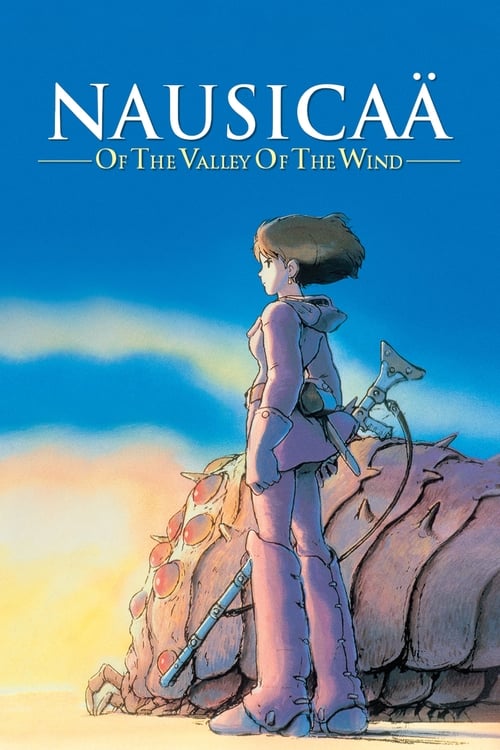
Most of Miyazaki’s more conflict-heavy works tend to have a nuanced yet still very clearly anti-war bent to them, particularly his fantasy adventures Nausicaä of the Valley of the Wind and Princess Mononoke.
Mr. Miyazaki’s stance has actually never waivered (“Nausicaä of the Valley of the Wind” and “Princess Mononoke” immediately come to mind), but apparently the Japanese neocons find historical facts far more nagging than allegories with mutant insects and giant wolves.
His joyous animated films have a powerful knack for defanging uncomfortable ideas and situations: His rich designs and honest, upbeat characters bring an appealing wonder even to depression and self-doubt (in Kiki’s Delivery Service and Howl’s Moving Castle) sheer terror (particularly in Spirited Away), and destructive rage (Nausicaä Of The Valley Of The Wind; Princess Mononoke).
Miyazaki’s 1979 debut The Castle of Cagliostro and the 1984 Nausicaä of the Valley of the Wind established him as a young visionary in the bustling industry of Japanese anime.
The Japanese animator Hayao Miyazaki has long had an aerial fixation, setting one movie after another in the realms of fanciful flight, from “Nausicaa of the Valley of the Wind” to “Kiki’s Delivery Service” to the underrated “Porco Rosso” (about a World War I flying ace who turns into a pig man).
Advertisement
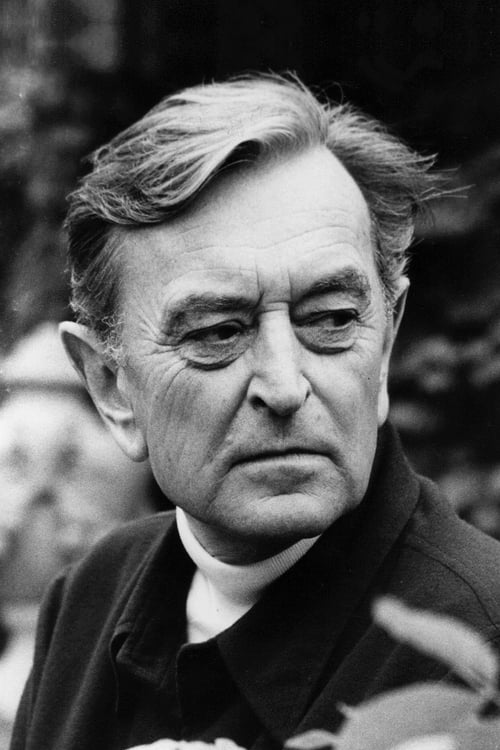

The Wind Rises is a lovingly-constructed wonder, a grand and sweeping work that harkens back to Hollywood epics of yesteryear like Lawrence of Arabia and Doctor Zhivago.
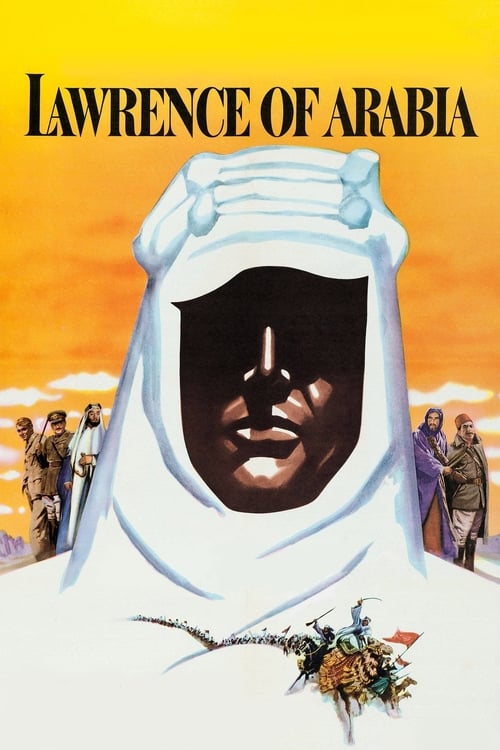
The Wind Rises is a lovingly-constructed wonder, a grand and sweeping work that harkens back to Hollywood epics of yesteryear like Lawrence of Arabia and Doctor Zhivago.
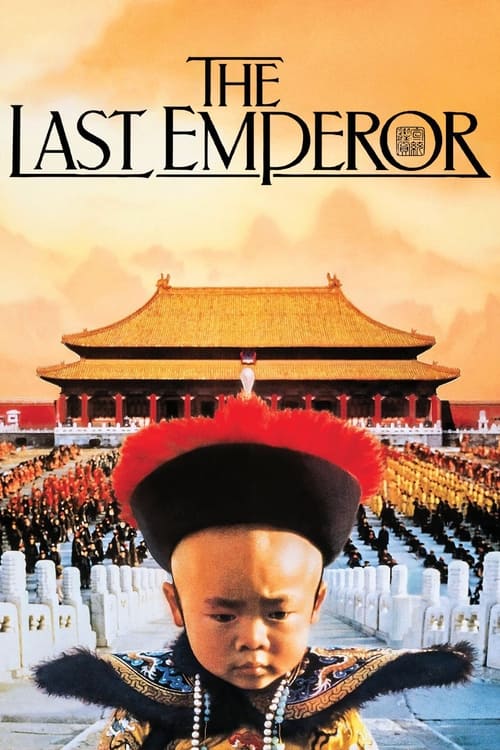
But much like Bernardo Bertolucci’s 1987 Oscar winner, “The Last Emperor,” “The Wind Rises” is a kaleidoscope of history seen through artistic eyes.