
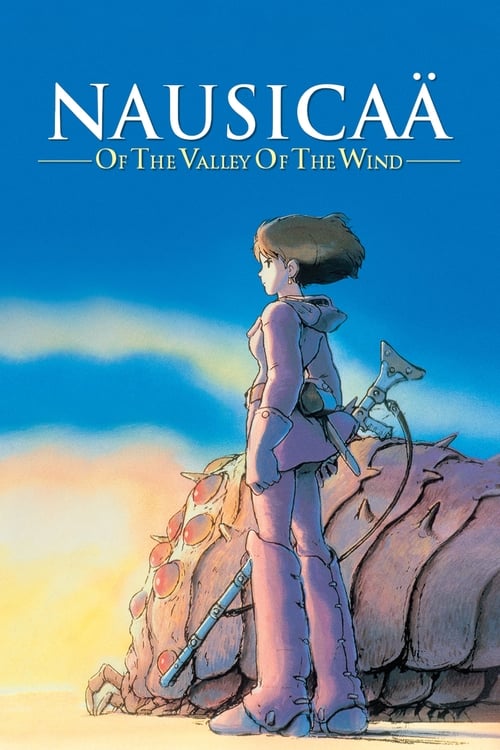
Warriors of the Wind (1984)
Directed by Hayao Miyazaki
After a global war, the seaside kingdom known as the Valley of the Wind remains one of the last strongholds on Earth untouched by a poisonous jungle and the powerful insects that guard it. Led by the courageous Princess Nausicaä, the people of the Valley engage in an epic struggle to restore the bond between humanity and Earth.
6 connections found
View:
6 connections, in both directions
What critics compared Warriors of the Wind to
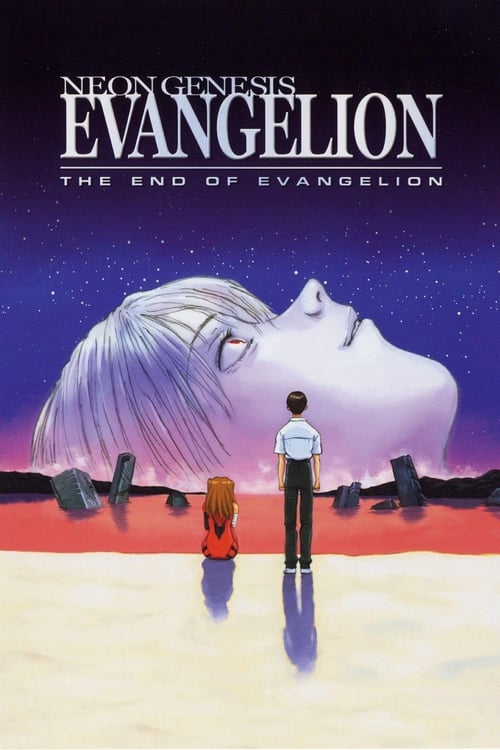


He crammed Evangelion full of themes and iconography from Judeo-Christian texts, science-fiction novels, Hayao Miyazaki’s Nausicaä of the Valley of the Wind (which Anno helped animate), and even a Robert Browning poem, among other sources, but he got really obsessed with psychology after falling into a deep battle with depression .
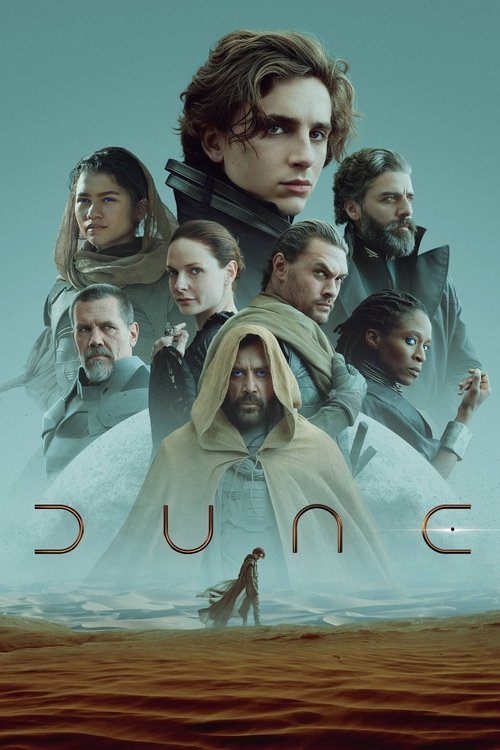
Notably, many of its images and ideas have instead disseminated into everything from Star Wars to Studio Ghibli’s Nausicaä Of The Valley Of The Wind .
They’re soon reduced to sound and earthquakes, signifying nothing but your growing desire to be watching “Nausicaa of the Valley of the Wind” instead.

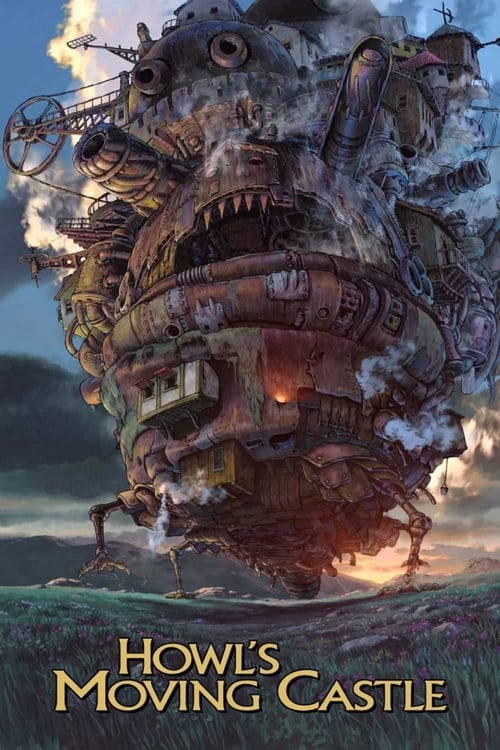
It's the third film in Miyazaki's filmography, after Princess Mononoke and Nausicaä of the Valley of the Wind , to open with a shot of a foggy landscape (the second, after Nausicaä, to show something mysterious emerging from that fog), and the effect is generally the same in all three cases: it suggests a vast world of unexplored possibilities, and it's the very fact that you can't make anything out very clearly that creates that feeling.
Also, the otherworldliness of Howl’s Moving Castle isn’t as complete as it is in, say, Nausicaa of the Valley of the Wind or Princess Mononoke.
Like Miyazaki's previous, famously delicate inventions (see also, 2002's Spirited Away, 1999's Princess Mononoke, and 1984's Nausicaa of the Valley of the Wind), Howl's Moving Castle is alive with nervous energy and unsettledness.
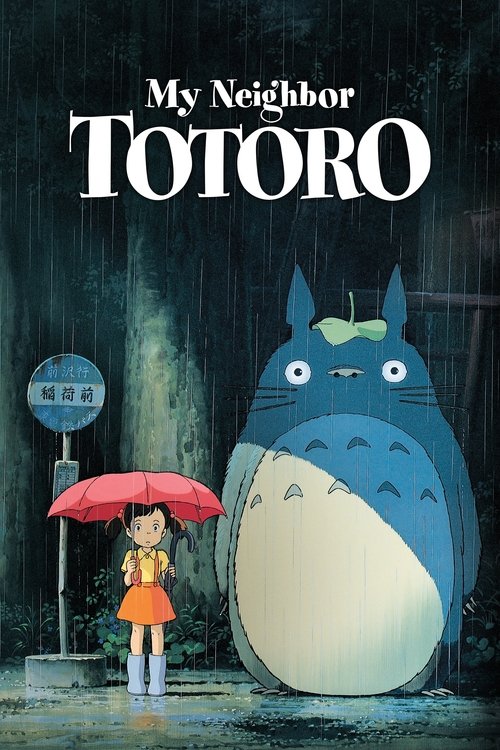
I complained - or maybe, "observed with reservations" is a better way of putting it - that Laputa: Castle in the Sky was not as rich to look at as Nausicaä of the Valley of the Wind , and Totoro is softer and more pastel yet.
Nausicaä of the Valley of the Wind and Castle in the Sky depicted the struggle between innocence and adulthood, but My Neighbor Totoro is a celebration of innocence and meditation on the fact that it will never last.
Elements that he used in his previous masterpiece Nausicaä of the Valley of the Wind are expanded on and forwarded - the coming of age of a young girl, the fascination with flight, the battle between old world and new world ways, and most importantly, the belief in a destiny beyond the everyday and mundane.
After a few films (The Castle of Cagliostro, Nausicaä of the Valley of the Wind, Castle in the Sky) indebted to both science fiction and serial-extravaganza genres, Miyazaki utilized his next project as a sort of spiritual reconciliation with his homeland.
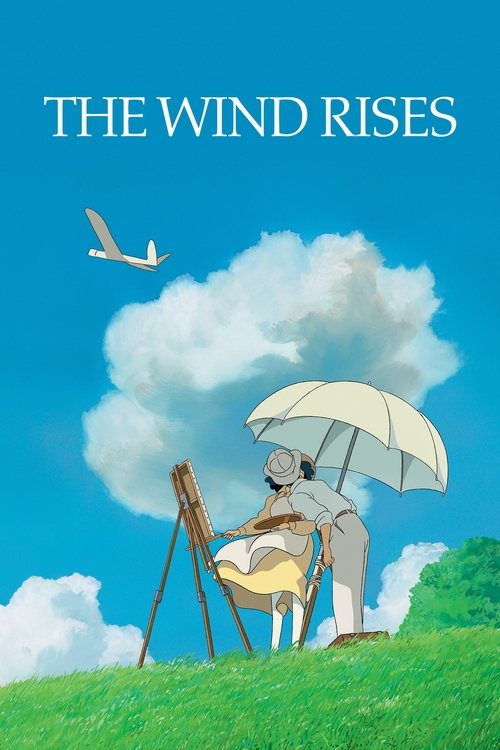
Most of Miyazaki’s more conflict-heavy works tend to have a nuanced yet still very clearly anti-war bent to them, particularly his fantasy adventures Nausicaä of the Valley of the Wind and Princess Mononoke.
Mr. Miyazaki’s stance has actually never waivered (“Nausicaä of the Valley of the Wind” and “Princess Mononoke” immediately come to mind), but apparently the Japanese neocons find historical facts far more nagging than allegories with mutant insects and giant wolves.
His joyous animated films have a powerful knack for defanging uncomfortable ideas and situations: His rich designs and honest, upbeat characters bring an appealing wonder even to depression and self-doubt (in Kiki’s Delivery Service and Howl’s Moving Castle) sheer terror (particularly in Spirited Away), and destructive rage (Nausicaä Of The Valley Of The Wind; Princess Mononoke).
Miyazaki’s 1979 debut The Castle of Cagliostro and the 1984 Nausicaä of the Valley of the Wind established him as a young visionary in the bustling industry of Japanese anime.
The Japanese animator Hayao Miyazaki has long had an aerial fixation, setting one movie after another in the realms of fanciful flight, from “Nausicaa of the Valley of the Wind” to “Kiki’s Delivery Service” to the underrated “Porco Rosso” (about a World War I flying ace who turns into a pig man).
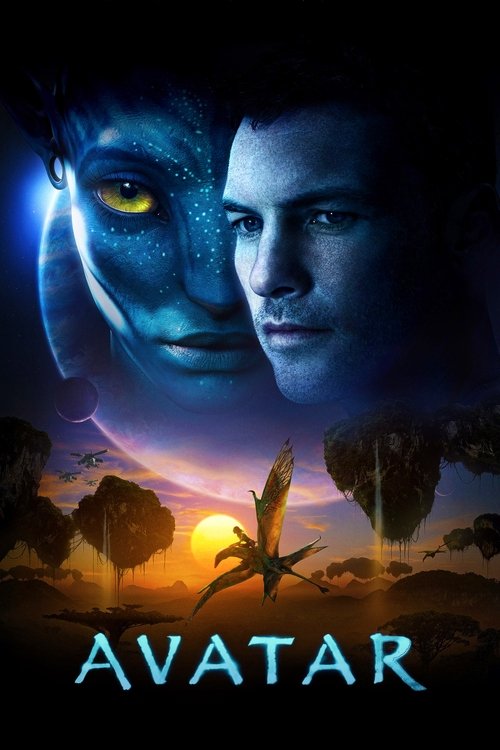
But Nausicaä of the Valley of the Wind, Princess Mononoke and Paprika were all considerably more sophisticated in storytelling terms.