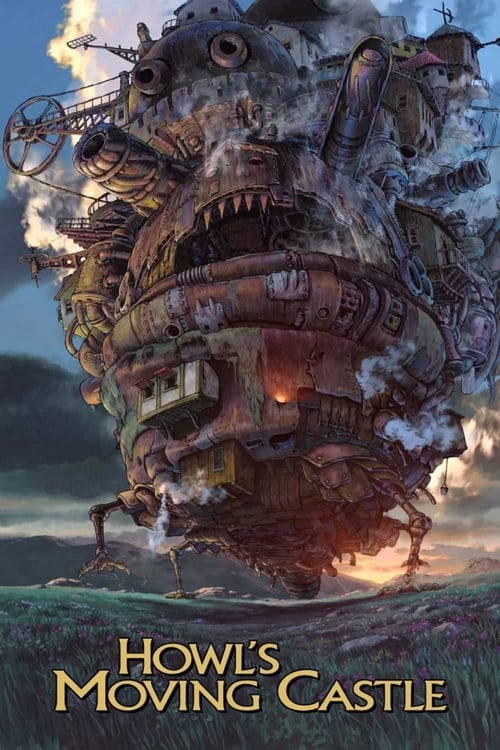
Howl's Moving Castle (2004)
Directed by Hayao Miyazaki
Sophie, a young milliner, is turned into an elderly woman by a witch who enters her shop and curses her. She encounters a wizard named Howl and gets caught up in his resistance to fighting for the king.
21 connections found
View:
21 films that influenced Howl's Moving Castle
What critics say influenced Howl's Moving Castle
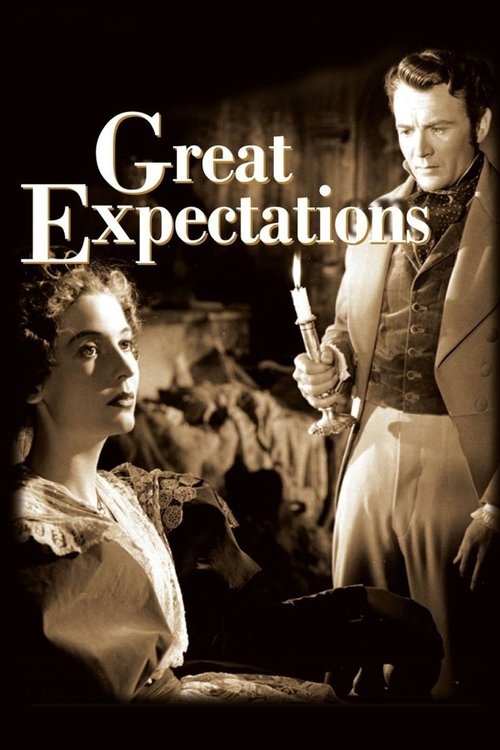


The delightfully pert Emily Mortimer is the young Sophie, and Jean Simmons is her older incarnation—and Simmons is inspired vocal casting because her voice might quaver but her inflections are still those of the young Estella in Great Expectations.
It's great to hear Jean Simmons again, a gorgeous young woman back in the 1940s in David Lean's Great Expectations, Michael Powell's Black Narcissus and Laurence Olivier's Hamlet.
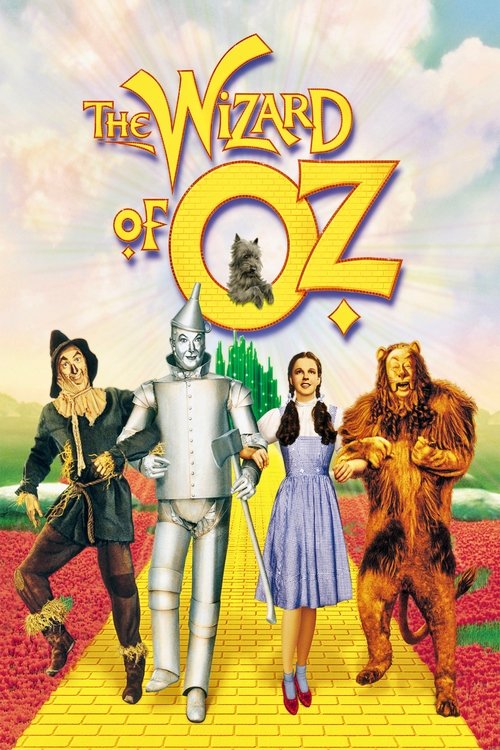
Her first contact is with a cheerful scarecrow whose single wooden appendage forces him to cover the terrain via big bounces (in this respect, he has less in common with his obvious inspiration, The Wizard of Oz's Scarecrow, than with human pogo stick Bobby Van, whose bounce-dance in the otherwise forgotten Small Town Girl was immortalized in the That's Entertainment! series).
There's more than a passing resemblance to "The Wizard of Oz," with Sophie as Dorothy and Howl as the tin man who has no heart, and there's even a scarecrow and a Toto-like dog.
Adapted from a British novel by Diana Wynne Jones , it resides halfway between the Brothers Grimm and " The Wizard of Oz ," with shape-shifting that includes not merely beings but also objects and places.
“Howl,” which can be described as an antiwar allegory, a magic realism fable and a deconstruction of “The Wizard of Oz,” is something of a departure for him in that it’s set not in Japan or a fantasy world but a place that mostly resembles Victorian England.
Her first contact is with a cheerful scarecrow whose single wooden appendage forces him to cover the terrain via big bounces (in this respect, he has less in common with his obvious inspiration, The Wizard of Oz's Scarecrow, than with human pogo stick Bobby Van, whose bounce-dance in the otherwise forgotten Small Town Girl was immortalized in the That's Entertainment! series).
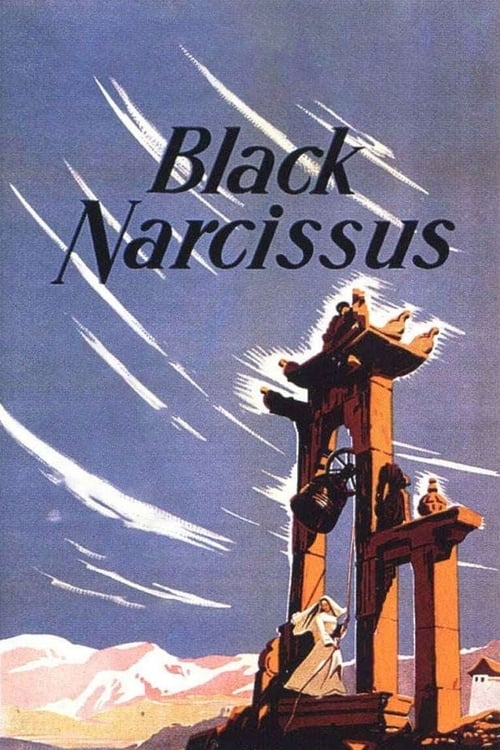
It's great to hear Jean Simmons again, a gorgeous young woman back in the 1940s in David Lean's Great Expectations, Michael Powell's Black Narcissus and Laurence Olivier's Hamlet.
Advertisement
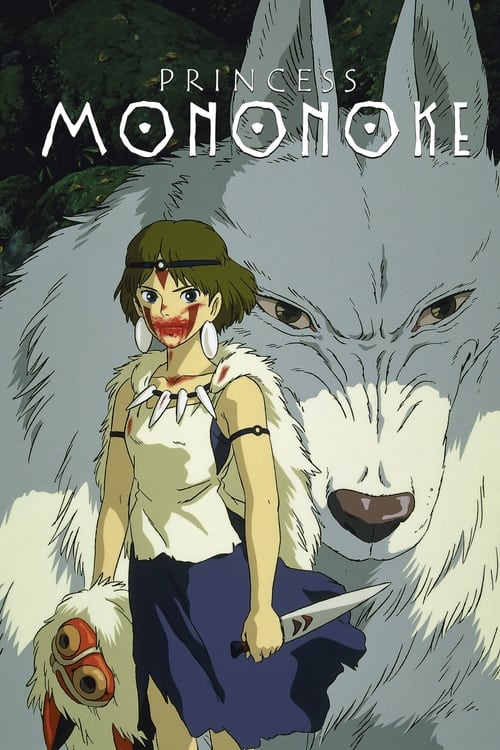
Hayao Miyazaki, the creator of milestone Japanese animation films such as Kiki's Delivery Service, Princess Mononoke and Spirited Away, is often referred to as the Walt Disney of anime.
Miyazaki adapts British author Diana Wynne Jones' young-adult fantasy into something truly his own, and while Jones' story is richly inspired, Miyazaki's artistic vision dominates, stylistically consistent with "Spirited Away," "Princess Mononoke" and the singular imagination that drives all of Miyazaki's animated epics.
Yet even earlier Miyazaki titles like Castle In the Sky (1986) and Princess Mononoke (1997) provide better peeks than this new release at how he links his dazzling visuals to gripping storylines that incorporate his recurring themes of courage, sacrifice and self-respect.
From Princess Mononoke’s bounding ecological storyline to Spirited Away’s story of greed and redemption, Miyazaki constructs the most adult children’s films around, and ones that are firmly rooted in a heady sort of Japanese mysticism that echoes and multiplies the films’ pleasantly intoxicating surrealism.
For one thing, the well-deserved success of that movie inspired people to discover his earlier works like "My Neighbor Totoro" and "Kiki's Delivery Service" (verdict: not as good), and to re-visit his high-profile 1997 environmentalist screed "Princess Mononoke" (verdict: I still don't know what all the fuss was about).
The latest fine example of animation from the mid-sixtyish aged Hayao Miyazaki, known as the master of anime and the director of "Princess Mononoke," "My Neighbor Totoro" and "Spirited Away," is this sophisticated childhood fantasy tale emphasizing a decided distaste for violence and war.
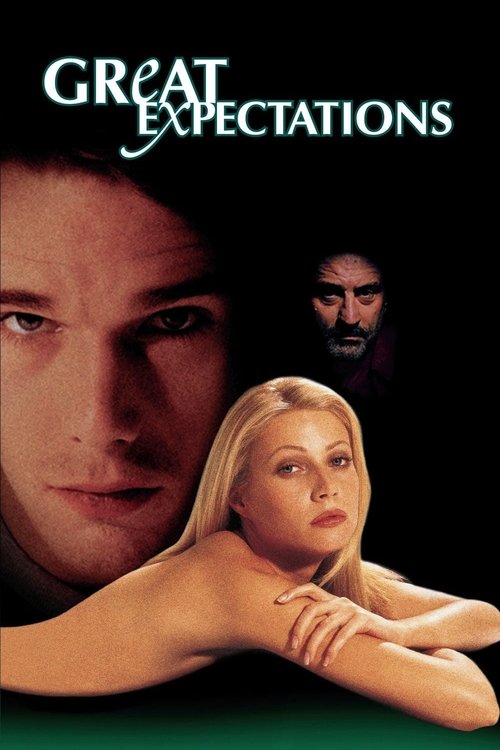
It's great to hear Jean Simmons again, a gorgeous young woman back in the 1940s in David Lean's Great Expectations, Michael Powell's Black Narcissus and Laurence Olivier's Hamlet.
The delightfully pert Emily Mortimer is the young Sophie, and Jean Simmons is her older incarnation—and Simmons is inspired vocal casting because her voice might quaver but her inflections are still those of the young Estella in Great Expectations.
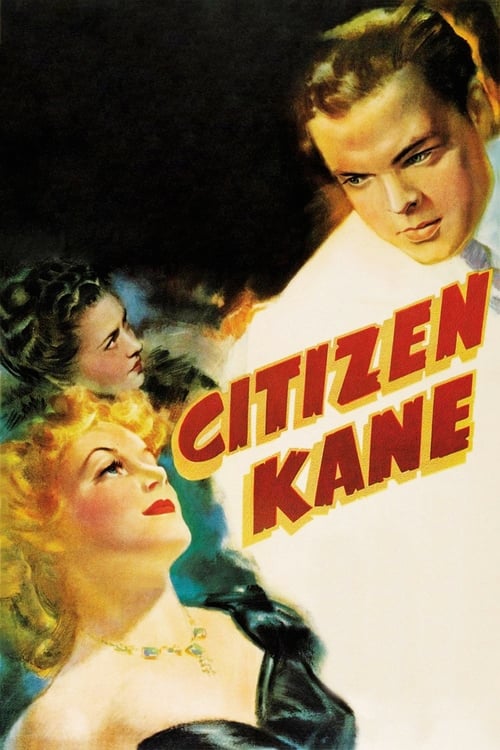
The irony should not be lost on the fact that David Fincher's Mank, a dramatized feature about the writing of one of Orson Welles's greatest films, Citizen Kane (1941), is being released by the streaming giant Netflix.
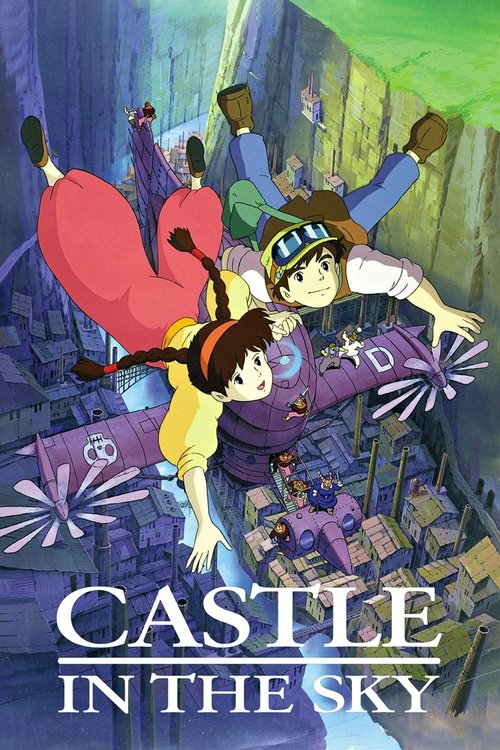
He earned his fan base with films like Kiki’s Delivery Service and Castle in the Sky, which are as straightforward as they are enchanting.
Yet even earlier Miyazaki titles like Castle In the Sky (1986) and Princess Mononoke (1997) provide better peeks than this new release at how he links his dazzling visuals to gripping storylines that incorporate his recurring themes of courage, sacrifice and self-respect.
DVD TIP: Hayao Miyazaki's "Castle in the Sky" (1986), which anticipates some of the imagery and themes of his later work, is a masterful film in its own right -- a floating island out of "Gulliver's Travels," a breathtaking adventure story about flying, a meditation on technology and the sweet fragility of our environment.
Much like his past film “Castle in the Sky,” this time the director uses the back drop of a war-ravaged and bygone (but technologically advanced) Europe to tell a love-story, but at the same time fills his world with playful characters that children can appreciate.
We certainly have obvious choices like the titular fortress of Castle in the Sky, the one from Miyazaki’s feature debut before forming the Studio, The Castle of Cagliostro, and the one that occupies this week’s film; but we also have more unconventional versions of this trope of sorts, like the Bathhouse in Spirited Away, and the pilots’ resort found in Porco Rosso.
Advertisement
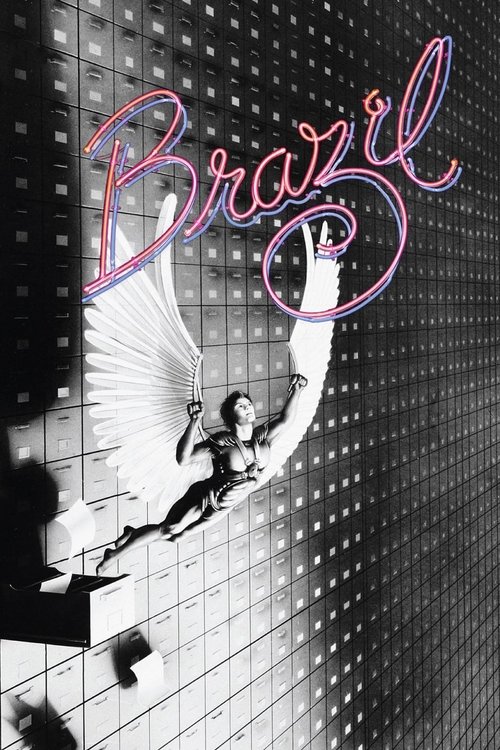
Just about the only thing this "Howl" gets right -- and that's only because Jones doesn't describe it with that much physical detail, but rather leaves it to the reader's imagination -- is the castle itself, which Miyazaki imagines as not so much a floating edifice of stone and turrets as a cross between a tank, tree house and one of the sets from Terry Gilliam's "Brazil" . . .
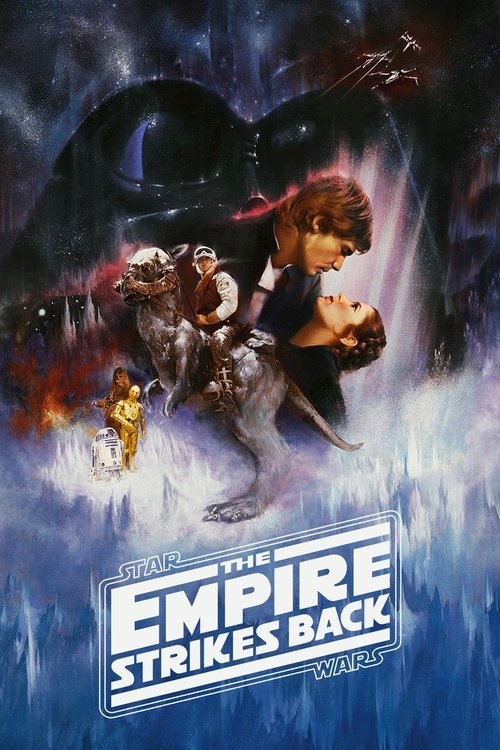
Almost the first sight we see in "Howl's Moving Castle" is the castle itself, which looks as if it were hammered together in shop class by wizards inspired by the lumbering, elephantine war machines in " The Empire Strikes Back ."