
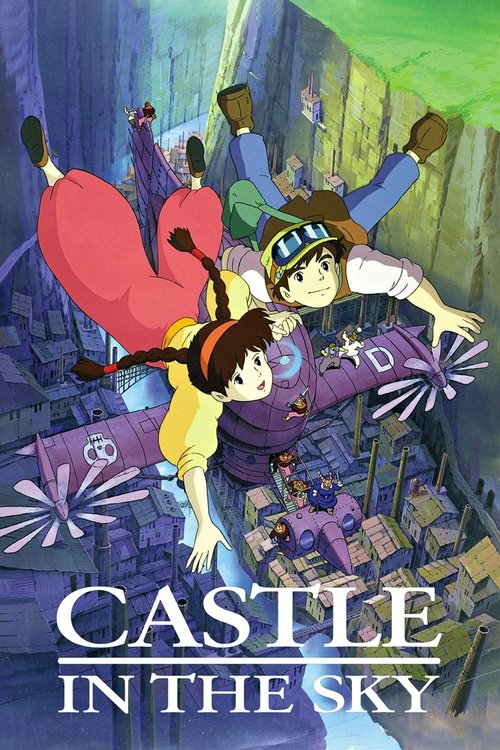
Castle in the Sky (1986)
Directed by Hayao Miyazaki
A young boy and a girl with a magic crystal must race against pirates and foreign agents in a search for a legendary floating castle.
7 connections found
View:
7 connections, in both directions
What critics compared Castle in the Sky to

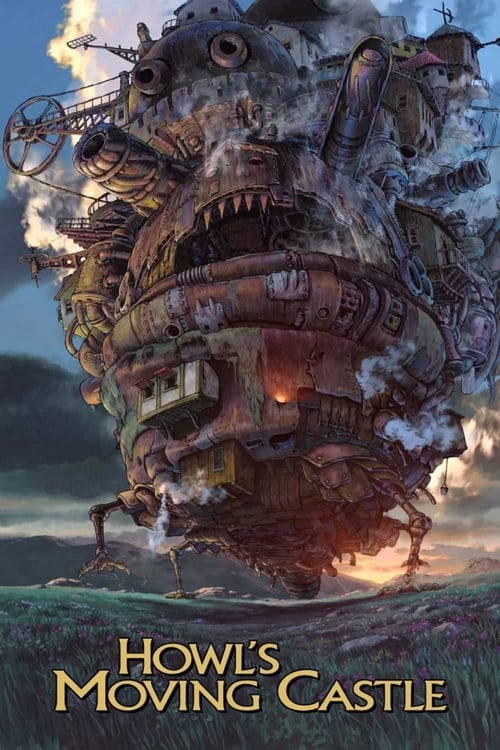


He earned his fan base with films like Kiki’s Delivery Service and Castle in the Sky, which are as straightforward as they are enchanting.
Yet even earlier Miyazaki titles like Castle In the Sky (1986) and Princess Mononoke (1997) provide better peeks than this new release at how he links his dazzling visuals to gripping storylines that incorporate his recurring themes of courage, sacrifice and self-respect.
DVD TIP: Hayao Miyazaki's "Castle in the Sky" (1986), which anticipates some of the imagery and themes of his later work, is a masterful film in its own right -- a floating island out of "Gulliver's Travels," a breathtaking adventure story about flying, a meditation on technology and the sweet fragility of our environment.
Much like his past film “Castle in the Sky,” this time the director uses the back drop of a war-ravaged and bygone (but technologically advanced) Europe to tell a love-story, but at the same time fills his world with playful characters that children can appreciate.
We certainly have obvious choices like the titular fortress of Castle in the Sky, the one from Miyazaki’s feature debut before forming the Studio, The Castle of Cagliostro, and the one that occupies this week’s film; but we also have more unconventional versions of this trope of sorts, like the Bathhouse in Spirited Away, and the pilots’ resort found in Porco Rosso.
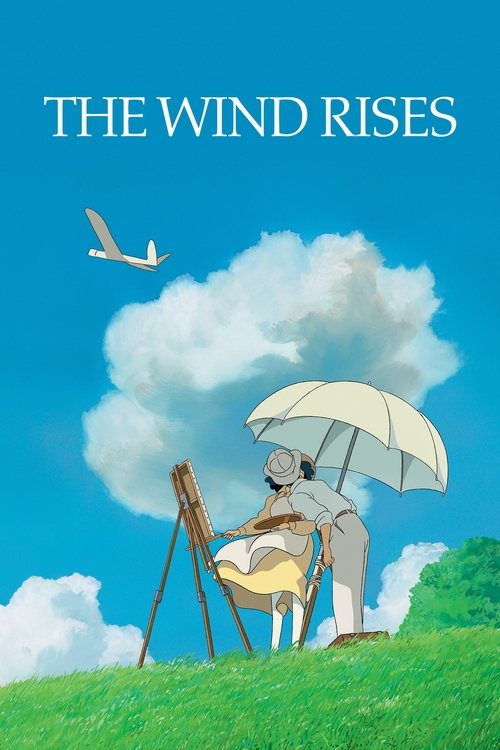
The adult Horikoshi continues to dream of Caproni, meeting him in fantastic settings that recall those of Miyazaki's Castle in the Sky (1986); the Italian becomes a sort of amoral guardian angel, materializing to assuage Horikoshi's guilt about how his designs will be used.
Miyazaki has always been interested in depicting flight in his films, and complex flying machines have been a regular staple in his canon (Porco Rosso, Castle in the Sky, Kiki’s Delivery Service, Spirited Away, Nausicaä, and My Neighbor Totoro have all featured exhilarating flying sequences), so it should only make sense that his final film be about a man who dreamed of flying machines.
Three great animation films " My Neighbor Totoro " (1988), " Princess Mononoke " (1997), and " Spirited Away " (2001) further solidified my affection and admiration toward his works, and I enjoyed " Howl's Moving Castle " (2004) and " Ponyo " (2008) while gladly going back to "Nausicca of the Valley of the Wind" (1984) and "Castle in the Sky" (1986).
Miyazaki has always inserted his personal love of flight into his films, which prominently feature airborne creatures or inventive airships: the floating island of Castle In The Sky, the porcine fighter ace of Porco Rosso, the sometimes-winged wizard of Howl’s Moving Castle, and many more.
This innovator in the world of animation has made two other films that take us up into the sky: Howl's Moving Castle and Castle in the Sky .
In addition to his two films centered around fantastical airborne residences (“Castle in the Sky,” “Howl’s Moving Castle”), he directed a 2002 short on the history of flight for exhibition in his Studio Ghibli museum.
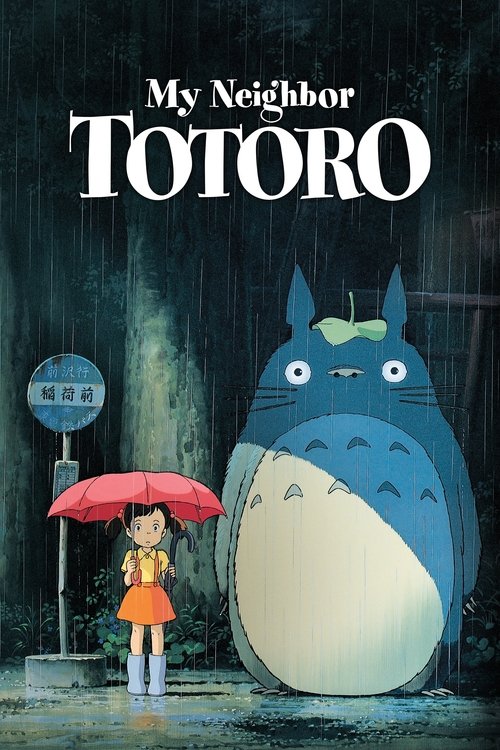
Even in Miyazaki’s previous Studio Ghibli production, the action-packed Castle in the Sky, he provided room for his characters to breathe, allowed quiet moments to settle in, and let those moments define his work more than the explosions or pretty airships.
One need look no further than Disney’s recent two-disc rerelease of three of Miyzaki’s most important, foundational films (Castle in the Sky, My Neighbor Totoro, and Kiki’s Delivery Service) to see why.
Of his nine other major films, those best known in the U.S. are ''Kiki's Delivery Service'' (1989), ''Castle in the Sky'' (1986), ''Warriors of the Wind'' (1984) and ''The Castle of Cagliostro'' (1979).
After a few films (The Castle of Cagliostro, Nausicaä of the Valley of the Wind, Castle in the Sky) indebted to both science fiction and serial-extravaganza genres, Miyazaki utilized his next project as a sort of spiritual reconciliation with his homeland.
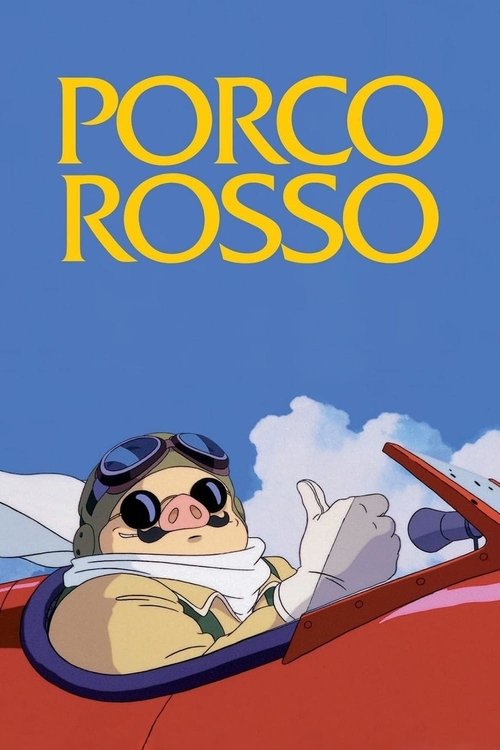
See in conservationist and warrior (Princess Mononoke) Princess Nausicaä a young girl with an animal familiar and powers of flight (Kiki's Delivery Service) at odds with a militaristic airborne oppressor (Porco Rosso) who makes a habit of kidnapping princesses (Laputa: Castle in the Sky), all the while maintaining an innocent flirtation with a heroic boy (a trope discernable in all of Miyazaki's subsequent output).
I mentioned in my Castle in the Sky piece that a common theme in Miyazaki’s work was the balance between two wildly different genres and visual elements forced to share the screen, and Porco Rosso is the most extreme case of this.
An unexpectedly thrilling adventure from Hayao Miyazaki, Castle in the Sky follows a pair of scrappy adolescents, Pazu and Sheeta, as they're thrust into a rip-roaring escapade involving pirates, secret agents, and, of course, the title locale.
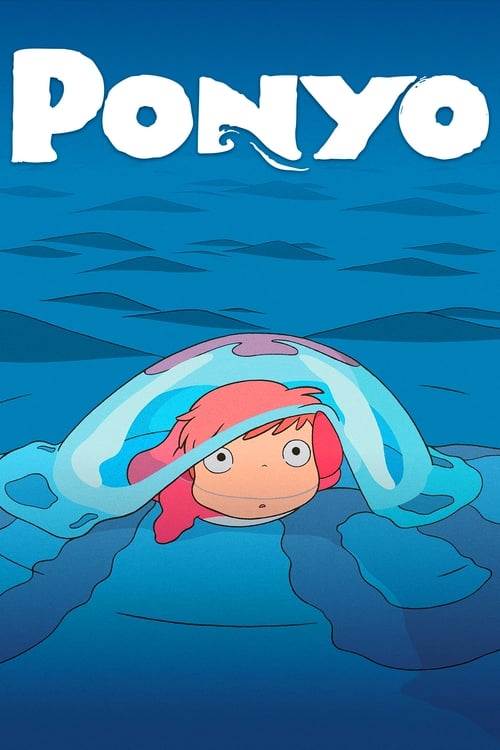
Our family has enjoyed many of Hayao Miyazaki's other films including "Spirited Away," "Howl's Moving Castle," "Porco Rosso," "My Neighbor Totoro," "Castle in the Sky," "Nausicaä of the Valley of the Wind," and more.
He’s shown his love for airships and flying in classics like “Castle in the Sky,” “Porco Rosso” and “Kiki’s Delivery Service,” and he brings that same eye to the undersea world, giving us fantastical fishy creatures and wildly imaginative ships.
Castle in the Sky (1986, Disney) is a grand adventure from the director’s private mythos, the odyssey of an orphaned girl with a magic crystal and a courageous young engineer’s apprentice is set in a world of magnificent flying machines and sky-born cities. Chased by a wacky pirate family and shifty, suspicious government agents, it all converges on the legendary floating castle of Laputa, an ancient civilization in the clouds which holds the key to great power.
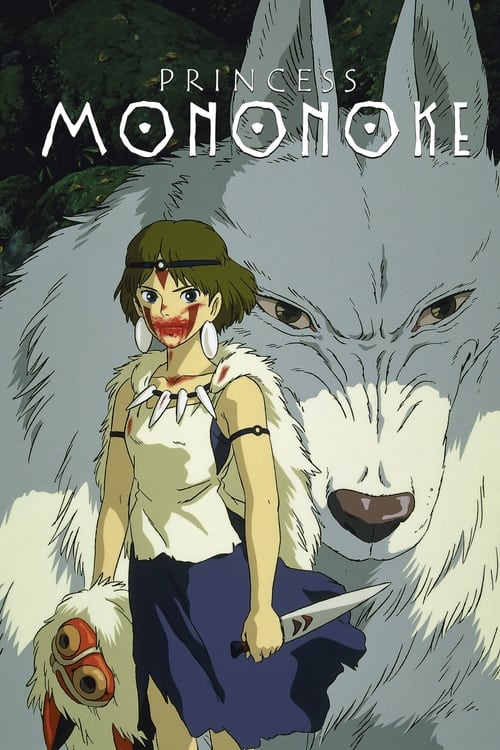
A dry-run in many ways for Miyazaki's later works, particularly Princess Mononoke, which the picture resembles most, Nausicaä of the Valley of the Winds is marred by a painfully dated soundtrack and politics strained to the edge of hysterical, but it remains a powerful piece and a showcase for nearly every element of what would become recurring themes in Miyazaki's work.
I’ve already been over these themes in my Nausicaä and Castle in the Sky pieces, but even films like My Neighbor Totoro and Kiki’s Delivery Service have a genuine love for the natural world.
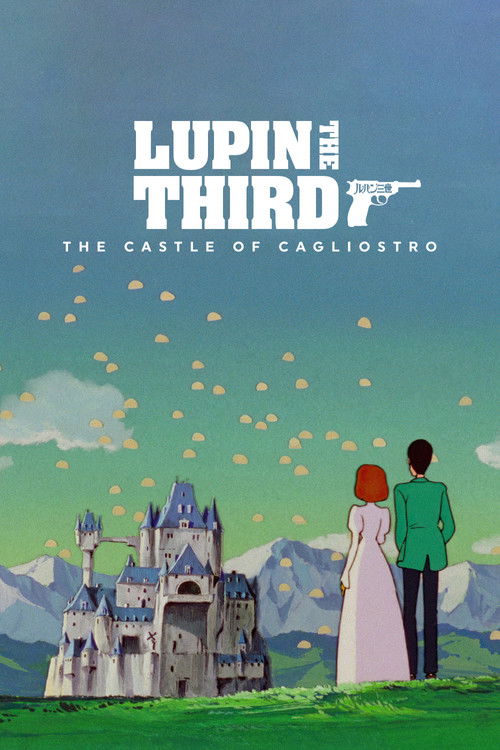
Castle in the Sky was Miyazaki's third feature film after The Castle of Cagliostro and Nausicaä of the Valley of the Wind .
Adapted from a Monkey Punch manga that was itself based on Maurice LeBlanc's popular super-spy Lupin, Hayao Miyazaki's first feature-length film The Castle of Cagliostro came about as an offshoot of his experiences producing television episodes of a popular Lupin series (1977-1981).