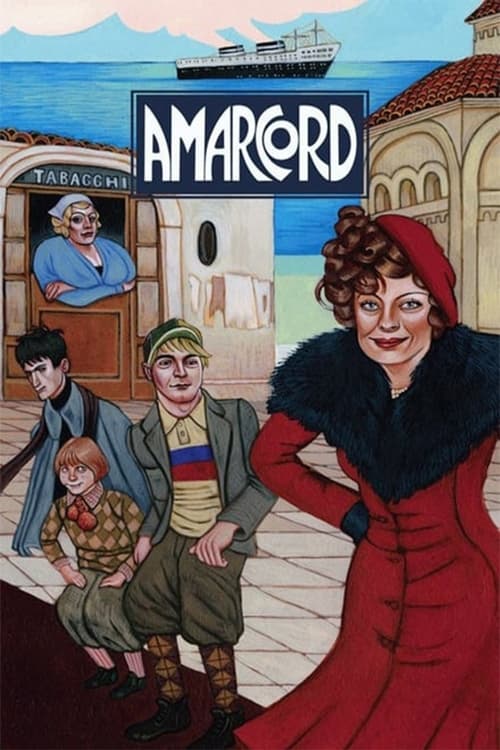
Amarcord (1973)
Directed by Federico Fellini
In an Italian seaside town, young Titta gets into trouble with his friends and watches various local eccentrics as they engage in often absurd behavior. Frequently clashing with his stern father and defended by his doting mother, Titta witnesses the actions of a wide range of characters, from his extended family to Fascist loyalists to sensual women, with certain moments shifting into fantastical scenarios.
10 connections found
View:
10 films that influenced Amarcord
What critics say influenced Amarcord


(A British film critic at the time of its release likened it to Thornton Wilder’s Our Town, which could explain it: I frickin’ hate Our Town.)
This new production combines the free form and make-believe splendor of those two films with the comic, bittersweet feeling for character and narrative we remember from some of his best films of the nineteen-fifties—"Variety Lights," "The White Sheik," "I Vitelloni" and "Nights of Cabiria."

This new production combines the free form and make-believe splendor of those two films with the comic, bittersweet feeling for character and narrative we remember from some of his best films of the nineteen-fifties—"Variety Lights," "The White Sheik," "I Vitelloni" and "Nights of Cabiria."
But there are flashes of Luis Buñuel’s surrealism and farce out of Mel Brooks, who had released “The Producers’’ and “The Twelve Chairs,’’ and whose genius was nearing its apogee.
Advertisement
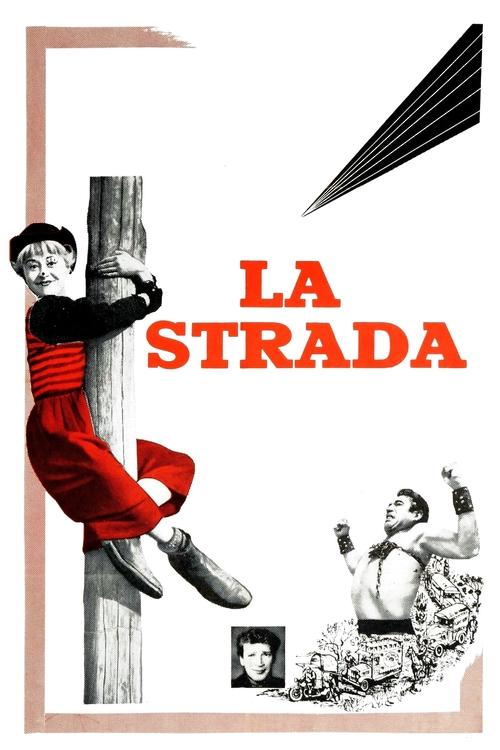
Orthodox Fellini lovers will give primacy to "La Strada" or "La Dolce Vita," but "Amarcord" has its fans, and it's easy to see why.
The other masterpieces are “ La Strada ,” “ Nights of Cabiria ,” “ La Dolce Vita ,” “ 8 1/2 ” and “ Juliet of the Spirits .”
I think "La Strada" is part of a process of discovery that led to the masterpieces " La Dolce Vita " (1960), " 8 1/2 " (1963) and " Amarcord " (1974), and to the bewitching films he made in between, like " Juliet of the Spirits " (1965) and " Fellini's Roma " (1972).
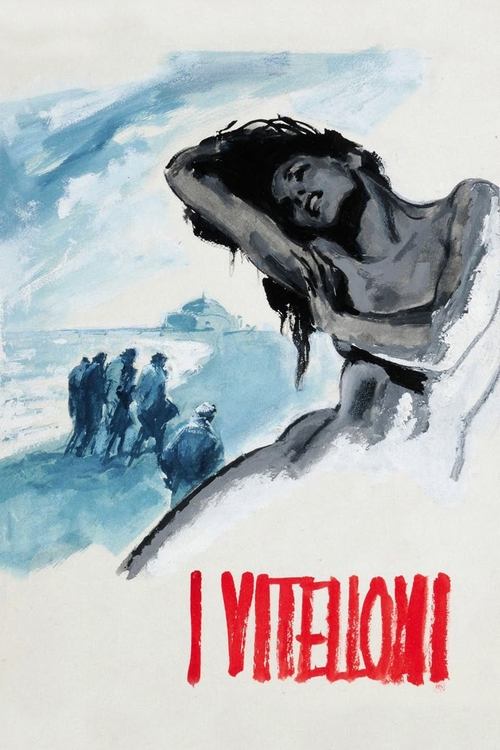
This new production combines the free form and make-believe splendor of those two films with the comic, bittersweet feeling for character and narrative we remember from some of his best films of the nineteen-fifties—"Variety Lights," "The White Sheik," "I Vitelloni" and "Nights of Cabiria."
"Amarcord" is in striking contrast to the also semi-autobiographical "I Vitelloni" (1953).
Considering that his next major project was La Strada , all cineastes are greatly indebted to this early highly autobiographical film that bookends well with Amarcord .
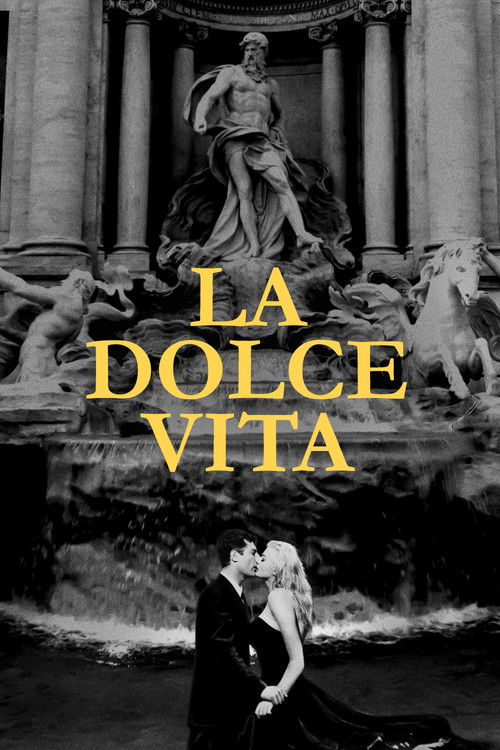
Orthodox Fellini lovers will give primacy to "La Strada" or "La Dolce Vita," but "Amarcord" has its fans, and it's easy to see why.
The other masterpieces are “ La Strada ,” “ Nights of Cabiria ,” “ La Dolce Vita ,” “ 8 1/2 ” and “ Juliet of the Spirits .”
Federico Fellini ("La Dolce Vita"/"8 1/2"/"Juliet of the Spirits") directs this fictitious semi-autobiography that takes us back to a place in the province of Romagna that tries to emulate Fellini's seaside hometown of Rimini during the Fascist regime (when the entire community seemed childlike, living in an authoritarian regime that did their thinking for them).
Fellini stood here at the dividing point between the neorealism of his earlier films (like " La Strada ") and the carnival visuals of his extravagant later ones (" Juliet of the Spirits ," " Amarcord ").
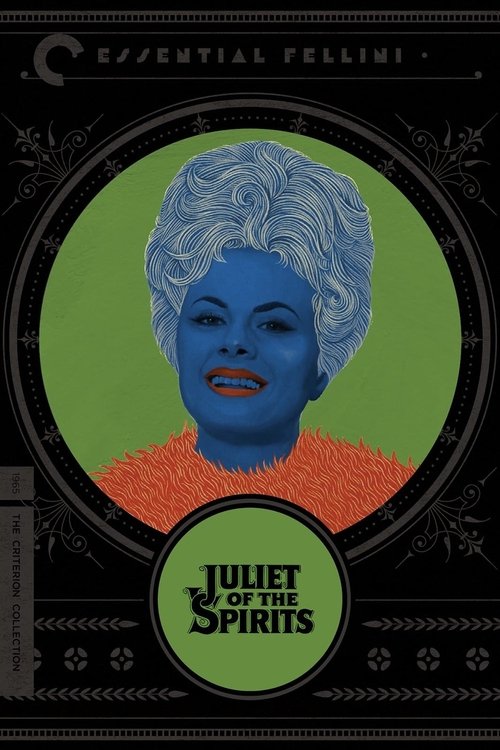
In the second half of Fellini's career, I find myself disliking his phantasmagoric, color films like Juliet of the Spirits and Satyricon , but drawn to his very last films, the sad and playful Ginger and Fred and Intervista .
The other masterpieces are “ La Strada ,” “ Nights of Cabiria ,” “ La Dolce Vita ,” “ 8 1/2 ” and “ Juliet of the Spirits .”
Federico Fellini ("La Dolce Vita"/"8 1/2"/"Juliet of the Spirits") directs this fictitious semi-autobiography that takes us back to a place in the province of Romagna that tries to emulate Fellini's seaside hometown of Rimini during the Fascist regime (when the entire community seemed childlike, living in an authoritarian regime that did their thinking for them).
The only later film widely admired is “ Amarcord ” (1974).
Giulietta was the last Fellini film to win nearly unanimous critical approval or popular success until Amarcord in 1973, which won the Best Foreign Language Oscar.
Advertisement
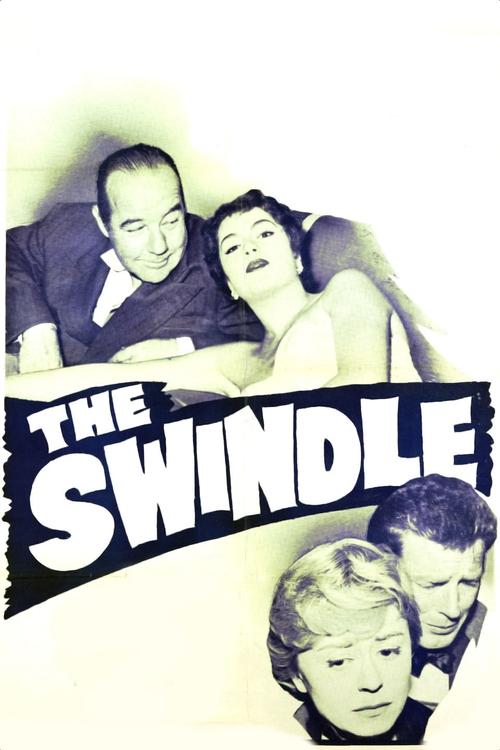
He made other films of consequence, including “Il Bidone,” “Fellini Roma,” “ Fellini Satyricon ,” “ Casanova ” and “ The Clowns ,” but those six titles show him in the full flood of his talent.
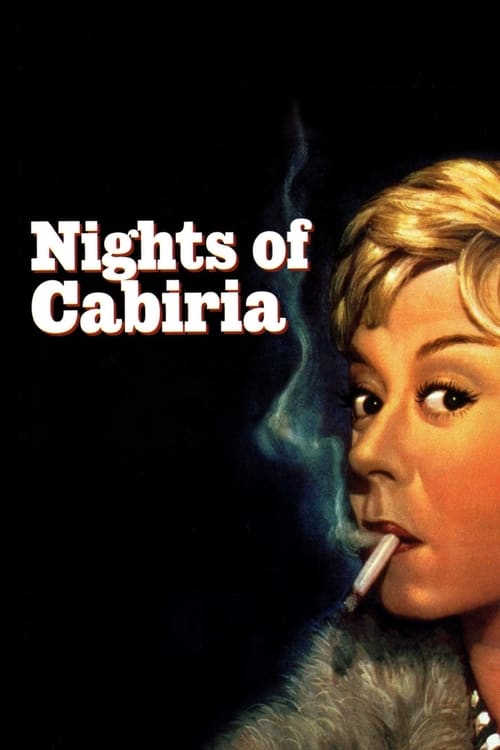
This new production combines the free form and make-believe splendor of those two films with the comic, bittersweet feeling for character and narrative we remember from some of his best films of the nineteen-fifties—"Variety Lights," "The White Sheik," "I Vitelloni" and "Nights of Cabiria."
The other masterpieces are “ La Strada ,” “ Nights of Cabiria ,” “ La Dolce Vita ,” “ 8 1/2 ” and “ Juliet of the Spirits .”
His "big" films are the ones that contain astounding arty imagery like 8 1/2, and Amarcord His earlier, "small" films are less intimidating and contain extraordinary images of people, like his wife, Giulietta Masina.
“Nights of Cabiria,” directed by Masina's husband, Federico Fellini, in 1957, won her the best actress award at Cannes, and the film won the Oscar for best foreign picture--his second in a row, after “ La Strada ” in 1956 (he also won for “ 8 1/2 ” in 1963 and “ Amarcord ” in 1974).