
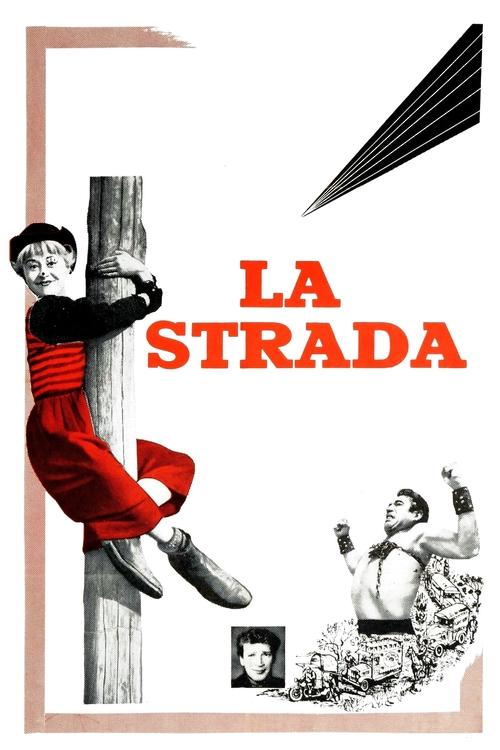
La Strada (1954)
Directed by Federico Fellini
When Gelsomina, a naïve young woman, is purchased from her impoverished mother by brutish circus strongman Zampanò to be his wife and partner, she loyally endures her husband's coldness and abuse as they travel the Italian countryside performing together. Soon Zampanò must deal with his jealousy and conflicted feelings about Gelsomina when she finds a kindred spirit in Il Matto, the carefree circus fool, and contemplates leaving Zampanò.
9 connections found
View:
9 connections, in both directions
What critics compared La Strada to
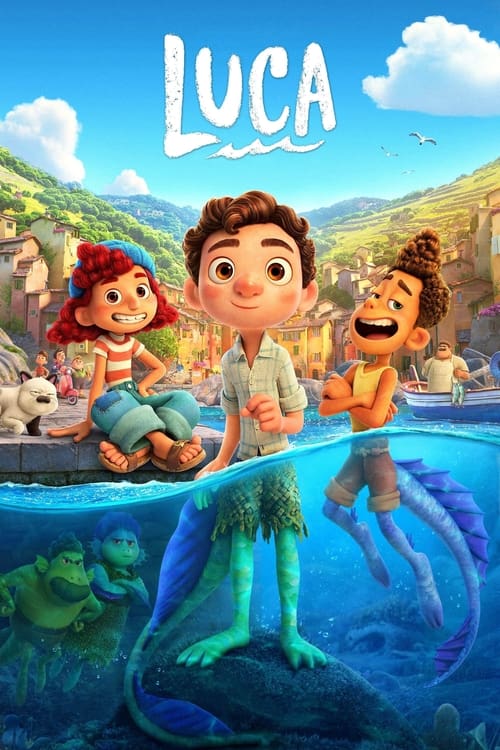


But it also recalls the classic Italian films of Federico Fellini and others ( La Strada is a big influence), clear inspirations for Luca ‘s shimmering sophistication.
Luca is if Casarosa attempted a combination of Fellini’s La Strada with Miyazaki’s Kiki’s Delivery Service .
That draws them to the nearby town of Portorosso (the name seems a nod to the great and most European of the Studio Ghibli canon, “Porco Rosso”), a quintessential Italian hamlet with a village fountain and a “La Strada” poster on the wall.
A few other cinematic signposts pop up: A boat early on sports the name “Gelsomina,” Giulietta Masina’s character in La Strada —arguably one of the greatest Italian films of all time.
“Luca” is a bit colorless until the two boys arrive in the sloping fishing village of Portorosso, with its crooked pastel buildings and winding streets, its sun-dappled town square dotted with a trattoria and a pescheria, its poster of “La Strada.”
Luca might be the first kids film to name-drop La Strada’s Gelsomina, which is a win for Fellini diehards but a head-scratcher overall given her fate.

In her fourth and final collaboration with De Palma, Allen, inspired by Giulietta Masina’s performance in La Strada, plays Sally with a heartbroken desperation, elevating the usual thriller tropes of a supporting actress in the genre.
The third, "Meal Ticket," has haunted me since I saw it; one of my colleagues compared it to Fellini's La Strada, and that's apt, but it's far more melancholy.
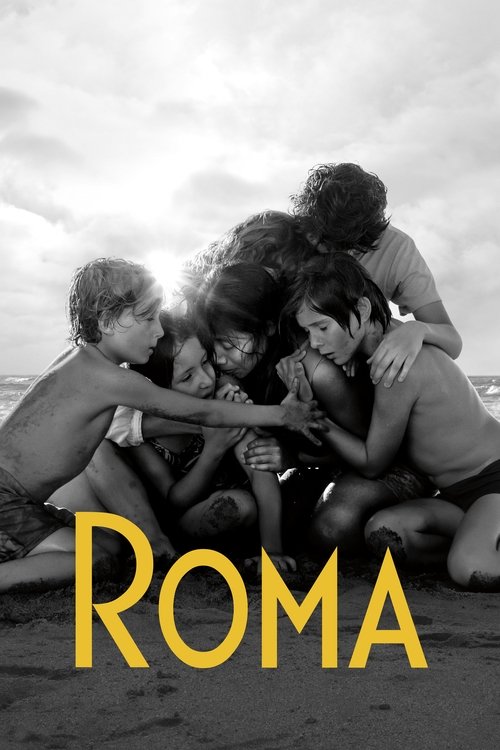
Cuarón’s obvious models here are the neorealist masterpieces of Vittorio De Sica, which often featured non-actors, and the early films of Federico Fellini, whose “La Strada” is referenced in several sequences involving a carnival strongman.
Advertisement
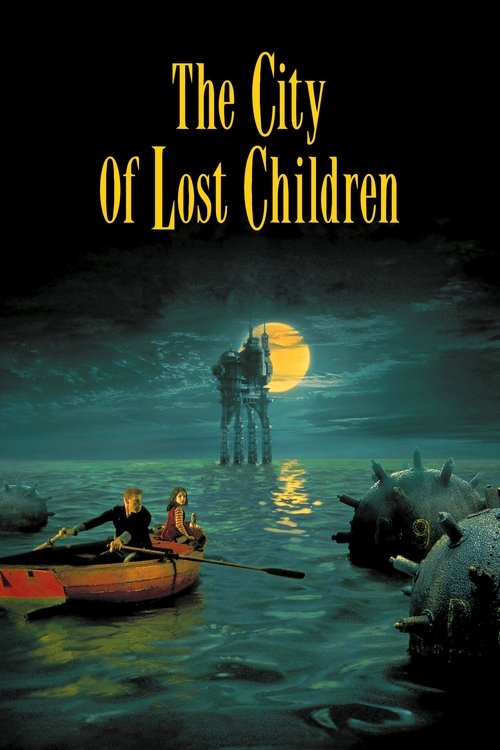
And since, when we first see One, he's performing the trick of Anthony Quinn's Zampano in Fellini's "La Strada," bursting chains with his chest expansion.
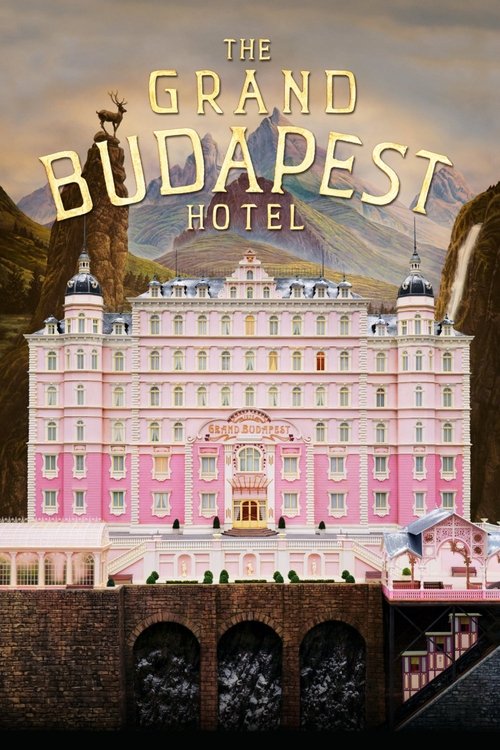
Maybe I'm as nuts as the fantasy, but I find a certain similarity Anderson has with Federico Fellini ("La Strada")... in the use of casting as part of his visual pallette.
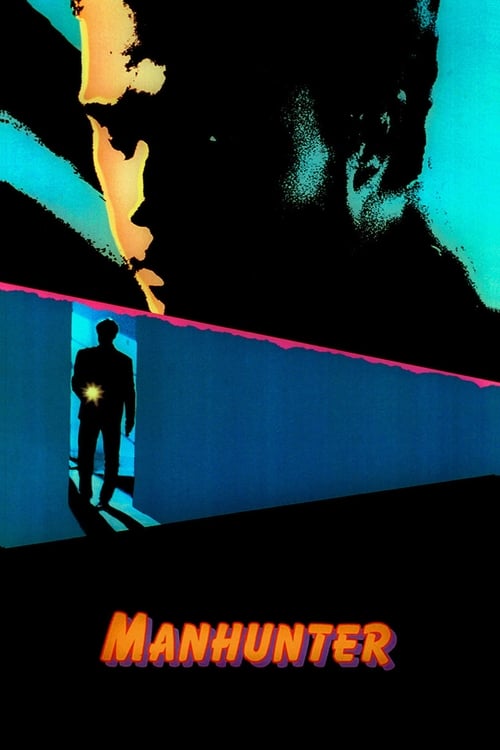
It was produced by the legendary Dino De Laurentis, who also produced such important classic films as Giuseppe De Santis' Riso Amaro, Federico Fellini's La Strada, and Sergei Bondarchuk's Waterloo.

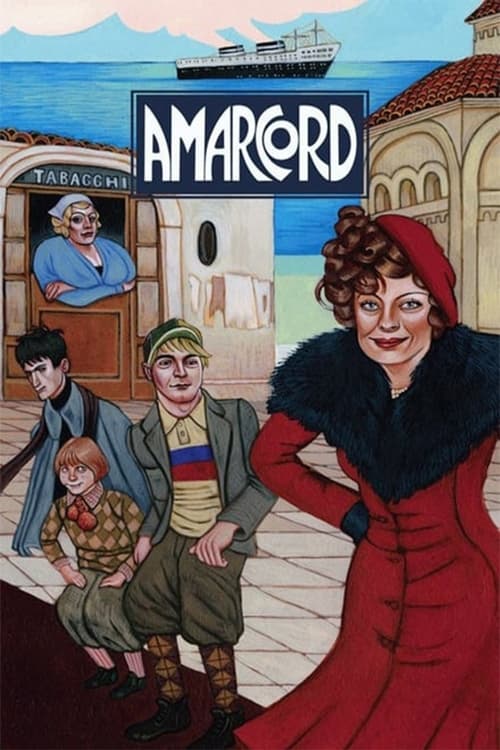
Orthodox Fellini lovers will give primacy to "La Strada" or "La Dolce Vita," but "Amarcord" has its fans, and it's easy to see why.
The other masterpieces are “ La Strada ,” “ Nights of Cabiria ,” “ La Dolce Vita ,” “ 8 1/2 ” and “ Juliet of the Spirits .”
I think "La Strada" is part of a process of discovery that led to the masterpieces " La Dolce Vita " (1960), " 8 1/2 " (1963) and " Amarcord " (1974), and to the bewitching films he made in between, like " Juliet of the Spirits " (1965) and " Fellini's Roma " (1972).
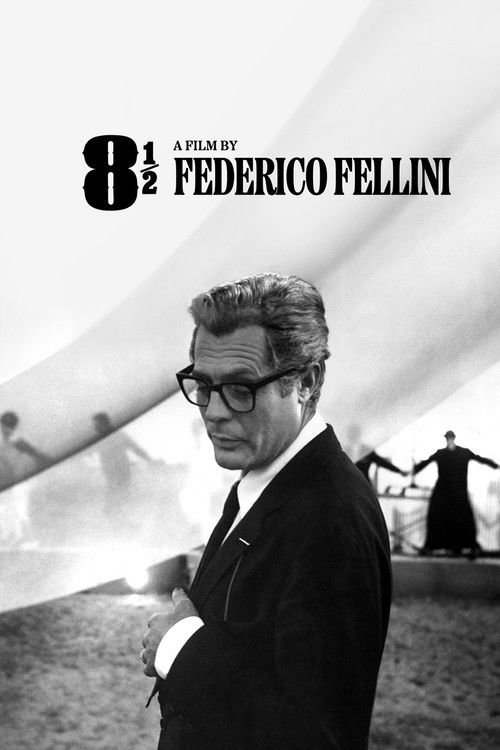
It’s as though in the face of creative crisis the director took the self-empowering advice from his own early oeuvre, especially the tearjerking egotism of La Strada and the recalcitrant élan of Nights of Cabiria.
Though more of a Fellini skeptic than not myself, I can’t go along with the common opinion that Fellini’s early neorealist-inflected works, culminating in La Strada , are his best, and that the later, increasingly surreal cinema of the gaudy and fantastical represented by 8½ is self-indulgently trivial by comparison.
The precise observation in " La Strada " (1954) was the high point of his career, according to this view, and then he abandoned his neorealist roots.
Although overshadowed by Fellini's later, better known films (such as 1960's "La Dolce Vita" and 1963's " 8½ "), "La Strada" (The Road) has always had a special place in Fellini's canon, not least because it was the film that won an Oscar for Best Foreign Film and secured his reputation as one of Europe's leading postwar directors.
Even with Fellini himself, while I still have very little idea what to make of 8½ , it has a power for me that I cannot find in La Strada.