
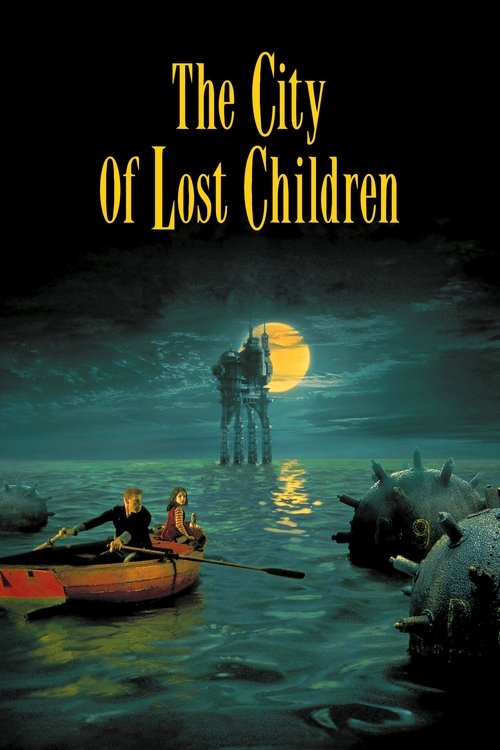
The City of Lost Children (1995)
Directed by Jean-Pierre Jeunet
A scientist in a surrealist society kidnaps children to steal their dreams, hoping that they slow his aging process.
13 connections found
View:
13 films that influenced The City of Lost Children
What critics say influenced The City of Lost Children
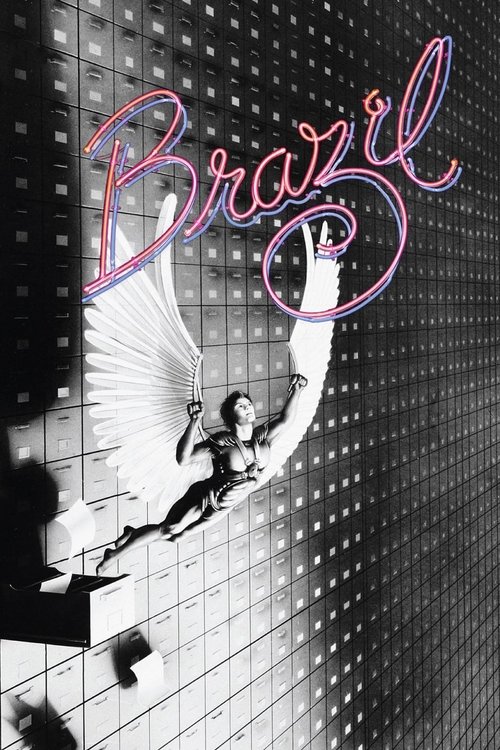


"City's" domain is one of those movie retro-worlds where the future seems to be degenerating back into primitivism, as in "Brazil" or the "Mad Max" series.
I had the same reaction to Gilliam's Brazil, which one can imagine hanging like a mad, coiled mobile over the filmmakers' heads: a Duct-Coil of Damocles, a singular inspiration that, in being so openly echoed, seems more than ever like a dead end or a sui generis object.
In that sense, the film is a blend of “Pinocchio” and “Oliver Twist” as written by Roald Dahl, bearing the style of “Brazil” as directed by David Lynch.
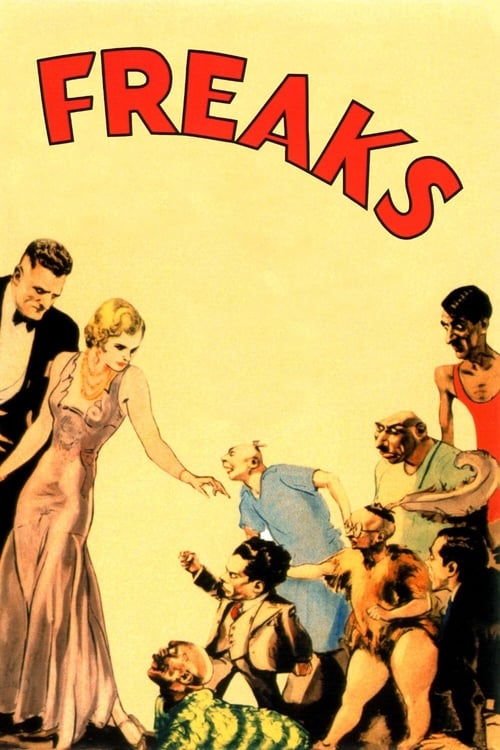
It’s extraordinarily oblique and dense and pretentious, much closer to offform Antonionni than the “Wizard of Oz.” Michael H. Price/Fort Worth StarTelegram: Charles Dickens meets Tod Browning’s “Freaks” in a splendid new film called “The City of Lost Children,” a phantasmagoria of such impossible architecture, implausible misadventures and dreamlike poignance that no one who sees it can come away unaffected.
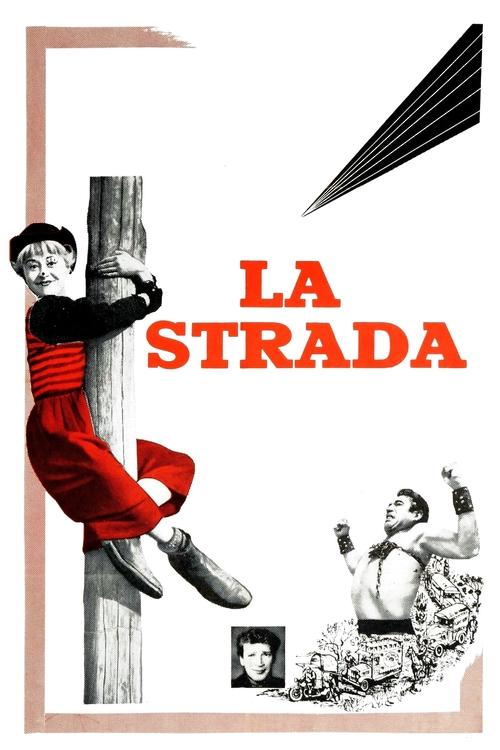
And since, when we first see One, he's performing the trick of Anthony Quinn's Zampano in Fellini's "La Strada," bursting chains with his chest expansion.
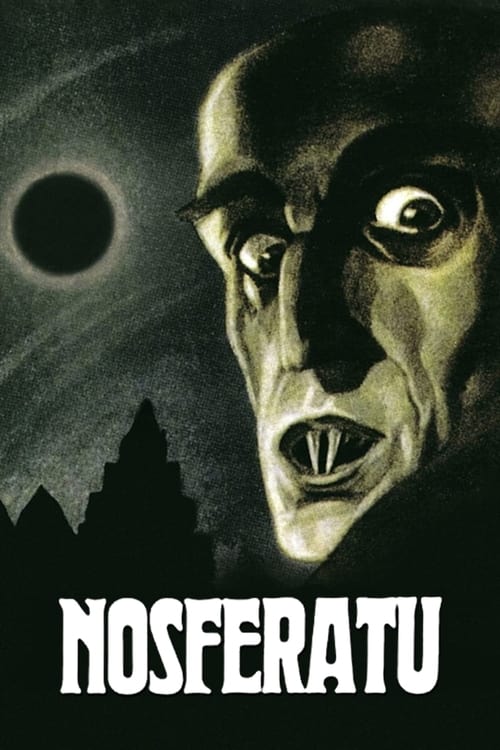
Bald-headed and evil-looking, he evokes memories of Max Schreck's vampire in the classic silent film Nosferatu.
Advertisement
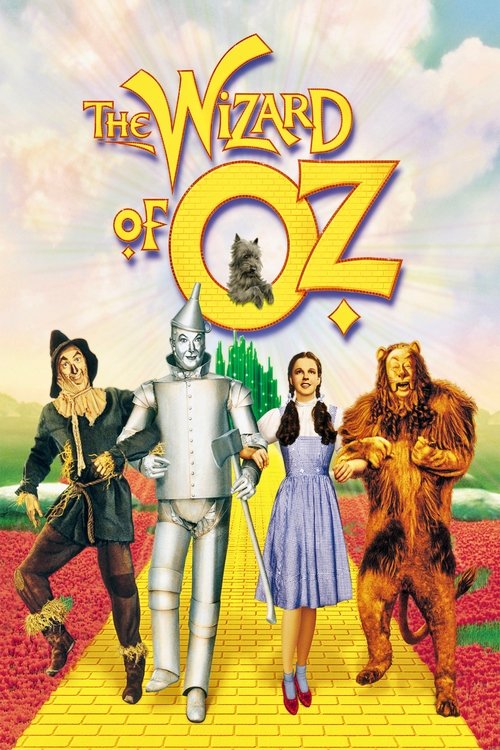
Jeunet and Caro's movie is thematically and stylistically inspired by such diverse sources as Frankenstein, Dracula, Brazil, Time Bandits, and The Wizard of Oz.
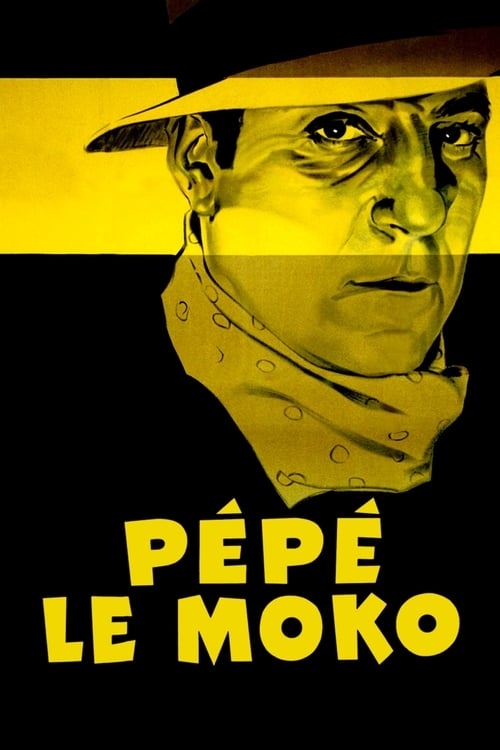
Jeunet and Caro's catch the moody, fatalistic mood of "poetic realism," the prewar French like "Port of Shadows" and "Pepe le Moko," and then move way beyond it.
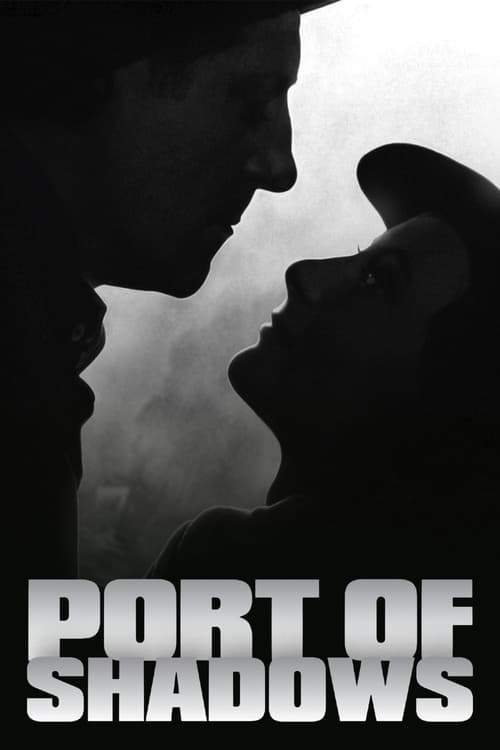
Jeunet and Caro's catch the moody, fatalistic mood of "poetic realism," the prewar French like "Port of Shadows" and "Pepe le Moko," and then move way beyond it.
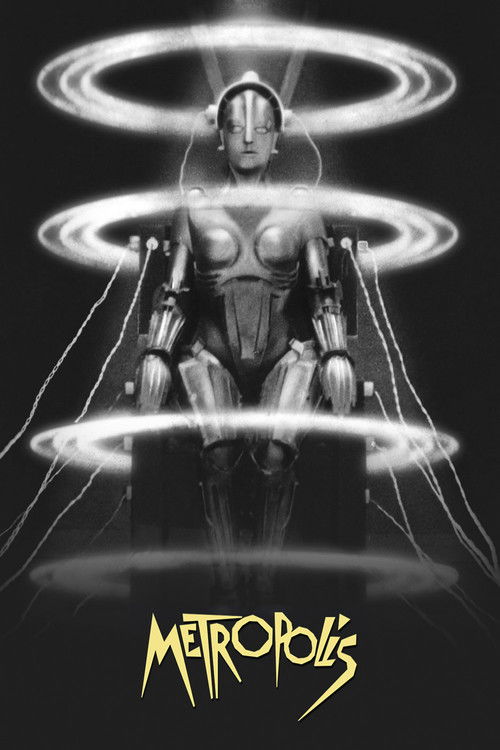
While I was watching, I was recalling some of the greatest of all science fiction/fantasy cityscape visual feasts: Metropolis , Blade Runner , Tron , Brazil , The City of Lost Children, Gattaca , Dark City , Minority Report , etc.
Advertisement
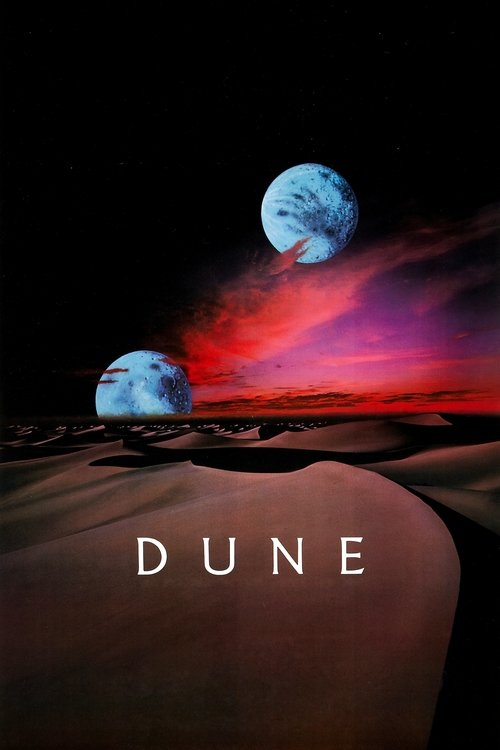
As a work of the imagination, inflected by Dickens, Disney, and David Lynch's Dune, this costly 1995 French fantasy by writer-directors Jean-Pierre Jeunet and Marc Caro is certainly preferable to their earlier Delicatessen.
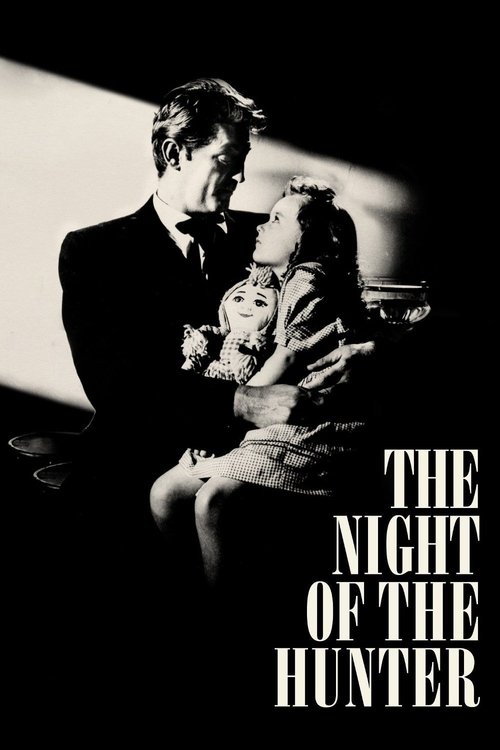
The influences in "City" range from Dickens to Stanley Kubrick, from Gustave Dore to Terry Gilliam, from "The Night of the Hunter" to Disney's "Pinocchio."