
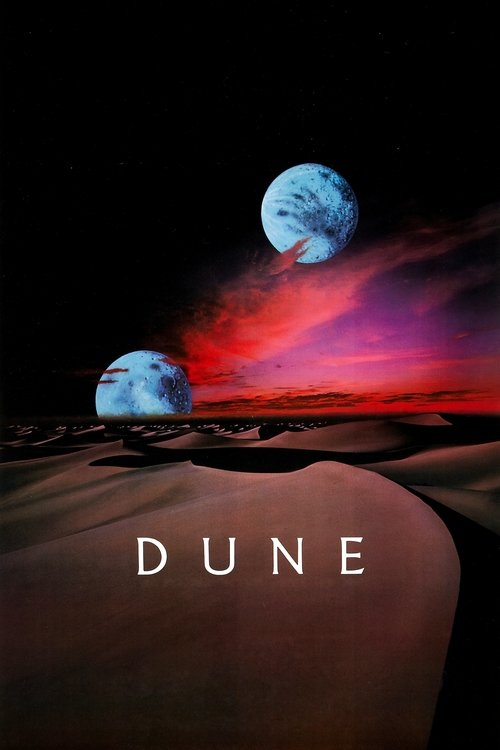
Dune (1984)
Directed by David Lynch
In the year 10,191, the most precious substance in the universe is the spice Melange. The spice extends life. The spice expands consciousness. The spice is vital to space travel. The spice exists on only one planet in the entire universe, the vast desert planet Arrakis, also known as Dune. Its native inhabitants, the Fremen, have long held a prophecy that a man would come, a messiah who would lead them to true freedom.
14 connections found
View:
14 films that influenced Dune
What critics say influenced Dune
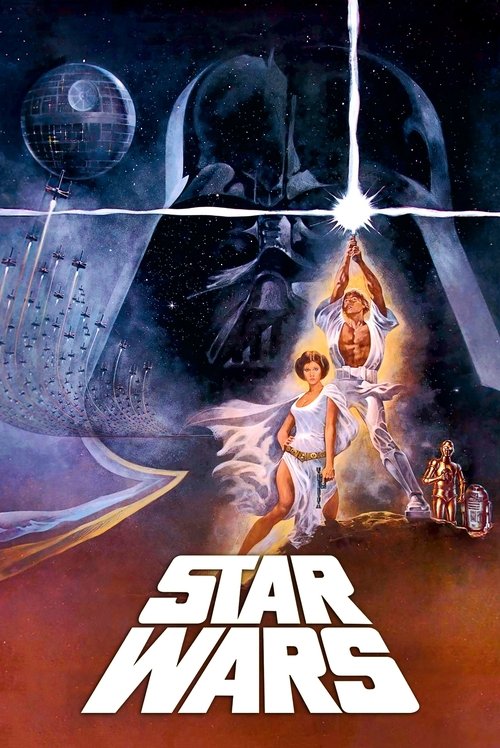


Now, in a far less Star Wars saturated landscape, Dune can be viewed as what it is: a brilliant mistake, misguided from the start but still aesthetically satisfying.
Seeing as how those were nowhere near Jaws territory, DeLaurentiis had hopes that adapting a huge property like Dune would net him the same success as another big fish in the film industry: Star Wars.
I was even willing to forgive the special effects for not being great; after all, in an era when George Lucas' "Star Wars" has turned movies into high tech, why not a film that looks like a throwback to Flash Gordon.
In the time since its publication, the book has inspired numerous other authors, artists and filmmakers including George Lucas, who partly based the Star Wars saga’s Tatooine on Herbert’s dry, barren landscape.
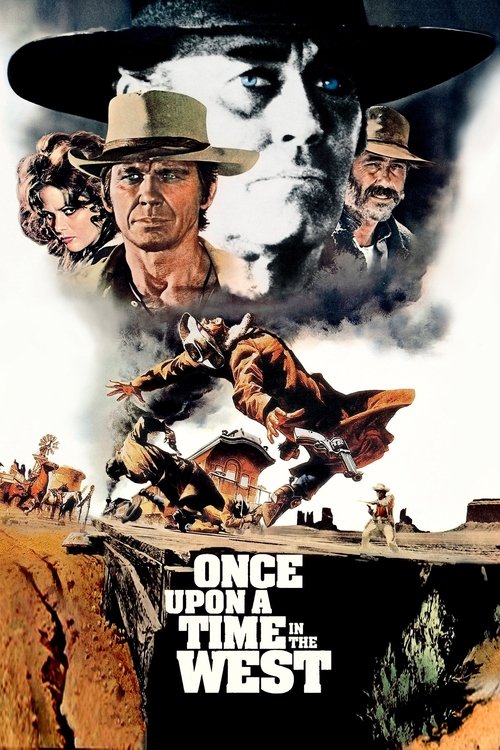
Yes, Robert Mitchum inverts his carefully-cultivated persona à la Henry Fonda in Once Upon a Time in the West by playing, in addition to an Irishman and a cuckold, something of a shrinking violet--and doing so beautifully.
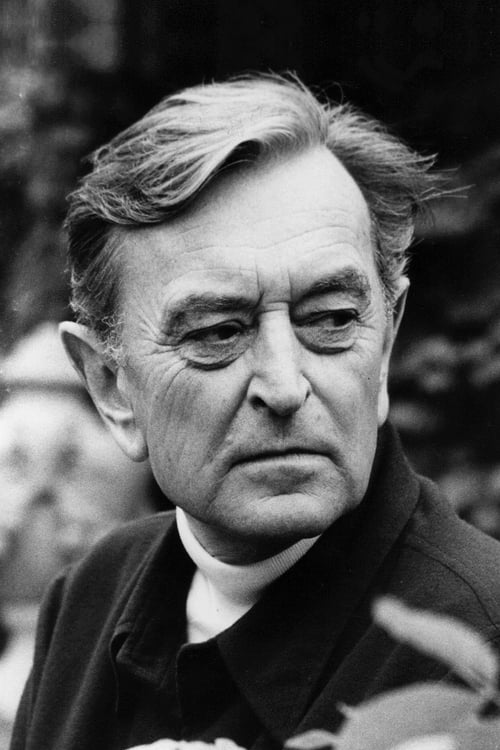

But where Ryan's Daughter's disappointing reception drove the exceedingly proud Lean out of the business for fourteen years, Dune's critical drubbing took Lynch off the overcrowded commercial beat while leaving him with enough of a profile to get more personal projects bankrolled.
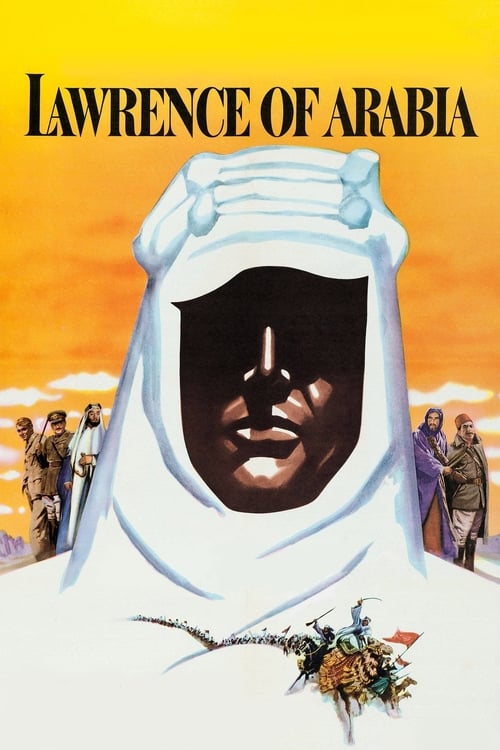
As lush as the Superbit release of Lawrence of Arabia --the yardstick for home video transfers of David Lean's films--looks, it doesn't look this lush.
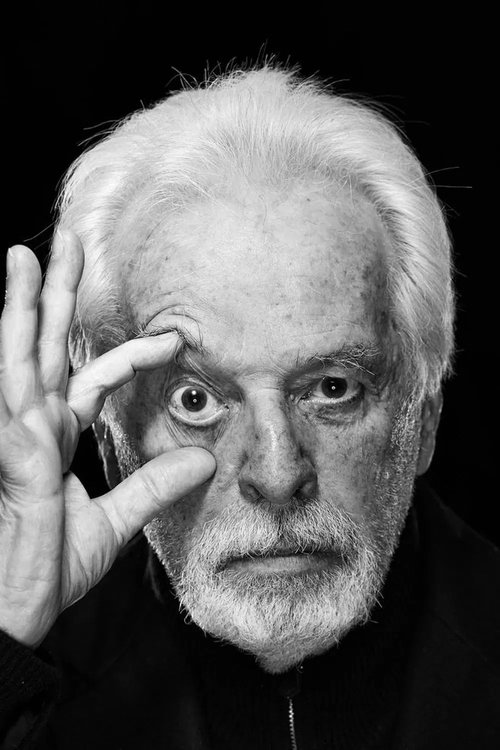
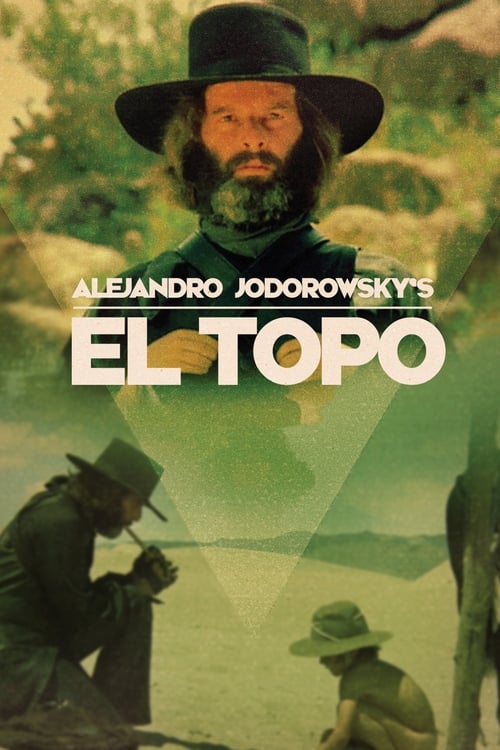
However, outré Chilean director Alejandro Jodorowsky of El Topo and Santa Sangre fame/infamy was nearly the first to adapt Dune for the big screen in the mid-1970’s.
The "Fando y Lis" disc includes a 90-minute documentary, "La Constellation Jodorowsky" (1994), which features an interesting look at the director's ill-fated attempt to adapt "Dune," several years before David Lynch brought Frank Herbert's mystical sci-fi novel to the screen.
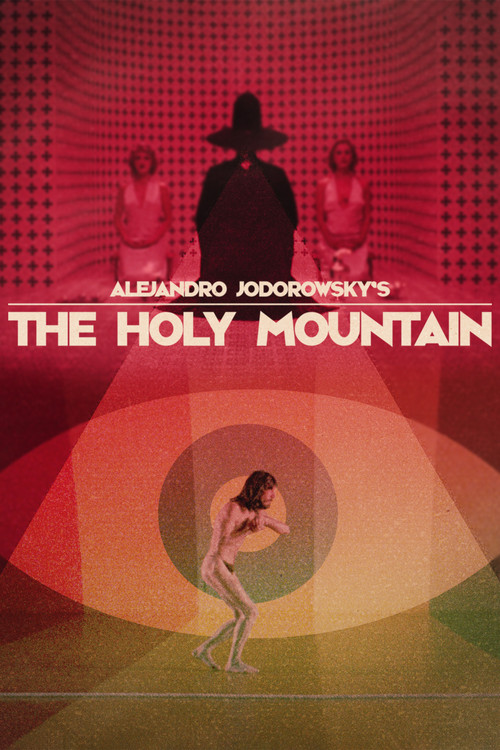
The "Fando y Lis" disc includes a 90-minute documentary, "La Constellation Jodorowsky" (1994), which features an interesting look at the director's ill-fated attempt to adapt "Dune," several years before David Lynch brought Frank Herbert's mystical sci-fi novel to the screen.
One version that fans had always wanted to see was the one that director Alejandro Jodorowsky (Best known for El Topo, Santa Sangre, and The Holy Mountain) was set to do with such collaborators as Salvador Dali, Orson Welles, David Carradine, Gloria Swanson, Mick Jagger, and more (with a soundtrack from Pink Floyd, no less).
Advertisement
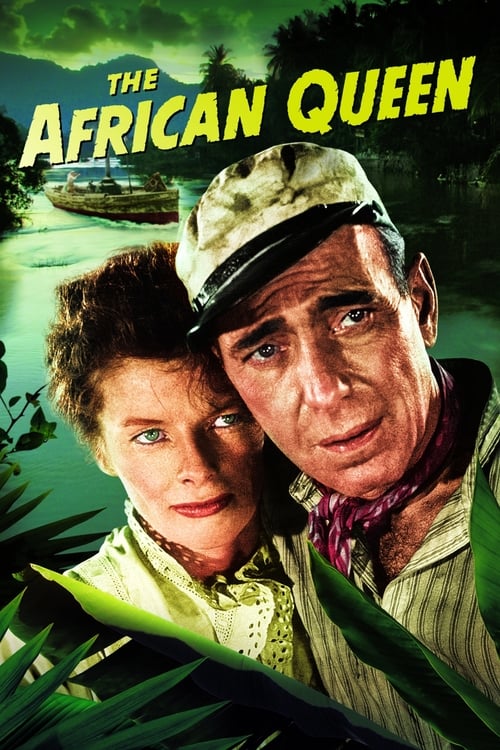
Hey, Universal - if Paramount could make the same false frontage look real in The African Queen, how about putting up a few bucks to post-production out the F/X halos here?
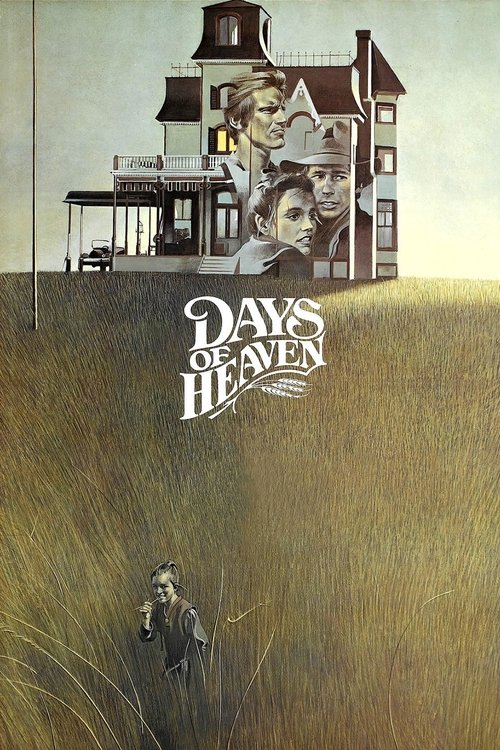
Aronofsky with his criminally underrated The Fountain, and Malick with his then-misunderstood Days of Heaven (which lead to his two-decade absence).
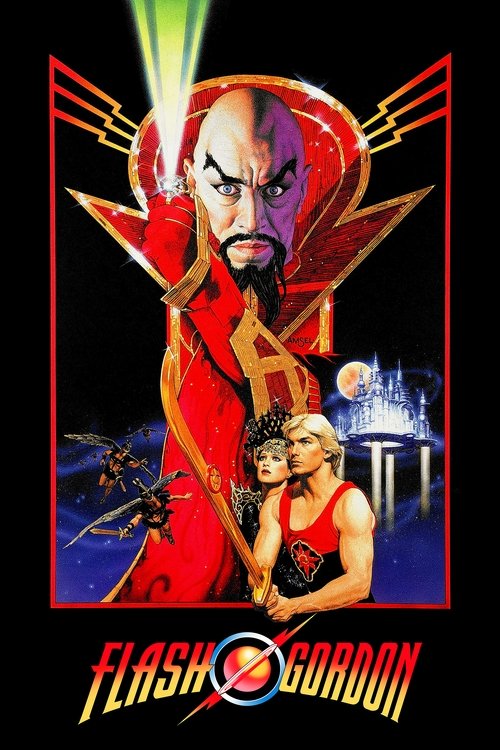
De Laurentiis, coming off such late-1970’s schlock as Orca and Flash Gordon in addition to his poorly-received remakes of King Kong and Hurricane, was looking to literary adaptations to help salvage his respectability (his Oscar-nominated 1981 film of E.L. Doctorow’s Ragtime was the most successful in this regard).
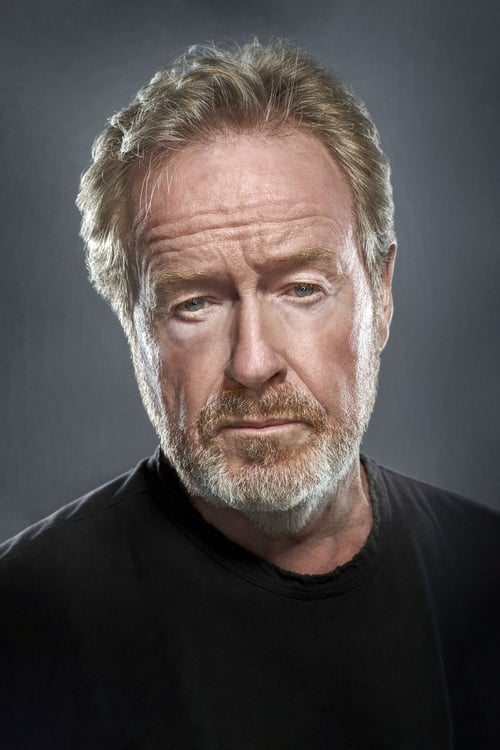
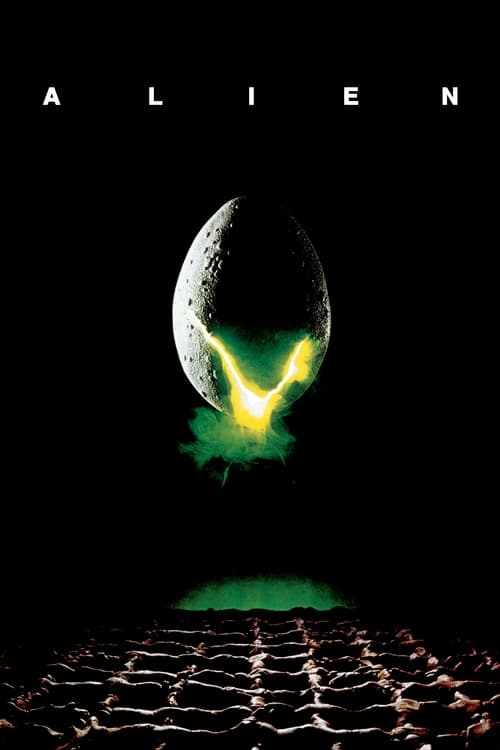
Interestingly, his key team members Dan O’Bannon, H.R. Giger and Chris Foss moved on together to develop 1979’s now classic Alien when Dune fell apart.
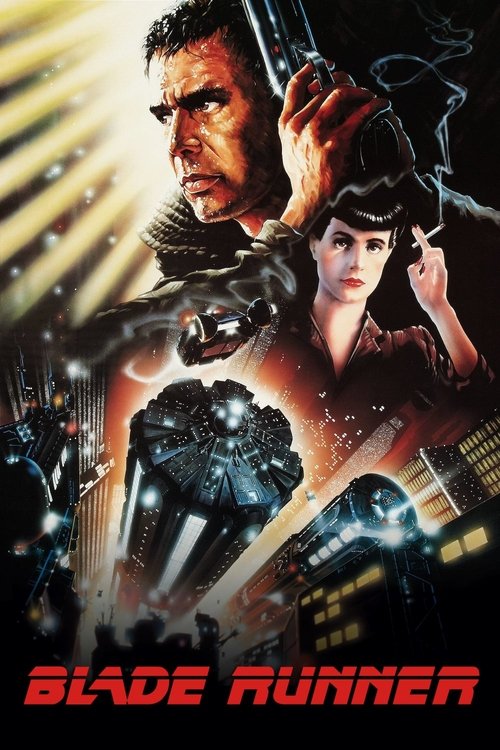
It’s worth noting that after quitting, Scott moved on to make none other than Blade Runner, while the special effects man for Jodorowsky’s version of Dune, Dan O’Bannon, admitted himself to a psychiatric hospital after the experience, where he wrote a number of scripts.
Advertisement
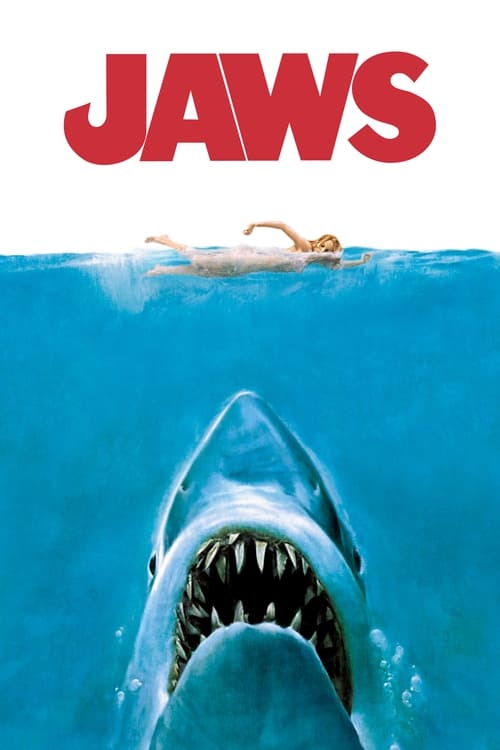
One of those reasons was his quest to make a monster film that out-did the success of Steven Spielberg’s Jaws, going so far as to reboot the King Kong franchise and make his own Jaws imitator called, what else, Orca: The Killer Whale.
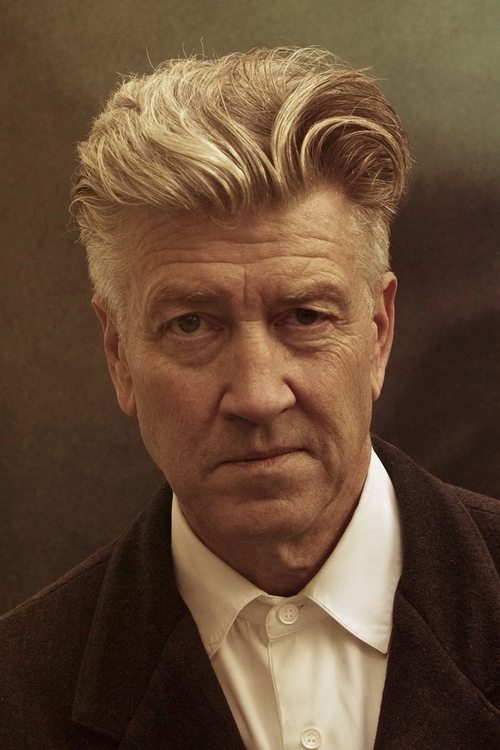
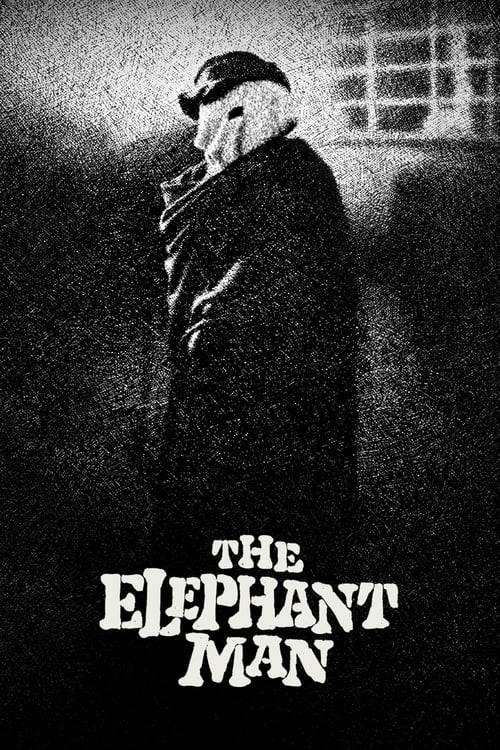
Dune is mainly interesting as a curio in the career of the brilliant, bizarre director David Lynch ( The Elephant Man , Mulholland Drive ); fans may enjoy combing through the movie to find his unique touches, but his detractors will argue that it's just more "weird for weird's sake."
Lynch only had two previous feature films under his belt, the bizarro cult classic Eraserhead and the more mainstream but fairly small-scale The Elephant Man.
Going back to the Rodley book (recently reissued with shockingly comprehensive chapters on Lost Highway, The Straight Story, and Mulholland Drive ), Lynch says he identified with Paul Atreides (Kyle MacLachlan), a political heir who gradually realizes his superheroic potential, for it's written of Paul that "the sleeper has awakened"--the allegorical foundation of every Lynch protagonist up to that point: Eraserhead's Henry, dreaming as the film begins, has his bubble burst when his girlfriend leaves him in charge of their hideously deformed newborn; The Elephant Man 's John Merrick salvages his dignity once he's released from sideshow purgatory 5 ; and Blue Velvet 's Jeffrey--whose existence in screenplay form predates Lynch's involvement in Dune--is a college kid without goals suddenly engaged by his environment when he stumbles on a severed ear.
Like my previous entry on The Elephant Man, there isn’t much in Dune to discuss that really connects thematically to Lynch’s other works (this is his first purely commercial endeavor, after all).
This stylish, poignant drama is probably the closest director David Lynch has got to the mainstream outside of the disastrous Dune.
Find out as we chronicle another episode of Lynch’s involvement with studio filmmaking with a look at the notorious sci-fi epic: Dune.
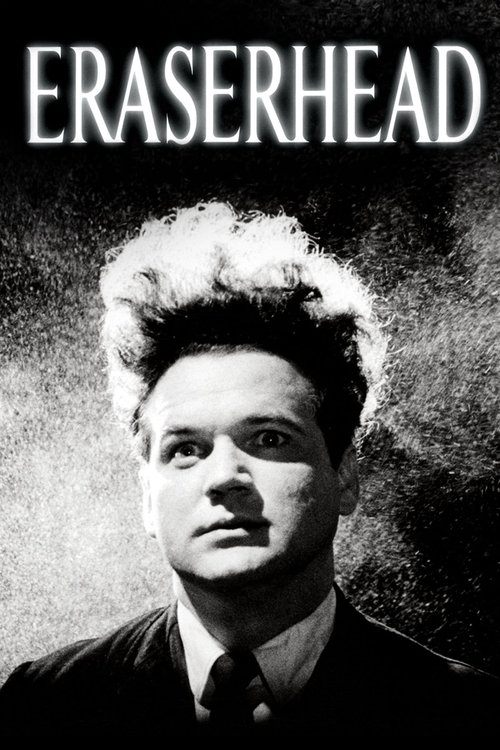
He’s not as prolific as many great directors — and he has almost as many misfires (“Dune,” “Lost Highway,” “Inland Empire”) as he has classics (“Blue Velvet”).
Having watched the movie twice, I find it hard to defend this particular work by an otherwise brilliant director, whose outpuy I have admired for decades, ever since I saw the 1977 “Eraserhead” at a midnight screening.
Lynch only had two previous feature films under his belt, the bizarro cult classic Eraserhead and the more mainstream but fairly small-scale The Elephant Man.
Six months later and the Eraserhead auteur delivered a semi-coherent script which packed on the voiceover narrative, internal monologues, secret thoughts, and arcane design conceits.
Going back to the Rodley book (recently reissued with shockingly comprehensive chapters on Lost Highway, The Straight Story, and Mulholland Drive ), Lynch says he identified with Paul Atreides (Kyle MacLachlan), a political heir who gradually realizes his superheroic potential, for it's written of Paul that "the sleeper has awakened"--the allegorical foundation of every Lynch protagonist up to that point: Eraserhead's Henry, dreaming as the film begins, has his bubble burst when his girlfriend leaves him in charge of their hideously deformed newborn; The Elephant Man 's John Merrick salvages his dignity once he's released from sideshow purgatory 5 ; and Blue Velvet 's Jeffrey--whose existence in screenplay form predates Lynch's involvement in Dune--is a college kid without goals suddenly engaged by his environment when he stumbles on a severed ear.
Take the cultural cues in his work: the Rockwellian Americana he essays in Blue Velvet ; the Bauhaus by way of Antoni Gaudi of Dune ; or the late-Hitchcock identity puzzles he rejiggers in Lost Highway and Mulholland Drive --both commonly seen as satires of what they represent but more accurately described, perhaps, as simple, uncommented-upon representations of what a lower layer of consciousness might consider to be unadorned gospel.