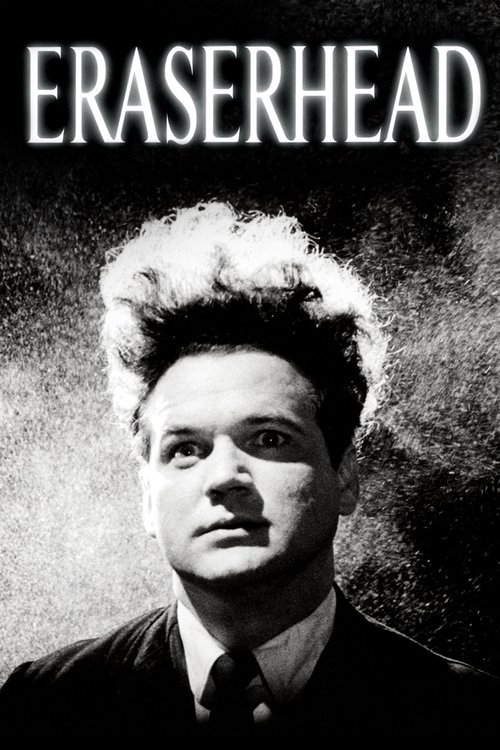
Eraserhead (1977)
Directed by David Lynch
First-time father Henry Spencer tries to survive his industrial environment, his angry girlfriend, and the unbearable screams of his newly born mutant child.
16 connections found
View:
16 films that influenced Eraserhead
What critics say influenced Eraserhead
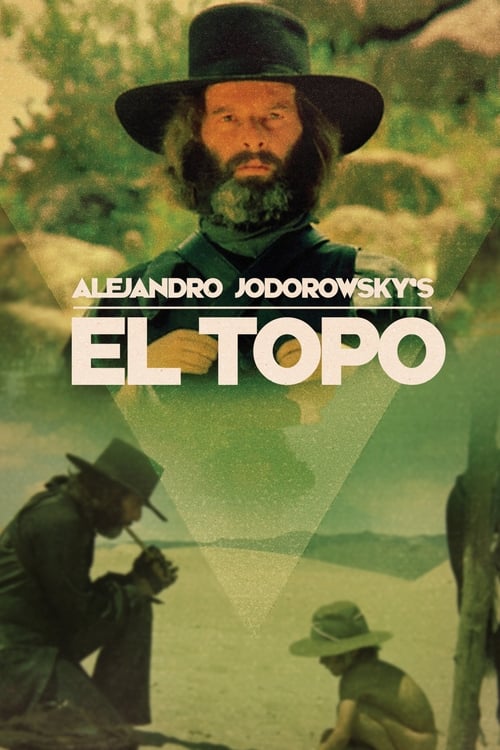


When David Lynch's "Eraserhead" was released in 1978, another of the '70s "midnight movies" ("El Topo," "The Rocky Horror Picture Show") that won fanatical repeat audiences, it still stood apart.
Although part of a larger movement in 1970s American film culture that embraced the concept of “the midnight movie,” turning riotous amateur works like John Waters’s Pink Flamingos (1972), bizarre foreign art films like Alejandro Jodorowsky’s El Topo (1971), and off-beat studio experiments like The Rocky Horror Picture Show (1975) into must-see-multiple-times late-night phenomena, Eraserhead still stands apart, a fitting tribute to its indelible, yet fascinating and unforgettable weirdness.
It is not hard to see why the film became such an immediate counterculture hit at the dawn of the 1970s, a decade that produced some of the most memorable of midnight movies, including John Waters’s 16mm gross-out Pink Flamingos (1972), Jim Sharidan’s campy rock musical The Rocky Horror Picture Show (1975), and David Lynch’s avant-garde freakshow Eraserhead (1977).
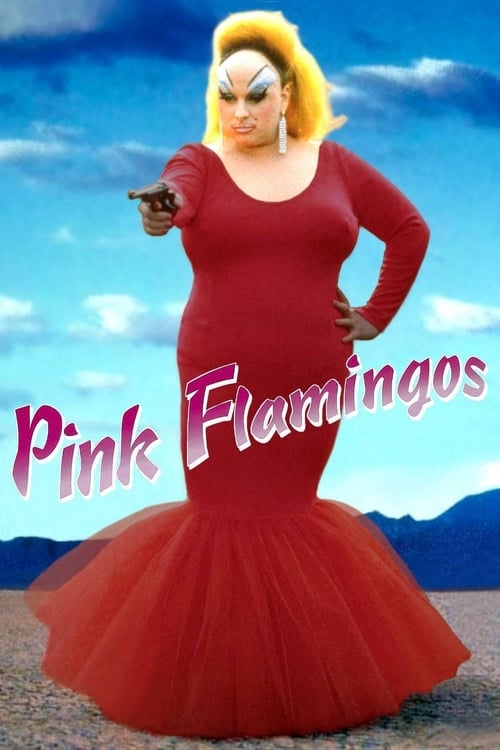
Although part of a larger movement in 1970s American film culture that embraced the concept of “the midnight movie,” turning riotous amateur works like John Waters’s Pink Flamingos (1972), bizarre foreign art films like Alejandro Jodorowsky’s El Topo (1971), and off-beat studio experiments like The Rocky Horror Picture Show (1975) into must-see-multiple-times late-night phenomena, Eraserhead still stands apart, a fitting tribute to its indelible, yet fascinating and unforgettable weirdness.
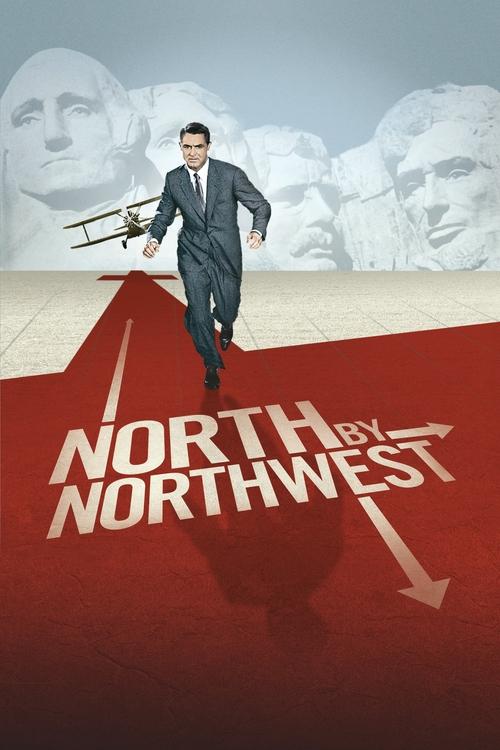
We see a photograph (a woman, Mary X (Charlotte Stewart), missing her head) pieced together in a nest and then the woman is made flesh next to an address (2416), the sum of which, à la Hitchcock's "Eve" numbers in North by Northwest , is thirteen.

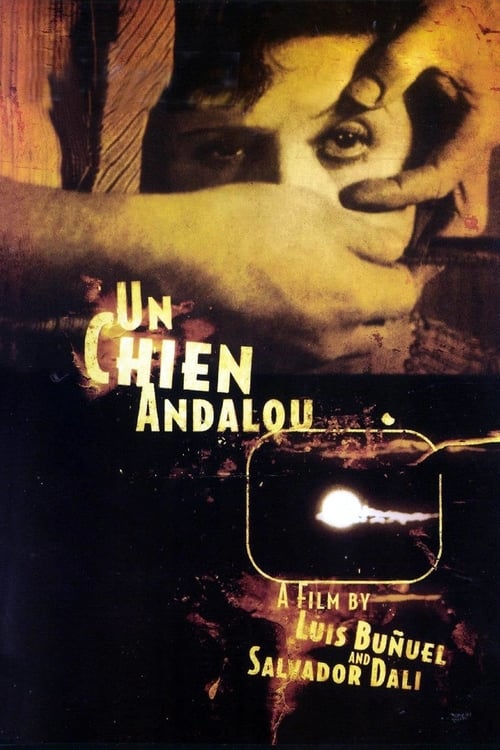
If it’s the dream logic and surreal content that appeal to you here, you’re directed to Eraserhead’s forebears: Luis Buñuel’s Un Chien andalou and L’Âge d’or .
The film reminded me most of the old 1930s exercise in surrealism by Salvador Dali and Luis Bunuel, Un Chien Andalou.

If it’s the dream logic and surreal content that appeal to you here, you’re directed to Eraserhead’s forebears: Luis Buñuel’s Un Chien andalou and L’Âge d’or .
Advertisement
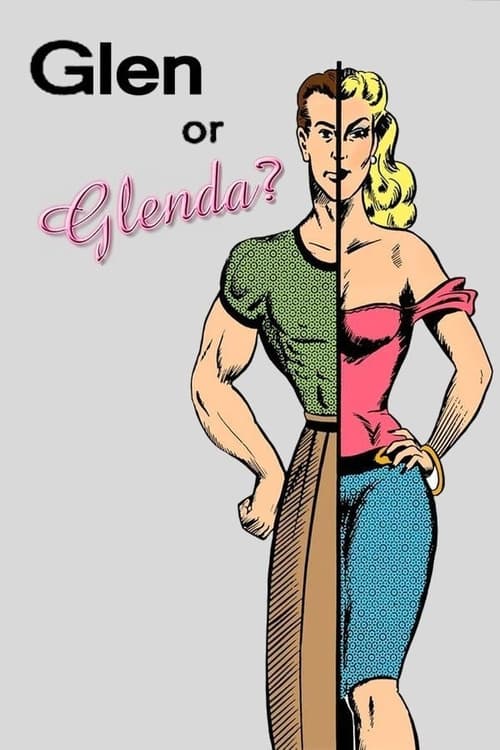
Linking it to Ed Wood’s Glen or Glenda (1953), with Eraserhead’s Man in the Planet (Jack Fisk) standing in for Bela Lugosi’s puppet master from the Wood film—not to mention Eraserhead‘s overall “retro” look—also makes as much sense to me as anything else.
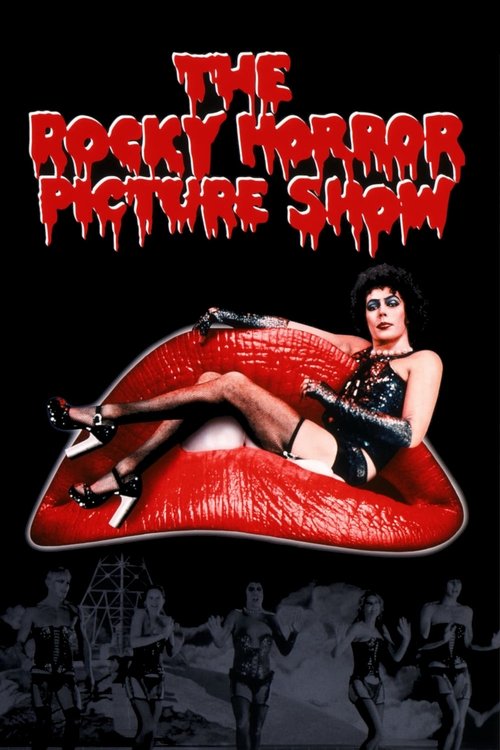
When David Lynch's "Eraserhead" was released in 1978, another of the '70s "midnight movies" ("El Topo," "The Rocky Horror Picture Show") that won fanatical repeat audiences, it still stood apart.
Although part of a larger movement in 1970s American film culture that embraced the concept of “the midnight movie,” turning riotous amateur works like John Waters’s Pink Flamingos (1972), bizarre foreign art films like Alejandro Jodorowsky’s El Topo (1971), and off-beat studio experiments like The Rocky Horror Picture Show (1975) into must-see-multiple-times late-night phenomena, Eraserhead still stands apart, a fitting tribute to its indelible, yet fascinating and unforgettable weirdness.
The fact that it became a huge cult sensation on the midnight movie circuit along with such cinematic oddities as El Topo (1970), The Rocky Horror Picture Show (1975), and Eraserhead (1978) is much less difficult to fathom.

According to the Web site IMDb, Nance was considered for the lead in “The Graduate” – the part that made Dustin Hoffman a star.
Eraserhead is The Graduate--except there's a stage behind the radiator, Katharine Ross turns out to be a bad mommy, and the baby is hideously deformed.
Advertisement
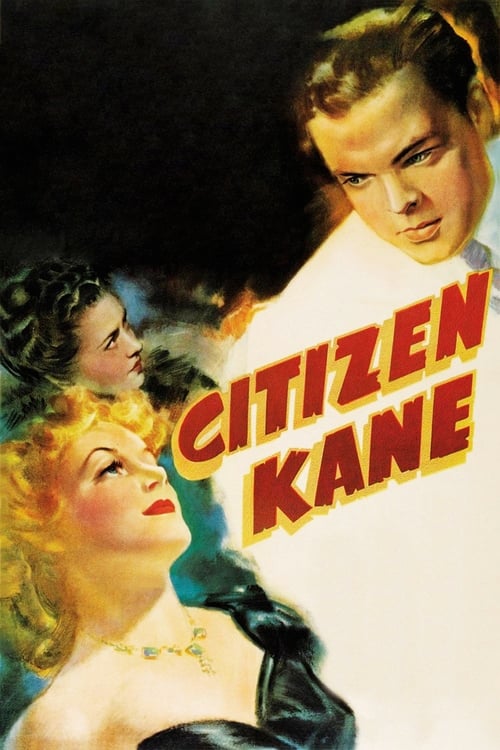
David Lynch's unusual and powerful black-and-white Eraserhead (1977) may be the greatest debut by an American director after Citizen Kane (Cassavetes' Shadows comes a close second).

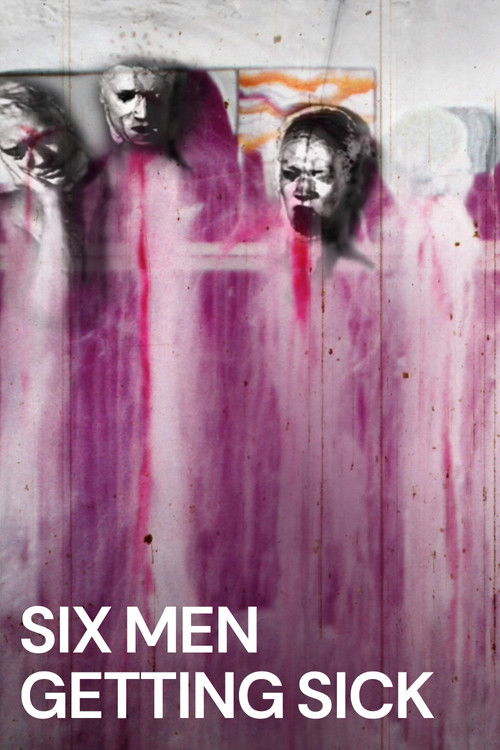
The first Lynch's early student film “Six Men Getting Sick” (1966), a one-minute animation loop repeated several times.
The first disc contains Six Men Getting Sick (1967), The Alphabet (1968), The Grandmother (1970), both versions of The Amputee (1974) and Premonitions Following an Evil Deed (1995), all of which make Eraserhead seem accessible and commercial by comparison.
It also feature 2K restorations of six Lynch shorts, all previously released by Lynch on DVD, with brief video introductions to each by the director: Six Men Getting Sick (1966), an animated (and self-explanatory) art-installation; The Alphabet (1968), a strange mix of live action and animation; the weird fairy tale The Grandmother (1970), The Amputee, Version 1 (1974) and The Amputee, Version 2 (1974), both starring future log lady Catherine Coulson, and Premonitions Following an Evil Deed (1996), his deliriously weird and unsettling 52-second piece shot on the 19th century Lumiere camera for the anthology film Lumiere and Company.
And so a filmmaker was born, and the sick men of this debut would lead inexorably – after an even more elaborate short, The Grandmother (1970) – to the sick baby in his extraordinary first feature Eraserhead (1977), revealed under its swaddling bandages to be all insides.

The first disc contains Six Men Getting Sick (1967), The Alphabet (1968), The Grandmother (1970), both versions of The Amputee (1974) and Premonitions Following an Evil Deed (1995), all of which make Eraserhead seem accessible and commercial by comparison.
It also feature 2K restorations of six Lynch shorts, all previously released by Lynch on DVD, with brief video introductions to each by the director: Six Men Getting Sick (1966), an animated (and self-explanatory) art-installation; The Alphabet (1968), a strange mix of live action and animation; the weird fairy tale The Grandmother (1970), The Amputee, Version 1 (1974) and The Amputee, Version 2 (1974), both starring future log lady Catherine Coulson, and Premonitions Following an Evil Deed (1996), his deliriously weird and unsettling 52-second piece shot on the 19th century Lumiere camera for the anthology film Lumiere and Company.
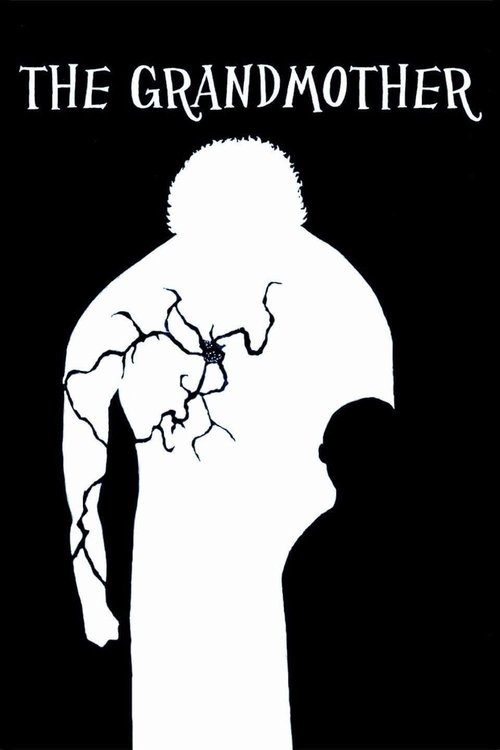
“The Grandmother” (1970, 33 min) was Lynch's first lengthier film and proved an effective calling card for his tenure at AFI. “The Amputee” (1974, 4 or 5 min.) is presented in two versions of slightly differing lengths and was basically a footage test that Lynch turned into a creepy exercise.
Backed by expressionistic sets, spare lighting and in-film bulbs that sputter and hiss, as well as Lynch?s own buzzing mechanical score -- he has composed an Industrial Symphony No. 1 for experimental theater -- this bizarre controversial feature début is in line with the then Philadelphia art student?s earlier animated-and-live The Grandmother, thirty-five minutes about an unhappy incontinent child who grows an idealized grandmother from a pod.
The first disc contains Six Men Getting Sick (1967), The Alphabet (1968), The Grandmother (1970), both versions of The Amputee (1974) and Premonitions Following an Evil Deed (1995), all of which make Eraserhead seem accessible and commercial by comparison.
It also feature 2K restorations of six Lynch shorts, all previously released by Lynch on DVD, with brief video introductions to each by the director: Six Men Getting Sick (1966), an animated (and self-explanatory) art-installation; The Alphabet (1968), a strange mix of live action and animation; the weird fairy tale The Grandmother (1970), The Amputee, Version 1 (1974) and The Amputee, Version 2 (1974), both starring future log lady Catherine Coulson, and Premonitions Following an Evil Deed (1996), his deliriously weird and unsettling 52-second piece shot on the 19th century Lumiere camera for the anthology film Lumiere and Company.

“The Grandmother” (1970, 33 min) was Lynch's first lengthier film and proved an effective calling card for his tenure at AFI. “The Amputee” (1974, 4 or 5 min.) is presented in two versions of slightly differing lengths and was basically a footage test that Lynch turned into a creepy exercise.
The first disc contains Six Men Getting Sick (1967), The Alphabet (1968), The Grandmother (1970), both versions of The Amputee (1974) and Premonitions Following an Evil Deed (1995), all of which make Eraserhead seem accessible and commercial by comparison.