

Luis Buñuel
77 connections found
Filmography
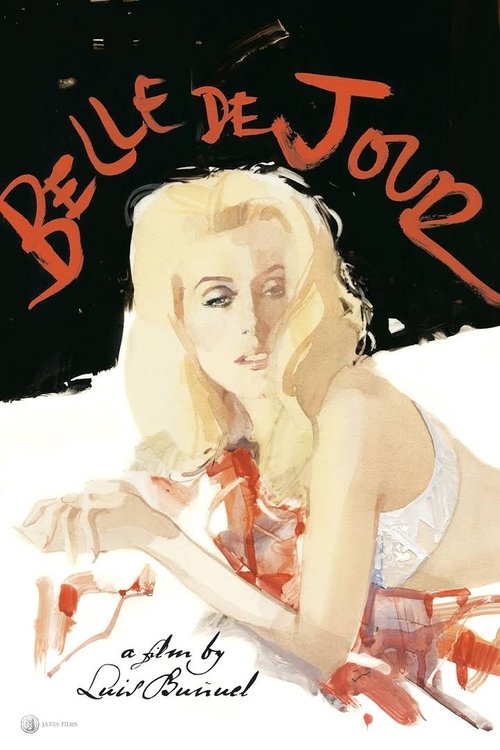 Belle de Jour 1967
  The Discreet Charm of the Bourgeoisie 1972
 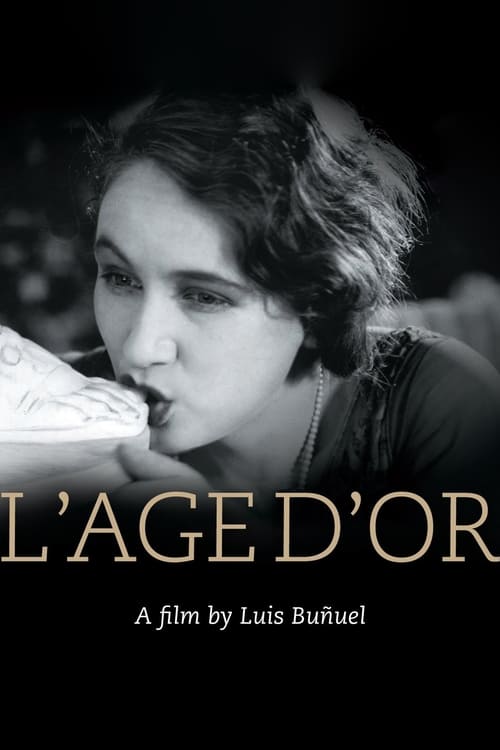 L'Âge d'or 1930
 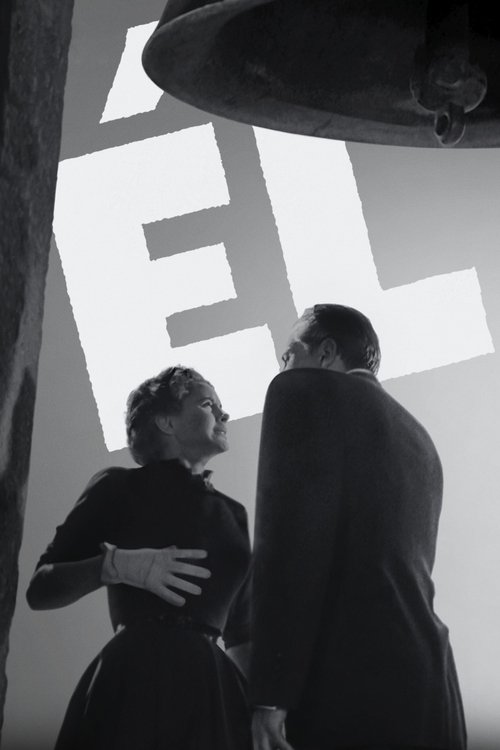 Él 1953
 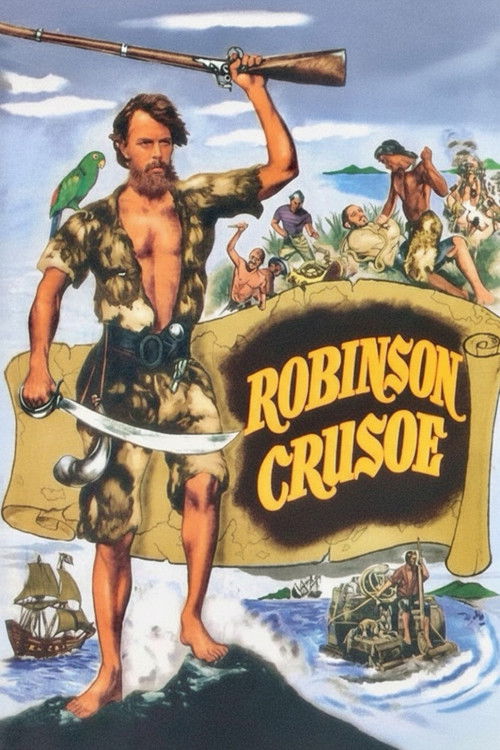 Robinson Crusoe 1954
  Un Chien Andalou 1929
  The Young and the Damned 1950
  The Exterminating Angel 1962
  Nazarín 1959
  That Obscure Object of Desire 1977
  Viridiana 1962
  The Young One 1960
  Tristana 1970
 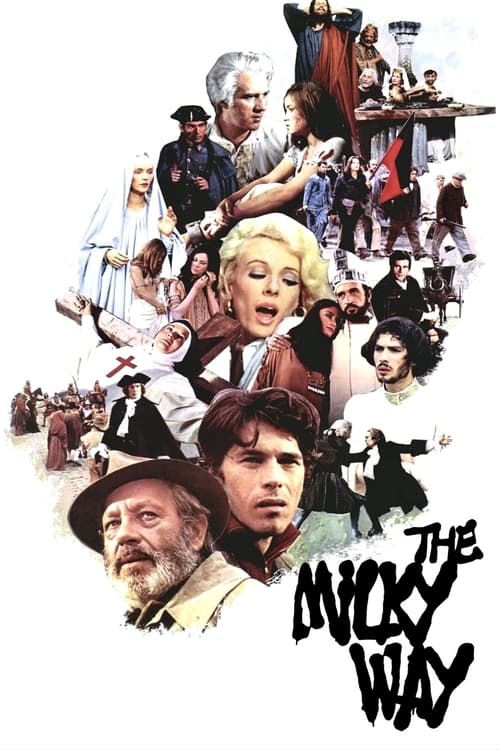 The Milky Way 1969
 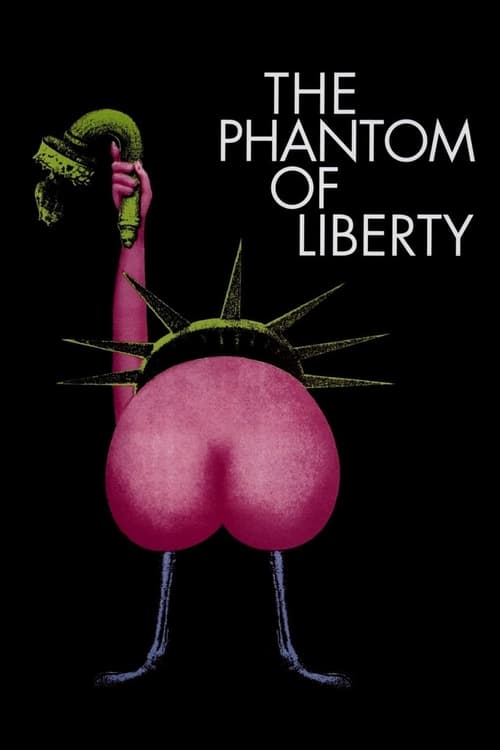 The Phantom of Liberty 1974
 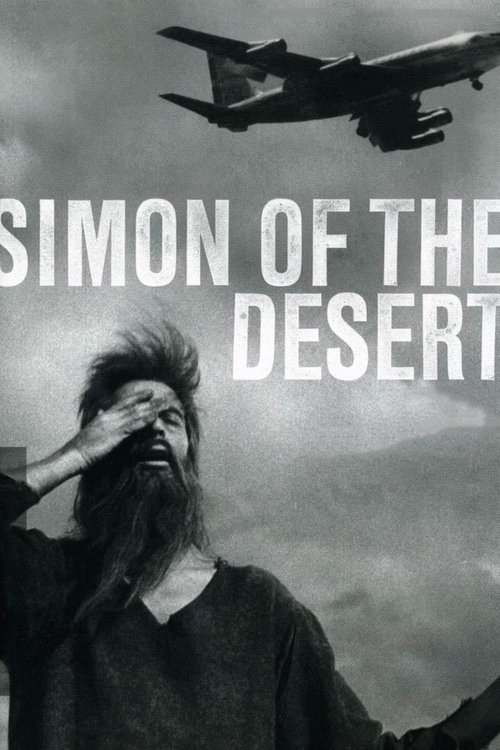 Simon of the Desert 1965
 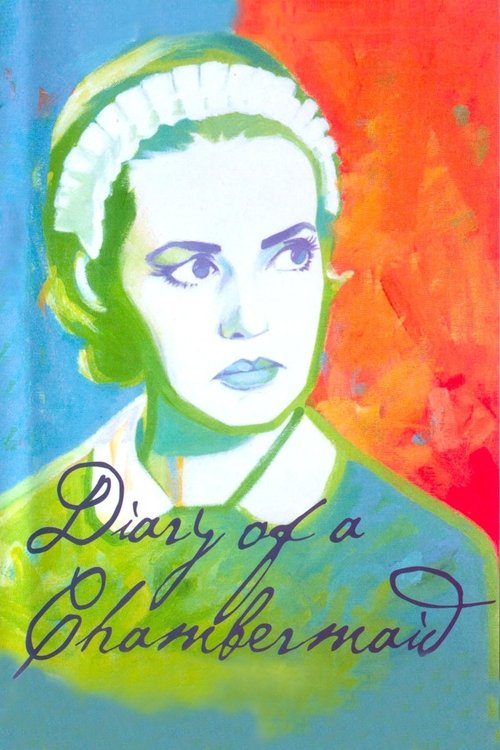 Diary of a Chambermaid 1964
 View:
Connections, in both directions
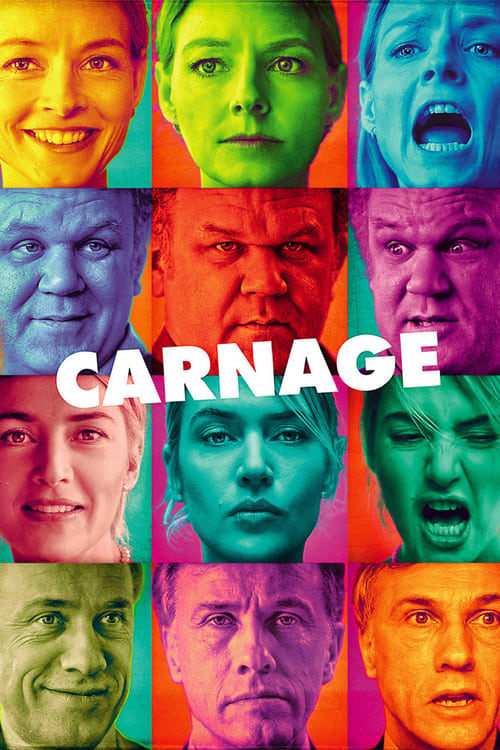
Carnage (2011)
Directed by Roman Polanski
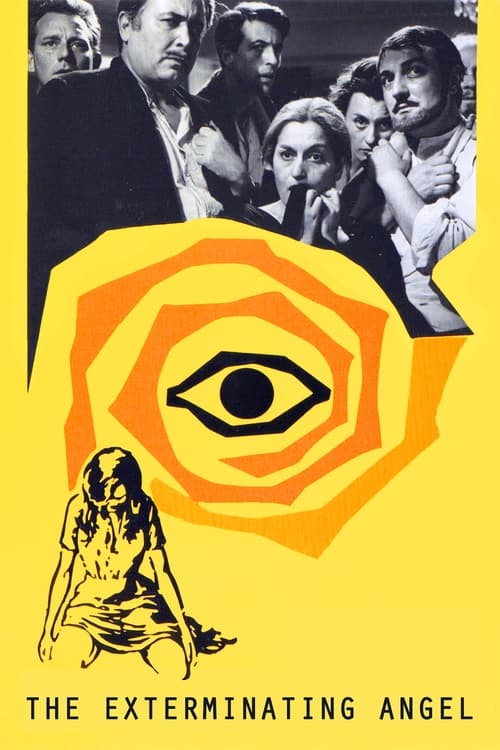
influenced by The Exterminating Angel (1962), The Discreet Charm of the Bourgeoisie (1972)
Plot Themes


Too bad it gets repetitious, but not in a good way, like, say, Luis Buñuel's The Exterminating Angel.
And strangely—as if the characters were trapped in Luis Buñuel’s The Exterminating Angel (1962)—the Cowans appear to be unable to leave the Longstreets’ apartment.
Watching "Carnage," I couldn't help thinking about, in reverse alphabetical order, "Who's Afraid of Virginia Woolf?," "Six Degrees of Separation," "Lord of the Flies" and "The Exterminating Angel."
As for Polanski, he masterfully orchestrates all the mind-game mayhem — at times, the scenario recalls a more grounded version of Luis Bunuel's surrealist romps The Exterminating Angel and The Discreet Charm of the Bourgeoisie — although he above all filmmakers constantly reminds us how important it is to separate the artist's personal life from his public offerings.
Then they have trouble leaving one another's company — any relation to Luis Buñuel's The Exterminating Angel is worth speculating on.
Nothing gives this trick away (the superb if limited production design is by Dean Tavoularis, of "The Godfather" and "Apocalypse Now"), but the awareness of this illusion likely helped the actors embrace the story's absurd theatrical conceit, which merges the verbal sadomasochism of "Who's Afraid of Virginia Woolf" with the why-don't- they-just-leave-the-room unreality of Buñuel's "The Exterminating Angel."
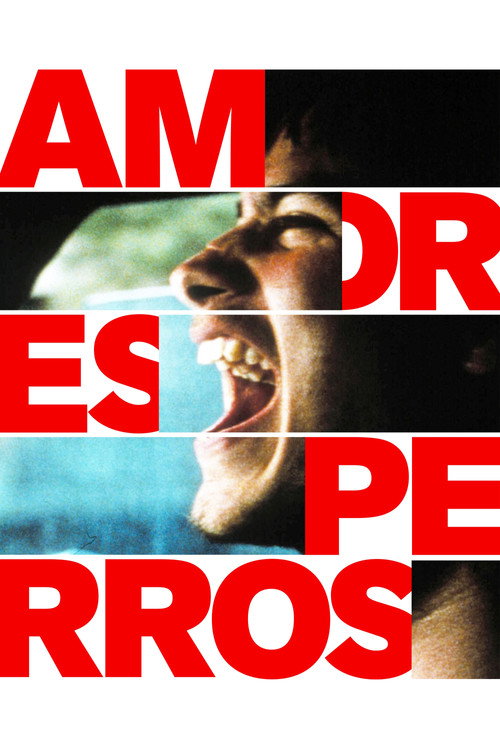
Amores Perros (2000)
Directed by Alejandro G. Iñárritu
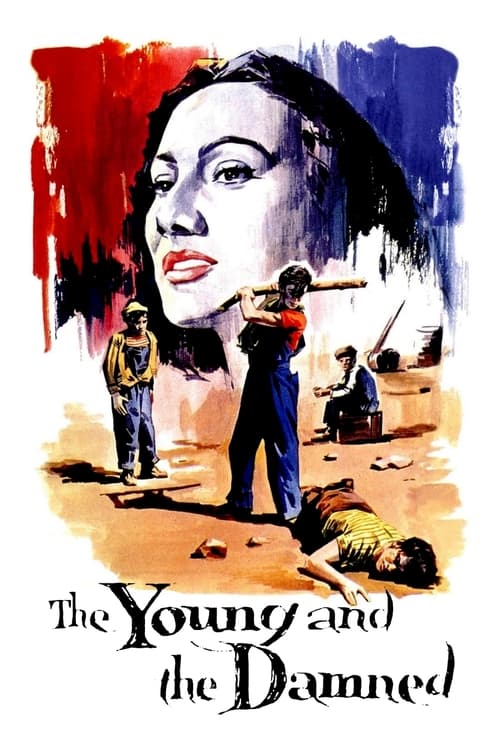
influenced by Tristana (1970), The Young and the Damned (1950)
Themes Visuals
As other commentators have noted, the filmmakers could well be paying homage to Luis Bun~uel, "Tristana" in particular, as this sequence unfolds with pitch-dark humor as two heretofore fortunate and privileged people have been protected from the shallowness of their feelings for each other.
Fans of Bunuel’s 1970 film, “Tristana,” will see Bunuel’s influence all over this story, but Inarritu nevertheless makes it his own as he eventually connects it to the film’s final act, “El Chivo and Maru.”
A triptych of stories of dog owners set in a Mexico City that makes the metropolis of Luis Buñuel�s Los olvidados look quaint, Amores opens in medias mess as a car containing two fleeing youths and a bleeding rottweiler collides with another containing a model and her pampered Lhasa apso.
Give me the less pat Los Olvidados instead, but this pumped telenovela is very much the film Kieślowski would have made had he followed Buñuel's lead and voyaged to Mexico.
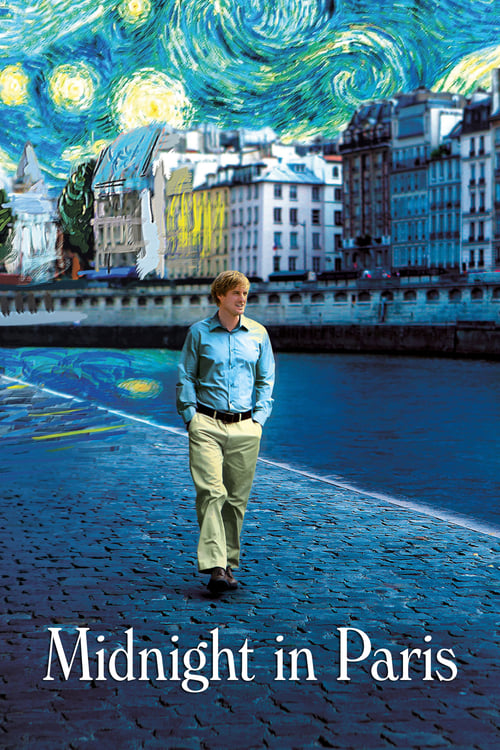
My favorite sequence was a snappy reference to Luis Buñuel’s masterpiece The Exterminating Angel in a hilarious encounter between Gil and the elite director.
Allen tweaks cinematic history by having Gil suggest the plot of "The Exterminating Angel" to Dali's pal Luis Bunuel (Adrien de Van, "In My Skin") who fails to see any sense in it while Man Ray (Tom Cordier) finds nothing odd about Gil's tale of time travel ('But you're a surrealist!' replies Gil).
There, he boozes it up with Ernest Hemingway (Corey Stoll, killing it), finds a first reader for his manuscript in Gertrude Stein (Bates), and on a lark pitches future filmmaker Luis Buñuel the plot of the eternally baffling The Exterminating Angel ("But what does it mean?!" Buñuel puzzles after him – indeed).
After the stroke of midnight, Gil is transported to the Paris of the 1920s, where he rubs psyches with Fitzgerald, Hemingway, Gertrude Stein, Picasso, Dali, Luis Bunuel, et al. (There's a playful allusion to Bunuel's classic The Exterminating Angel, 1962).
And it’s in the film’s most irreverent, introspective moment that Gil pitches Buñuel the idea for the Spanish filmmaker’s own The Exterminating Angel , whose story, about upper-class types unable to leave the prison of their own making, is believable as an account of Gil’s own life.
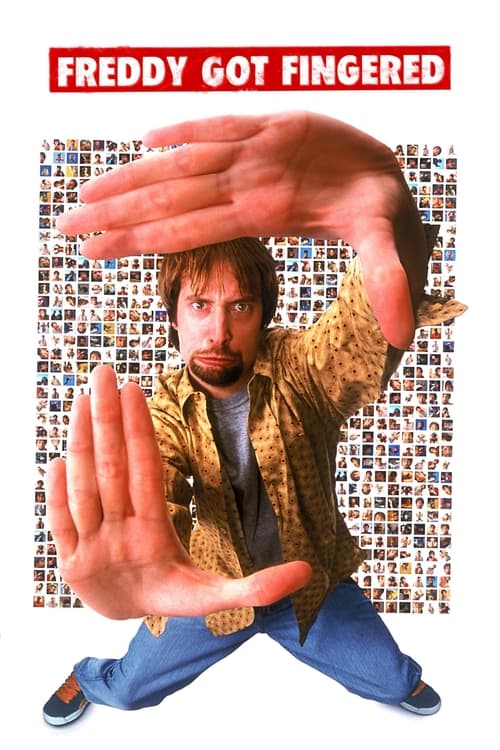
Freddy Got Fingered (2001)
Directed by Tom Green
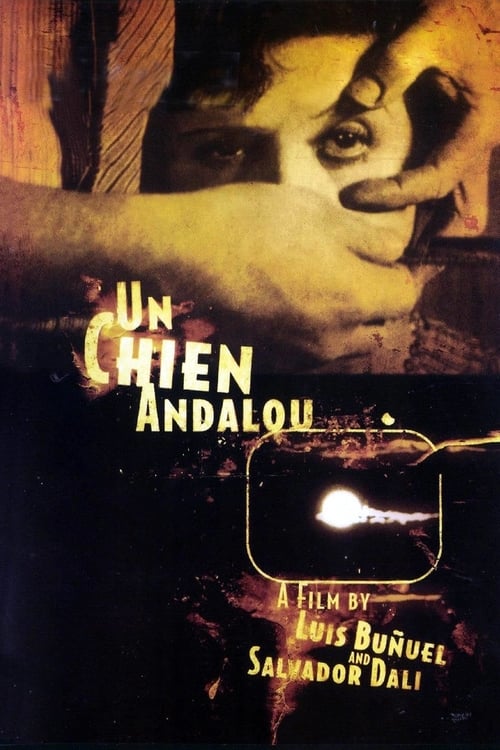
influenced by Un Chien Andalou (1929)
Visuals Themes
It does owe more to the 1929 short "Un Chien Andalou," in which a pig�s eyeball is sliced, than it does to There�s Something About Mary or the slew of raunchy comedies that have been released since (just think of recent ones: Say It Isn�t So , Tomcats , Joe Dirt, etc., etc., ad nauseam).
Tom Green's Freddy Got Fingered is the most startling debut since Luis Buñuel's Un chien andalou, with which it has a few things in common: both are constructed with a wilful disdain towards narrative; both are aimed at the outer limits of shocking imagery; both display an open hostility for the cultural status quo; and both joke on their audience's entrenched preconceptions of film form.
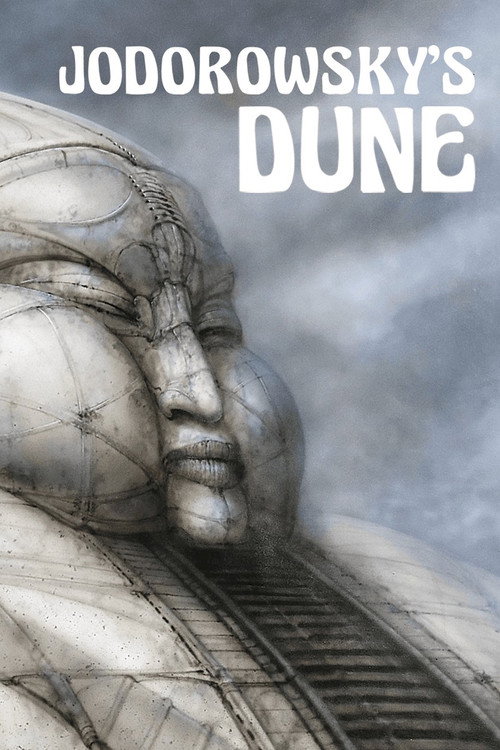
The documentary's contention that Jodorowsky's early films inspired riots could be cribbed from tales from the L'age d'or/Werner Herzog oral history.
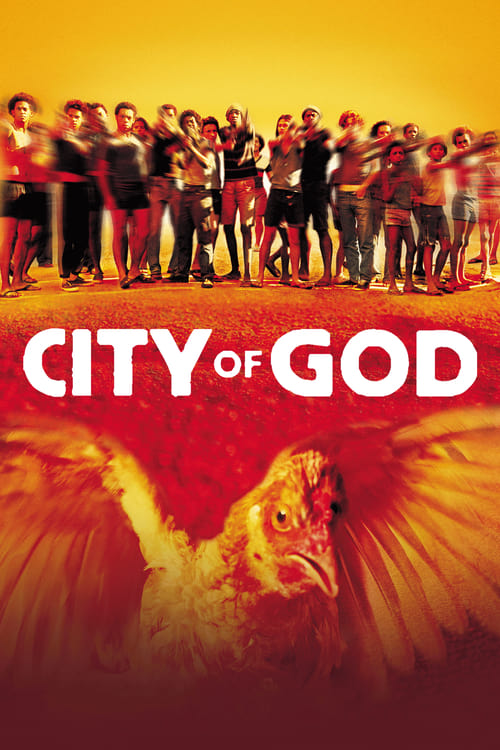
City of God (2002)
Directed by Fernando Meirelles
influenced by The Young and the Damned (1950)
Themes Visuals
I was prepared to see something akin to Hector Babenco's "Pixote" or Luis Bunuel's "Los Olvidados", but was disappointed to discover that the film had more in common with Quentin Tarentino.
Age-wise, some of the killers are in the mid-single digits, but City of God isn’t played as a tragedy of lost youth, like Los Olvidados (1950) or Pixote (1981).
The filmmakers also texture the narrative with the same gritty documentary feel that Bunuel achieves in his devastating Los Olvidados by using many non-actors from the actual City of God neighborhood with hand held cameras while effectively incorporating better aspects of Tarantino's Pulp Fiction narrative structure.
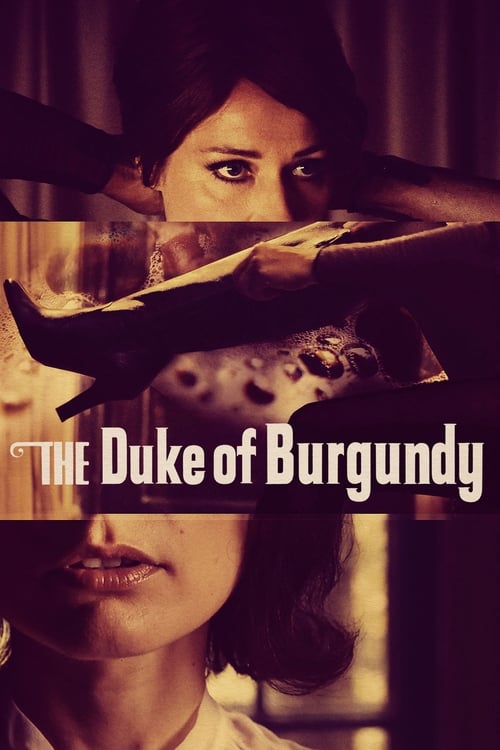
Honest about his influences, he cites soft-core Europorn from the ’60s and ’70s as inspiration for this oddly affecting tale, hat-tipping such films as Luis Buñuel’s Belle de Jour, Rainer Werner Fassbinder’s The Bitter Tears of Petra von Kant and Jess Franco’s A Virgin Among the Living Dead.
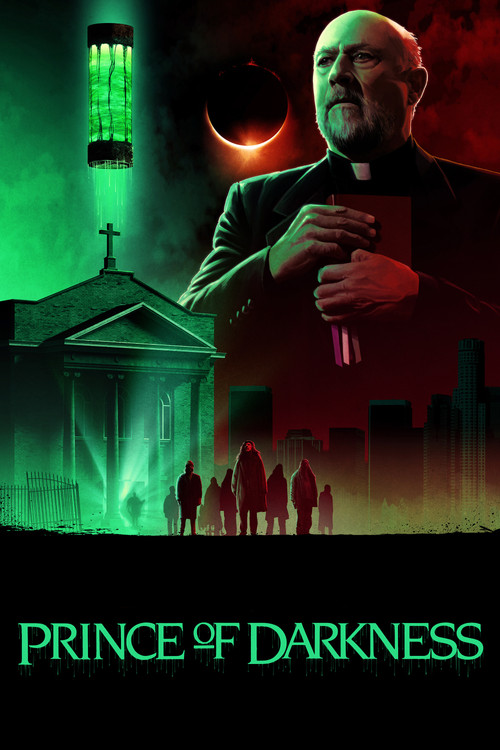
Researchers fall, evil keeps taking on new forms, and Carpenter has great fun setting up the scares in scenes that pay homage to Luis Buñuel’s “Un Chien Andalou,” Jean Cocteau’s Orpheus, and other films that created a sense of the otherworldly on a limited budget.
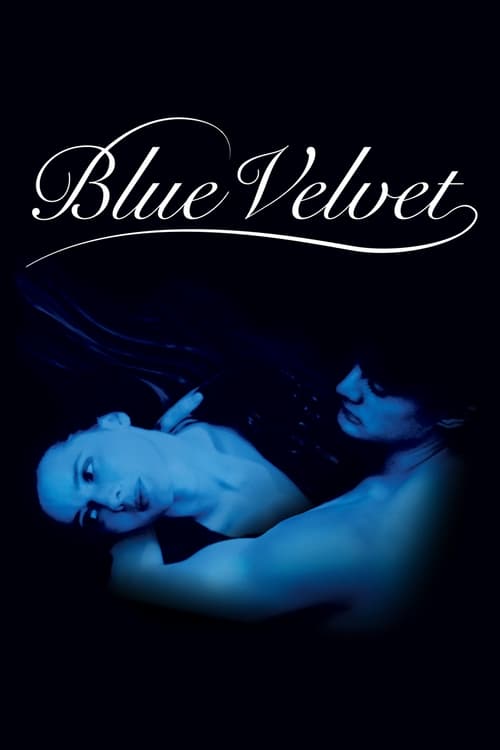
Jeffrey discovers a severed, ant-infested human ear near a grassy trail (Lynch's homage to Buñuel's Un Chien Andalou ), bringing it to the attention of the local police chief.
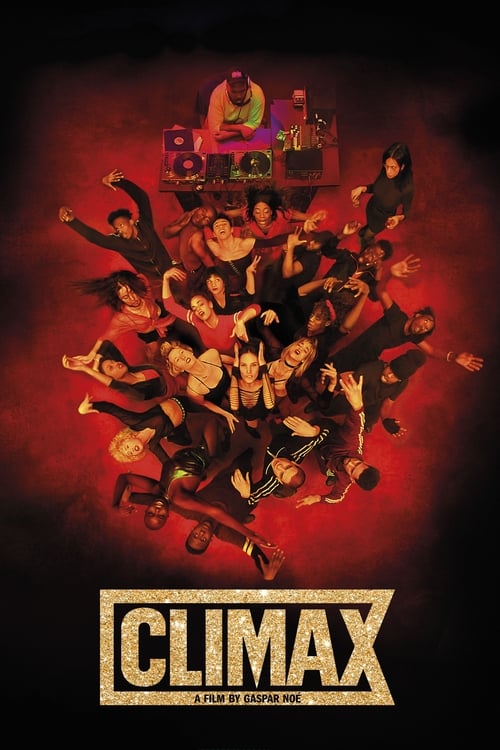
Climax (2018)
Directed by Gaspar Noé
influenced by Un Chien Andalou (1929), The Exterminating Angel (1962)
Plot
Even as Psyche expresses this anxiety about falling under the influence of a film as much as of drugs, her interview, and those of the other dancers, are shown on a television set alongside a pile of videos whose titles – Suspiria, Possession, Hara-Kiri, Querelle, La Maman et la Putain, Un Chien Andalou, Labyrinth Man (i.e. the French title of Eraserhead) – will also cast a dark spell over what follows, dosing the narrative of Climax with their own specific motifs and moods (chiefly free love, writhing hysteria, disorientation and danses macabres, infanticide, suicide and transcendence).
There are VHS copies of Suspiria, Un Chien Andalou, Salò and Harakiri, and books by Nietzsche and on Taxi Driver , Murnau and Fritz Lang.
From here, we flash back to the beginning; a series of taped audition interviews with dancers, played on an old TV (it’s the mid-1990s) alongside which sit VHS tapes of extreme cinema favourites: Argento’s Suspiria , Pasolini’s Salò, Lucio Fulci’s Zombie, Buñuel’s Un Chien Andalou – all indications of what is to come.
Chaos, of course, will reign in Noé’s film, which takes place in a kind of purgatorial space not unlike the one at the center of Buñuel’s The Exterminating Angel , where a privileged group is unable—or, more likely, unwilling—to leave a drawing room that comes to reflect a world’s ills.
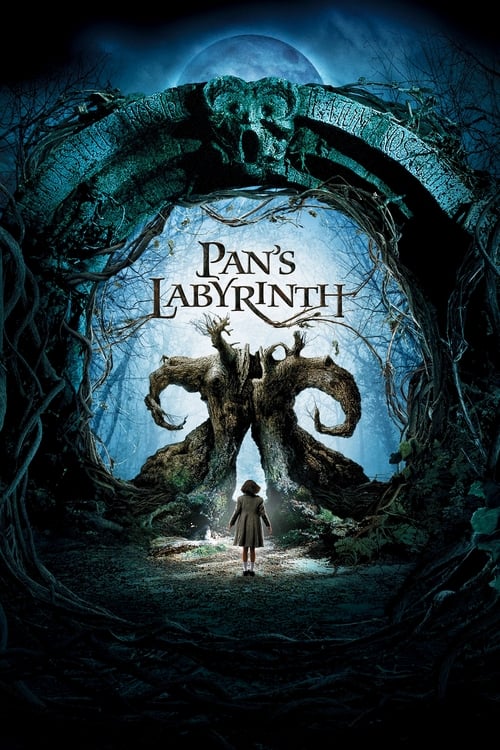
Pan also evokes Bu/+/-uel -- sometimes very directly, such as in the image of Captain Vidal (Sergi Lopez) with a straight razor in hand and a cigarette in his mouth, deliberately recalling Un Chien Andalou (1927) -- but more gracefully, more organically.
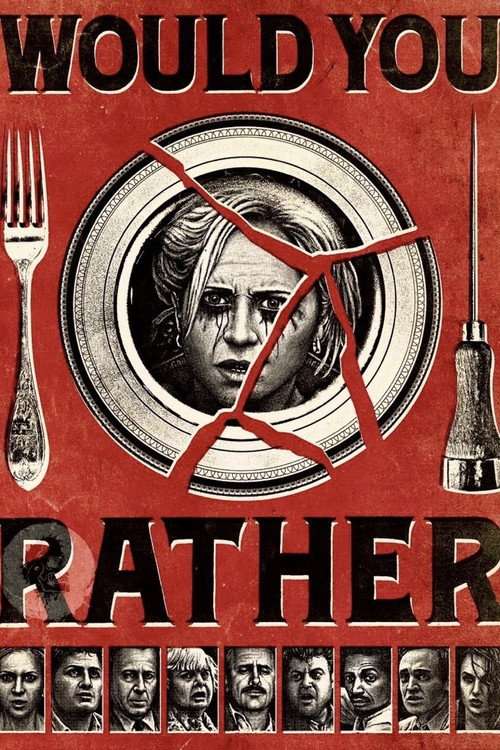
The others are subjected to electroshock treatments, whippings, stabbings with an ice pick, the slicing open of an eyeball with a razor blade (cringeworthy, but hardly original; people who saw Un Chien Andalou have cringed already) and drowning by submerging one’s head in a barrel of water for two minutes.
What it inspires is morbid curiosity (will that guy actually perform an un chien andalou on his own eyeball?), which isn't the same thing.
And hey, that's good to know since Smith tells us that the idea of moviegoing will probably be dead in a few years -- a view accompanied by scenes from Bunuel's Un Chien Andalou .
A clip from Bunuel’s Un Chien Andalou – the straight razor slicing an eye open – plays out in successive gross-out scenes: A close-up of Smith having his shoes vomited on in the club; then later, our pretty hero stepping into dog leavings.
Porn and horror film violence have always shadowed art cinema, and in films as varied as Un chien andalou, Meshes of the Afternoon, Saló, Hiroshima mon amour, Persona, and Prénom Carmen, art cinema claims the power to depict the most extreme human behavior in a coherent, mediated way, incorporating but going beyond the capacity of marginal sensationalist genres.
This cinematic tradition can be traced back at least as far as 1929, when Luis Buñuel and Salvador Dalí began their surrealist classic Un Chien Andalou with a depiction of a man slicing a woman's eyeball open.
Her despair promptly ferments into a passionate hatred for her husband, who she subjects to prolonged torture after mutilating herself in a scene so shocking it makes the eye-slicing scene from Luis Bunuel's Un chien andalou (1929) look like a Hi-5 dance routine.
She does touch upon how the trio influenced each other's art (Buñuel only through his short film cowritten with Dalí, "Un Chien Andalou," which the Andalusian García Lorca interpreted as a rebuke).
That last image is from Luis Bunuel’s 1929 surrealistic classic “Un chien andalou,” which the director co-wrote with painter Salvador Dali.
And Morrison dares to throw Buñuel's "Un Chien Andalou" into the mix (and onto the screen), giving the famous experimental short a context heretofore unknown to most viewers.
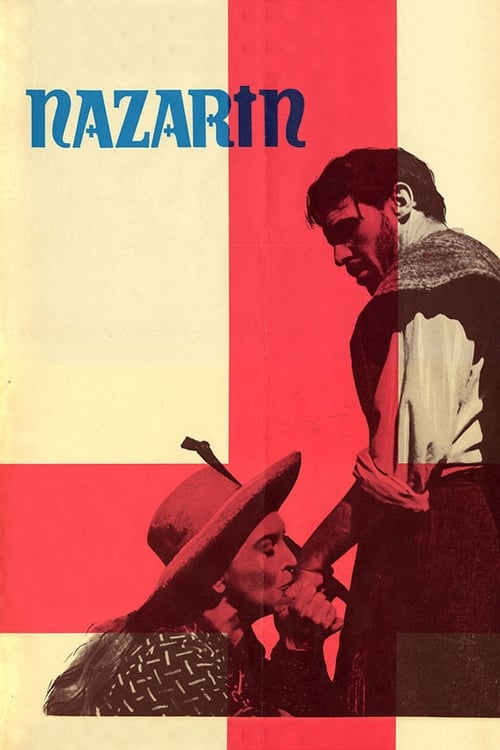
Luis Buñuel's Nazarín similarly wears its director's spiritual baggage, but it's also a daring, humanist study of the very masochism that remains unaddressed in Gibson's film (not to mention, how it continues to eat away at the Catholic church).
The Wailing (2016)
Directed by Na Hong-jin
influenced by The Discreet Charm of the Bourgeoisie (1972)
Mr. Na enjoys overt directorial misdirection as well; early on, the scenes that end with Jong-gu waking in a panic from a bad dream are numerous enough to remind one of Luis Buñuel’s “The Discreet Charm of the Bourgeoisie.”

In its best moments, it brings to mind none other than Buñuel’s Un Chien Andalou (available here ; watch it, because if you haven’t seen Un Chien Andalou, you haven’t seen jack).

The killer videotape itself is an almost indescribable non-narrative montage in grainy black-and-white — a woman in a mirror, a man at a window, a ladder against a wall, a centipede crawling from beneath a table and “the ring,” a circle of light resembling the corona of a solar eclipse — that strongly suggests such key surrealist works as Maya Deren’s “Meshes in the Afternoon” or Luis Buñuel’s collaboration with Dalí, “Un chien andalou.”
Saying that, "Gummo," is reminiscent of the mindblowing, controversial, virtuoso 1928 short film, "Un Chien Andalou," by Luis Bunuel and Salvador Dali, which is now considered a classic, is probably the highest compliment I could give it.