
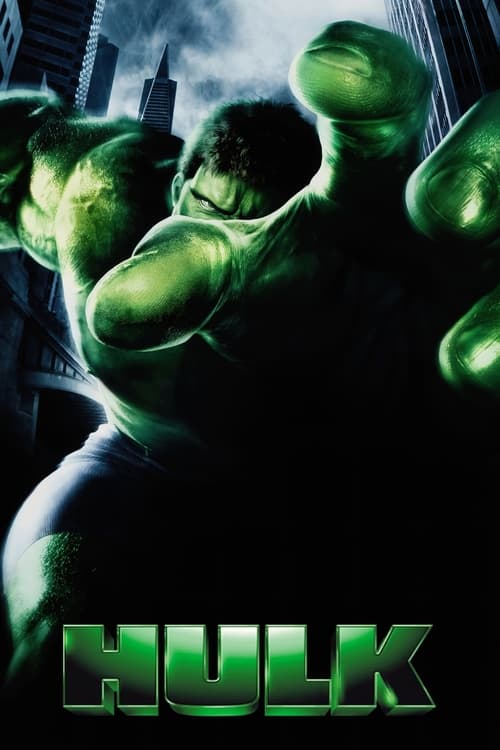
Hulk (2003)
Directed by Ang Lee
Bruce Banner, a genetics researcher with a tragic past, suffers massive radiation exposure in his laboratory that causes him to transform into a raging green monster when he gets angry.
40 connections found
View:
40 films that influenced Hulk
What critics say influenced Hulk
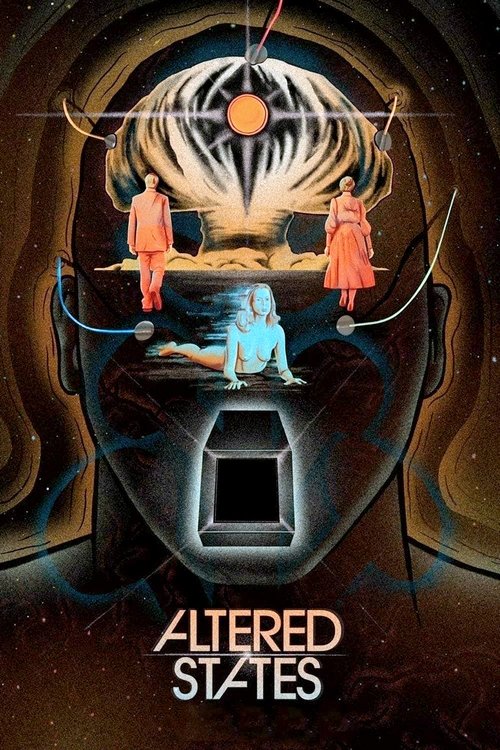


The film's notion of taking the story to its Jekyll and Hyde roots (and, in the process, echoing such modern devil-inside-me takes as Altered States, which Hulk both visually and thematically evokes) is a good one.
"Hulk" also tears a few pages out of Paddy Chayefsky's "Altered States" with its isolation tanks, twisting limbs and trippy hallucinations (jellyfish hover over a desert plain, frogs explode, neon-colored cells multiply under a microscope), yet it can't reproduce the love story between two geniuses that was at the core of Chayefsky's terrifying tale.
As represented by the title, Hulk isn’t a physical thing – it’s a mentality, an idea, manifest of the materials implicit evolutionary connotations (an equally appropriate title had already been used, that being Ken Russell’s Altered States).
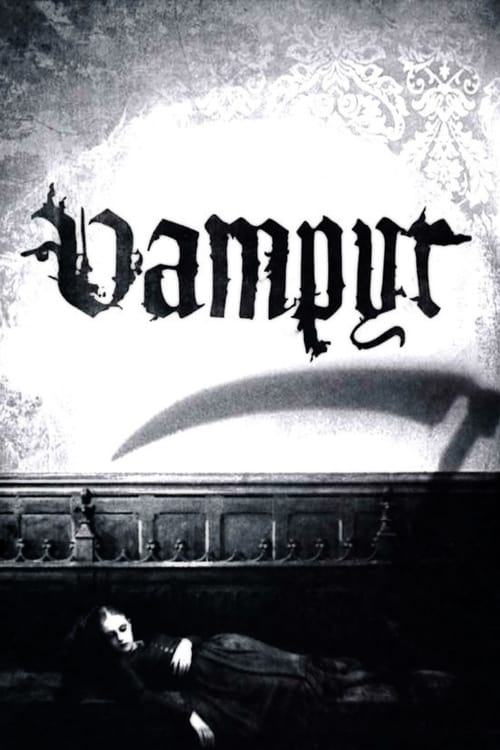
Like him or not, Lee knows his predecessors, Hulk’s indebtedness to the surreal drama of the 1930’s horror lexicon knowingly indicated by two shots – one of the Hulk, one of Bruce Banner – lifted from Whale’s Bride of Frankenstein and Dreyer’s Vampyr (not to mention Jennifer Connelly, channeling countless damsels from decades past with a new sense of modern feminine empowerment).
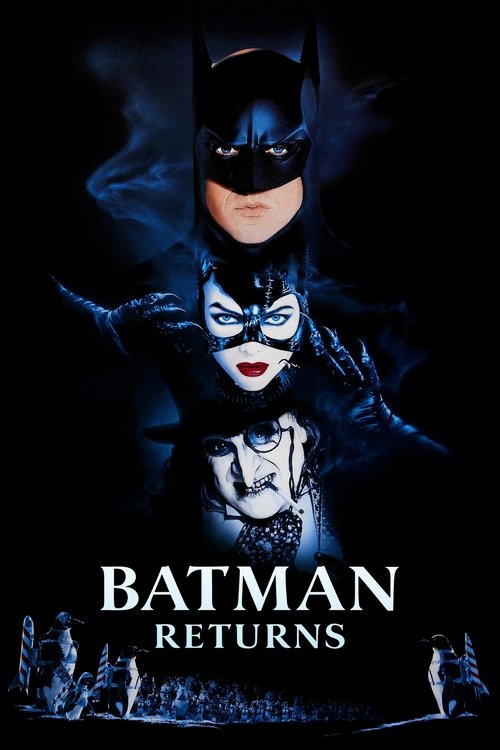
Like Tim Burton’s Batman Returns, Hulk is a superhero movie only incidentally about superheroes, the visceral flights of fancy a mere manifestation of the core themes of parent/child conflicts and the resulting scarring.
Strong characterizations and meaty themes can carry comics movies as well as they do domestic dramas, as Batman Returns and Daredevil have shown.
The best comic-book movies — Tim Burton’s “Batman,” the Catwoman sections of “Batman Returns,” and Bryan Singer’s first “X-Men” — sprang from heroes who were working out their childhood traumas and the pain of being “different.”

Still, this jagged and highly unstable work, bubbling in a stew of Freud and crackpot science, is the oddest mix of concussive escapism and psychological duality since Tim Burton's "Batman."
Not since Tim Burton resuscitated the genre with "Batman" has a director so managed to put his own stamp on a superhero film and make the old seem new again.
Sometimes, it's the artifact, which gets changed for the better -- witness Tim Burton's work in the original Batman.
The best comic-book movies — Tim Burton’s “Batman,” the Catwoman sections of “Batman Returns,” and Bryan Singer’s first “X-Men” — sprang from heroes who were working out their childhood traumas and the pain of being “different.”
Lee also makes “The Hulk” perhaps the most stylized comic book film since Tim Burton’s 1989 “Batman.”
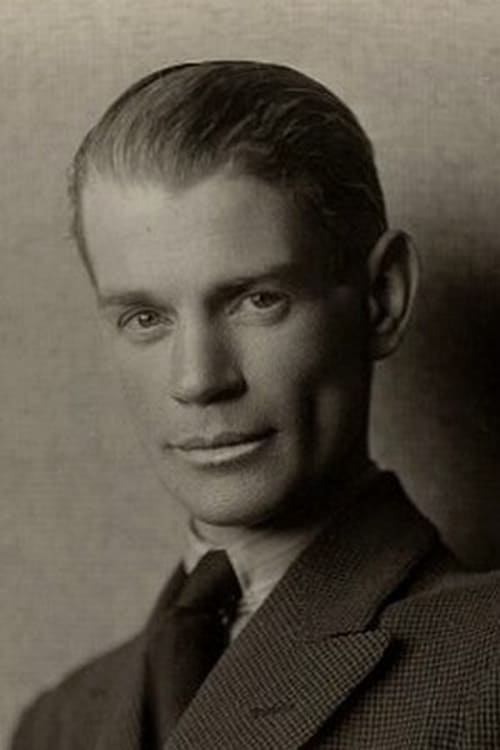
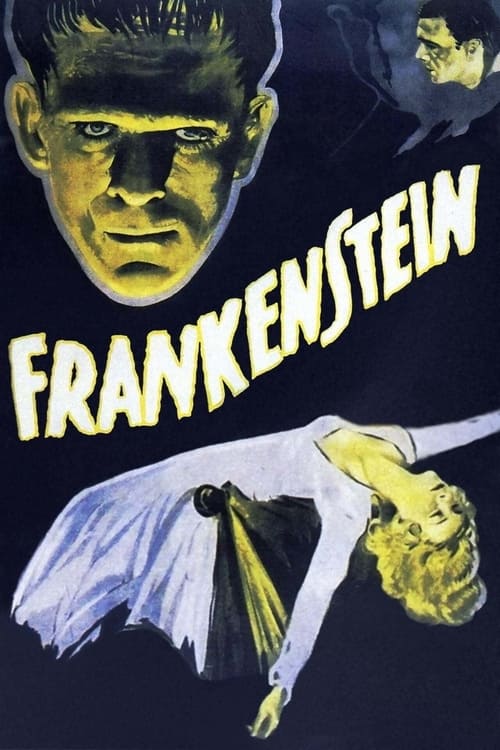
Mostly, “The Hulk” reminds you of other, better movies you wish you were watching: David Cronenberg’s moving “The Fly,” “Frankenstein” with Boris Karloff (the actor who makes CGI seem forever a paltry thing), and John Guillermin’s lovely remake of “King Kong.”
Monstrously large, the comic-book Hulk was a descendant of the creature played by Boris Karloff in James Whale's "Frankenstein," newly pumped up for the atomic age.
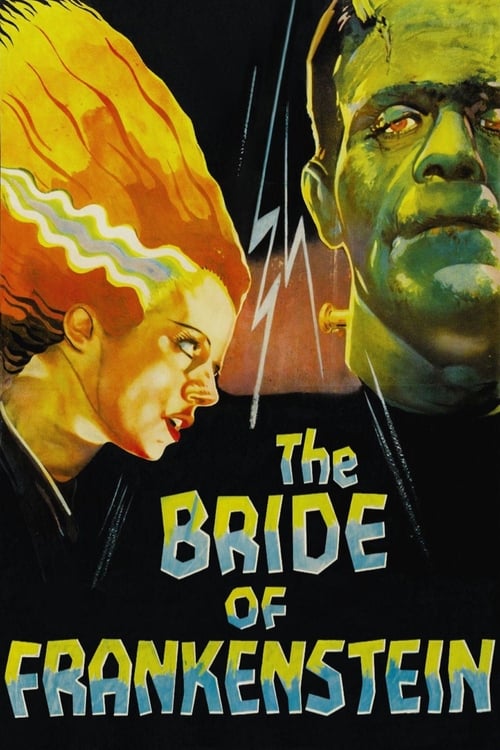
It resembles The Bride of Frankenstein far more than it does Daredevil.
Advertisement
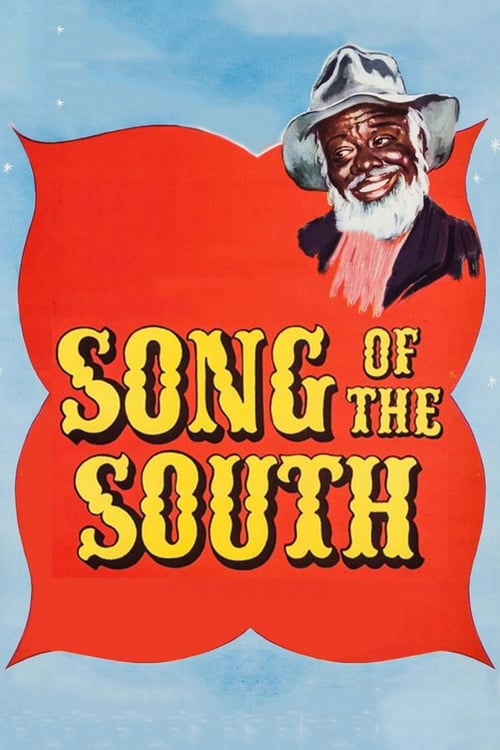
Still, for all the fetishism of the computer-graphic detail, when compared with his flesh-and-blood co-actors, this Hulk is no more believable than the animated Br'er Rabbit walking alongside Uncle Remus in Disney's 1946 "Song of the South."

(It was particularly embarrassing, at last year’s New York Film Festival, to see the restored print of the 1965 Hong Kong movie “Come Drink With Me,” directed by King Hu and produced by the Shaw brothers, and to realize how much Lee had lifted from that film and yet how little he captured its spirit.)
The supposed action blockbuster doesn’t even belong in the same class as the likes of “ Spider-Man " and “ X-Men ,” because even though Ang Lee’s psycho-dramatic portrayal of the big green machine is certainly a unique direction to take, it’s ultimately not what the fanboys were expecting.
They're an odd match: the comic book scribe extraordinaire (creator of "The Hulk," "Spider-Man," "X-Men," "Daredevil" and many others) and the director of a string of finely-crafted but diverse films (from "The Wedding Banquet" and "Sense and Sensibility" to "Ride With the Devil" and "Crouching Tiger, Hidden Dragon").
The best comic-book movies — Tim Burton’s “Batman,” the Catwoman sections of “Batman Returns,” and Bryan Singer’s first “X-Men” — sprang from heroes who were working out their childhood traumas and the pain of being “different.”
For that matter, the simple passage of time helped Lee's film out quite a lot, for even though the 12-years-and-counting superhero boom has one continuous history that makes it feel somewhat like a single moment (2000's X-Men , which kicked off the whole trend, feels "contemporary", in a way that 1997's Batman & Robin very much does not, n'est-ce pas?), the state of the comic book movie in 2003 is not even a little bit like the state of the comic book movie in 2012.
Hulk is no exception, and it's going to leave many a Spider-Man or X-Men fan disappointed.
Those accustomed to the thrills of “Spider-Man” or the chills in the “X-Men” series will find very little of those qualities in “Hulk.”
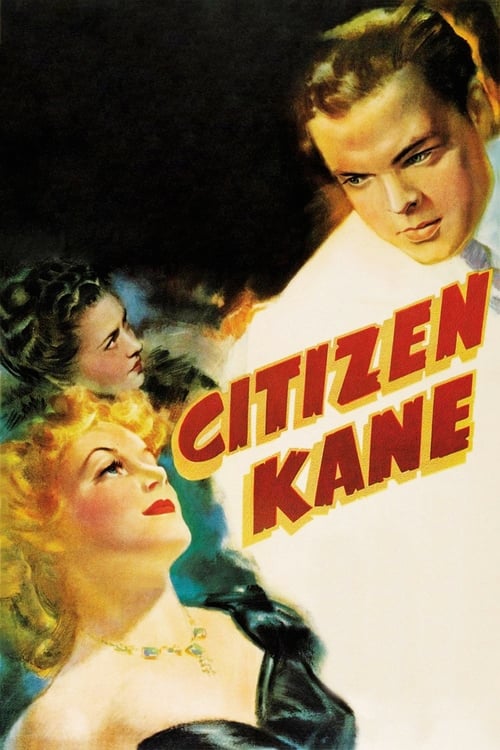
Other references include " Citizen Kane " (the Hulk tears apart a laboratory) and " The Right Stuff " (a jet airplane flies so high the stars are visible).
Advertisement
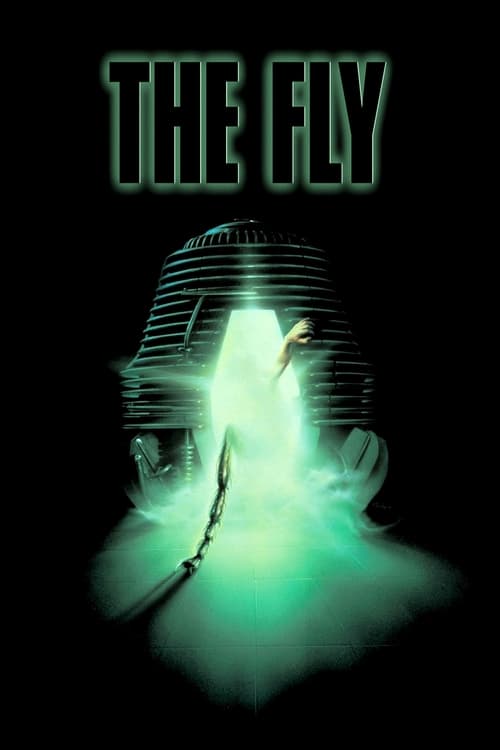
Mostly, “The Hulk” reminds you of other, better movies you wish you were watching: David Cronenberg’s moving “The Fly,” “Frankenstein” with Boris Karloff (the actor who makes CGI seem forever a paltry thing), and John Guillermin’s lovely remake of “King Kong.”
The Hulk and Betty are supposed to have a King Kong / Beauty and the Beast sort of bond, with maybe a touch of David Cronenberg’s The Fly (1986).
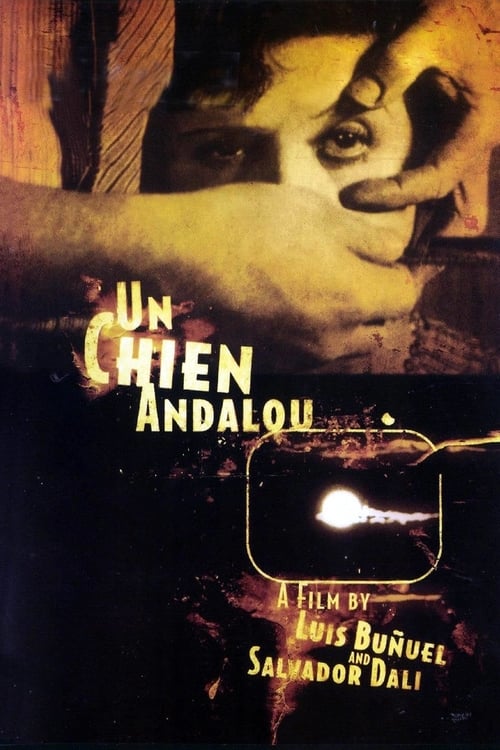
In its best moments, it brings to mind none other than Buñuel’s Un Chien Andalou (available here ; watch it, because if you haven’t seen Un Chien Andalou, you haven’t seen jack).