
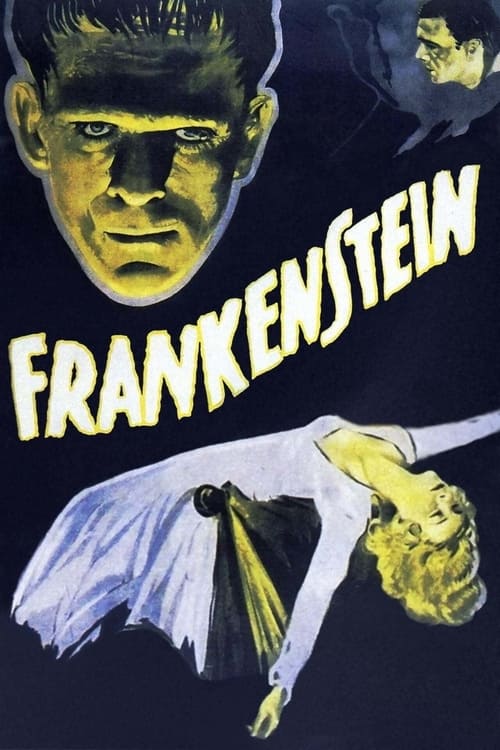
Frankenstein (1931)
Directed by James Whale
Obsessed scientist Dr. Henry Frankenstein attempts to create life by assembling a creature from deceased body parts. Aided by his loyal misshapen assistant, Fritz, Frankenstein succeeds in animating his monster, but it flees into the countryside and begins to wreak havoc.
58 connections found
View:
58 connections, in both directions
What critics compared Frankenstein to



In that respect, the story harkens back to Mary Shelley's Frankenstein, a novel that — pay attention, Trivial Pursuit players — sports the often dropped subtitle The Modern Prometheus.
A worthy companion piece to “Under the Skin” and “Her” in its examination of what constitutes human and feminine identity — and whether those two concepts need always overlap — Garland’s long-anticipated directorial debut synthesizes a dizzy range of the writer’s philosophical preoccupations into a sleek, spare chamber piece: Mary Shelley’s “Frankenstein” redreamed as a 21st-century battle of the sexes.
The movie draws inspiration from likeminded films such as “2001: A Space Odyssey,” but at its core, it’s basically a modern day retelling of Mary Shelley’s “Frankenstein” with a twist, with Nathan as the creator and Vikander as his monster.
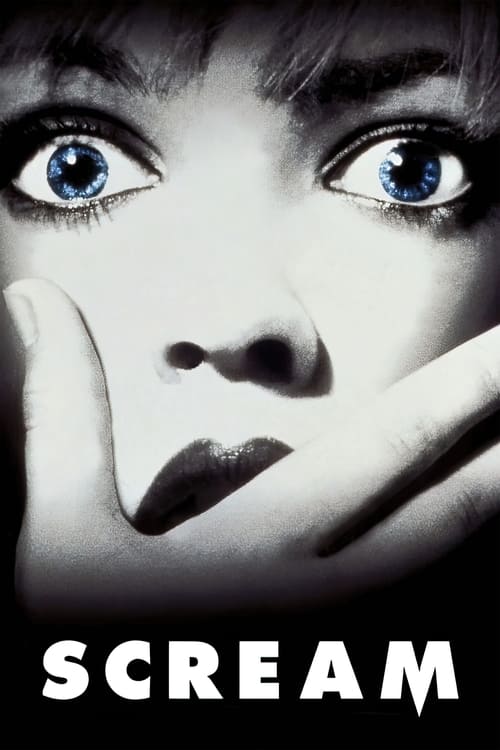
All that the references add up to is demonstrating that both the writer and the idealised viewer have seen, or heard of, a great many horror picture stretching back into the 1930s and James Whale's Frankenstein .
The first time came in the 1930's after the early success of Universal's monster movies, Tod Browning's Dracula (1931) and James Whale's Frankenstein (1931).
The list of movies mentioned or satirized is amazingly long, and features everything from the 1931 Universal classic, Frankenstein, to Tom Cruise's All the Right Moves ("if you pause [the video] at the right place, you can see his penis").
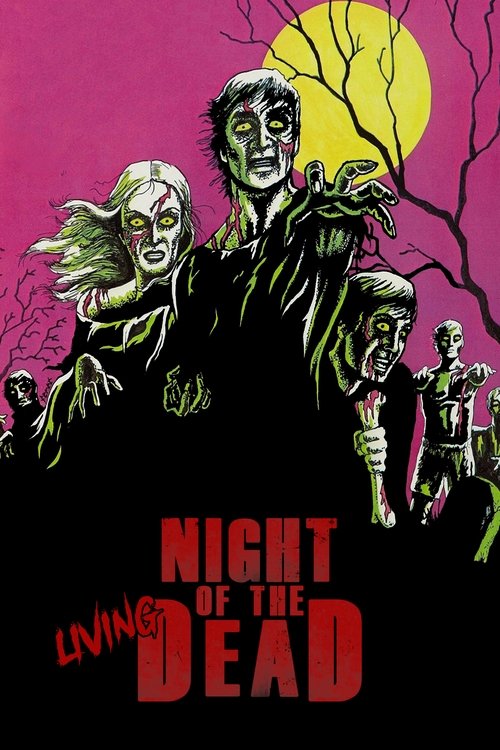
NotLD is also a history of American nightmares: The opening graveyard scene recalls Frankenstein (1930) and the Universal tradition.
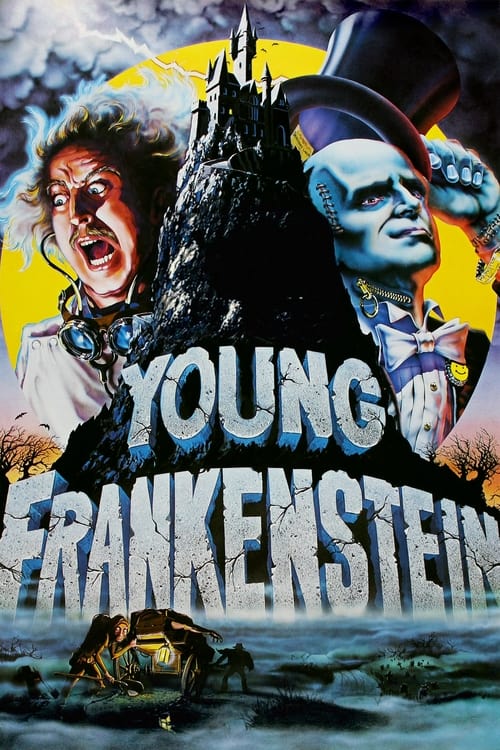
I will confess to experiencing flashbacks to Mel Brooks’ Young Frankenstein, Bill Condon’s Gods and Monsters, Lucky McKee’s May, and other riffs on the story while I was watching this…
The story has been moulded into numerous adaptations, parodies and spoofs, including Young Frankenstein (1974), Blackenstein (1973), Frankenhooker (1990), Frankenweenie (2012), and, most recently, Lisa Frankenstein (2024).
The story of the man who would be God and his creation has appeared in numerous cinematic guises, from the flatheaded, bolt-necked monster of 1930s as played by Boris Karloff to Peter Boyle’s all-singing-all-dancing creature in Mel Brooks’ Young Frankenstein…
Along the way, del Toro does something one would think to be impossible — he reclaims the famous blind man sequence from the realm of the comedic, specifically from Mel Brooks’ “Young Frankenstein.”
…from the creepy (James Whale’s 1931 classic horror), to the hilarious (Mel Brooks’s 1974 classic Young Frankenstein)…
Even the Mel Brooks spoof Young Frankenstein looms larger over any update.
Advertisement
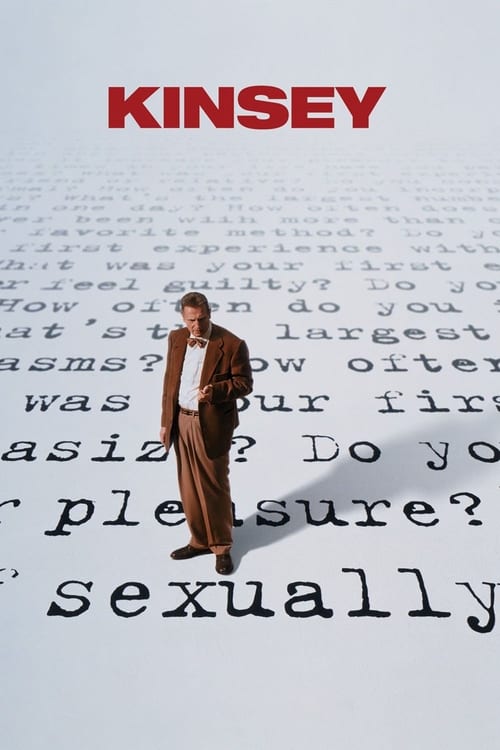
Writer-director Bill Condon won the Oscar for Best Adapted Screenplay with his previous film, Gods and Monsters, a biopic of Frankenstein director James Whale.
The writer-director of Gods and Monsters, a fantastical account of the latter days of Frankenstein director James Whale, plays it fairly straight in biographing famed sex researcher Alfred Kinsey.
Kinsey makes no apologies for its subject's often infuriating behavior -- in that manner, it has much in common with writer-director Bill Condon's previous feature Gods and Monsters, which presented Frankenstein director James Whale as tragically flawed yet allowed us a look at those personal demons that all too often defined his very being.
Six years ago writer/director Bill Condon fashioned a highly speculative account of the waning days of iconographic filmmaker James Whale, the man who made "Frankenstein."
It's subject was the late James Whale, who directed the original Frankenstein and it's first sequel in the 1930s, and went on to win an Academy Award for his work on Show Boat.
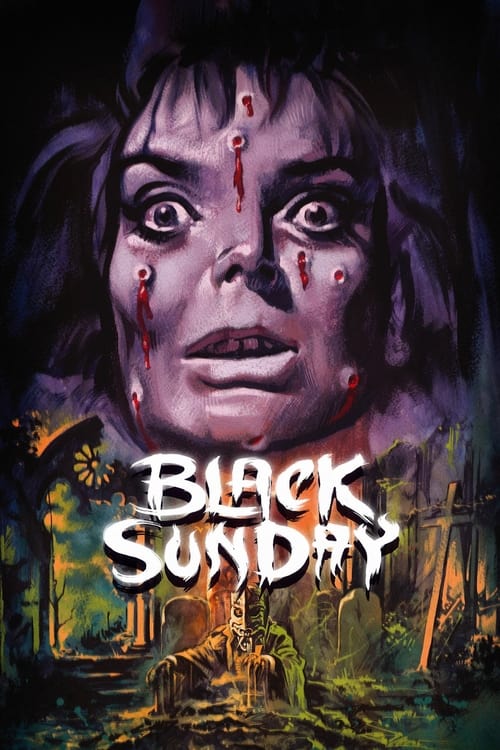
Bava chose to adapt the short story Vij by one of his favorite Russian authors, Nikolai Gogol, into an homage to the early Universal horror films (Dracula [1931], Frankenstein [1931] and Bride of Frankenstein [1935]) he had long admired.
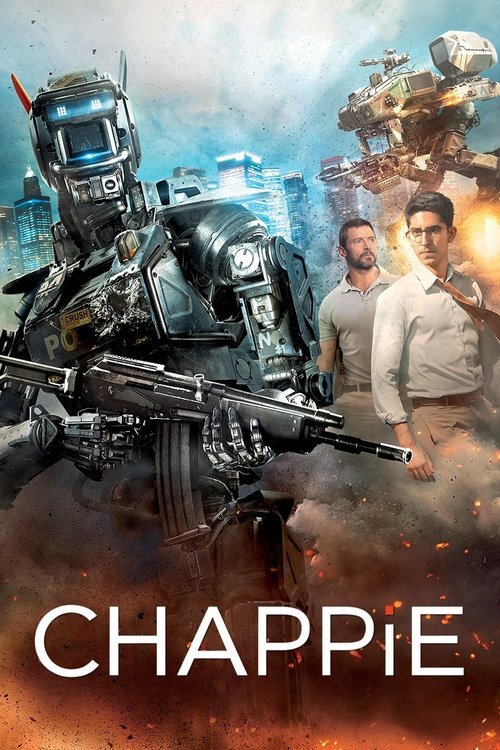
In musing over the relationship between a creator and his creation, as well as flirting with the eternal nature versus nurture argument, echoes of Mary Shelley’s Frankenstein and its many screen adaptations can be glimpsed.
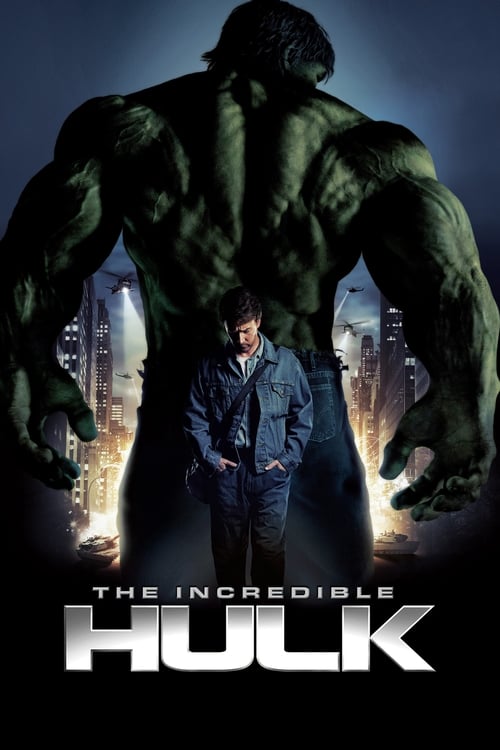
A scene or two recalls King Kong; others invoke the wounded innocence of Mary Shelley's Frankenstein.
Stan Lee , the Hulk's co-creator, has said that he came up with the character by crossbreeding Boris Karloff's Frankenstein monster with Dr. Jekyll and Mr. Hyde.
Advertisement
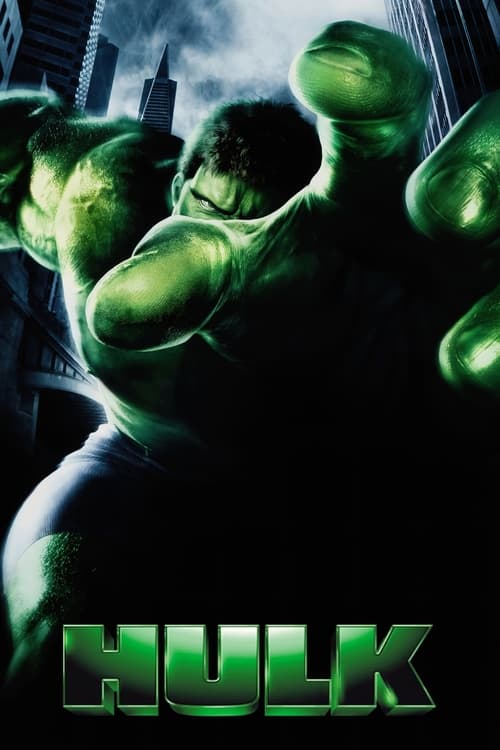
Mostly, “The Hulk” reminds you of other, better movies you wish you were watching: David Cronenberg’s moving “The Fly,” “Frankenstein” with Boris Karloff (the actor who makes CGI seem forever a paltry thing), and John Guillermin’s lovely remake of “King Kong.”
Monstrously large, the comic-book Hulk was a descendant of the creature played by Boris Karloff in James Whale's "Frankenstein," newly pumped up for the atomic age.
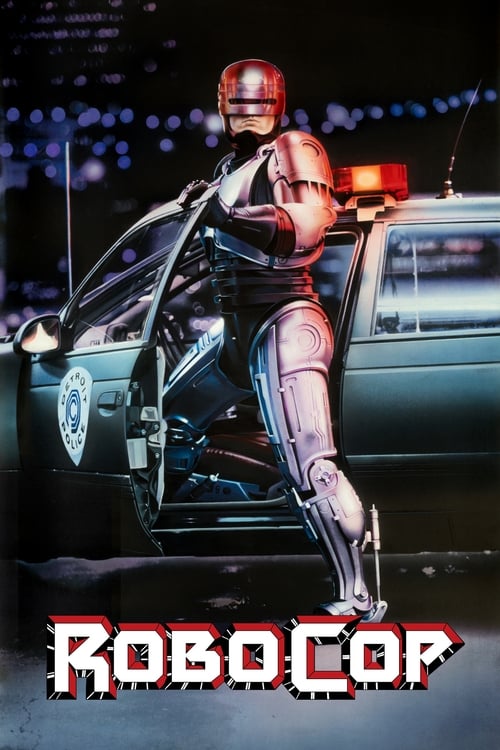
This is evidenced at bulk in the film: RoboCop removes his helmet and observes himself, for the first time, in a broken piece of a mirror; Frankensteins monster first sees his horrible visage in the calm water of a pool (this occurs in the 1931 version).
Using the classic Frankenstein (1931) premise as a backbone and mixing in elements as disparate as Fritz Lang‘s Metropolis (1926), Judge Dredd comics and the media-saturated sensationalism of the Reagan eighties, RoboCop is a techno-satire that deserves to stand alongside such anti-establishment science fiction classics as Doctor Strangelove (1964) and Escape From New York (1981).