
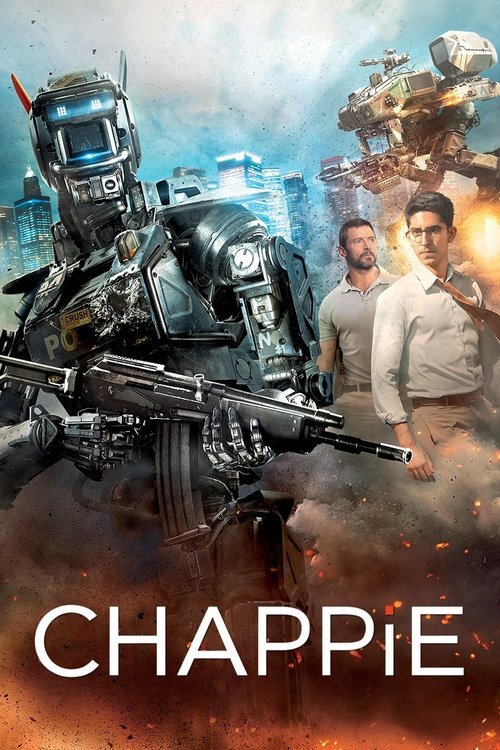
Chappie (2015)
Directed by Neill Blomkamp
Every child comes into the world full of promise, and none more so than Chappie: he is gifted, special, a prodigy. Like any child, Chappie will come under the influence of his surroundings—some good, some bad—and he will rely on his heart and soul to find his way in the world and become his own man. But there's one thing that makes Chappie different from any one else: he is a robot.
41 connections found
View:
41 films that influenced Chappie
What critics say influenced Chappie
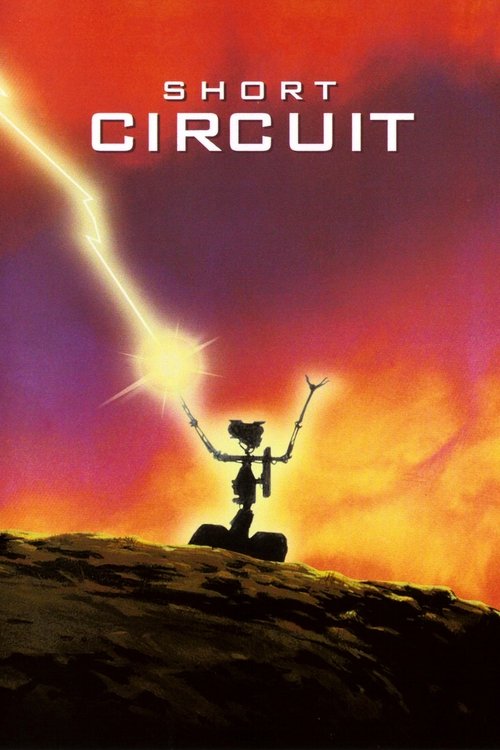


Among her employees is a sweet, nerdy Indian guy (Dev Patel, marginally more believable, on account of being an actual Indian, than Fisher Stevens in Short Circuit) who dreams of instilling consciousness in these buckets of bolts.
However you dress up the movie, it really is a clunky mashup of Short Circuit (1986) and RoboCop (1987) — with large dollops of Mr. Dickens’ Oliver Twist thrown in.
Short Circuit's Johnny Five was one of those gentle, self-aware robots, inclined to tolerate humankind's failings rather than hunt us to extinction.
It’s idiotic, incoherent and downright punishing to sit through – unless you’ve been hankering for an ultra-violent remake of Short Circuit in which Steve Guttenberg and Ally Sheedy are played by Die Antwoord.
“RoboCop,” “Short Circuit” and even “A.I.” have been cited as inspirations for “Chappie,” but they’re so prevalent in parallels, it feels like elements are directly lifted.
Unfortunately, for me it is a movie that does not pay homage to previous films (“Robocop,” “Short Circuit” come to mind) but borrows liberally and directly from these and other movies.

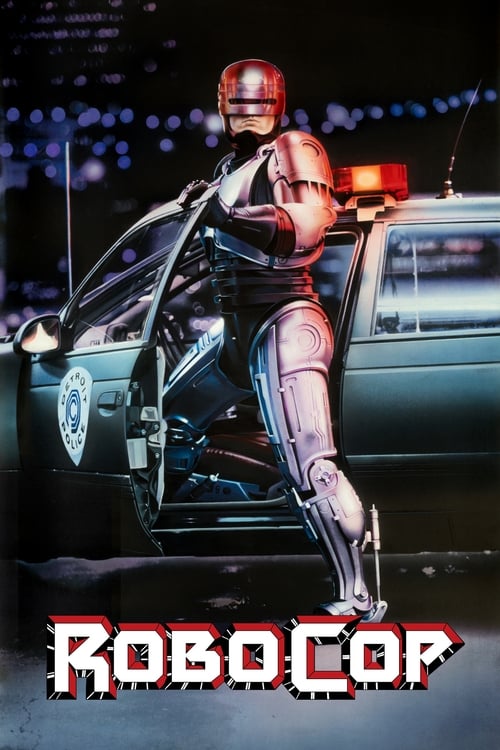
Their model here is clearly Paul Verhoeven's 1987 classic, "RoboCop," but where that movie gave us bloody good fun, "Chappie" offers mostly mean-spirited violence and a generally dismal worldview.
The film goes beyond the ideas put forth in Paul Verhoeven’s Robocop to a reality in which robots make up most of Johnnesburg’s police department.
With “Chappie,” the director and co-writer (with Terri Tatchell) opts for cute (like Number 5 in “Short Circuit”) combined with a “Robocop” bad corporate guy trying to take control of the killer robot biz (very much like Ronny Cox in the latter film).
Much of what transpires is borrowed heavily from Paul Verhoeven’s brilliantly biting satire, “RoboCop” especially “The Moose” – a clear (homage?) clone of the mega bipedal ED-209 that RoboCop has to go titanium to titanium with.
Meanwhile, at a robot factory overseen by Sigourney Weaver, engineer Vincent (Hugh Jackman) fumes over the poor reception of his pet project, a tank-like law enforcer that resembles RoboCop's ED-209.
Visually, Chappie often feels oddly overblown, particularly in Blomkamp’s decision to visualize near-futuristic criminality through cast-off costumes and punk hair from Mad Max, which, along with the painfully obvious visual similarity of the Moose to Phil Tippet’s memorable ED-209 from RoboCop (1987), makes the film feel overly derivative.
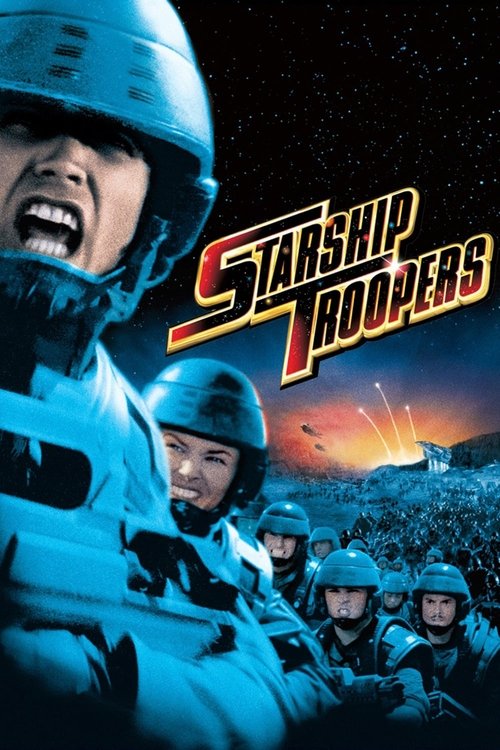
South African director Neill Blomkamp's influences - James Cameron, Ridley Scott and especially Verhoeven's "Starship Troopers" - have been prevalent in his major works so far.

Almost as damaging is the movie's slippery tone, teasing silly but thuddingly unfunny comedy but mostly living in breathless melodrama or would-be-thriller tension: had Blomkamp chosen and cultivated one approach, he might have had something lively on the order of Robocop (wicked satire), Frankenstein (Romantic allegory) or, more humbly, say, Total Recall (rollicking sci-fi actioner) instead of a messy stillbirth.

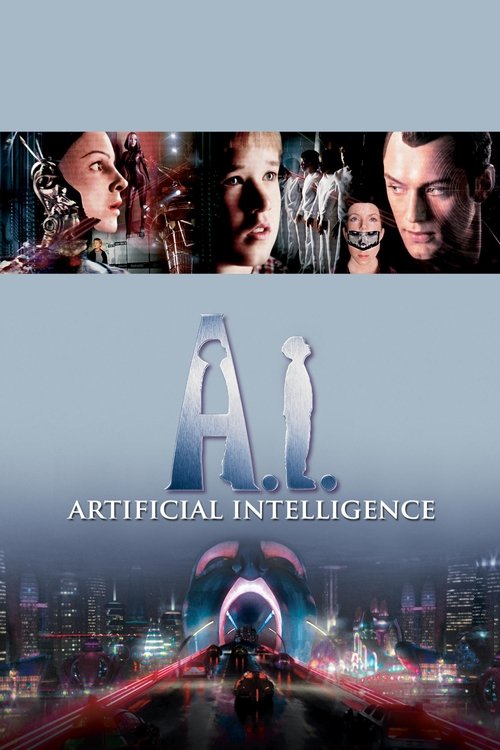
Fittingly for a film about creating a new form of life, Chappie is a Frankenstein production: it chops together familiar ideas and design from many far better features, including Ridley Scott's Blade Runner, Steven Spielberg's A.I. Artificial Intelligence and Andrew Stanton's Wall-E.
He’s clearly trying to move back toward the center with Chappie, but it still feels unsteady and thematically muddled; for a film that was sold on the philosophical question of artificial intelligence, little attention is truly paid to the concept, as Steven Spielberg did in his magnificently troubling A.I. Artificial Intelligence (2001).
Just what we needed, a reminder of another movie, a bit of A.I.-like poignancy?
Much of this we've seen before in better films, like the original Robocop, Steven Speilberg's A.I., '80s kids flick Short Circuit, and the cartoon caper Wall-E.
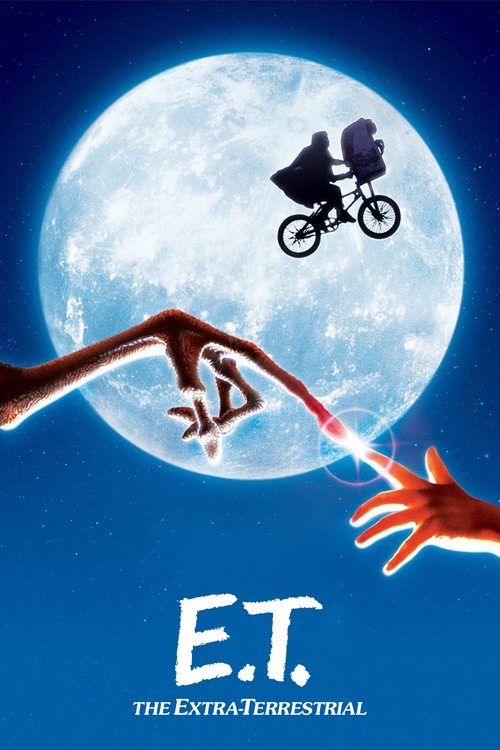
Other than that, much of what Blomkamp sets out to do becomes a maddening snarl of bits of other movies (“Blade Runner,” “E.T.” and “*batteries not included,” to name a few) and motifs that span creation, the precipitous edge of human reliance on machines and state of consciousness versus corporal being that never quite cook together.
“Robocop,” “Terminator,” “E.T.” and “Blade Runner” are all represented here, lovingly coated in a John Carpenter-esque score.
“Short Circuit” meets “RoboCop” — with asides to “WALL-E,” “E.T.,” “The Road Warrior” and many other better movies — in “Chappie,” an interminable, violent, incoherent and wearying R-rated sci-fi action comedy.
Further, this R-rated drama is not “toned down” for children like any given E.T. clone, which is what the film feels like quite often.

Or Hugh Jackman, who can't seem to work out if he's in a sci-fi comedy, an HBO drama, or the new Jurassic Park film.

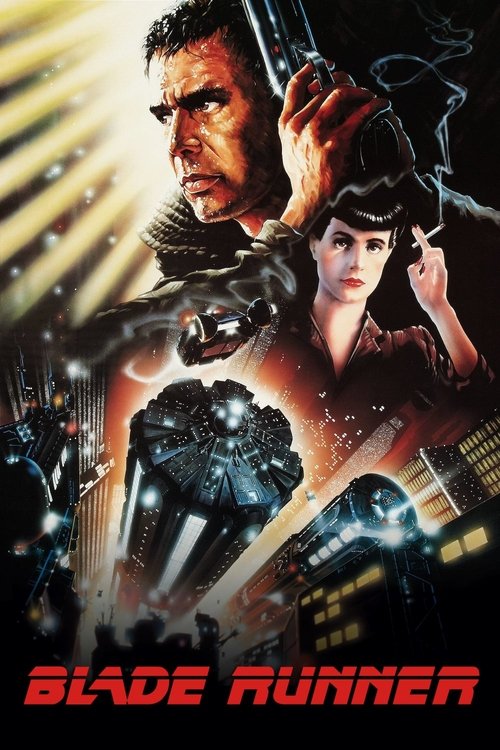
Fittingly for a film about creating a new form of life, Chappie is a Frankenstein production: it chops together familiar ideas and design from many far better features, including Ridley Scott's Blade Runner, Steven Spielberg's A.I. Artificial Intelligence and Andrew Stanton's Wall-E.
From Ridley Scott's Blade Runner to last year's Transcendence, these stories that ponder the gap between man and machine often reveal filmmakers unsure of where they fit in — they get so involved in the question that they forget to create real characters to ask it.
Other than that, much of what Blomkamp sets out to do becomes a maddening snarl of bits of other movies (“Blade Runner,” “E.T.” and “*batteries not included,” to name a few) and motifs that span creation, the precipitous edge of human reliance on machines and state of consciousness versus corporal being that never quite cook together.
With Sharlto Copley as the Jar-Jar Binks-like voice of Chappie, Dev Patel as Chappie’s “creator” (cue “Blade Runner” references), Hugh Jackman in a mullet and khaki shorts as an industrial adversary and Sigourney Weaver as an irritable CEO, as well as an awful lot of Sony products, including a Vaio laptop that somehow manages to funnel human consciousness from one portal to another in a matter of minutes.
“Robocop,” “Terminator,” “E.T.” and “Blade Runner” are all represented here, lovingly coated in a John Carpenter-esque score.
Design choices including an electronic score that finds Hans Zimmer quoting his own work with Christopher Nolan (The Dark Knight) and Vangelis's sound from '80s genre films (Blade Runner) don't help to dispel the impression that Chappie is Frankenstein's-monstrously stitched together from heartier tales of yore.
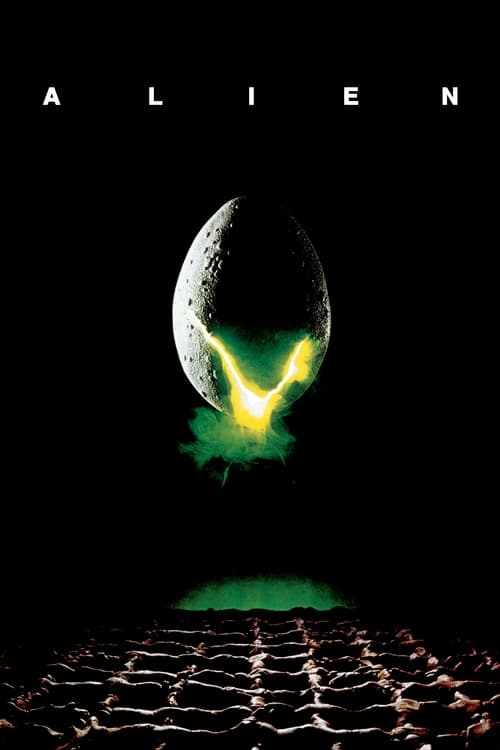
The proceedings feel awfully short on human engagement overall; Patel is just OK as the sympathetic Dr. Frankenstein figure, and Weaver, though always a welcome presence, is basically on hand to confer her sci-fi seal of approval (and perhaps remind audiences that Blomkamp has an “Alien” movie coming up next).
Blomkamp’s already been hired to make a new film in the “Alien” franchise, which has fans wondering where his latest film, “Chappie,” sits in his canon.
Before “Chappie” opened, Blomkamp announced his next project as a new installment of the “Alien” franchise with which he’s been tooling for some time.
The police force orders up another batch of robots from the weapons firm run by Sigourney Weaver (who may end up working with Blomkamp on a rumored "Alien" reboot).
While out promoting his latest film, "Chappie," filmmaker Neill Blomkamp , who achieved great critical and commercial success with his 2009 debut " District 9 ," has made a couple of announcements that have attracted much attention from the fanboy set: his next project will be a new entry in the venerable " Alien " franchise and he has admitted that he feels that he messed up with his previous film, the hugely disappointing sci-fi allegory " Elysium ".
Allegedly Blomkamp’s on the docket to direct the next installment in the “Alien” franchise.
Advertisement

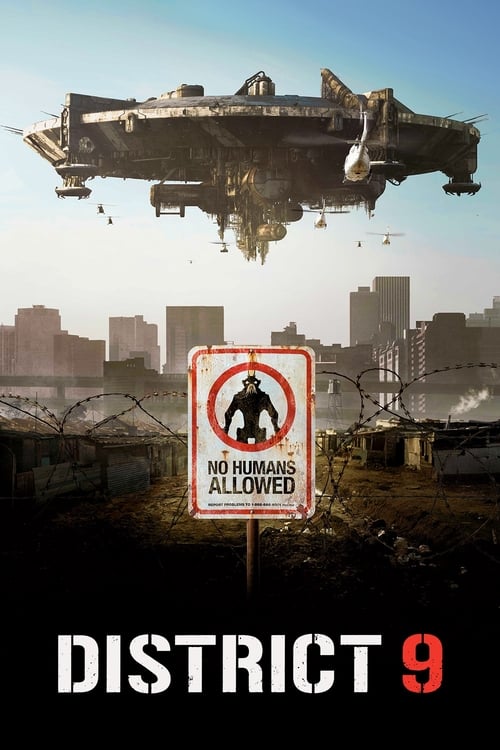
Blomkamp and his District 9 co-writer Terri Tatchell return us to a crime-ridden Johannesburg, where robot-cops are apprehending or killing street-gangsters.
For director Neill Blomkamp (District 9 and Elysium), the third time hardly qualifies as a charm.
The South African filmmaker Neill Blomkamp gave Hollywood a jolt of creative electricity with his 2009 debut, "District 9," an inventive and wickedly funny parable about space-alien apartheid on planet Earth.
Starting with his ingenious, justly celebrated debut, “District 9” (2009), Blomkamp has employed the trappings of science fiction to cast a darkly satirical eye on our troubled species, albeit to steadily diminishing returns: Like 2013’s ambitious, disappointing “Elysium,” this lower-budget, smaller-scaled thriller imagines a society on the brink of collapse, only to resolve its intriguing scenario with a startling lack of follow-through or finesse.
Blomkamp showed a lot of promise with his debut film, "District 9" that mixed serious thematic issues into a rousing sci-fi action story.
His 2009 feature debut "District 9" was both thoughtful and entertaining.

For director Neill Blomkamp (District 9 and Elysium), the third time hardly qualifies as a charm.
His disappointing follow-up, "Elysium," tackled two not-so-sexy issues -- immigration and health-care reform -- with such simplistic thinking and contrived storytelling that it seemed to come from a different director.
Sigourney Weaver takes over Jodi Foster’s bad lady boss part from “Elysium” and gives Moore the order to kill the rouge robot.
Starting with his ingenious, justly celebrated debut, “District 9” (2009), Blomkamp has employed the trappings of science fiction to cast a darkly satirical eye on our troubled species, albeit to steadily diminishing returns: Like 2013’s ambitious, disappointing “Elysium,” this lower-budget, smaller-scaled thriller imagines a society on the brink of collapse, only to resolve its intriguing scenario with a startling lack of follow-through or finesse.
But since then, it's been diminishing returns: 2013's mildly underwhelming "Elysium" and now "Chappie," an unfunny stumble revisiting the core idea of one of his early short films.
(His sophomore effort, “Elysium,” was underwhelming.)
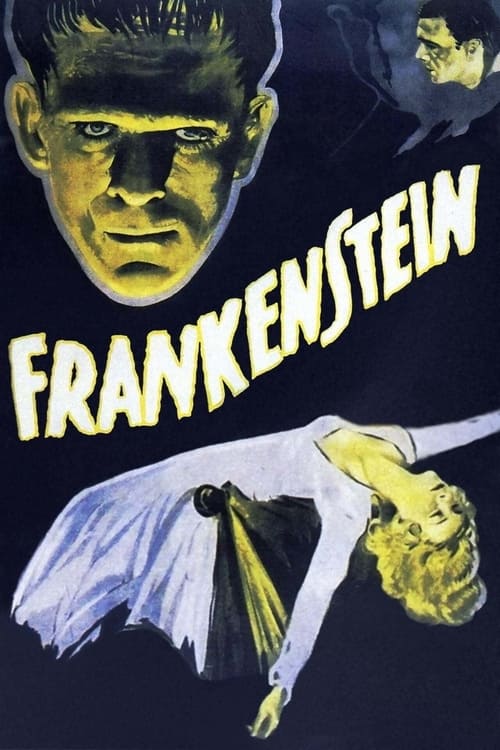
In musing over the relationship between a creator and his creation, as well as flirting with the eternal nature versus nurture argument, echoes of Mary Shelley’s Frankenstein and its many screen adaptations can be glimpsed.
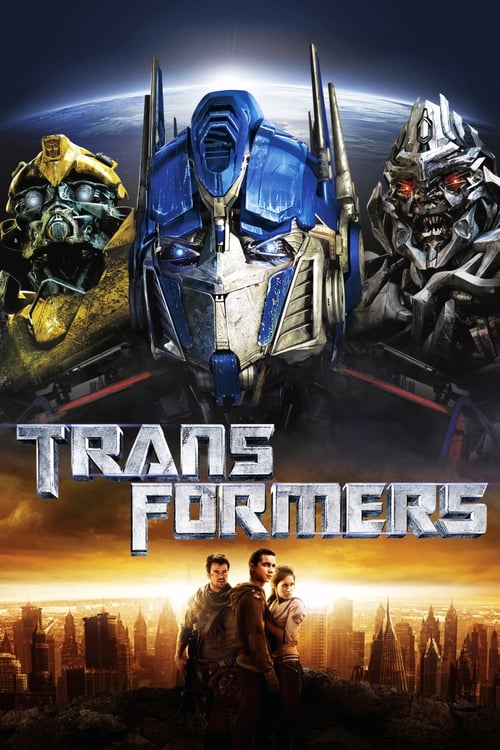
But while his model here appears to be the glorious original RoboCop, what landed on the screen is more like a cheaper, somewhat brainier Transformers movie, both in its sugar-high pacing and its strained humor.
And Chappie teasingly toys with everything from drone warfare to artificial intelligence – at least until we get a rock ’em-sock ’em robot finale that plays like some unholy combination of Transformers and Real Steel .
It even ends with an eye-watering robotic shoot out that would make Transformers director Michael Bay proud.
We get the same predictable turns and hollow reasoning as other movies loosely based on machines, like Transformers.
Like the robots in Chappie, Marty also suggests a snide version of the demography; both protagonists are as objectionable as some found Star Wars’ Jar Jar Binks and the hip-hop robots in Transformers.

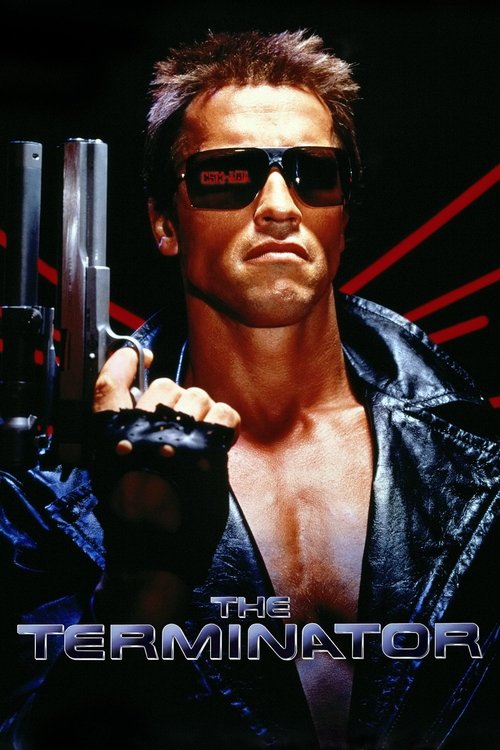
This doesn't have many original ideas, though I had fun picking out all the references to other SF movies (RoboCop, Westworld, and The Terminator, to name a few).
Chappie wears its sci-fi influences on its sleeve, with The Terminator and RoboCop readily evoked.
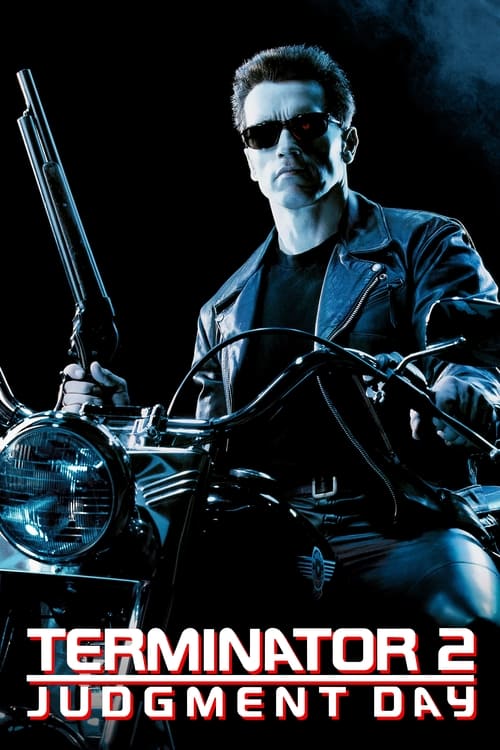
Before he can get too gangster, Deon makes him promise, Terminator 2 style, that he won’t kill or commit crimes.
Advertisement

The screen has seen any number of robot creations that has managed to demonstrate remarkably human characteristics—HAL 9000, WALL*E and Samantha from " Her " immediately leap to mind—but Chappie, despite the best efforts by Blomkamp to humanize him (such as slapping a "REJECT" sticker on its forehead), is almost stunningly unappealing.
Genre completists may be reminded of still more recent dramas — from “Her” and “Transcendence” to “Automata” and “Ex Machina” — that have touched on such heady topics as robot sentience, transferred consciousness, and the always-tricky matter of human-bot relations.
Later, Chappie downloads all relevant information on the Internet (just like recent films Her and Avengers: Age of Ultron) in order to find a way to move human consciousness from one machine to the next, but in the middle of all that enormous knowledge gathering doesn’t learn that throwing stars don’t put people to sleep.
From WALL-E to Blade Runner to Spike Jonze’s recent Her, movies are full of artificially intelligent creations who have captured the imagination of audiences, and in doing so blurred the line of what it truly means to be human.
Outside Chappie’s character arc and a potentially rich but derivative premise about social conditioning (borrowed from The Terminator, A.I.: Artificial Intelligence, Her), the rest of the film is about as useful and overblown as Vincent’s clunky robot scheme.
The cool idea, explored somewhat in “Her,” is that any sentient being must, in a sense, grow up in the world of its creator.
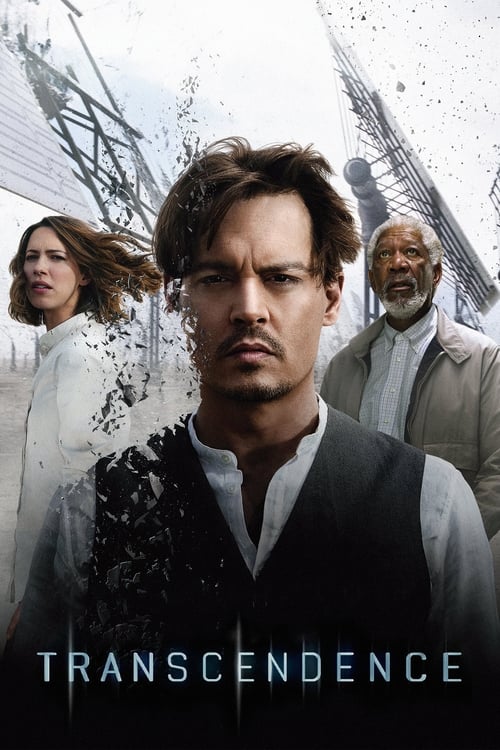
“Chappie” handles the issues of artificial intelligence and consciousness far better than last year’s Johnny Depp disaster “Transcendence,” but that’s not saying much.
The sweet, naive droid the punks nickname Chappie becomes a pawn in their miserable game and the center of the movie's questions, among them: Can a movie profitably recall "RoboCop" and "Short Circuit" and the recent Johnny Depp snooze "Transcendence" and the holy grail of dubious influences, Jar Jar Binks of "Star Wars" infamy?
MARK: “Chappie” received the unwanted curse of being on my Top Ten Most Anticipated Films of 2015…and like last year’s “Transcendence”, wow is it a let-down (sadly that’s not where the comparisons end with those films FROWN FACE EMOJI!!).
Genre completists may be reminded of still more recent dramas — from “Her” and “Transcendence” to “Automata” and “Ex Machina” — that have touched on such heady topics as robot sentience, transferred consciousness, and the always-tricky matter of human-bot relations.
From Ridley Scott's Blade Runner to last year's Transcendence, these stories that ponder the gap between man and machine often reveal filmmakers unsure of where they fit in — they get so involved in the question that they forget to create real characters to ask it.
Instead, though "Chappie" bears all the hallmarks of a "RoboCop" retread or a grungier "A.I." (or heaven help us, "Transcendence"), it's actually more like a warped, sci-fi version of "The Jungle Book" in which a child robot must survive the urban wilds of a gang-ridden Johannesburg.