
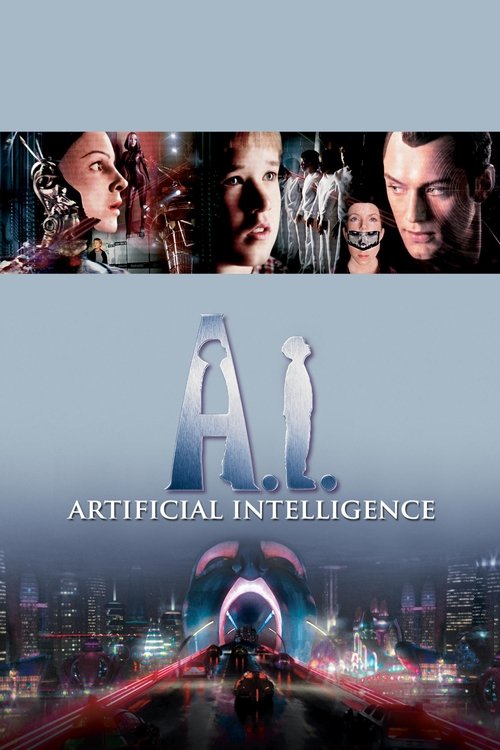
A.I. Artificial Intelligence (2001)
Directed by Steven Spielberg
David, a robotic boy—the first of his kind programmed to love—is adopted as a test case by a Cybertronics employee and his wife. Though he gradually becomes their child, a series of unexpected circumstances make this life impossible for David.
37 connections found
View:
37 films that influenced A.I. Artificial Intelligence
What critics say influenced A.I. Artificial Intelligence
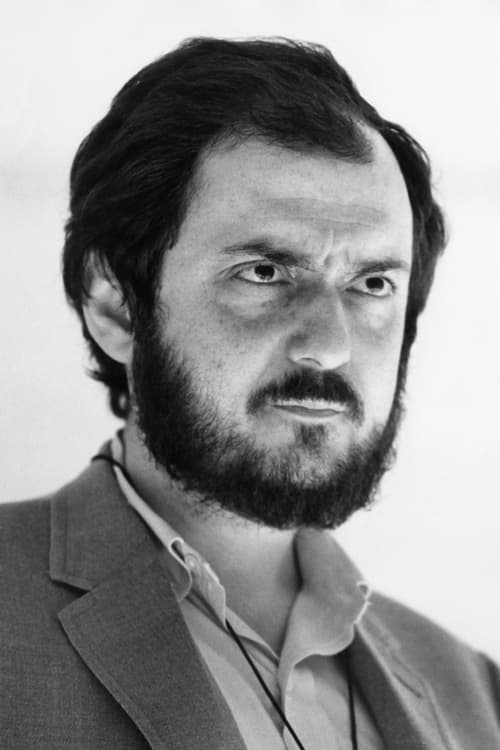
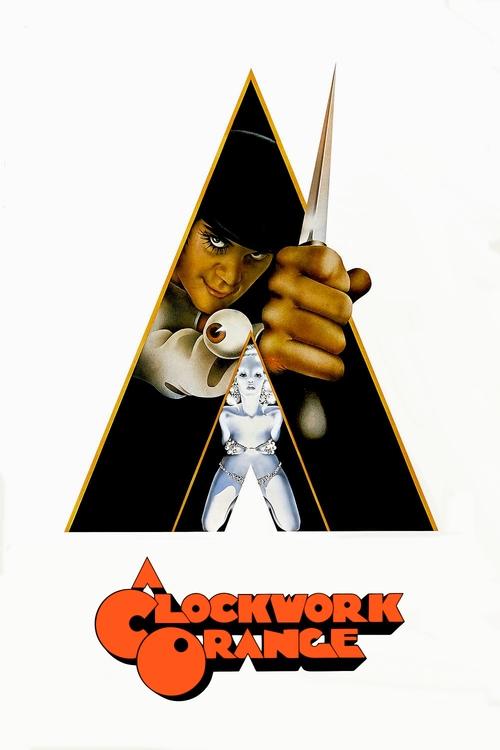


Yet "A.I." is also littered with Kubrick-movie references: female figures on a futuristic bridge that ape the chairs of the milk bar in "A Clockwork Orange"; interior design that pays tribute to "The Shining"; a city street right out of "Eyes Wide Shut"; and a big set piece that mirrors the lunar excavation of "2001."
(Joe is played with pizzazz by Jude Law, who recalls no one more than Malcolm McDowell in Kubrick’s A Clockwork Orange.)
Futuristic cars travelling through forests recall "A Clockwork Orange."
In it, a robotic child longs to connect with his "mother," and this thought of whether robots could love intrigued legendary director Stanley Kubrick ("A Clockwork Orange," "Eyes Wide Shut") who then bought the rights to the tale.
It's part of the carnal London from "A Clockwork Orange" but also the post-apocalypse outback of George Miller's "Road Warrior" films with an overlay of Ridley Scott's incredible evocation of L.A. in "Blade Runner."
The seedy sex capital "Rouge City" (which Mr. Kubrick apparently wanted to be architected with phallic buildings) instead feels like a neon nightmare only slight steps away from modern day Las Vegas, rather than the Korova Milkbar of Mr. Kubrick's 1971 "A Clockwork Orange".
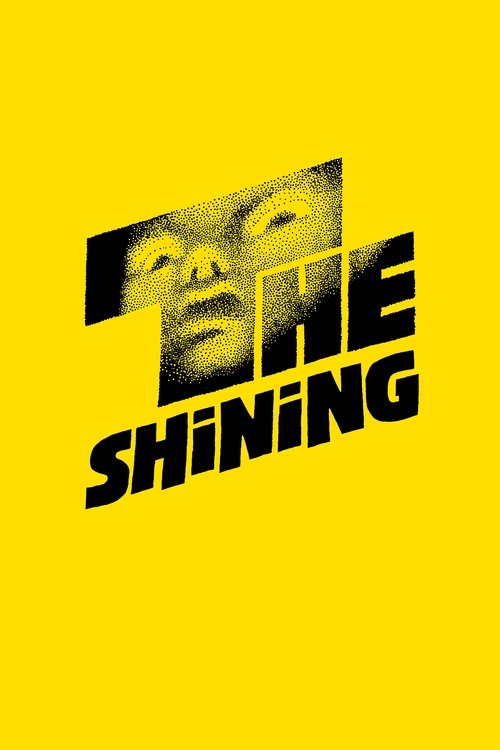
Yet "A.I." is also littered with Kubrick-movie references: female figures on a futuristic bridge that ape the chairs of the milk bar in "A Clockwork Orange"; interior design that pays tribute to "The Shining"; a city street right out of "Eyes Wide Shut"; and a big set piece that mirrors the lunar excavation of "2001."
Spielberg uses this to create a perverse view of domesticity reminiscent of "The Shining," although in this case no one's crazy - they're just weird.
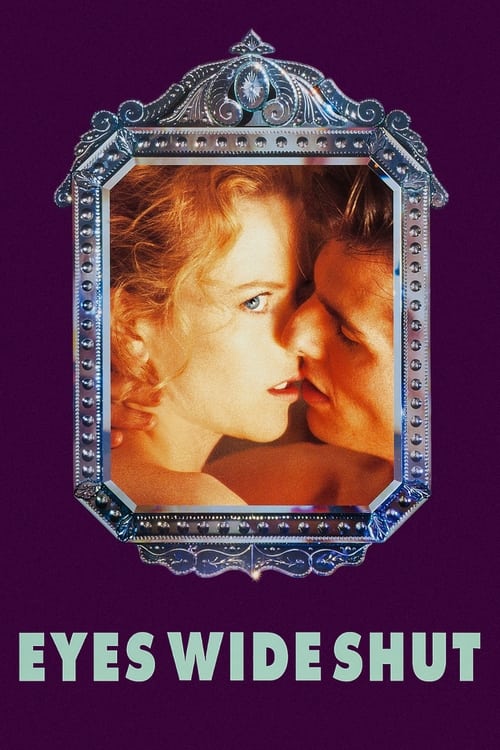
Yet "A.I." is also littered with Kubrick-movie references: female figures on a futuristic bridge that ape the chairs of the milk bar in "A Clockwork Orange"; interior design that pays tribute to "The Shining"; a city street right out of "Eyes Wide Shut"; and a big set piece that mirrors the lunar excavation of "2001."
In itself, the roundaboutness of the route is of little concern, but the sheer length of time that the project took to come to the screen seems relevant, given that Kubrick's last film, Eyes Wide Shut, was perhaps most notable for its conceptual datedness.
It's as if Spielberg were trying to ape the Kubrick of Eyes Wide Shut, who allowed Sydney Pollack to drone on and on about what the past half hour's events didn't mean (in retrospect, the Pollack speech is pretty funny, though -- it tweaks our desire to see the mystery cleared up).
In it, a robotic child longs to connect with his "mother," and this thought of whether robots could love intrigued legendary director Stanley Kubrick ("A Clockwork Orange," "Eyes Wide Shut") who then bought the rights to the tale.
When the film began production, Speilberg was working with a rough outline scribbled down by the late Stanley Kubrick, who intended to direct the actual film after "Eyes Wide Shut," but died before the opportunity came (a conflicting source, however, says that he simply gave up with the material, but if the truth be known, Kubrick suggested it to Spielberg in 1994, but reclaimed it when his close friend turned down the offer).
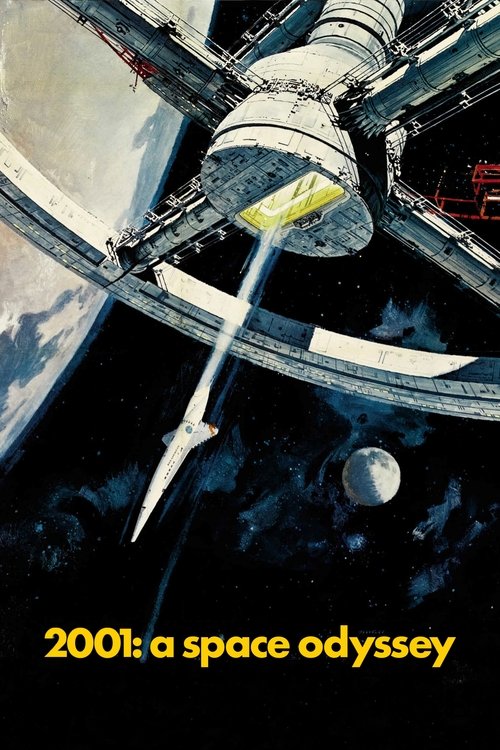
It appears to me that Kubrick was intending to reiterate that sense of confused wonder and awe that he brought to the end of "2001: A Space Odyssey," the profusion of images that carried the dark message that there were things in the universe that man could not know and that he would have no vocabulary to understand or remember.
In the closing section, Mr. Spielberg invokes Mr. Kubrick's grand, enigmatic 2001: A Space Odyssey as well as his own sweet-natured E.T.: The Extraterrestrial.
Put it on the shelf with Kubrick's 2001: A Space Odyssey and A Clockwork Orange and with Spielberg's Close Encounters of the Third Kind and E.T.
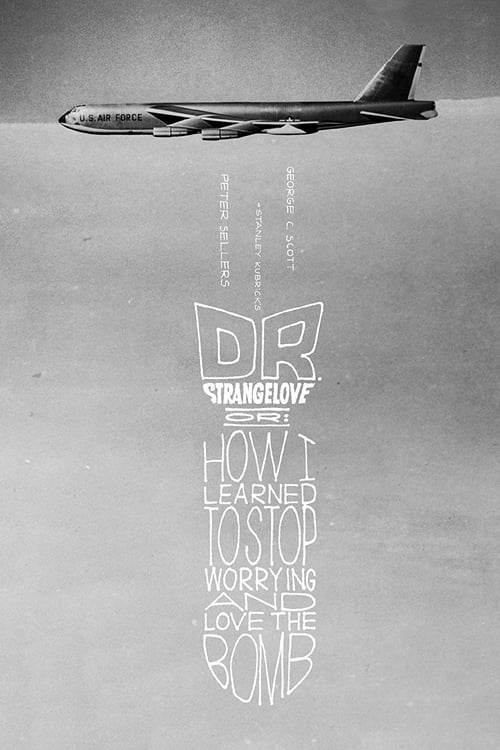
Dr. Strangelove or: How I Learned to Stop Worrying and Love the Bomb (1964)
Directed by Stanley Kubrick
Themes
Something on the order of A Clockwork Orange or Dr. Strangelove, darkly comical cautionary tales of ultra-violence and nuclear holocaust.
To be fair, Kubrick was the one who insisted on keeping the Blue Fairy stuff in the movie, much to the bemusement of Aldiss, who notes in his foreword to his collection that "I tried to persuade Stanley that he should create a great modern myth to rival Dr. Strangelove and 2001, and to avoid fairy tale."
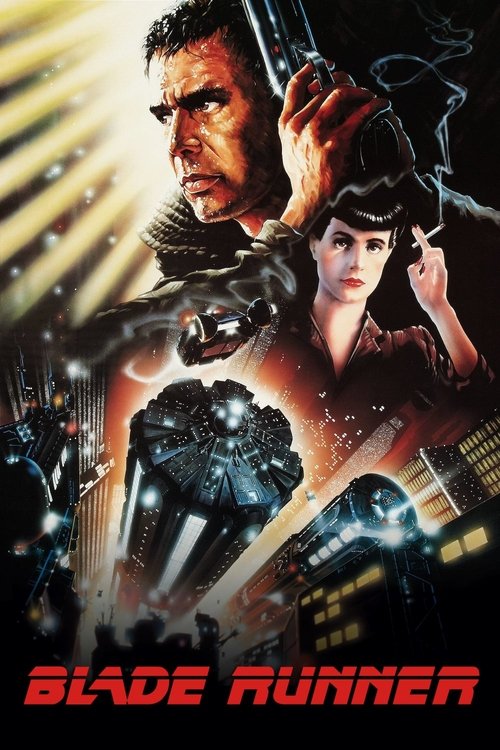
The plot, adapted from sci-fi writer Brian Aldiss’ "Super Toys Last All Summer Long", is, essentially, an update of Pinocchio (a perennial Spielberg obsession) for the robotic age, with chunks of The Wizard of Oz and echoes of Schindler’s List and Blade Runner thrown in.
While Gigolo Joe and his back story are Kubrickian (by way of "Blade Runner"), the Flesh Fair's flying mercenaries (Brendan Gleeson, wasted) and their spotlights begin the parade of "Close Encounters" visuals (a film where Spielberg featured Pinochhio's theme of 'When You Wish Upon a Star').
Spielberg has grown up on television and film culture, and is a great student of film--here he has found ways to explore some of Kubrick's favorite themes with far darker imagery than he has ever used before, with science-fiction sets that rival Blade Runner's in tone.
We’ve seen it countless times, in movies both good and bad (e.g., the Mad Max movies, Blade Runner, Waterworld).
Or what about all those mutilated meccas wandering about in junk yards to replace a missing arm or eye, or the Flesh Fair, an offbeat gladiator gala in which robots are tortured and blown to pieces, or Rouge City, Las Vegas by the way of "Blade Runner".
Spielberg’s future is surprisingly dark, with a Blade Runner quality — holographic ads are everywhere, as are sex shows and sexbots.

Confiscating a police helicopter as capable of maneuvering underwater as above, they make their way to the lost city of Manhattan, which is redolent with echoes of "Waterworld" and "Dark City" combined.
Rather than forgoing the special effects and focusing on compelling filmmaking and effective storytelling - as he was reluctantly forced to do while making "Jaws" thanks to mechanical difficulties - Spielberg goes hog wild at the end, spending what had to have been millions on the "Waterworld" meets "Close Encounters" inspired finale.
We’ve seen it countless times, in movies both good and bad (e.g., the Mad Max movies, Blade Runner, Waterworld).
We also see the world as it looks under water, which surprisingly did not make me think of "Waterworld."
Joe makes for great comic relief, confidently strutting like a cross between John Travolta and Gene Kelly as he guides David through the second act, which turns into a fantastical blend of "Blade Runner" (if it took place in Las Vegas), "Pinocchio" and "Tron," with pinches of "Waterworld" (in the future the polar ice caps have melted, submerging coastal cities), with "Road Warrior" and "Brazil" thrown in for seasoning.
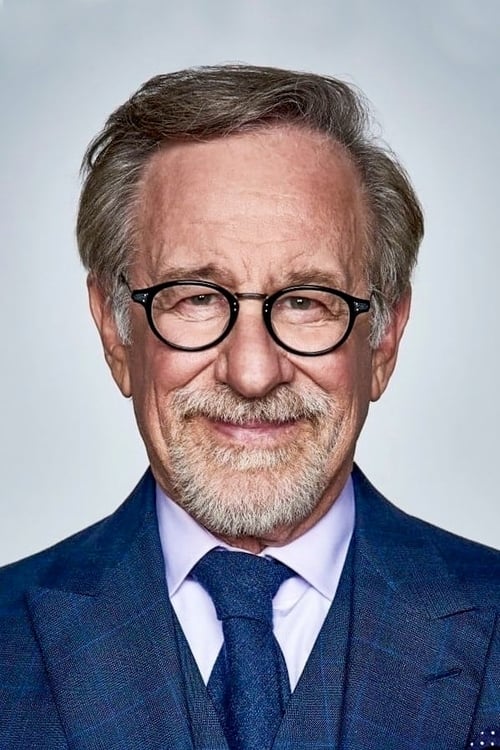
Director
Steven Spielberg
Critics compare A.I. Artificial Intelligence to 9 of Spielberg’s own films.
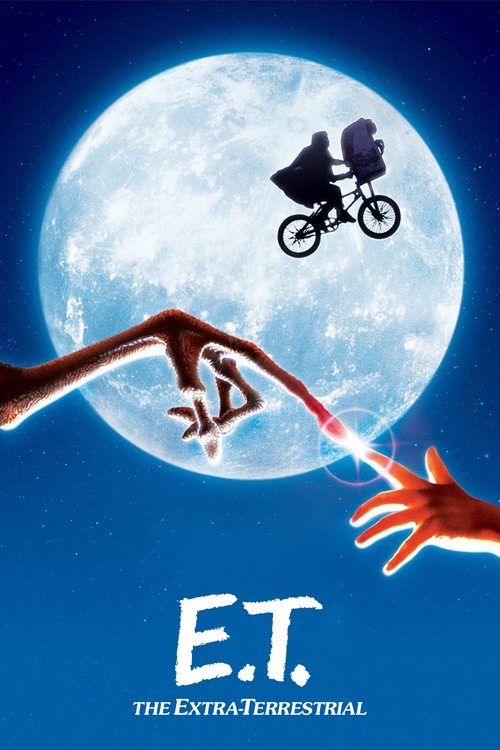
From his own work, Spielberg includes material borrowed from "E.T." (a hiding in the closet scene) and "Close Encounters," while there are moments related to Kubrick's work (the smooth talking robotic teddy bear could be a descendent of HAL from "2001: A Space Odyssey) and that of other films including "The Wizard of Oz," "Mad Max Beyond Thunderdome," "Planet of the Apes," "Waterworld," etc.
From the "Close Encounters" homage (in the visual and the audio) to an over the top (excuse the expression) mechanized moon, to the very title "A.I." (Need I remind ..."E.T."?) When given the choice of solid story-telling or big impressive visual - Steven chooses the latter every time.
It's said that Kubrick was inspired by Steven Spielberg's E.T.
It has scenes that echo "E.T.," aliens right off the mothership of "Close Encounters," and motorcycles dressed up like the predators of "Jaws."
Then Spielberg's sensibilities slowly take over, with the overall tone mating his yearning "E.T." vibe with Kubrick's infamous semi-nihilism.
And, how does this relate to similar themes in previous Spielberg films, notably in the mother-son relationship central to "E.T."?
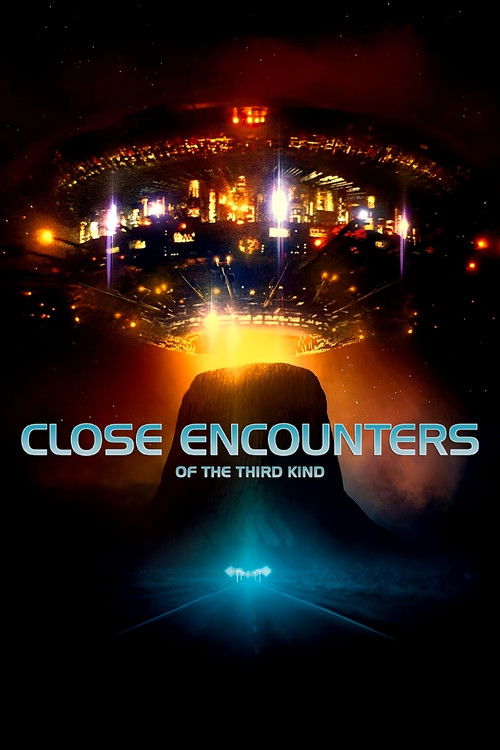
All the visual Spielberg traits are apparent (including an obvious homage to "Close Encounters of the Third Kind" during the resolution), and yet the essence of the atmosphere--in which the world feels empty despite the prescence of crowded sidewalks and busy streets--is definitely Kubrick-inspired.
Though many of the sets are reminiscent of the spaceships in "Close Encounters of the Third Kind," thematically speaking, the Spielberg picture that "A.I." most closely resembles is "Schindler's List": both movies are infused with the terror of facing down a society that views you as less than human.
A.I. Artificial Intelligence belongs in the middle, completing the trilogy begun with Close Encounters of the Third Kind and E.T.; combining elements of searching and longing with elements of goopy, sappy sentimentalism.
From Close Encounters of the Third Kind, through the Indiana Jones series, The Color Purple, Schindler's List and Amistad he has, with varying degrees of success, meditated on issues like faith, life, and justice.
Working from Aldiss's short story and Ian Watson's screen story, Spielberg wrote and directed this film that marks just the second time he's ever assumed both roles (the first being in the far superior "Close Encounters of the Third Kind").
Speaking for myself, I’m going to go out on a limb here, but Spielberg’s already so far out on his that I feel it’s warranted, so here goes: As a work of cinematic art, A.I. Artificial Intelligence may deserve a place on the shelf between Spielberg’s Close Encounters of the Third Kind and Kubrick’s 2001: A Space Odyssey.
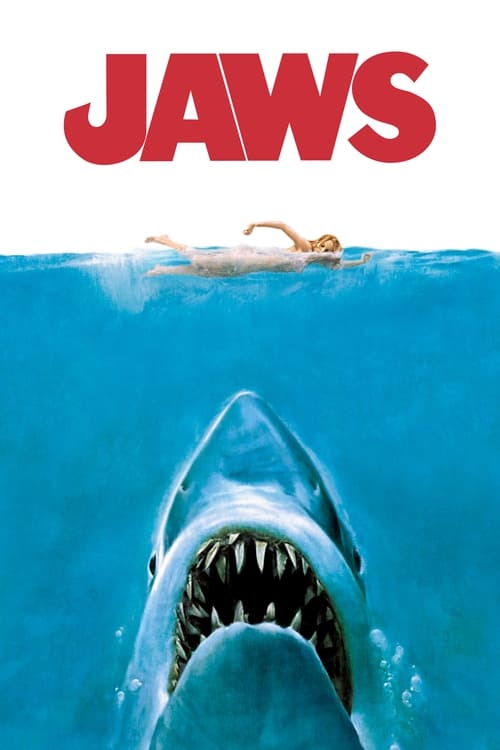
Rather than forgoing the special effects and focusing on compelling filmmaking and effective storytelling - as he was reluctantly forced to do while making "Jaws" thanks to mechanical difficulties - Spielberg goes hog wild at the end, spending what had to have been millions on the "Waterworld" meets "Close Encounters" inspired finale.
It has scenes that echo "E.T.," aliens right off the mothership of "Close Encounters," and motorcycles dressed up like the predators of "Jaws."
And it reminds us how good he can be around the family table, in such movies as "Jaws" and "E.T."
Spielberg is responsible for several of my favorites: Raiders of the Lost Ark, which I consider the finest adventure film ever made; Jaws, arguably the best suspense-horror film of all time; the double-whammy of Schindler’s List and Saving Private Ryan, which, while sorely flawed, illustrate powerfully and passionately just how evil can lead humankind into ruin, and how one person’s bravery and love can make all the difference in the world.
Watching an entertaining but essentially soulless enterprise like "Jurassic Park," which showed none of the wit, inventiveness or cunning that was so astonishing in "Jaws," it seemed like a good thing for Spielberg to move beyond the type of ready-made wonderment that he could apparently toss off at will.
I'm not sure Spielberg will ever again hit the highs of Jaws and Raiders of the Lost Ark, nor should any filmmaker reasonably be expected to.
So he drags his movies on far too long, killing their momentum -- especially in his more recent films A.I. Artificial Intelligence and Minority Report.
That's the metaphorical closet that Steven Spielberg has been trying to emerge from for the last 16 years, first with "The Color Purple" and "Empire of the Sun," and then with "Schindler's List," "Amistad" and "Saving Private Ryan."
"Well, there's [Spielberg's] Schindler's List, isn't there?"
Spielberg seems unable to resist that final nudge-nudge scene (see also Schindler's List and Saving Private Ryan).
But this is probably because it's the offspring of two men with little in common but friendship: Spielberg's movies, even "Schindler's List," have been fired by an eternal optimism about human nature; Kubrick's work, to sum it up rather casually, was always about the constitutional incapacity of man to live up to his own ideals.
Unfortunately, as he showed in the final minutes of Schindler's List, Spielberg doesn't know when to quit, and the final 20 minutes of A.I. Artificial Intelligence turn sickeningly sweet.
Directed by Steven Spielberg (his first feature film in 3 years, since 1998's Oscar-winning Saving Private Ryan ), the movie arises from a concept developed by the late writer/director Kubrick, who apparently spoke at length about the project with Spielberg before his death in 1999.
That's the metaphorical closet that Steven Spielberg has been trying to emerge from for the last 16 years, first with "The Color Purple" and "Empire of the Sun," and then with "Schindler's List," "Amistad" and "Saving Private Ryan."
The result is nothing short of terrific eye candy - thanks to cinematographer Janusz Kaminiski ("Saving Private Ryan," "Amistad"), production designer Rick Carter ("Cast Away," "Jurassic Park"), special effects wizard Stan Winston ("Jurassic Park," "Aliens") and the many folks at Industrial Light & Magic - but it's also unfortunately empty, non-satisfying on an emotional or cognitive level and ultimately superfluous.
Spielberg seems unable to resist that final nudge-nudge scene (see also Schindler's List and Saving Private Ryan).
Spielberg is responsible for several of my favorites: Raiders of the Lost Ark, which I consider the finest adventure film ever made; Jaws, arguably the best suspense-horror film of all time; the double-whammy of Schindler’s List and Saving Private Ryan, which, while sorely flawed, illustrate powerfully and passionately just how evil can lead humankind into ruin, and how one person’s bravery and love can make all the difference in the world.
Spielberg's career is littered with extremely well-managed child performances: from Close Encounters of the Third Kind to Empire of the Sun to A.I. Artificial Intelligence .
Watching an entertaining but essentially soulless enterprise like "Jurassic Park," which showed none of the wit, inventiveness or cunning that was so astonishing in "Jaws," it seemed like a good thing for Spielberg to move beyond the type of ready-made wonderment that he could apparently toss off at will.
Love (Always), war (Saving Private Ryan), racism (The Color Purple), slavery (Amistad), aging (Twilight Zone--The Movie), genetic cloning (Jurassic Park), parental responsibility (Close Encounters), absentee fatherhood (E.T.), unproven machismo (Jaws), international trade (Raiders of the Lost Ark), even the Holocaust: Spielberg shrewdly restores order to the known universe again and again, neatly resolving each of humanity's biggest problems in two or three hours tops.
The entire section seemed robbed from Spielberg's original Jurassic Park, when Mr. DNA introduces Dr. Hammond, and then Hammond talks to the film version of himself during a presentation played to his visitors in hopes of explaining how his team was able to extract dinosaur DNA from mosquitoes.
Like Jurassic Park, it shows humans overstepping their moral bounds and acting irresponsibly through science.

That's the metaphorical closet that Steven Spielberg has been trying to emerge from for the last 16 years, first with "The Color Purple" and "Empire of the Sun," and then with "Schindler's List," "Amistad" and "Saving Private Ryan."
From Close Encounters of the Third Kind, through the Indiana Jones series, The Color Purple, Schindler's List and Amistad he has, with varying degrees of success, meditated on issues like faith, life, and justice.
Granted, it is seldom that Spielberg has made a truly bad movie (Hook is likely his sole outright disaster), but I've never shaken the feeling that The Color Purple, Saving Private Ryan , and even Schindler's List are always, ultimately, less faithful to their subject matter and less trustful in their audience than they should be.
That's the metaphorical closet that Steven Spielberg has been trying to emerge from for the last 16 years, first with "The Color Purple" and "Empire of the Sun," and then with "Schindler's List," "Amistad" and "Saving Private Ryan."
But A.I. makes me think back to what I believe is his most sorely underrated film: Empire of the Sun.
If we grant what he's been trying to assert for the last two decades since Raiders—that behind all the commercial sensibility, he's a Noble and Important artist—I'm most willing to supply such benefit of the doubt based on Empire of the Sun, his dark, kid's-eye-view of World War II brutalities in China, and now A.I. Artificial Intelligence, a movie that even Spielberg's fans seem only half willing to acknowledge as his own.
It's not exactly the case that Empire of the Sun is Steven Spielberg's most "divisive" movie, in any useful sense of that word (that's almost certainly A.I. Artificial Intelligence ).
Both distant and sentimental, it's too cozy for Kubrick and too chilly for Spielberg, who hasn't fashioned a movie this frustrating since 1987's Empire of the Sun.
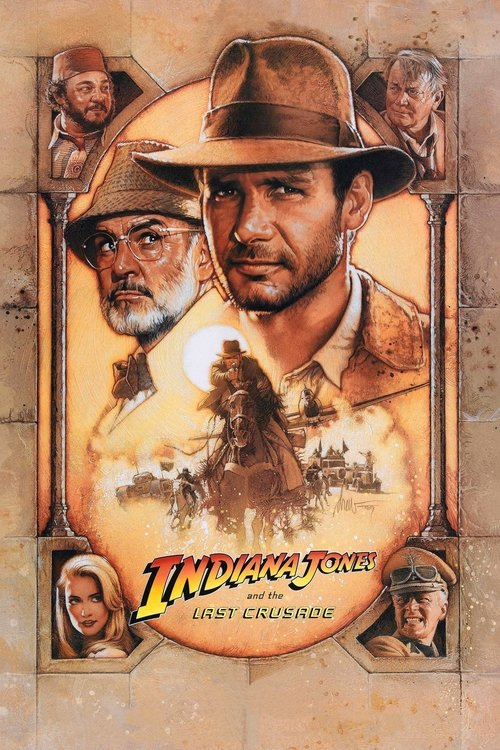
Spielberg falls back on his meager searching-for-father themes (as in E.T., Indiana Jones and the Last Crusade, Hook and many others), only now it's a mother that's captured his attention.
Advertisement
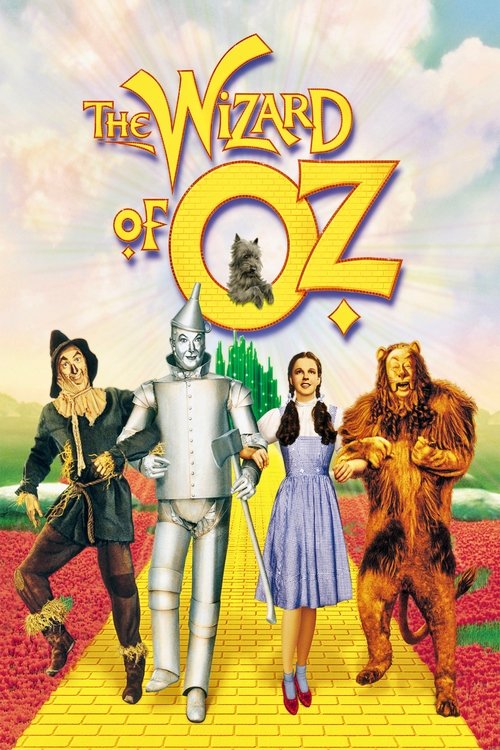
The plot mixes Pinocchio with The Wizard of Oz to tell the story of David (Osment), a "mecha" (mechanic) child adopted by a couple (O'Connor and Robards) whose son Martin (Thomas) is in cryogenic suspension with a fatal illness.
The plot, adapted from sci-fi writer Brian Aldiss’ "Super Toys Last All Summer Long", is, essentially, an update of Pinocchio (a perennial Spielberg obsession) for the robotic age, with chunks of The Wizard of Oz and echoes of Schindler’s List and Blade Runner thrown in.
An unsettling sci-fi fairytale mélange of “Pinocchio” and “The Wizard of Oz,” “A.I.” wedded Spielberg’s visual wizardry to Stanley Kubrick’s bitter reality.
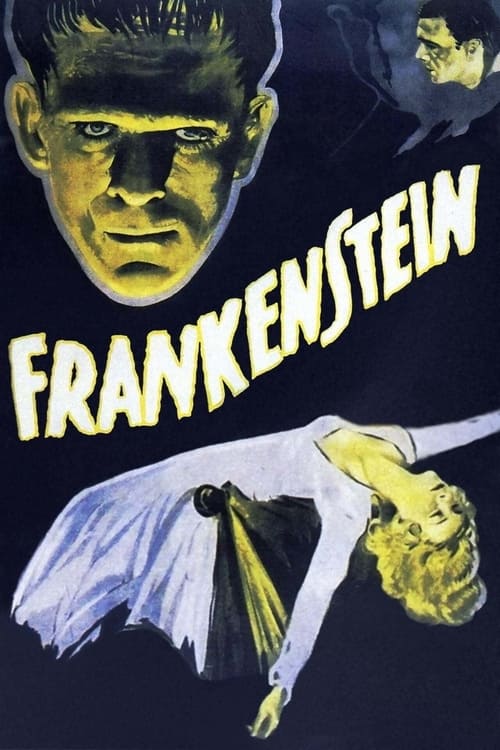
Like Mary Shelley’s "Frankenstein," A.I can be interpreted as a cautionary tale about the power of science and humanity’s relationship with it.
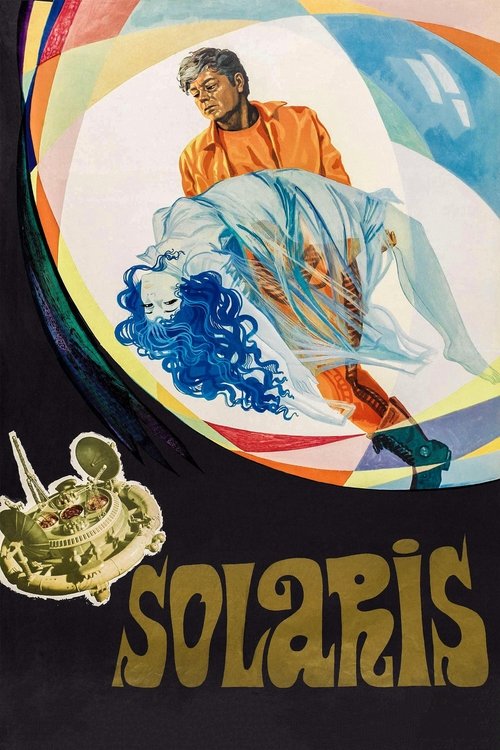
But it's the ghost of Andrei Tarkovsky who really seems to wander through the shadows of A.I. Particularly in a scattershot coda that deals with the relation of memory to reality and dreams made flesh, this feels more like Solaris than any Kubrick film.
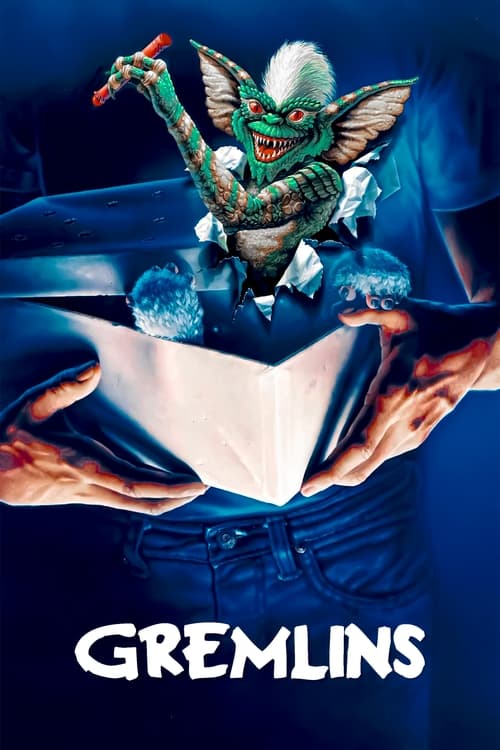
But due to the irresponsibility and selfishness of human beings, this wonderful thing turns quickly into a nightmarish vision of mayhem, darker and more dangerous than anything Steven Spielberg himself could dream of (at least not until his most recent films A.I. Artificial Intelligence and Minority Report).
Advertisement
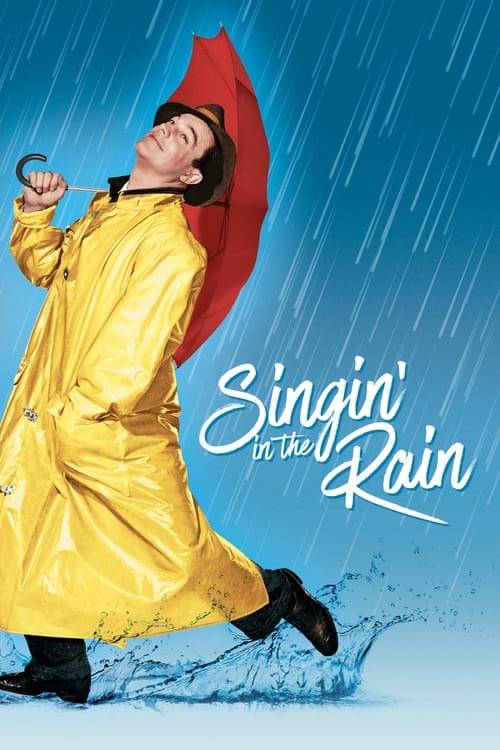
Then there are the early scenes featuring Jude Law as a mechanical gigolo who dances along the sidewalk like Gene Kelly in "Singin' in the Rain" and suddenly plays old-fashioned romance tunes with a quick cock of his head.
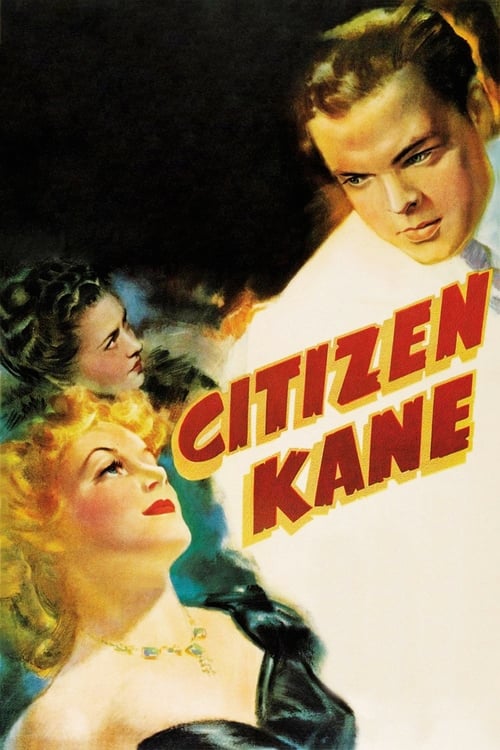
The irony should not be lost on the fact that David Fincher's Mank, a dramatized feature about the writing of one of Orson Welles's greatest films, Citizen Kane (1941), is being released by the streaming giant Netflix.