
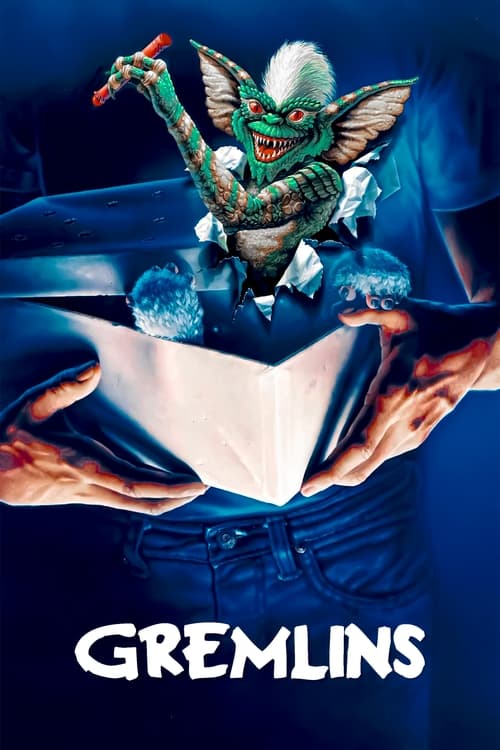
Gremlins (1984)
Directed by Joe Dante
After receiving an exotic small animal as a Christmas gift, a young man inadvertently breaks three important rules concerning his new pet, which unleashes a horde of malevolently mischievous creatures on a small town.
9 connections found
View:
9 films that influenced Gremlins
What critics say influenced Gremlins
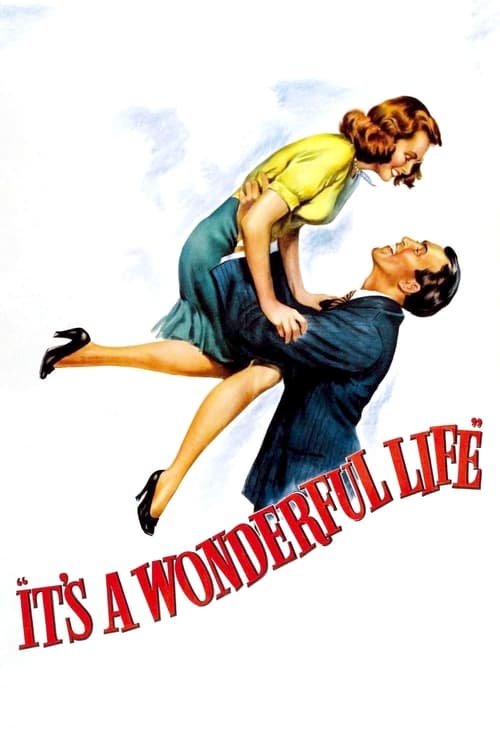


Upon deeper inspection, it also carries all those conventional visual and narrative details we come to associate with stories about the holidays: the obligatory wintry landscape where iron lampposts barely light the streets behind blankets of falling snow; the old Scrooge-like humbug (an old lady obsessed with money and cruelty played by Polly Holliday); a mute housewife (Frances Lee McCain) who engages in all the ordinary holiday pastimes, including watching “It’s a Wonderful Life” on a kitchen television while baking cookies; and the local bar where citizens exchange those silly or vulgar anecdotes that aren’t very funny unless you’re in on the joke.
We see actual clips of "Snow White and the Seven Dwarfs," "It's a Wonderful Life" (which Billy's mom amusingly refers to as a "sad movie"), "Invasion of the Body Snatchers," and "To Please a Lady."
A great Christmas film can be shown in late December and any other time during the year, qualities shared by the best of all Yuletide movies, It's a Wonderful Life and Gremlins .
Imagine a berserk film editor splicing ''It's a Wonderful Life'' to ''Invasion of the Body Snatchers,'' with quoting from ''Snow White'' and a nod to ''The Texas Chainsaw Massacre.''
This is probably because Joe Dante’s Christmastime children’s fantasy is so gleefully mischievous and full of dark, magical energy that it’s hard to look past the plush-toy cuteness of Gizmo, the sweet romance between Billy (Zach Galligan) and Kate (Phoebe Cates), or the stream of reverential allusions to The Wizard of Oz, It’s A Wonderful Life, producer Steven Spielberg’s E.T., and the Looney Tunes cartoons (replete with a cameo by famed Warner Bros. animator Chuck Jones) from which Dante lovingly draws inspiration.
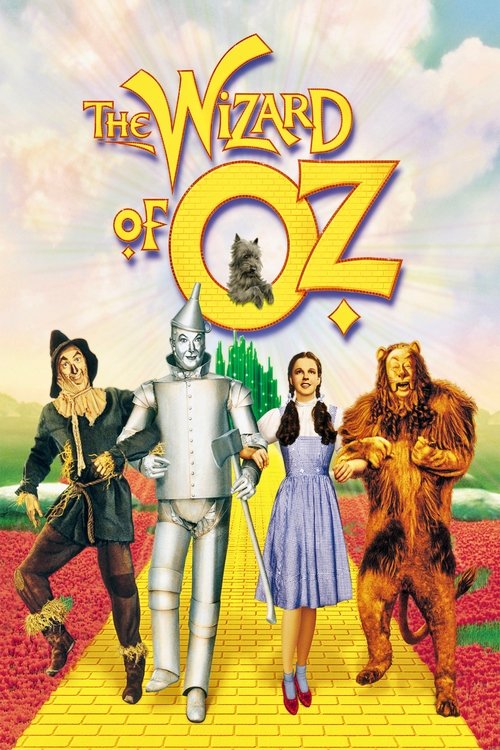
For just one example, even children will recognize the neighborhood sourpuss, Mrs. Deagle, as a takeoff on Margaret Hamilton in ''The Wizard of Oz.''
This is probably because Joe Dante’s Christmastime children’s fantasy is so gleefully mischievous and full of dark, magical energy that it’s hard to look past the plush-toy cuteness of Gizmo, the sweet romance between Billy (Zach Galligan) and Kate (Phoebe Cates), or the stream of reverential allusions to The Wizard of Oz, It’s A Wonderful Life, producer Steven Spielberg’s E.T., and the Looney Tunes cartoons (replete with a cameo by famed Warner Bros. animator Chuck Jones) from which Dante lovingly draws inspiration.

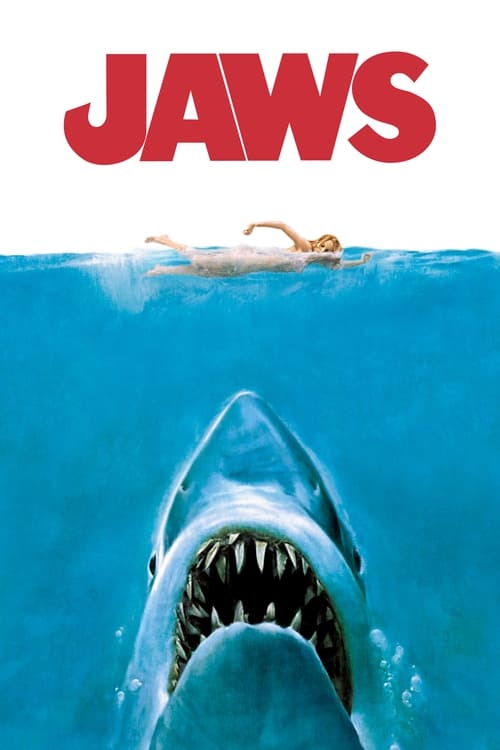
Most of Spielberg's fantasies, from ''Jaws'' to ''E.T.,'' want us to (a) love a good guy or (b) loathe a monster.
Spielberg was riding high with "Jaws," "Close Encounters," "Raiders of the Lost Ark," and "E.T.," while Dante had recently done "The Howling."
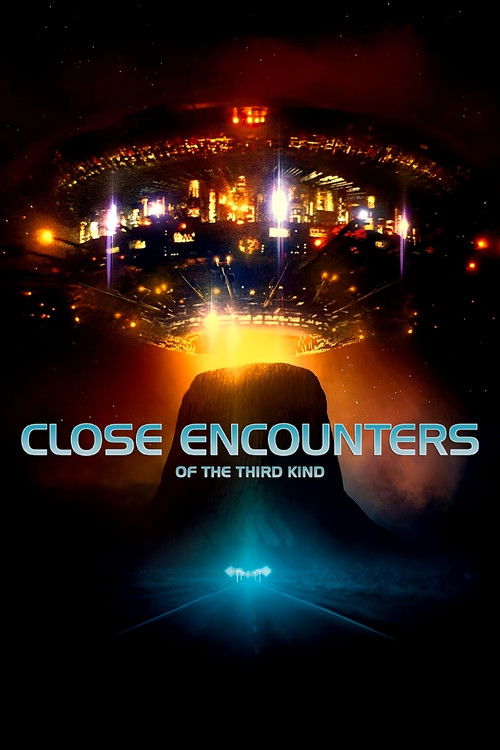
The visual effects are imaginative, the in-jokes are delivered fast and furious (best one: the movie marquee advertising Watch the Skies and A Boy's Life, the working titles for Close Encounters of the Third Kind and E.T.: The Extra-Terrestrial respectively), former Roger Corman vet Dick Miller has a juicy supporting role as a drunken xenophobe, and Phoebe Cates (as Billy's girlfriend) delivers a chilling speech about why she hates Christmas.
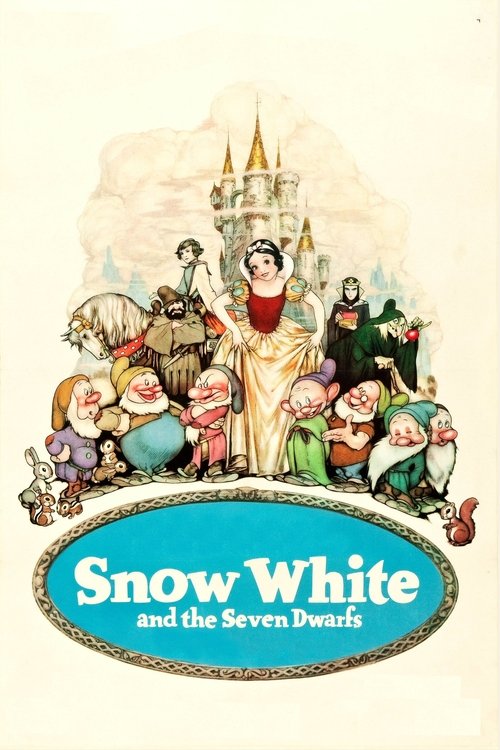
We see actual clips of "Snow White and the Seven Dwarfs," "It's a Wonderful Life" (which Billy's mom amusingly refers to as a "sad movie"), "Invasion of the Body Snatchers," and "To Please a Lady."
Advertisement
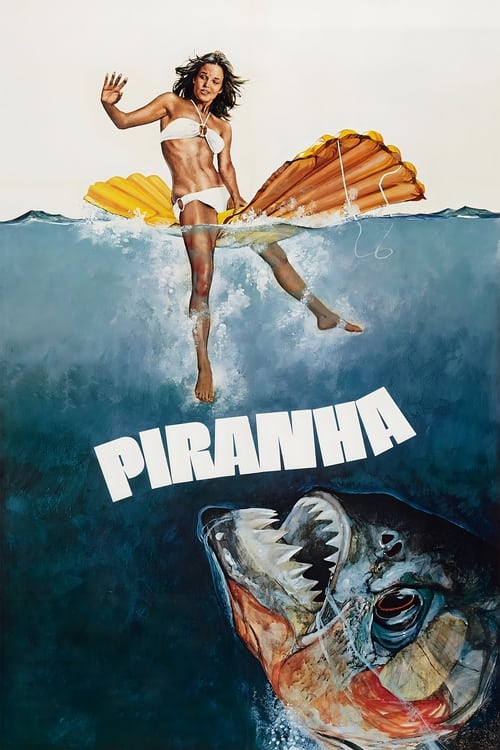
''Gremlins'' combines the visual inventiveness of that episode with a new storytelling maturity -even adding, at the end, some of the social awareness that lurked in the depths of his early ''Piranha.''

At the center of this horror comedy is a tidy family parable of the kind so dear to the heart of producer Steven Spielberg: the cute little whatzits who turn into marauding monsters when they pass through puberty (here gooily envisioned as "the larval stage") are clearly metaphors for children, and the teenager (Zach Galligan) whose lapse of responsibility unleashes the onslaught is a stand-in for the immature parents of the 80s (Poltergeist).
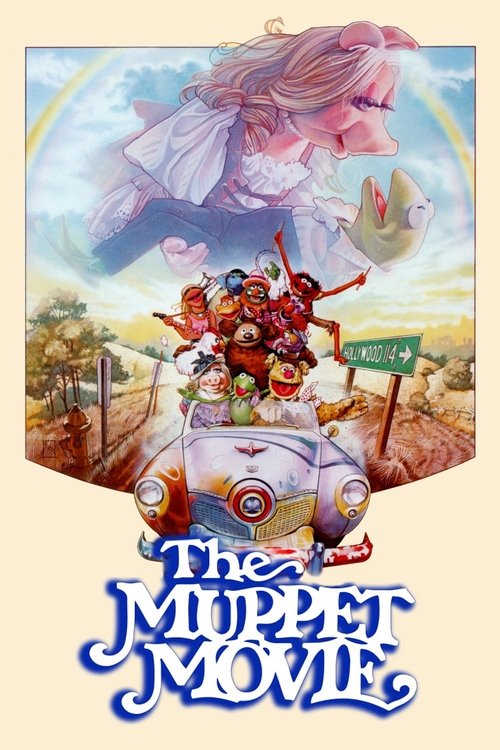
Think of ''The Muppet Movie'' run amok.
The other is his Christmas present from dad: an adorable something-or-other called Gizmo, which has the cutest face this side of Yoda in the ''Star Wars'' saga.