
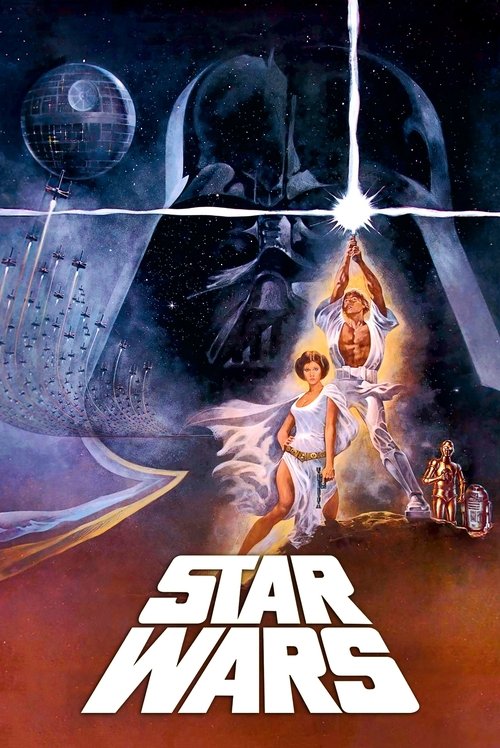
Star Wars (1977)
Directed by George Lucas
Princess Leia is captured and held hostage by the evil Imperial forces in their effort to take over the galactic Empire. Venturesome Luke Skywalker and dashing captain Han Solo team together with the loveable robot duo R2-D2 and C-3PO to rescue the beautiful princess and restore peace and justice in the Empire.
15 connections found
View:
15 films that influenced Star Wars
What critics say influenced Star Wars
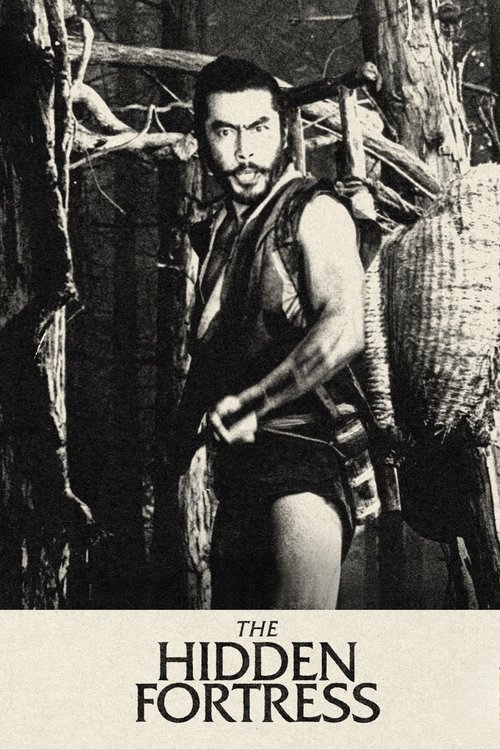


Star Wars borrows from numerous sources, but the most obvious inspirations are the serialized adventures of Flash Gordon and Buck Rogers, Arthurian legends, Greek mythology, and Akira Kurosawa's The Hidden Fortress .
Now, add to this myth business the fact that Lucas borrowed his plot for "Star Wars" from Japanese director Akira Kurosawa´s "The Hidden Fortress," 1958, and we can see that his sci-fi epic has more to it than meets the eye.
As I'm sure we're all aware by now, Star Wars is really just a remake of Kurosawa Akira's 1958 jidaigeki adventure The Hidden Fortress , seasoned with elements of the old Flash Gordon serial, but that's in and of itself the dream project of an unapologetic film buff.
When they wander the sandy surfaces of Luke Skywalker's planet, in scenes suggested by the comic wrangles of Minoro Chiaki and Kamatari Fujiwara in Kurosawa's "The Hidden Fortress," the movie's special charm is in full gear.
No one ever figured out the plot was stolen from Kurosawa's "The Hidden Fortress" until it didn't matter.
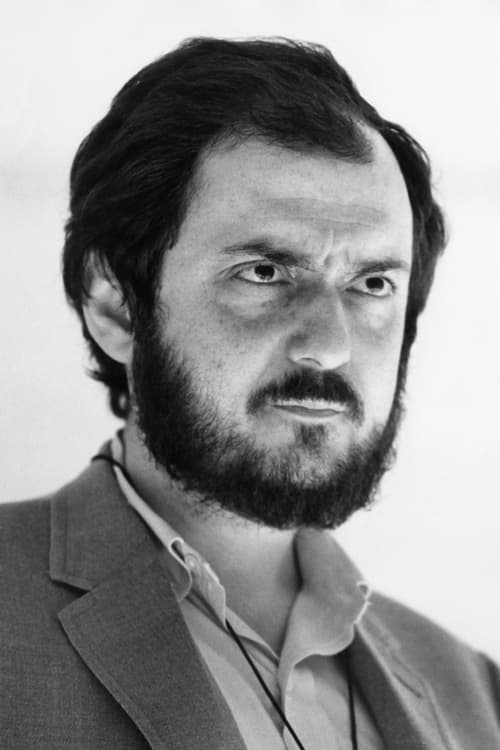
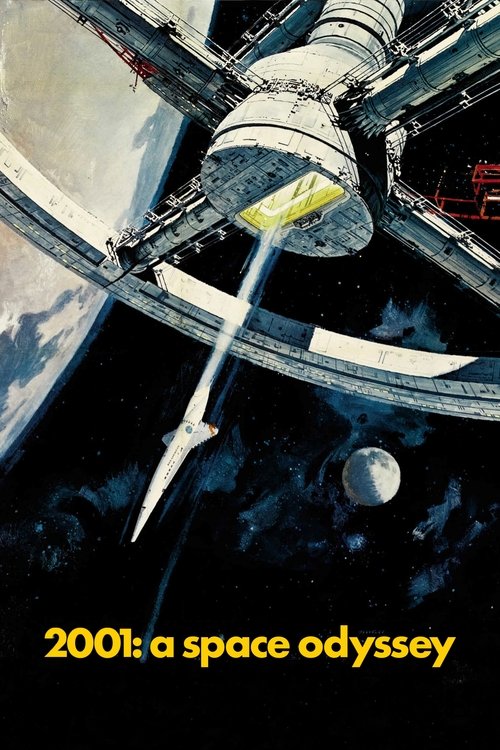
The magical mechanics of the movies seem to have been invented for simulating space travel, as Georges Melies saw before 1900 and as Stanley Kubrick demonstrated so spectacularly in “2001: A Space Odyssey” in 1968.
"Star Wars" had all the right stuff, and unlike its confounding progenitor, "2001: A Space Odyssey," it was fairy-tale simple: "A long time ago in a galaxy far, far away," good met evil.
He gets what he wants, however, with a lavishness and freshness of imagery unequaled in any sci-fi picture since “2001: A Space Odyssey.”
The film makes its impact through the accumulation of details, like Ben Burtt's sound effects (go ahead, make the lightsaber noise; now remind yourself that once upon a time, somebody had to consciously decide that's what it should sound like), or John Dykstra's astonishing special effects, the most weighty, plausible spaceships that had ever been seen in the movies and the first time since 2001: A Space Odyssey nine years earlier that filmmakers seem to have genuinely cared about sinking so much time into a physically authentic (ignoring the improbable physics) depiction of space.
And for the frosting on the cake, Lucas has assembled the most brilliant special effects and futuristic characters this side of "2001: A Space Odyssey."
Indeed, the first trilogy has extended the realm of the sci-fi genre and elevated its visibility way beyond Kubrick’s revolutionary 1968 sci-fi, “2001: A Space Odyssey.”
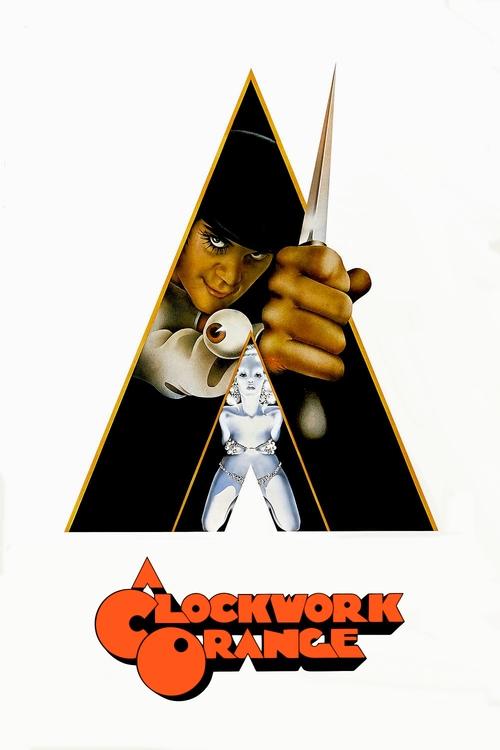
He was the designer on Stanley Kubricks version of "A Clockwork Orange," which opened in a dive for futuristic delinquents.
But clearly production designer John Barry was a central shaping influence (he also did “A Clockwork Orange”).
David Prowse, who later played the hulking form of Darth Vader in Star Wars, here plays Mr. Alexander's bodyguard.
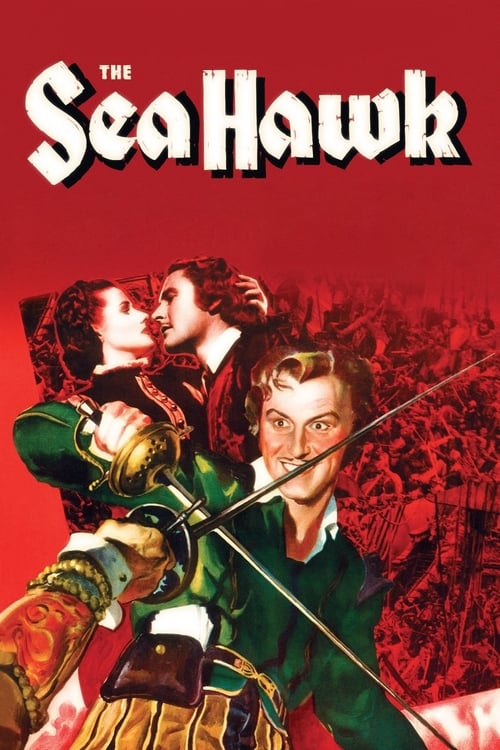
Part "Flash Gordon," part "Adventures of Robin Hood," with John Williams´ music inspired by things like "The Sea Hawk," the cliff-hanger situations and hairbreadth escapes of "Star Wars" are not only fun in their own right, they would be the precursors of the "Indiana Jones" series to come.
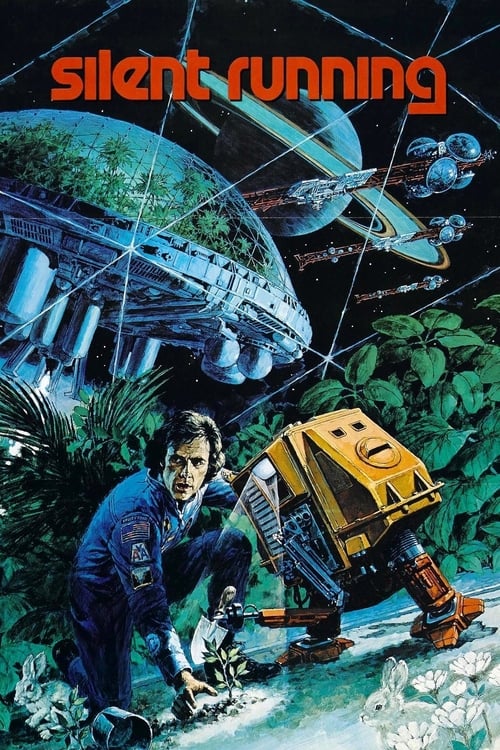
Trumbull worked on 2001 and directed Silent Running, featuring Bruce Dern and a cast of robots, but was specifically not hired by Lucas, who wanted total control of his designs and effects.
In order not to devalue it for you, I don't think I'll tell you what it's about, except that there's a struggle between an oppressive intergalactic empire and heroic rebels, and there's a captive princess, and wonderful comedy-relief robots (derived from Trumbull's Huey, Dewey and Louie in Silent Running), sensational battle with ray guns, battle cruisers, dogfights in outer space, and a young protagonist who bears in his genes the mysterious Force of a dead race of warriors.
The special effects crucially involved John Stears (“Thunderball” and other Bond films) and John Dykstra, who worked on “Silent Running.”
Advertisement
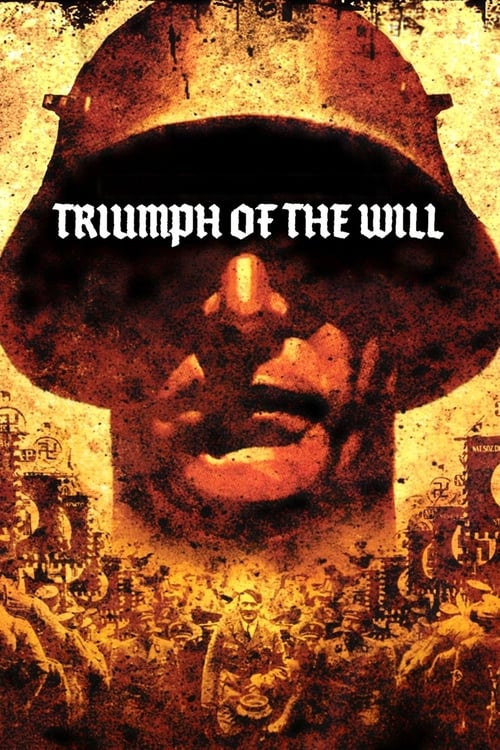
By this point, Lucas's 1977 film has been accused of everything from hazy characterization to crypto-fascism (the finale is, indeed, a restaging of Triumph of the Will), and it has become painfully clear that the film's apparent naivete is anything but—Lucas doesn't make a move without the market research to back him up.
The rebellion arrived, led by a new hero: George Lucas rewrote the past and the future of the American movie, both as an industry and as an art form, with a sprawling space opera that drew on such disparate antecedents as "Triumph of the Will," "Robin Hood," "The Searchers," Midway (the battle, not the movie) and recombined them into a mythological alloy upon which he would found an empire.
Riefenstahl's images, which owe much to Albert Speer's design and staging, have been aped (cluelessly) in Star Wars and (cannily) in Starship Troopers, but laid end to end, they're less threatening than dull, the endless sounding of one Reich-prescribed note.
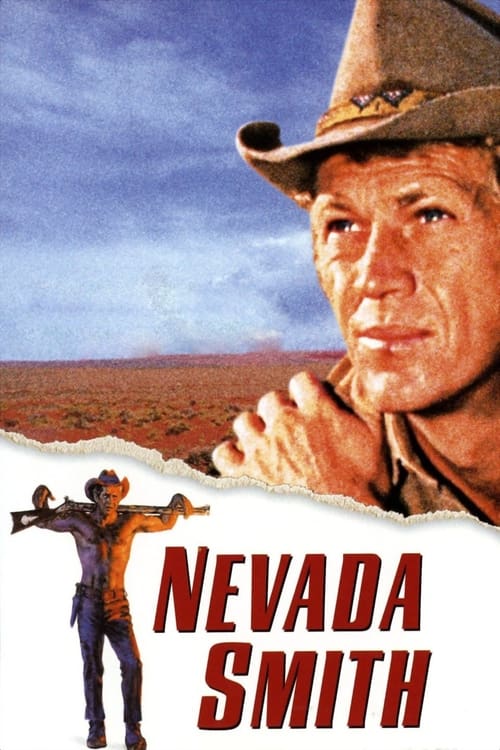
For example, Lukes return to a burnt-out homestead and Han Solos showdown in the cantina with a hired-gun monster are classic Western confrontations (the former appears to be directly inspired by the key motivational scene in "Nevada Smith" which Lucas has integrated brilliantly into another context.
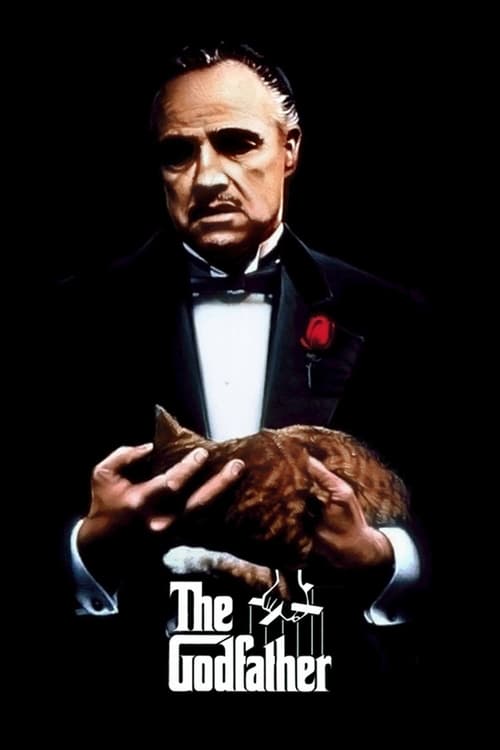
Faster than you can say "homeland security," martial law is imposed; the next order of business is wiping out the pesky Jedi--a task accomplished in a flurry of crosscutting, a nod to the christening massacre in The Godfather (and to Lucas's own Jedi master, Francis Ford Coppola).
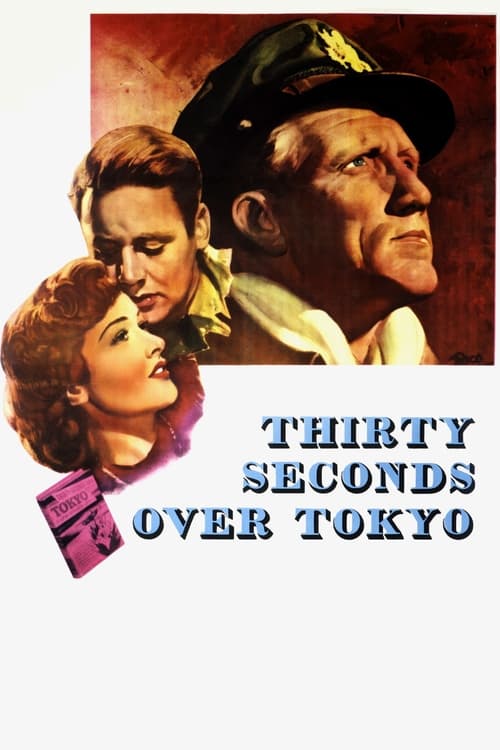
Director-writer George Lucas ("American Graffitti") has composed a stunning visual symphony with elements of "The Wizard of Oz," "The Three Musketeers" and even "Thirty Seconds Over Tokyo" as well as obvious science-fiction antecedents.
Advertisement
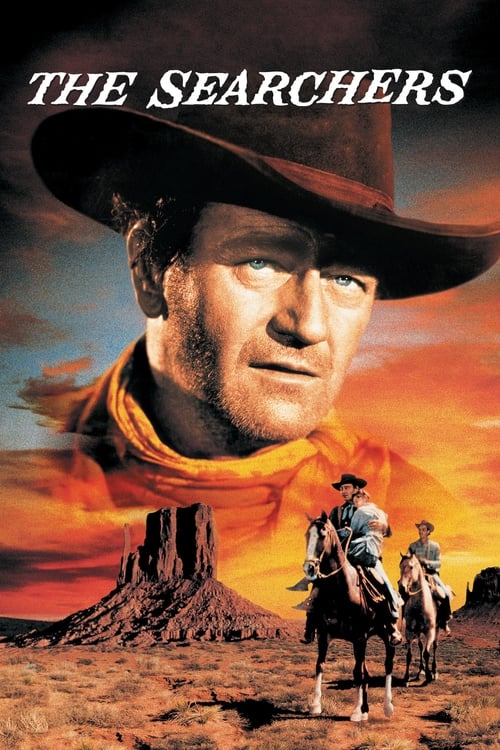
Ethan's quest inspired a plot line in George Lucas' “Star Wars.”
John Ford’s The Searchers (1956) is a film that tends to be discussed today either in attempts to grapple with its status as a possibly racist work or, less interestingly, as the blueprint for Star Wars (1977).
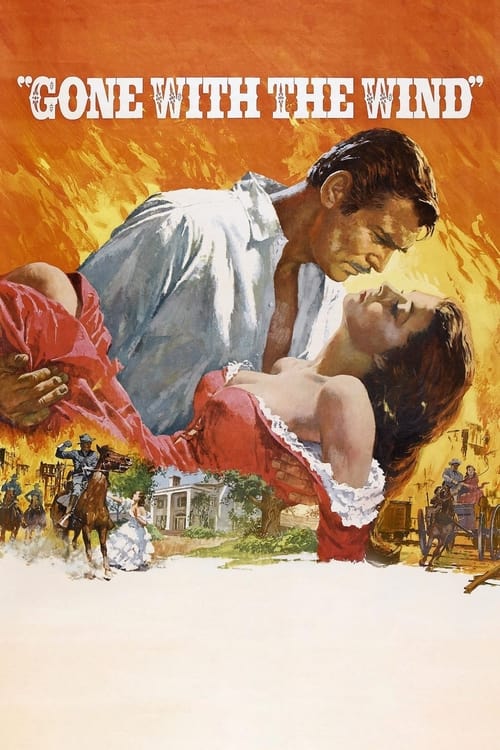
And like "Gone With The Wind," "Lawrence of Arabia" or other legendary movies, this is the way "Star Wars" was intended to be seen and there really is nothing quite like it.
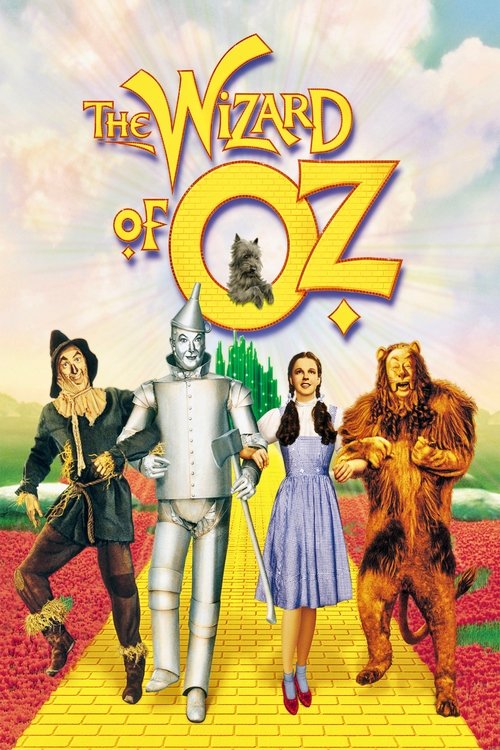
Director-writer George Lucas ("American Graffitti") has composed a stunning visual symphony with elements of "The Wizard of Oz," "The Three Musketeers" and even "Thirty Seconds Over Tokyo" as well as obvious science-fiction antecedents.
Snippets and overtones of Oz turn up in everything from The Princess Bride and Star Wars (Can't you just hear Vader saying, "I'll get you, my Jedi, and your little R2 unit, too!"?) to Earth Girls Are Easy, and the film is the source of many a reference for the wags on Mystery Science Theater 3000.
Not only is it one of the finest examples of the hero (or, in this case, the heroine's) journey, which has influenced every epic quest tale from Star Wars to Harry Potter , but it is also a magical combination of drama, adventure, fantasy, and musical.