
Victor Fleming
192 connections found
View:
Connections, in both directions



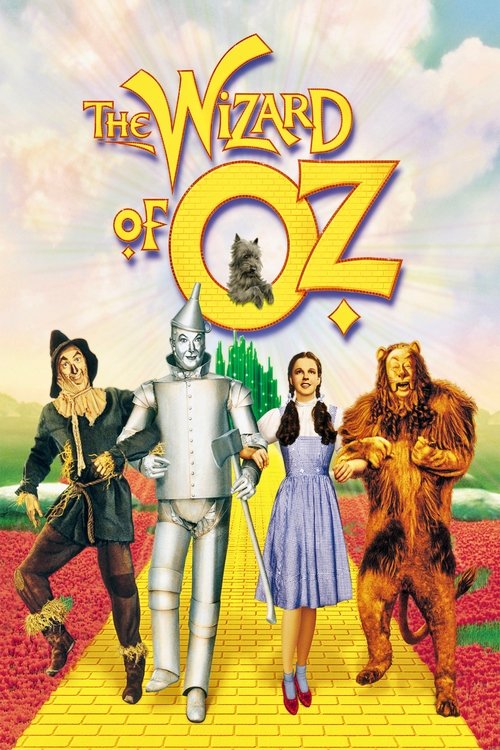
As Elphaba casts a spell to save Fiyero, For Good pays homage to the color schemes of Victor Fleming’s The Wizard of Oz, intercutting black-and-white shots of Fiyero’s torture in a cornfield.
Because the narrative of The Wizard of Oz is a part of Wicked’s overall story, those events have to be wedged in as part of Elphaba’s story…
More than anything, "Wicked For Good" carries the cinematic spirit of "The Wizard of Oz," proving more than 85 years later that the magic of Oz still works.
…with all the Wizard of Oz loose ends to square away…
…sludgy CGI that, for all its millions of dollars, looks far chintzier than the 1939 original’s painted backdrops…
Stephen Schwartz introduces two new songs, “No Place Like Home” and “The Girl in the Bubble”…
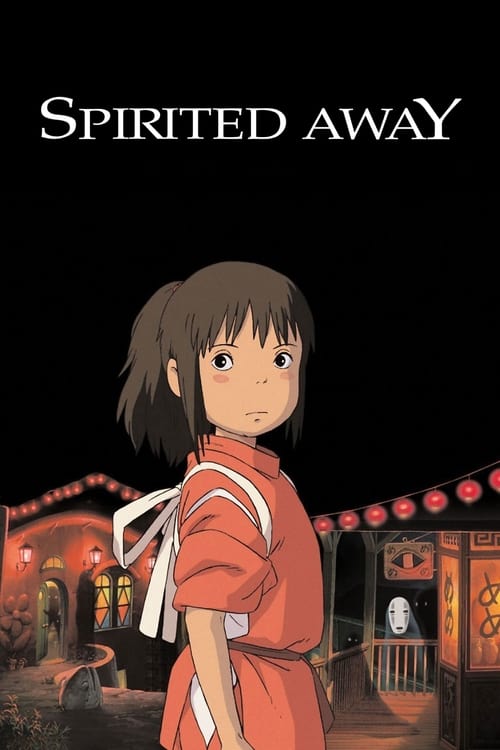
Melding bits of Alice in Wonderland and The Wizard of Oz with Eastern-angled spookiness and an outré sensibility that borders on the indescribable, Spirited Away is fiercely original in every respect.
If the children's literature section of your neighborhood bookstore was shuffled up and animated, with painterly sophistication and a Grimm eye for the bizarre, The Phantom Tollbooth and The Wizard of Oz landing on top, the result might look like Spirited Away.
In the tradition of "The Wizard of Oz" and "Alice's Adventures in Wonderland," "Spirited Away" is about a girl who overcomes her fears when plopped into a strange world and takes control of her fate.
Once inside, however, she loses track of her parents and begins an adventure that echoes everything from "The Wizard of Oz" to "The Never-Ending Story" to "Alice in Wonderland."
The story echoes "Alice in Wonderland" and "The Wizard of Oz" as it follows 10-year-old schoolgirl Chihiro (voiced by Daveigh Chase) when she and her parents move to a new city.
Strange, beautifully-animated, moving film that’s like a combination of Alice in Wonderland and The Wizard of Oz (alongside many other references) yet, at the same time, it’s unlike anything you’ve ever seen before.
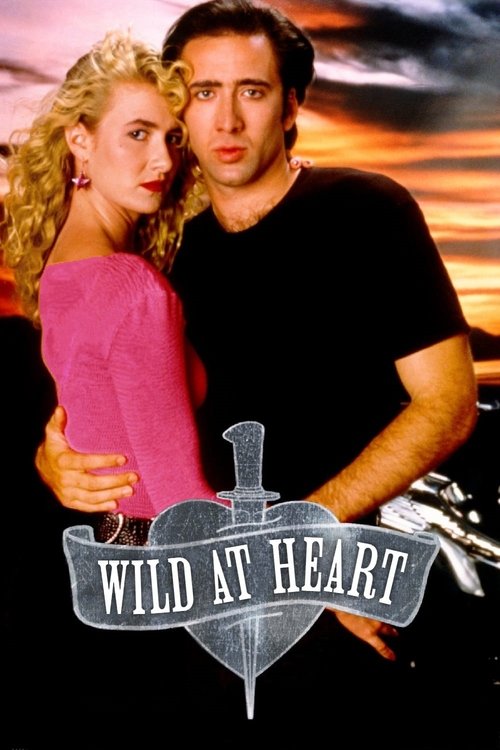
Other movies have incorporated The Wizard of Oz into their fabric, notably Woody Allen's Annie Hall , Martin Scorsese's After Hours and David Lynch's Wild at Heart , not to mention the popular book/Broadway play Wicked, which tells the story from the Wicked Witch's perspective.
Lynch has also felt compelled to douse the movie (which took the prestigious Palme d'Or at Cannes this year) with an unending flood of references to "The Wizard of Oz."
Though far from an intellectual exercise, the film fiddles consciously with big cultural archetypes—Elvis, Marilyn Monroe, and The Wizard Of Oz, among others—and with capital-letter depictions of Good and Evil.
Wild at Heart takes the archetypal road movie and adds inventive variations including sexual intrigue, ritual murder, pyromania, dirty talk, an ensemble cast familiar from "Twin Peaks," identification with media icons, and references to The Wizard of Oz.
What Lynch seems to have been going for is a sort of white-trash variation on "The Wizard of Oz" -- one that's been left out in the sun to rot and fester and run lousy with maggots.
But among all the pop-cultural referencing laced throughout Wild At Heart, the most important, noticeable, and constant allusions in the film are the numerous ones pertaining to The Wizard of Oz, with many pieces of dialogue referring to Sailor and Lula’s journey using terminology and imagery from the classic film.

As riffs on Alice in Wonderland and The Wizard of Oz go, Jim Henson's Labyrinth is a painfully dated, shockingly un-magical romp through a fragmented netherworld populated by Ziggy Stardust and a horde of little people wearing giant papier-mâché heads.
Similar to the books loved by the film’s young hero, which include Peter Pan, Snow White, The Wizard of Oz and Where the Wild Things Are, Labyrinth is a wildly inventive and imaginative adventure story combined with a parable about maturity.
Movie lovers will recognize elements of "Alice in Wonderland" and "The Wizard of Oz" that Henson "borrowed" to make this movie, but they'll also get a kick out of seeing all of the elements in this film that turn up later in the Harry Potter books and movies.
You can see in this adventure everything from "The Wizard of Oz " and "Alice in Wonderland " to "New Zoo Revue " and Pink Floyd's "The Wall ."
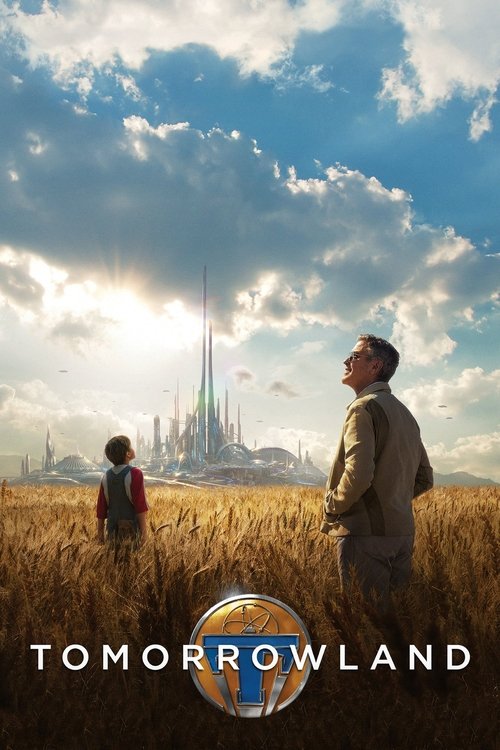
By this point the viewer is likely to understand all too well how she feels, as “Tomorrowland” increasingly suggests a version of “The Wizard of Oz” that, despite numerous attempts at liftoff, never quite manages makes it over the rainbow.
Imagine jumping back and forth between Kansas and Oz in “The Wizard of Oz” with several key characters out of sight for long stretches and you get the picture.
But director Bird (“The Incredibles,” “Mission: Impossible — Ghost Protocol”) is such a master of momentum, and has such a way with gadgetry that the film’s two-plus hours whiz by, with elements of “The Terminator,” “Hugo,” “The Rocketeer” “The Wizard of Oz” and countless other films flashing past.
The production design is first rate with visual nods from everything to Disneyland to “The Wizard Of Oz” to the 1964 NY World's Fair, where the movie of begins.
Although Tomorrowland's ambitions are right up there with Back to the Future and The Wizard of Oz, the plucky Floridian played by Britt Robertson in the time-hopping Disney adventure is unlikely to be remembered in decades to come - or even in months to come, once the next teenage dystopian fantasy inserts itself into movie houses.
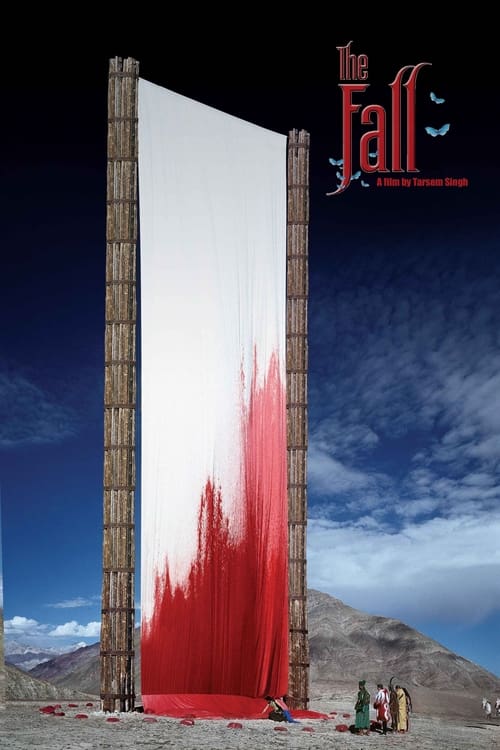
The circumstances of the filmmaking keep coming up alongside the filmmaking itself, not because The Fall is only impressive with asterisks describing its technique, but to demonstrate the filmmaker's unconventional and dedicated approach to material that could be as familiar as watching The Wizard of Oz on cable.
Alexandria draws on people she knows in order to visualize her story much in the same way that Dorothy looked to people on the farm as she imagined the Tin Man, Scarecrow and Lion in The Wizard of Oz.
It doesn't take long to realize that the story reflects both of their lives, originating from his movie background and wounded romanticism and filtered through her imagination and experiences (complete with characters cast from her life, a la "The Wizard of Oz").
Like Pan's Labyrinth and The Wizard of Oz, Tarsem's film dives deep into the imagination of a child, taking characters from her real world and transplanting them into the fantasy.
Cowriter (with Dan Gilroy ("Two for the Money") and Nico Soultanakis ("The Cell")/director Tarsem Singh ("The Cell") spent sixteen years scouting locations in twenty-eight countries, then another four years creating his own visually spectacular, culturally peculiar version of "The Wizard of Oz." Equal part bedtime story and contemporary art museum installation, "The Fall" is unlike anything you've ever seen.
The way in which the story unfolds evokes The Wizard of Oz and The Princess Bride , but the synthesis of the elements marks The Fall as vastly inferior to either.
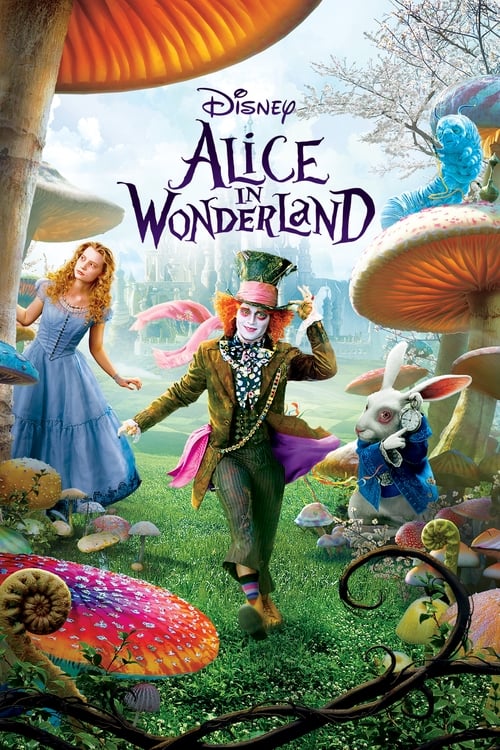
Alice in Wonderland (2010)
Directed by Tim Burton
influenced by The Wizard of Oz (1939)
Plot Visuals
It may be sacrilege to compare Burton's Alice in Wonderland with The Wizard of Oz (1939), but there are distinct parallels.
Alice's first proper glimpse of Underland comes with the opening of a door, recalling a similar scene in 1939's "The Wizard of Oz" when Dorothy steps out from the black-and-white confines of her farmhouse and into the Technicolor-fused Munchkinland.
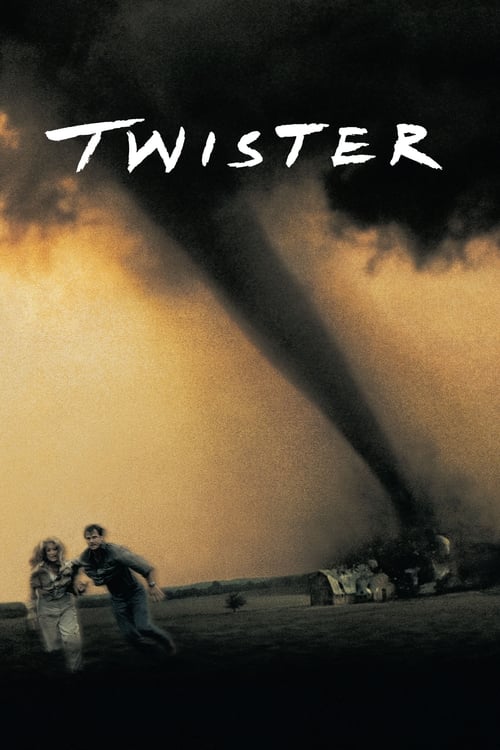
Forget the many redundant references to The Wizard of Oz, this hasn't a fraction of that movie's logic, imagination or ambitions.
They also drop so many references to The Wizard of Oz that families can make a game of counting them.
Bill Paxton's tornado measuring machine is named Dorothy (from The Wizard of Oz, naturally), lines of dialogue are lifted from Star Wars ("that's no moon, that's a space station"), and Repo Man ("normal people spend their lives avoiding tense situations, Repo Man spends his life trying to get into tense situations.")
Django Unchained (2012)
Directed by Quentin Tarantino
influenced by Gone with the Wind (1939)
Visuals Themes
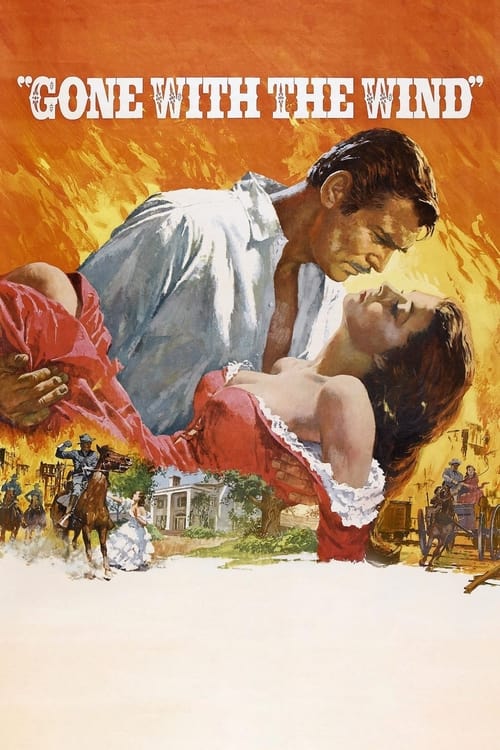
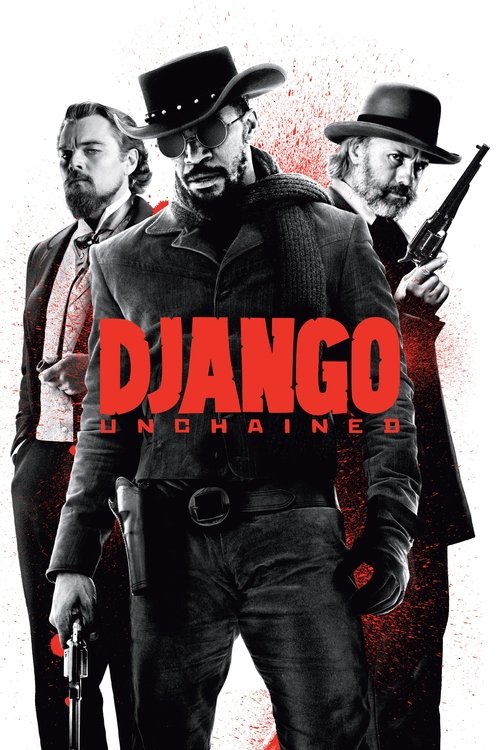
From the first moments of the film — a retro studio logo followed by a heroic theme song and a scrolling red title that evokes the opening of “Gone With the Wind” — we know we are in Tarantino’s universe, where the floss of film history gets spun into gold.
Of course, Spielberg is working in a time-honored tradition: After The Birth of a Nation, with its risible scenes of freed slaves raping and pillaging white Southerners, movies have treated this "peculiar" institution mostly at arm's length, from the happy slaves of Gone With the Wind and Song of the South to the simian allegories of King Kong and Planet of the Apes.
Movies like “Gone With The Wind” give us a much sanitized version.
So after calling out the Nazis and showing what comic figures they truly are, Tarantino is doing the same to the rich, white racists who ran the “Gone With the Wind” South.
There’s a point in “Django Unchained” when its sheer absurdity, luridness and violence pose an inescapable challenge to the skeptical literalists in the audience: Sure, this is an outrageous distortion, the "Django Unchained" movie itself seems to say, but is it any more outrageous than “The Birth of a Nation” or “Gone With the Wind”?
Think of it as Gone With the Wind meets Shaft.
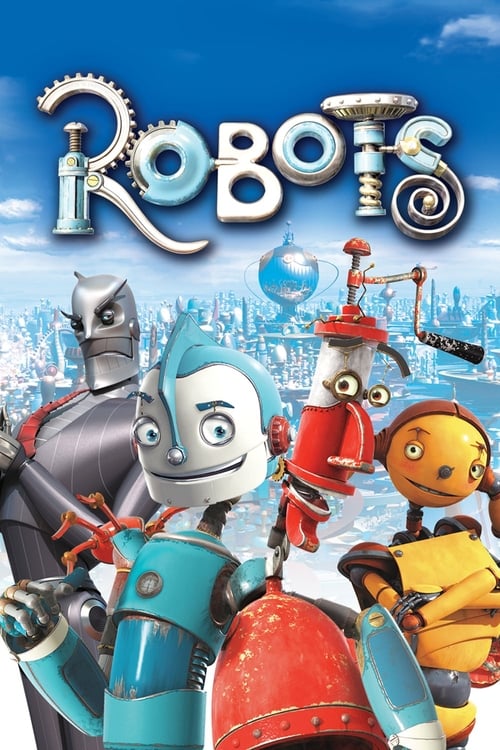
Lots of medium-amusing references to sources as varied as The Wizard of Oz and the "Daisy" death scene from 2001 share time with a few genuinely inventive throwaway moments, such as public restroom logos that are an outlet and a plug and an animal litter sign that sees a magnet attracting Fido's droppings.
The story of a bright-eyed small-town robot who sets out to find the mechanical wizard of a gleaming utopian metropolis called Robot City, "Robots" gets its engine from "The Wizard of Oz" (the Tin Man has a cameo), which it reinterprets as a postindustrial, consumer-age parable about remaining true to yourself even if you resemble a 1950s kitchen appliance.
It's Pinocchio crossed with The Wizard of Oz.
Thus the ever-fascinating spectacle of "Robots" as created by the computer wizard Chris Wedge of "Ice Age" fame: a mechanical universe rooted firmly in the pre-computerized engineering of 1939 (when "The Wizard of Oz" came out).
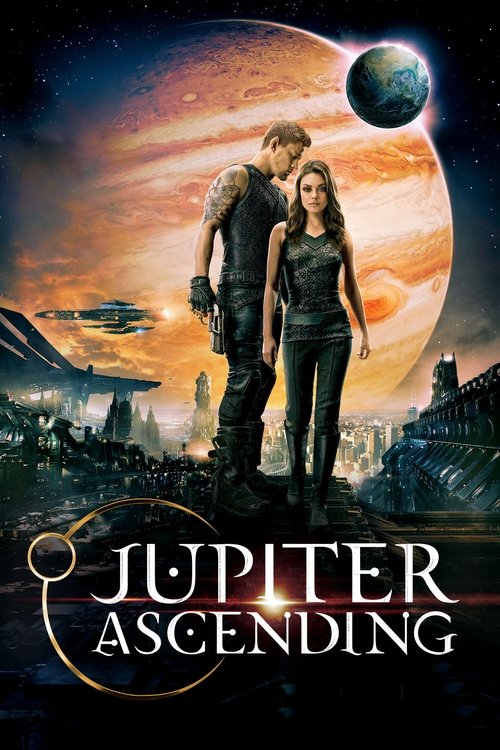
Allusions to "The Wizard of Oz" are patently obvious right down to the title character pleading by the third act that she just wants to go home, but they only serve to remind of a 1939 treasure that will continue to stand the test of time long after this film has been largely forgotten.
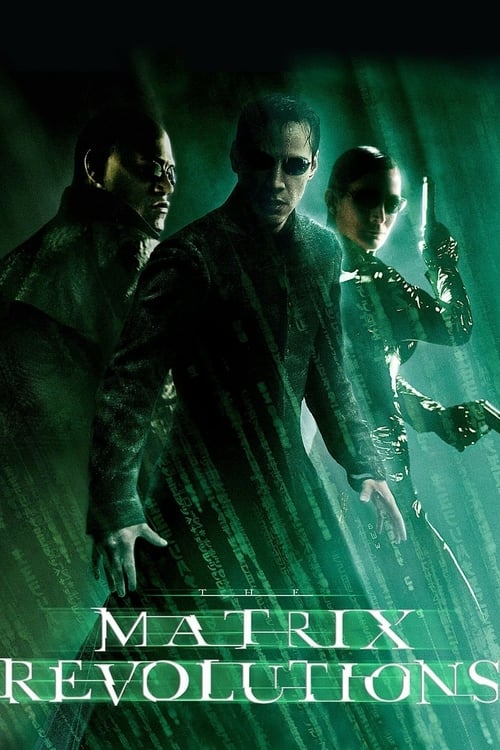
The Matrix Revolutions (2003)
Directed by Lilly Wachowski
influenced by The Wizard of Oz (1939)
Plot
One scene late in the movie will remind almost anyone of Frank Morgan's comeuppance as the fabled wizard in The Wizard of Oz, an unfortunate smoke-and-mirrors echo for filmmakers Larry and Andy Wachowski, who now appear to have pied-pipered our pockets into emptying.
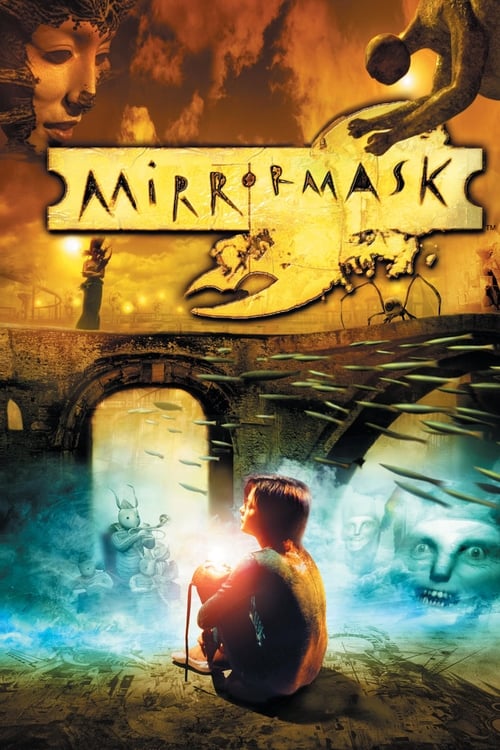
The movie essentially becomes a protracted dream sequence, a tip of the hat to The Wizard of Oz and Alice in Wonderland and many other books and movies you and Neil Gaiman have seen and read.
Borrowing heavily from The Wizard of Oz, and to a lesser extent from Alice in Wonderland and The Chronicles of Narnia, co-creators Neil Gaiman and Dave McKean (collaborating with The Jim Henson Group, who made The Dark Crystal and Labyrinth in this genre during the 1980s) develop a simplistic tale of good and evil, and of a quest that doesn't have many interesting intermediate points between its beginning and its conclusion.
Although the plot and motifs are largely borrowed from "The Wizard of Oz" and "Alice in Wonderland," there is something oddly intoxicating about Dave McKean and Neil Gaiman's coming-of-age fantasy "MirrorMask."
Combining elements of Dali surrealism, Cirque du Soleil, Eyes Wide Shut‘s anonymous orgy scene, The Brothers Quay’s mannequin-infatuated stop-motion shorts, Adam Jones’s videos for Tool, The Wizard of Oz, two prior Henson projects ( Labyrinth and The Dark Crystal), and Gaiman’s own Sandman comic series, this children’s fantasy about the bond between parents and children is a stylistic smorgasbord bloated with literary and cinematic influences.
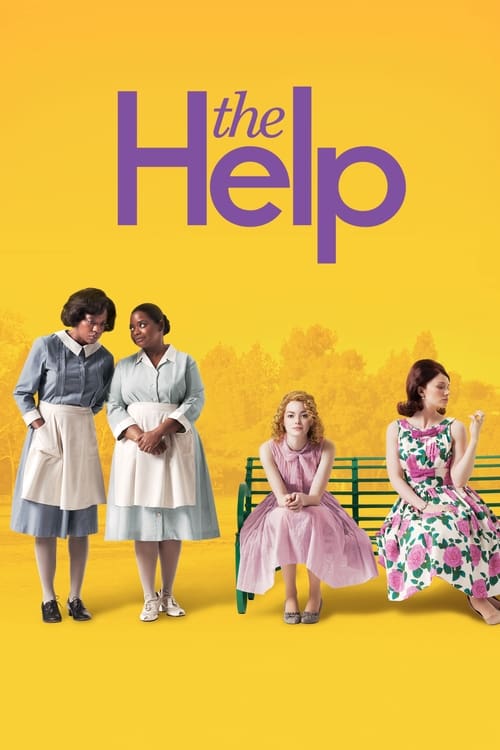
Despite being a southern belle, the inspiration for her character seems to be Butterfly McQueen’s turn as Prissy, the maid in Gone With the Wind who goes to pieces just before uttering the words “I don’t know nothin’ ’bout birthin’ babies!”
Seventy-one years ago, Hattie McDaniel became the first African-American to win an Academy Award when she took home the Best Supporting Actress Oscar for her role as the house servant, Mammy, in "Gone With the Wind."
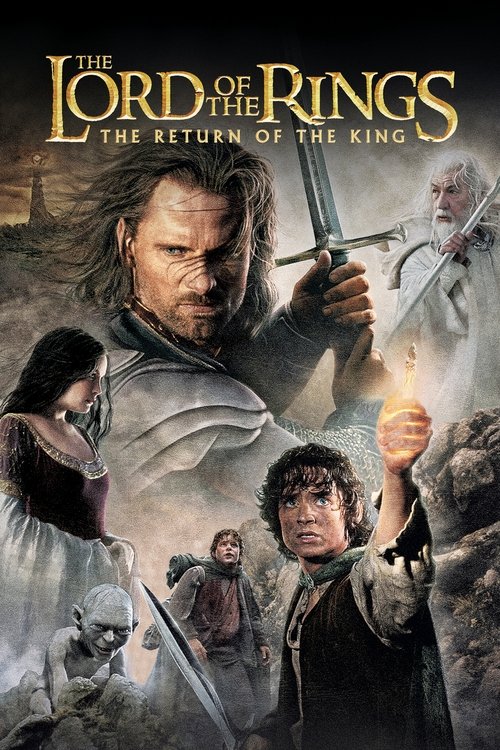
The Lord of the Rings: The Return of the King (2003)
Directed by Peter Jackson
influenced by Gone with the Wind (1939), The Wizard of Oz (1939)
Artistically delivering beyond anyone’s imagination on one of the biggest gambles in Hollywood history, this $330 million masterpiece takes its rightful place among such classics as “The Wizard of Oz,” “Gone With the Wind” and “Lawrence of Arabia.”
But the deleted material will end up on the DVD, and at the end of the day the film magically evokes the impact and spell of the novel -- and the completed trilogy compares with "Gone With the Wind" and "From Here to Eternity" as the screen's most successful literary adaptations.
The outcome: three or four battles increasing in scope and intensity and a mounting existential psychodrama involving Frodo, his pal Sam (Sean Astin), and his guide and nemesis Gollum, all punctuated by giddy shots of thousand-foot drops, surprise visits from a giant spider, and weird references to The Wizard of Oz.
Artistically delivering beyond anyone’s imagination on one of the biggest gambles in Hollywood history, this $330 million masterpiece takes its rightful place among such classics as “The Wizard of Oz,” “Gone With the Wind” and “Lawrence of Arabia.”
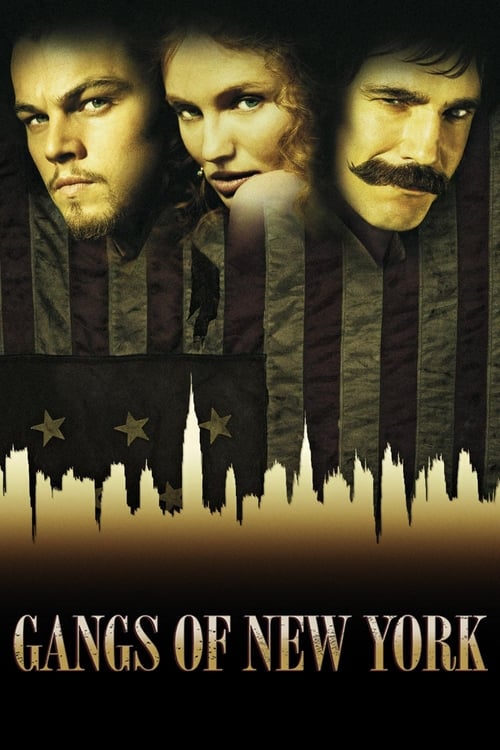
Gangs of New York (2002)
Directed by Martin Scorsese
influenced by Gone with the Wind (1939)
Music Plot
Granted, music is quite subjective, but I've never found too many period films that are actually underscored by music of their time, anyway, (Was "Tara's Theme" from "Gone With the Wind" really mid nineteenth century?), so it's never seriously bothered me.
Scorsese's film also features a romantic triangle that might cause some viewers to recall that in another civil war epic, "Gone With the Wind" (though this is a much more macho piece).
In quite another sense, Gangs of New York is even more “old-fashioned” in that it takes a tip from that most revered of epics, Gone With the Wind.
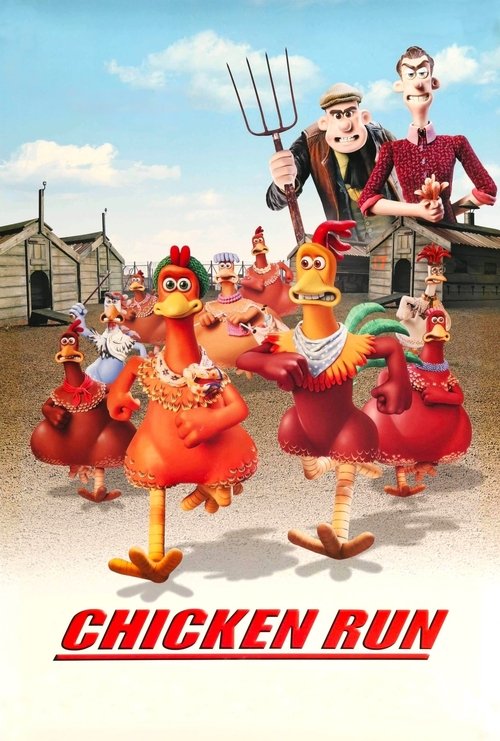
Finally, Miranda Richardson is convincing as the dastardly Mrs. Tweedy, who looks and sounds reminiscent of Margaret Hamilton, as the Wicked Witch of the West, in 1939's "The Wizard of Oz."
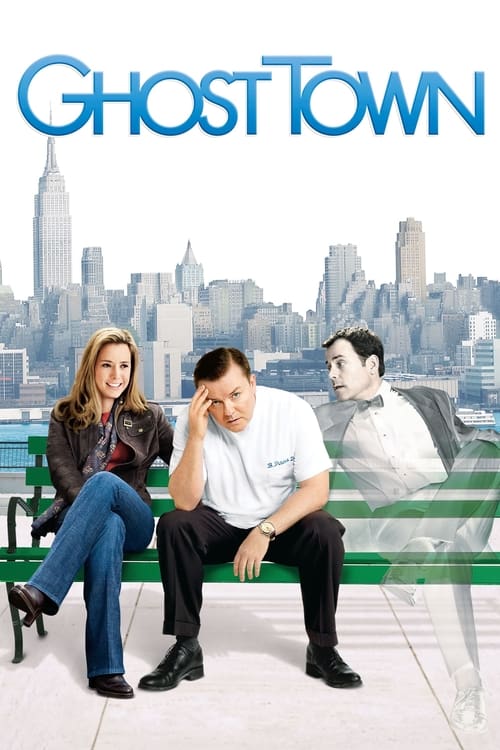
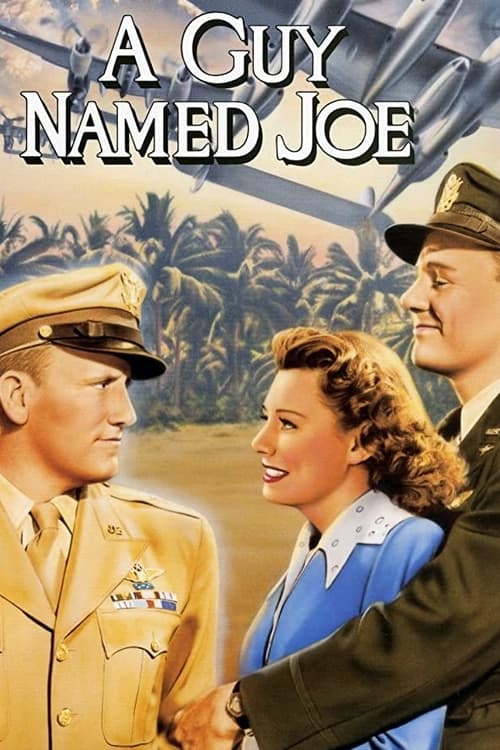
Koepp’s Ghost Town, however, is more than simply a regurgitation; while it clearly pays homage to a variety of antecedents—everything from early classics like It’s a Wonderful Life and A Guy Named Joe to more recent favorites like Ghost and Groundhog Day—its view on human relationships is surprisingly direct, even edgy for a studio comedy.
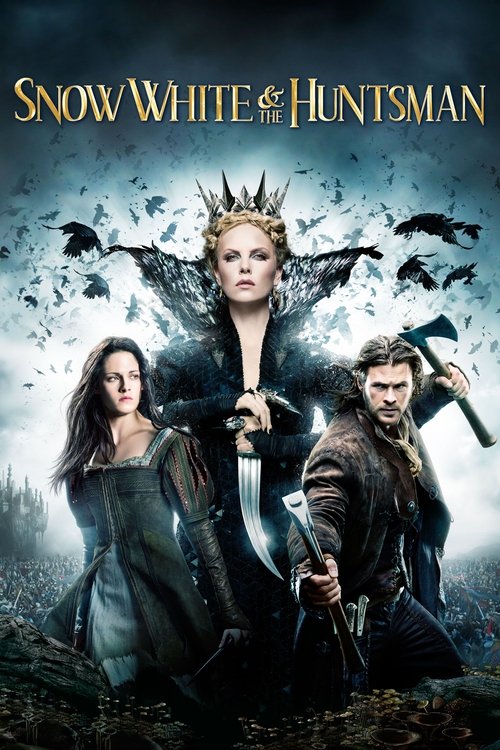
Snow White and the Huntsman (2012)
Directed by Rupert Sanders
influenced by Joan of Arc (1948)
Themes
Nightmarishly brutal, set against wintry landscapes and medieval battlements, and rife with hopeless, starving peasants, it’s practically a full-bore horror picture, reminiscent of Game of Thrones , Joan of Arc, and Countess Dracula?the one where the title character, inspired by Elizabeth Bathory, stays youthful by bathing in the blood of young women.
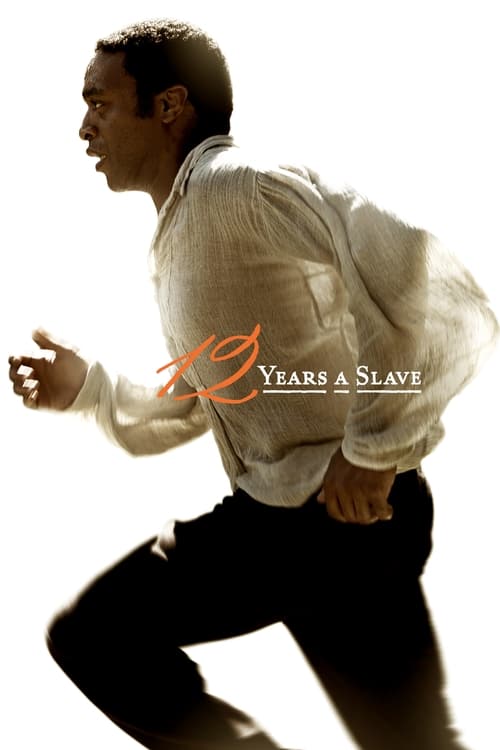
And besides, 12 Years a Slave gives Academy Award voters the chance to scratch an itch that’s been bugging them since the 1960s: It’s an opportunity to “atone” for the 1940 Best Picture winner, Gone With the Wind.
Hollywood movies may have come a long way since the days of Uncle Remus and of Mammy in "Gone With the Wind," but the tacit gentlemen's agreement not to press the issue - not to go too far in rubbing the South's face in it - has kept Hollywood reticent up to the present, much more reticent, say, than Germany has been about its Nazi past.
It's how we get romances — Jezebel, Gone With the Wind, Cold Mountain — that use the antebellum South and Civil War as backdrops but feature either the most entertaining black slaves or almost no slaves at all.
It will be impossible to ever look at “Gone With the Wind’’ the same way after “12 Years a Slave,’’ a brutally powerful and emotionally devastating film that takes great pains to rip any lingering vestiges of romanticism from America’s most shameful institution.
Through this story strand, 12 Years A Slave punctures the romantic myth, perpetuated by Gone With The Wind and its ilk, of the kindhearted slave-owner.
Adapting the memoir by Solomon Northrup, artist-turned-filmmaker McQueen (“Shame,” “Hunger”) and screenwriter John Ridley (“Three Kings,” “Red Tails”) seem determined to obliterate any lingering “Gone With the Wind”-inspired notions that the antebellum South was a place of grace and charm, or that slavery was, in the euphemism of the day, merely a “peculiar institution.”