
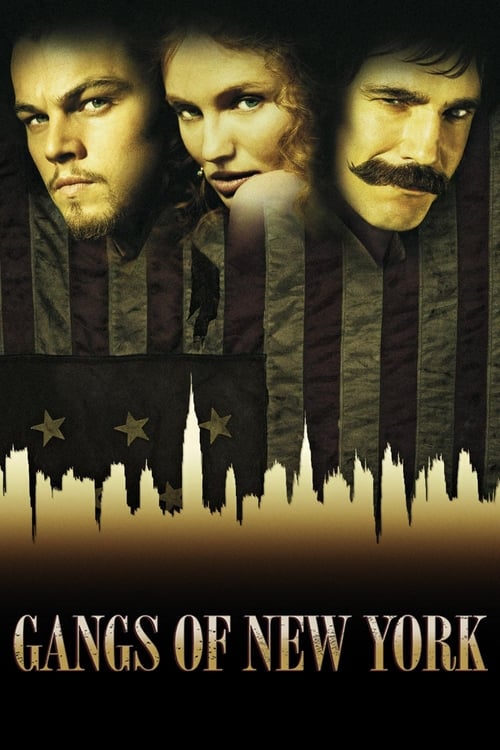
Gangs of New York (2002)
Directed by Martin Scorsese
In early 1860s New York, Irish immigrant Amsterdam Vallon is released from prison and returns to the Five Points, seeking revenge against his father's killer, William Cutting, a powerful anti-immigrant gang leader. He knows that revenge can only be attained by infiltrating Cutting's inner circle. Vallon's journey becomes a fight for personal survival and to find a place for the Irish people.
39 connections found
View:
39 films that influenced Gangs of New York
What critics say influenced Gangs of New York



Staged in homage to the opening of Sam Peckinpah's The Wild Bunch , the fight is a protracted slow motion bloodbath seen through the eyes of the wary little boys who stand at the sidelines and watch the snow turn to pink muck as their fathers slash and bludgeon one another.
Cinephiles will find echoes of The Wild Bunch, Heaven's Gate, Leone and Visconti in the mix, yet the director has modulated the nervy syntax to fashion what is meant to be his most accessible movie - the percussive rock score and wan romantic clinches between DiCaprio and Diaz are firmly in the blockbuster idiom.
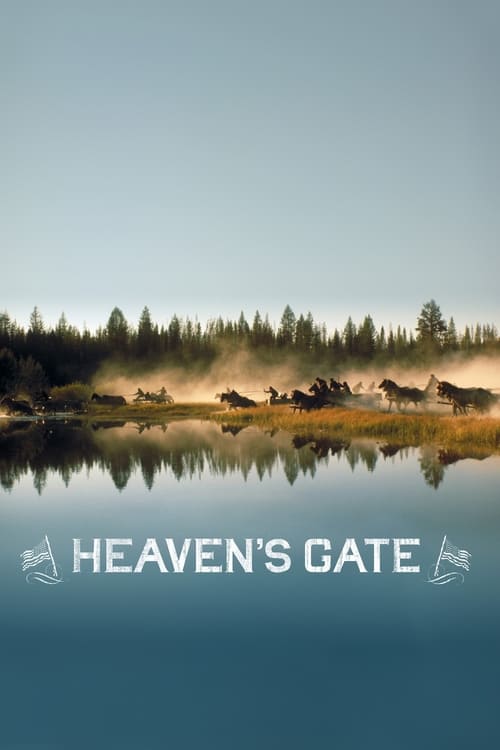
Cinephiles will find echoes of The Wild Bunch, Heaven's Gate, Leone and Visconti in the mix, yet the director has modulated the nervy syntax to fashion what is meant to be his most accessible movie - the percussive rock score and wan romantic clinches between DiCaprio and Diaz are firmly in the blockbuster idiom.
Critics have already pointed out similarities between Gangs of New York and Sergio Leone’s loose, heartfelt Once Upon a Time in America, but a more appropriate point of comparison is to Michael Cimino’s legendary Heaven’s Gate, a film that has so many links to Gangs that one might think they are one and the same.
By this time and after these hurried manipulations of the story line, I couldn't help thinking of another great saga that became the classic embarrassment in screen history, "Heaven's Gate."
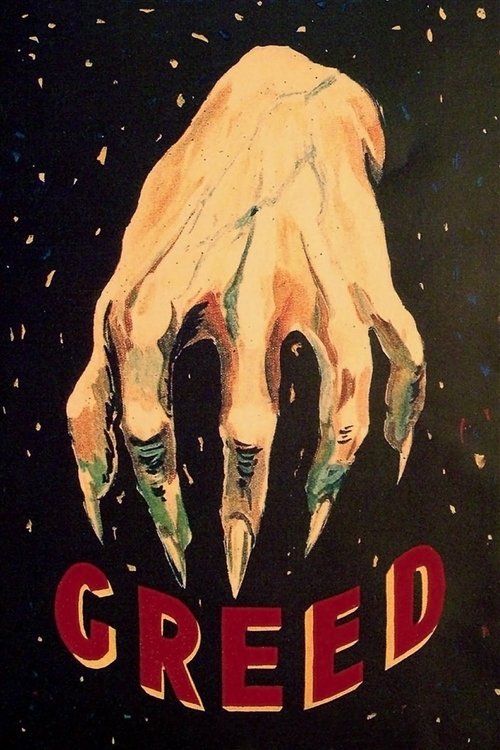
What further distends the movie are the compulsiveness of its allusions (everything from Stroheims Greed to Coppolas Godfather gets referenced), the virtuosic abandon of its set-pieces (the opening clash, a disrupted assassination, a few indulgent monologues), the visual thrall to those cavernous Fellini sets, and the carnivalesque devotion to filling those environments with the people, costumes, and grotesqueries Fellini might have put there.
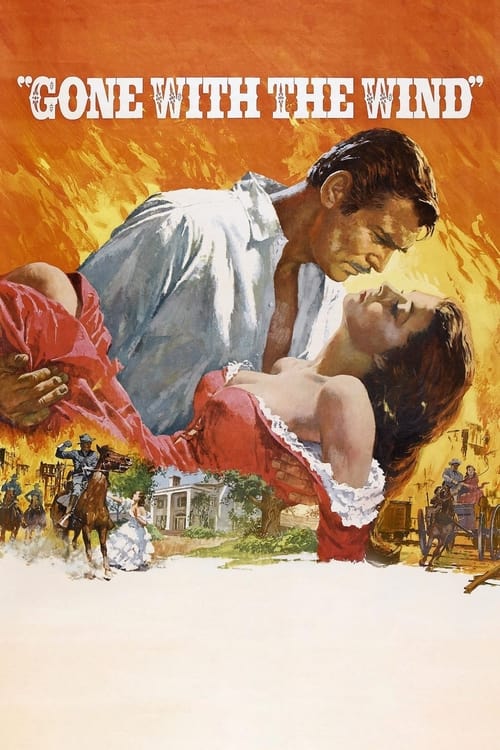
Granted, music is quite subjective, but I've never found too many period films that are actually underscored by music of their time, anyway, (Was "Tara's Theme" from "Gone With the Wind" really mid nineteenth century?), so it's never seriously bothered me.
Scorsese's film also features a romantic triangle that might cause some viewers to recall that in another civil war epic, "Gone With the Wind" (though this is a much more macho piece).
In quite another sense, Gangs of New York is even more “old-fashioned” in that it takes a tip from that most revered of epics, Gone With the Wind.
Advertisement

I felt like I was watching a boys' bloodthirsty adventure story -- a blend of pirate saga, 19th-century revenge tale (three parts Dumas to one part Hugo), sword-and-sandal romp, and Viking epic poem, all laced with references to works ranging from Orson Welles's claustrophobic Macbeth (the beginning of the prologue) to Pieter Brueghel's spacious Slaughter of the Innocents (at the end of the prologue) and incorporating romantic touchstones from Potemkin (a stone lion), The Lusty Men (hidden possessions), Chimes at Midnight (thrusts and counterthrusts), and The Shanghai Gesture (prostitutes in hanging cages).
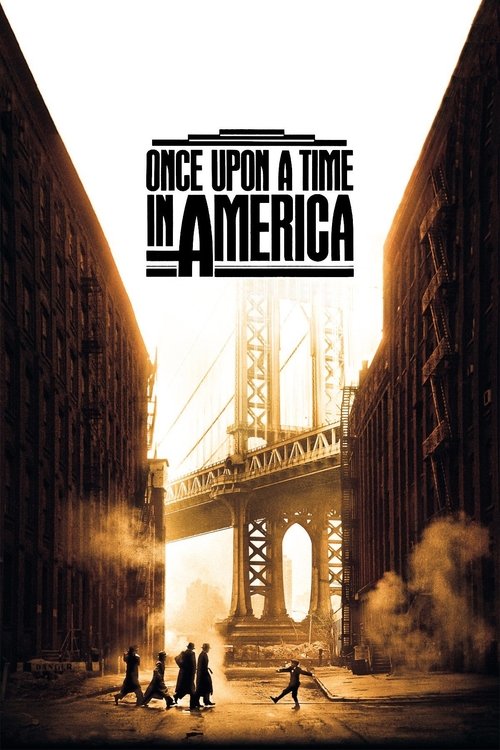
Aptly, in terms of its epic sweep and subject matter, Gangs of New York reminds one most of Once Upon a Time in America, another troubled production.
Critics have already pointed out similarities between Gangs of New York and Sergio Leone’s loose, heartfelt Once Upon a Time in America, but a more appropriate point of comparison is to Michael Cimino’s legendary Heaven’s Gate, a film that has so many links to Gangs that one might think they are one and the same.
A film of fatally flawed heroes, oversized passions, nation-building, and, inevitably, violence, America follows its characters from childhood to old age by way of the kind of grand-scale filmmaking that wouldn't be seen again until Martin Scorsese's Gangs Of New York (which similarly built an old New York out of Rome's Cinecittà studios).
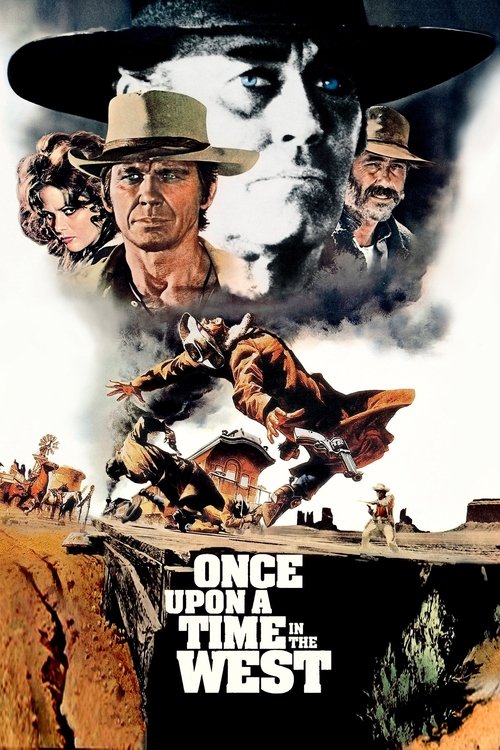
What they have come up with is Scorsese's version of Once Upon a Time in the West, only told from Harmonica's viewpoint.
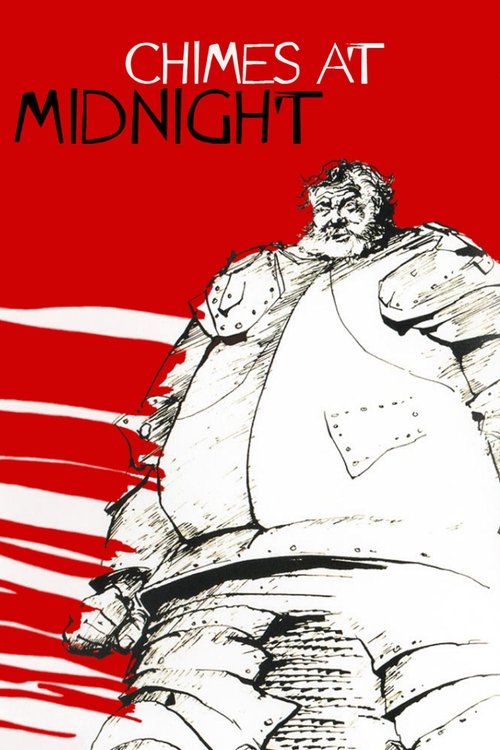
I felt like I was watching a boys' bloodthirsty adventure story -- a blend of pirate saga, 19th-century revenge tale (three parts Dumas to one part Hugo), sword-and-sandal romp, and Viking epic poem, all laced with references to works ranging from Orson Welles's claustrophobic Macbeth (the beginning of the prologue) to Pieter Brueghel's spacious Slaughter of the Innocents (at the end of the prologue) and incorporating romantic touchstones from Potemkin (a stone lion), The Lusty Men (hidden possessions), Chimes at Midnight (thrusts and counterthrusts), and The Shanghai Gesture (prostitutes in hanging cages).
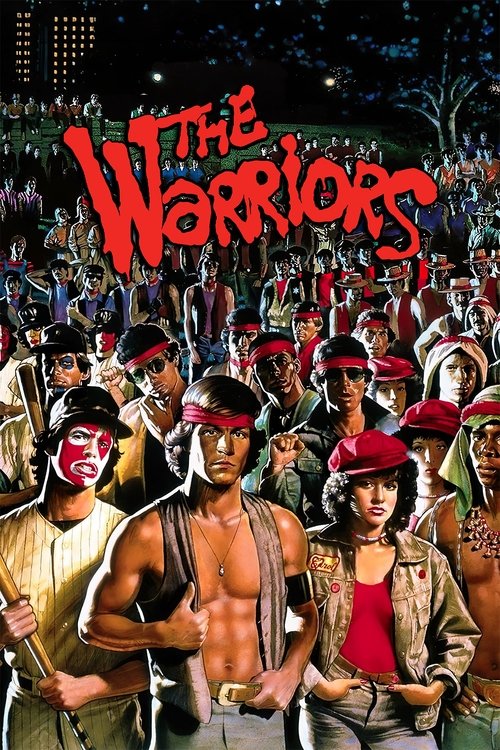
The colorful gangs, armed with whimsical makeshift knobby cudgels, edged weapons, filed teeth, and spiked footwear (no firearms), bear names from the Asbury source the Plug Uglies, the Shirt Tails, the Bowery Boys but wear costumes reminiscent of Walter Hills The Warriors.
But in spite of the film taking a more West Side Story approach to depicting gang violence as opposed to Gangs Of New York , there is something compelling about these urban kids not just engaging in a fight for their survival but the inherent tragedy when it appears that not all of them will make it.
Advertisement

Based nominally on Herbert Asburys anecdotal, muckraking 1928 history, his Gangs of New York aspires less to mentors Roberto Rossellini and Vittorio de Sica than to Chuck Avery and Max Fleischer, with more than a nod to George Miller of Mad Max fame.
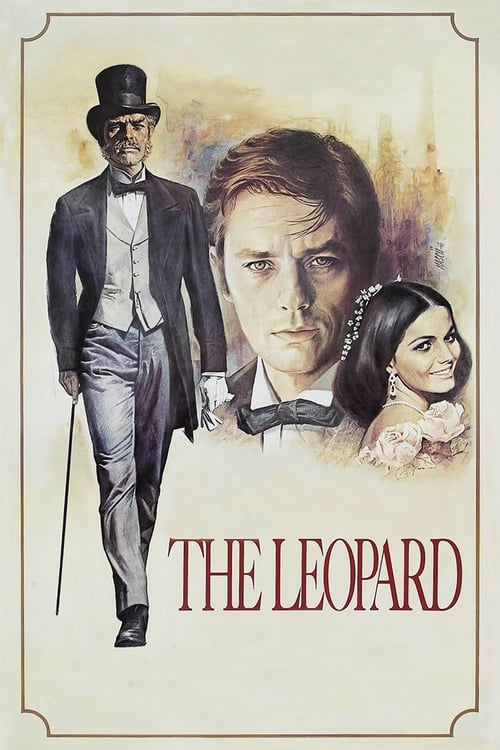
He also saw a chance to make an American movie in the tradition of Luchino Visconti's The Leopard (1963), Bernardo Bertolucci's 1900 (1976), and Sergio Leone's Once Upon a Time in the West (1968) and Once Upon a Time in America (1984): a bloody, wide-screen epic that mixes elemental stories of love and revenge with a vision of the larger historical forces that shaped the capitalist society we know today.