

The Wild Bunch (1969)
Directed by Sam Peckinpah
An aging group of outlaws look for one last big score as the "traditional" American West is disappearing around them.
6 connections found
View:
6 films that influenced The Wild Bunch
What critics say influenced The Wild Bunch
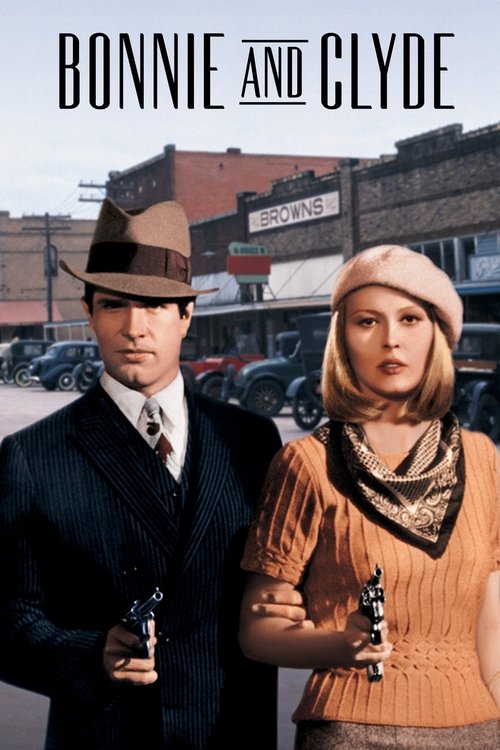


Back in 1969, only Arthur Penn's 1967 "Bonnie and Clyde" had ever put anything remotely similar on screen, and there the ballet-like dance macabre had come at the end of the film, not slamming the audience at the beginning (and middle, and end).
It was the end point of an evolution that stretched from Otto Preminger provocatively stuffing that filthy word "virgin" into" 1953's The Moon Is Blue , through Alfred Hitchcock's structurally audacious murder of Janet Leigh in a show in 1960's Psycho , up to the storm of bullets that closed Arthur Penn's Bonnie and Clyde in 1967.
I can’t imagine what it must have been like to witness such a scene in 1969, even if Bonnie and Clyde did redefine movie violence two years prior.
It has become this year's controversial film about violence, the successor to " The Dirty Dozen ," " Bonnie and Clyde " and the Italian Westerns.
“Bonnie and Clyde” was released in 1967, two years before Sam Peckinpah’s “The Wild Bunch” employed an even more exaggerated, and controversial, climax of slo-mo bloodshed for its exiled hero cowboys.
In the same way that filmgoers supposedly inured to cinematic ultraviolence can still be stunned and sickened by The Wild Bunch—say what you will, Peckinpah’s savagery still has more punch than almost anything bloodletting on screens today, not always necessarily in a good way—those returning to Bonnie and Clyde with this well-deserved special edition (the digital remastering is particularly pristine) could well be shocked by how, well, shocking it is.

In 1969s The Wild Bunch Sam Peckinpah would extend Kurosawas use of slow-motion, rapid cutting, and telephoto lenses to develop a type of battle scene that not only drew viewers into the action but made them aware of the emotions being released in them by the violence.
“Seven Samurai” served as a template for such popular American westerns as “The Magnificent Seven,” “The Wild Bunch,” and “The Good, The Bad, And The Ugly.”
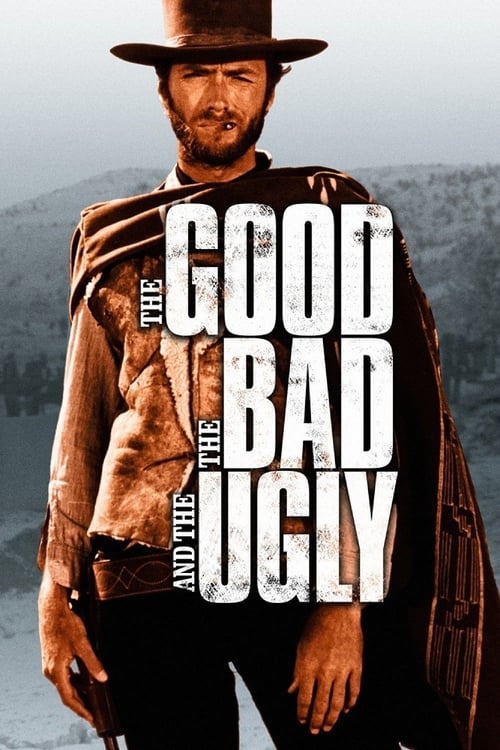
Positioned in history between the earnest majesty of John Ford’s The Searchers and Sam Peckinpah’s doomed cowboy dirge The Wild Bunch , Sergio Leone’s The Good, the Bad, and the Ugly is animated by the best those classic westerns have to offer.
These Italian productions took the template of the Hollywood movies and stirred in extra doses of gritty gunplay and amorality, setting the stage for such films as "The Wild Bunch."
In chronology, Leone’s westerns denote a transition, and clearly presage the emphasis upon style and violence that characterize Sam Peckinpah’s The Wild Bunch.
This is Sergio Leone's defining masterpiece in the same way as Sam Peckinpah's defining masterpiece was The Wild Bunch.

If Peckinpah's The Wild Bunch turns violence into a ballet, then Blood and Black Lace is murder as ballroom dance.
Advertisement
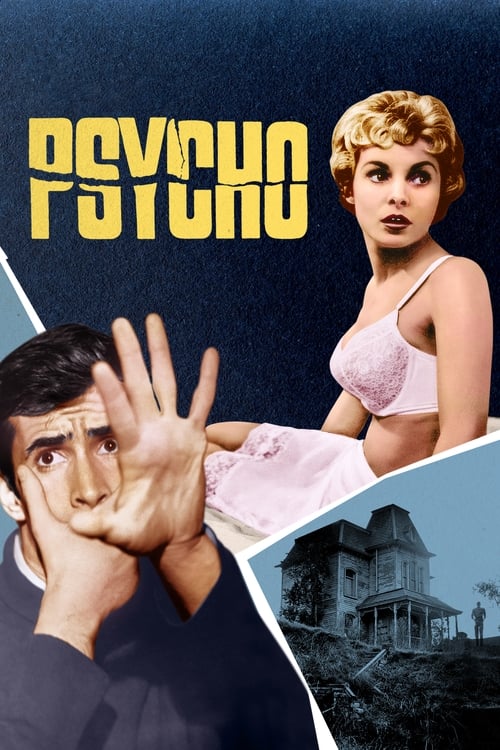
The shower sequence– long, terrifying, and bloody–set the new standard for depiction of violence, which would reach its excess and extremity in “Bonnie and Clyde” (1967), and Peckinpah’s “The Wild Bunch” (1969).
Its visually poetic treatment of violence alone is reflected in such works as Bonnie and Clyde and The Wild Bunch.
Movie buffs might also remember his role in "The Pawnbroker," another highly-regarded '60s film.