
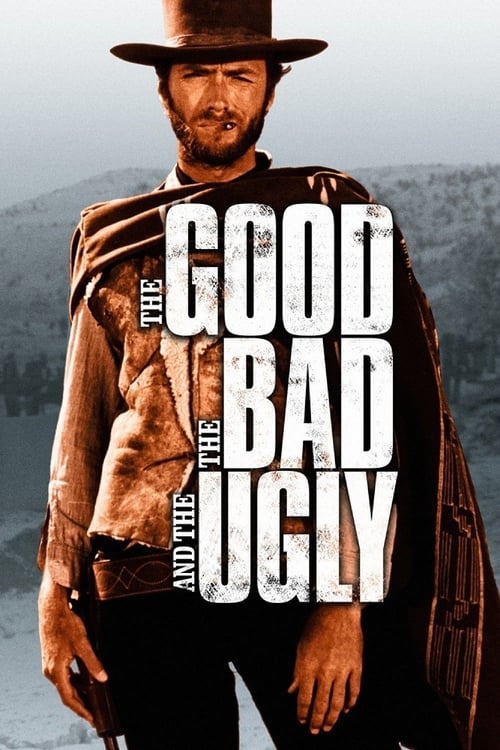
The Good, the Bad and the Ugly (1966)
Directed by Sergio Leone
While the Civil War rages on between the Union and the Confederacy, three men – a quiet loner, a ruthless hitman, and a Mexican bandit – comb the American Southwest in search of a strongbox containing $200,000 in stolen gold.
12 connections found
View:
12 films that influenced The Good, the Bad and the Ugly
What critics say influenced The Good, the Bad and the Ugly
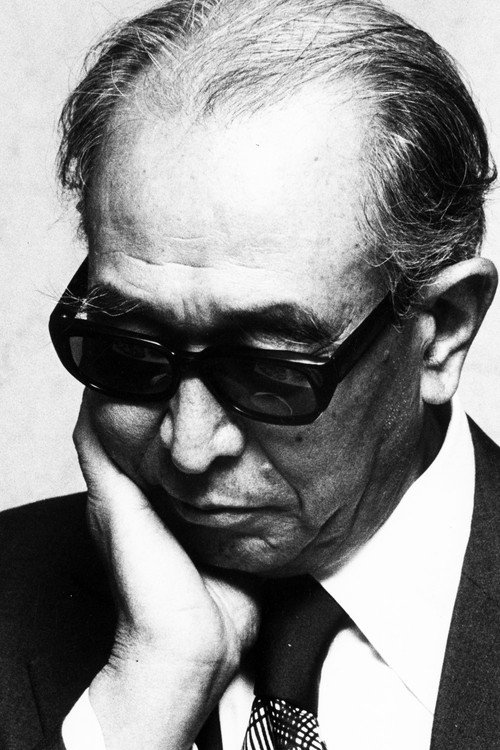
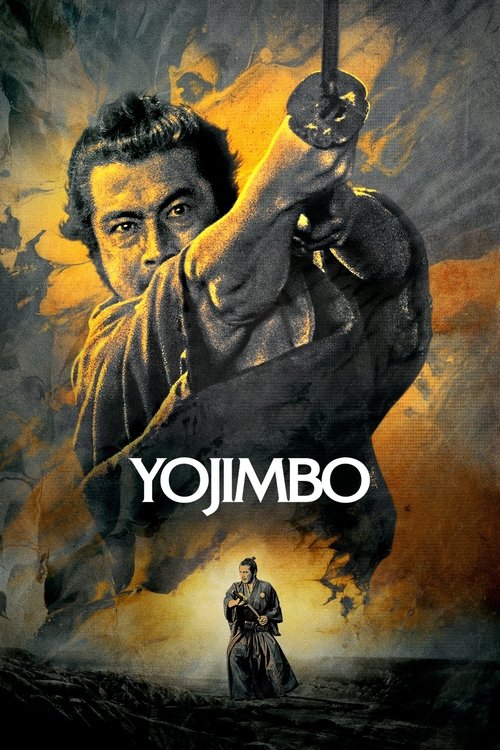


Of course, Leone's inspiration was Akira Kurosawa's ''Yojimbo.''
Having invented the spaghetti-western a few years prior by virtually copying Akira Kurosawa’s “Yojimbo” frame by frame as “A Fistful of Dollars” to such a degree that Toho sued him, Leone used the spaghetti-western as a form to attack the, in Leone’s opinion, dominating morality of American Puritanism.
His character was based on an amoral samurai bodyguard created by Toshiro Mifune in Akira Kurosawa's Yojimbo.
Leone saw the world through movies ( A Fistful of Dollars , let us not forget, was a deliberate transposition of Kurosawa’s Yojimbo ), but at a certain point he moved beyond that purview, to a place where movies were merely the conduit to a higher level of engagement with the world at large.
Leone took his original cue from Akira Kurosawa’s Yojimbo and Sanjuro films, which starred Toshiro Mifune as a wandering ronin who looks out only for himself.
With A Fistful Of Dollars , a 1964 remake of Akira Kurosawa's Yojimbo , Leone and Eastwood introduced their iconic "Man With No Name," a drifter of few words who's heroic only by contrast to those around him, and who isn't above double-crossing those intent on cheating him anyway.
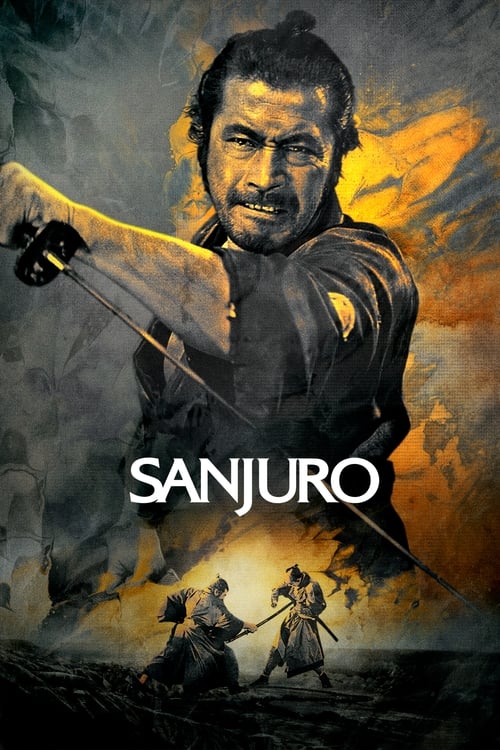
Leone took his original cue from Akira Kurosawa’s Yojimbo and Sanjuro films, which starred Toshiro Mifune as a wandering ronin who looks out only for himself.
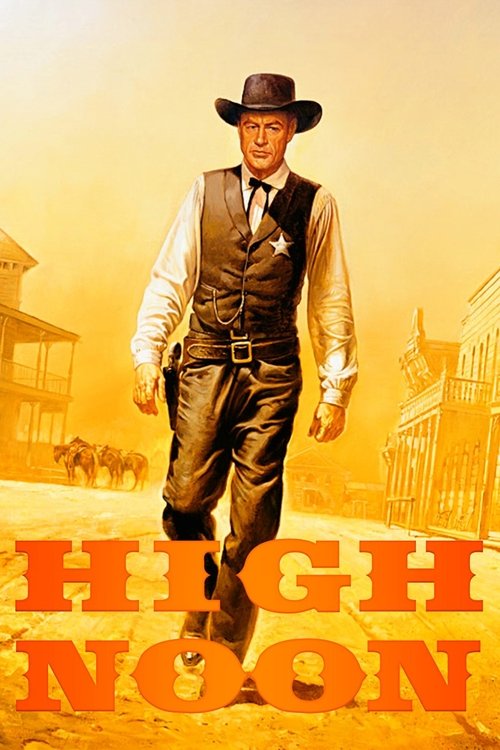
He's Angel Eyes, played by veteran movie heavy Lee Van Cleef, the same Van Cleef whose credentials as a baddie go all the way back to "High Noon" in 1952.
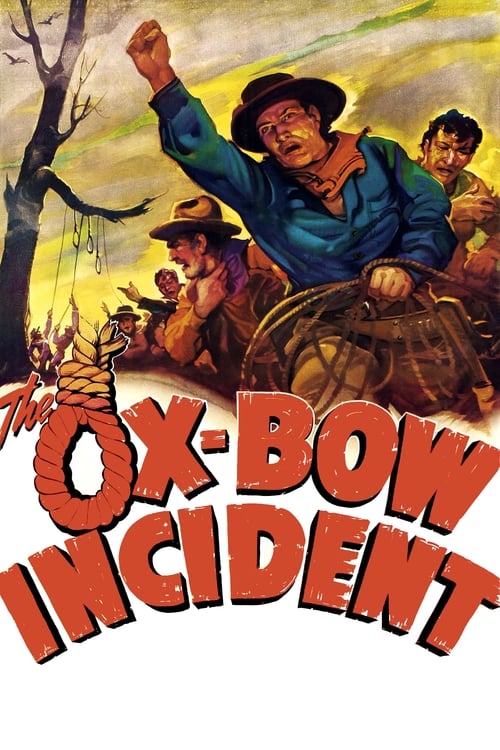
The movie is like High Noon and The Ox-Bow Incident and a dozen others all scrambled together and playing in a giant echo chamber.
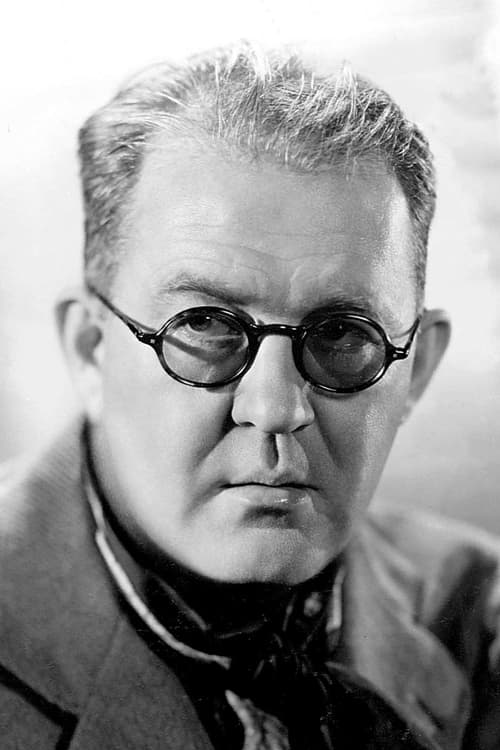
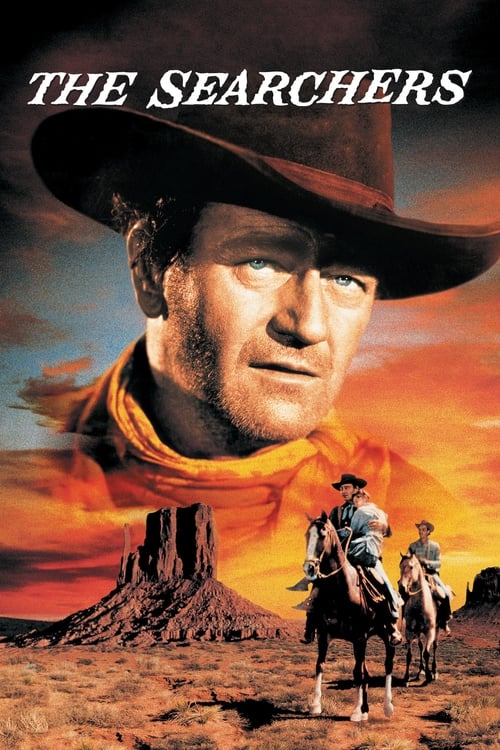
Positioned in history between the earnest majesty of John Ford’s The Searchers and Sam Peckinpah’s doomed cowboy dirge The Wild Bunch , Sergio Leone’s The Good, the Bad, and the Ugly is animated by the best those classic westerns have to offer.
Others may argue for The Searchers or Once Upon a Time in the West , but Sergio Leone’s spectacular conclusion to the Dollars Trilogy, The Good, The Bad and the Ugly , invariably comes at or near the top of Western best of lists.
The standoff is probably the most iconic scene in any Western ever made, and that is saying something when you are contending with the ending of High Noon , of the gold blown into the wind in The Treasure of the Sierra Madre , and indeed of the triumphant but melancholy return of John Wayne’s character in The Searchers .
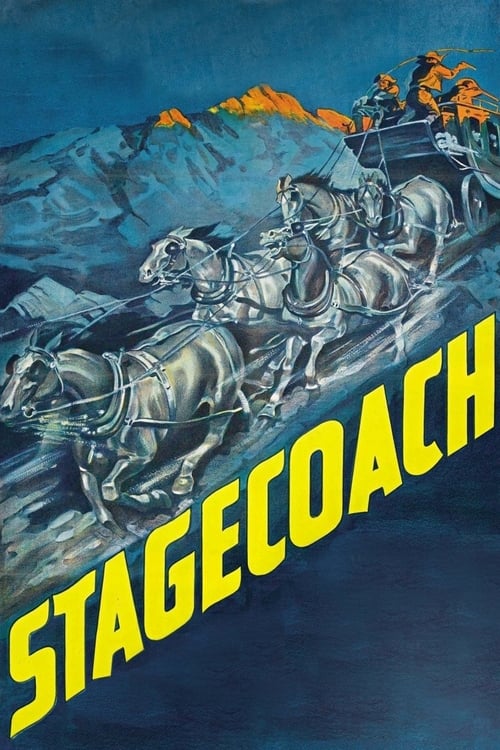
There are also no shortage of films that could be proclaimed the best western - Stagecoach is perhaps the earliest film to claim that honour as well as proving to be John Wayne's breakthrough performance but other films like Once Upon A Time In The West , Eastwood's own Unforgiven and The Man Who Shot Liberty Valance all score higher enough on IMDb to warrant watching at least once.
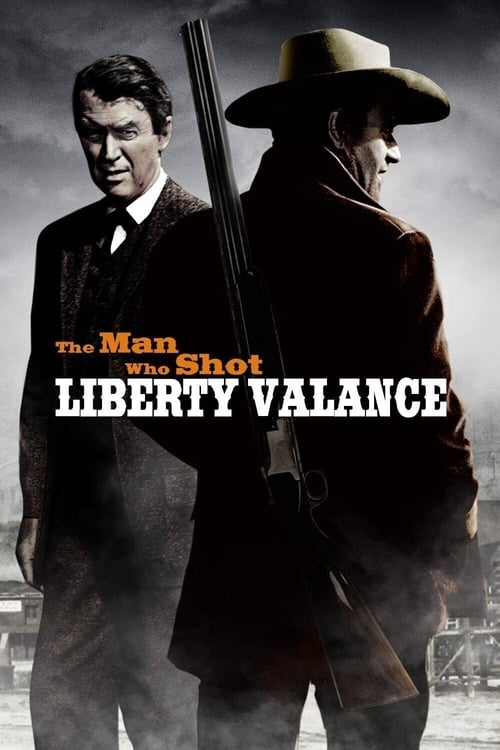
There are also no shortage of films that could be proclaimed the best western - Stagecoach is perhaps the earliest film to claim that honour as well as proving to be John Wayne's breakthrough performance but other films like Once Upon A Time In The West , Eastwood's own Unforgiven and The Man Who Shot Liberty Valance all score higher enough on IMDb to warrant watching at least once.
Advertisement
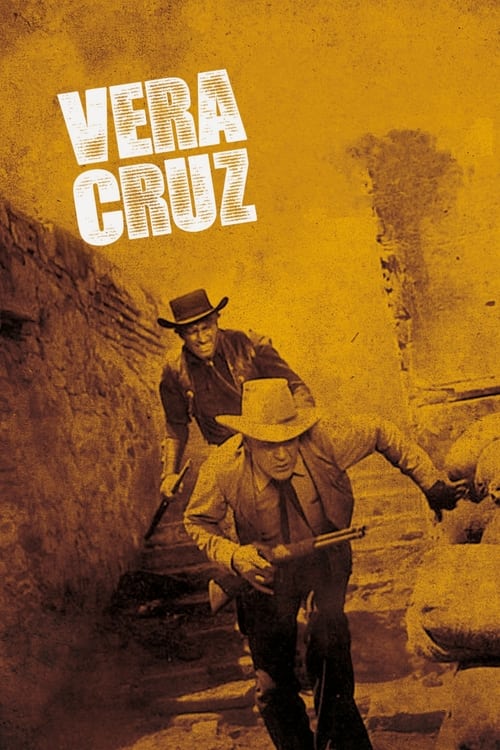
The model of behavior is Basic Situational Ruthlessness, as modeled for Leone in the most influential western of the 1950s, Robert Aldrich’s Vera Cruz, which is also about freebooting opportunists looking to make big money in the confusion of a civil war.
It was like Monk's mesmerizing expansion and contraction of time in his version of ''Body and Soul.''
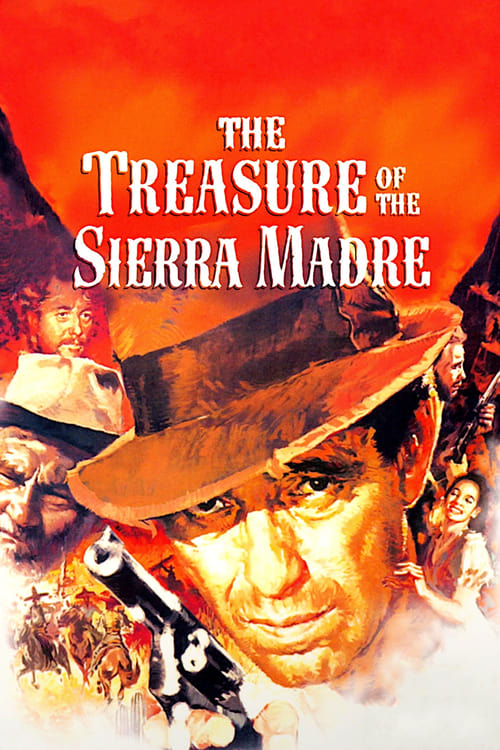
The standoff is probably the most iconic scene in any Western ever made, and that is saying something when you are contending with the ending of High Noon , of the gold blown into the wind in The Treasure of the Sierra Madre , and indeed of the triumphant but melancholy return of John Wayne’s character in The Searchers .
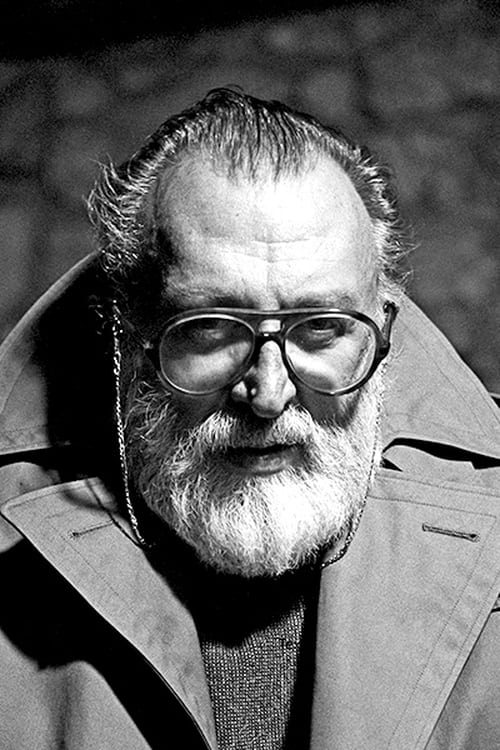
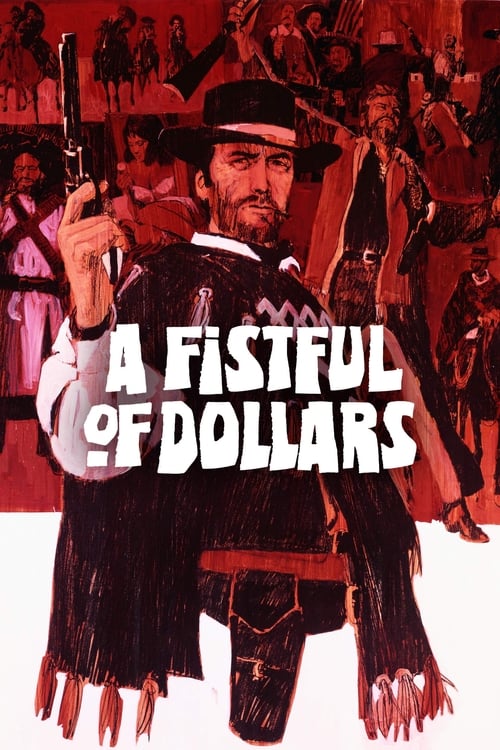
Having invented the spaghetti-western a few years prior by virtually copying Akira Kurosawa’s “Yojimbo” frame by frame as “A Fistful of Dollars” to such a degree that Toho sued him, Leone used the spaghetti-western as a form to attack the, in Leone’s opinion, dominating morality of American Puritanism.
Starring in the Western drama "Rawhide," he couldn't find satisfactory employment in Hollywood, so he ventured all the way to Italy, working for director Sergio Leone in the oater "A Fistful of Dollars."
His other distinguished masterpiece, 1969’s Once Upon a Time in the West, is an immaculate pastiche, to be sure, (Was Leone truly “the first postmodern filmmaker”?) but is also heavier and lacking the man that Leone made famous starting with 1964’s A Fistful of Dollars, Clint Eastwood.
This movie and its counterparts, A Fistful of Dollars (1964) and For a Few Dollars More (1965) were financially successful upon their combined release in the United States, but scholars and critics treated them as second-rate, drive-in features.
As Sir Christopher Frayling notes in his audio commentary for A Fistful of Dollars (the first of four films included in the recently released DVD box set, The Sergio Leone Anthology), the opening credits—with their galloping, target-practice-ready silhouettes—are meant to mimic the James Bond series, then tremendously popular in Leone’s home country of Italy.
Italian director Sergio Leone (“Once Upon a Time in The West”/”A Fistful of Dollars”/”The Colossus of Rhodes”) creates a cynical stylish unflinchingly violent spaghetti western that mocks the genre by showing the dark seedy side of the west and with its success became very influential in the western genre.
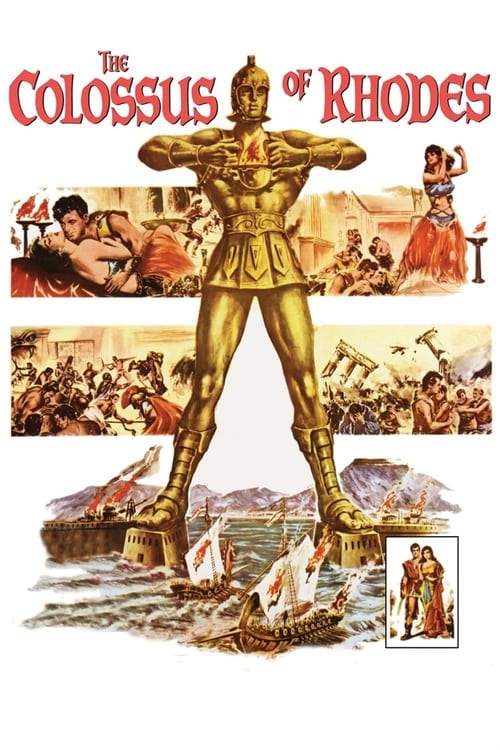
Italian director Sergio Leone (“Once Upon a Time in The West”/”A Fistful of Dollars”/”The Colossus of Rhodes”) creates a cynical stylish unflinchingly violent spaghetti western that mocks the genre by showing the dark seedy side of the west and with its success became very influential in the western genre.
From his 1961 debut, a kitschy swords and sandals picture called The Colossus of Rhodes, to his final film in 1984, the sprawling gangster epic Once Upon a Time in America, director Sergio Leone seldom dabbled in the discreet.