
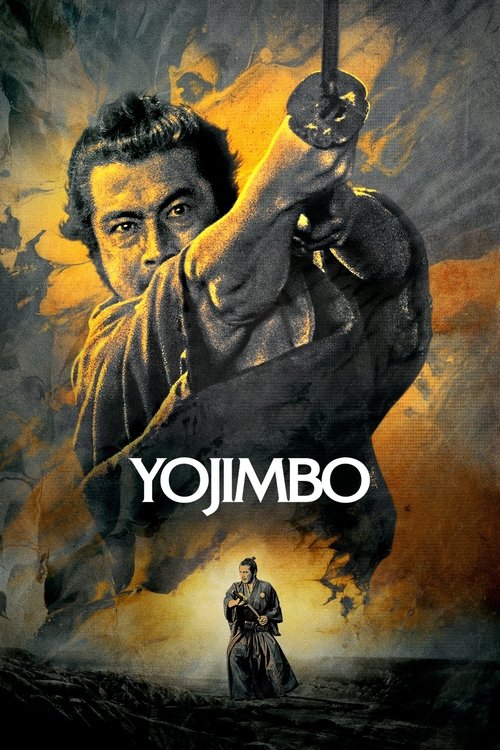
Yojimbo (1961)
Directed by Akira Kurosawa
A nameless ronin, or samurai with no master, enters a small village in feudal Japan where two rival businessmen are struggling for control of the local gambling trade. Taking the name Sanjuro Kuwabatake, the ronin convinces both silk merchant Tazaemon and sake merchant Tokuemon to hire him as a personal bodyguard, then artfully sets in motion a full-scale gang war between the two ambitious and unscrupulous men.
3 connections found
View:
3 films that influenced Yojimbo
What critics say influenced Yojimbo
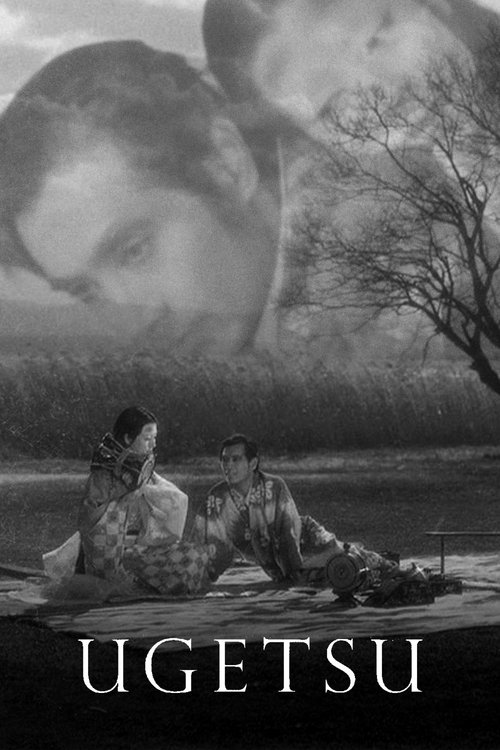


Richie believes "Yojimbo" is the best-photographed of Kurosawa's films (by Kazuo Miyagawa , who also shot " Rashomon " and such other Japanese classics as Ozu's " Floating Weeds " and Mizoguchi's " Ugetsu ").
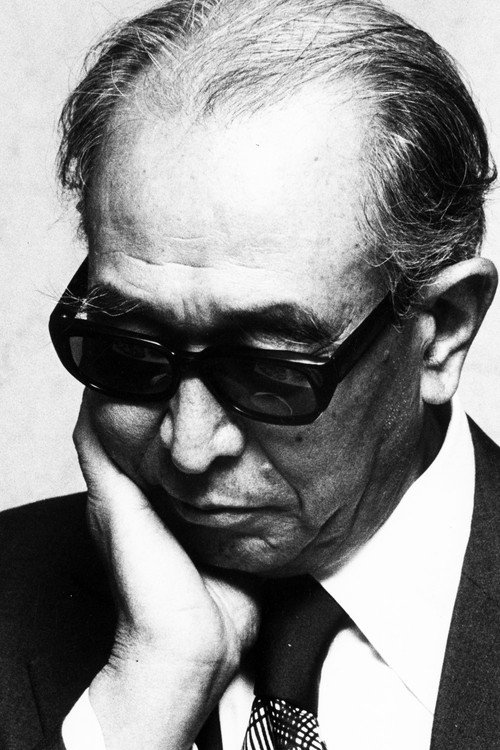

From the beating of warlike drums over the opening credits, Akira Kurosawa's ("Throne of Blood"/"The Hidden Fortress"/"Yojimbo"/"Rashomon") thrilling black-and-white tale about samurai warriors set in medieval Japan (16th century) takes on the pulse of an American Western.
Since Kurosawa's samurai adventure " Yojimbo " (1960) was remade as "A Fistful of Dollars" and essentially created the spaghetti Western, and since this movie and Kurosawa's "The Hidden Fortress" inspired George Lucas' "Star Wars" series, it could be argued that this greatest of filmmakers gave employment to action heroes for the next 50 years, just as a fallout from his primary purpose.
He directed Rashomon and Ran, and his Seven Samurai was remade in to The Magnificent Seven, his Yojimbo was remade as A Fistful of Dollars and Last Man Standing.
Inevitably and unfairly compared with his epic Seven Samurai, Kurosawa has an entirely different purpose for this film.
Though possessing neither the Shakespearean sweep of Seven Samurai, the moral probing of Ikiru, or the narrative audacity of Rashômon, Akira Kurosawa's seminal gangster/samurai fable Yojimbo is just as important a landmark in the director's career—if not for its devilish hybrid of styles, inversion of genre conventions, and sly political commentary, then certainly for sheer entertainment value.
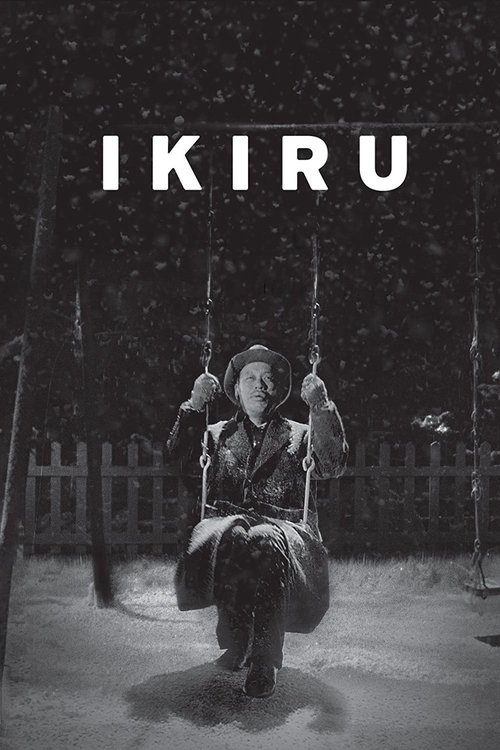
Akira Kurosawa's ("Rashomon"/"Ikiru""seven Samurai") Yojimbo, which translates into English as bodyguard, was the great filmmaker's most financially successful film and my favorite of all his films.
Though possessing neither the Shakespearean sweep of Seven Samurai, the moral probing of Ikiru, or the narrative audacity of Rashômon, Akira Kurosawa's seminal gangster/samurai fable Yojimbo is just as important a landmark in the director's career—if not for its devilish hybrid of styles, inversion of genre conventions, and sly political commentary, then certainly for sheer entertainment value.