
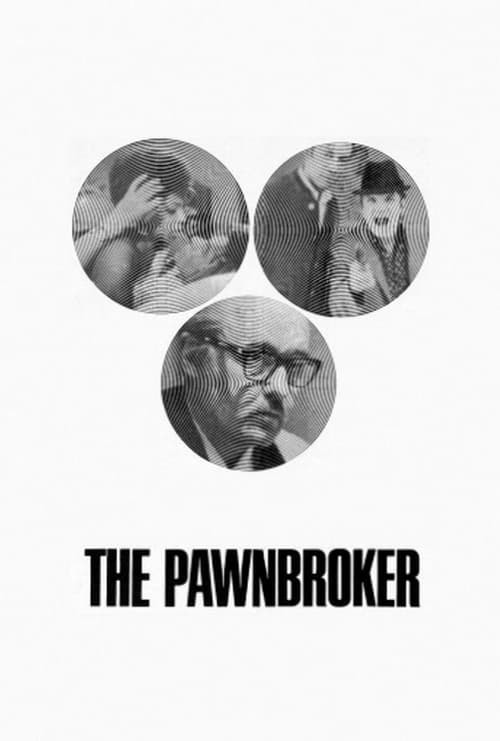
The Pawnbroker (1965)
Directed by Sidney Lumet
A Jewish pawnbroker, a victim of Nazi persecution, loses all faith in his fellow man until he realizes too late the tragedy of his actions.
6 connections found
View:
6 connections, in both directions
What critics compared The Pawnbroker to



Like Sol Nazerman in The Pawnbroker (1964), he has escaped his emotions and longs to be safe within himself.
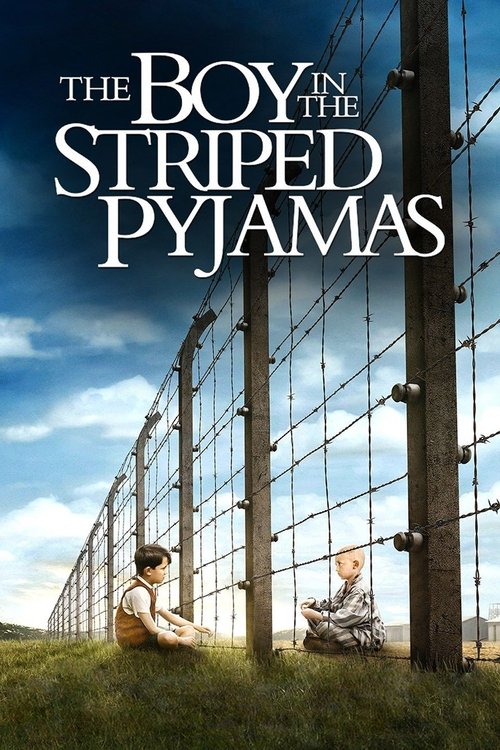
Spielberg approaches this by using a hand held camera to thrust us inside the Warsaw ghetto in Schindler's List, but the strongest Holocaust films generally use the historical period as background: The Pawnbroker; Cabaret ; Sophie's Choice ; Europa, Europa ; The Counterfeiters.
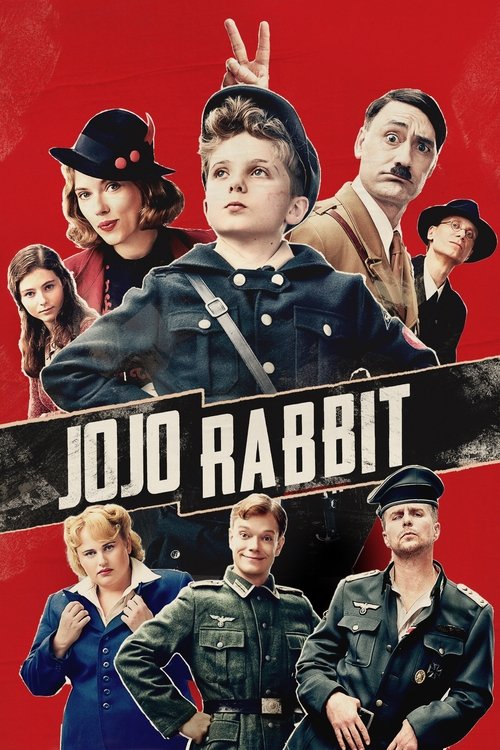
Waititi is trying to exploit the tension between our suspicion that nothing here is to be taken seriously—including Sam Rockwell and Rebel Wilson, among others, as cartoonish Nazi recruiters tossing off anti-Semitic slurs to their underaged protégé—and our knowledge that the movie is working through some of the most sensitive subject matter imaginable, including horrific incidents and ideologies previously explored in landmark works from The Pawnbroker and Schindler’s List to Night and Fog and Shoah.

Movie buffs might also remember his role in "The Pawnbroker," another highly-regarded '60s film.
Advertisement
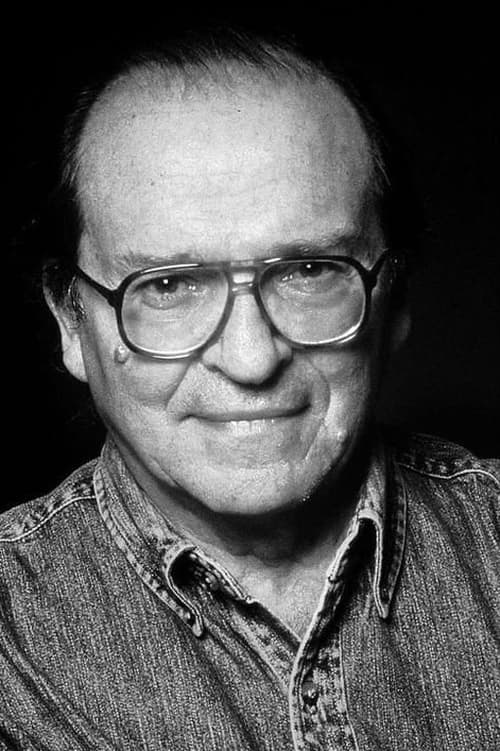

This truth is in no small part thanks to the contributions of screenwriter Paddy Chayefsky ("Marty," "The Americanization of Emily," "Altered States"), director Sidney Lumet ("12 Angry Men," "The Pawnbroker," "Fail-Safe," "Murder on the Orient Express," "Dog Day Afternoon," "The Verdict"), and stars Peter Finch, Fay Dunaway, William Holden, and Robert Duvall.
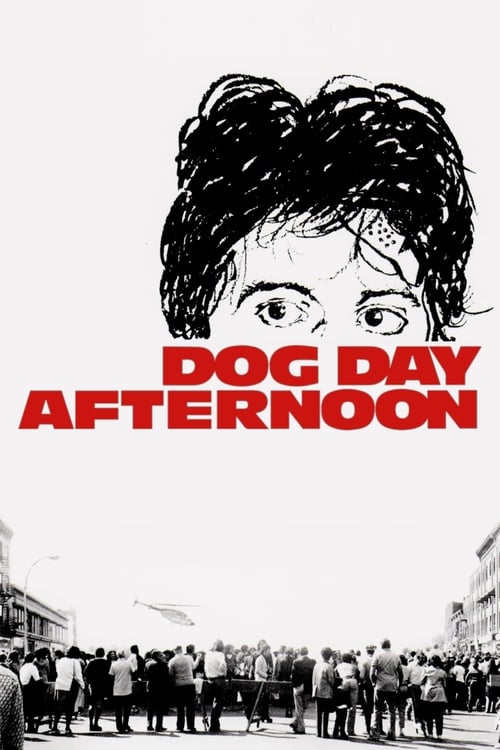
"Dog Day Afternoon," which opened yesterday at the Cinema 1, is Sidney Lumet's most accurate, most flamboyant New York movie—that consistently vital and energetic Lumet genre that includes "The Pawnbroker" and "Serpico" and exists entirely surrounded by (but always separate from) the rest of his work.