
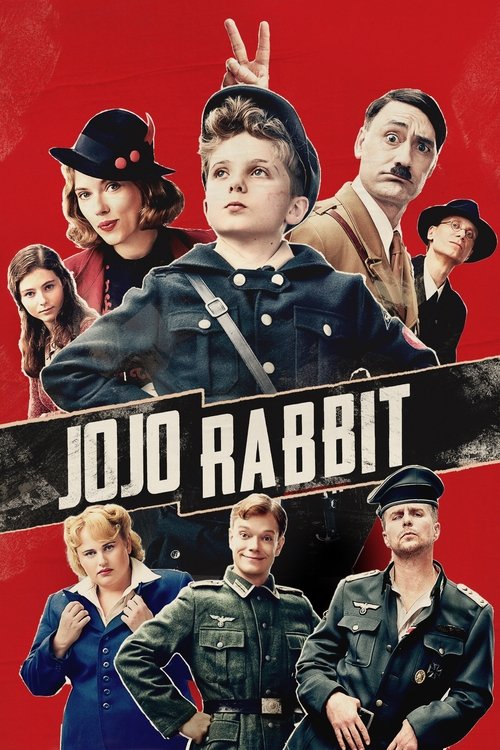
Jojo Rabbit (2019)
Directed by Taika Waititi
Jojo, a lonely German boy during World War II has his world shaken when he learns that his single mother is hiding a Jewish girl in their home. Influenced by a buffoonish imaginary version of Adolf Hitler, he begins to question his beliefs and confront the conflict between propaganda and his own humanity.
94 connections found
View:
94 films that influenced Jojo Rabbit
What critics say influenced Jojo Rabbit
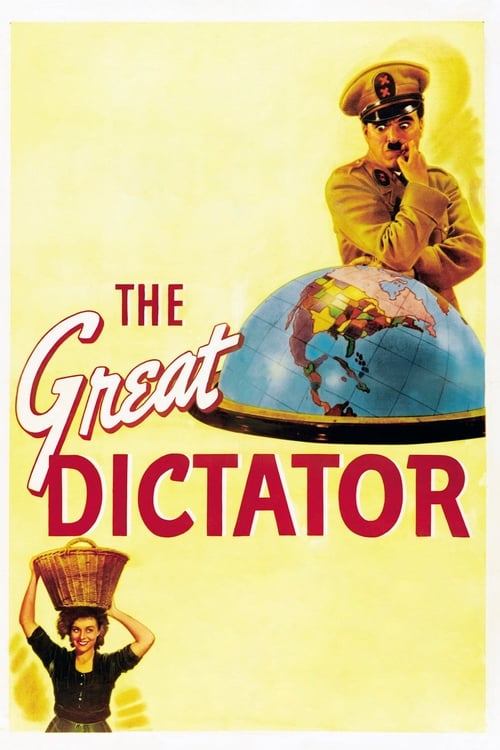


Movies like “The Great Dictator” and “To Be or Not to Be” have taken similar approaches and gone on to become revered comedy classics that still manage to pack a considerable comedic punch today.
Jojo Rabbit has been called many things – an anti-hate satire, as the poster and trailers proclaim; a descendant of Chaplin’s The Great Dictator; a misstep of catastrophic proportions comparable to Jerry Lewis’s The Day the Clown Cried.
Despite the efforts of the Third Reich, Nazi jokes are as old as Nazis, predating even Charlie Chaplin's pompous "Adenoid Hynkel" in 1940's The Great Dictator.
But of course, absurd as the idea may seem, some attempts to wring humor from the horrors of Nazi Germany have stood the test of time: Charlie Chaplin’s “The Great Dictator,” Ernst Lubitsch’s “To Be or Not To Be,” Mel Brooks’ “The Producers,” and Roberto Benigni’s “Life Is Beautiful,” to name a few.
Granted that Waitiki’s nutty version of the infamous German dictator does not have the same lofty legs of lunacy as witnessed by Mel Brooks’ impishly warped “Springtime for Hitler” nor does it compare to Charlie Chaplin’s Hitler knockoff, Adenoid Hynkel, from “The Great Dictator.”
Despite what Disney and Fox Searchlight's trailer marketing might lead you to believe, Taika Waititi's Jojo Rabbit is neither the quirky New Zealander's riff on Charlie Chaplin's The Great Dictator, nor the feature-length version of Mel Brooks' fake "Springtime for Hitler" musical from The Producers.

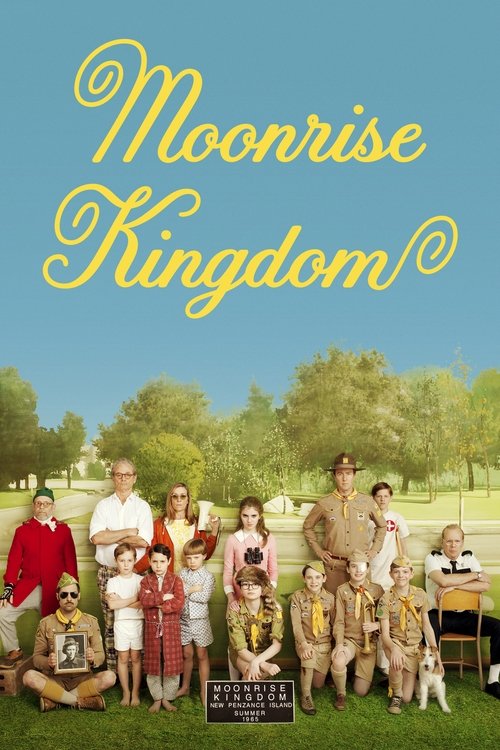
While attending a Hitler Youth camp — which looks like Moonrise Kingdom, except with white nationalists — Jojo suffers a grenade mishap and is forced to recuperate at home.
Comparisons have been made to Wes Anderson in general and "Moonrise Kingdom" in particular, but the similarities are mostly surface-deep.
And yet, at one point, the Jewish girl who has experienced his antagonism firsthand declares in a monologue that he isn’t a Nazi, and just a kid who likes to dress up and be part of a gang (coincidentally, fashioning the Hitler youth uniforms as a Moonrise Kingdom homage is a deeply unpleasant aesthetic choice).
Still, Jojo Rabbit is at its strongest when it serves as a Moonrise Kingdom flick—following Jojo and Elsa from their meeting to the waning days of the war.
But again, the parallels to Anderson's work (Moonrise Kingdom during the youth camp scenes, The Grand Budapest Hotel in its happy/sad critique of Nazism) are mostly surface-level, and Waititi settles fully into his own rhythm the further along Jojo Rabbit goes.
Jojo’s Hitler Youth brigade, uniformed and organized in the lighthearted tone of a scout troop from “ Moonrise Kingdom ,” is led by a trio of adults, Captain Klenzendorf (Sam Rockwell), Fred Finkel (Alfie Allen), and Fräulein Rahm (Rebel Wilson), who express virulent, over-the-top mockeries and hatreds of Jews and lead the boys in a monstrous ritual of cruelty.
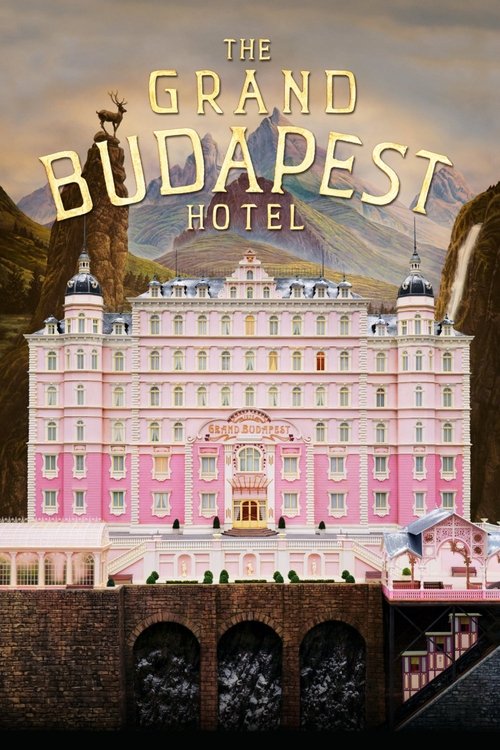
But again, the parallels to Anderson's work (Moonrise Kingdom during the youth camp scenes, The Grand Budapest Hotel in its happy/sad critique of Nazism) are mostly surface-level, and Waititi settles fully into his own rhythm the further along Jojo Rabbit goes.
The scenes in the youth camp feel a lot like the recent works of Wes Anderson; the diorama feel and the frolicking, uniformed children can’t help but evoke Moonrise Kingdom, while the stiffness of movement and emotion (and, you know, the Nazis) feel ripped right out of The Grand Budapest Hotel.
Wes Anderson managed this territory much more skillfully in The Grand Budapest Hotel .
Directed by Taika Waititi (“Thor Ragnarok”) this whimsical, dramatic film reminded me of some of Wes Anderson's films, like “Isle of Dogs” or “The Grand Budapest Hotel” but with a harder dramatic edge.
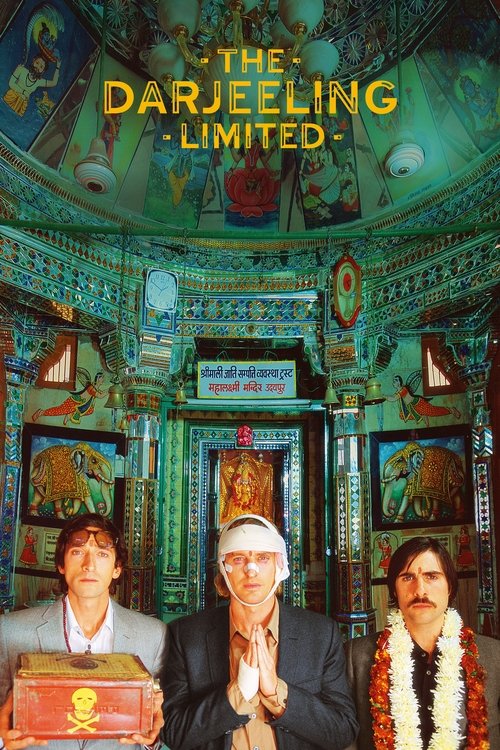
Acclaim for Jojo Rabbit indicts our pathetic film culture that refused to acknowledge the ingenuity of Anderson and Hess’s best films (respectively The Darjeeling Limited and Gentlemen Broncos ).
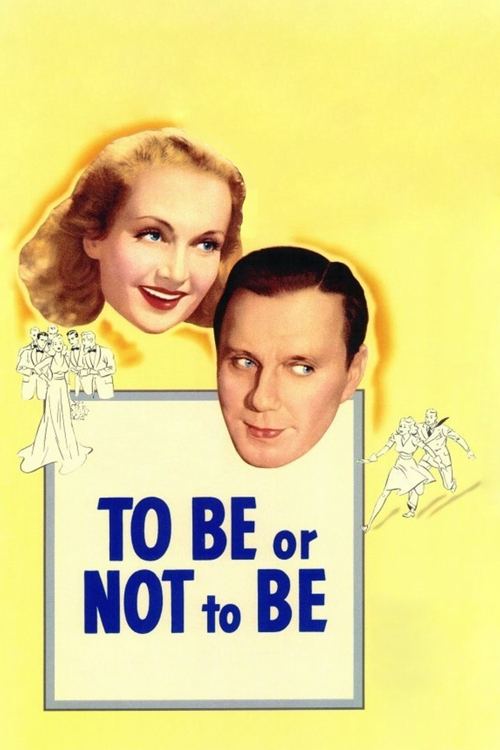
But of course, absurd as the idea may seem, some attempts to wring humor from the horrors of Nazi Germany have stood the test of time: Charlie Chaplin’s “The Great Dictator,” Ernst Lubitsch’s “To Be or Not To Be,” Mel Brooks’ “The Producers,” and Roberto Benigni’s “Life Is Beautiful,” to name a few.
(They needed it in their era, and got it, not least, in Hollywood, from the German-Jewish director Ernst Lubitsch, in the film “To Be or Not to Be.”) Today, making fun of Hitler and his minions is both easy and pointless, because he poses no threat; Waititi is kicking a dead bull.
Jojo Rabbit stands on the shoulders of other satires in film history like 1940’s The Great Dictator by Charlie Chaplin, and 1942’s To Be or Not to Be by Ernst Lubitsch, but there are ways in which the film approaches the subject of the holocaust and antisemitism in novel ways, not least in how it parallels the blind acceptance of bigoted, toxic ideas happening today.
Still, Brooks was only adding a brasher twist to what Chaplin had already done in The Great Dictator and Lubitsch in To Be or Not to Be.
Some of our greatest comedy directors, from Charles Chaplin (“The Great Dictator”) to Ernst Lubitsch (the brilliant “To Be or Not to Be”) to Mel Brooks (“The Producers”), have used der Fuhrer as a figure of fun, trying, perhaps, to make a monster more manageable by having a laugh at his expense.

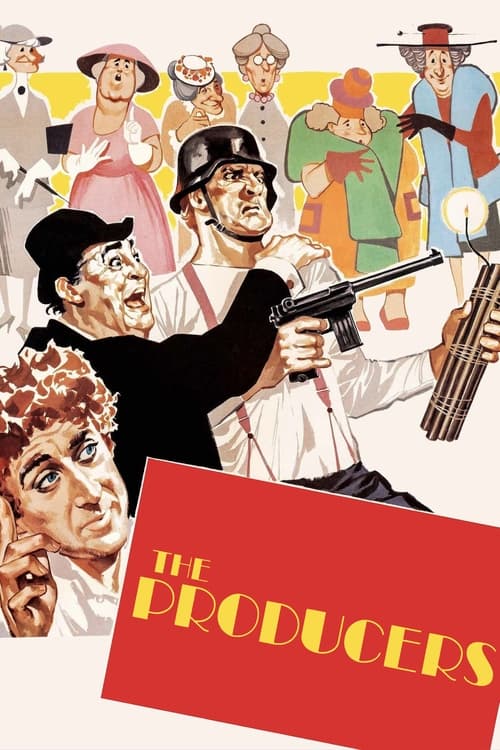
But of course, absurd as the idea may seem, some attempts to wring humor from the horrors of Nazi Germany have stood the test of time: Charlie Chaplin’s “The Great Dictator,” Ernst Lubitsch’s “To Be or Not To Be,” Mel Brooks’ “The Producers,” and Roberto Benigni’s “Life Is Beautiful,” to name a few.
But it’s been more than 50 years since Brooks & Co. first serenaded us with “Springtime for Hitler,” and it’s tough to imagine anyone taking the piss out of the Nazi Party better than The Producers.
Despite what Disney and Fox Searchlight's trailer marketing might lead you to believe, Taika Waititi's Jojo Rabbit is neither the quirky New Zealander's riff on Charlie Chaplin's The Great Dictator, nor the feature-length version of Mel Brooks' fake "Springtime for Hitler" musical from The Producers.

Mike Judge got it right with Idiocracy and Office Space but has increasingly lost the thread with Silicon Valley; Stanley Kubrick’s Dr. Stangelove and Mel Brooks’s Blazing Saddles have withstood the test of time because their respective analyses of the American military-industrial complex and racist bureaucracy are so strong.
“A movie like Blazing Saddles could never get made today”, people incorrectly spout; you have one right here, and it’s taking down Nazis and neo-Nazis alike.
In the midst of discussions over how to be funny in a modern world, and nonsense questions on whether or not a film such as Blazing Saddles could be made today, enter writer/director Taika Waititi’s Jojo Rabbit .
There’s plenty of The Great Dictator and even Blazing Saddles on display, yet Waititi’s gift is to elevate the film on both narrative and aesthetic levels.
Advertisement
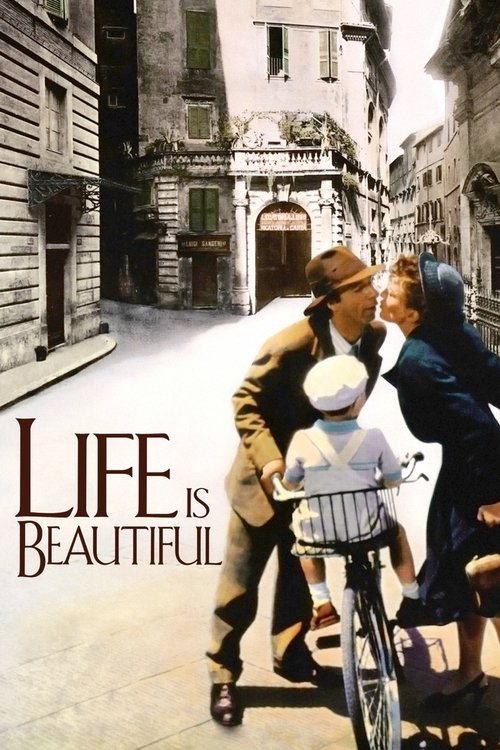
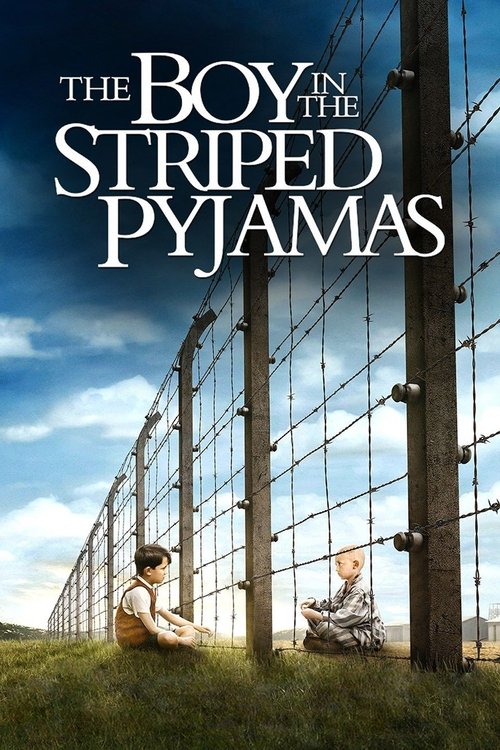
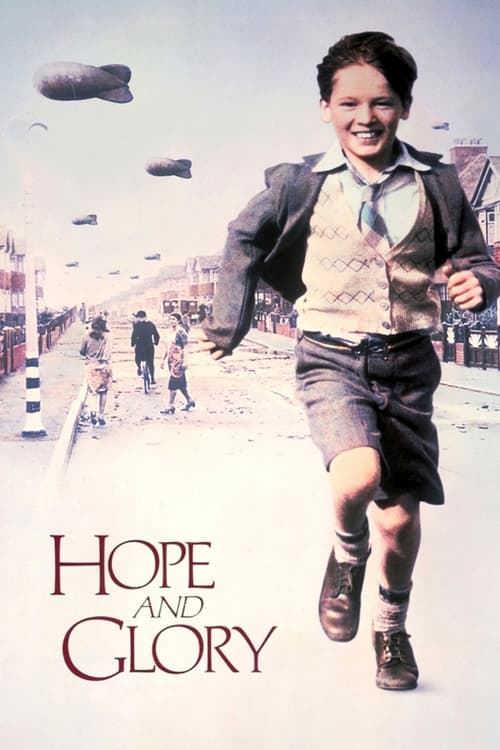
Oh sure, there have been a couple of examples of this particular brand of filmmaking that I have admired—John Boorman’s “Hope and Glory” and Steven Spielberg’s “Empire of the Sun” (especially its astounding first hour or so) immediately spring to mind—but those hardly begin to make up for such utter grotesqueries as “The Tin Drum,” “The Boy in the Striped Pajamas” and, of course, the more-appalling-than-ever “Life is Beautiful,” films that take the most horrific event of the 20th century and attempt to milk it for cheap sentiment and, hopefully, Oscar nominations from people who mistakenly assume that just because a movie involves a serious subject like the Holocaust, it must be serious as well and therefore worthy of consideration.
Sweetness and charm may not be the notes you want or expect in a movie about genocide and fascism, and there are times when the mood turns sticky and soft, straying a bit too close to the cloying kitsch of Roberto Benigni’s “Life Is Beautiful.”
But of course, absurd as the idea may seem, some attempts to wring humor from the horrors of Nazi Germany have stood the test of time: Charlie Chaplin’s “The Great Dictator,” Ernst Lubitsch’s “To Be or Not To Be,” Mel Brooks’ “The Producers,” and Roberto Benigni’s “Life Is Beautiful,” to name a few.
Thirty years later, Roberto Benigni won acting and foreign language feature statuettes for turning a concentration camp into a setting for a Chaplinesque dramedy in "Life Is Beautiful."
Charlie Chaplin's infamous moustache-and-slapstick humour poked fun at the Führer, while the Oscar-winning Life is Beautiful was accused by many of diminishing the suffering of Holocaust victims.
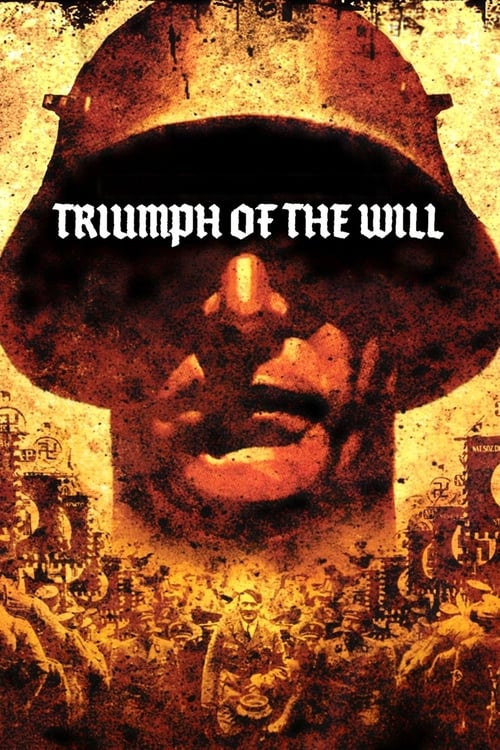
The opening-credits sequence remixes footage from Triumph of the Will and sets it to the Deutsch-language version of “I Wanna Hold Your Hand” that The Beatles recorded for the German market.
In an apocryphal tale of cinema history, legendary director Luis Buñuel and Charlie Chaplin went to a screening of Leni Riefenstahl’s Nazi propaganda film Triumph of the Will .
From early scenes audaciously intercutting Triumph of the Will footage with the German Beatlemania sounds of Komm, Gib Mir Deine Hand (other playfully anachronistic pop tunes include Tom Waits’s I Don’t Wanna Grow Up and David Bowie’s Helden), to later interludes in which Imaginary Adolf acts more like a petulant schoolboy than a murderous dictator, Waititi strives to capture young Jojo’s wide-eyed point of view.
But those parts, like playing the Beatles singing “I Want to Hold Your Hand” in German over worshipful Hitler footage from “Triumph of the Will,” will definitely make you shake your head and smile.
Writer-director Taika Waititi’s asinine JOJO RABBIT begins with footage from “Triumph Of The Will” recut to an early German-language Beatles recording of “I Wanna Hold Your Hand.”
Waititi pairs clips of ecstatic fans from Triumph of the Will along with a German-language version of “I Wanna Hold Your Hand,” showing us people willingly succumbing to the Nazi ideology.
Oh sure, there have been a couple of examples of this particular brand of filmmaking that I have admired—John Boorman’s “Hope and Glory” and Steven Spielberg’s “Empire of the Sun” (especially its astounding first hour or so) immediately spring to mind—but those hardly begin to make up for such utter grotesqueries as “The Tin Drum,” “The Boy in the Striped Pajamas” and, of course, the more-appalling-than-ever “Life is Beautiful,” films that take the most horrific event of the 20th century and attempt to milk it for cheap sentiment and, hopefully, Oscar nominations from people who mistakenly assume that just because a movie involves a serious subject like the Holocaust, it must be serious as well and therefore worthy of consideration.
“Jojo Rabbit” is a deliberately quirky hybrid—a blending of a youngster’s “coming to terms with horror” story—a sort-of cousin to “The Boy in the Striped Pajamas”—with blissfully wacked-out ridicule of Nazis that makes “Hogan’s Heroes” look mild by comparison, including a Hitler who’s an exuberantly nutty “Animal House” caricature (until, at the very end, he morphs into something pretty terrifying).
By exploring the events of WWII through the eyes of a child (something other texts such as The Book Thief and The Boy In The Striped Pajamas also do), the film is granted more leeway to color outside of the lines of what would normally be acceptable.
I don’t object to this tone, and the movie does come out much more watchable than other films that have tried to glimpse the Nazi horror through a child’s limited perspective ( Life Is Beautiful , The Boy in the Striped Pajamas , The Book Thief ).
Waititi’s film is a smart and relevant one, though it’s nearly derailed by a mid-film descent into maudlin melodrama, more befitting a film like The Boy in the Striped Pajamas than the kind of gonzo satire that the director might have hoped for.
But the focus is so firmly on Jojo because his Hitler fanboy-ism is absolutely the only thing separating Jojo Rabbit from other straight dramas that have mined this exact same emotional dynamic, like The Book Thief or The Boy in the Striped Pajamas.
Certain aspects are reminiscent of Kurt Vonnegut's Slaughterhouse-Five and Mother Night.
Advertisement
Oh sure, there have been a couple of examples of this particular brand of filmmaking that I have admired—John Boorman’s “Hope and Glory” and Steven Spielberg’s “Empire of the Sun” (especially its astounding first hour or so) immediately spring to mind—but those hardly begin to make up for such utter grotesqueries as “The Tin Drum,” “The Boy in the Striped Pajamas” and, of course, the more-appalling-than-ever “Life is Beautiful,” films that take the most horrific event of the 20th century and attempt to milk it for cheap sentiment and, hopefully, Oscar nominations from people who mistakenly assume that just because a movie involves a serious subject like the Holocaust, it must be serious as well and therefore worthy of consideration.
It's as if Waititi had mixed together John Boorman's semi-autobiographical World War II film "Hope and Glory" with "Forrest Gump."
There’s a long tradition of movies seeing war through the eyes of a child – heck, John Boorman’s “Hope and Glory” and Steven Spielberg’s “Empire of the Sun” even came out the same damn year – while Federico Fellini’s “Amarcord” depicted the rise of fascism in Italy as an extended adolescence, authoritarianism as a fart-filled wank.
As in John Boorman's Hope and Glory, all the comfort and intelligence is on one side and all the pain and stupidity is on the other.

Quentin Tarantino's WWII revenge film, Inglourious Basterds (2009), likewise tempers its comedy with the reminder that Nazis weren't zany and cute, but rather horrifically effective; the film's opening scene builds very real emotional stakes that carry through to the credits, despite the laughs that come on the way.
EA: To quote our beloved Col. Hans Landa from Inglourious Basterds, “That’s a bingo!”
Quentin Tarantino thumbed his nose at Nazis with jaunty glee in “Inglourious Basterds,” and who would have had it any other way?
It’s not the first time Nazis have been made the butt of the joke, as films ranging from Chaplin’s The Great Dictator to Benigni’s Life is Beautiful to Tarantino’s Inglourious Basterds have all found ways to tackle dark times in the world’s history.
But as a satire of war, it’s certainly not as wheels-off as Strangelove—or as craftily revisionist as Inglourious Basterds.