View:

Connections, in both directions

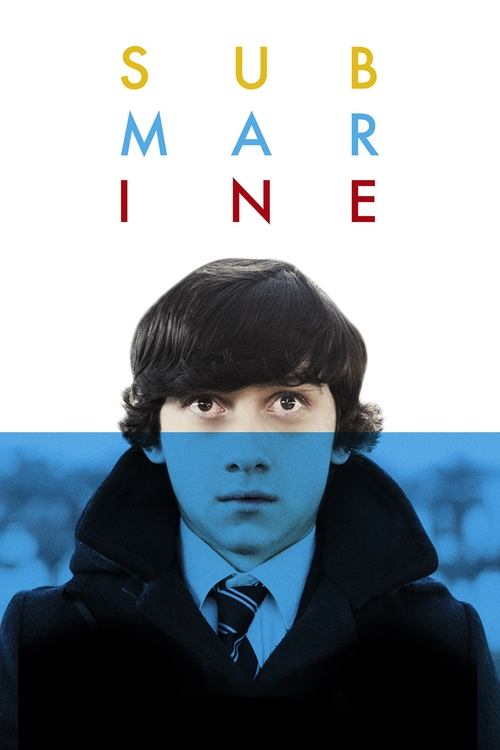
Submarine poster
However, as hard as some of his disciples have worked (Richard Ayoade’s Submarine comes to mind), not one of them has been able to best or even match the director’s flair for candy-colored, giddily propulsive storytelling.
We Got This Covered
wegotthiscovered.com ↗
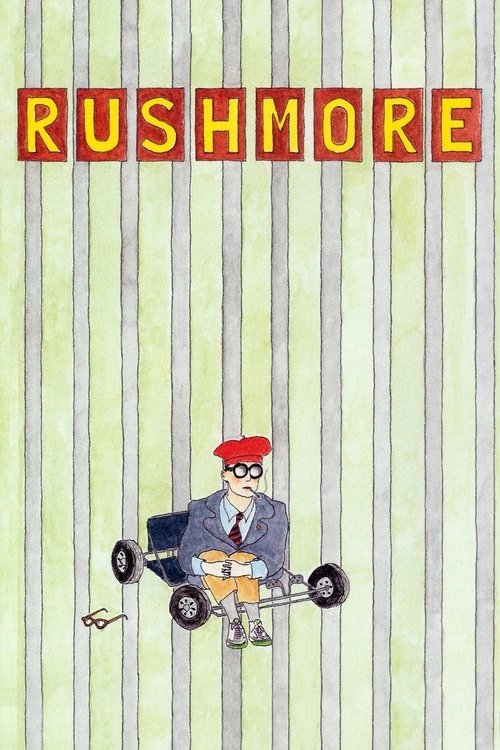
Comparisons will abound to Wes Anderson’s breakthrough, 1998’s Rushmore , thanks to the vaguely vintage era that encourages solipsism and the intricate production design, but Anderson’s 15-year-old, Max Fischer (Jason Schwartzman), lusts for the imagined glory of the adult world, whereas Oliver has his eyes firmly on the real adolescent prize of losing his virginity and surviving the schoolyard.
It's a sweet, knowing, bracingly deadpan coming-of-age story that proudly wears its influences on its sleeve – Wes Anderson's Rushmore, Harold and Maude, and Mike Nichols' The Graduate spring immediately to mind – and it's set in a grim and gritty Swansea, replete with concrete council flats and muddy, muddled dreams that'd do Morrissey and Marr proud in their existential despair.
The Austin Chronicle • Jun 17, 2011
austinchronicle.com ↗
You're going to be hearing Submarine described often as "the Welsh Rushmore"-- it's even on the film's official TIFF site -- but I was actually relieved to find out that it wasn't.
Ayoade owes a debt to Wes Anderson (Rushmore), but the parents here are so beautifully written, and Hawkins and Taylor particularize them so well, that the movie manages to hold its own.
Chicago Reader
archive.org ↗
Its being promoted as something in the vein of Wes Andersonthink Rushmore set in Walesand thats not unreasonable, but its hardly the whole story.
The Graduate poster
With the sole exception of his marvelous 2009 animated fable Fantastic Mr. Fox, he has clung to his rarefied, Salinger-meets-The Graduate-meets-music-video-meets-postmodern-TV-ads whimsicality as if it were under glass, which in a sense it is.
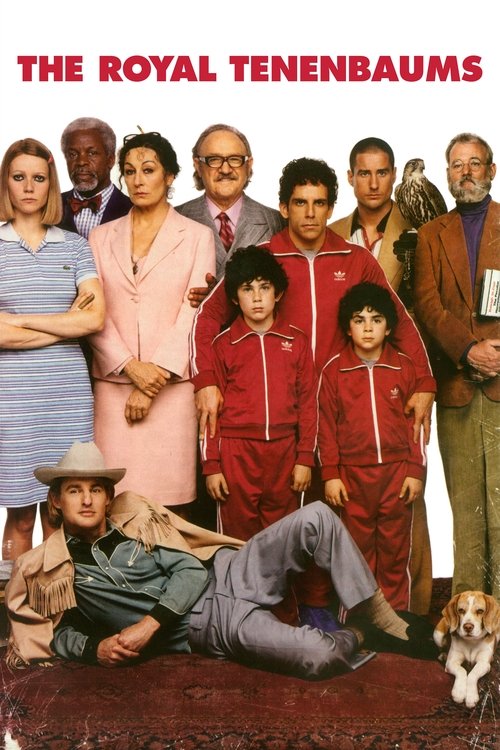
To be sure, The Graduate is better known to current audiences for its influence on Wes Anderson (Rushmore, The Royal Tenenbaums), most obviously in his continual use of water imagery and expert incorporation of pop rock songs.
Old School Reviews
archive.org ↗
Pointedly, the film that arguably appropriated this picture the most precisely in terms of dialogue, performance, and execution, Wes Anderson's The Royal Tenenbaums , tackles the father/son dynamic with unparalleled sensitivity whilst repositioning the Ben/Elaine (Katharine Ross) relationship as, appropriately, vaguely incestuous.
Film Freak Central
archive.org ↗
To be sure, The Graduate is better known to current audiences for its influence on Wes Anderson (Rushmore, The Royal Tenenbaums), most obviously in his continual use of water imagery and expert incorporation of pop rock songs.
Old School Reviews
archive.org ↗
I was impressed by Anderson's filmmaking and the cast, but the film never quite overwhelmed me like some of my favorite coming-of-age comedies ("Say Anything", "The Graduate", "Ferris Bueller's Day Off", etc.).
Told through the fish-eye lens of a teen-ager's obsessive, self-aggrandizing vision, "Rushmore" -- which often resembles a contemporized, bizarro version of "The Graduate" -- will also appeal to anyone who can find its nerdy hero enchanting, despite his grating eccentricities.
Jojo Rabbit poster
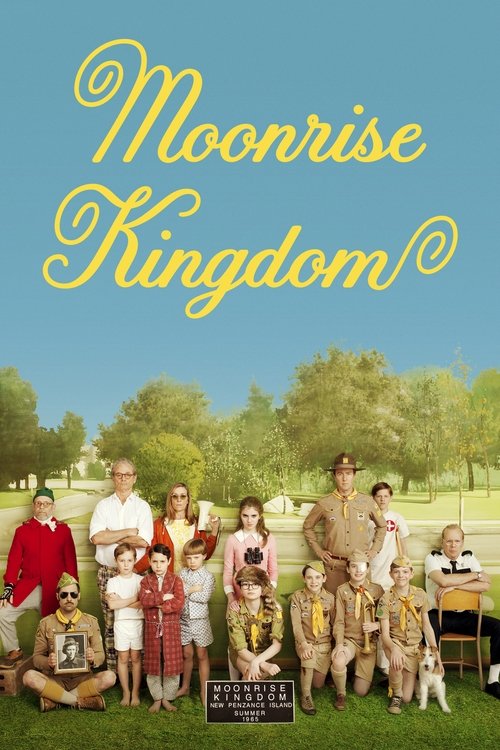
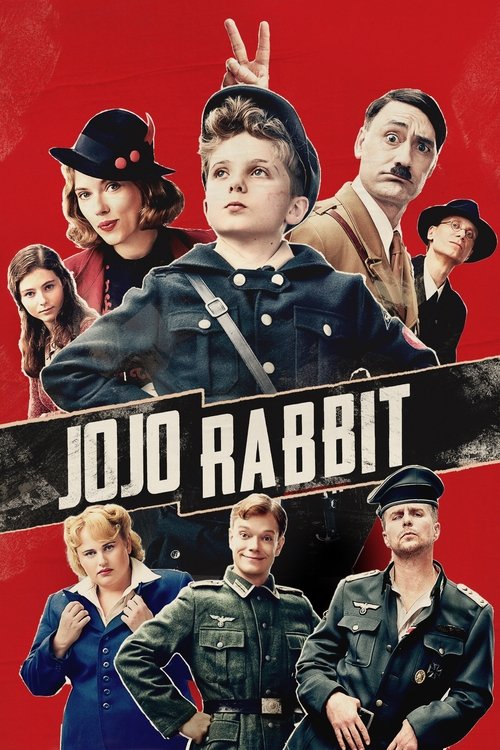
But again, the parallels to Anderson's work (Moonrise Kingdom during the youth camp scenes, The Grand Budapest Hotel in its happy/sad critique of Nazism) are mostly surface-level, and Waititi settles fully into his own rhythm the further along Jojo Rabbit goes.
Sandy Schaefer • Screen Rant • Oct 25, 2019
screenrant.com ↗
The scenes in the youth camp feel a lot like the recent works of Wes Anderson; the diorama feel and the frolicking, uniformed children can’t help but evoke Moonrise Kingdom, while the stiffness of movement and emotion (and, you know, the Nazis) feel ripped right out of The Grand Budapest Hotel.
Siddhant Adlakha • Firstpost • Jan 31, 2020
firstpost.com ↗
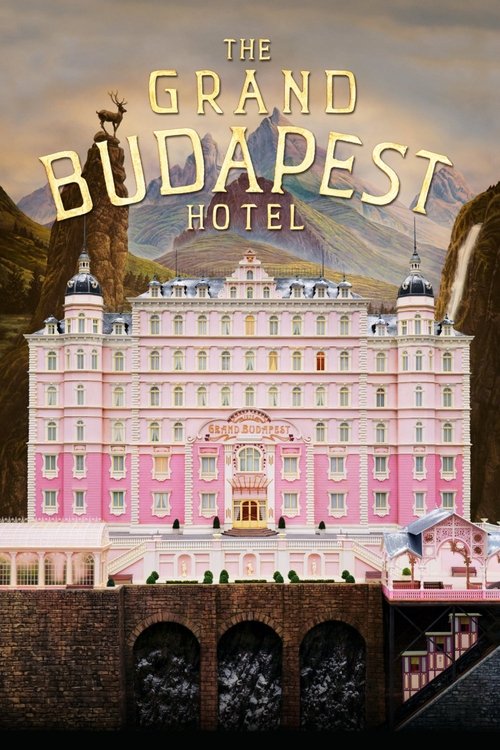
Wes Anderson managed this territory much more skillfully in The Grand Budapest Hotel .
www.fwweekly.com, kristian-lin, Kristian Lin • Fort Worth Weekly • Nov 6, 2019
fwweekly.com ↗
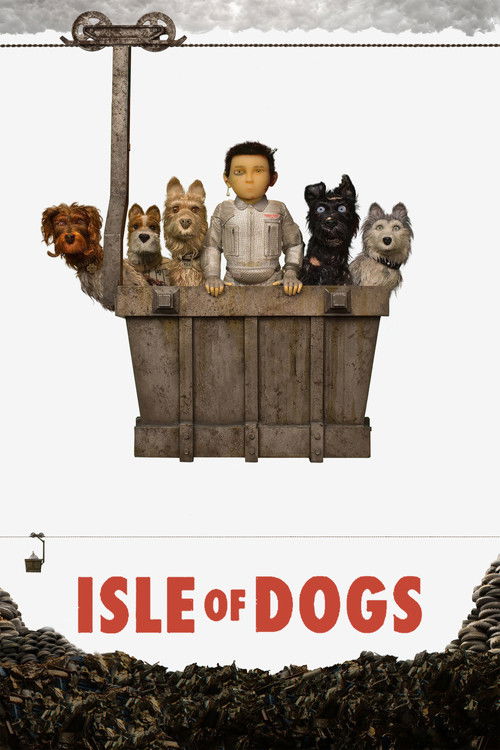
Directed by Taika Waititi (“Thor Ragnarok”) this whimsical, dramatic film reminded me of some of Wes Anderson's films, like “Isle of Dogs” or “The Grand Budapest Hotel” but with a harder dramatic edge.
The Lariat
lariat.org ↗
While attending a Hitler Youth camp — which looks like Moonrise Kingdom, except with white nationalists — Jojo suffers a grenade mishap and is forced to recuperate at home.
Jeva Lange • TheWeek • Oct 18, 2019
theweek.com ↗
Comparisons have been made to Wes Anderson in general and "Moonrise Kingdom" in particular, but the similarities are mostly surface-deep.
Miami Art Zine
miamiartzine.com ↗
Charlie Bartlett poster
Or Max Fischer (“Rushmore”).
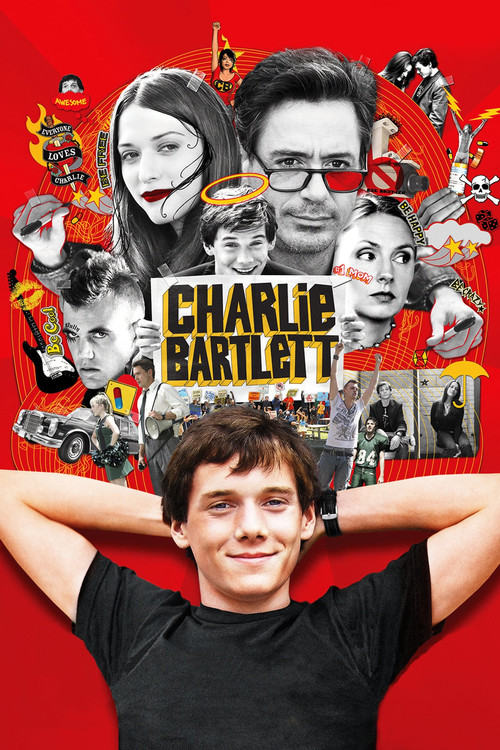
The movie smells like "Catcher in the Rye" and some of its loose offspring, like "Ferris Bueller's Day Off," and, in particular, "Rushmore," especially after we find out the public-school principal (Robert Downey Jr.) is a self-loathing drunk who likes to wallow by his swimming pool the way Bill Murray did in "Rushmore."
Wesley Morris • The Boston Globe
archive.org ↗
Directed and written by first-timers Jon Poll and Gustin Nash, it's a lightly dumbed-down version of "Rushmore," complete with precocious preppies, dysfunctional jocks and a few clueless parents.
Some may see shades of Rushmore in it.
Big question: Can “Charlie Bartlett” succeed in its obvious attempt at combining “Rushmore” and “Ferris Bueller’s Day Off”?
Matt Pais • Metromix
archive.org ↗
I remained uncharmed by Charlie even as the movie rolled out its premise - a private school expels Charlie, who is forced to attend public school (someone has seen "Rushmore"), where he ingratiates himself by functioning as an informal psychiatrist (he takes sessions in the lavatory) and prescribing drugs (acquired from an upper-crusty Dr. Feelgood) as he sees fit.
Night Train to Munich poster
The references are multitudinous, and come from everywhere (one of my favorites is a cable car sequence nodding to Carol Reed's 1940 thriller "Night Train To Munich").
RogerEbert.com
rogerebert.com ↗
His favorite is a reference to Night Train To Munich .
Looking Closer • Jan 22, 2026
lookingcloser.org ↗
The scenes set aboard the funicular railway resemble the climax of Carol Reed's "Night Train to Munich."
Grand Hotel poster
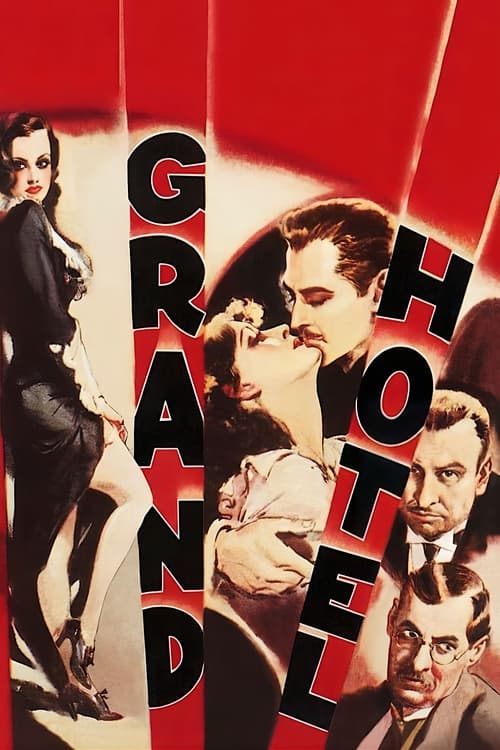
While the references to everything from Ernst Lubitsch to Grand Hotel pile up, you forget it’s all taking place against a background of rising Hitlerism and postwar communism that means half of the staff and guests at the Grand Budapest Hotel will fall to ruin before the hotel does.
Rex Reed, observer.com, rex-reed • The New York Observer • Mar 5, 2014
observer.com ↗
If you’ve seen Grand Hotel, or Grand Illusion, or The Earrings of Madame de…, you’ll appreciate the loving sense of homage.
Edmund Goulding’s Grand Hotel and several Ernst Lubitsch films have been cited by Anderson as key influences.
The Popcorn Junkie
thepopcornjunkie.com ↗
Rather than having anything in common with Zweig’s writings, it is much more of a mash-up of “Grand Hotel” and the Marx Brother’s “Duck Soup”, the comedy set in the fictional European nation of Freedonia that is threatened by an invasion from its neighbor Sylvania.
Louis Proyect • CounterPunch • Apr 21, 2014
counterpunch.org ↗
Now joining such immortal movie hotels as the Grand Hotel (“Grand Hotel”), the Hotel del Coronado (“Some Like It Hot”), the Plaza (“North by Northwest”), the Overlook Hotel (“The Shining”) and Best Exotic Marigold Hotel (ditto) is the Grand Budapest Hotel, an art nouveau palace with a pink-icing facade perched where eagles dare somewhere in the Matra Mountains of Hungary.
Migration User • The Boston Herald • Mar 14, 2014
bostonherald.com ↗
(Is it a coincidence that this is the same year that MGM's all-star Best Picture winner Grand Hotel was released?)
Three Movie Buffs
threemoviebuffs.com ↗
Lady Bird poster
Off the back of “The Grand Budapest Hotel” and “Brooklyn,” “Lady Bird” not only shows that Ronan has a knack for picking resonant roles that she can then reinforce and build upon, but that she has a soul and wit that you immediately invest in.
Ronan is perhaps more known for her shy, sweet and endearing characters, from her breakthrough role as the innocent Susie Salmon in The Lovely Bones (2009) to her more recent engagements in The Grand Budapest Hotel (2014) and Brooklyn (2015).
MUBI • Nov 29, 2017
mubi.com ↗
She’s played the daughter of a government operative in Hanna, a chocolatier in The Grand Budapest Hotel, and she has an uncanny ability to pick quality projects and push herself as a performer.
Tim Brennan • About Boulder • Dec 3, 2017
aboutboulder.com ↗
There is a drolly self-aware tone here that recalls Rushmore , and as with that Wes Anderson film, Lady Bird is so poised and fresh that it seems to herald a stellar career for its author.
Kyle Smith, Noah Rothman, Rich Lowry • National Review • Oct 13, 2017
nationalreview.com ↗
The film that I would compare this to most, in terms of what it tells us about the filmmaker, is Rushmore .
Drew McWeeny • The Tracking Board • Nov 2, 2017
tracking-board.com ↗
There are echoes to Frances Ha (think of this as a kind of prequel), or even Anderson’s Rushmore , yet Lady Bird is very much its own thing, feeling both comfortable and entirely original at once.
The Great Dictator poster
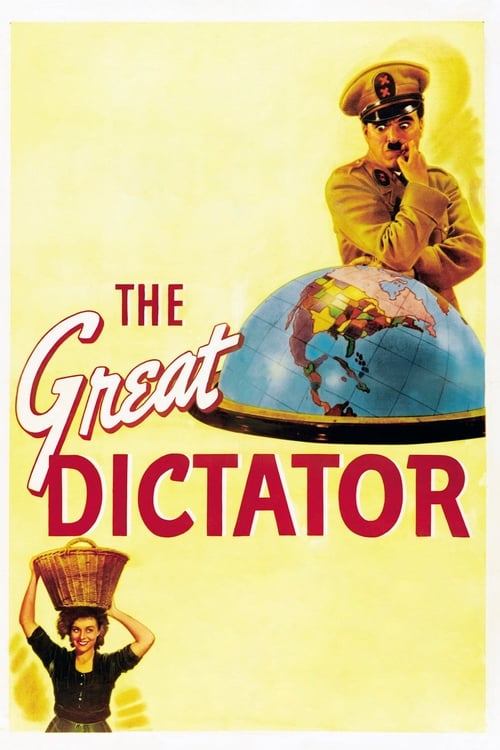
That leads to a madcap pursuit also involving Captain Henckels (Edward Norton) of the proto-fascist military police (with a character name certainly meant to recall Hynkel of Chaplin’s “The Great Dictator”); a prison break led by a brooding convict named Ludwig (Harvey Keitel); the intervention of a secret society of master concierges (among whose members are Bill Murray, Bob Balaban, Fisher Stevens, Waris Ahluwalia and Wally Wolodarsky); a surrealistically funny ski-and-toboggan chase, ending with a homage to Hitchcock’s “North by Northwest”; and a gun battle at the hotel itself.
One Guys Opinion • One Guy's Opinion • Mar 14, 2014
oneguysopinion.com ↗
Thomson delivers a crushingly harsh verdict on Anderson’s film: “It relates to the atmosphere and texture of Stefan Zweig like an achingly sweet pastry on a tin plate at Auschwitz-Birkenau.” There’s a long, complex debate to be had on the question of whether it is appropriate or adequate to view the horrors of modern history through a lens of humor or indeed whimsy—a debate that would have to span from To Be or Not to Be and The Great Dictator to their echo in the Zig-Zag militia in The Grand Budapest Hotel .
As the 1932 storyline comes to a close, the fictional Zubrowka is invaded entirely by a Nazi-like army (calling for immediate comparisons with Ernst Lubitsch‘s To Be or Not To Be, Powell and Pressburger‘s A Matter of Life and Death, and Charlie Chaplin‘s The Great Dictator; esteemed company it certainly earns).
Movies like “The Great Dictator” and “To Be or Not To Be” lampooned Nazis with forceful satire.
Kyle Smith • New York Post • Mar 4, 2014
nypost.com ↗
The Meyerowitz Stories (New and Selected) poster
There are shades of The Royal Tenenbaums and Hirokazu Kore-Eda’s Still Walking here, as well as Baumbach’s own The Squid and the Whale.
Emily Yoshida • Vulture • Oct 12, 2017
vulture.com ↗
Told in chapters delineating the storyline of each sibling, Baumbach’s film has gentle echoes of earlier works such as The Royal Tenenbaums and Squid and the Whale.
It’s the kind of recommended viewing that might come up after watching “Flirting With Disaster” or “The Royal Tenenbaums” — in a world where either of those movies were available on the streaming service, that is.
Peter Debruge • Variety • May 21, 2017
variety.com ↗
Most specifically, it’s a reminder that Baumbach co-wrote the script to The Royal Tenenbaums.
Joe Reid • Decider • Oct 13, 2017
decider.com ↗
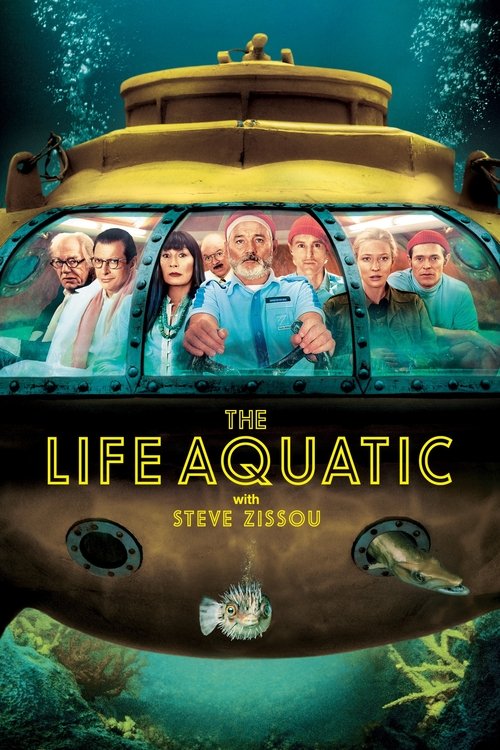
Baumbach co-wrote a couple of films with Wes Anderson ( The Life Aquatic with Steve Zissou and T he Fantastic Mr. Fox ), and Meyerowitz is Baumbach’s The Royal Tenenbaums; an epic work that’s primarily about the havoc brought upon a New York-based family of adult children (one of them played by Ben Stiller) by their selfish, withholding father.
Stephen Silver • Living Life Fearless • Oct 26, 2017
livinglifefearless.co ↗
There are broader comparisons, too – to JD Salinger’s Glass stories, Jonathan Franzen’s The Corrections (Baumbach worked on a pilot for HBO) and Wes Anderson’s The Royal Tenenbaums.
Michael Bonner • Uncut • Oct 6, 2017
co.uk ↗
Black Narcissus poster
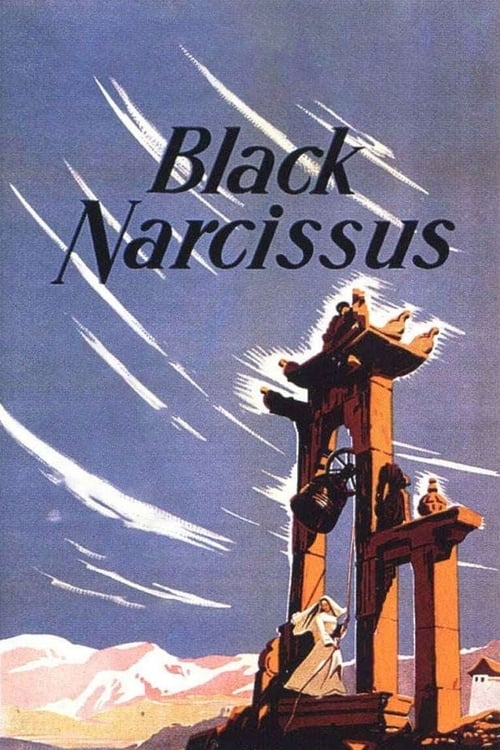
…and the religious ethics of “Black Narcissus”…
Liam Gaughan, www.facebook.com • High on Films • May 18, 2025
highonfilms.com ↗
The Grand Budapest Hotel is spry and sly, with tickling tributes to cinematic forebearers; there’s a sequence lifted whole cloth from Hitchcock that, no lie, made me clap in my seat, while a mountaintop set-piece put me in mind of both Black Narcissus and the 1941 Goofy short “The Art of Skiing.”
The Austin Chronicle
austinchronicle.com ↗
Their “Black Narcissus” comes to mind when the island is scoured for the runaway kids in a medium-long tableau of three figures that includes a barefoot nun in a knee-length white shift: who is she, why is she dressed so formally and so casually?
Ray Pride • New City Film • May 30, 2012
newcityfilm.com ↗
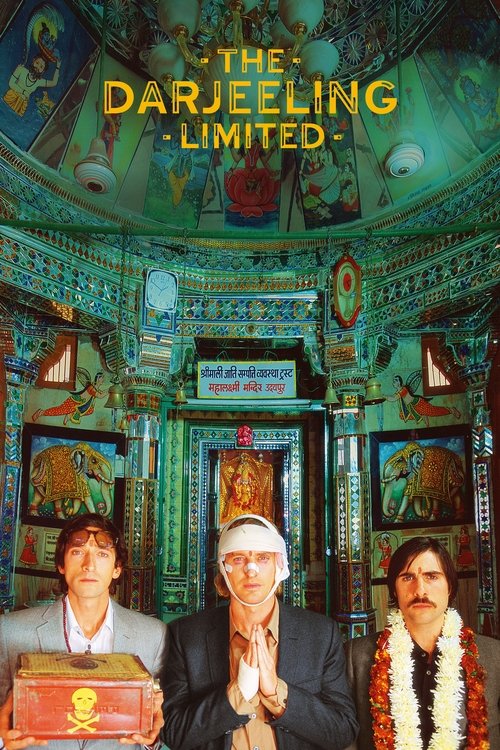
The vehicle for their reunion is the title railroad line, which will take them from the trauma of their father’s death a year before to the Black Narcissus–like convent to which their mother (Anjelica Huston) long ago fled.
The Phoenix
archive.org ↗
He also wants the brothers to visit their mother (Anjelica Huston), who has gone off to be a nun in a "a convent in the foothills of the Himalayas," like Deborah Kerr in "Black Narcissus."
He hands out detailed daily schedules prepared by an alopecia-afflicted research assistant who's travelling in another carriage, and also has a secret agenda: to find the trio's mother – played, of course, by Anjelica Huston – who has become a Catholic nun and moved to a remote convent in the Himalayas (echoes here of Powell and Pressburger's Black Narcissus are just one from the usual Anderson crop of cinematic and cultural references).
The Magnificent Ambersons poster
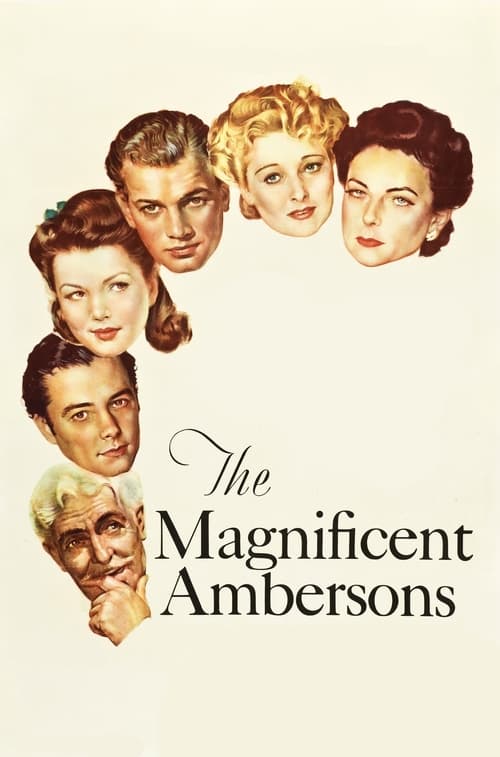
They may be unfair, but I prefer Orson Welles' method in The Magnificent Ambersons, one of the obvious inspirations for the Tenenbaums.
Film Snobs
filmsnobs.com ↗
Inspired by Orson Welles' "The Magnificent Ambersons" and stories by J. D. Salinger, Anderson and co-writer Owen Wilson locate their family story in a tall New York house.
LEO Weekly
archive.org ↗
The Witches poster
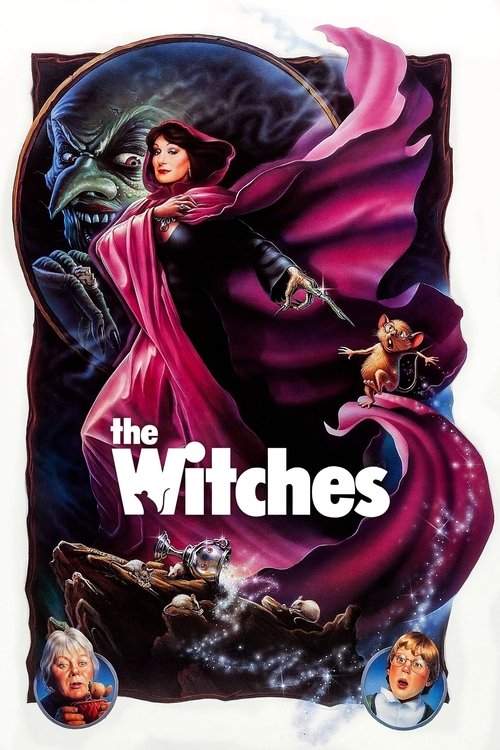
While many of the movies made of his work - The Witches, Matilda, Willy Wonka/Charlie and the Chocolate Factory - have been well received fan favorites, few have capture the underlying mischievousness of his motives…until now.
PopMatters
archive.org ↗
Roald Dahl's writing for children has only a moderate record of reaching the screen with its naughtiness intact - a pair of not-bad stabs at Charlie and the Chocolate Factory, a middling Matilda and Nicolas Roeg's paralysingly scary take on The Witches are among near-successes to date.
New Statesman
newstatesman.com ↗
Picnic poster
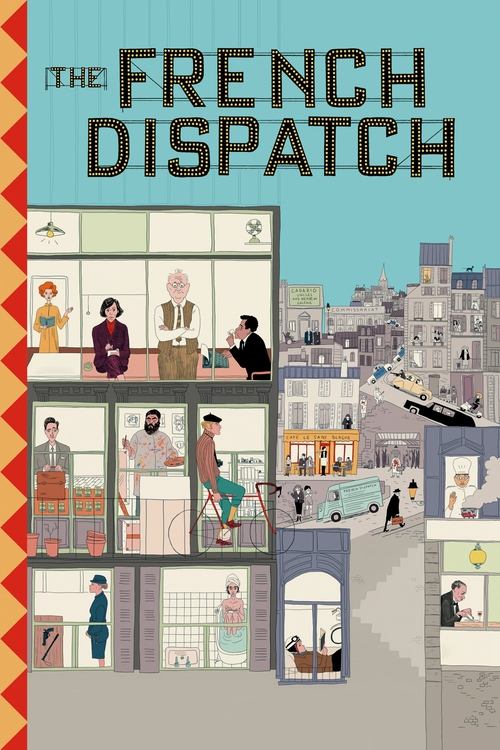
“The French Dispatch” will require multiple watches in order to pick apart the subtle references thrown in for those eagle eyed viewers (How about a nod to William Inge’s “Picnic”).
Nate Adams • The Only Critic • Oct 27, 2021
theonlycritic.com ↗
Masculin Féminin poster
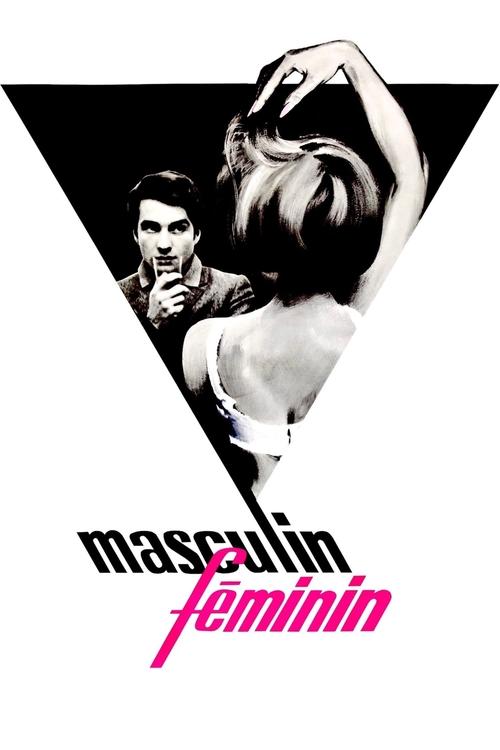
“Revisions to a Manifesto” draws on Jean-Luc Godard’s Masculin féminin —even borrowing Chantal Goya’s pop song, “Tu m’as trop menti.”
Michael J. Casey • Boulder Weekly • Oct 21, 2021
boulderweekly.com ↗
On the other hand, it reminded me of “Masculin Féminin,” one of my favorite Godard movies.
A.O. Scott • The New York Times • Oct 20, 2021
nytimes.com ↗
Small Change poster
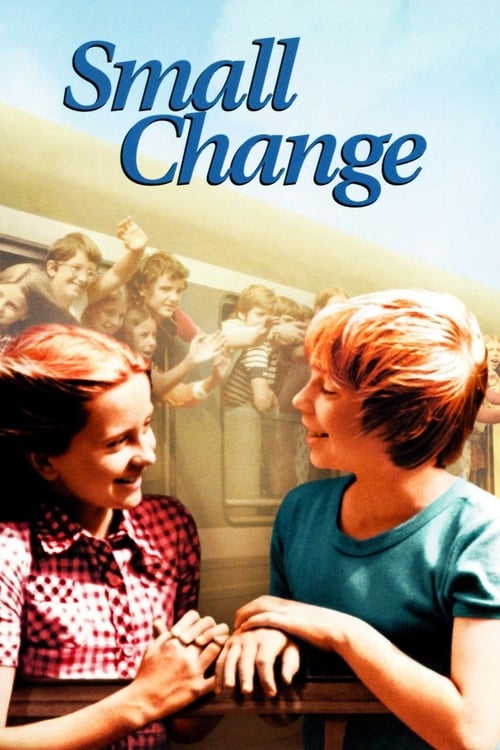
But Anderson handles it with a sensitivity and an unembarrassed openness that evoke the style of François Truffaut, in classics such as The 400 Blows and Small Change.
Peter Travers • Rolling Stone • May 24, 2012
rollingstone.com ↗
The film certainly owes a debt to the crafty kid imps of The 400 Blows and Small Change (by one of Anderson's avowed heroes, François Truffaut) but on the evidence of his artful and electric action direction, Anderson might work wonders with a throwback thriller in the vein of his hero's hero: Alfred Hitchcock.
The Austin Chronicle
austinchronicle.com ↗
Sabotage poster
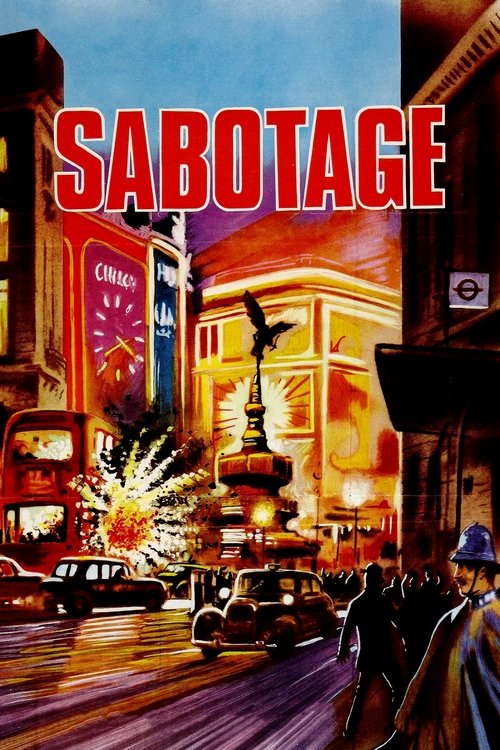
Other shots, those of death squads as seen from the inside of a train, are reminiscent of earlier Hitchcock films from his between-the-wars British period, particularly "Sabotage."
Anderson names "The Lady Vanishes," "The 39 Steps," "Sabotage" and "Torn Curtain" as specific inspirations.
Mike Scott, Mike Scott NOLA.com, The Times-Picayune, www.facebook.com • NOLA.com • Mar 19, 2014
nola.com ↗
High and Low poster
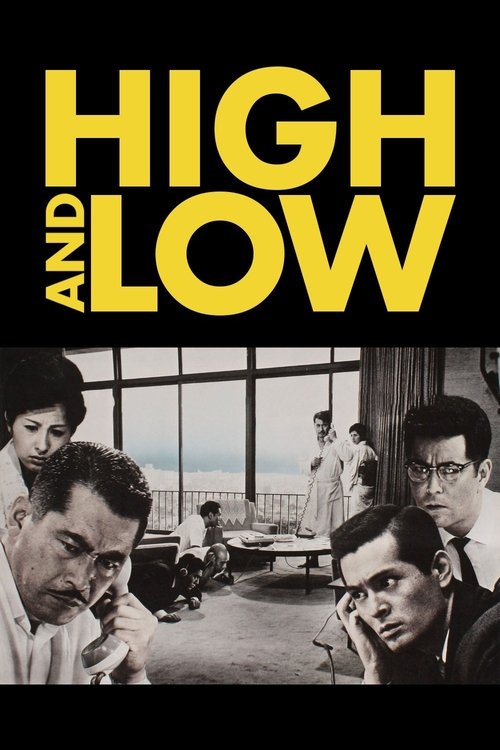
The setting is the fictional Japanese Megasaki City, 20 years in the future, and Anderson acknowledges one of his key influences as the urban crime and corruption thrillers of Akira Kurosawa, in particular the early 1960s features The Bad Sleep Well and High and Low.
David Rooney • The Hollywood Reporter • Feb 15, 2018
hollywoodreporter.com ↗
Modeled after Toshiro Mifune’s towering performance in Akira Kurosawa’s “High and Low” (the first of the film’s many nods to Japan’s most famous director), the villainous bureaucrat suggests relocating every single one of the dogs in Uni Prefecture to a place called Trash Island, starting with his own Short-Haired Oceanic Speckle-Eared Sport Hound, Spots.
David Ehrlich • IndieWire • Feb 15, 2018
indiewire.com ↗
Swiss Miss poster
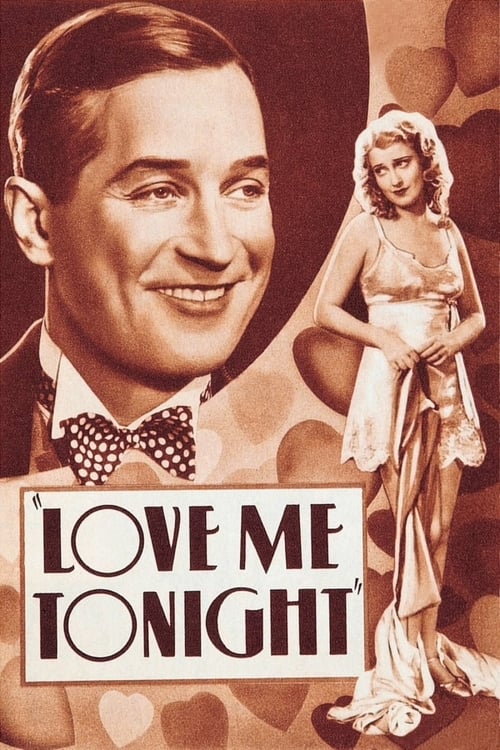
Zubrowka, the film tells us, was "once the seat of an empire," and so "The Grand Budapest Hotel" harks to the first decade or so of sound cinema, an era of Hollywood comedies, romances and musicals set in quaint and elaborate mythical or Americanized European countries; sample titles include Rouben Mamoulian's "Love Me Tonight" (1932), "Swiss Miss" (1938) with Laurel and Hardy, and such operetta-inspired Ernst Lubitsch productions as "The Smiling Lieutenant" and "The Merry Widow."
The Commercial Appeal
archive.org ↗
Love Me Tonight poster
Zubrowka, the film tells us, was "once the seat of an empire," and so "The Grand Budapest Hotel" harks to the first decade or so of sound cinema, an era of Hollywood comedies, romances and musicals set in quaint and elaborate mythical or Americanized European countries; sample titles include Rouben Mamoulian's "Love Me Tonight" (1932), "Swiss Miss" (1938) with Laurel and Hardy, and such operetta-inspired Ernst Lubitsch productions as "The Smiling Lieutenant" and "The Merry Widow."
The Commercial Appeal
archive.org ↗
The River poster
Anderson, who had never set foot in India before embarking on the film, was inspired by Jean Renoir's The River and the films of Indian master Satyajit Ray.