
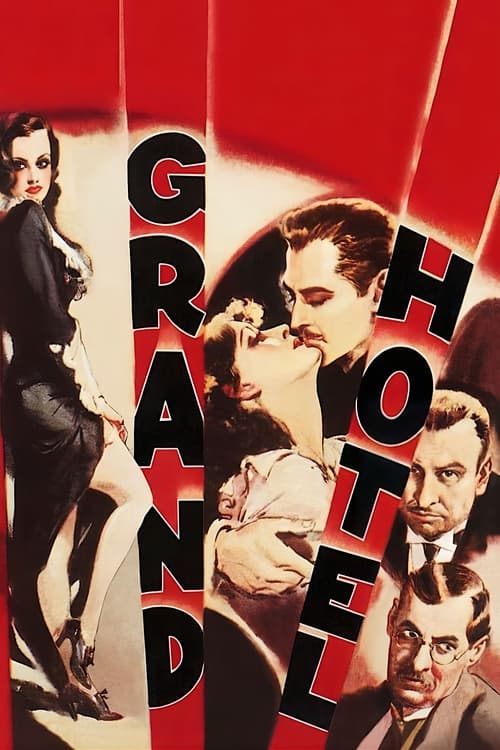
Grand Hotel (1932)
Directed by Edmund Goulding
Guests at a posh Berlin hotel struggle through worry, scandal, and heartache.
12 connections found
View:
12 connections, in both directions
What critics compared Grand Hotel to
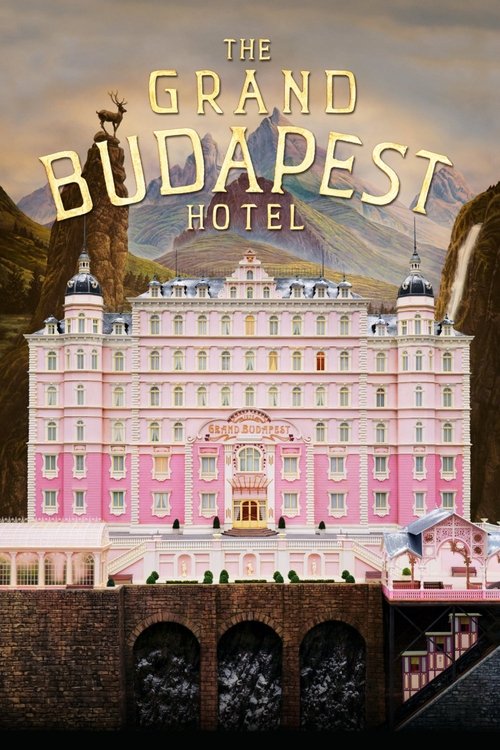


While the references to everything from Ernst Lubitsch to Grand Hotel pile up, you forget it’s all taking place against a background of rising Hitlerism and postwar communism that means half of the staff and guests at the Grand Budapest Hotel will fall to ruin before the hotel does.
If you’ve seen Grand Hotel, or Grand Illusion, or The Earrings of Madame de…, you’ll appreciate the loving sense of homage.
Edmund Goulding’s Grand Hotel and several Ernst Lubitsch films have been cited by Anderson as key influences.
Rather than having anything in common with Zweig’s writings, it is much more of a mash-up of “Grand Hotel” and the Marx Brother’s “Duck Soup”, the comedy set in the fictional European nation of Freedonia that is threatened by an invasion from its neighbor Sylvania.
Now joining such immortal movie hotels as the Grand Hotel (“Grand Hotel”), the Hotel del Coronado (“Some Like It Hot”), the Plaza (“North by Northwest”), the Overlook Hotel (“The Shining”) and Best Exotic Marigold Hotel (ditto) is the Grand Budapest Hotel, an art nouveau palace with a pink-icing facade perched where eagles dare somewhere in the Matra Mountains of Hungary.
(Is it a coincidence that this is the same year that MGM's all-star Best Picture winner Grand Hotel was released?)

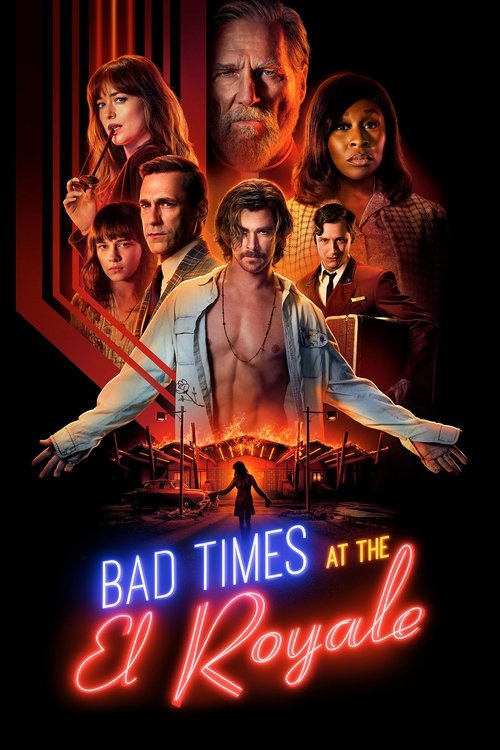
Hotel Artemis maintains interest, if not investment, for those predisposed to the urban doom and gloom of films such as Escape from New York, Assault on Precinct 13, John Wick (whose ?“hotel for criminals” concept could have been the spark here), Judge Dredd and, just a theory, 1932’s Grand Hotel.
Rest assured, to describe it merely as a knockoff of that movie is to do it a bit of a disservice because it borrows from a number of different sources, ranging from “ The Purge ” to large chunks of the filmographies of John Carpenter and Walter Hill to, oddly enough, “Grand Hotel.”
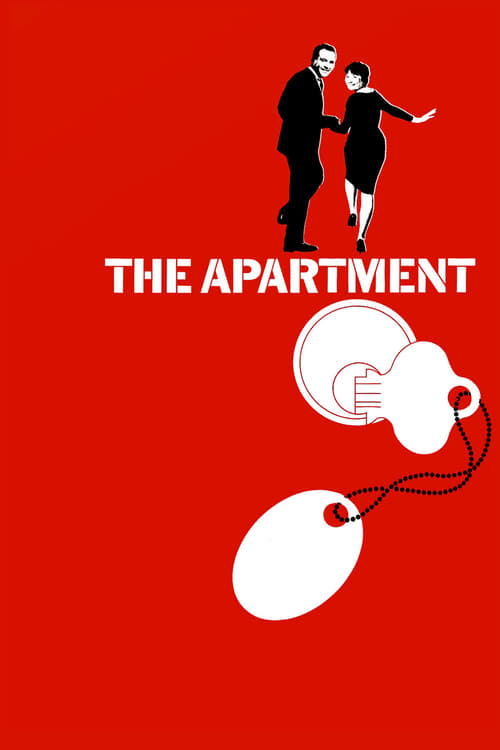
It was a time when the adverse effect of television on movies was well underway (a brilliant scene in the film shows Baxter unable to enjoy Grand Hotel due to frequent commercial interruptions) and the moral code governing movies were loosening, paving the way to a new era of artistic freedom.
Baxter’s enjoyment of one of cinema’s classiest moments - Grand Hotel (1932) - is destroyed by an advertiser’s question - ‘Do you have wobbly dentures?’
As Greta Garbo’s depressed Russian dancer puts it in the granddaddy of all densely plotted one-night-in-a-hotel flicks, Edmund Goulding’s Grand Hotel, “Everything is cold.”
Advertisement
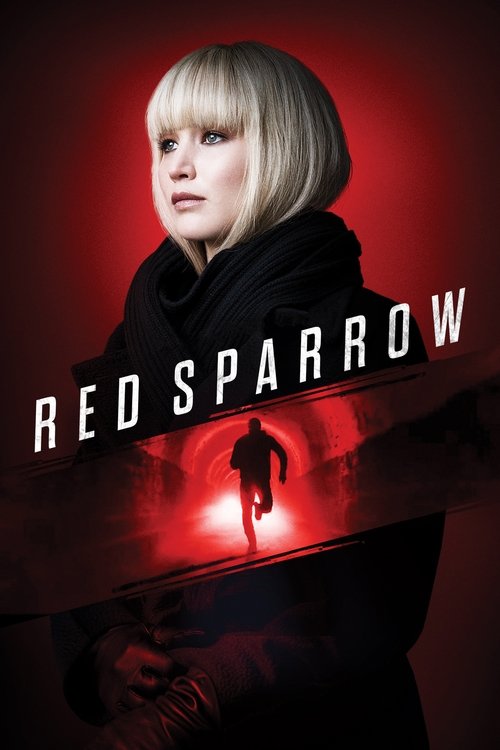
Dominika (Lawrence) is the Bolshoi’s No. 1 talent, which means that we see her dance, and she’s probably the least convincing ballet star since Greta Garbo in “Grand Hotel.”
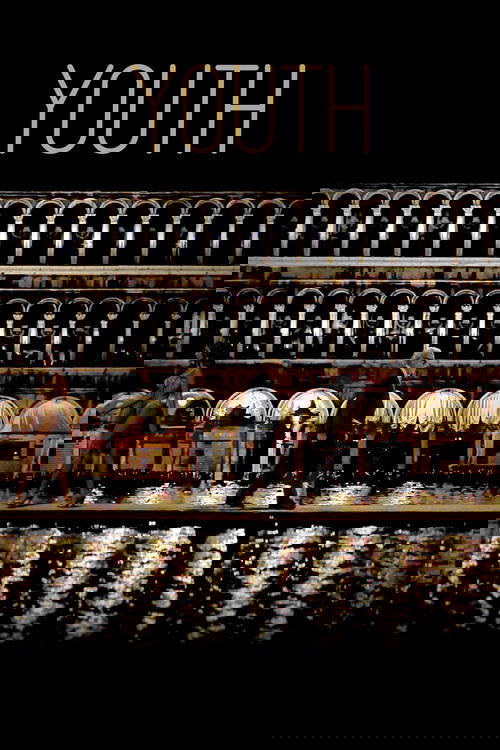
Sorrentino entrecruza sus historias y reúne a las celebridades a la manera de aquellos dramas sentimentales que el cine hollywoodense solía concentrar en un espacio fastuoso, ya fuera Grand hotel (Edmund Goulding, 1932) o, con menor glamour, La nave del mal (Ship of fools, Stanley Kramer, 1965), según la novela homónima de Katherine Anne Porter.

But I wasn’t quite as impressed as I was apparently supposed to be, and I feel oddly left out because of that — like I have the old Lewis Stone role in Grand Hotel, and am complaining, “People coming, going — nothing ever happens,” unaware of the intense drama unfolding around me.
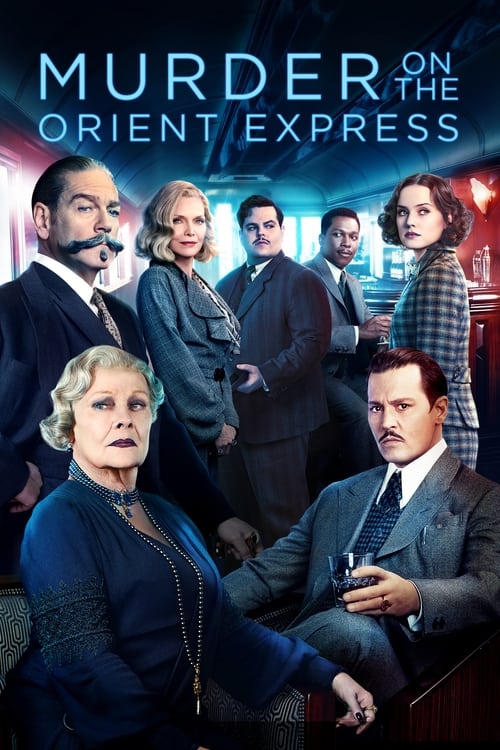
Right away, Poirot is pitched as a social misfit and deductive superman, in the style of Benedict Cumberbatch's version of Sherlock Holmes, only a little Frenchier, though the film is still very much an old-fashioned, all-star affair, the sort of actorly epic that was especially popular in the mid-20th century, from Grand Hotel to about Sidney Lumet's own adaptation of Christie's novel.
Advertisement
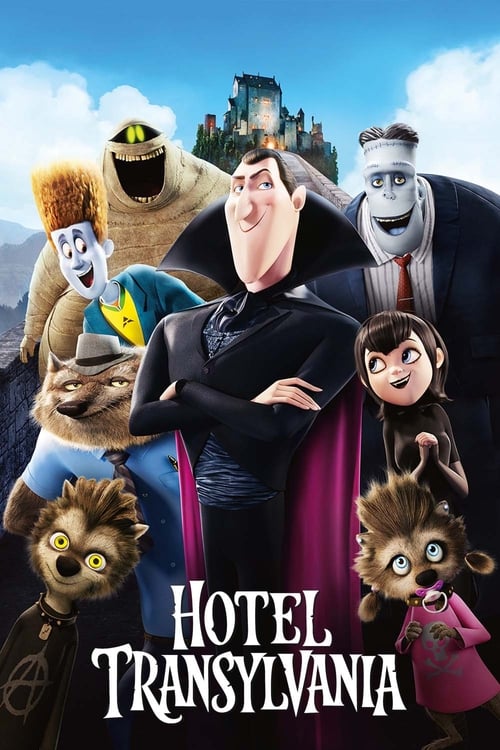
I like to imagine a nearly-plotless conflation of monsters-being-monsters scenes, in the Grand Hotel mode, with Dracula drifting from place to place being the consummate host.
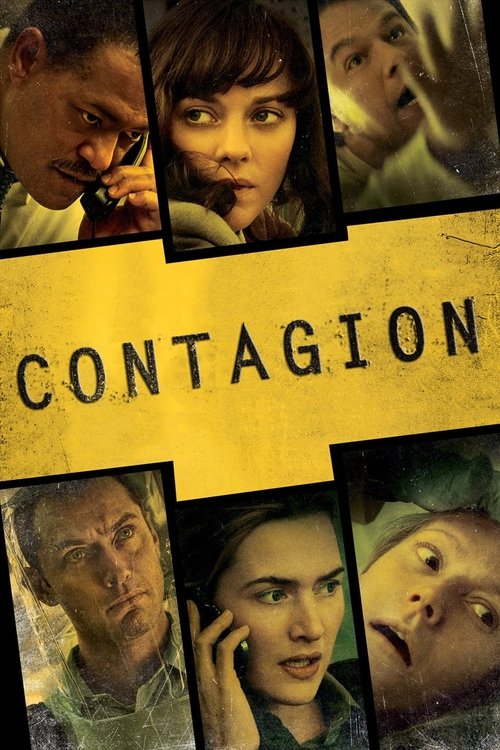
Much like the Irwin Allen pictures, what we have here is an all-star movie (think Grand Hotel with added plague action) designed to play on pandemic paranoia.