
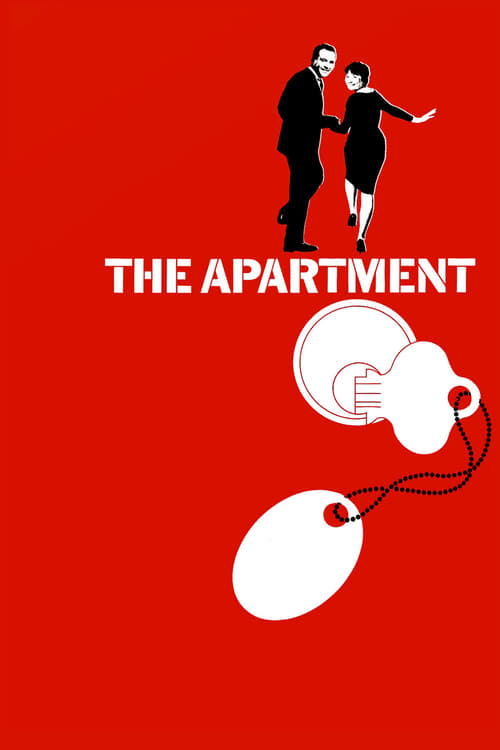
The Apartment (1960)
Directed by Billy Wilder
Bud Baxter is a minor clerk in a huge New York insurance company, until he discovers a quick way to climb the corporate ladder. He lends out his apartment to the executives as a place to take their mistresses. Although he often has to deal with the aftermath of their visits, one night he's left with a major problem to solve.
9 connections found
View:
9 films that influenced The Apartment
What critics say influenced The Apartment
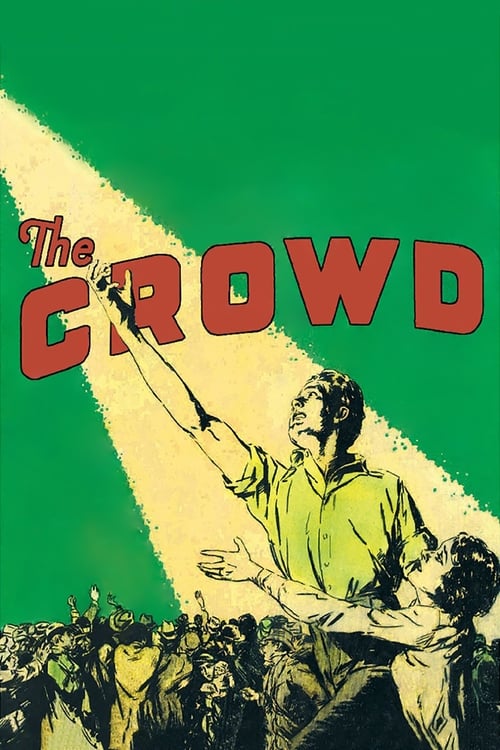


It runs a little long, and it strays off the path from time to time, but one look at Jack Lemmon's office building, with its endless rows of desks and fluorescent lights (borrowed from King Vidor's superb 1928 The Crowd), will hook you.
But its numerous Oscars--for best picture, direction, script, editing, and art direction--indicate that many disagree with me (including the Coen brothers, who seem to have studied it for The Hudsucker Proxy, just as Wilder studied Vidor's silent The Crowd for this).
This shot is quoted from King Vidor's silent film “The Crowd” (1928), which is also about a faceless employee in a heartless corporation.
Nonetheless, he immediately becomes one of a thousand interchangeable desk jockeys, portrayed in row after row of desks in an overhead shot that would influence everything from The Apartment to Brazil .
Such was the film's influence that its depiction of regimented office life and the palliative power of mass laughter were later referenced by such eminent directors as Billy Wilder (in The Apartment) and Preston Sturges (in Sullivan's Travels).
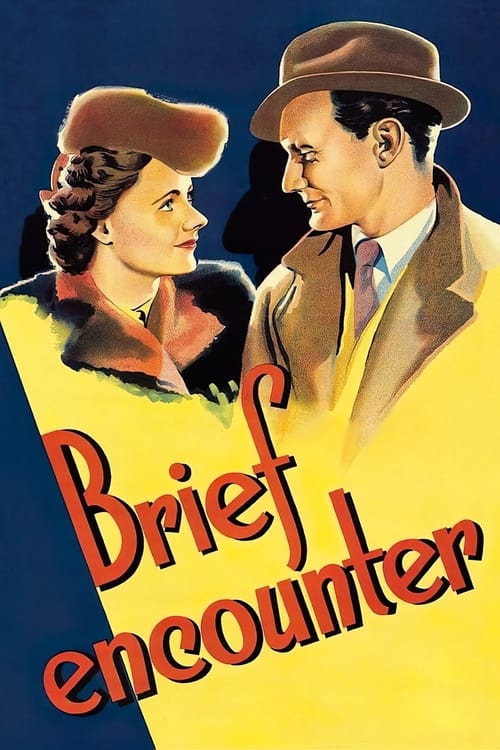
Billy Wilder, who won 3 Academy Awards with The Apartment (Best Picture, Director and Original Screenplay), said in an interview that the initial inspiration for the movie came after he saw David Lean’s Brief Encounter and jotted down “What about the friend who has to crawl back into that warm bed?” (Note that the majestic score accompanying Fran’s emotional breakdown is reminiscent of Rachmaninoff’s Piano Concerto No. 2.) Yet in his prolific career that spans over more than five decades, The Apartment came much later for Wilder than David Lean’s classic (due to censorship, he notes) and closer to the tail end of Hollywood’s golden age.
Wilder, who directed and co-wrote the film with longtime collaborator I.A.L. Diamond, once said that his inspiration came from watching the romance classic “Brief Encounter.”
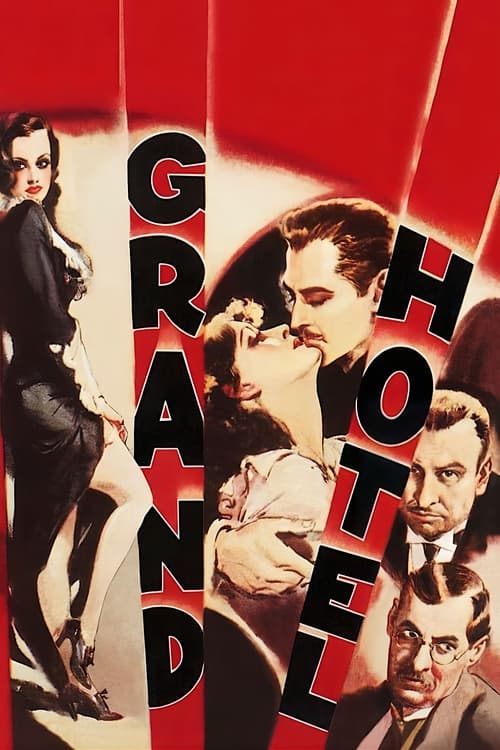
It was a time when the adverse effect of television on movies was well underway (a brilliant scene in the film shows Baxter unable to enjoy Grand Hotel due to frequent commercial interruptions) and the moral code governing movies were loosening, paving the way to a new era of artistic freedom.
Baxter’s enjoyment of one of cinema’s classiest moments - Grand Hotel (1932) - is destroyed by an advertiser’s question - ‘Do you have wobbly dentures?’
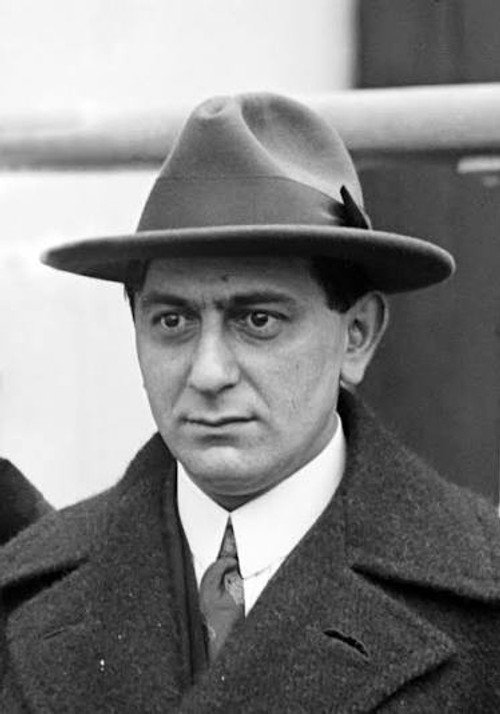
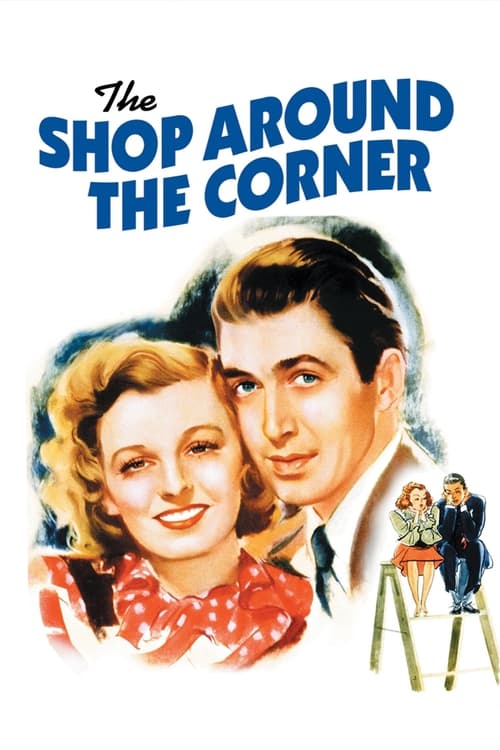
…long with Ernst Lubitsch's The Shop Around the Corner (1940), Billy Wilder's 1960 Oscar-sweeper The Apartment elevates the workplace romance into a sublime erotics of officious addresses (the omnipresent Mister and Miss) and economic conundrum.
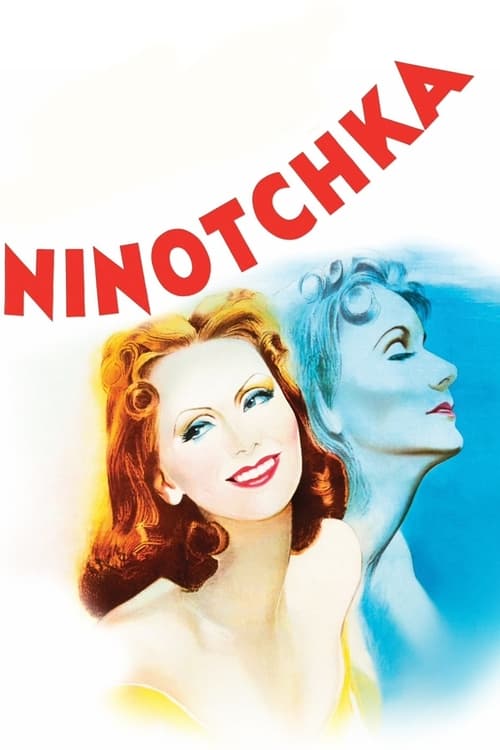
Even, for that matter, in "Ninotchka" it is the women who are driving the plot.
To say that this is Wilder and Diamond’s best screenplay would invite argument; after all, Diamond co-wrote Wilder’s “Some Like It Hot,” while Wilder also wrote or co-wrote “Ninotchka,” “Double Indemnity,” “Sunset Boulevard,” “The Lost Weekend,” “Stalag 17”... you get the idea.
Advertisement
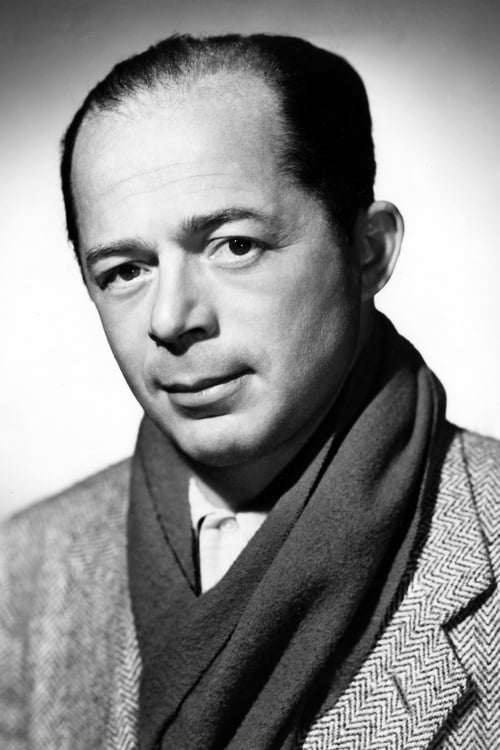
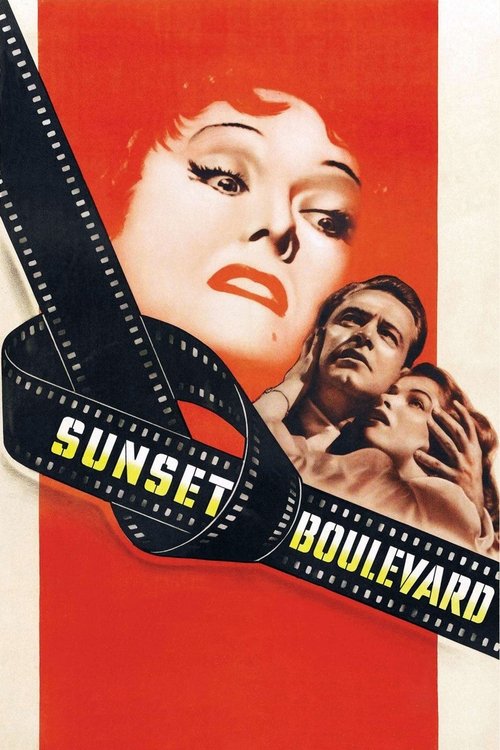
Sunset Boulevard is arguably Wilder's best film, although it's got stiff competition from such works as Double Indemnity (1944), Ace in the Hole (1951), Some Like It Hot (1959), and The Apartment (1960).
The credits are astonishing: “ Double Indemnity ,” “ Ace in the Hole ,” “ Some Like It Hot ,” “The Apartment,” “The Lost Weekend,” “Stalag 17,” “Witness for the Prosecution,” “Sabrina.”
Always self-aware and basically noble, Wilder's comedies have his heroes confessing their sins and renouncing said corrupt society in favour of an appropriate love pairing (Fran and Baxter of The Apartment ); in his tragedies, his heroes confess their sins as a last decent act undertaken too late.
Billy Wilder ("Sunset Boulevard"/Double Indemnity"/ "The Fortune Cookie") brings to it his own special Lubitsch touch with some razor-sharp observations but also lets it sink into drab sentimentality.
Even though the film is still a part of classic Hollywood, and despite its decisively “tasteful” omission of what really goes on in Baxter’s apartment, one still can’t overlook how the film is remarkably ahead of its time with its handling of controversial material that involves sex and gender politics/roles–which Wilder is no stranger to, with his earlier films like Double Indemnity, Sunset Boulevard, and The Seven Year Itch–as well as the desensitized corporate culture that numbs its inhabitants.
Think of Stanwyck's Phyllis Dietrichson in "Double Indemnity", or Norma Desmond in "Sunset Boulevard", Monroe in "The Seven Year Itch" and " Some Like It Hot ".
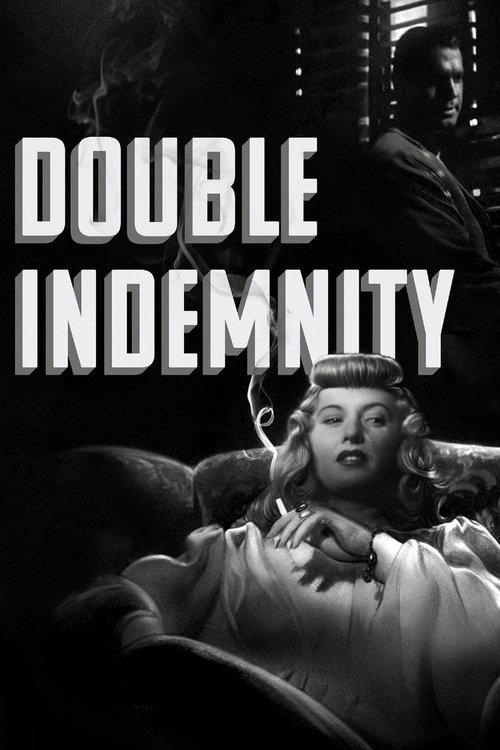
Sure, lots of the fun here comes in all the juicy details of the how and the why of Dietrichson's murder, but the really luscious stuff comes in watching the fast and flirty repartee that flits between Neff (Fred MacMurray: The Apartment ) and Phyllis Dietrichson (Barbara Stanwyck: Meet John Doe , Christmas in Connecticut ) transform itself into suspicion and mistrust as the slick and aggressive salesman who can sell anything comes to realize that he himself got sold, by a good-looking but cold-hearted dame.
Quite possibly the most perfect example of film noir to emerge from Hollywood during that genre's reign, Double Indemnity was yet one more masterpiece that Billy Wilder would helm during an extraordinary career that also made room for Sunset Boulevard, Some Like It Hot and The Apartment (among numerous others).
Even though the film is still a part of classic Hollywood, and despite its decisively “tasteful” omission of what really goes on in Baxter’s apartment, one still can’t overlook how the film is remarkably ahead of its time with its handling of controversial material that involves sex and gender politics/roles–which Wilder is no stranger to, with his earlier films like Double Indemnity, Sunset Boulevard, and The Seven Year Itch–as well as the desensitized corporate culture that numbs its inhabitants.
Think of Stanwyck's Phyllis Dietrichson in "Double Indemnity", or Norma Desmond in "Sunset Boulevard", Monroe in "The Seven Year Itch" and " Some Like It Hot ".
To say that this is Wilder and Diamond’s best screenplay would invite argument; after all, Diamond co-wrote Wilder’s “Some Like It Hot,” while Wilder also wrote or co-wrote “Ninotchka,” “Double Indemnity,” “Sunset Boulevard,” “The Lost Weekend,” “Stalag 17”... you get the idea.
After growing up with the television series My Three Sons and Walt Disney's absent minded professor, it's a bit strange to see MacMurray playing a sinister role, but he did that before in Wilder's Double Indemnity and carries it off again in The Apartment.
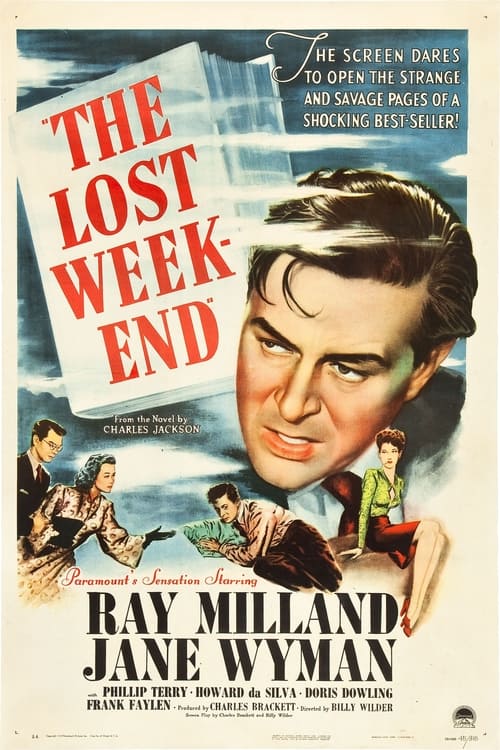
To say that this is Wilder and Diamond’s best screenplay would invite argument; after all, Diamond co-wrote Wilder’s “Some Like It Hot,” while Wilder also wrote or co-wrote “Ninotchka,” “Double Indemnity,” “Sunset Boulevard,” “The Lost Weekend,” “Stalag 17”... you get the idea.
Wilder's “The Lost Weekend” (1945) was made 17 years earlier but feels more contemporary in his treatment of alcoholism.
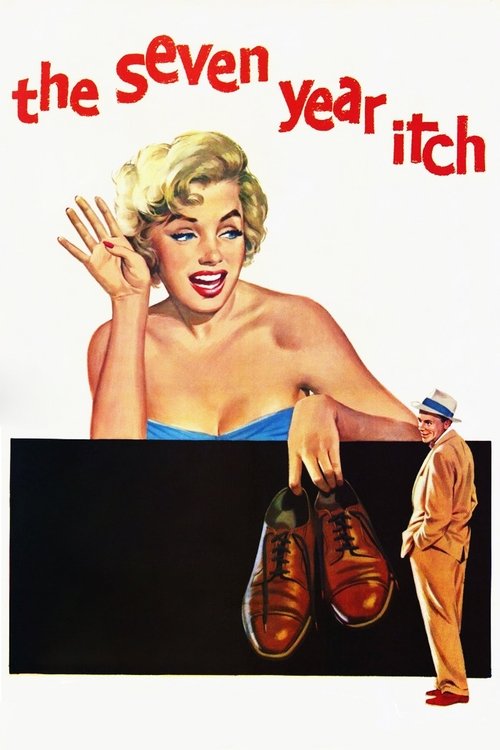
Even though the film is still a part of classic Hollywood, and despite its decisively “tasteful” omission of what really goes on in Baxter’s apartment, one still can’t overlook how the film is remarkably ahead of its time with its handling of controversial material that involves sex and gender politics/roles–which Wilder is no stranger to, with his earlier films like Double Indemnity, Sunset Boulevard, and The Seven Year Itch–as well as the desensitized corporate culture that numbs its inhabitants.
Think of Stanwyck's Phyllis Dietrichson in "Double Indemnity", or Norma Desmond in "Sunset Boulevard", Monroe in "The Seven Year Itch" and " Some Like It Hot ".