
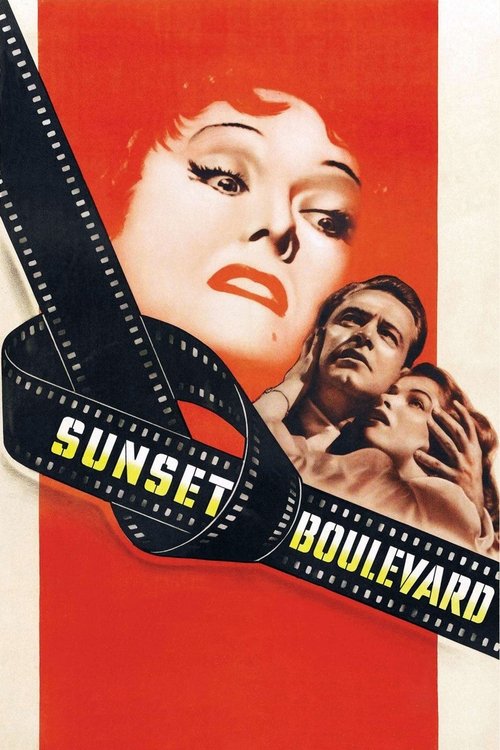
Sunset Boulevard (1950)
Directed by Billy Wilder
A hack screenwriter writes a screenplay for a former silent film star who has faded into Hollywood obscurity.
6 connections found
View:
6 films that influenced Sunset Boulevard
What critics say influenced Sunset Boulevard
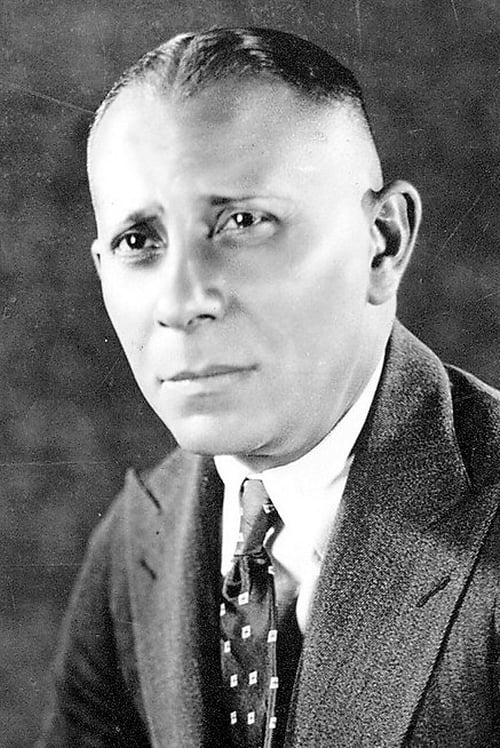
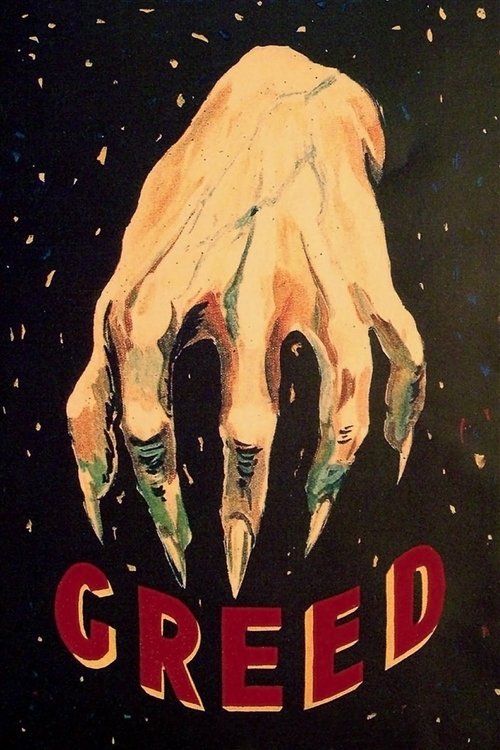


He accidentally stumbles upon a decaying mansion inhabited by Norma Desmond (Gloria Swanson), a movie star during the silent film era, and her butler/chauffeur (Erich von Stroheim, director of the legendarily lengthy "Greed").
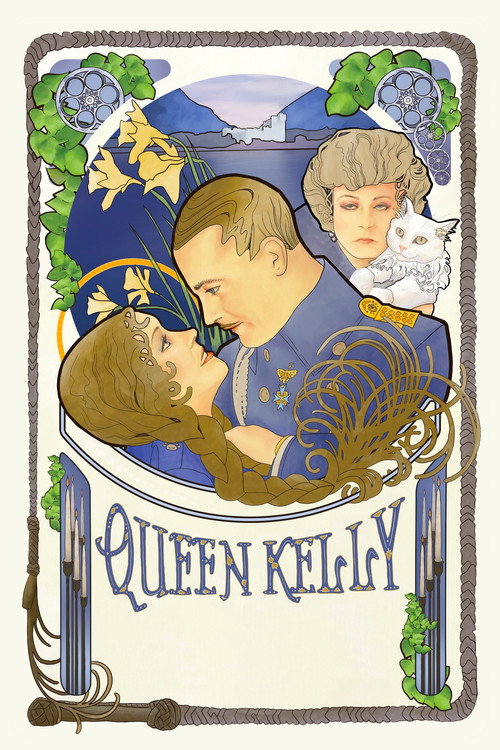
When Desmond shows Gillis her old film it's Queen Kelly (1929), a real, although incomplete, film directed by Stroheim and starring Swanson.
In another case of art imitating life, Norma's former director-turned-butler is played by Erich von Stroheim, who directed Swanson in Queen Kelly, the film that ruined his career behind the camera.
The excerpt of a silent movie starring Norma Desmond that appears within the film was actually an excerpt from "Queen Kelly," a controversial silent picture starring Gloria Swanson and directed by none other than her co-star here, Erich von Stroheim.
There are unmistakable parallels with von Stroheim, who directed Swanson in "Queen Kelly” (1928), whose credits included " Greed " and "The Merry Widow,” but who directed only two sound films and was reduced to playing Nazi martinets and parodies of himself in other people's films.
In fact, the silent movie screened in the old mansion is Queen Kelly, directed by von Stroheim in 1929 and starring Gloria Swanson.
Norma's faithful butler, Max Von Mayerling, turns out to be one of her former silent film directors (and he was played by Erich von Stroheim, who really was a silent film director and had really directed Swanson in a silent movie called Queen Kelly, a clip of which is featured in Sunset Blvd.).
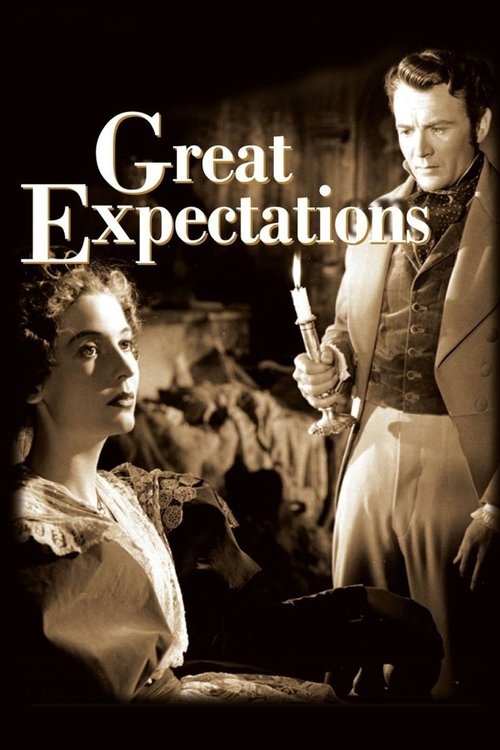
The atmospheric look of the mansion and the cinematography was also inspired by Lean's Great Expectations (1946).
The atmosphere of the mansion and its deranged occupant no doubt inspired Billy Wilder's " Sunset Boulevard ," made four years later, with its aging movie queen in gloomy exile inside her mansion in Beverly Hills.
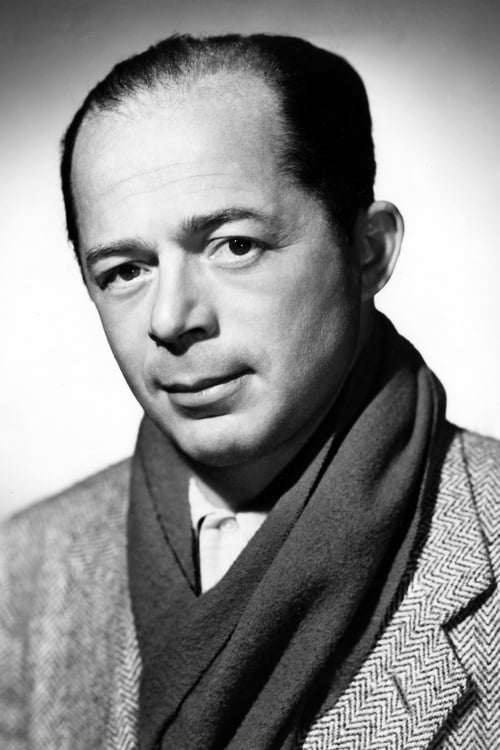
The credits are astonishing: “ Double Indemnity ,” “ Ace in the Hole ,” “ Some Like It Hot ,” “The Apartment,” “The Lost Weekend,” “Stalag 17,” “Witness for the Prosecution,” “Sabrina.”
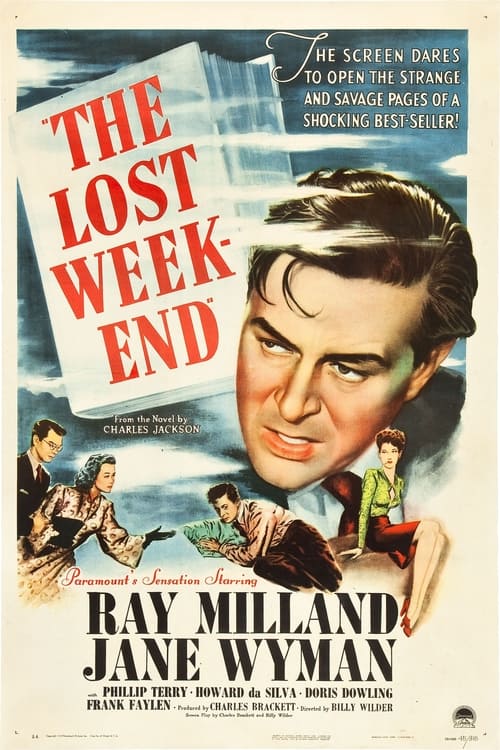
A tale of misplaced ambition, self-deluded dementia, and, in a way, the empty signifiers of the illusory film medium that Wilder loves, the picture is less a noir, however (at least in terms of Double Indemnity, a seminal noir) than it is the closest thing Wilder made to a horror film (in lighting, score, and character dynamic) after The Lost Weekend.
Billy Wilder ("Sunset Boulevard"/"The Seven Year Itch "/"Some Like It Hot") directs this original, intense and grim study of a hopeless alcoholic.
For instance: The Lost Weekend won the top prize at both Cannes and the Academy Awards, to date only one of two films to do so; conversely, The Emperor Waltz received mixed reviews and is today considered one of the pair’s lesser efforts.
Wilder’s scripts are always excellent, from Double Indemnity (1944) and The Lost Weekend (1945) to Some Like it Hot (1959).
Five years later, Wilder would create his masterwork, "Sunset Boulevard," an instant classic that blended melodrama with satire.
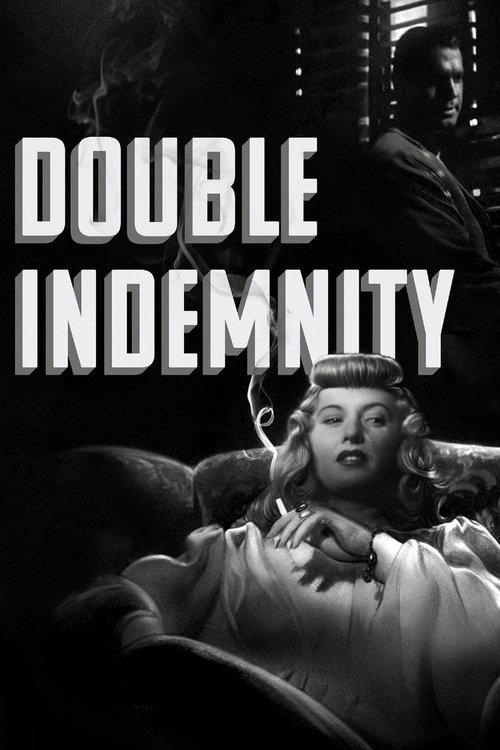
Quite possibly the most perfect example of film noir to emerge from Hollywood during that genre's reign, Double Indemnity was yet one more masterpiece that Billy Wilder would helm during an extraordinary career that also made room for Sunset Boulevard, Some Like It Hot and The Apartment (among numerous others).
The voice-over worked so well that Wilder used it again in " Sunset Boulevard ” (1950), which was narrated by a character who is already dead the first time he speaks.
Sunset Boulevard is arguably Wilder's best film, although it's got stiff competition from such works as Double Indemnity (1944), Ace in the Hole (1951), Some Like It Hot (1959), and The Apartment (1960).
Billy Wilder's ("Double Indemnity") acidic spellbinding noir masterpiece is a cynically dark recognition to Hollywood's forgotten stars and a reminder of how cruel Tinseltown can be to the icons it no longer cherishes, forgetting about them as if they were disposable products.
The credits are astonishing: “ Double Indemnity ,” “ Ace in the Hole ,” “ Some Like It Hot ,” “The Apartment,” “The Lost Weekend,” “Stalag 17,” “Witness for the Prosecution,” “Sabrina.”
(Think Walter Neff of Double Indemnity.)
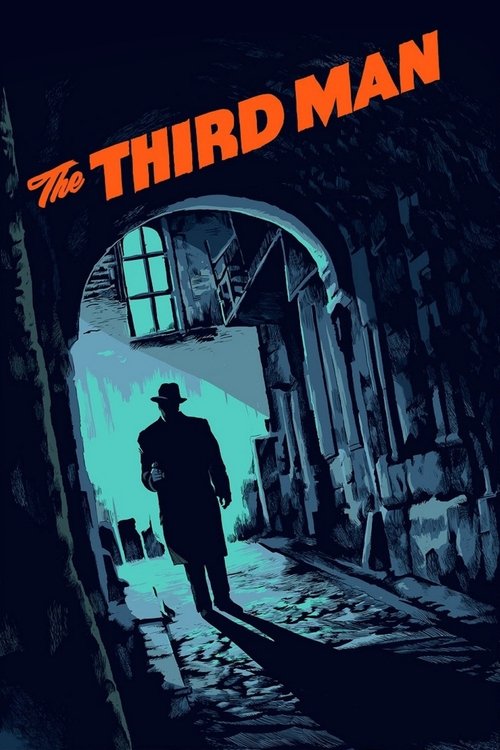
Billy Wilder's 1950 expose about the darker side of Hollywood stands at the top of the film noir rankings on the Internet Movie Database, ahead of Reed's The Third Man (1949), Welles' Touch of Evil (1958), and Wilder's own Double Indemnity (1944).