
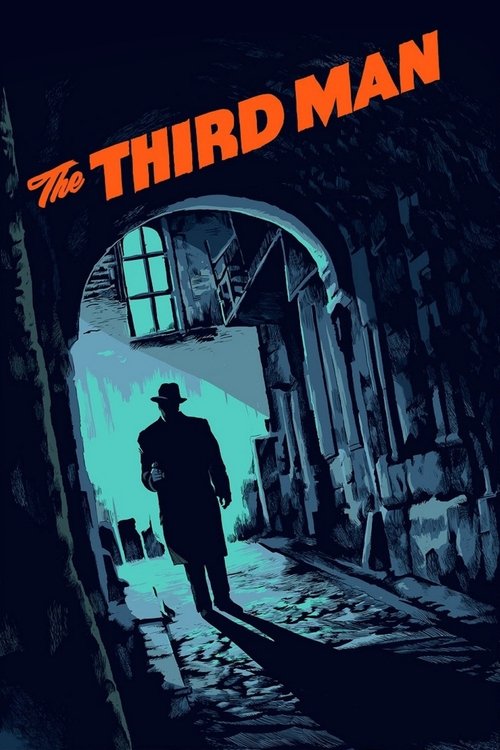
The Third Man (1949)
Directed by Carol Reed
In postwar Vienna, Austria, Holly Martins, a writer of pulp Westerns, arrives penniless as a guest of his childhood chum Harry Lime, only to learn he has died. Martins develops a conspiracy theory after learning of a "third man" present at the time of Harry's death, running into interference from British officer Major Calloway, and falling head-over-heels for Harry's grief-stricken lover, Anna.
5 connections found
View:
5 films that influenced The Third Man
What critics say influenced The Third Man
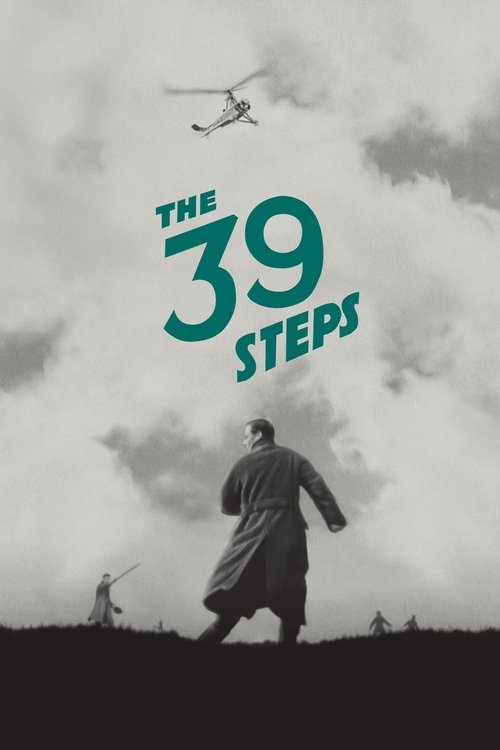


And certain plot elements owe too much to early Hitchcock for the film to be considered a true original: the sequence in which Holly is forced to deliver an impromptu speech is entertaining as all hell, but its also lifted from The 39 Steps.
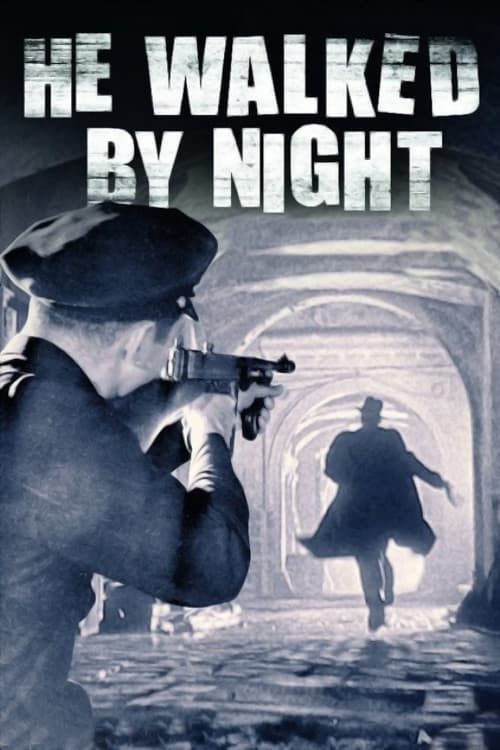
However, aided by his amazing crew, The Third Man was made with an extraordinarily atmospheric look to it, using tilted camera angles and the high-contrast climactic chase through Vienna's sewers (which could have been borrowed from a similar scene in Anthony Mann's He Walked by Night , made the previous year).
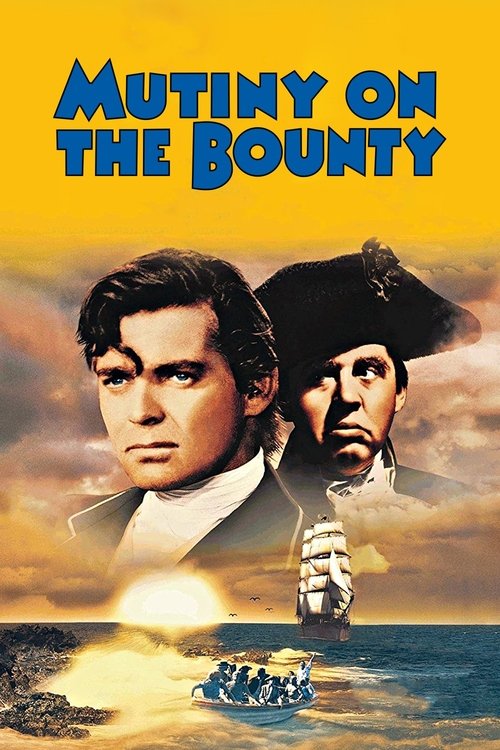
Trevor Howard’s unflappable Major Calloway looks back to his doctor in “Brief Encounter” and ahead to Captain Bligh, in the first remake of “Mutiny on the Bounty.”
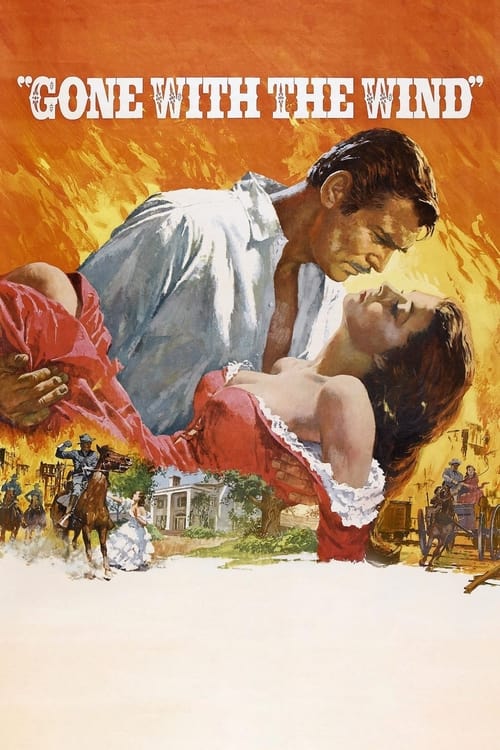
As Producer or Executive Producer, Selznick was instrumental in making over 50 films, including titles like King Kong, A Tale of Two Cities, A Star Is Born, Rebecca, Spellbound, and The Third Man.
Advertisement
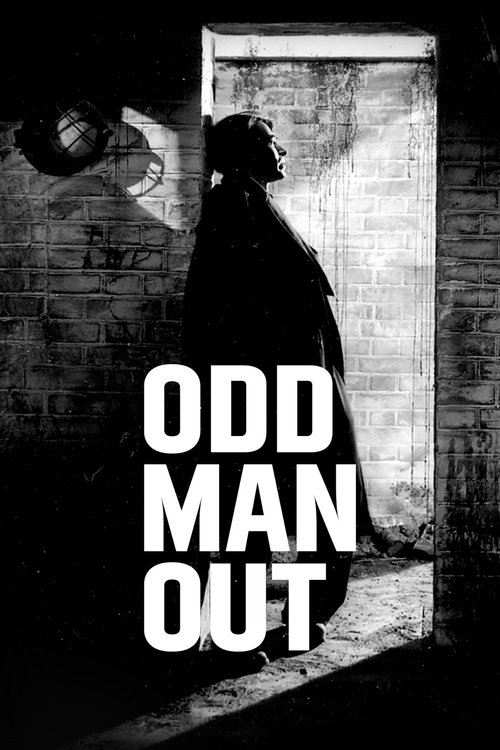
4. Reed kept three film crews working around the clock (a fact that amazed Steven Soderbergh and Tony Gilroy on the Criterion commentary track ) and had a productive creative partnership with cinematographer Robert Krasker, who shot Reed's "Odd Man Out" (a movie I watched right after "The Third Man").
The Third Man was directed by Englishman Carol Reed, who, despite making two other outstanding movies, Odd Man Out (1947) and The Fallen Idol (1948), was not one of the cinema's greatest visionaries.
Director Carol Reed had already helmed over a dozen pictures (including 1940's engaging Night Train to Munich), but it was the rat-tat-tat releases of 1947's Odd Man Out (good), 1948's The Fallen Idol (better) and 1949's The Third Man (best) that marked him as a world-class filmmaker.
Before “The Third Man” and “The Man Between” — the latter of which also starred James Mason and was featured in this column a few months ago — director Carol Reed made “Odd Man Out.”
He followed this success with two other classics in British cinema -- "The Fallen Idol" and, his greatest film, "The Third Man."
Working with cinematographer Robert Krasker—with whom he re-teamed two years later for The Third Man—Reed uses the language of noir to define Johnny’s journey.