
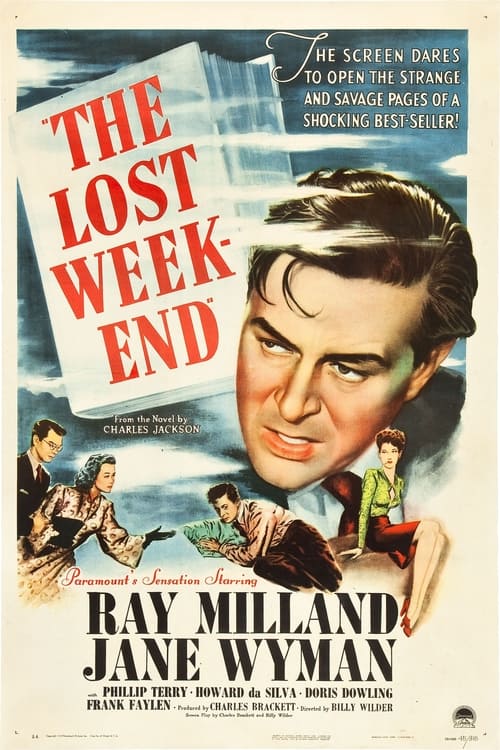
The Lost Weekend (1945)
Directed by Billy Wilder
Longtime alcoholic Don Birnam has been sober for ten days and appears to be over the worst... but his craving has just become more insidious. Evading a country weekend planned by his brother and girlfriend, he begins a four-day bender that just might be his last – one way or another.
10 connections found
View:
10 connections, in both directions
What critics compared The Lost Weekend to



Weaving along the booze-soaked trail that so many great film actors have navigated before him, Washington gives a career-defining performance, right up there with Ray Milland in The Lost Weekend, Jack Lemmon in Days of Wine and Roses, and Nicolas Cage in Leaving Las Vegas.
As excerpted in the film's trailer, the harrowing airplane crash sequence suggests that screenwriter John Gatins has revamped the disaster genre, but this is less an update of "Airport" than of "The Lost Weekend," plus the heavy spiritual component of such past Zemeckis films as "Cast Away" (also about a plane crash) and "Contact" (with Jodie Foster as another type of sky worker, an astronomer).
Treading similar ground to Billy Wilder’s exasperatingly cautionary The Lost Weekend (1945), in which Ray Milland plays a desperate drunk finding and hiding drops wherever he can (lamp fittings, under the coach, from the bar down the road, etc) Whitaker encounters booze everywhere.
“Flight” is not acrid or cruel, like Billy Wilder’s “The Lost Weekend” (1945), in which we see the world through the eyes of Ray Milland’s character as he suffers the d.t.s.
If you like this, try: Substance abuse classics like “The Days of Wine and Roses” and “The Lost Weekend”…

To be completely honest, I often wonder who addiction dramas are for, besides actors looking for a gritty challenge, to shrug off vanity and get messy. It’s been a long time since films about the downward spiral of alcoholism, like Billy Wilder’s The Lost Weekend or Blake Edwards’ Days of Wine and Roses, provided much in the way of raw shock. That said, a distinctive setting and imaginative narrative embellishment can make the desolation of unhealthy dependency compelling.
Ever since Ray Milland slurred and gnashed his way to an Oscar win for The Lost Weekend in 1946, the role of the screen-chewing alcoholic has been an essential rite of passage for all self-respecting, trophy-hungry performers.
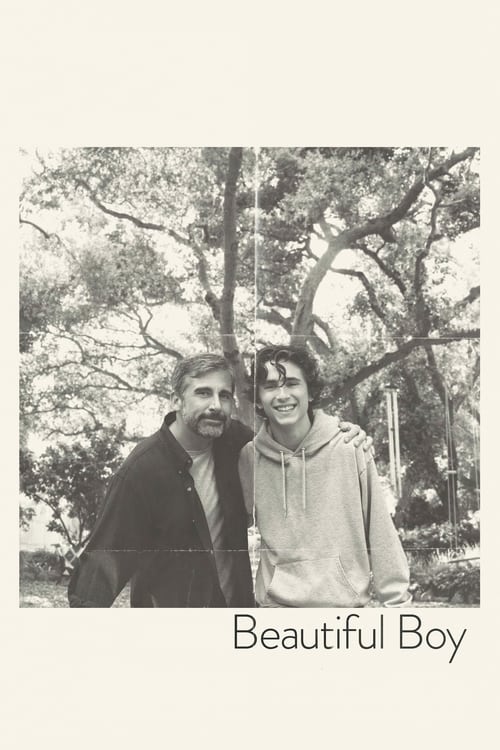
Even the best of them — Billy Wilder's 1944 "The Lost Weekend," with Ray Milland dragging his typewriter up Third Ave. to hock it for the price of a drink, or Otto Preminger directing Sinatra as 1955's "The Man with the Golden Arm" — come off as less than the whole story to this survivor of a household ruled by a mean drunk of a British father.
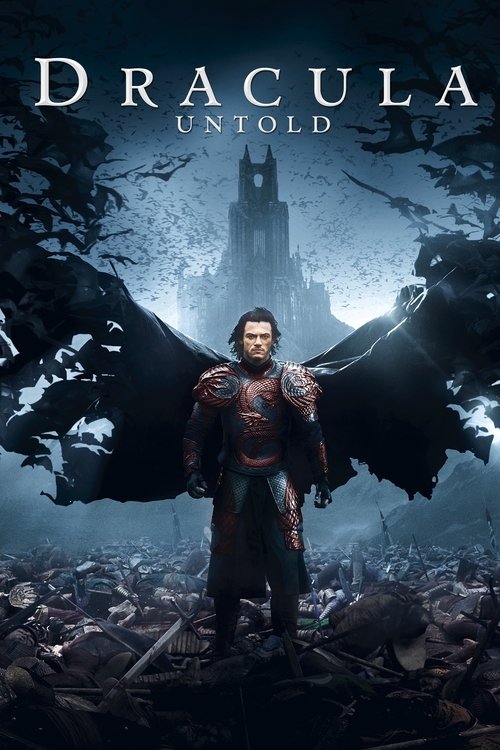
And as in “The Lost Weekend” (1945), starring Ray Milland , we have an addict trying to white-knuckle it through a very long three days.
Advertisement

It isn’t the familiarity of what transpires, even great addiction dramas like The Lost Weekend , The Days of Wine and Roses , The Man with the Golden Arm , Clean & Sober , and 28 Days can only play variations on a similar theme as far as their central components are concerned, it’s the direction Braff takes his characters that’s so gosh darn insulting.
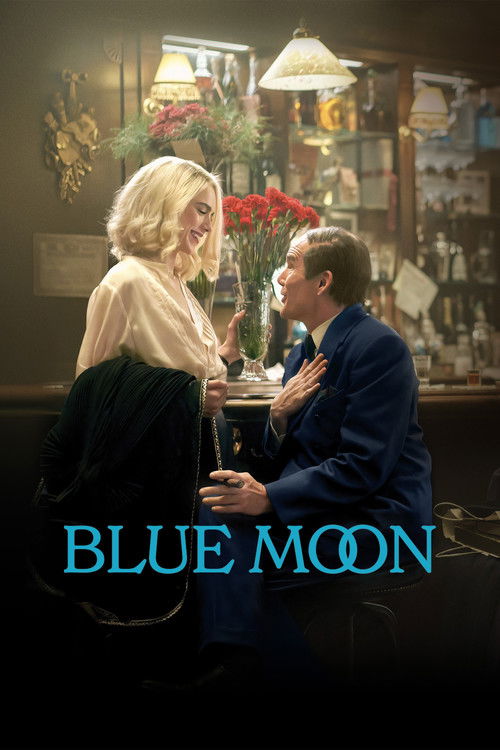
Hawke plays Hart as a raconteur and wit, a saucy barfly whose lack of self control and easy recourse to deception and self-depreciation recalls Ray Milland’s character in the 1945 alcoholism drama, The Lost Weekend.
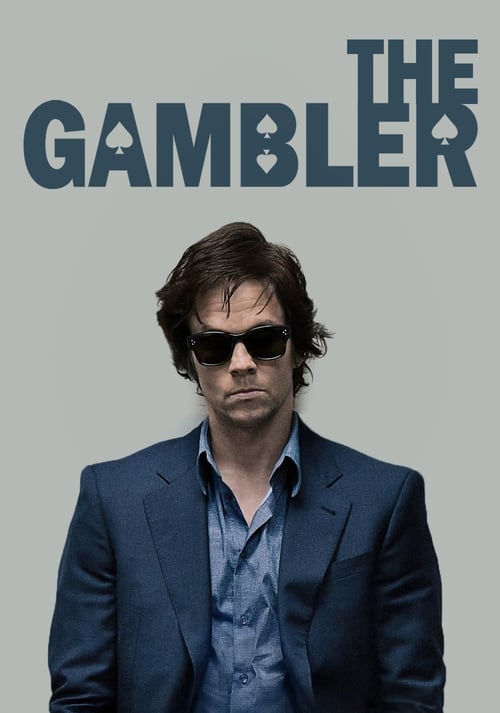
“The Gambler” is as much a film about addiction as “The Lost Weekend” or “Leaving Las Vegas,” except the source of the addiction is the lure of the tables, rather than a substance.
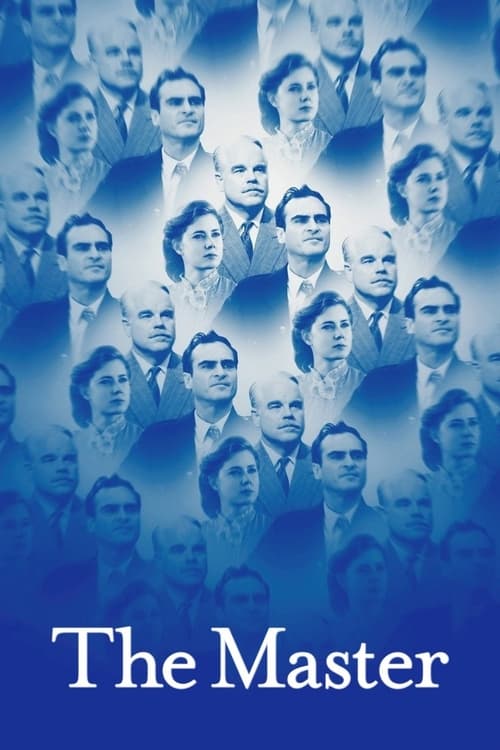
Freddie abandons The Cause to find his own salvation, tracks down his wartime sweetheart and finds her married, then goes on a binge that makes The Lost Weekend look like a Disney cartoon.
Advertisement
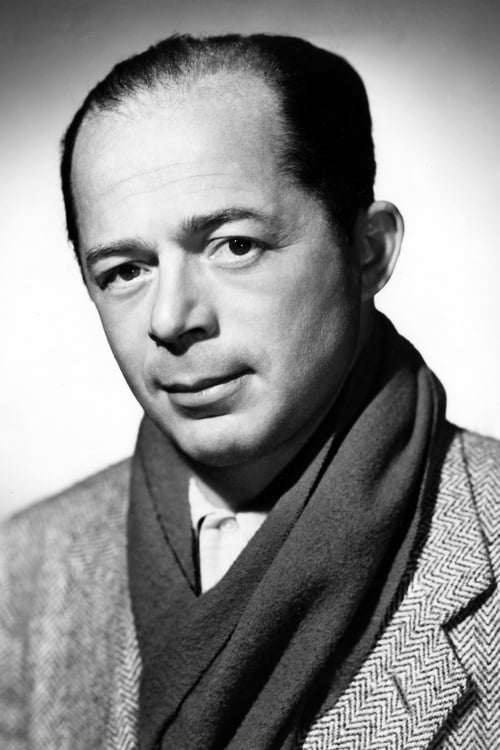
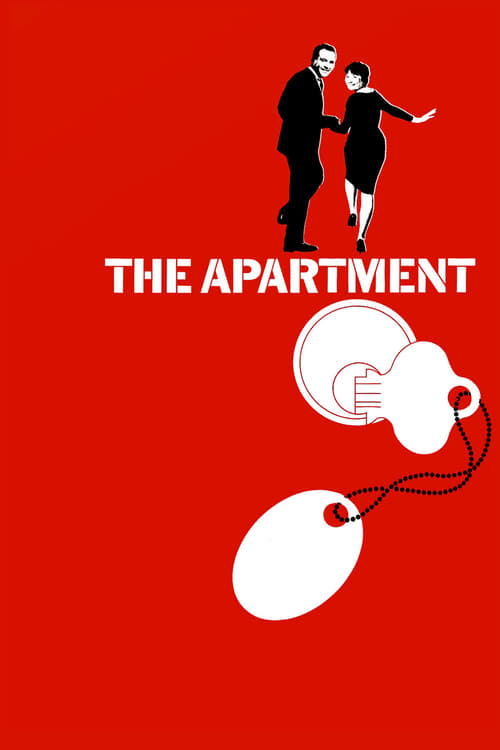
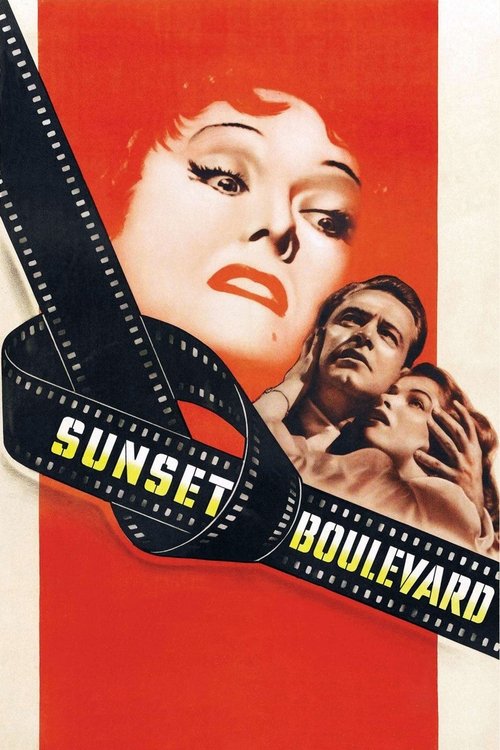
To say that this is Wilder and Diamond’s best screenplay would invite argument; after all, Diamond co-wrote Wilder’s “Some Like It Hot,” while Wilder also wrote or co-wrote “Ninotchka,” “Double Indemnity,” “Sunset Boulevard,” “The Lost Weekend,” “Stalag 17”... you get the idea.
Wilder's “The Lost Weekend” (1945) was made 17 years earlier but feels more contemporary in his treatment of alcoholism.
Gyllenhaal does a great job: He's not like Matthew Modine, all smirky irony in "Full Metal Jacket," or Charlie Sheen, all over-educated angst in "Platoon," or John Agar, all innocent patriotism in "Sands of Iwo Jima."