

Flight (2012)
Directed by Robert Zemeckis
Commercial airline pilot Whip Whitaker has a problem with drugs and alcohol, though so far he's managed to complete his flights safely. His luck runs out when a disastrous mechanical malfunction sends his plane hurtling toward the ground. Whip pulls off a miraculous crash-landing that results in only six lives lost. Shaken to the core, Whip vows to get sober -- but when the crash investigation exposes his addiction, he finds himself in an even worse situation.
42 connections found
View:
42 films that influenced Flight
What critics say influenced Flight
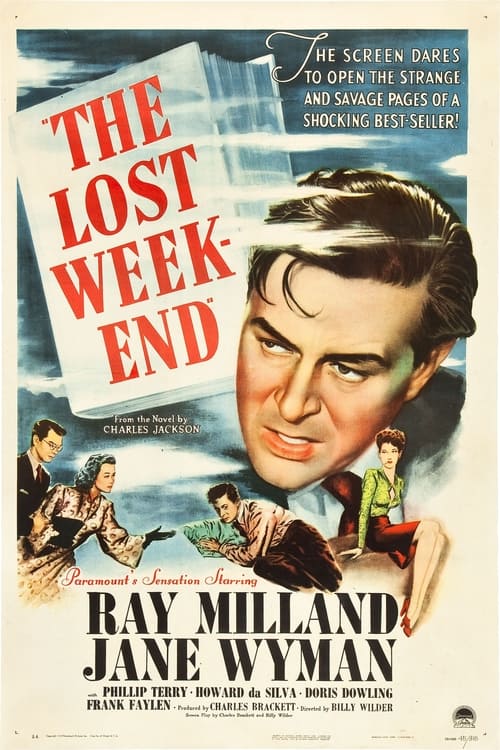


Weaving along the booze-soaked trail that so many great film actors have navigated before him, Washington gives a career-defining performance, right up there with Ray Milland in The Lost Weekend, Jack Lemmon in Days of Wine and Roses, and Nicolas Cage in Leaving Las Vegas.
As excerpted in the film's trailer, the harrowing airplane crash sequence suggests that screenwriter John Gatins has revamped the disaster genre, but this is less an update of "Airport" than of "The Lost Weekend," plus the heavy spiritual component of such past Zemeckis films as "Cast Away" (also about a plane crash) and "Contact" (with Jodie Foster as another type of sky worker, an astronomer).
Treading similar ground to Billy Wilder’s exasperatingly cautionary The Lost Weekend (1945), in which Ray Milland plays a desperate drunk finding and hiding drops wherever he can (lamp fittings, under the coach, from the bar down the road, etc) Whitaker encounters booze everywhere.
“Flight” is not acrid or cruel, like Billy Wilder’s “The Lost Weekend” (1945), in which we see the world through the eyes of Ray Milland’s character as he suffers the d.t.s.
If you like this, try: Substance abuse classics like “The Days of Wine and Roses” and “The Lost Weekend”…
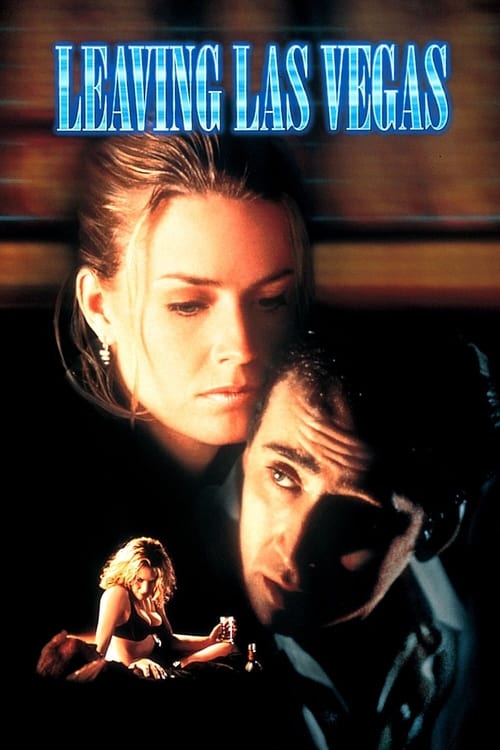
(It recalls the similarly fateful union between Nicholas Cage and Elisabeth Shue in Mike Figgis’ Leaving Las Vegas, still the high-water mark for drunken romantic fatalism.)
Weaving along the booze-soaked trail that so many great film actors have navigated before him, Washington gives a career-defining performance, right up there with Ray Milland in The Lost Weekend, Jack Lemmon in Days of Wine and Roses, and Nicolas Cage in Leaving Las Vegas.
Other celebrated films featuring memorable portrayals of booze hounds such as Harvey (1952), The Verdict (1982), Barfly (1987), Leaving Las Vegas (1995) and House of Sand and Fog (2003) have richly textured drunks — though not of the highly functional kind — and almost always hover on the border of stereotype.
Nor is it soaked in the romantic poetry of self-destruction, in the manner of “Leaving Las Vegas” (1995), in which Nicolas Cage, with Elisabeth Shue at his side, undergoes an extended liquid self-immolation in a hotel room.
What makes this different from genre classics like “The Lost Weekend,” “Days of Wine and Roses” and “Leaving Las Vegas” is an action-packed first act and a bravura performance by Denzel Washington.
Flight, after the amazing set-up, turns out to be a film about alcoholism and maybe redemption, ala a couple of classic films about drunks, The Lost Weekend and Leaving Las Vegas.
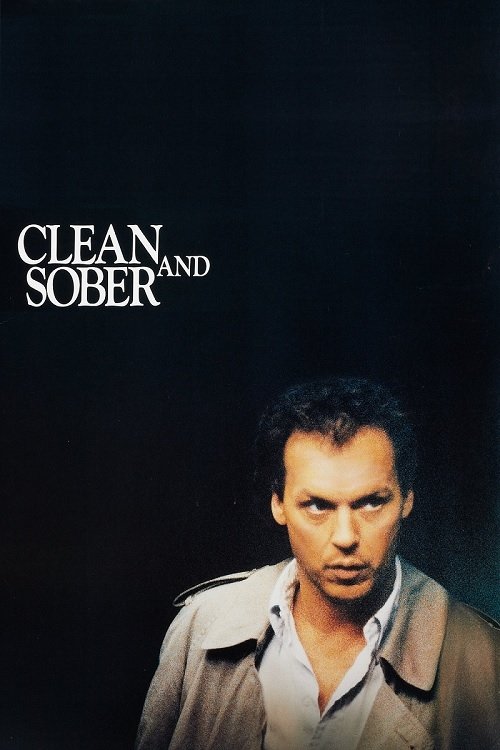
At heart, it’s an addiction drama in the vein of “Clean and Sober” or “The Boost,” as Whitaker retreats deeper and deeper into the bottle.
…hink of “Flight” as Michael Crichton’s book “Airframe” crossed with the Michael Keaton movie “Clean and Sober,” with some talk about God awkwardly sprinkled throughout.

Anyone who’s seen Days of Wine and Roses (1962), and countless similar dramas, knows their fairly worn-out dynamic.
What makes this different from genre classics like “The Lost Weekend,” “Days of Wine and Roses” and “Leaving Las Vegas” is an action-packed first act and a bravura performance by Denzel Washington.
That, seven miles up, lives depend on pilots sobriety and skill is not the films point of concentration, which appears more in line with that of such better considerations as The Lost Weekend, The Country Girl, Come Back, Little Sheba, Days of Wine and Roses, Long Days Journey into Night and Leaving Las Vegas.
Their relationship is Days of Wine and Roses stuff, a dramatic ballet of co-dependency and the inevitability of one person wising up before the other.
Cut from the same cloth of addiction-denial-recovery dramas (most recently “ Smashed ,” which plays like a “ Days of Wine and Roses ” for millennials), “Flight” hinges on the question of whether Whip will finally accept the reality of his disease or succumb to it.
Advertisement
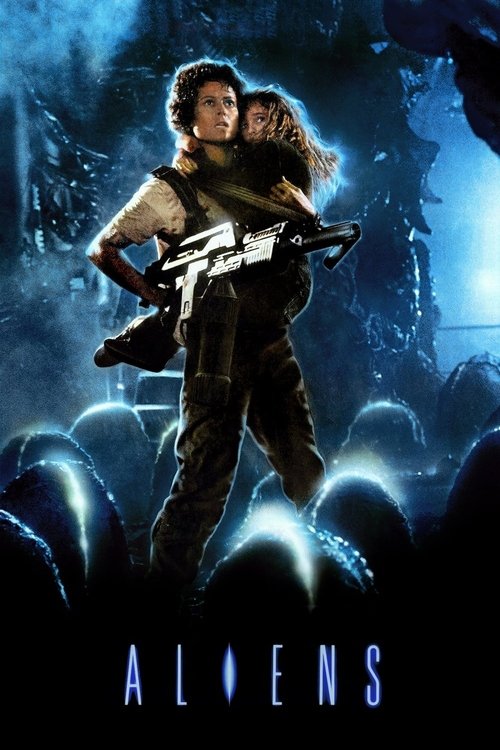
(Geraghty loses points during the nosedive, though, for his channeling of Bill Paxton in “Aliens.”)

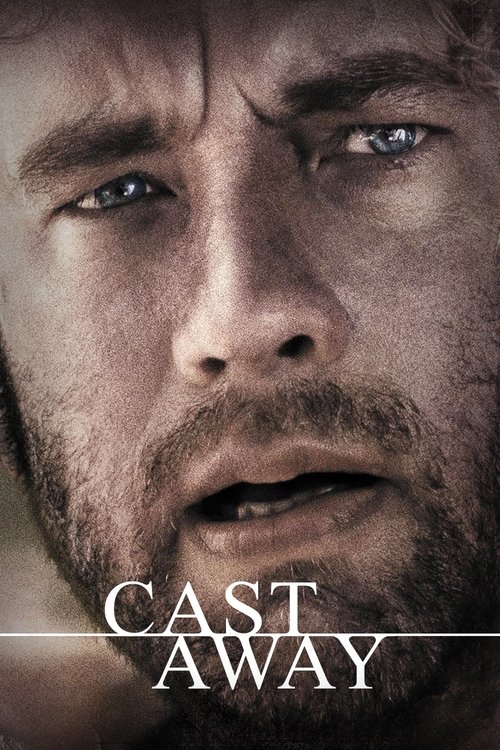
The most memorable movies made by Robert Zemeckis combine old-fashioned storytelling, technical sophistication, and either elements of social satire (Back to the Future, Who Framed Roger Rabbit), existential musings (Contact, Cast Away) or a mixture of the two (Forrest Gump); however, the ‘technical’ stuff has overshadowed his recent work.
Robert Zemeckis hasn’t made a live-action feature since 2000’s “Cast Away,” which makes it appropriate that his return to the form, “Flight,” also involves a plane crash and grand themes of regret and reconciliation centered around a dedicated lead performance.
This is territory that movies have visited innumerable times before, and "Flight" reminds us that though he's adventurous on a technical level, Zemeckis (whose last dramatic film was "Cast Away") tends to be relentlessly mainstream in terms of drama.
After Cast Away (2000), Flight is exactly the kind of product you’d by now expect from Zemeckis: Brilliantly crafted and loaded with high-end potential at the outset but which quickly falls into a rather pedestrian tour of monumental themes.
As excerpted in the film's trailer, the harrowing airplane crash sequence suggests that screenwriter John Gatins has revamped the disaster genre, but this is less an update of "Airport" than of "The Lost Weekend," plus the heavy spiritual component of such past Zemeckis films as "Cast Away" (also about a plane crash) and "Contact" (with Jodie Foster as another type of sky worker, an astronomer).
There are so many things to like about Flight, Robert Zemeckis’ 16th feature film and his first live-action film since Cast Away in 2000.
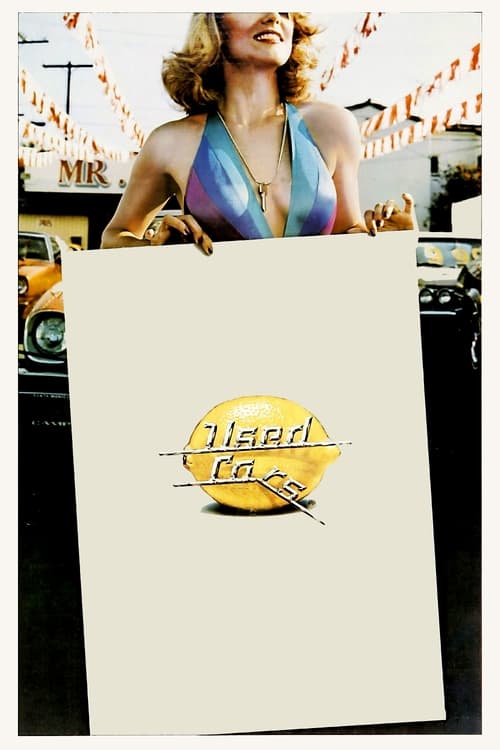
This being Zemeckis, there are discrete moments that dazzle--not so much visually as conceptually, thus harking back to his Used Cars days.
Flight marks director Robert Zemeckis’ first foray (and second ever) into the R-rated landscape since 1980’s hilarious and underrated Used Cars .
Porn! Zemeckis’ last R-rated movie was Used Cars and what was that for, language?
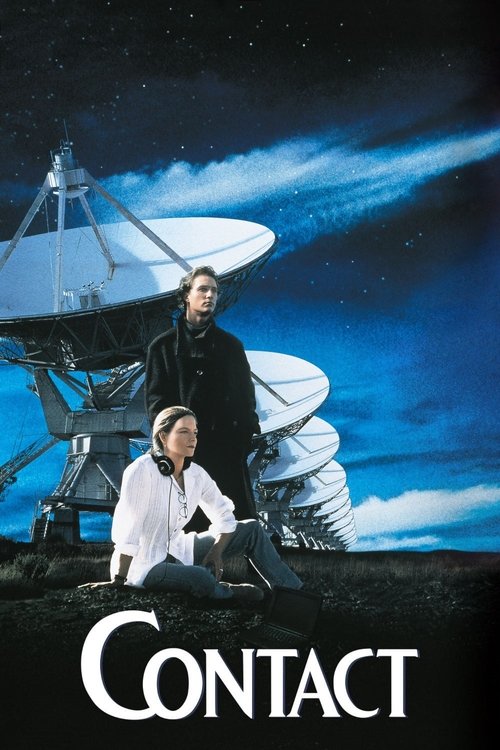
The most memorable movies made by Robert Zemeckis combine old-fashioned storytelling, technical sophistication, and either elements of social satire (Back to the Future, Who Framed Roger Rabbit), existential musings (Contact, Cast Away) or a mixture of the two (Forrest Gump); however, the ‘technical’ stuff has overshadowed his recent work.
As excerpted in the film's trailer, the harrowing airplane crash sequence suggests that screenwriter John Gatins has revamped the disaster genre, but this is less an update of "Airport" than of "The Lost Weekend," plus the heavy spiritual component of such past Zemeckis films as "Cast Away" (also about a plane crash) and "Contact" (with Jodie Foster as another type of sky worker, an astronomer).
This faith in a kind of karma runs through director Robert Zemeckis' films, from "Contact" through "Cast Away."
The airline’s lawyer (Don Cheadle) has to clean up the loose ends that Whip has created, and there are some beautiful scenes between Whip and the survivors, each making sense of this disaster in their own way, though many through faith, handled about as subtly as it was in Contact but that wasn’t my beef.
His command of superb special effects work in the name of affecting drama (Forrest Gump; Contact) and penchant for male protagonists with alcohol problems (Romancing the Stone; Who Framed Roger Rabbit?) find fertile ground in John Gatlin’s Oscar-nominated script.
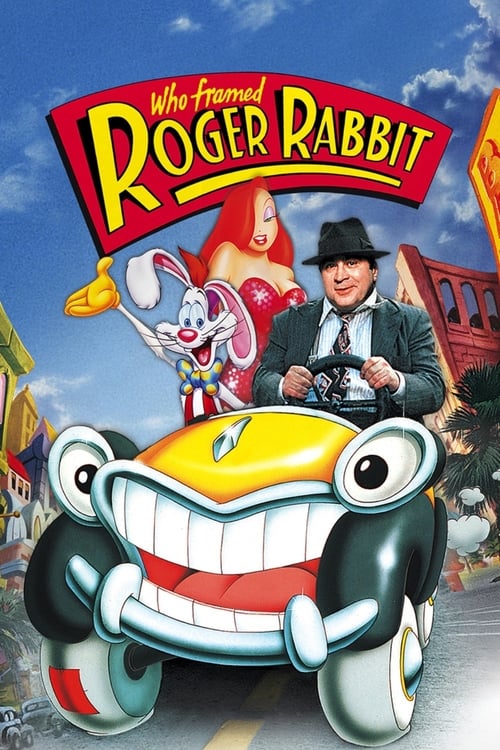
The most memorable movies made by Robert Zemeckis combine old-fashioned storytelling, technical sophistication, and either elements of social satire (Back to the Future, Who Framed Roger Rabbit), existential musings (Contact, Cast Away) or a mixture of the two (Forrest Gump); however, the ‘technical’ stuff has overshadowed his recent work.
Enjoyable in that Hollywood-popcorn way for which Robert Zemeckis is famous— see “Who Framed Roger Rabbit,” skip “Forest Gump” — “Flight” is a drama that would have been better without the director's love of schmaltz.
We’re not used to seeing movie stars like Denzel snorting rails, and there’s more debauchery in these first five minutes of Flight than in the entire 35-year career of director Robert Zemeckis, a family-friendly technical whiz who peaked with Back to the Future and Who Framed Roger Rabbit before collecting a shelf full of Oscars because people thought Forrest Gump was profound.
Twelve years after he disappeared down the CGI motion-capture rabbit hole with films like The Polar Express and Beowulf, uber-director Robert Zemeckis (Back To The Future, Who Framed Roger Rabbit, Forrest Gump) returns to live-action filmmaking with this big studio drama about alcoholism.
This is the man who brought us the " Back to the Future " trilogy, " Who Framed Roger Rabbit ," and " Forrest Gump ."
The entire history of the baby boom generation (“Forrest Gump!”) Humans and cartoons, living together (“Who Framed Roger Rabbit”)!
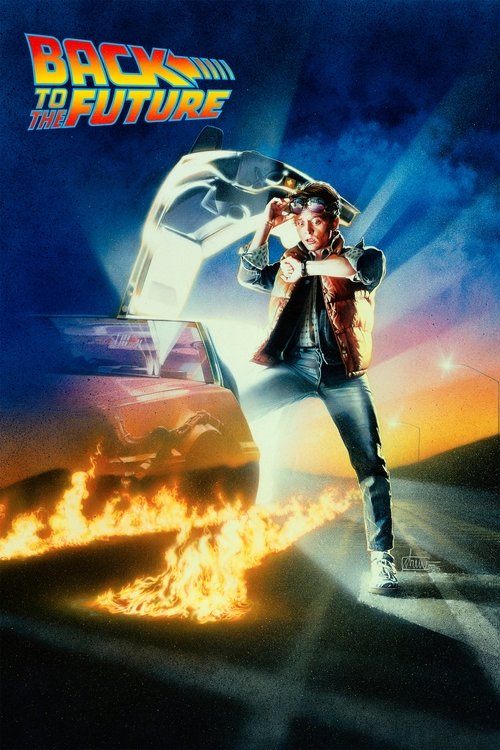
The most memorable movies made by Robert Zemeckis combine old-fashioned storytelling, technical sophistication, and either elements of social satire (Back to the Future, Who Framed Roger Rabbit), existential musings (Contact, Cast Away) or a mixture of the two (Forrest Gump); however, the ‘technical’ stuff has overshadowed his recent work.
Flight may be directed by Robert Zemeckis, the man who gave us Back to the Future and Forrest Gump , but that doesn’t mean that this obvious piece of Denzel Washington Oscar bait is a film for the whole family.
Director Robert Zemeckis's name isn't exactly the first to come to mind to make an unflinching look at a man in the grips of addiction-Zemeckis made Back to the Future and Forrest Gump-and he keeps throwing silly, conventional roadblocks in his actor's way.
The rest of the movie — directed by Robert Zemeckis (Cast Away, What Lies Beneath, the Back to the Future films) — is turbulent, too, in an entirely different way.
Robert Zemeckis (the "Back to the Future" trilogy, "Forrest Gump") hasn't made a live action film since 2000's "Castaway," spending the past decade churning out a trio of motion capture animations.
We’re not used to seeing movie stars like Denzel snorting rails, and there’s more debauchery in these first five minutes of Flight than in the entire 35-year career of director Robert Zemeckis, a family-friendly technical whiz who peaked with Back to the Future and Who Framed Roger Rabbit before collecting a shelf full of Oscars because people thought Forrest Gump was profound.
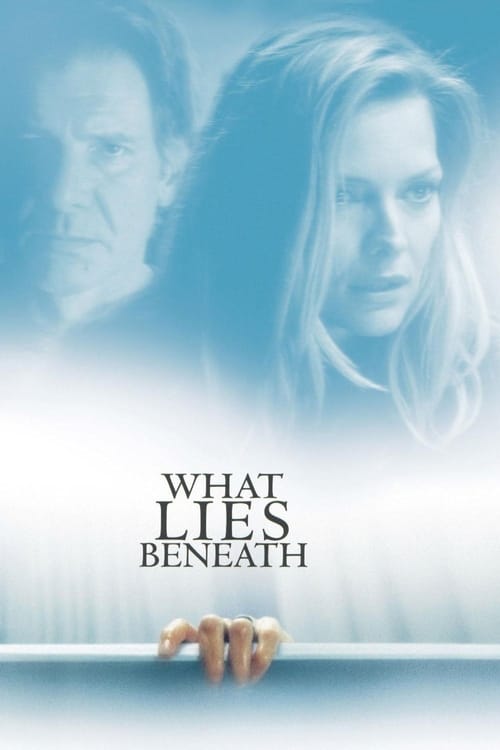
In fact, looking back over Zemeckis’ filmography, one might be surprised to note that trend did not begin with his 3D motion-capture projects (The Polar Express, Beowulf and A Christmas Carol), but with What Lies Beneath – the director’s Hitchockian homage (ripoff?) released in 2000.
Unlike so many trick shots in the Zemeckis canon (the floor P.O.V. of Michelle Pfeiffer in What Lies Beneath , the through-the-mirror pull-back on Jena Malone in Contact ), however, it's a perfect marriage of form and function--discombobulating in a productive way.
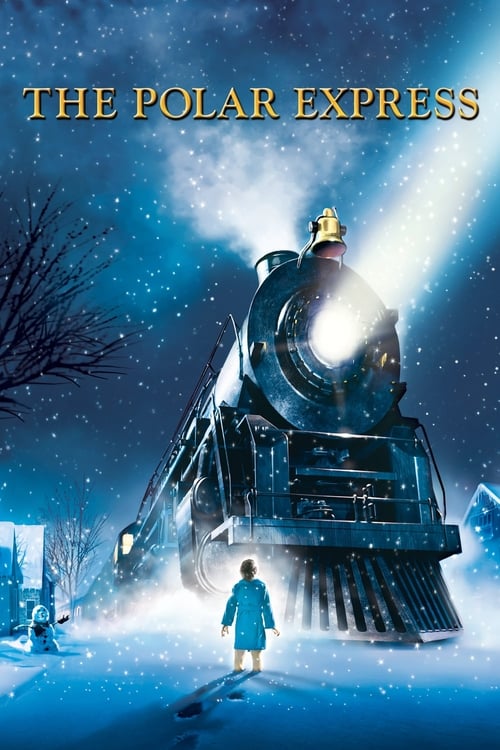
In fact, looking back over Zemeckis’ filmography, one might be surprised to note that trend did not begin with his 3D motion-capture projects (The Polar Express, Beowulf and A Christmas Carol), but with What Lies Beneath – the director’s Hitchockian homage (ripoff?) released in 2000.
Returning to live-action filmmaking after a decade lost in the uncanny valley of motion-capture animation — The Polar Express , Beowulf and A Christmas Carol were a mixed trifecta at best — director Robert Zemeckis follows this gut-wrenching suspense set-piece with a slow-motion crash of another kind.
With FLIGHT, director Robert Zemeckis returns from his several year folly of motion-capture animation (including the creepy “The Polar Express” and “Beowulf”) with this solid if formulaic film about an alcoholic spiraling ever downward.
"Flight," a title with more than one meaning, is strangely the first live-action feature in 12 years by Robert Zemeckis, who seemed committed to stop-motion animation (" Beowulf ," " The Polar Express ," " Disney's A Christmas Carol ").
It’s been nearly twelve years since Robert Zemeckis directed a live action film and you have to wonder if maybe he got sick of directing family movies like “The Polar Express” and “Disney’s A Christmas Carol” because he begins this one with full frontal female nudity, the drinking of hard alcohol and the snorting of cocaine.
Twelve years after he disappeared down the CGI motion-capture rabbit hole with films like The Polar Express and Beowulf, uber-director Robert Zemeckis (Back To The Future, Who Framed Roger Rabbit, Forrest Gump) returns to live-action filmmaking with this big studio drama about alcoholism.
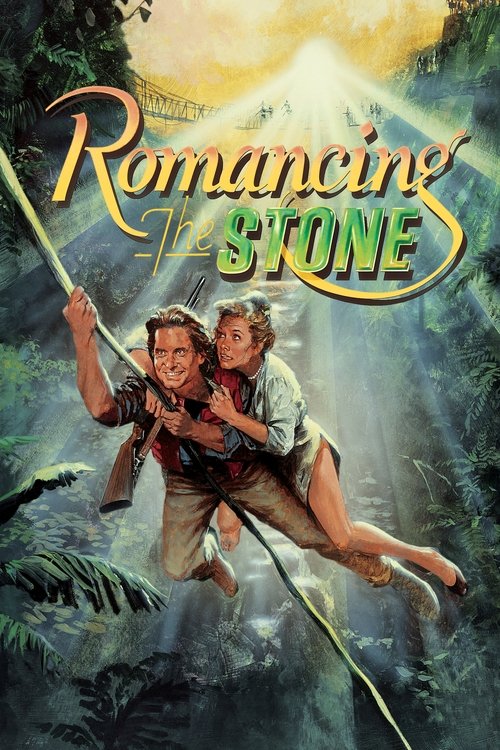
His command of superb special effects work in the name of affecting drama (Forrest Gump; Contact) and penchant for male protagonists with alcohol problems (Romancing the Stone; Who Framed Roger Rabbit?) find fertile ground in John Gatlin’s Oscar-nominated script.
Flight is a depature for Zemeckis, yes, but so were the wintry animated movies (from live-action and Oscar bait), so was Forrest Gump (from the Spielbergia), and so was Romancing the Stone (from the zany farces).
In his first live-action film since "Cast Away," the accomplished director (who also made the likes of "Forrest Gump ," "Romancing the Stone" and "Contact" to name a few), launches his fireworks barrage in the first act.
In fact, looking back over Zemeckis’ filmography, one might be surprised to note that trend did not begin with his 3D motion-capture projects (The Polar Express, Beowulf and A Christmas Carol), but with What Lies Beneath – the director’s Hitchockian homage (ripoff?) released in 2000.
Returning to live-action filmmaking after a decade lost in the uncanny valley of motion-capture animation — The Polar Express , Beowulf and A Christmas Carol were a mixed trifecta at best — director Robert Zemeckis follows this gut-wrenching suspense set-piece with a slow-motion crash of another kind.
It’s as if director Robert Zemeckis looked at the script for Cast Away — the last great movie he made; his A Christmas Carol and Beowulf are best forgotten — and said, “You know, wouldn’t it be better if Tom Hanks came home after being stranded for years and presumed dead and it turns out that Helen Hunt had been waiting and pining for him all that time and so they lived happily ever after?”
With FLIGHT, director Robert Zemeckis returns from his several year folly of motion-capture animation (including the creepy “The Polar Express” and “Beowulf”) with this solid if formulaic film about an alcoholic spiraling ever downward.
"Flight," a title with more than one meaning, is strangely the first live-action feature in 12 years by Robert Zemeckis, who seemed committed to stop-motion animation (" Beowulf ," " The Polar Express ," " Disney's A Christmas Carol ").

During this past decade, he has been preoccupied with legendary tales retold using motion-capture animation – The Polar Express, Beowulf, A Christmas Carol .
Director Robert Zemeckis (“Forrest Gump,” “Back to the Future,” makes a welcome return to live action after a 12-year detour to work on motion capture animation (“Beowulf,” “A Christmas Carol,” “Mars Needs Moms”).
After winning the Oscar for “Forrest Gump” in the mid-90s and making other critical darlings like “Castaway,” Zemeckis immersed himself in mo-cap digital animation with films like “Beowulf” and “A Christmas Carol.”
"Flight" is Robert Zemeckis's return to live-action filmmaking (his last was 2000's " Cast Away ") after three motion-capture animated features, 2004's " The Polar Express ," 2007's " Beowulf " and 2009's " A Christmas Carol ," and for a long time, the film provocatively questions who truly was at fault in regards to the plane crash.
In Flight, director Robert Zemeckis' first film in 12 years that isn't (thank God) one of those motion-capture endeavors (see his awful A Christmas Carol adaptation starring Jim Carrey), Washington's character of "Whip" Whitaker is seen in the early going snorting a line of coke and drinking booze as if it were Gatorade.
After a trio of underwhelming mo-cap adventures ( The Polar Express , Beowulf and A Christmas Carol ), director Robert Zemeckis shows us exactly what special effects should be used for – with a plane crash so visceral you’ll be reaching for the sick bag.
Still, it's a solid, if unexceptional dramatic thriller about adult behvaior; minor cinema lifted up on the shoulders of one of the year's best movie star turns, and if it's not likely to stand up as a genuine classic, I can readily see it joining the ranks of The Lost Weekend and The Man with the Golden Arm in the annals of pretty much okay stories of addiction.
At heart, it’s an addiction drama in the vein of “Clean and Sober” or “The Boost,” as Whitaker retreats deeper and deeper into the bottle.
Advertisement

(Poor Kelly Reilly, cast as the junkie who’s really sexy, plays Rosie Perez to Denzel’s Jeff Bridges, but their relationship is never persuasive like the one in Fearless .

In a way, the two movies are replays of classic 1950s Westerns at opposite poles: Fred Zinnemann’s Oscar-winning High Noon, where Sheriff Gary Cooper confronts the bad guys alone after the townspeople have deserted him, and Howard Hawks’ Rio Bravo, where Sheriff John Wayne accumulates more ragtag deputies than he wants or needs.