
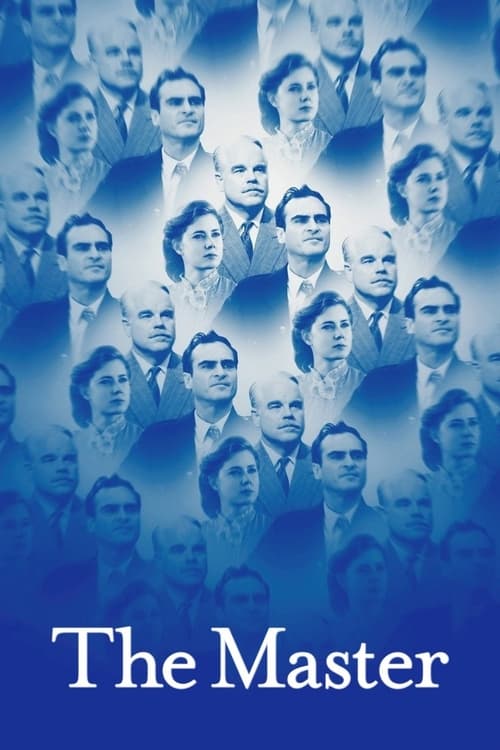
The Master (2012)
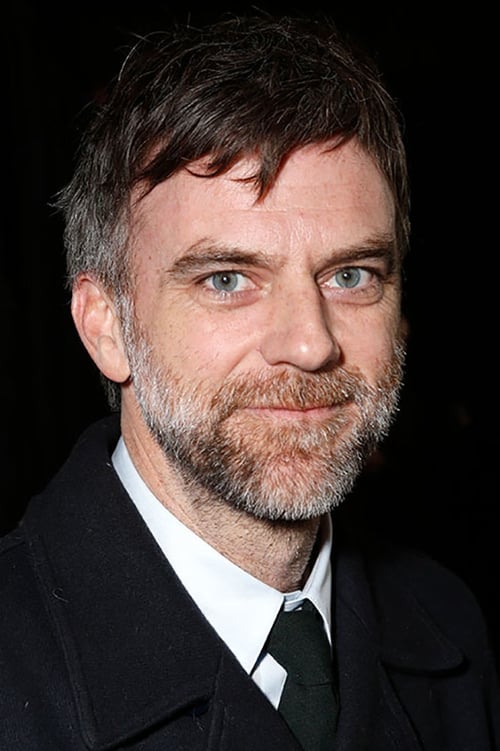
Directed by Paul Thomas Anderson
Freddie, a volatile, heavy-drinking veteran who suffers from post-traumatic stress disorder, finds some semblance of a family when he stumbles onto the ship of Lancaster Dodd, the charismatic leader of a new "religion" he forms after World War II.
37 connections found
View:
37 films that influenced The Master
What critics say influenced The Master
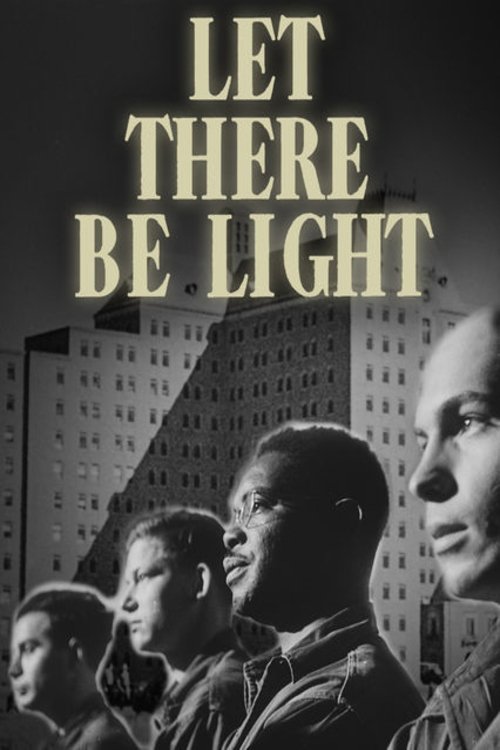


Paul Thomas Anderson was inspired by John Huston's 1946 documentary "Let There Be Light," a black and white film about WWII veterans undergoing psychiatric treatment and it is included here.
Audio English DTS-HD Master Audio 5.1 surround SubtitlesEnglish, Spanish Supplements “Back Beyond” outtakes and additional scenes “Unguided Message” behind-the-scenes featurette Teasers and trailers Let There Be Light (1946) documentary DistributorAnchor Bay Home Entertainment SRP$39.99 Release DateFebruary 26, 2012 VIDEO & AUDIO The Master looks superb on Blu-Ray.
Freddie has come out of the Navy, and the battles of the Pacific theater, "a neuro-psychiatric casualty" - a term from John Huston's postwar documentary Let There Be Light, about the rehabilitation of traumatized returning veterans, that Anderson has borrowed heavily from for his film.
Anderson took many of his cues from John Huston’s 1945 government documentary Let There Be Light, which explored trauma and depression in soldiers after combat.
Time has vindicated Huston's viewpoints: in addition to Let There Be Light serving as one inspiration for Paul Thomas Anderson's The Master, both Let There Be Light and "San Pietro" were selected for the National Film Registry, for their importance to national history and cinema history.

But the movie is less an indictment than a portrait of how the authentic search for family and community — a recurring theme explored by Anderson in Boogie Nights — can become warped, along with character itself, in a spiritual and moral vacuum.
The films of Paul Thomas Anderson concern odd “families,” people who collect around an idea or profession or a bond of necessity — the porn industry (“Boogie Nights”), a driven oil man who adopts a son (“Let There Be Blood”) or a loose collection of characters that suggest a theme (“Magnolia”).
More akin to Anderson’s earlier Boogie Nights than his brilliant There Will Be Blood , while the production values are superb, the story remains flaccid.
If Lancaster’s greed and lust for power unavoidably recalls Anderson’s There Will Be Blood, in some ways a closer counterpart to The Master is the director’s Boogie Nights—another period drama about American outcasts who share a mutual, utopian delusion.
In the past, he’s explored such concerns in what have amounted to prodigious hat tips to the greats of the cinema: Hard Eight was Scorsese in miniature; Boogie Nights and Magnolia were his ensemble Altman nods; There Will Be Blood was nothing less than Citizen Kane transplanted to the oil business.
Hers is the smallest of the three major roles, but she drives the entire thing… not unlike the Julianne Moore character in Boogie Nights, but even more so.
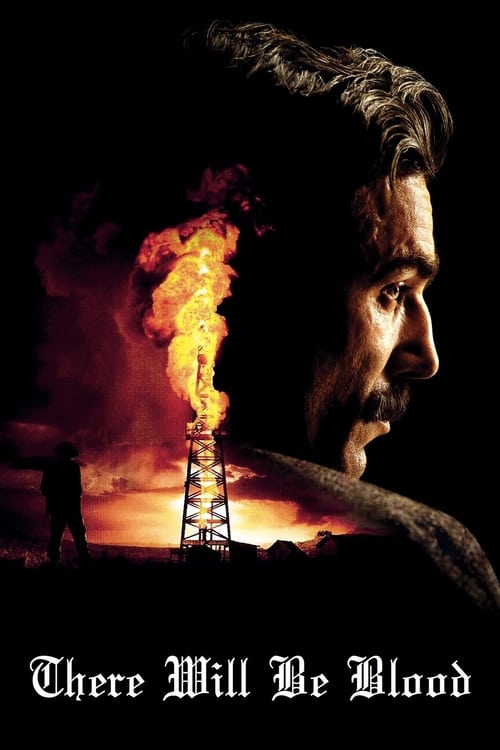
It is an indirect extension of themes from Anderson's There Will Be Blood: a morally corroded man seeking acceptance from a spiritual leader, and symbiotic selfishness under the guise of doing greater good.
And so, with the combination of this and his 2007 film There Will Be Blood , Paul Thomas Anderson has become not just ‘a’ but perhaps the quintessential American filmmaker.
More akin to Anderson’s earlier Boogie Nights than his brilliant There Will Be Blood , while the production values are superb, the story remains flaccid.
If Lancaster’s greed and lust for power unavoidably recalls Anderson’s There Will Be Blood, in some ways a closer counterpart to The Master is the director’s Boogie Nights—another period drama about American outcasts who share a mutual, utopian delusion.
Anderson remains as evidently fascinated by charismatic pitchmen as he was when he made There Will Be Blood , and there are certainly moments of inspired lunacy.
Anderson (“There Will Be Blood”) shot the move on 70mm film, a wide-screen format that evokes the composed grandeur of Kubrick.
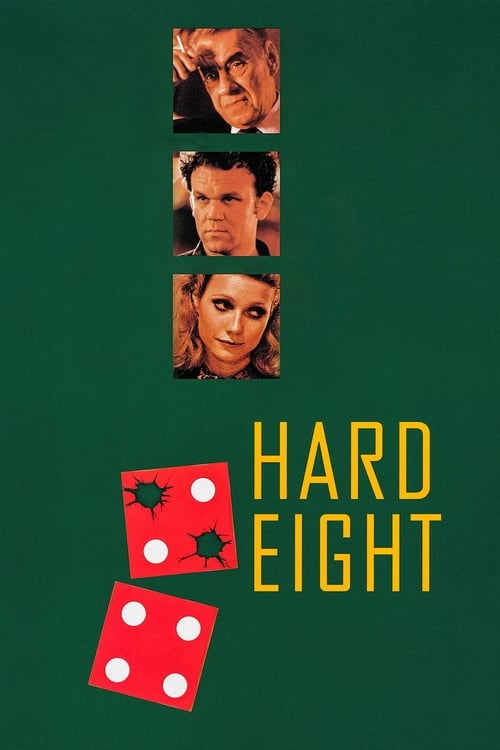
I am no real fan of the man's work - There Will Be Blood is a miscast Paul Dano away from being a masterpiece, and Hard Eight is one of the best of the mid-'90s character-driven indies, but his three intermediary films leave me various shades of cold - and if I wanted to be snippy & not engage with the work at all, I'd accuse The Master of being a movie made by a man who took the Kubrick comparisons too much to heart, and has made the film he perceives A Great Filmmaker would have made, resulting in all sorts of self-aware narrative disjunctions and deliberately unfriendly gestures, a self-conscious "look how smart I am" movie.
His first four films — “Hard Eight,” “Boogie Nights,” “Magnolia,” “Punch-Drunk Love” — were notable for their mania, for the way both the camera and the story would tornado around until he found a moment of biblical postmodernism; until, say, it rained frogs; until you wanted to prescribe him something.
(Anderson fans will recognize this first meeting and the relationship that follows as an echo of the Philip Baker Hall-John C. Reilly father-son/ mentor-student connection in the director's first feature, 1996's "Hard Eight." ) Philip Seymour Hoffman apparently watched a lot of Orson Welles in preparation for his powerful yet playful performance here, but Dodd and his "Cause" -- despite various protests to the contrary -- clearly were inspired by L. Ron Hubbard and Scientology.
Philip Baker Hall schooled John C. Reilly as a Vegas gambler in Hard Eight; porn auteur Burt Reynolds promoted well-hung amateur Mark Wahlberg in Boogie Nights; TV mogul Jason Robards tried reconnecting with his sex-guru son Tom Cruise in Magnolia; and oil baron Daniel Day-Lewis battled preacher Paul Dano in There Will Be Blood.
Starting with the little seen "Hard Eight" in 1996, he made a huge splash with "Boogie Nights" a year later, followed by subsequent releases of "Magnolia," "Punch-Drunk Love" and the eight-time Oscar nominated "There Will Be Blood" from five years ago.
The first sequence, in his first feature, “Hard Eight” (1997), consists of Philip Baker Hall giving coffee and a cigarette to John C. Reilly, in a diner, and making him an offer he can’t refuse.
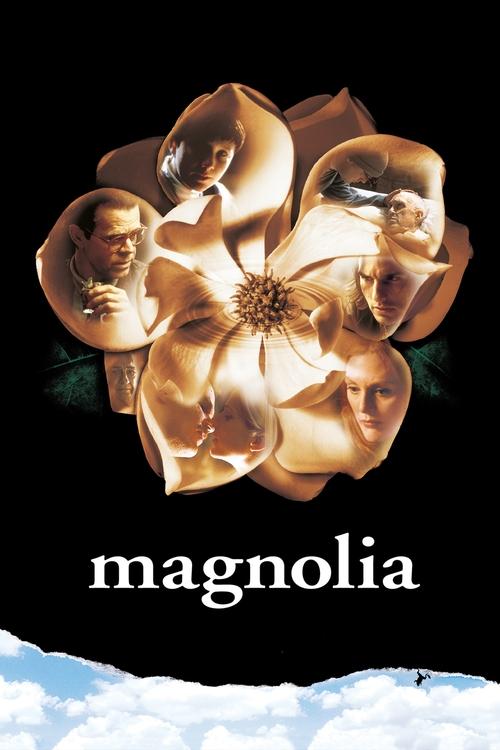
The films of Paul Thomas Anderson concern odd “families,” people who collect around an idea or profession or a bond of necessity — the porn industry (“Boogie Nights”), a driven oil man who adopts a son (“Let There Be Blood”) or a loose collection of characters that suggest a theme (“Magnolia”).
“The Master” was ideally situated to pick up on those forces, elaborating on the themes Anderson so tantalizingly suggested in the previous film -- just as Lancaster’s nascent cult and its mostly middle-aged, female adherents present an inviting opportunity to plumb the group dynamics that gave the director’s 1997 “ Boogie Nights ” and 1999 “ Magnolia ” such psychological density and tender pathos.
The Master is the latest film from Paul Thomas Anderson, critically-beloved auteur of Boogie Nights, Magnolia, Punch Drunk Love, and There Will Be Blood, a roman á clef about Scientology starring Joaquin Phoenix as a drifter named Freddy Quell that’s sure to be debated for years to come.
And like every Paul Thomas Anderson film, The Master primarily deals with a toxic father-son relationship that is about to come to a head ( Magnolia, Boogie Nights , Hard Eight, There Will Be Blood ), so looking at such an incestuous subtext is not out of bounds.
One of director Paul Thomas Anderson’s most notable traits to date has been to take the style of an existing well-loved director and give it a bit of a personal spin: Scorsese in Boogie Nights , Altman in Magnolia , Kubrick in There Will Be Blood .
The newest film is here from Paul Thomas Anderson, one of our greatest filmmakers, who has directed such disparate great films as “Boogie Nights,” “Magnolia” and “There Will be Blood.”
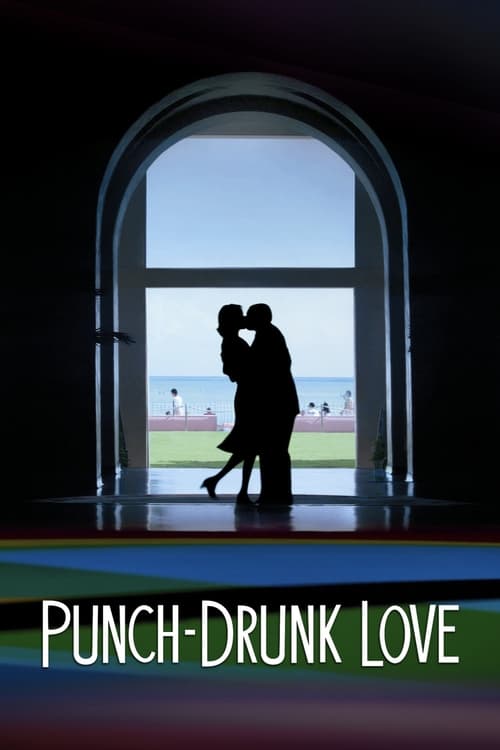
Like the compilations on the Punch-Drunk Love ("Blossoms and Blood") and There Will Be Blood DVDs, "Back Beyond" (HD) combines outtakes and deleted scenes into a montage scored by Greenwood.
Though saddled with as slight a storyline as one could imagine, Punch-Drunk Love nevertheless establishes itself as yet another endlessly compelling and intricately layered effort from filmmaker Paul Thomas Anderson.
However, earlier Anderson films, such as “Boogie Nights,” “Magnolia” and “Punch-Drunk Love,” are less self-consciously intellectual and more powerfully emotional.
I can’t help but mourn the talented craftsman who gave us such divergent masterpieces as “Boogie Nights,” “Magnolia” and “Punch-Drunk Love.”
Starting with the little seen "Hard Eight" in 1996, he made a huge splash with "Boogie Nights" a year later, followed by subsequent releases of "Magnolia," "Punch-Drunk Love" and the eight-time Oscar nominated "There Will Be Blood" from five years ago.
In his underrated Punch-Drunk Love , the “big” moments—Adam Sandler’s sudden explosions of rage, for instance—had a gravity at odds with their otherwise largely comic surroundings, and that dissonance proved dynamic and interesting.
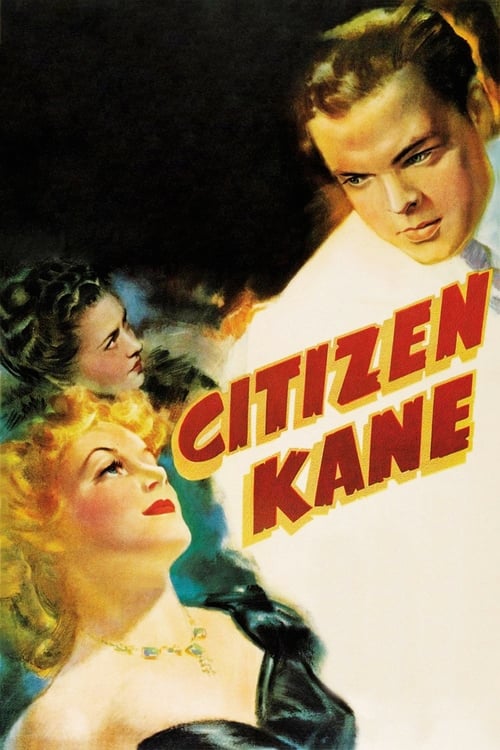
Hoffman's portrayal of a man with iconic aspirations, in love with the sound of his own voice as he drops pearls of wisdom, recalls Ernest Hemingway, or Orson Welles in "Citizen Kane."
While Dodd is clearly modeled on L. Ron Hubbard, the founder of Scientology, The Master is not particularly interesting as a veiled depiction of that much-disputed quasi-religious movement (much as Citizen Kane does not derive its primary powers from its parallels with media baron William Randolph Hearst).
Like “Citizen Kane,” “The Master” invites frame-by-frame analysis.
There are certainly passages of the sort of “Citizen Kane” ambition you expect from Anderson here, not least in the memorable leading performances by Hoffman and Joaquin Phoenix and the magnificent wide-screen cinematography of Mihai Malaimare Jr., a new collaborator for Anderson.
Interested in neither satire nor Citizen Kane-esque excoriation of a public figure, the picture seeks instead to present belief systems and seekers of truth as ridiculous before the sharpness of knowledge gained through experience.
On paper, there's a lot that could by said by this scenario - on paper, the film is saying it - it could explore the psychic dislocation of the American male in the years after World War II; it could study the sociology behind the self-help movements that began around that time, partially in response to that same dislocation; it could be a critical but not condemnatory look at the founding of the disproportionately influential cult of Scientology that sort of forms the inspiration for The Cause (The Master is "about" Scientology to roughly the same extent that Citizen Kane is "about" William Randolph Hearst); it could examine the appeal of pseudoscientific philosophy in the middle of what was meant to be the most rational century of human history.
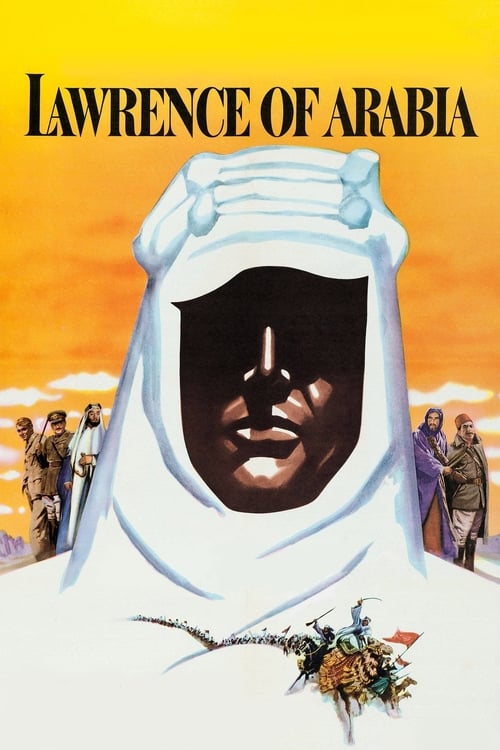
A pivotal scene on a dry lake bed offers vistas — and optical illusions — that recall Lawrence of Arabia.
Maybe he wanted to emulate the ultimate in intimate epics, that being David Lean’s Lawrence of Arabia ?
The format, also used in such classics like “Lawrence of Arabia” and “2001: A Space Odyssey,” provides an incredible depth of field.
Advertisement
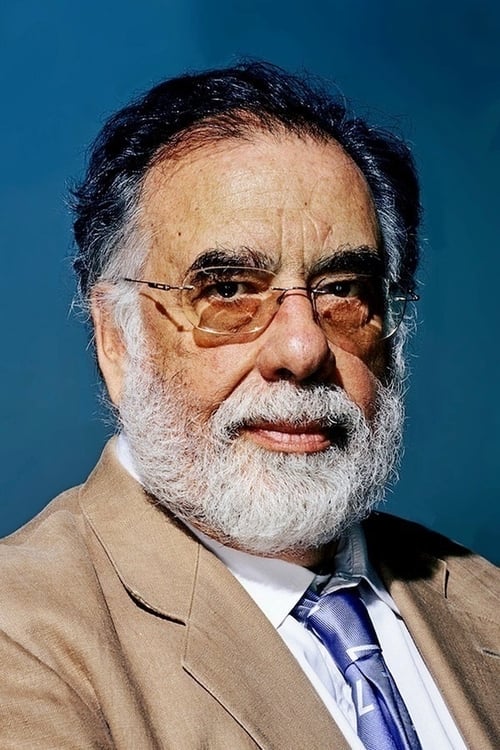
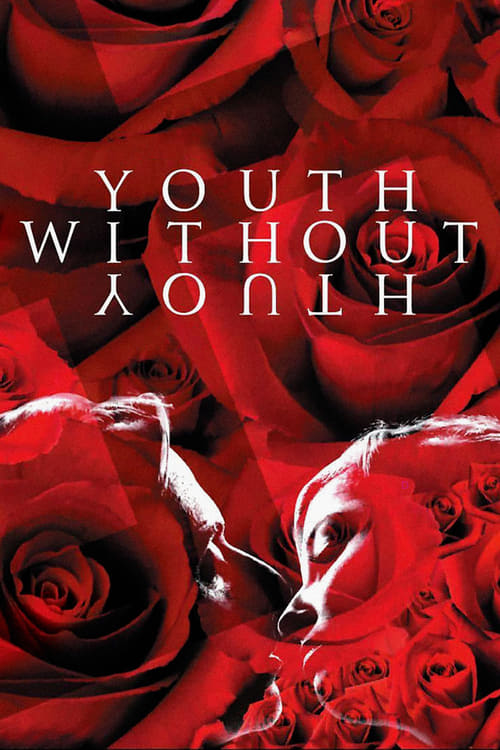
High praise to genius cinematographer Mihai Malaimare Jr. (Youth Without Youth, Tetro and Twixt), whose visual poetry is matched by Jonny Greenwood's haunting, hypnotic score.
(The cinematographer, Mihai Malaimare Jr., was also dp on Francis Ford Coppola’s Tetro and visually stunning Youth Without Youth.)
Mihai Milaimare Jr.’s (“Youth Without Youth”) cinematography is gasp-inducing, especially in 70mm, but certainly in whatever form most people will see the film in as well.
The film was shot on 65 mm film by cinematographer Mihai Malaimare Jr. ("Youth Without Youth") adding to its cinematic patina.
Most of the movie takes place in 1950, and the allure of the past explains some of the appeal of the film, with its convincing production design (by David Crank and Jack Fisk) and stunning 65-millimeter cinematography (by Mihai Malaimare Jr., known for the recent Coppola films, "Youth Without Youth" and "Tetro").
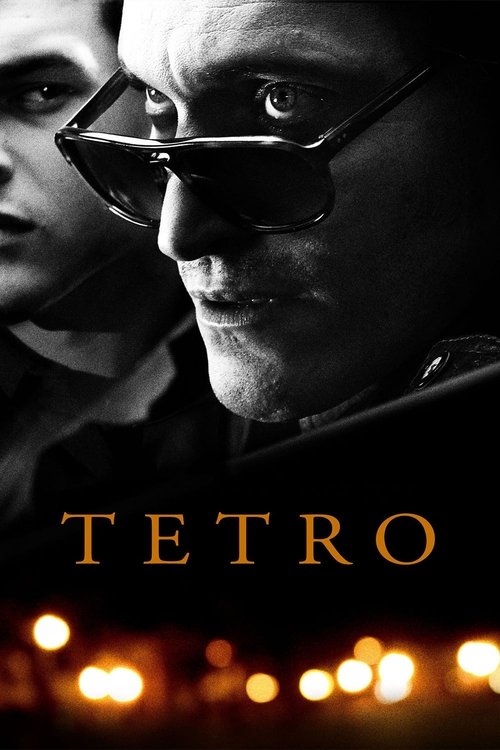
(The cinematographer, Mihai Malaimare Jr., was also dp on Francis Ford Coppola’s Tetro and visually stunning Youth Without Youth.)
Pictorial elements such as ocean seas, skin tones, clothing fabrics and early evening light are vibrantly magnified by the 70mm celluloid so skillfully used by Anderson and cinematographer Mihai Malaimareh Jr. (Youth Without Youth, Tetro and Twixt for Francis Ford Coppola).
Romanian cinematographer Mihai Malaimare, a Coppola find who also shot Paul Thomas Anderson’s The Master, has a rare understanding of how to play to the strengths of digital video, contrasting detail-rich digital crispness with ominous shadows, and in the dream sequences, draining the images of most color, and sometimes all.
The cinematography, the purview of Mihai Malaimare Jr., represents the first time 65mm has been used since Kenneth Branagh's Hamlet .
And while the movie (the first to be shot in 70 mm since Kenneth Branagh’s Hamlet 16 years ago) is glorious to watch, it brings no coherence or insight to its two main characters: the wastrel Freddie Quell (Joaquin Phoenix) or the shaman-showman Lancaster Dodd (Philip Seymour Hoffman).
The Master is also the first motion picture since Kenneth Branagh’s Hamlet back in 1996 to be shot on 65mm and projected on 70mm.
And yet he shot the film in 70MM, a giant format generally reserved for epics, and hasn’t been used on a narrative feature since Kenneth Branagh’s 1996 adaptation of Hamlet .
This is the first major American theatrical feature film to entirely shoot on 65mm stock since Kenneth Branagh’s “Hamlet” in 1996.
The first feature production to be shot in 65mm since Kenneth Branagh’s Hamlet in 1996, it mixes exquisite period recreation of the post-World War II Eisenhower years with sublime visual grandeur and larger-than-life characters battling each other and themselves physically and metaphysically.
He must be larger than the young woman, yet he appears shrunken, very much like Grant Williams on his date with the carnival woman in that 1950s exposé of vanishing humanity, "The Incredible Shrinking Man.")

At times Phoenix’s Freddie hearkens back to Montgomery Clift in “From Here to Eternity,” to name another James Jones tale.
Freddie gets drunk on torpedo engine fuel, grinds atop a sand mound shaped like a naked woman on the beach (a From Here to Eternity quote?) and masturbates into the ocean.
The most classically minded of America's young filmmakers, and the most prodigious, Anderson draws on John Huston and Elia Kazan, Fred Zinnemann's "From Here to Eternity" and George Stevens' "A Place in the Sun."
Advertisement
Then he returns, just as Vincent Gallo did in " The Brown Bunny ," although I doubt this is intended as a homage.
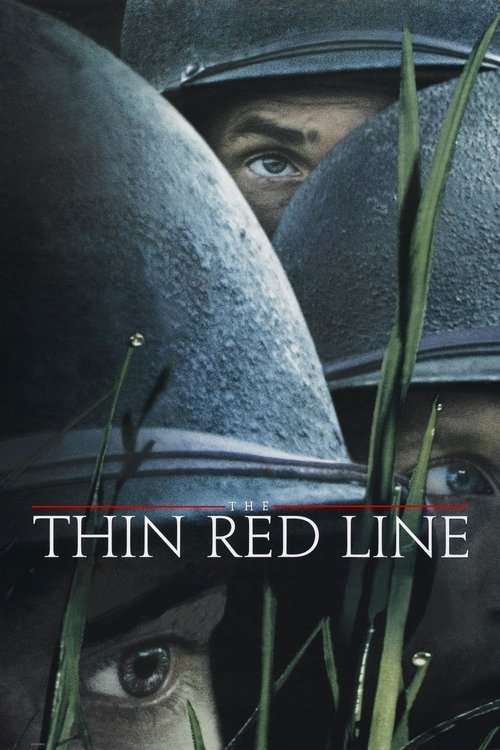
With searing cinematography, The Master opens with sailors wrestling on a beach in pacific at the end of WWII, the observational style and sensory power reminiscent of Malick’s The Thin Red Line.