
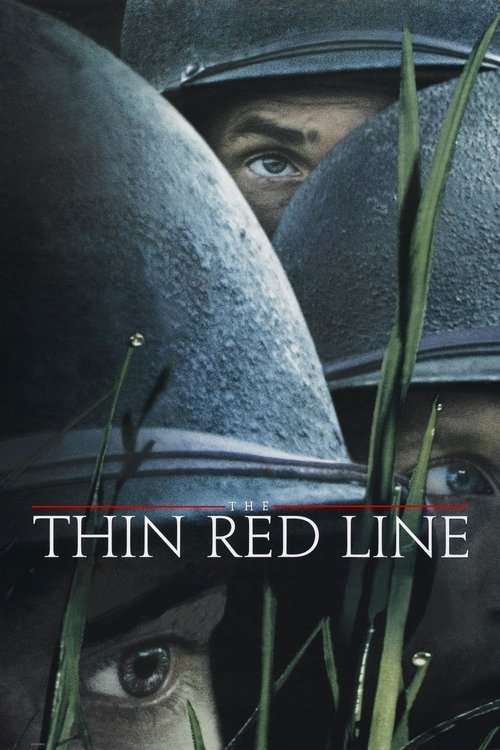
The Thin Red Line (1998)
Directed by Terrence Malick
The story of a group of men, an Army Rifle company called C-for-Charlie, who change, suffer, and ultimately make essential discoveries about themselves during the fierce World War II battle of Guadalcanal. It follows their journey, from the surprise of an unopposed landing, through the bloody and exhausting battles that follow, to the ultimate departure of those who survived.
20 connections found
View:
20 films that influenced The Thin Red Line
What critics say influenced The Thin Red Line
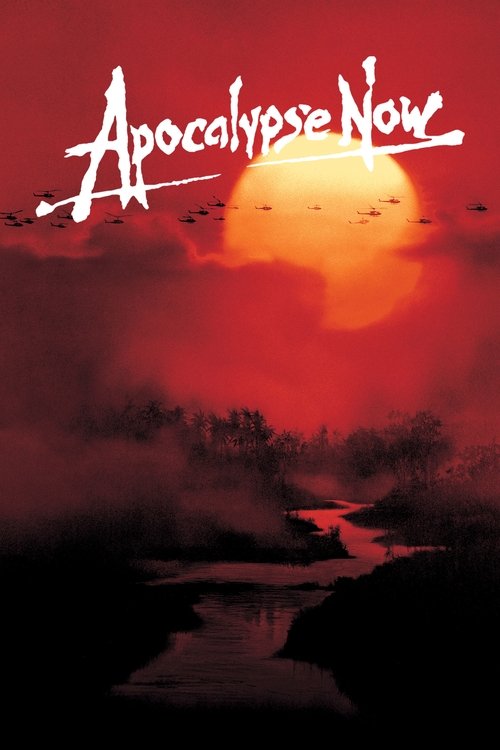


One can see some subtle borrowings from such war classics as Apocalypse Now and Platoon, but nothing so blatant as to be construed as copying those films' styles.
The obvious reference point is 1979's Apocalypse Now, which shares The Thin Red Line's distended narrative style as well as Malick's penchant for lustrous images emerging from an ink-black cinema screen.
For another like it you have to go all the way back to Coppola's Apocalypse Now (1979) or even Malick's last movie Days of Heaven (1978).
Unlike Francis Ford Coppola's Apocalypse Now , which screamed out against the horrors of war by depicting its participants as maniacs and its situations as surreally haunting, The Thin Red Line evokes equal (if not greater) horror by operating in such irregular, fitful rhythms, by juxtaposing the brutal with the banal, and by depriving both soldier and viewer of any sturdy foundation against which to measure their experience.
About as blatantly antiwar as they come, this film has much more in common with the disillusionment-filled "Platoon" (Oliver Stone) and "Apocalypse Now" (Francis Ford Coppola) than Steven Spielberg's equally disturbing, but strongly patriotic "Saving Private Ryan."
Where "Apocalypse Now" and "Platoon" were both one man's viewpoint on the Vietnam war and "Saving Private Ryan" was the story of a handful of men searching for one, "The Thin Red Line" is a film of every man and his quest to keep the people around him alive.
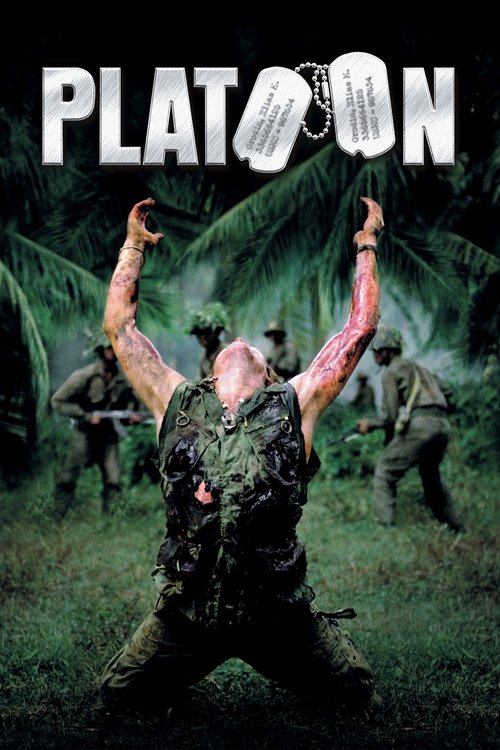
About as blatantly antiwar as they come, this film has much more in common with the disillusionment-filled "Platoon" (Oliver Stone) and "Apocalypse Now" (Francis Ford Coppola) than Steven Spielberg's equally disturbing, but strongly patriotic "Saving Private Ryan."
(Movies like Platoon are too small and insignificant in comparison.)
One can see some subtle borrowings from such war classics as Apocalypse Now and Platoon, but nothing so blatant as to be construed as copying those films' styles.
Malick's version— which unavoidably references the great, flawed Vietnam visions of Apocalypse Now and (especially) Platoon— is, however, anachronistic in a different way.
As Platoon did with its sergeants, Line embodies its philosophical positions in two soldiers: Welsh and the goodhearted, nature-loving Private Witt (Jim Caviezel).
Along with Oliver Stone's "Platoon," "The Thin Red Line" is easily the best war film I have seen and, just in the way that Malick takes WWII and then is able to transform everything into a more meaningful tapestry about human nature, is an amazing triumph that proves what a master Terrence Malick is at his craft.
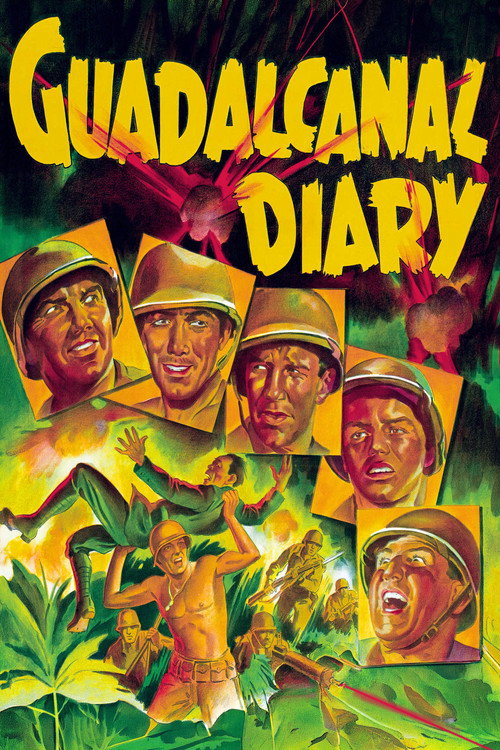
Guadalcanal, at least as it was portrayed in the 1944 Guadalcanal Diary (the key World War II movie released during the war), was the crucible that, more fiery than any urban melting pot, forged the American fighting spirit.
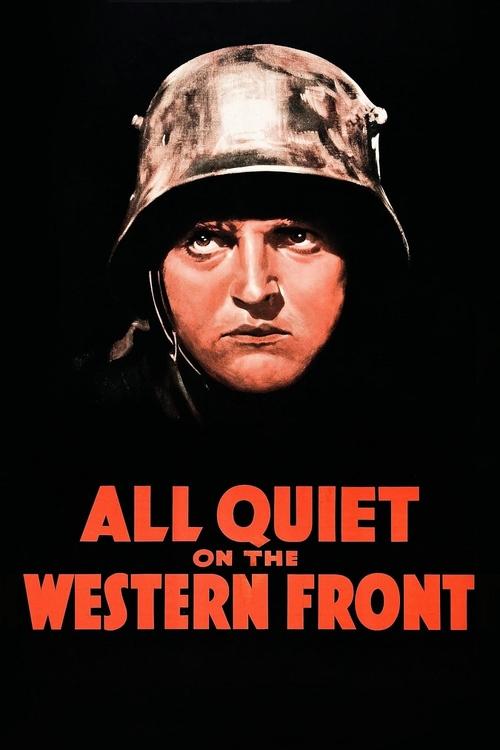
There is still the chance for a single moment to crystalise; and this is represented by the film's most indelible image, a butterfly flapping past the running soldiers, blithely indifferent to what they do; the kind of single moment that catches your eye and holds your attention for just a second, and moves on (it could also, arguably, be a reference to the other famous butterfly in war cinema, from All Quiet on the Western Front , but that's a bit of a stretch).
Advertisement
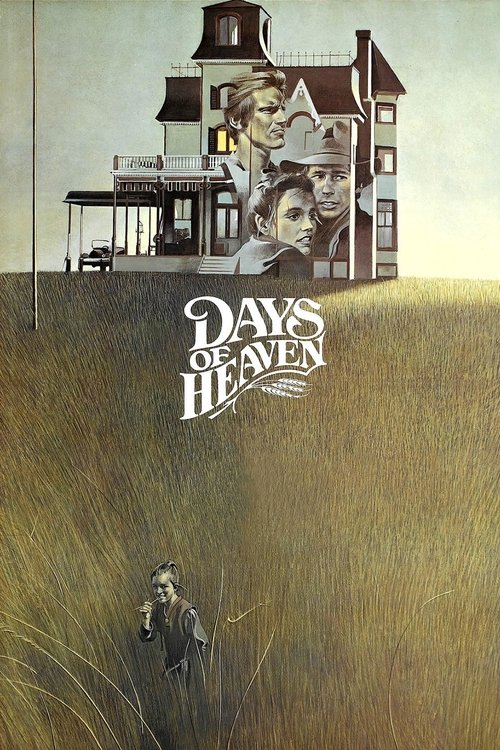
Also, Malick's projects—which now come to three with the release of the extraordinary The Thin Red Line —assume marginal and atypical points of view, but remain wholly faithful to the perspectives of the moony characters (Sissy Spacek's unlikely Bonnie to Martin Sheen's Clyde in Badlands, the eerily waifish Linda here, and the baffled philosopher-cum-soldier played by Jim Caviezel in The Thin Red Line) whom he, almost alone among writer-directors, would trust to tell his stories.
Resurfacing after a self-imposed, two decade long exile from filmmaking, Malick, who helmed the critically lauded but little seen films "Badlands" and "Days of Heaven" during the 70's, barely seems to have missed a beat during the intervening years.
For another like it you have to go all the way back to Coppola's Apocalypse Now (1979) or even Malick's last movie Days of Heaven (1978).
Terrence Malick is the director of two of the best films I have ever seen, " Badlands " (1973) and " Days of Heaven " (1978).
It's not too far from Malick's Days of Heaven, although the expulsion from this tropical Eden is an hour-plus attempt to storm a Japanese position.
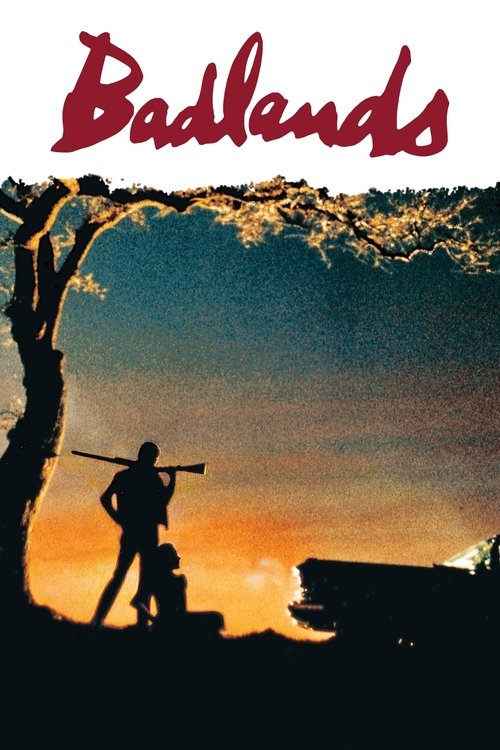
Resurfacing after a self-imposed, two decade long exile from filmmaking, Malick, who helmed the critically lauded but little seen films "Badlands" and "Days of Heaven" during the 70's, barely seems to have missed a beat during the intervening years.
Terrence Malick is the director of two of the best films I have ever seen, " Badlands " (1973) and " Days of Heaven " (1978).
The Thin Red Line is the triumphant return of Terrence Malick, the legendary filmmaker who made two masterpieces in the 70s, "Badlands" and "Days of Heaven", and then reclused himself and didn't make any more film for 20 years.
Even if they could be watched without knowledge of their provenance, they would be instantly identifiable as the work of Terrence Malick, whose 1970's ''Badlands'' and ''Days of Heaven'' were the most beautiful and elusive films of their time.
Terrence Malick, widely regarded as one of the most visually stunning film directors of all time, made two films in the '70s, "Badlands" and "Days of Heaven," respectively, and then completely vanished for many years.
Director Terrence Malick ("Badlands", "Days of Heaven") tells the story of Army rifle company C as they move through the battle for Guadalcanal, the turning point in the Pacific theatre during World War II, while exploring the toll war takes on man and nature.
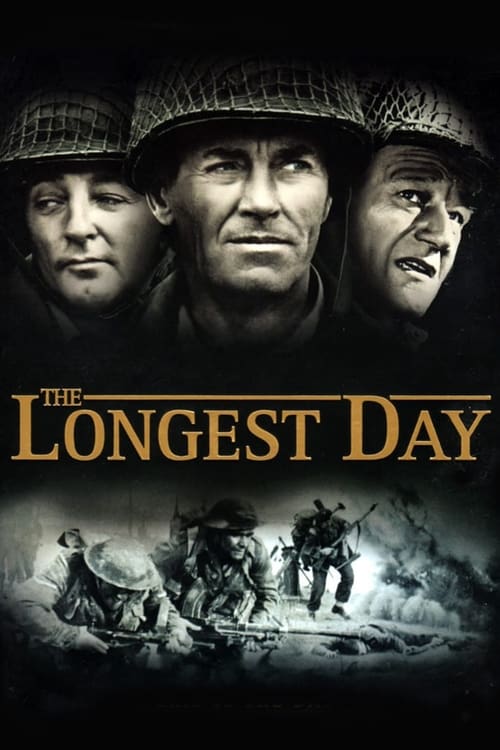
Firstly, it recalls to mind older war film classics like The Longest Day, which also featured a large ensemble of the era’s hottest stars, only to end up subverting the expectations of those war-film roles.
The late author Jones, who also wrote the novels that inspired From Here To Eternity and The Longest Day, would be proud to see this highly thoughtful version of his work.
…there's George Clooney! is this The Longest Day?), the performances range from drab uniformity (everyone looks the same; everyone utters, in relentless, Southern-accented voiceovers, the same pseudo-philosophical apostrophes) to jarring cameos.
Remember in "Manhattan," when Diane Keaton is describing all of her friends as geniuses and Woody Allen says, "You should meet some stupid people for a change"?

(As a way of conditioning audience response, it's as though Hitchcock began Psycho with the shower sequence.)
Advertisement
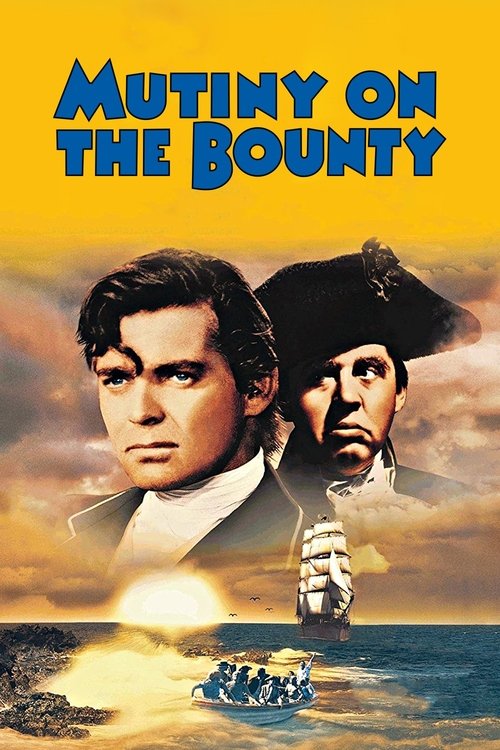
During the first few minutes, I thought I'd walked into a modern rendering of Mutiny on the Bounty, and I'm still uncertain how those opening scenes, which recur throughout the movie, fit into the rest of the story.
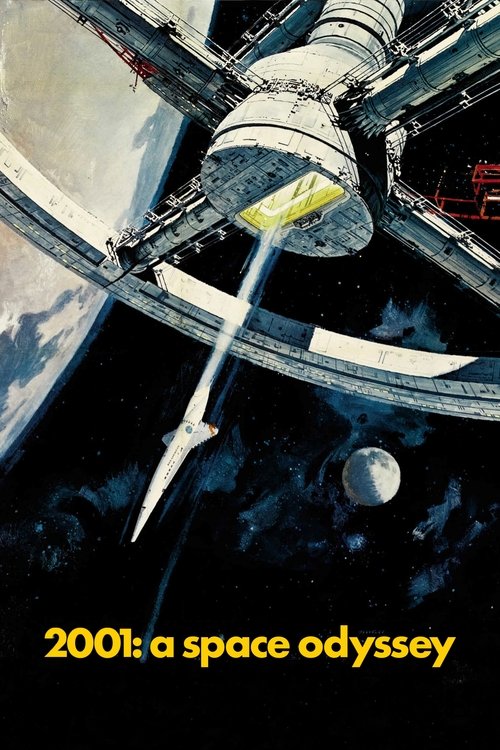
Like his previous works, "The Thin Red Line" asks more questions than it answers and violates more rules than it obeys, ultimately prodding audiences to engage in a far greater level of intellectual participation than any film since "2001: A Space Odyssey."
Like certain other bad movies -- "Blade Runner," "The Shining" and, inevitably, "Heaven's Gate" -- Terrence Malick's version of James Jones' novel is going to be cited for years to come as an example of how Hollywood (and by extension the mainstream audience) is unable to deal with the truly daring and original films that appear in its midst.