
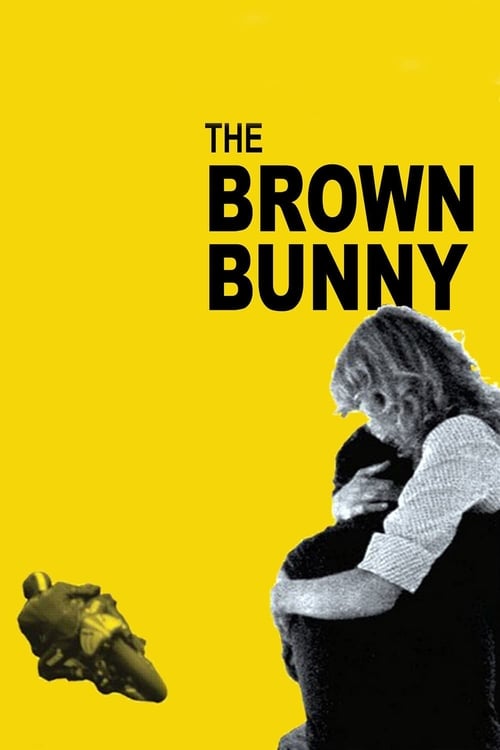
The Brown Bunny (2003)
Directed by Vincent Gallo
Bud Clay races motorcycles in the 250cc Formula II class of road racing. After a race in New Hampshire, he has five days to get to his next race in California. During his road trip, he is haunted by memories of the last time he saw Daisy, his true love.
8 connections found
View:
8 films that influenced The Brown Bunny
What critics say influenced The Brown Bunny
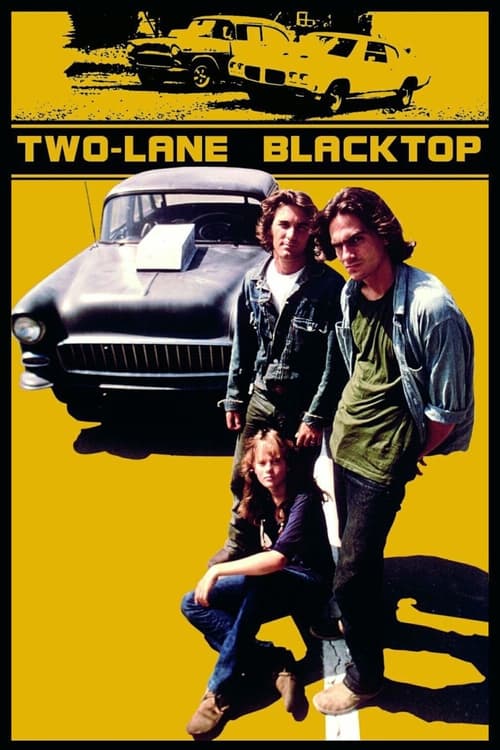


A wearisome, affected amalgamation of Monte Hellman’s prototypical road movie Two-Lane Blacktop and Todd Louiso’s insufferable mope-fest Love Liza , Gallo’s misfire is a work of staggering dullness that, from its somber opening scene in which Bud loses a motorcycle race, repeatedly foreshadows the futility of the main character’s odyssey toward his desperately desired goal.
Like Monte Hellmanâs sublime Two-Lane Blacktop and Jack Cardiffâs 1968 Alain Delon/Marianne Faithful vehicle Girl on a Motorcycle, The Brown Bunny is, on the face of it, an existential exercise in cross-country motion, a travelogue in which the exteriors are never as important as the interior life of the main character, who in this case is Galloâs Bud Clay.
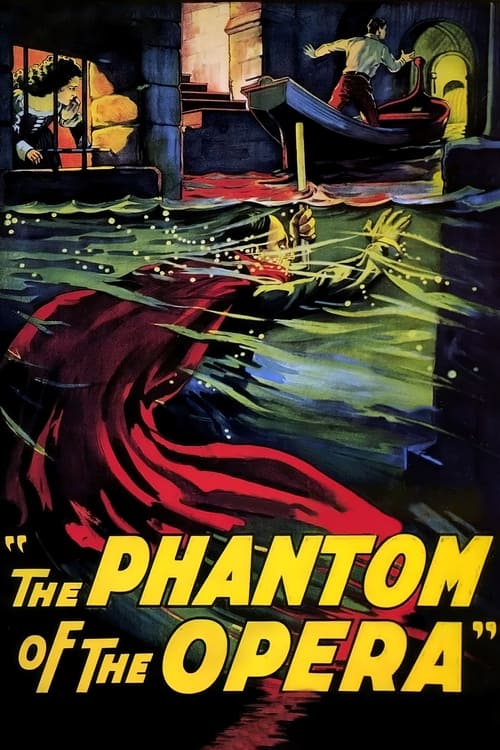
(His eyes are as wired-open as Lon Chaney's in The Phantom of the Opera, only Gallo didn't use wires.)

Then, film critic and Beyond the Valley of the Dolls scribe Roger Ebert named the film the worst movie ever shown at the French fashion show/film festival.
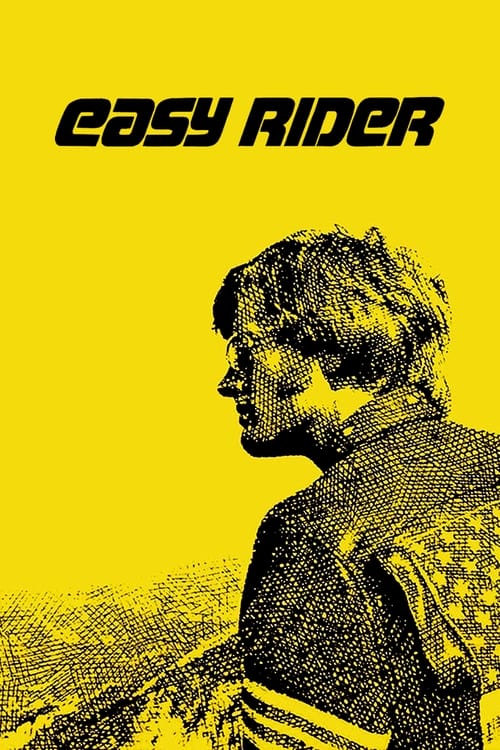
The director barrels down that same metaphorical highway that a stoned Dennis Hopper and Peter Fonda took in 1969's Easy Rider, a film more important for what it wasn't than was.
He appears to have been imitating the low-budget indie films of an earlier era — I did occasionally think of “Easy Rider” — but without the underlying substance those movies usually had.
Advertisement
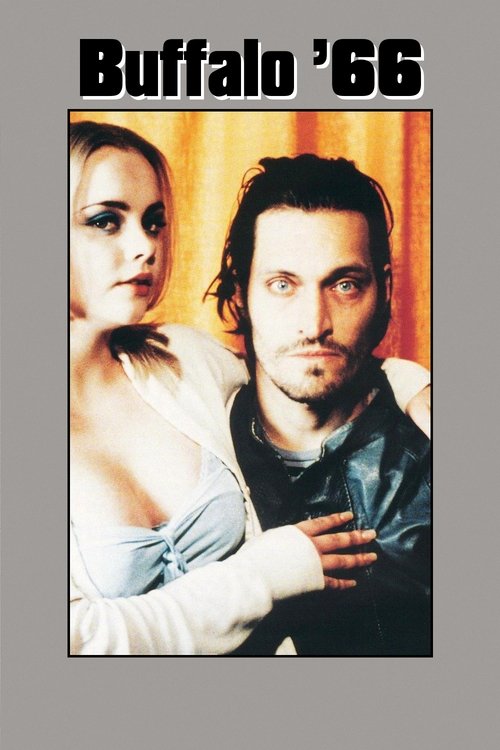
The Brown Bunny is a vicious a skewering of the cult of manhood that finds its themes of detachment and violent rapprochement with a quieter eloquence than Gallo's feral Buffalo '66; for all the charges of puerility, the picture is the product of a maturing artist.
Here, as in 1998's Buffalo '66, Gallo's motives seem sincere enough, but overlong passages of dialogue-free footage shot from behind bug-splattered windshields don't always add up to great art.
Vincent Gallo's second feature, a follow-up to his acclaimed goofy comedy "Buffalo '66," is a humorless self-indulgent and self-loathing mess that is saddled with an uninteresting story and arty pretensions.
Gallo, a bit-part actor and occasional director (“Buffalo ’66”), constructs “The Brown Bunny” so badly that it must have been intentional, though to what end I cannot imagine.
Gallo's instincts as a director are as sharp as any budding filmmaker in Hollywood, and he brilliantly captures the feeling that gestures can become the end-all of a person's existence when there is nothing left to save in the relationships that mean the most; it's just a shame that a story, or even a more captivating plot, couldn't have somehow attached itself (as it did in Buffalo '66) to this character's voyage towards self-discovery, self-loathing, and eventually, self-annihilation and/or redemption.
Here and in Buffalo ’66, Gallo plumbs a style of Americana that’s less often represented on film these days — the ordinary landscapes of ordinary cities, the banal ribbons of highway that connect one American town to the next and one coast to the other, the wide-open white spaces of Utah’s salt flats.
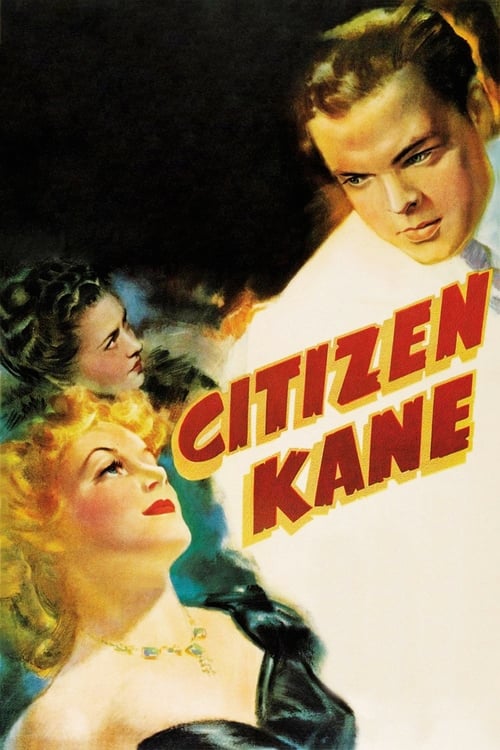
Gallo portrays his protagonist as a babe magnet with a penchant for women whose names are part of the floral family--teenaged Violet, a hooker named Rose (a union of Rose-Bud for a cinephile allusion to "Citizen Kane")--but he seems distracted, unable to commit--even to quick sex.
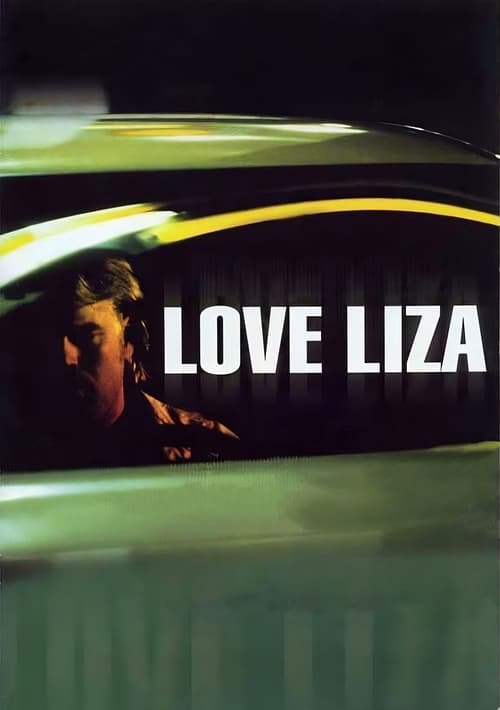
A wearisome, affected amalgamation of Monte Hellman’s prototypical road movie Two-Lane Blacktop and Todd Louiso’s insufferable mope-fest Love Liza , Gallo’s misfire is a work of staggering dullness that, from its somber opening scene in which Bud loses a motorcycle race, repeatedly foreshadows the futility of the main character’s odyssey toward his desperately desired goal.
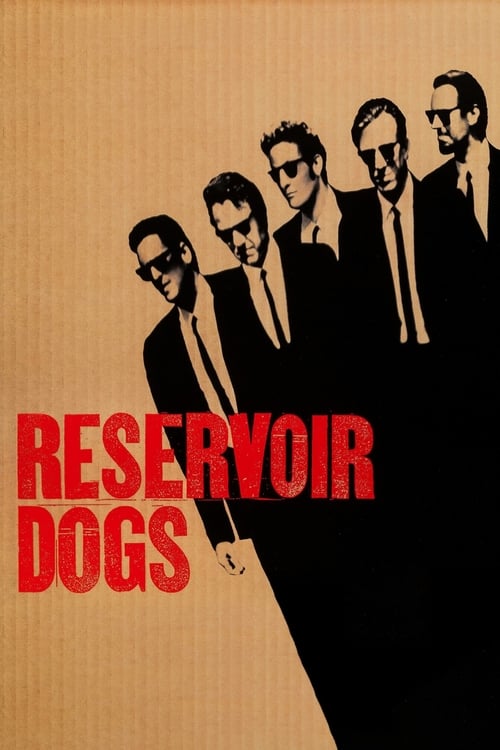
Thanks to the cramped quarters of the motel room and the barely-heard snatches of dialogue muttered by them as they go about this personal act, the scene takes on an intimate context that is impossible to shake or ignore-for me, it felt less like a notorious, attention-getting movie moment (like the ear-slicing in "Reservoir Dogs") and more like walking past an open motel room door and seeing two strangers performing an act with psychological implications that I could only guess at.