
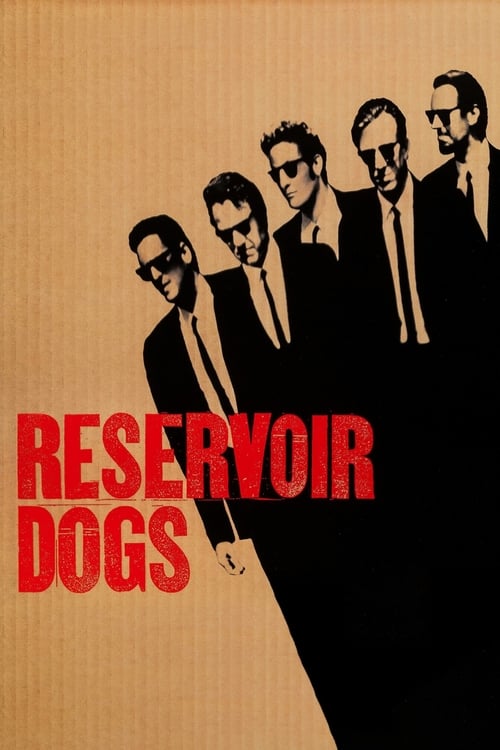
Reservoir Dogs (1992)
Directed by Quentin Tarantino
A botched robbery indicates a police informant, and the pressure mounts in the aftermath at a warehouse. Crime begets violence as the survivors -- veteran Mr. White, newcomer Mr. Orange, psychopathic parolee Mr. Blonde, bickering weasel Mr. Pink and Nice Guy Eddie -- unravel.
17 connections found
View:
17 films that influenced Reservoir Dogs
What critics say influenced Reservoir Dogs
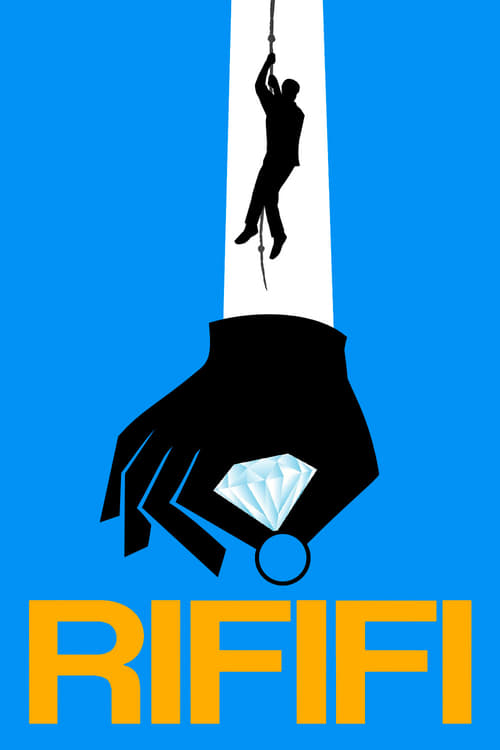


The Paris-set “Rififi” still serves as inspiration for just about every modern assemble-the-team caper movie you can name, “Reservoir Dogs” and “Oceans Eleven” included.
Even though its intricate heist scenes have been recycled in countless other films -- most prominently in the '90s crime pics Reservoir Dogs and The Usual Suspects -- Rififi still dazzles.
The Melville picture was remade twice as " Ocean's Eleven ," and echoes of the Dassin can be found from Kubrick's " The Killing " to Tarantino's " Reservoir Dogs ."
The crime is indeed perfect, the underworld equivalent of a sublime French meal, but as ''Rififi'' goes on, it becomes as savage as ''Reservoir Dogs,'' ''The Killing,'' or any of the other dozens of films over which it still casts a shadow.
Quentin Tarantino has said that this was one of the films that inspired his Reservoir Dogs (1992) and Pulp Fiction (1994).
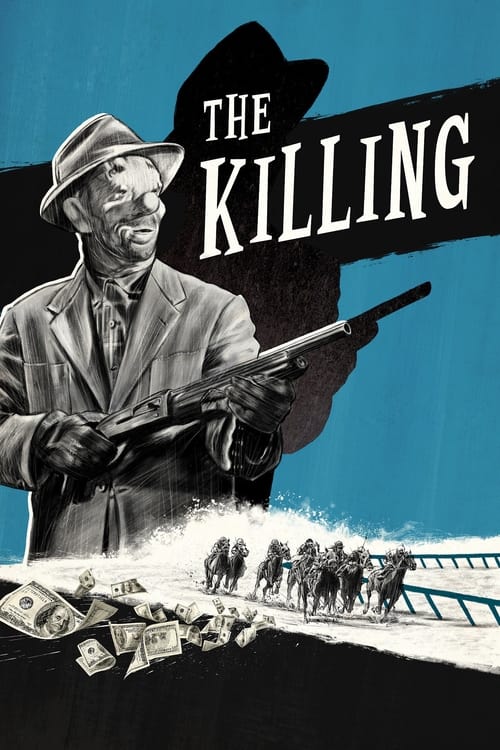
A stunning debut (1992) from writer-director Quentin Tarantino, though a far cry from Stanley Kubrick's 1956 The Killing, to which it clearly owes a debt.
The movie is radically structured, after the fashion of Kubrick's first film, "The Killing," another famous heist movie but one in which the heist was actually shown.
Cribbing a patchwork narrative structure from Kubrick's "The Killing," and adding his own inimatable personal touch, Quentin Tarantino lays the cinematic smack down so forcefully that when tempers erupt and pistols flare, you can smell the gunpowder shooting off all around you.
Tarantino's powerful homage/reworking of the heist-gone-wrong thriller - stealing ideas from Kubrick's The Killing and Scorsese's Mean Streets, among others - is probably the final word (or frame) on the subject.
Told in a non-linear fashion � informing such later films as Reservoir Dogs, though Quentin Tarantino will insist he's not a Kubrick fan � The Killing hops around a heist at a race track, viewing the events from the perspective of various men involved.
Jumping back and forth in time the way Reservoir Dogs would decades later, this hard-boiled gem about a deliriously intricate racetrack robbery stars the wonderfully gruff Sterling Hayden and is plotted with the kind of Swiss-watch precision and attention to detail that would eventually get Kubrick labeled Hollywood's most notorious perfectionist.
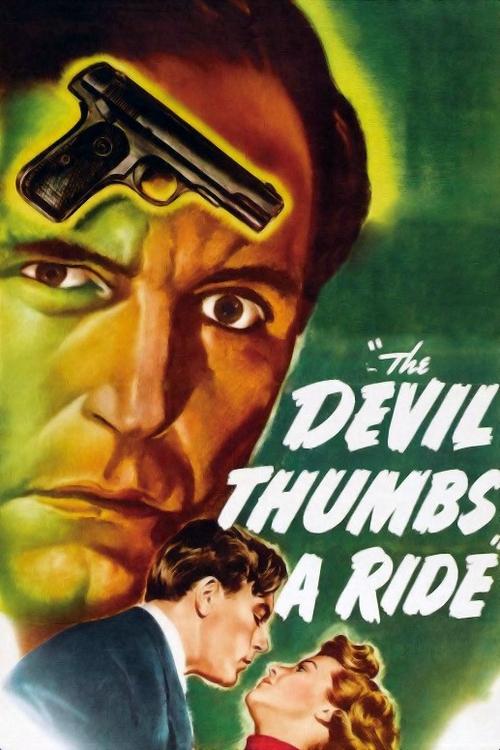
The featurettes "One Big Teddy Bear" (inexplicably set up by Film Threat's Chris Gore) and "The Good the Bad and the Bunker" pay tribute to the late Lawrence Tierney (Dog boss Joe) and the living Eddie Bunker, respectively; Roth, et al basically second Tarantino as he compares Tierney to the irredeemable character he played in 1947's The Devil Thumbs a Ride while Bunker tours L.A., every street name triggering a story from his criminal past.

You have to go back to Henri-Georges Clouzot's 1952 "The Wages of Fear" (recently shown at the Biograph) to recall suspense this relentless.
Advertisement
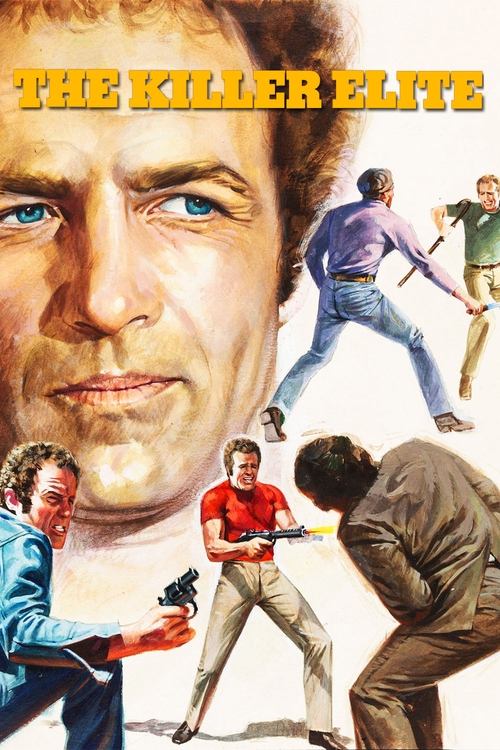
(Peckinpah inspected this terrain in "The Killer Elite" -- and, for that matter, pretty much every film he ever made -- but Bloody Sam was a poet and a romantic and Tarantino isn't.)

Perhaps something akin to seeing Reservoir Dogs or Pulp Fiction for the first time (though I’d argue Peckinpah’s use of violence is more complicated than Tarantino’s).
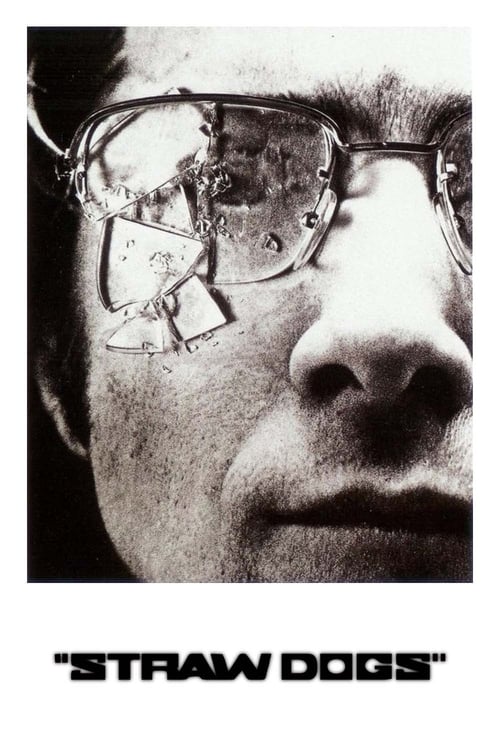
It may also be one of the most aggressively brutal movies since Sam Peckinpah's "Straw Dogs."
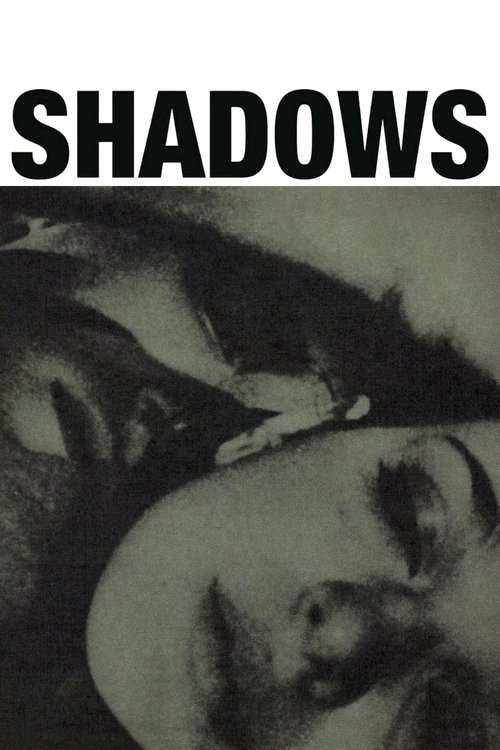
Quentin Tarantino came out of nowhere with perhaps the most astonishing, explosive American debut film since John Cassavetes' Shadows (1959), even if it only played to small, enthusiastic crowds in art houses.
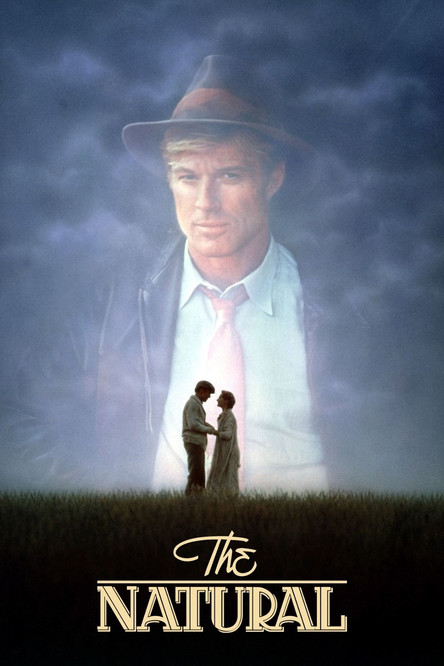
One of the discoveries in the movie is Madsen, who has done a lot of acting over the years (he had a good role in " The Natural ") but here emerges with the kind of really menacing screen presence only a few actors achieve; he can hold his own with the fearsome Tierney, and reminds me a little of a very mean Robert De Niro .
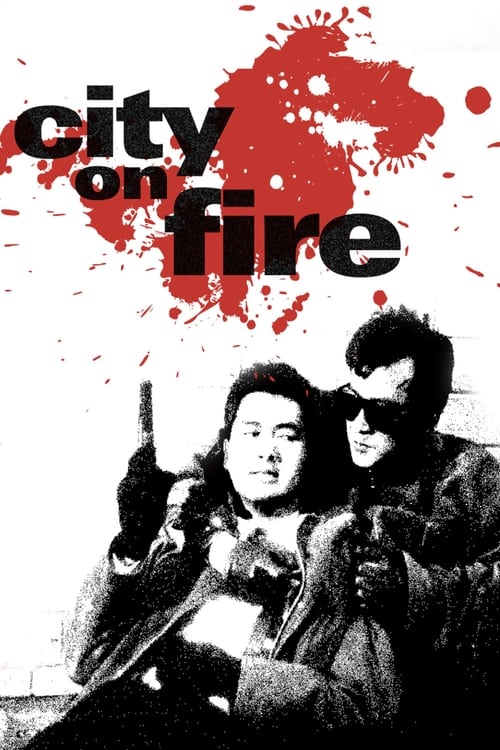
Yes, the film that many consider the most influential of the 1990s reached our televisions uncut and with its reputation intact, in spite of the revelation that it bears more than a passing resemblance to Hong Kong action director Ringo Lam's City on Fire.
Advertisement
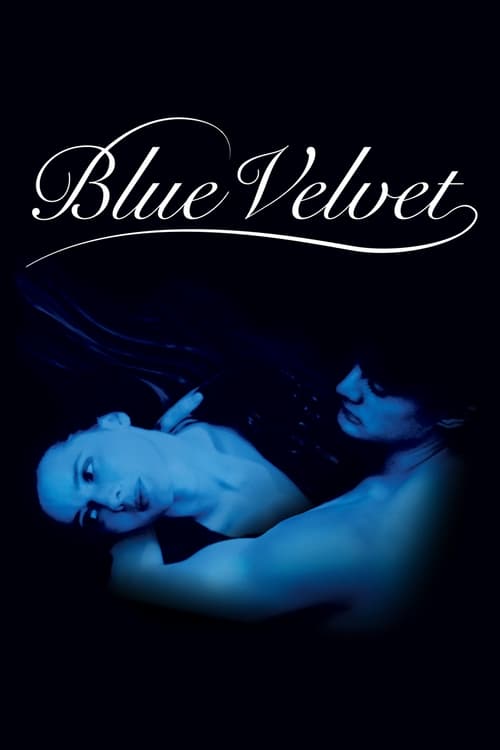
In 1992 Quentin Tarantino did something that hadn't been done since 1986 with David Lynch's "Blue Velvet;" he reinvented cinema.
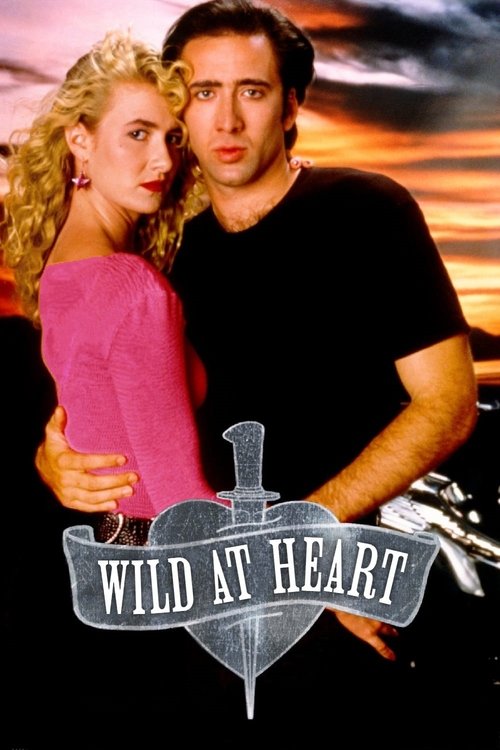
Yet as I thought about True Romance multiple times throughout rewatching Wild At Heart for the retrospective, I began to notice the bigger picture: Wild At Heart is doing exactly what Tarantino had “pioneered” quite a long while before he broke out on the scene with Reservoir Dogs.
It's the "Citizen Kane" of the gag reflex.