
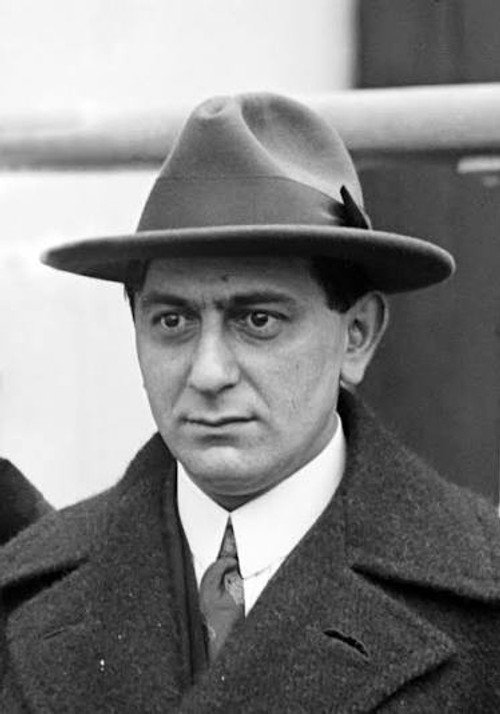
Ernst Lubitsch
25 connections found

View:
Connections, in both directions
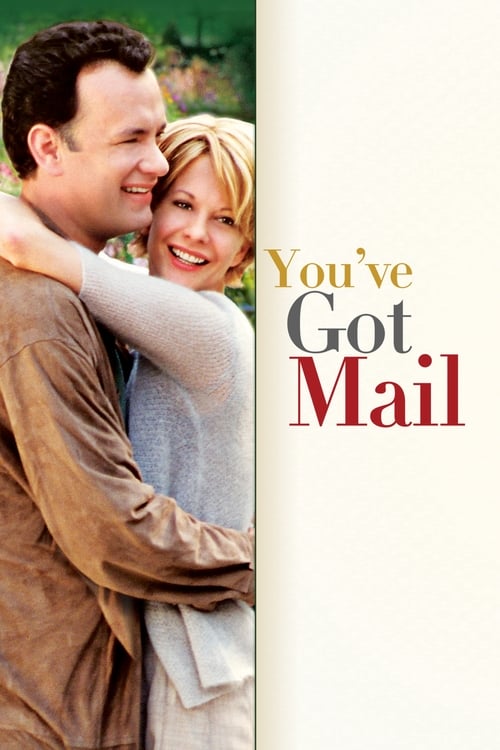


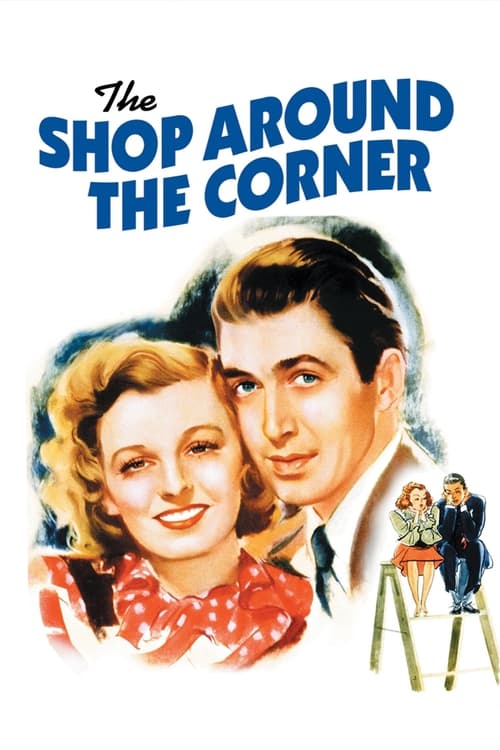
The best thing about You've Got Mail, Nora Ephron's remake of Ernst Lubitsch's delightful The Shop Around the Corner , is that its modernity is mostly for show.
Director Nora Ephron wrote the screenplay with Delia Ephron, based on the 1940 movie The Shop Around the Corner.
(As does its inspiration, The Shop Around the Corner.
Written by Nora and Delia Ephron based on The Shop Around the Corner, screenplay by Samson Raphaelson, and on Parfumerie, a play by Miklós László.
However, in Nora Ephron's latest romantic comedy, You've Got Mail (an update of Ernst Lubitsch's 1940 movie, The Shop Around the Corner), all that's required of these two popular performers is that they effervesce.
Now it's my job to make readers aware of Ernst Lubitsch's The Shop Around the Corner (1940), which writer/director Nora Ephron has remade as You've Got Mail.
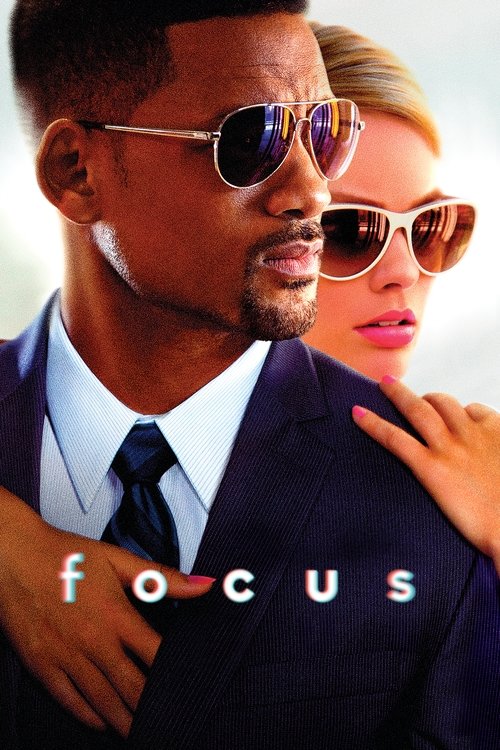
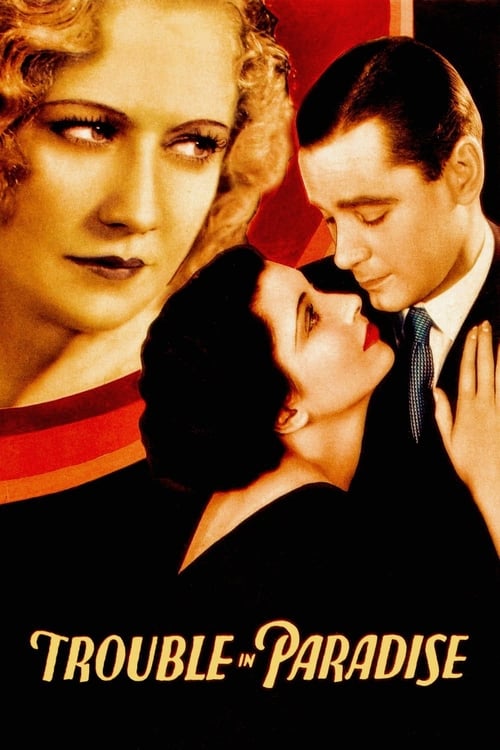
But really, Focus is more about the sensation of having your wallet lifted by a pickpocket with nimble fingers; as Herbert Marshall tells Miriam Hopkins in 1932’s Trouble In Paradise , the definitive romance-among-thieves comedy, after she takes his wallet, “You tickled me.”
When it turns out she’s in the game herself it leads to a couple of amusing scenes including one that–for film buffs with long memories–may recall the “meet cute” in “Trouble in Paradise” (1932).
My first suggestion would be to check out Ernest Lubitsch’s “Trouble in Paradise,” a 1932 comedy that asked and answered that exact question.
Being both beautiful people, it only makes sense that they would wind up in bed together after picking each other’s pockets (in an unearned allusion to the great Ernest Lubitsch’s 1932 screwball gem Trouble in Paradise).
A romantic caper stocked with con artists, good looks but little sizzle, Focus is no Trouble in Paradise, House of Games or The Grifters.
This comic thriller begins as a twist on the classic crime romance “Trouble in Paradise”: two smooth grifters, the veteran Nicky (Will Smith) and the novice Jess (Margot Robbie), pick each other’s pockets and thus seal a partnership made in heaven.
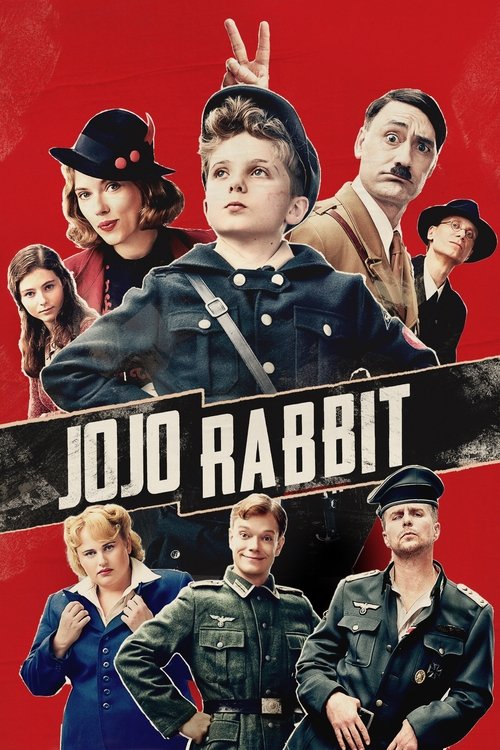
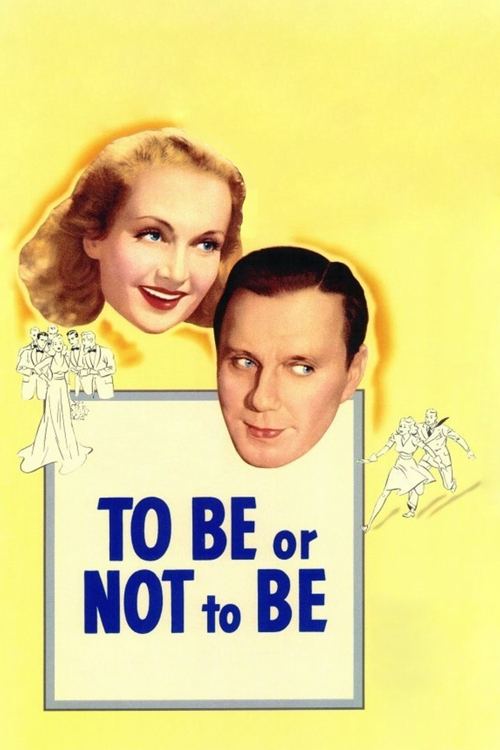
But of course, absurd as the idea may seem, some attempts to wring humor from the horrors of Nazi Germany have stood the test of time: Charlie Chaplin’s “The Great Dictator,” Ernst Lubitsch’s “To Be or Not To Be,” Mel Brooks’ “The Producers,” and Roberto Benigni’s “Life Is Beautiful,” to name a few.
(They needed it in their era, and got it, not least, in Hollywood, from the German-Jewish director Ernst Lubitsch, in the film “To Be or Not to Be.”) Today, making fun of Hitler and his minions is both easy and pointless, because he poses no threat; Waititi is kicking a dead bull.
Jojo Rabbit stands on the shoulders of other satires in film history like 1940’s The Great Dictator by Charlie Chaplin, and 1942’s To Be or Not to Be by Ernst Lubitsch, but there are ways in which the film approaches the subject of the holocaust and antisemitism in novel ways, not least in how it parallels the blind acceptance of bigoted, toxic ideas happening today.
Still, Brooks was only adding a brasher twist to what Chaplin had already done in The Great Dictator and Lubitsch in To Be or Not to Be.
Some of our greatest comedy directors, from Charles Chaplin (“The Great Dictator”) to Ernst Lubitsch (the brilliant “To Be or Not to Be”) to Mel Brooks (“The Producers”), have used der Fuhrer as a figure of fun, trying, perhaps, to make a monster more manageable by having a laugh at his expense.

On Lubitsch, rather than any one film
…and more like “Home Alone” (1990) via Ernst Lubitsch and Julia Ducournau.
It also riffs on Capra, Wilder, Hawks, and Lubitsch.
Jury president Greta Gerwig said the picture reminded her of the “classic structures of Ernst Lubitsch or Howard Hawks”.
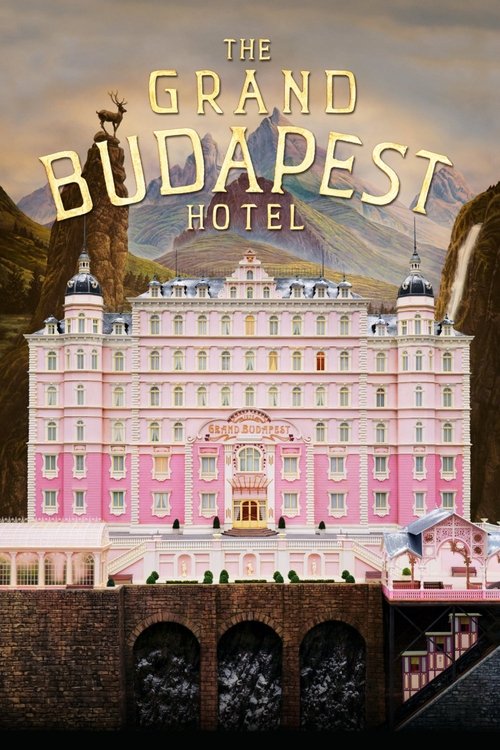
The Grand Budapest Hotel (2014)
Directed by Wes Anderson
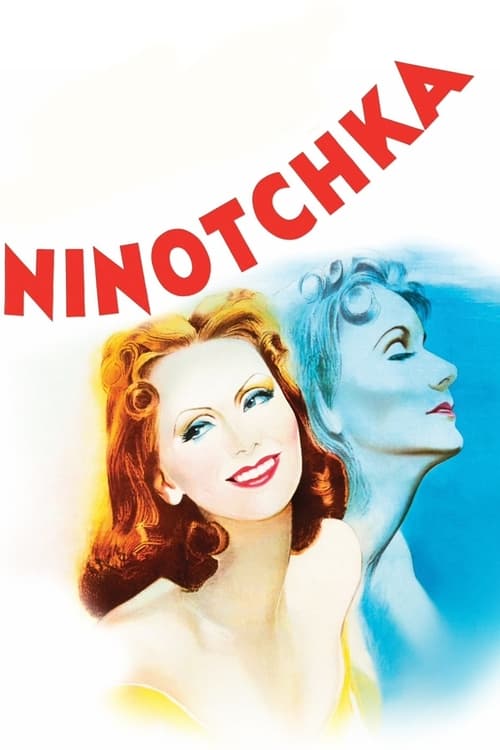
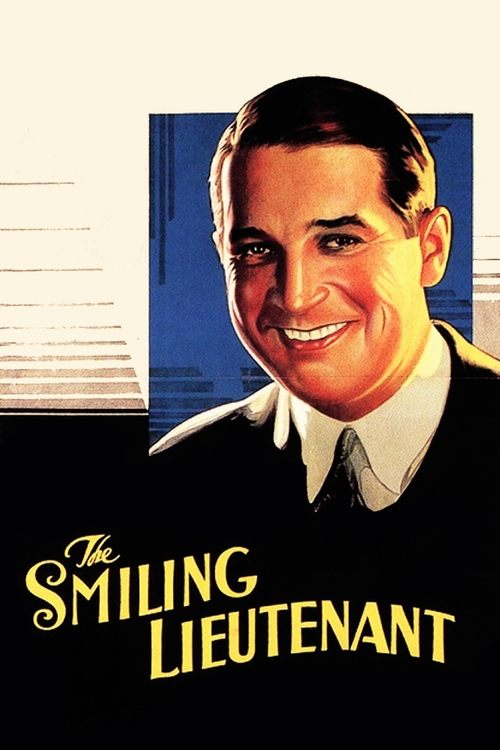
influenced by To Be or Not to Be (1942), Ninotchka (1939), The Smiling Lieutenant (1931), Trouble in Paradise (1932)
Visuals Themes
To find its ancient equivalents, you would consult Ernst Lubitsch’s comedies of the ’30s and ’40s (Trouble in Paradise, Ninotchka, To Be or Not to Be), made in Hollywood but set in Europe, and the ’40s and ’50s dramas directed by Max Ophuls, particularly La Ronde and Letter From an Unknown Woman.
But it also owes a good deal to the work of Ernst Lubitsch, especially “To Be or Not to Be,” which found humor and sophistication even against the backdrop of the Nazi takeover of Poland.
Inspired by the work of the Viennese writer Stefan Zweig, and by the films of Ernst Lubitsch, especially To Be or Not to Be and Ninotchka (isn't that Melvyn Douglas' mustache Fiennes is wearing?)…
Her death sets in motion a plot that strains—against perfectly framed interiors ablaze in orange, purple, pink, red, and lavender—to reach the supple yet sober screwball of Ernst Lubitsch’s To Be or Not to Be (1942), his comedy about the Nazi invasion of Poland.
Bold balderdash and elevated deadpan, its most ready surface influence would appear to be heady expatriate confections like “To Be Or Not To Be,” and other films of that time that do not stint on looming shadows in faux-European studio settings.
To find its ancient equivalents, you would consult Ernst Lubitsch’s comedies of the ’30s and ’40s (Trouble in Paradise, Ninotchka, To Be or Not to Be), made in Hollywood but set in Europe, and the ’40s and ’50s dramas directed by Max Ophuls, particularly La Ronde and Letter From an Unknown Woman.
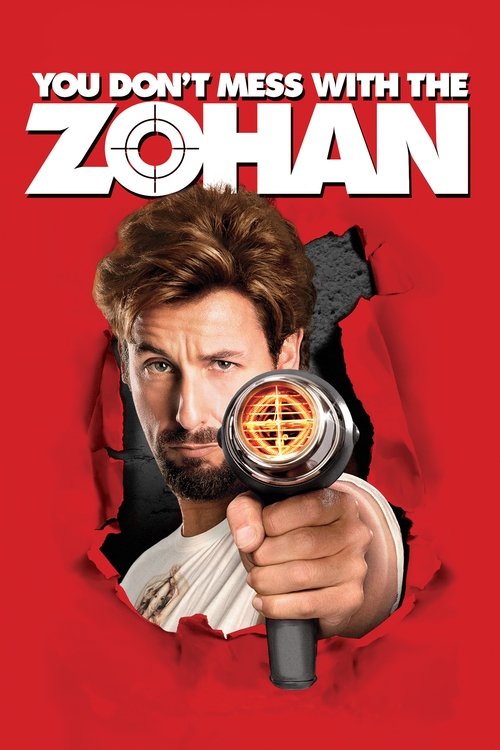
You Don't Mess with the Zohan (2008)
Directed by Dennis Dugan
influenced by To Be or Not to Be (1942)
Themes
Ernst Lubitsch's "To Be or Not to Be" brilliantly and sophisticatedly skewered the Nazis.
If Ernst Lubitsch could make fun of Nazis in "To Be or Not to Be" (1942) and Charlie Chaplin could parody Hitler in "The Great Dictator" (1940), why shouldn't Sandler go for the brass ring in "You Don't Mess With the Zohan?" Whenever there's something people fear, that they don't even want to think about, that's an opportunity for comedy.

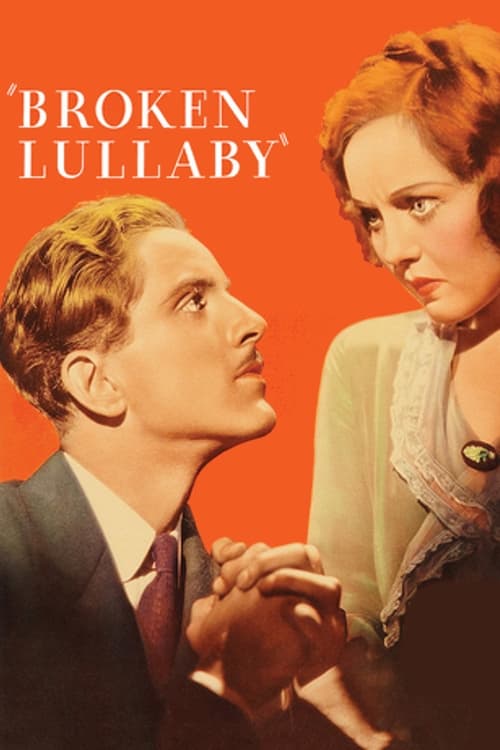
It at least dates back to Ernst Lubitsch’s Broken Lullaby (1932), where the French soldier who killed a German family’s son visits the family and accidentally becomes a second son to them.
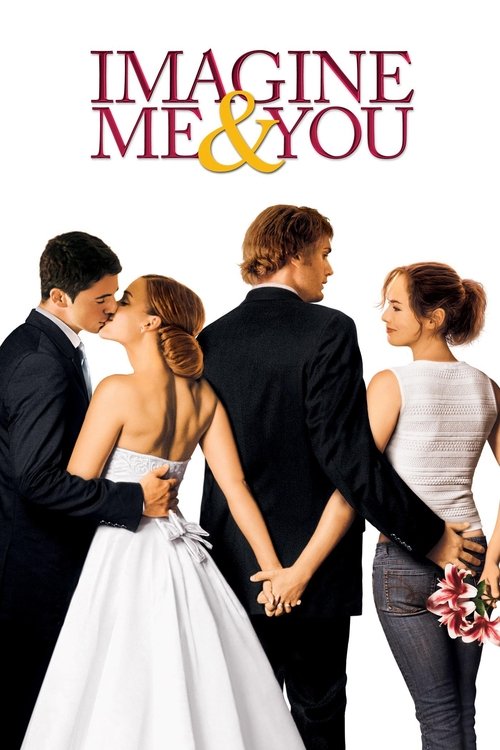
In the earliest days of romantic comedy, filmmakers Frank Capra (Platinum Blonde) and Ernst Lubitsch (The Smiling Lieutenant) told stories of married people falling in love with outside parties.
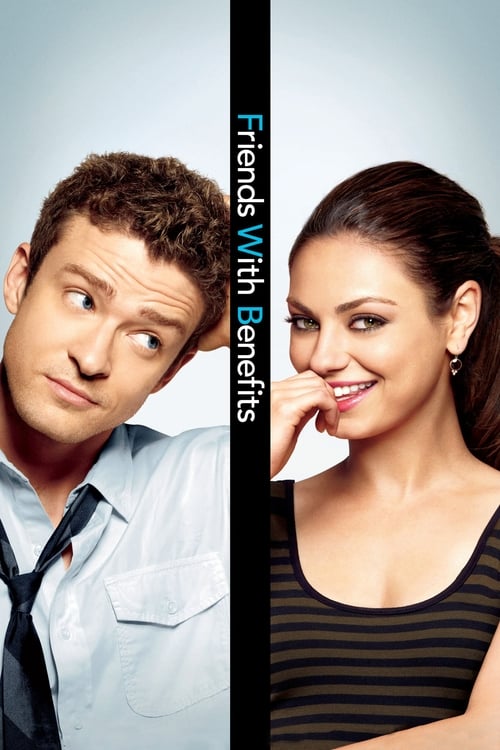
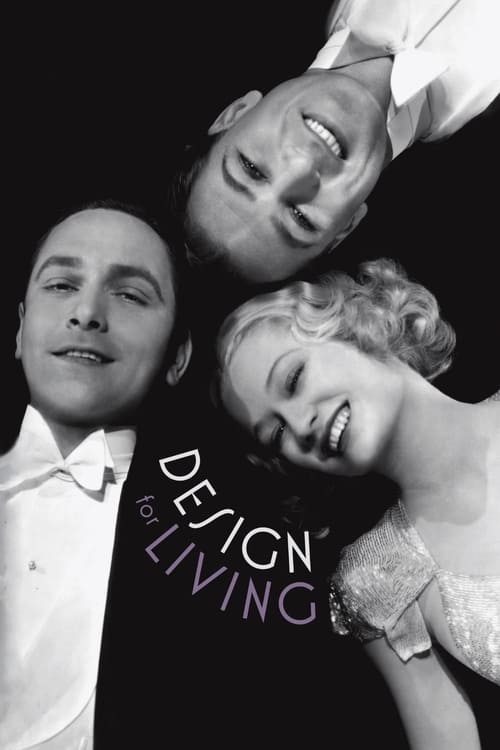
There's a brief shot here where the 1969 bed-hopping wife-swapping comedy " Bob & Carol & Ted & Alice " is on in the background, and those who think that the arrangement presented here is especially moderno scandalous should check out the three-partner pact in 1933's " Design for Living ," where Gary Cooper and Fredric March share the affection of Miriam Hopkins .
If Hollywood tried to remake this movie today, they would probably take the ménage à trois set-up and strip away all the depth, so it cold be reduced to a high-concept piece of crap like Friends With Benefits .
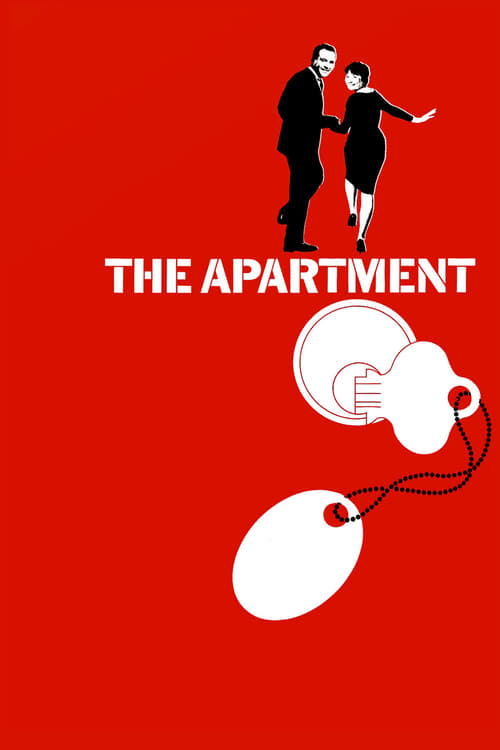
The Apartment (1960)
Directed by Billy Wilder
influenced by The Shop Around the Corner (1940), Ninotchka (1939)
Themes
…long with Ernst Lubitsch's The Shop Around the Corner (1940), Billy Wilder's 1960 Oscar-sweeper The Apartment elevates the workplace romance into a sublime erotics of officious addresses (the omnipresent Mister and Miss) and economic conundrum.
Even, for that matter, in "Ninotchka" it is the women who are driving the plot.
To say that this is Wilder and Diamond’s best screenplay would invite argument; after all, Diamond co-wrote Wilder’s “Some Like It Hot,” while Wilder also wrote or co-wrote “Ninotchka,” “Double Indemnity,” “Sunset Boulevard,” “The Lost Weekend,” “Stalag 17”... you get the idea.
There are whiffs of Preston Sturges in the strong, willful female characters and rumbustious physical and interpersonal comedy, as well as the element of the virtuoso scammers scamming other scammers hailing toward both Sturges’ “The Lady Eve” and the definitive comedy clockwork of Ernst Lubitsch and Samson Raphaelson’s “Trouble in Paradise.”
A cynic might suggest that Netflix should have taken a leaf out of the (very musty) “Ninotchka” playbook when that film’s posters informed the public that “Garbo laughs” to promote Greta Garbo’s transition to comedy in 1939.
But Baumbach has suggested that some of the staginess of the performances may have been deliberate, citing his research into Ernst Lubitsch’s To Be or Not to Be (1942) and other screwball comedies in which the story hinges on two characters whose relationship extends both to work and love.
Chaplin managed it—just—with The Great Dictator, as did Lubitsch two years later, with To Be or Not to Be .

Inglourious Basterds (2009)
Directed by Quentin Tarantino
influenced by To Be or Not to Be (1942)
Visuals
Imagine To Be or Not to Be, set in a Paris cinema, with the aesthetic ruthlessness of The Wild Bunch.
The template for this kind of movie could be To Be Or Not To Be, Ernst Lubitsch's 1942 comedy about a troupe of Jewish actors caught up in the Nazi takeover of Poland.
Eyes Wide Shut (1999)
Directed by Stanley Kubrick
influenced by To Be or Not to Be (1942), The Shop Around the Corner (1940)
At the funeral of Ernst Lubitsch, the great director of "To Be or Not to Be" and "The Shop Around the Corner," Billy Wilder is said to have exclaimed, "No more Lubitsch!"
At the funeral of Ernst Lubitsch, the great director of "To Be or Not to Be" and "The Shop Around the Corner," Billy Wilder is said to have exclaimed, "No more Lubitsch!"
Ernst Lubitsch and his writers made Communism funny in "Ninotchka," and writer-director Preston Sturges took on political corruption in "The Great McGinty" and poverty and incarceration in "Sullivan's Travels."
The Man from U.N.C.L.E. (2015)
Directed by Guy Ritchie
influenced by To Be or Not to Be (1942)
Themes
We've been laughing at and booing Nazis for decades in such comic fare as To Be or Not to Be (1942), The Great Dictator (1940), and The Producers (1967).
…a little bit The Lady Eve, a little bit The Shop Around the Corner…