
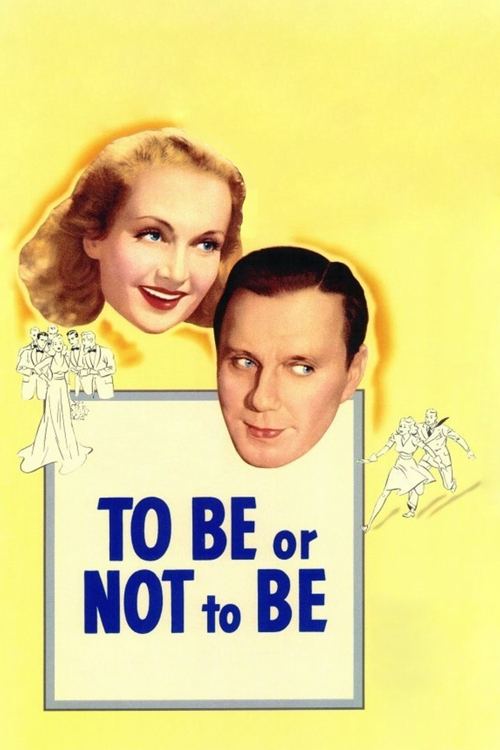
To Be or Not to Be (1942)
Directed by Ernst Lubitsch
During the Nazi occupation of Poland, an acting troupe becomes embroiled in a Polish soldier's efforts to track down a German spy.
9 connections found
View:
9 connections, in both directions
What critics compared To Be or Not to Be to
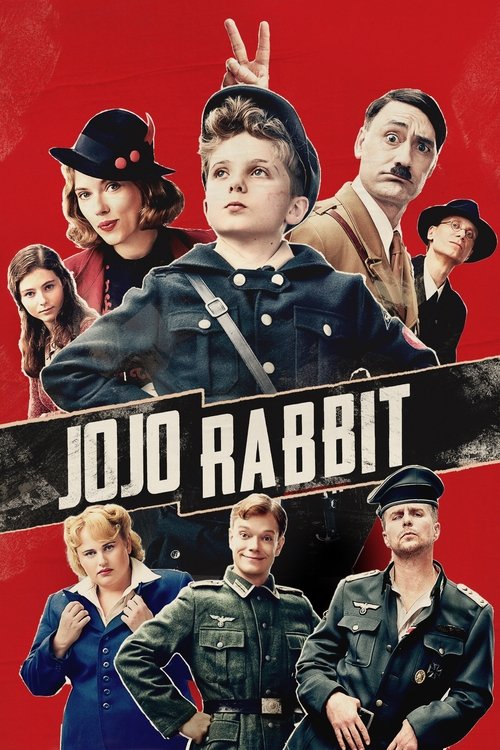


But of course, absurd as the idea may seem, some attempts to wring humor from the horrors of Nazi Germany have stood the test of time: Charlie Chaplin’s “The Great Dictator,” Ernst Lubitsch’s “To Be or Not To Be,” Mel Brooks’ “The Producers,” and Roberto Benigni’s “Life Is Beautiful,” to name a few.
(They needed it in their era, and got it, not least, in Hollywood, from the German-Jewish director Ernst Lubitsch, in the film “To Be or Not to Be.”) Today, making fun of Hitler and his minions is both easy and pointless, because he poses no threat; Waititi is kicking a dead bull.
Jojo Rabbit stands on the shoulders of other satires in film history like 1940’s The Great Dictator by Charlie Chaplin, and 1942’s To Be or Not to Be by Ernst Lubitsch, but there are ways in which the film approaches the subject of the holocaust and antisemitism in novel ways, not least in how it parallels the blind acceptance of bigoted, toxic ideas happening today.
Still, Brooks was only adding a brasher twist to what Chaplin had already done in The Great Dictator and Lubitsch in To Be or Not to Be.
Some of our greatest comedy directors, from Charles Chaplin (“The Great Dictator”) to Ernst Lubitsch (the brilliant “To Be or Not to Be”) to Mel Brooks (“The Producers”), have used der Fuhrer as a figure of fun, trying, perhaps, to make a monster more manageable by having a laugh at his expense.
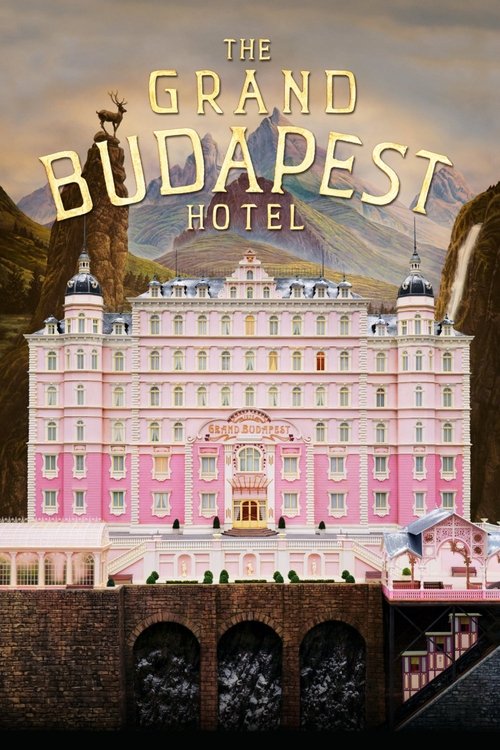
To find its ancient equivalents, you would consult Ernst Lubitsch’s comedies of the ’30s and ’40s (Trouble in Paradise, Ninotchka, To Be or Not to Be), made in Hollywood but set in Europe, and the ’40s and ’50s dramas directed by Max Ophuls, particularly La Ronde and Letter From an Unknown Woman.
But it also owes a good deal to the work of Ernst Lubitsch, especially “To Be or Not to Be,” which found humor and sophistication even against the backdrop of the Nazi takeover of Poland.
Inspired by the work of the Viennese writer Stefan Zweig, and by the films of Ernst Lubitsch, especially To Be or Not to Be and Ninotchka (isn't that Melvyn Douglas' mustache Fiennes is wearing?)…
Her death sets in motion a plot that strains—against perfectly framed interiors ablaze in orange, purple, pink, red, and lavender—to reach the supple yet sober screwball of Ernst Lubitsch’s To Be or Not to Be (1942), his comedy about the Nazi invasion of Poland.
Bold balderdash and elevated deadpan, its most ready surface influence would appear to be heady expatriate confections like “To Be Or Not To Be,” and other films of that time that do not stint on looming shadows in faux-European studio settings.
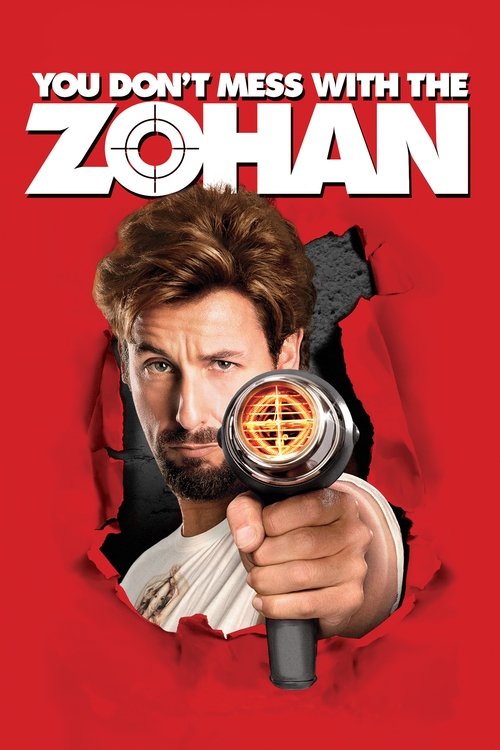
Ernst Lubitsch's "To Be or Not to Be" brilliantly and sophisticatedly skewered the Nazis.
If Ernst Lubitsch could make fun of Nazis in "To Be or Not to Be" (1942) and Charlie Chaplin could parody Hitler in "The Great Dictator" (1940), why shouldn't Sandler go for the brass ring in "You Don't Mess With the Zohan?" Whenever there's something people fear, that they don't even want to think about, that's an opportunity for comedy.
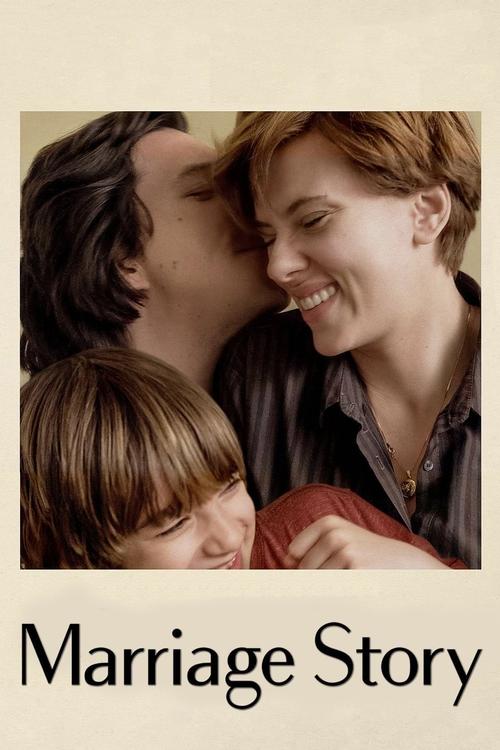
But Baumbach has suggested that some of the staginess of the performances may have been deliberate, citing his research into Ernst Lubitsch’s To Be or Not to Be (1942) and other screwball comedies in which the story hinges on two characters whose relationship extends both to work and love.
Advertisement
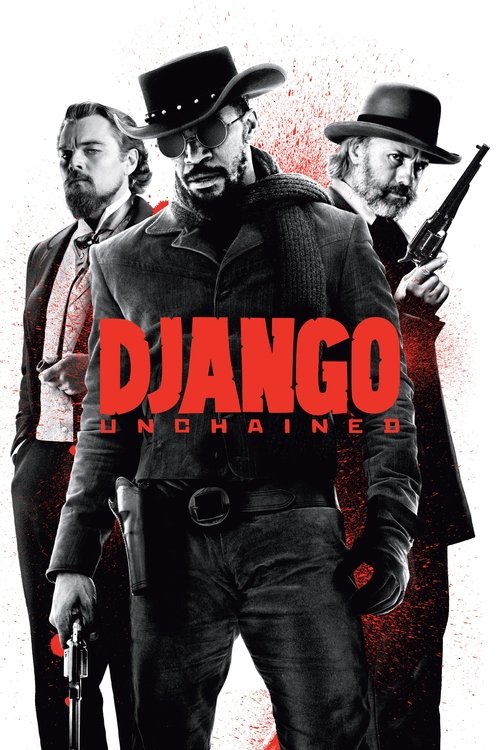
Chaplin managed it—just—with The Great Dictator, as did Lubitsch two years later, with To Be or Not to Be .

Imagine To Be or Not to Be, set in a Paris cinema, with the aesthetic ruthlessness of The Wild Bunch.
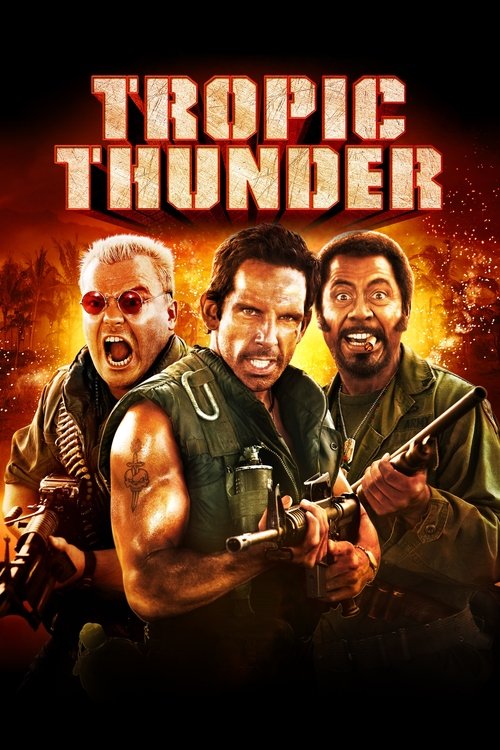
The template for this kind of movie could be To Be Or Not To Be, Ernst Lubitsch's 1942 comedy about a troupe of Jewish actors caught up in the Nazi takeover of Poland.
At the funeral of Ernst Lubitsch, the great director of "To Be or Not to Be" and "The Shop Around the Corner," Billy Wilder is said to have exclaimed, "No more Lubitsch!"
We've been laughing at and booing Nazis for decades in such comic fare as To Be or Not to Be (1942), The Great Dictator (1940), and The Producers (1967).