
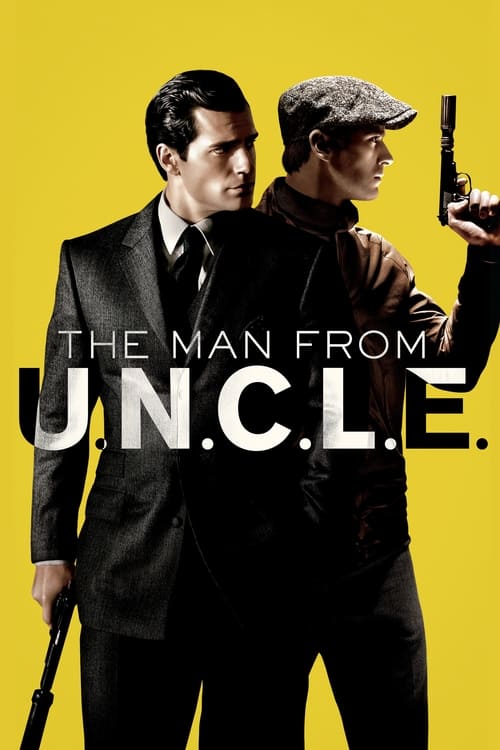
The Man from U.N.C.L.E. (2015)
Directed by Guy Ritchie
At the height of the Cold War, a mysterious criminal organization plans to use nuclear weapons and technology to upset the fragile balance of power between the United States and Soviet Union. CIA agent Napoleon Solo and KGB agent Illya Kuryakin are forced to put aside their hostilities and work together to stop the evildoers in their tracks. The duo's only lead is the daughter of a missing German scientist, whom they must find soon to prevent a global catastrophe.
48 connections found
View:
48 films that influenced The Man from U.N.C.L.E.
What critics say influenced The Man from U.N.C.L.E.
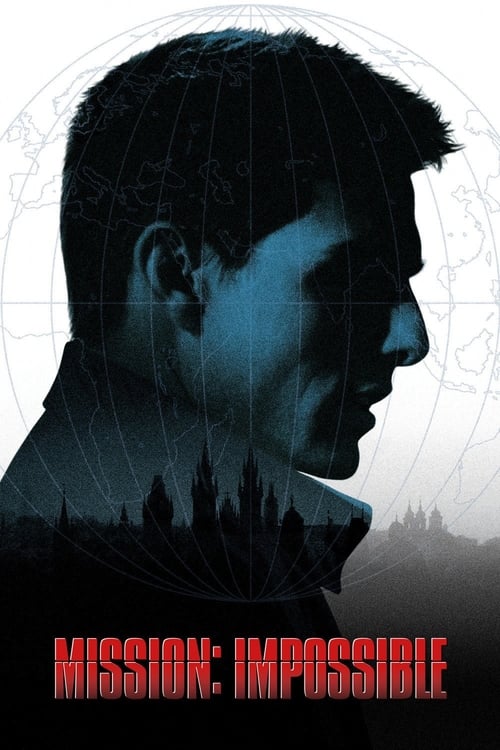


He revels in the period detail (split-screen, Nina Simone on the soundtrack), and it's a canny move to locate U.N.C.L.E. in the same period as the original show, setting it apart from franchises like Bourne , Mission: Impossible and even contemporary Bond.
Unlike “Mission: Impossible,” another rebooted ’60s title now on screens, “U.N.C.L.E” had no catchy theme and no lasting cultural impact.
A movie version has been kicking around for development hell for decades -- George Clooney and Tom Cruise were rumored at various times to play dashing spy Napoleon Solo -- but unlike "Mission: Impossible" or the James Bond movies, there's no attempt at an update and no firm decision on whether to play it straight or camp it up and go all self-referential.
As the show no longer has much cultural currency, Ritchie doesn’t feel the need to pay due deference (no big deal in itself; neither did Tom Cruise with Mission: Impossible ), but he doesn’t establish the significance of the film’s acronymic title in a way that either justifies the ending or Hugh Grant’s casting as this secret organisation’s head.
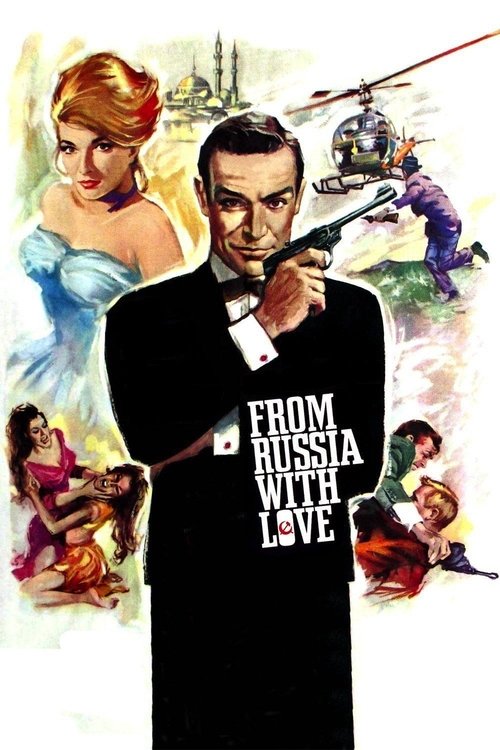
Guy Ritchie’s feature film version doesn’t so much capture the exact way the TV show was (at all, really), but it does offer the most stylish movie depiction of 1960s spies in a mixture akin to From Russia with Love and In Like Flint.
(He’d have looked great with the plutonium hues of Robert Shaw in From Russia With Love.)
This despite orders from both of their superiors to eliminate one another if necessary, passing up an incredible opportunity later in the film for a “From Russia With Love”-like fight scene (that film’s epic train tussle comes to mind) — or a more overt display of whatever physical urge these two metrosexual men from U.N.C.L.E.
Their escape is almost foiled by a Soviet agent (Armie Hammer), who with his slow-burn, hulking presence and almost superhuman strength seems a close relation to Robert Shaw’s assassin in “From Russia With Love.”
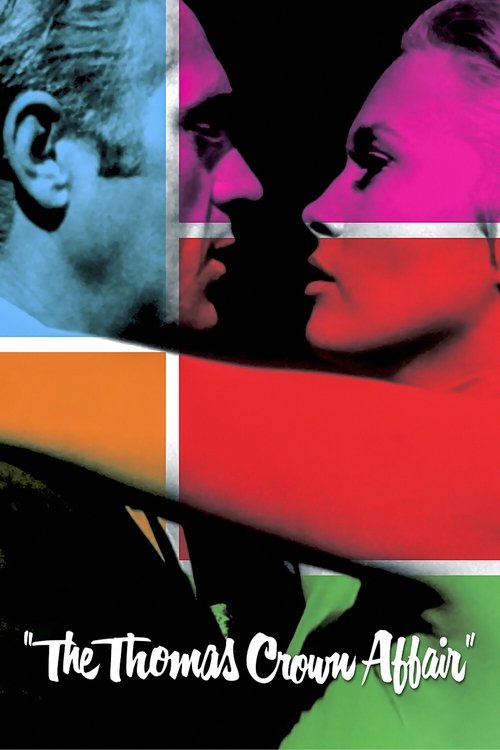
Set in Europe in the early 1960s, it exhibits meticulous care in terms of its costumes, sets and cinematography, creating a sumptuous cinematic environment more reminiscent of Norman Jewison’s The Thomas Crown Affair or vintage Bond than the clunky TV show from which it takes its name and lead character.
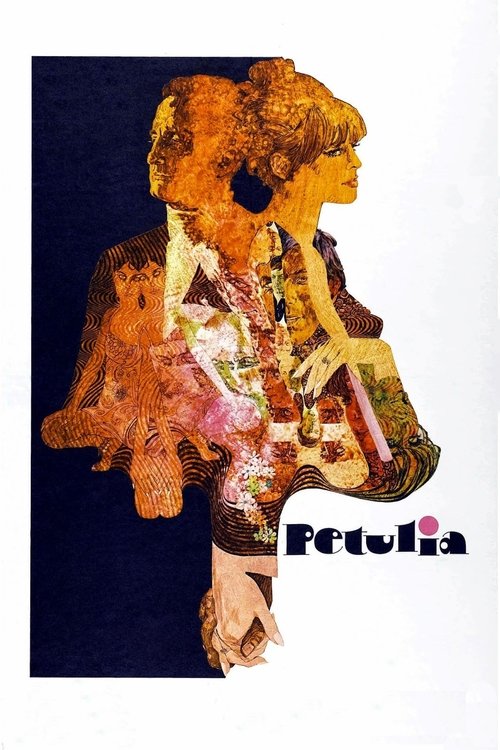
And as skillful and attractive as Vikander is (during one section her hairdo and wardrobe make her a near-dead ringer for Julie Christie in Petulia), her character also comes off as too serious and narrowly conceived for too long, putting a damper on the blend of legitimate threat and sophisticated hijinks that Ritchie is trying to achieve.
Advertisement
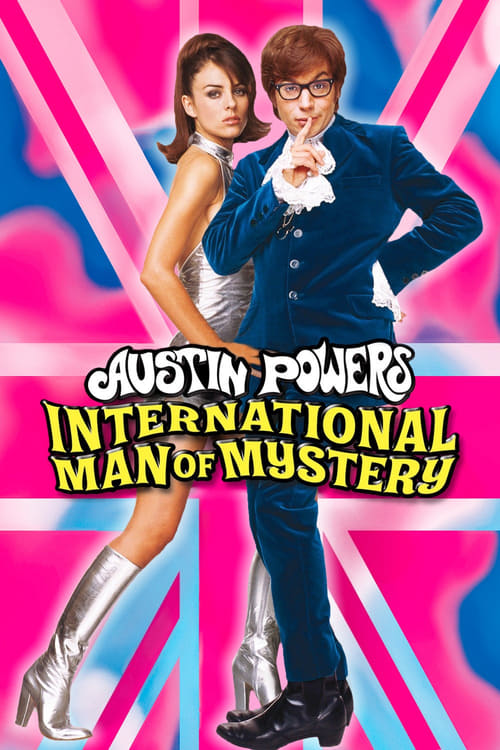
But instead of taking his usual wham-bam approach, director and co-writer Guy Ritchie (the “Sherlock Holmes” movies starring Robert Downey Jr.) delivers a surprisingly sophisticated film that nods to ’60s cinema and culture while steering clear of “Austin Powers”-style excess.
The villains (Luca Calvani and Elizabeth Debicki) are boring, and the plot is exactly the sort of thing that the Austin Powers movies were created to parody.
Perhaps Ritchie and cinematographer John Mathieson were wary of getting too close to Austin Powers-like parody or the bright Technicolor of the ’60s themselves, but U.N.C.L.E. is all gray, some dark blues and browns, and a splash of maroon every now and then.
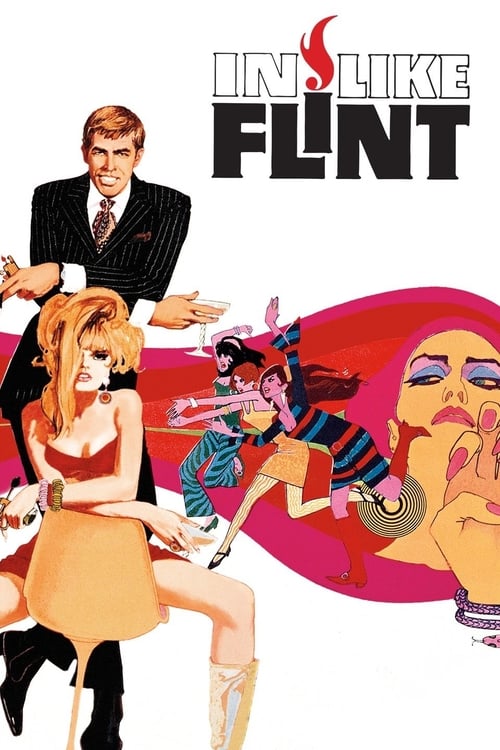
Guy Ritchie’s feature film version doesn’t so much capture the exact way the TV show was (at all, really), but it does offer the most stylish movie depiction of 1960s spies in a mixture akin to From Russia with Love and In Like Flint.
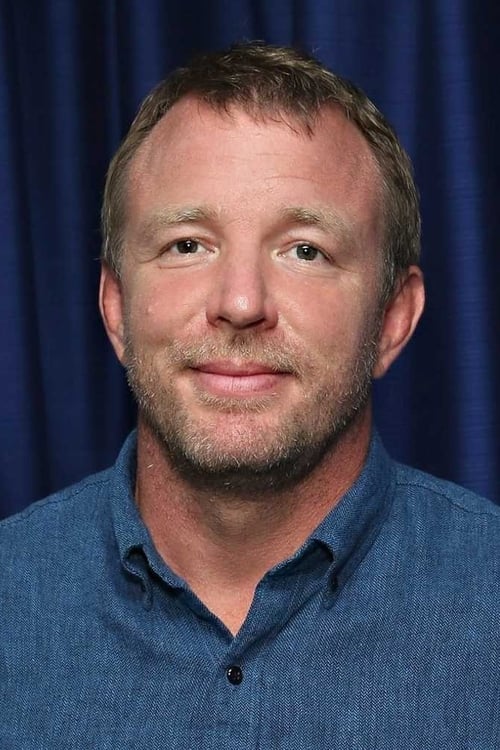
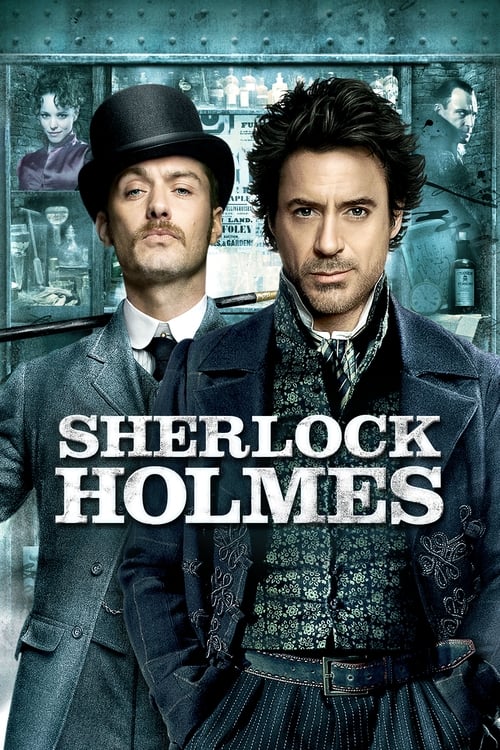
There are plenty of stunts snazzily directed by Ritchie with zip and '60-style split-screen - not too overdone - matching the gloss and dynamism of his Sherlock Holmes movies (Kuryakin's anger-response mutes the sound and slows things down, echoing the technique Ritchie used to illustrate Holmes' fifth sense).
But at its most faithful, the movie, much like Ritchie’s Sherlock Holmes offerings, often feels like the work of a moderately talented fan fiction writer throwing around a mix of light nods to the source material and heavy-handed bursts of homoeroticism (which the show did better, anyway).
Filmmaker Guy Ritchie has had trouble grasping that concept in the past ("Sherlock Holmes" etc.), but he finally finds the right balance in this adaptation of the popular '60s TV series.
This new film may not quite match the intensity or excitement of the Tom Cruise vehicle, but it's nevertheless a worthwhile endeavor, with Ritchie toning down the spastic shooting style that all but destroyed his Sherlock Holmes films with Robert Downey Jr. That's not to say he's become as nondescript a filmmaker as, say, his fellow Brit, the late Richard Attenborough, but the technical flourishes displayed in The Man from U.N.C.L.E.
But instead of taking his usual wham-bam approach, director and co-writer Guy Ritchie (the “Sherlock Holmes” movies starring Robert Downey Jr.) delivers a surprisingly sophisticated film that nods to ’60s cinema and culture while steering clear of “Austin Powers”-style excess.
Cowriter (with Lionel Wigram, "Sherlock Holmes")/director Guy Ritchie ("Snatch") began his career with Indie British gangster films whose kinetic energy gave them a definitive stamp.
Then he paired up with then-wife Madonna for an ill-advised remake of "Swept Away" and things haven't been the same since.
Ritchie, whose career nearly sank after his remake of Italian director Lina Wertmuller’s Mediterranean-isle-story Swept Away flopped, apparently never lost his amore for the country of cappuccino.
It's a professional job, and nobody does themselves much dishonor (Cavill isn't Grant or even Rock Hudson, but he's not a stiff either; Hammer and Vikander have been better elsewhere) and The Man From U.N.C.L.E. is likely to be received by moviegoers younger than I as of a piece with the director's post-Swept Away oeuvre -- loud and buzzy and testosterone-soaked.
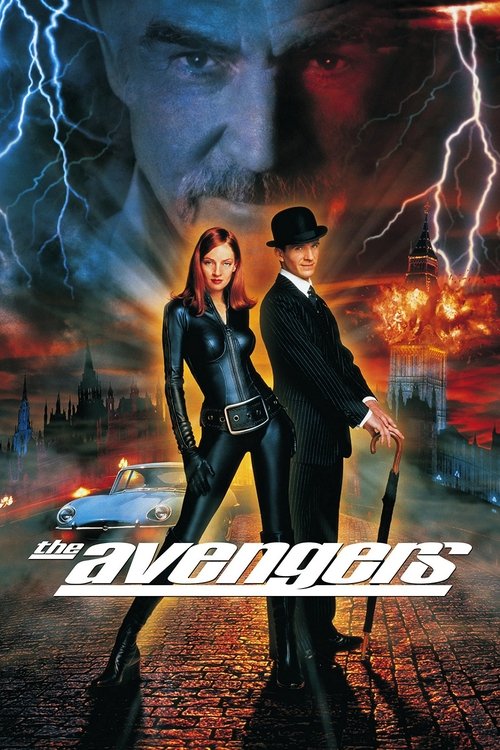
Terrible reviews and public indifference not only contributed to the demise of The Avengers but caused studios to steer clear of a similar treatment for The Man from U.N.C.L.E.
Advertisement
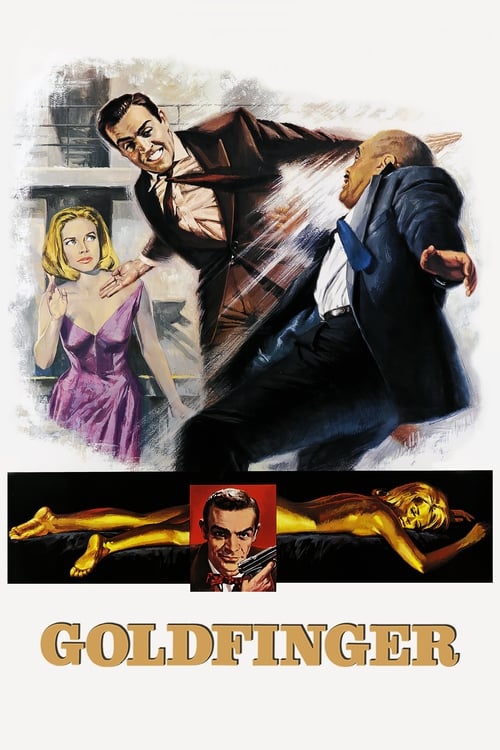
James Bond creator Ian Fleming famously contributed Solo’s name (and virtually nothing else), and since TV’s answer to Bond arrived the same year as Goldfinger , U.N.C.L.E.
TV show, which aired from 1964 to 1968, was a riff on the early Bond films (it debuted the same month that Goldfinger launched a worldwide Bond-mania).
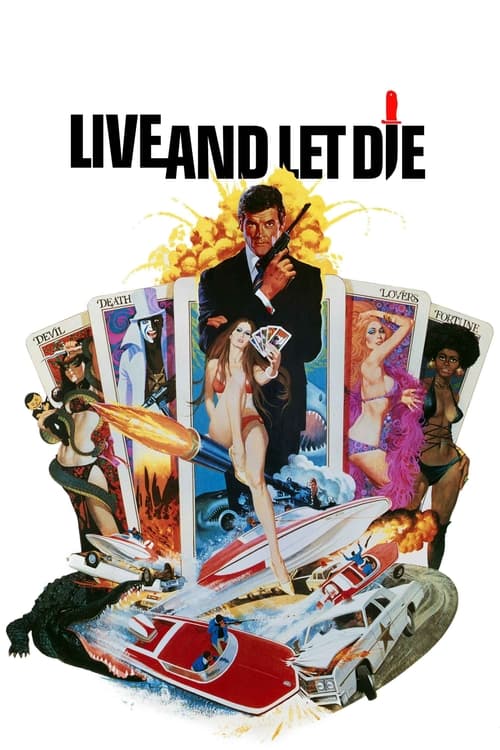
The opening set-piece, in which US agent Napoleon Solo (all of Henry Cavill, every bit of him) flees Soviet bashing-machine Illya Kuryakin (the even more substantial Armie Hammer) across the old East Berlin is, for this writer, the best hunk of Bond action since Roger Moore danced across crocodiles in Live and Let Die.
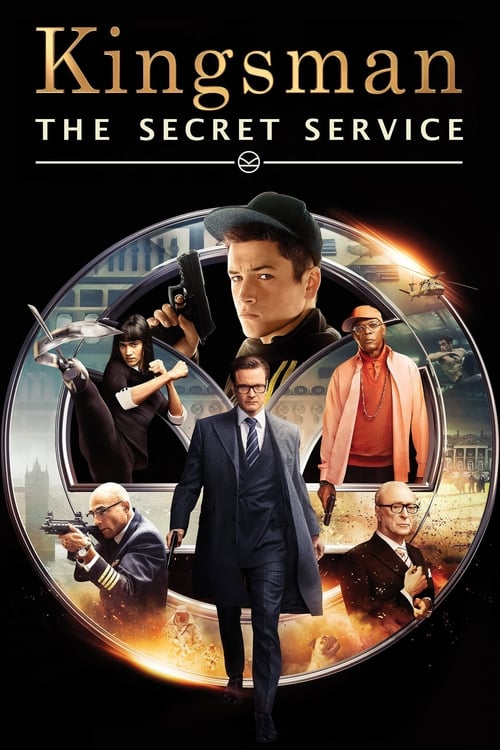
It isn’t as wild a ride as this year’s Kingsman: The Secret Service (which actually referenced the TV show), but it may just be more intelligent.
It’s been compared to the Bond films, inevitably, and the comparisons certainly ring true (just don’t expect any Daniel Craig-era brooding), but this is a far funnier film than Kingsman: The Secret Service, which was more farcical but occupied broadly similar territory.
But seen in the context of recent espionage actioners like his buddy Matthew Vaughn’s gleefully irreverent Kingsman: The Secret Service and Christopher McQuarrie’s sturdily crafted Mission: Impossible – Rogue Nation, this feels like a tossed-off piece of work, an instantly forgettable time-killer that’s destined to become this decade’s The Mod Squad remake.
Its third act is actually a modestly enjoyable throwback to the Roger Moore era of Bond films, hitting the tone that Ritchie protégé Matthew Vaughn missed earlier this year with the grotesque, overwrought “ Kingsman: The Secret Service .”
In the year with both Kingsman: The Secret Service and Mission: Impossible - Rogue Nation before it, and the Spectre of James Bond yet to come, there’s one weapon The Man From U.N.C.L.E.
…feels a little like Kingsman: The Secret Service , it's no coincidence.

The colorful vintage costuming and production design are impeccable, while the use of split-screens and offbeat cinematographic maneuvers courtesy of John Mathieson (2011's " X-Men: First Class ") add welcome visual spark to a narrative that is nothing special.
It’s a sharp-looking film, with polished action and beautiful cinematography from John Mathieson ( Gladiator and X-Men: First Class ), but the IMAX release doesn’t take notable advantage of the increased screen space and audio fidelity.
As a result, The Man From UNCLE struggles to hit the heights of more fully developed recent spy fare such as Matthew Vaughn’s Kingsman or even “X-Men: First Class”/Film-Review/x-men-first-class-review.