
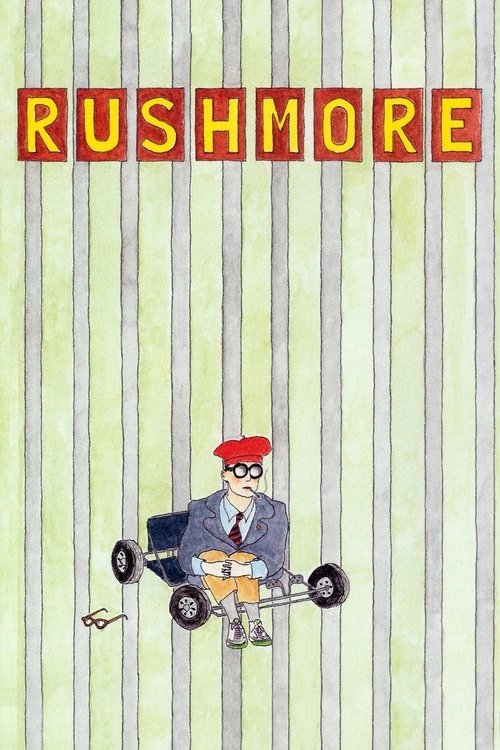
Rushmore (1998)
Directed by Wes Anderson
When a beautiful first-grade teacher arrives at a prep school, she soon attracts the attention of an ambitious teenager named Max, who quickly falls in love with her. Max turns to the father of two of his schoolmates for advice on how to woo the teacher. However, the situation soon gets complicated when Max's new friend becomes involved with her, setting the two pals against one another in a war for her attention.
17 connections found
View:
17 films that influenced Rushmore
What critics say influenced Rushmore



To be sure, The Graduate is better known to current audiences for its influence on Wes Anderson (Rushmore, The Royal Tenenbaums), most obviously in his continual use of water imagery and expert incorporation of pop rock songs.
I was impressed by Anderson's filmmaking and the cast, but the film never quite overwhelmed me like some of my favorite coming-of-age comedies ("Say Anything", "The Graduate", "Ferris Bueller's Day Off", etc.).
Told through the fish-eye lens of a teen-ager's obsessive, self-aggrandizing vision, "Rushmore" -- which often resembles a contemporized, bizarro version of "The Graduate" -- will also appeal to anyone who can find its nerdy hero enchanting, despite his grating eccentricities.
For me, the experience was much like seeing Mike Nichols' "The Graduate" and George Lucas' "American Graffiti" before the hype machines kicked in.
(Anderson’s nostalgic and lyrical employments of this music often recall the more extended uses of Simon and Garfunkel in The Graduate, a quintessential pop expression of the 60s.)
A quirky, sometimes hilarious and often touching comic fable, ‘Rushmore” is at times reminiscent of both ‘The Graduate” and ‘Ferris Bueller’s Day Off.”

He is shown leading the debate society, the fencing club, the French club, the chess club, and the "Max Fischer Players," who perform wildly inappropriate dramatizations of such films as Serpico to undiscriminating audiences.
Besides heading an assortment of teams (fencing, wrestling, double-team dodge ball) and clubs (debate, backgammon, French, German, chess) Max has even founded the Max Fischer Players, who enact with passion and precision Max's ambitious stage adaptations of "Serpico" and the Vietnam epic "Heaven and Earth."
He's mounted a production of Serpico with the Max Fischer Players.
(The first one we see him staging is derived from the 1973 movie Serpico.)
He runs every possible extracurricular club at Rushmore, and he puts on unintentionally hilarious plays, adapted from movies like ‘Serpico” and ‘Platoon.”
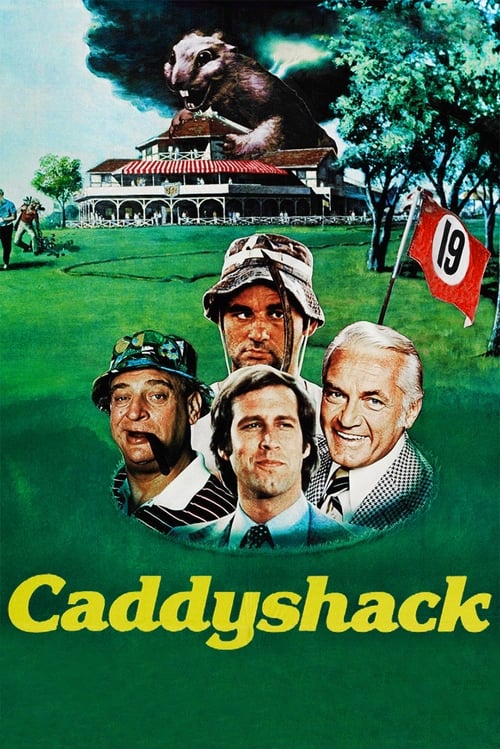
Before that, he popped up in potent bit parts in "Caddyshack" (1980), "Tootsie" (1982), and "Little Shop of Horrors" (1986), and laid it all on the line for his own pet project, "The Razor's Edge" (1984), which was unsuccessful, but interesting.
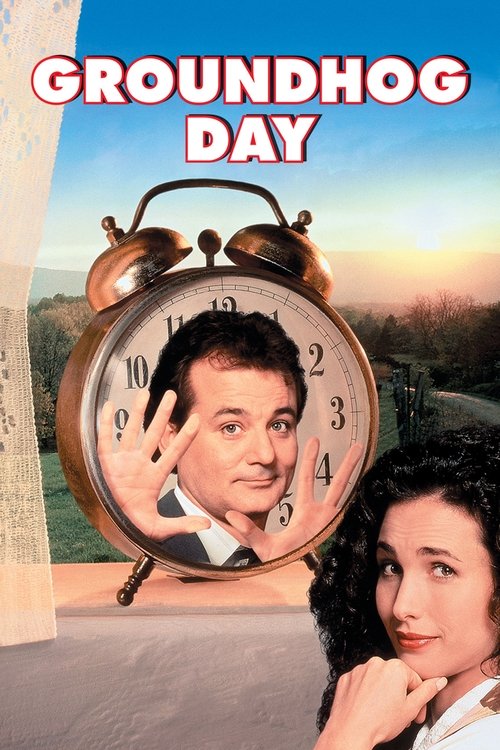
The Murray who emerged from 1998's Rushmore would have been amazing with that, while also still absolutely nailing the bitter sarcasm that underpins all the best early moments for the character.
I don't think of the humbling of Bill Murray, his recent career specialty (he brings an irresistible world-weariness to Wes Anderson's Rushmore and The Royal Tenenbaums ) after toeing the waters in Groundhog Day, as being nearly so subversive as the question of, If Phil knows a snowstorm is due to strike in the afternoon, why doesn't he ever try sneaking out of town in the morning?
But the project hasn't cracked him or opened him out the way Rushmore and Lost in Translation did, and while he carries the movie very well from sequence to sequence, he doesn't deepen the movie the way a more game or less perpetually skeptical actor might well have done.
Anderson fulfills the promise of his inventive "Bottle Rocket" with this quirky, often hilarious comedy, and Murray gives his most uproarious performance since the groundbreaking "Groundhog Day." +++1/2 Extremely funny, irreverent, wildly original.
In the last ten years, he has given us spectacular turns in "Quick Change" (1990), which he also co-directed, "Groundhog Day" (1993), "Mad Dog and Glory" (1993), "Ed Wood" (1994), "Kingpin" (1996), and "Wild Things" (1998).
Before that, he popped up in potent bit parts in "Caddyshack" (1980), "Tootsie" (1982), and "Little Shop of Horrors" (1986), and laid it all on the line for his own pet project, "The Razor's Edge" (1984), which was unsuccessful, but interesting.
Advertisement
For me, the experience was much like seeing Mike Nichols' "The Graduate" and George Lucas' "American Graffiti" before the hype machines kicked in.
Before that, he popped up in potent bit parts in "Caddyshack" (1980), "Tootsie" (1982), and "Little Shop of Horrors" (1986), and laid it all on the line for his own pet project, "The Razor's Edge" (1984), which was unsuccessful, but interesting.
Perhaps it is wrong to label a film such as director Wes Anderson's "Rushmore" since it is such a completely original and thoroughly engaging motion picture that it does not really fall under any certain genre, but I will say that it is the best "coming-of-age" film since 1986's "Stand by Me" and "Lucas," and one of the few movies made recently that I would call magical in everything it does, and in all of its little details.
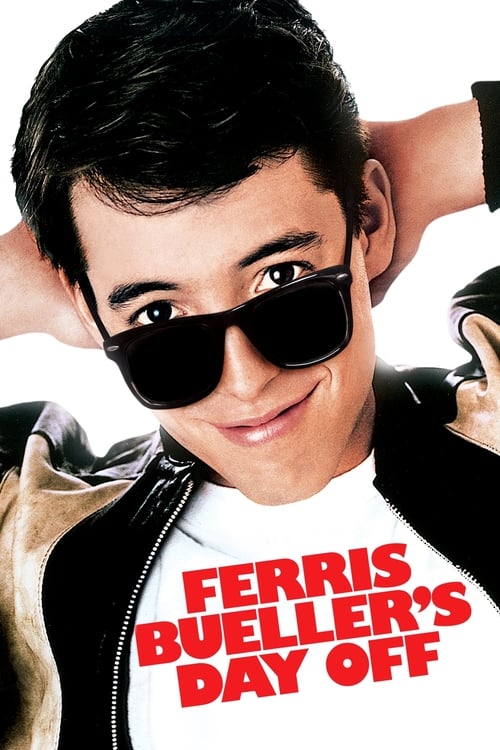
I was impressed by Anderson's filmmaking and the cast, but the film never quite overwhelmed me like some of my favorite coming-of-age comedies ("Say Anything", "The Graduate", "Ferris Bueller's Day Off", etc.).
A quirky, sometimes hilarious and often touching comic fable, ‘Rushmore” is at times reminiscent of both ‘The Graduate” and ‘Ferris Bueller’s Day Off.”
Advertisement
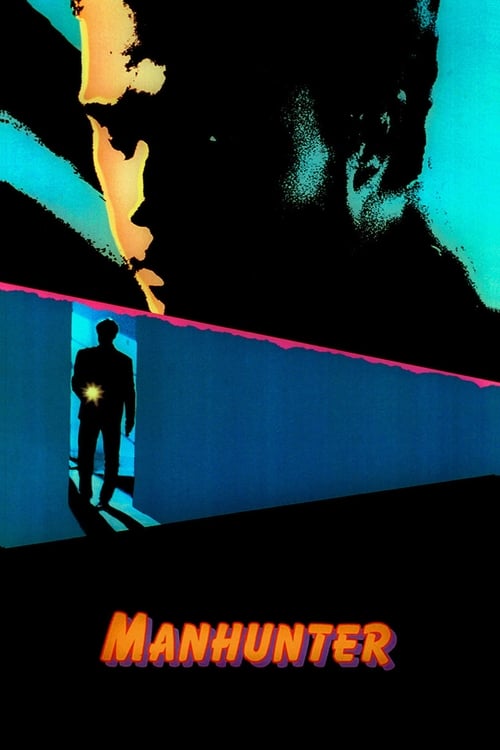
A truly weird actor who, in Manhunter (1986), made for an eerier Hannibal Lecter than Anthony Hopkins, Cox rules with the kind of settled irritability that suggests why prep schools are petri dishes for acts of adolescence defiance.
Yeah, but that "some other guy" -- Brian Cox, perhaps better known these days as Dr. Guggenheim in Rushmore -- does a fine job in the role; perhaps not what Anthony Hopkins later did with Lecter in Silence and Hannibal, but still a creepy and effective turn, dealing in the same taunting wit and disconcertingly direct psychotherapy.
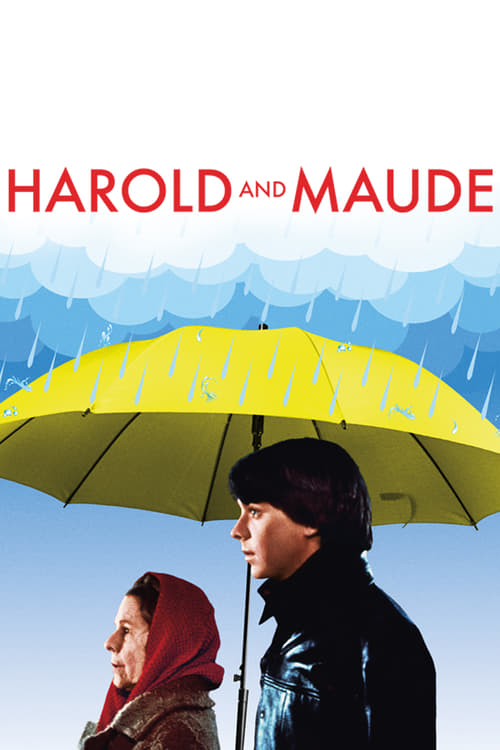
March 7, 1999 -- "Rushmore" is a charming, unconventional film that reminds me of the cult favorite "Harold and Maude."
"Rushmore," a whimsical movie about a friendship between a love-struck teen-ager and a depressed business tycoon, is as deadpan and eccentric as the cult classic "Harold and Maude."
Its mix of elements felt strange and new at the time, and still does, even though the film’s characters, tone, and soundtrack have been referenced and plundered by many modern directors, including Wes Anderson, who used two Stevens songs in Rushmore; P. T. Anderson, whose first four features are filled with Ashby-like innocents stumbling through cruel worlds; and David Fincher, whose Fight Club features a misfit couple flirting at self-help groups that they don’t even belong to, as Harold and Maude do at strangers’ funerals.
Wes Anderson must have had it in mind when putting together Rushmore, though Ashby makes even more copious use of Cat Stevens tunes for his intergenerational romance than Anderson – the virtually wall-to-wall Stevens music is the aspect of the film that seems the most dated.
There’s also a new interview with singer-songwriter Yusuf (formerly Cat Stevens), whose songs populate the film’s soundtrack and further extend Harold and Maude‘s influence – past its more naked derivatives and toward some of the best movies of recent years, including Wes Anderson’s Rushmore and Cameron Crowe’s Almost Famous.