
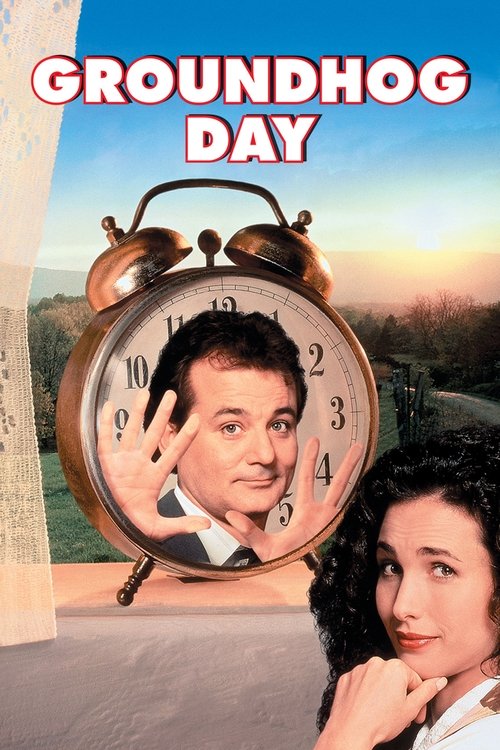
Groundhog Day (1993)
Directed by Harold Ramis
A cynical TV weatherman, along with his idealistic producer and his sardonic cameraman, is sent to report on Groundhog Day in the small town of Punxsutawney, where he finds himself repeating the same day over and over.
89 connections found
View:
89 connections, in both directions
What critics compared Groundhog Day to



What Movies Will It Remind You Of?: There are obvious Groundhog Day vibes here, but Palm Springs does a great job of balancing the romance with the existential and adding just the right amount of goofiness.
The other thing it does to freshen up the formula is to pull a second character into the loop, which ends up providing a new variable for Siara to play with, and it also helps solve maybe the biggest single problem with Groundhog Day : this functions properly as a romantic comedy.
The premise is a lot like “Groundhog Day.”
If you too are having a deja vu experience, it is because this screenplay is very similar to the movie Groundhog Day .
[SPOILER WARNING] The twist of a Groundhog Day-esque time loop is a welcome addition and played to a hilarious, never cheesy, effect.
That’s the fateful loop Nyles ( Andy Samberg ) finds himself stuck in in director Max Barbakow’s surreal Sundance sensation, a sort of sun-baked metaphysical rom-com and millennial Groundhog Day rolled into one.
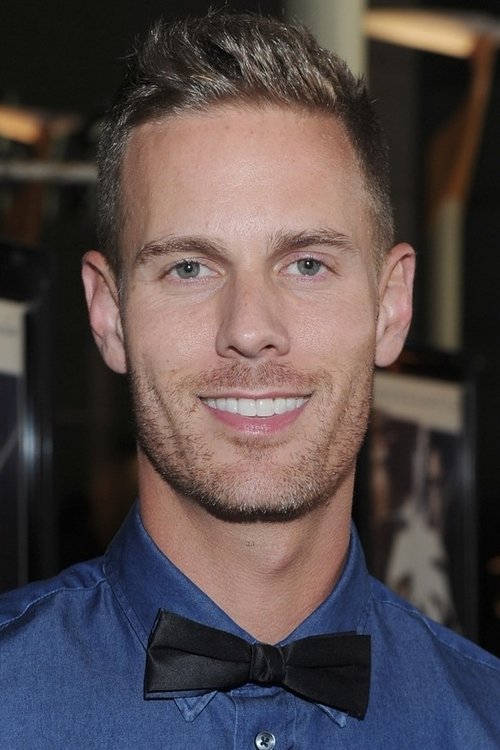

Director Christopher Landon, now a revered alum at Blumhouse Productions for his Happy Death Day (2017) and Happy Death Day 2 U (2019) titles (he also cut his teeth on the tail end of the production company’s most profitable franchise in 2014’s Paranormal Activity: The Marked Ones ) segues from reconstituting Groundhog Day (1993) to a horror film version of Freaky Friday ’s body switching antics for the succinctly titled Freaky .
A film that’s ultimately done in by overestimating its own sense of cleverness and creativity, it’s a lot like director and co-writer Christopher Landon’s most notable success, Happy Death Day, which mashed-up a Groundhog Day premise with a slasher movie.
Con Happy Death Day (2017), combinó el bucle de tiempo de Groundhog Day con el típico slasher movie , y hoy regresa con Freaky , otra divertidísima fusión de subgéneros que parte de la pregunta ¿qué pasaría si Friday the 13th tuviera un bebé con Freaky Friday ?
With all due respect, the Freaky Friday concept has been explored just about as much as Groundhog Day, so it was always going to take a clever angle to make this worthwhile.
And now we’re being treated to Christopher Landon’s Freaky , a mash-up horror flick along the lines of the director’s 2017 movie Happy Death Day , which took the temporal-loop concept of Groundhog Day and made it gruesome.
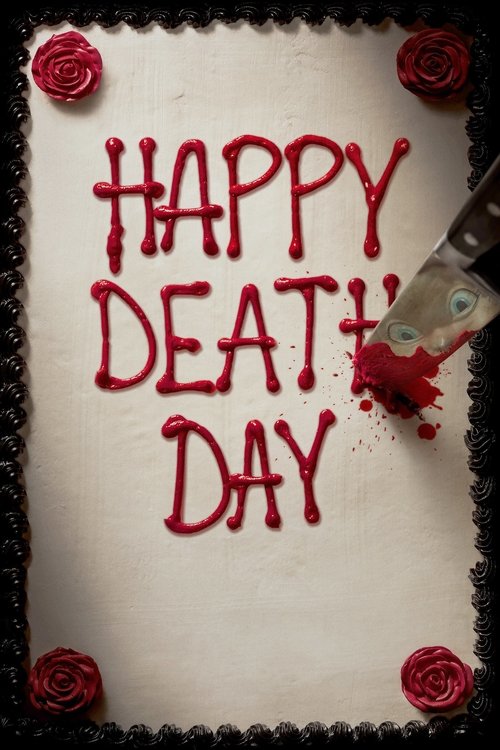
She's doomed to re-live the same day, Groundhog Day-style.
As a big fan of 1993’s Groundhog Day and more recently 2014’s Edge of Tomorrow, I know how clever and fun these time loop films can be, and after seeing the trailer for Happy Death Day, the idea of mixing that particular storytelling convention with the horror/slasher genre had me all sorts of excited.
Now’s as good a time as any to admit that I never really liked 1993’s Groundhog Day all that much.
Applying the Groundhog Day premise to a horror movie is so obvious a conceit that I’m surprised it hasn’t been previously attempted.
Every time the sun goes down, she gets brutally murdered by a masked killer, only to return from the great beyond – Groundhog Day style – more desperate, anxious and exasperated.
Since 1993’s “Groundhog Day,” there have been a growing number of instances in TV and film of using the “one day on a loop” plot point.
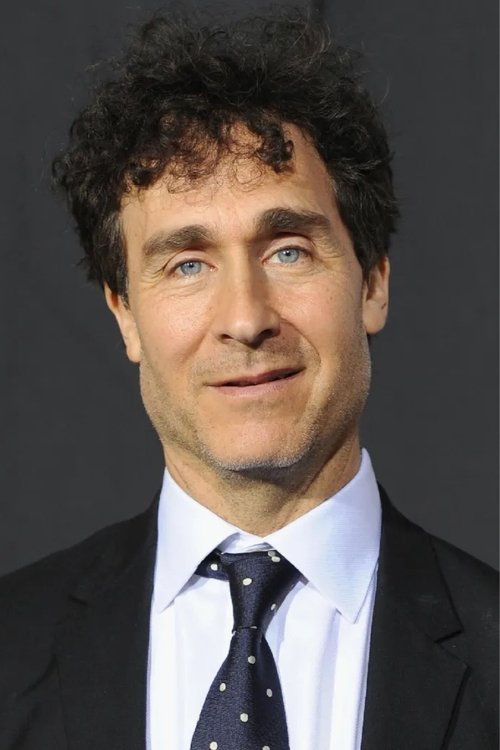
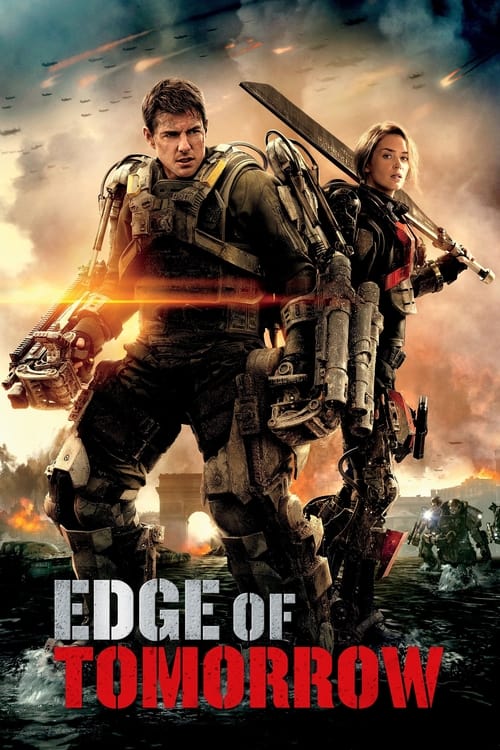
Edge of Tomorrow draws masterfully from exactly the right influences: there’s the obvious parallel to draw to Groundhog Day, but the most striking aesthetic reference point is James Cameron’s Aliens, from the exoskeletons down to the casting of Bill Paxton (Two Guns), who restrains himself from declaring “Game over!” even once.
There’s a pretty good chance that every review about “Edge of Tomorrow” will reference the 1993 comedy “Groundhog Day” at least once, and that’s because both films feature a very similar plot device, not unlike the one that was also employed in Duncan Jones’ underseen sci-fi thriller, “Source Code.”
Time travel’s a problematic device as it can be the enemy of internal logic, but here, despite a modicum of head scratching when the exposition finally comes and an ending that gives you pause, it’s straightforward enough, liberating the film, in its own World War II parlance, to explore the themes it’s borrowed from Groundhog Day ; a flawed character who matures while stuck in his time loop, his changing feelings for a woman he gets to know over many iterations of the same day, the empowering notion that we’re each ultimately the masters of our own fate, regardless of how pernicious a lie that is.
Based on the manga All You Need Is Kill by Hiroshi Sakurazaka and adapted for the screen by Christopher McQuarrie (The Usual Suspects) and Jez and John-Henry Butterworth (upcoming James Brown bio-pic Get On Up), Edge of Tomorrow recalls other notable time loop sagas, including Groundhog Day and Source Code in the witty and engaging way it moves its story forward piece by piece.
From the trailer alone it was clear this new film by director Doug Liman ( The Bourne Identity ) had borrowed heavily from 1993's outstanding live-die-repeat karmic comedy Groundhog Day .
Edge of Tomorrow borrows liberally from films such as Groundhog Day , Starship Troopers , and Independence Day , but that doesn’t stop it from emerging as a terrific entertainment all its own.
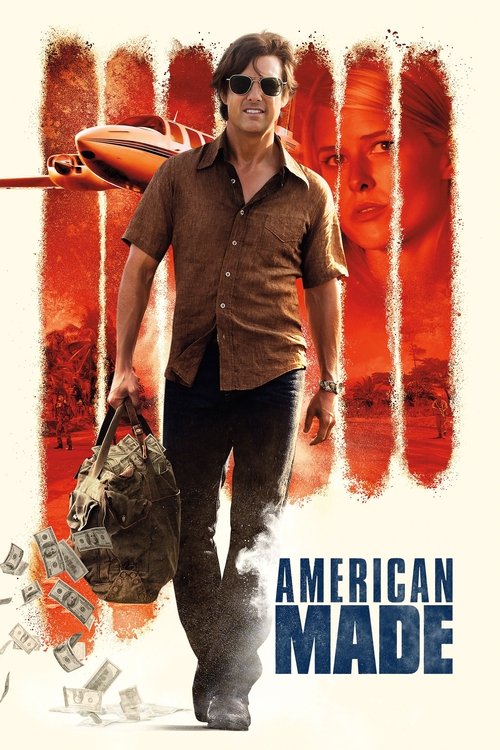
Liman and Cruise last teamed for 2014’s “Edge of Tomorrow,” a ridiculously entertaining sci-fi riff on “Groundhog Day” that tore down and rebuilt the star’s image by killing him a thousand times.
The previous Liman/Cruise collaboration resulted in 2014’s slam-bang action sci-fi Edge of Tomorrow , a fine film that re-imagined Groundhog Day as a satire about the infallibility of the Hollywood hero.

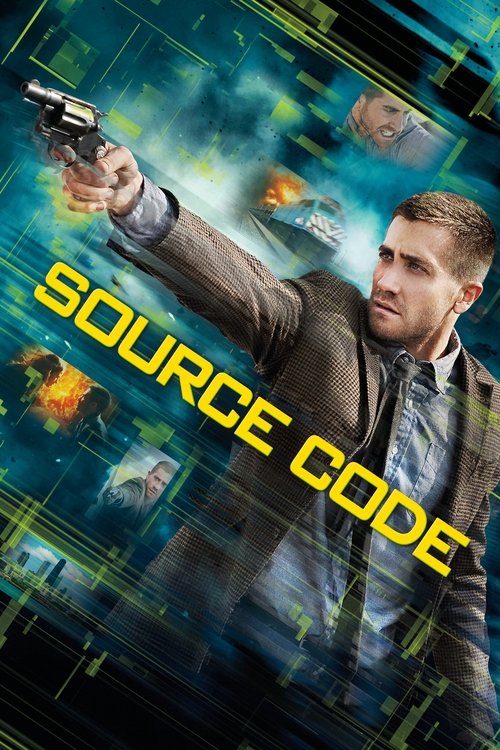
What emerges is a film that mixes elements of old fashioned mystery narratives with the concepts from Harold Ramis’s Groundhog Day and Chris Marker’s La jetée, which was more directly the inspiration behind Terry Gilliam’s 12 Monkeys.
Directed by Duncan Jones , writer-director of the 2009 BAFTA award winning Moon, Source Code doesn’t shy away from its spiritual cousin Groundhog Day.
“Source Code” will bring back memories of such unusual inspirations as “Groundhog Day” and “24,” but it mostly feels to this critic like what a classic thriller director like Alfred Hitchcock would have done with an episode of “The Twilight Zone.”
Among Source Code’s many pleasures—which include a swiftly-paced 90-minute runtime, welcome dashes of humor and general Alfred Hitchcock-meets-The Twilight Zone-meets Groundhog Day vibe—is the general refusal by Jones and screenwriter Ben Ripley to engage in any clunky exposition.
In this case, screenwriter Ben Ripley has filched from the best, delivering a taut, mostly well-crafted race against the clock that combines the time-loop conceit of “Groundhog Day” and the postwar paranoia of “The Manchurian Candidate.”
An almost risible collision of the bogus science and cranial confusion from Groundhog Day, Inception and Avatar, it also shares the themes of isolation and alienation found in Moon, director Duncan Jones’ heralded debut.
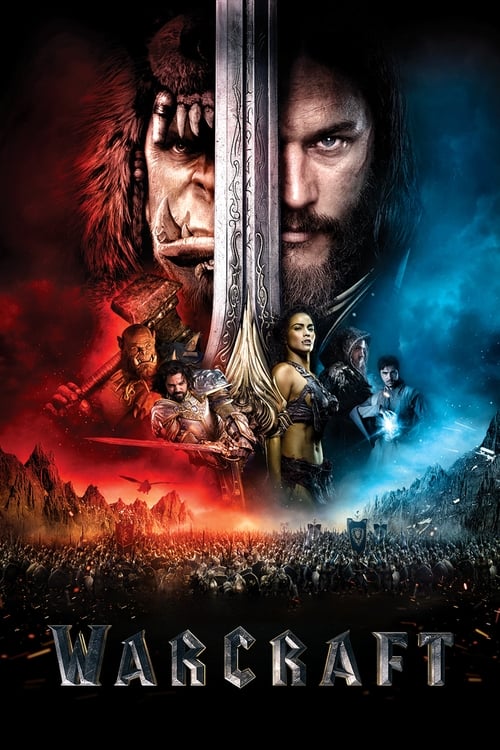
Su segunda cinta, Source Code (2011), era un ambicioso reto de narrativa, una especie de Groundhog Day (Ramis, 1993) en clave de ciencia ficción donde un hombre reencarna, una y otra vez, en el cuerpo de un pasajero que viaja en un tren que está a ocho minutos de explotar.
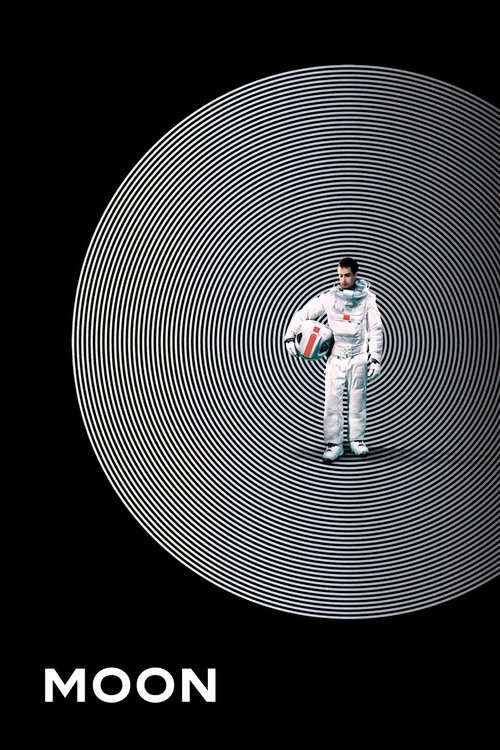
It's an unapologetically off-kilter premise that's employed to consistently watchable effect by Jones, as the filmmaker, working from Ben Ripley's screenplay, does an effective job of balancing the Groundhog Day-esque central storyline with the inherently compelling mystery behind Colter's situation (ie how did he get into that pod and what's the deal with the folks responsible for the technology?)
Advertisement
For many years after the 1993 release of Groundhog Day , it seemed that even the shameless rapscallions who pitch scripts in Hollywood wouldn't dare copy that film's brilliant and unique central conceit.
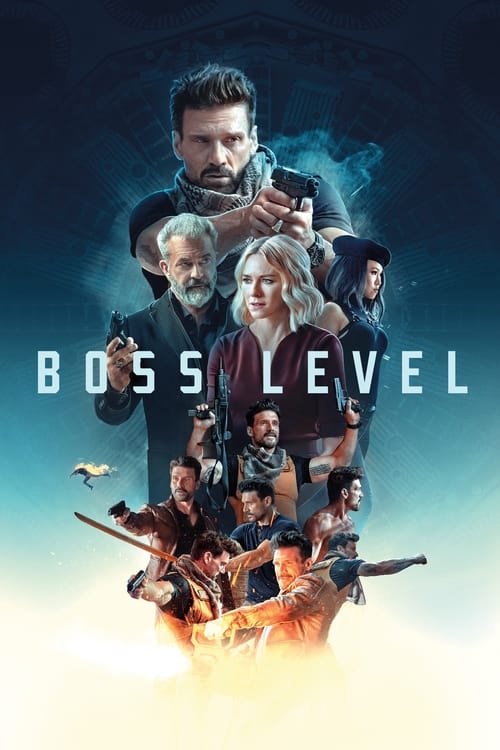
Directed by Joe Carnahan, Boss Level proves once again that you can borrow the Groundhog Day idea and, like Edge of Tomorrow , Happy Death Day, and Palm Springs , still add something new to it.
The sci-fi Groundhog Day concept is all too familiar ( Edge of Tomorrow , Source Code ), and Carnahan employs a ham-fisted narration device that borders on incessant.
A high-octane riff on Groundhog Day that crisscrosses cyclical design with director Joe Carnahan’s avid addiction to high falls and fireballs, Boss Level doesn’t so much reinvent the timeless concept as much as it blends a few genres together to give it a point of difference.
That might make you concerned for the quality of Boss Level , yet while its long gestation has its odd quirks (Mel Gibson as the main villain, no thanks), Carnahan delivers on his " Groundhog Day as an action movie" concept.
If the best example of this idea is 1993’s “Groundhog Day,” “Boss Level” is several levels below that now heralded classic.
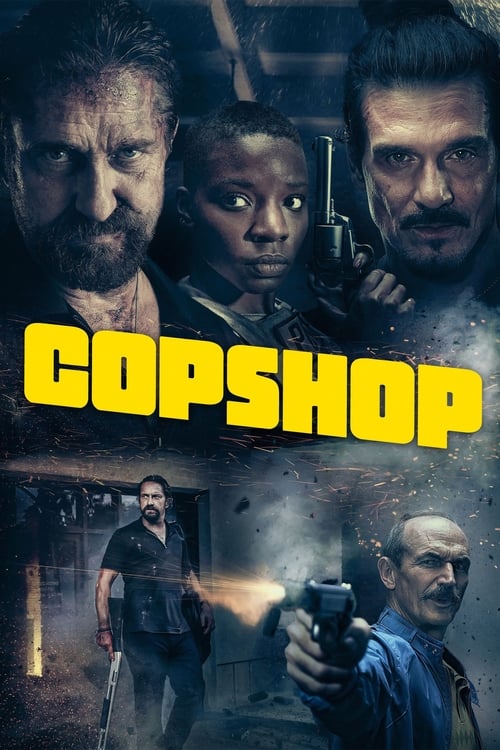
Co-writer/director Joe Carnahan continues to have a solid year (having already released a take on Groundhog Day that draws inspiration from videogame shooter culture), now with Copshop, a Nevada-set thriller pitting a small-town police station crew against various fixers and assassins that use shady undercover methods to not only get inside the building but locked up in the holding cell to be closer to their targets.
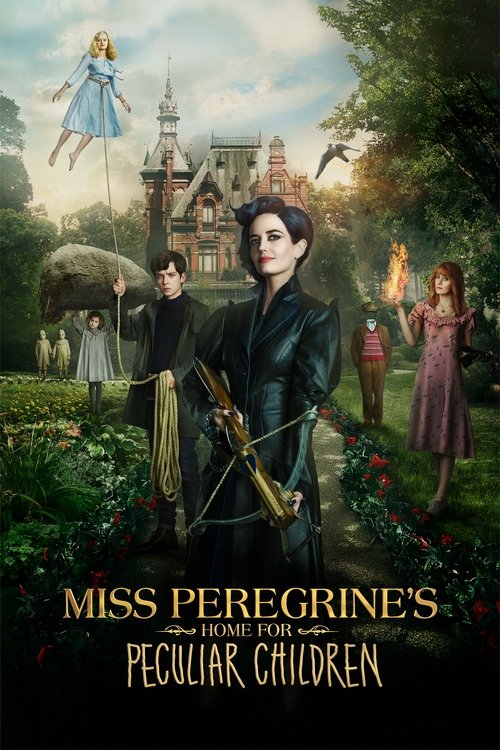
Overseas, Abe's past becomes clearer, part of a time-continuum ploy Riggs devised, like Groundhog Day rebooted to World War II.
It just can’t stop coming up with limitlessly peculiar stuff, much of which has a familiar odor: It’s “X-Men” meets “Alice in Wonderland” meets “Groundhog Day,” plus there’s a kind of Addams Family versus the Holocaust vibe — “They’re creepy, they’re spikey, they’re totally Third Reich-y.”
It's the same day, over and over again, "Groundhog Day" style.
Miss Peregrine has been able so far to preserve in an endless cycle, “Groundhog Day”-style, the day prior to the fatal bombing by creating “loops” in time.
The result is basically “Groundhog Day” meets The X-Men, with a touch of “American Horror Story” thrown in for good measure.
The peculiar children of the film's title are certainly unique but you can find plenty of other films in the DNA of "Miss Peregrine's Home for Peculiar Children," particularly skeleton soldiers from "Jason and the Argonauts," the X-Men franchise for making freaks lovable, "Groundhog Day" and even the underappreciated Hayden Christensen film "Jumper," which also has time shifting at its core and the same sort of evil force in Samuel L. Jackson.
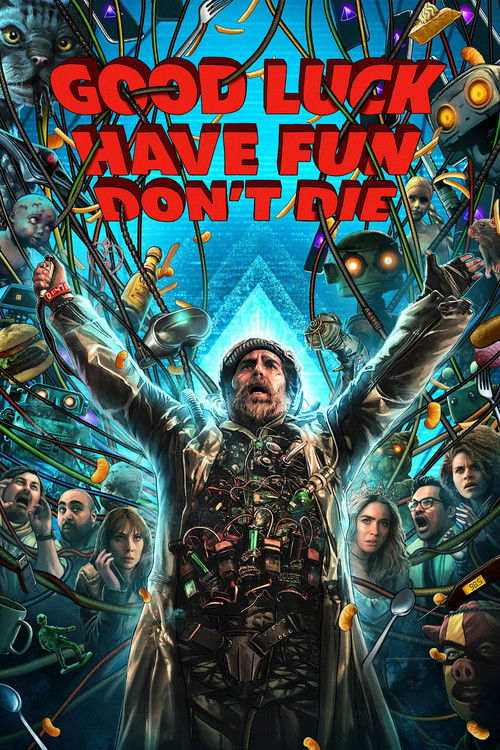
…a Groundhog Day/Edge of Tomorrow-style loop…
…until the stranger pulls the Groundhog Day trick of telling them everything he knows about them.
The film cleverly blends the reset mechanics of Groundhog Day with the fatalistic time-loop tension of 12 Monkeys…
…reminiscent of Groundhog Day…
Scenarist Matthew Robinson (“Dora and the Lost City of Gold”) also borrows elements of “Lost” and “Groundhog Day.”
…playing an exhausted and somewhat perturbed team leader caught in his own Groundhog Day time loop…
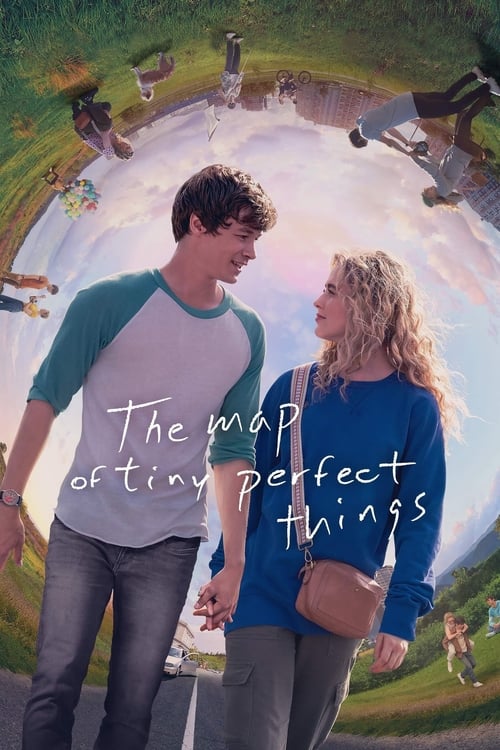
This terrific teenage take on Groundhog Day , adapted by Lev Grossman from his own short story, makes no bones about its inspiration, namechecking the 1993 comedy classic from the outset.
While the film, like the recent “Palm Springs,” is, to an extent, a new version of “Groundhog Day,” its familiar premise plays out with snap and charm, thanks to fresh themes and appealing lead characters.
What Movies Will It Remind You Of?: The obvious comparisons here are Groundhog Day and Palm Springs , but The Map of Tiny Perfect Things does have a little bit of its own flavor.
Another year, another “Groundhog Day” rip-off.
As I possess absolutely no knowledge of the short story, I saw The Map of Tiny Perfect Things presented as a fairly wholesome and optimistic YA romance which utilizes the same temporal anomaly trope used in films Groundhog Day (1993), Edge of Tomorrow (2014), and Palm Springs (2020).
Time-loop movies continue to be all the rage, and while Groundhog Day (1993) remains the champ with Edge of Tomorrow (2014) holding onto second the rest of the field is wide open.
Advertisement
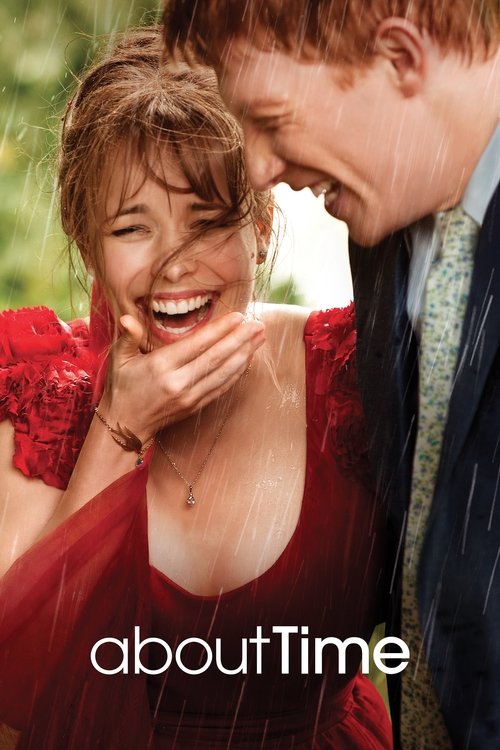
Thus, his latest comedy, “About Time,” which he wrote and directed, is a disappointment, not only because it keeps reminding you in spots of other films and plays that toyed with similar ideas — oh, let’s say “Groundhog Day” and “Back to the Future” or even the Thornton Wilder classic play “Our Town” — but also because the movie doesn’t measure up to Curtis’ own high standards.
If anything, it too closely recalls Harold Ramis' fantasy masterwork "Groundhog Day."
About Time seems to be locked in the same revolving pattern, repeating itself over and over but without the eccentric wit of Bill Murray’s recurring Groundhog Day—a movie which Stephen Sondheim once considered musicalizing (his new plan of action is now, instead, collaborating, with Ives on a similar time-sensitive storyline).
Initially, getting a girlfriend is the reason Tim hits rewind on his life and there are faint echoes of Groundhog Day as he experiments with ways to impress blonde bombshell Charlotte (Margot Robbie), then Mary, saving one of the bigger laughs for their first night together.
Sure, Bill Murray pulled similar stunts in Groundhog Day , but both the universe and Andie McDowell saw through his shit.
One could make the case, I suppose, that Bill Murray more or less did the same thing to Andie MacDowell in Groundhog Day, but it's worth pointing out that his efforts to woo her by turning back the clock ended in failure.
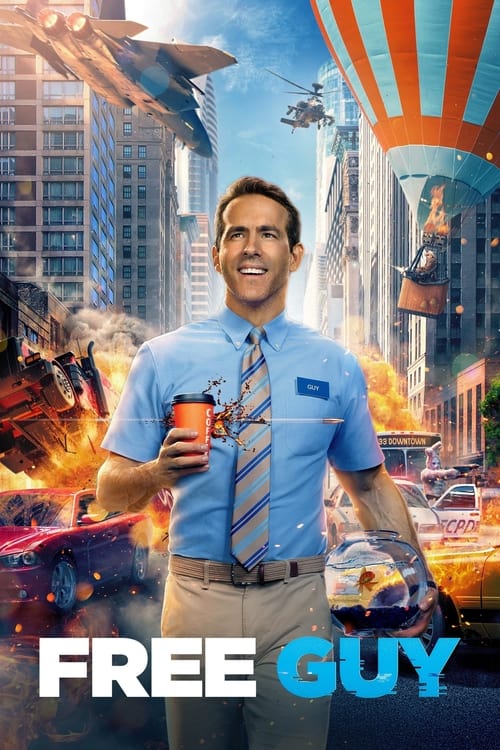
While its setups and theme of finding individuality might remind you of “The Truman Show,” “Pleasantville” and “Groundhog Day,” it plops them at the center of something fresh: video games.
Whether through a lack of originality or a desire to minimize the exposition in a movie whose elevated concept could’ve gotten unnecessarily complicated, the opening minutes of “Free Guy” borrow heavily from both “Deadpool” and “The Lego Movie,” as Reynolds wryly narrates the rules of his world: In “Free City,” the “sunglass people” are the heroes (represented here by a self-deprecating Channing Tatum), while everyone else are NPCs, blithely going about their “lives” in an endless, uninteresting loop (a “Groundhog Day” conceit that lifts still more DNA from other films, including last spring’s game-based action comedy “Boss Level”).
Competently combining elements of The Lego Movie, The Truman Show and Groundhog Day with a Grand Theft Auto-style open world video game, Free Guy is the latest filmic vehicle to rely heavily on the shtick of star Ryan Reynolds – who also acts as producer.
Whether it’s the Groundhog Day meets The Truman Show set up or a finale which is beat for beat reminiscent of the similarly derivative Ready Player One , it doesn’t try to break new ground.
While it pays homage to the likes of Groundhog Day and The Truman Show in inventive new ways, there are a few too many occasions it skips a beat and rushes into moving the story along (Guy gains sentience extremely quickly, arguably robbing Free Guy of the chance to make that and other moments land harder).
By cobbling together elements of The Truman Show, Ready Player One, Groundhog Day, and (especially) The Lego Movie, Free Guy employs a premise that’s in danger of becoming overused but has enough fun with the concept that the viewer can’t help but enjoy the ride (a least for a while).