
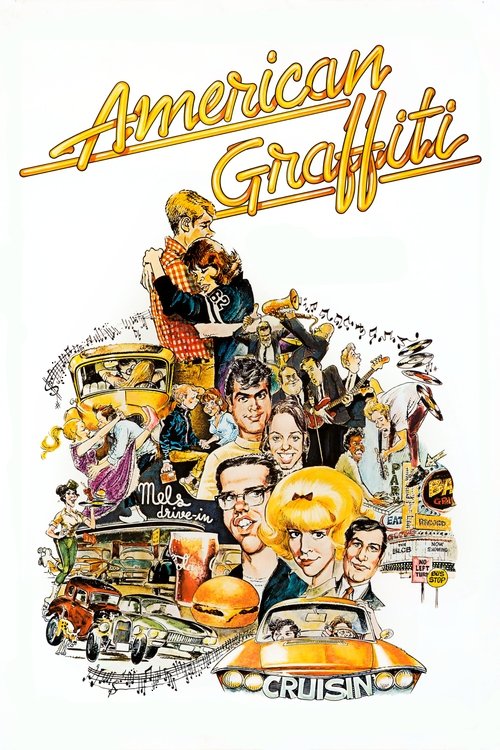
American Graffiti (1973)
Directed by George Lucas
A couple of high school graduates spend one final night cruising the strip with their buddies before they go off to college.
52 connections found
View:
52 connections, in both directions
What critics compared American Graffiti to
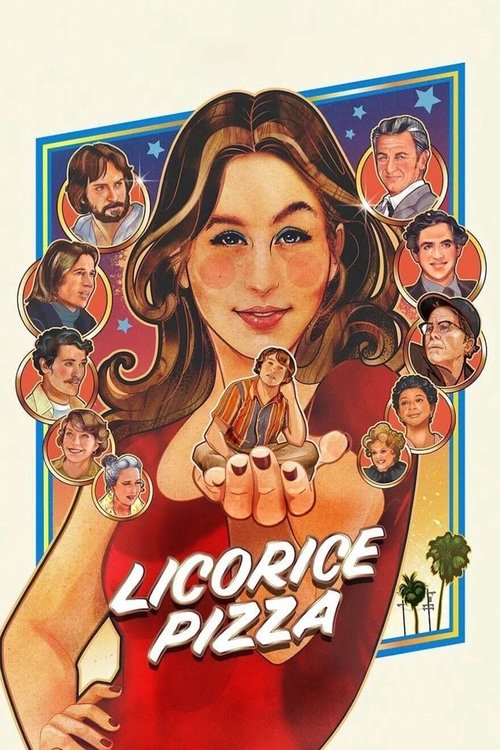


Not only casting unknowns, but virtually untested, actors Alana Haim and Cooper Hoffman (son of the late Philip Seymour Hoffman) in the leads and setting it all in 1973 (the same year American Graffiti opened, a stated inspiration for Anderson), the director has rolled the dice on a story that is loosely based on the youthful experiences of producer Gary Goetzman.
What’s here is a wistful coming-of-age saga akin to George Lucas’ “American Graffiti” (made the same year “Pizza” takes place) without the anxiety and anger and soaring on the chemistry and charisma of Haim and Hoffman, the haute idiosyncrasies of the (eve of Watergate) era and a soundtrack that just can’t be beat.
Although it channels Fast Times At Ridgemont High and American Graffiti , Licorice Pizza delivers a fresh blast of romance and humour, and feels idiosyncratic enough to stand gloriously apart.
It’s a bit shaggy and baggy at first, but once you get on its wavelength—seeing it as a kind of doobie-esque Hal Ashby/Altman-like hang out movie with “American Graffiti” night-on-the-town coming of age vibes—and once it all coalesces—warm, affectionate, nostalgic— it’s a real terrific throwback thrill of captivating, unique characters in a simple, unpretentious story about running around and growing up in 1970s Los Angeles with little tentative romance sprinkled in for good measure.
Some of it was inspired by classics like “American Graffiti,” with its burger-joints-and-cherry-bombs vision of California youth, or plucked from real-life events, like the ’70s gas shortages that caused car lines to stretch on for blocks.
I’ve no idea how much of it is true memoir and how much fiction, but Anderson has absolutely nailed the essence of its setting in much the same way George Lucas did with “American Graffiti”.

The omnipresent soundtrack– Nights is a combination of American Graffiti (the prolific use of songs), Goodfellas (the way music is used to move a scene) and Saturday Night Fever (the general feel of the first hour… and look for the Staying Alive reference in the film’s second half)–the soundtrack draws so much attention to the way the film looks, it’s almost like Anderson is telling the viewer the story doesn’t matter too much.


“Booksmart” also cuts its manic horniness with a meandering weirdness that recalls Richard Linklater’s ambling “Dazed and Confused” as well as hints of the low-key dread running through “American Graffiti,” the urtext of this genre.
Booksmart borrows elements of many coming-of-age classics, from American Graffiti (1973) to Risky Business (1983) to Superbad (2007).
It borrows its it-all-happened-during-one-night time frame from “American Graffiti” and “Dazed and Confused,” some soundtrack concepts from “Ferris Bueller’s Day Off,” and one of the lead characters is more than a little bit related to Cher from “Clueless.”
Although its “nerdy misfit high-schoolers seek darkness and transformation at an epic party the night before graduation” premise is a time-tested formula, seen in every era from American Graffiti to Dazed and Confused to Can’t Hardly Wait to Superbad, Wilde’s film feels totally original and new.
The high school coming-of-age comedy is a subgenre unto itself, with each decade delivering movies that have become classics, like American Graffiti, Fast Times at Ridgemont High, Ferris Bueller's Day Off, Can't Hardly Wait, Superbad, Easy A and more recent films such as The Edge of Seventeen and Lady Bird.
It owes a debt to generational classics such as American Graffiti, Dazed and Confused, Can’t Hardly Wait, and Superbad—movies about high schoolers running wild as they edge up to adulthood and obsess over the specter of an uncertain future.
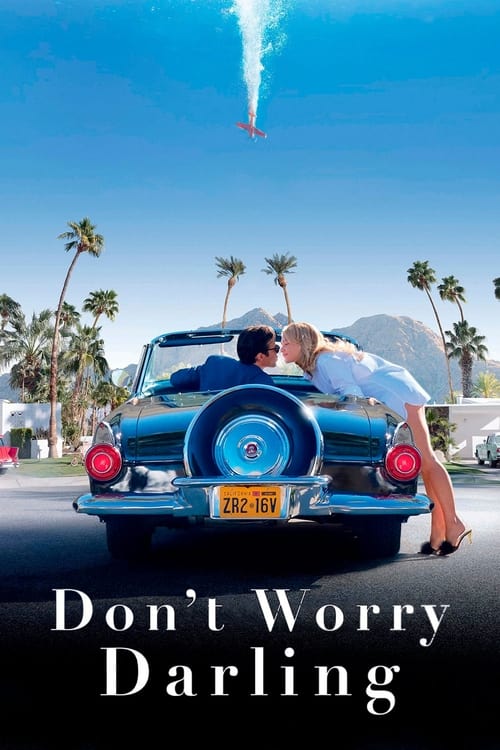
Add in a terrific American Graffiti -style soundtrack and the glistening cinematography of Matthew Libatique, and you have a cinematic treat – up to a point.
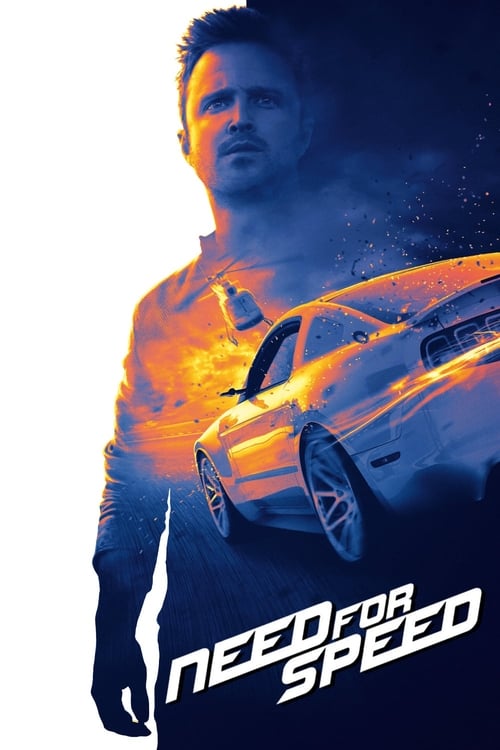
Sharp-eyed car fans will pick out references to auto-cinema classics like "American Graffiti," "Bullitt" and even "Mad Max" in all of "Need for Speed's" wanton mayhem, which might just be enough to distract viewers from the more awful bits.
Later there's a sight gag replicating the police car prank in "American Graffiti."
When our hard-luck hero returns to his small-town auto shop (picture an outlet in American Graffiti but with less edge), the unexpected but welcome voice of Michael Keaton announces the De Leon, a Cannonball Run -style fracas, an occasion that may allow Tobey to get revenge on cocky Dino.
Happy middle, actually, since Tobey is headed to San Francisco for the big, super-secret De Leon race masterminded by a manic entrepreneur named Monarch (Michael Keaton), who oversees and narrates the action like Wolfman Jack in American Graffiti.
Speaking of Wolfman Jack, director Scott Waugh (the Navy SEALS ad Act of Valor) ill-advisedly includes nods to superior vehicular movies American Graffiti, Bullitt and Speed—not to mention the Cannonball Run-ny plot point forcing Tobey to speed from New York to California in 45 hours.
At one point, Tobey even pulls the old chain-on-the-axle trick that got Richard Dreyfuss into the Pharaohs in American Graffiti.
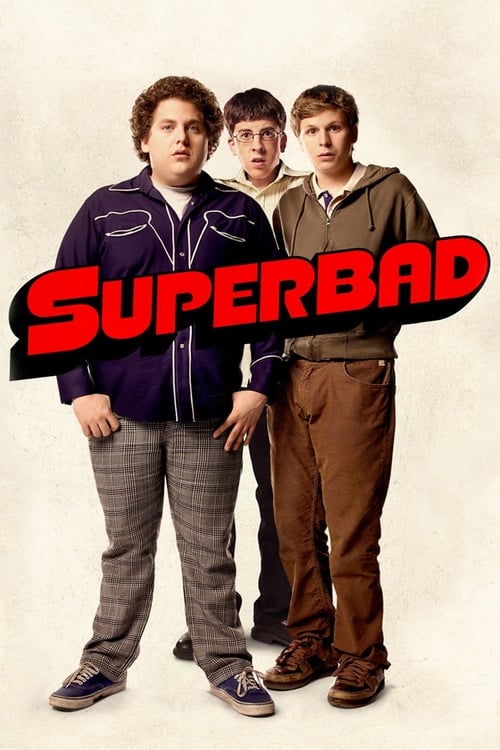
It echoes all kinds of earlier teen flicks, from "American Graffiti" to "American Pie," and it has the lumpy construction of an oft-reworked script that's been knocking around for a long time with no takers.
Many movies about this theme have focused on male camaraderie on this quest, including American Graffiti, Dazed and Confused, and American Pie.
For all its R-rated talk about porn and genitalia, Superbad is part of an honorable ah-when-we-were-young tradition encompassing Richard Linklater�s Dazed and Confused, George Lucas� American Graffiti, Rob Reiner�s Stand by Me, and the granddaddy of them all, Fellini�s I Vitelloni (1953).
Like “American Graffiti” and “Dazed and Confused,” all the action takes place in one day.
If those crazy cops hadn’t shown up every 30 seconds to drag the movie off into the realm of the ridiculous, Superbad could stand as this decade’s American Graffiti.
Like American Graffiti and Dazed And Confused, Superbad condenses all the cruelty, mixed emotions, angst, fun, and insanity of high-school life into a single night of kinetic mayhem.
Advertisement
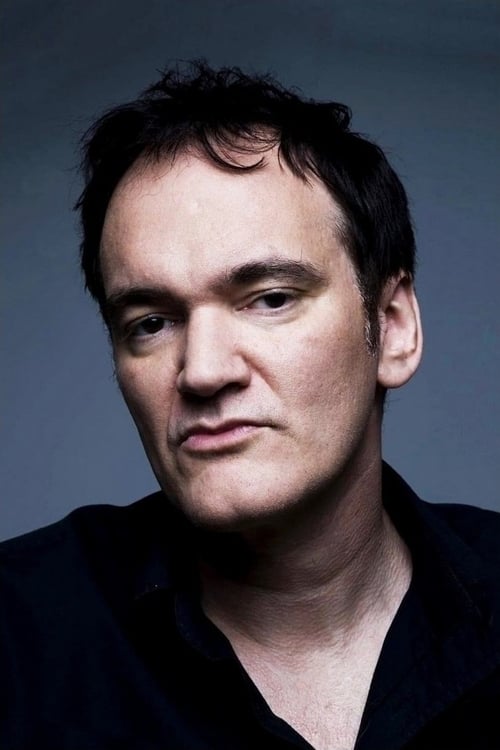
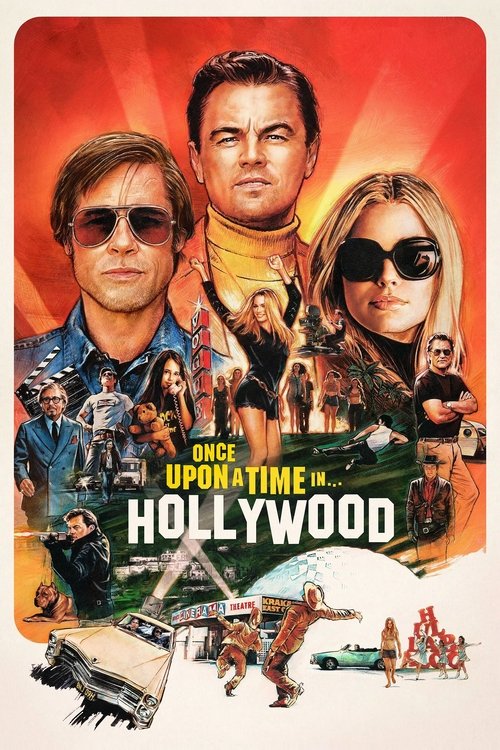
It is Tarantino’s tribute to American Graffiti (1973) where a college student picked up a young girl in his car.
Shades of American Graffiti ’s Wolfman Jack linger over the proceedings as we wheel up and down Hollywood Boulevard in Booth’s “bitchin’ Coupe de Ville.”
She is almost a dream figure like the blondes in “American Graffiti” and “Stardust Memories,” especially compared to the shrewish female characters in the film the stunt coordinator married to the Kurt Russell character and the unnamed character married to Booth.
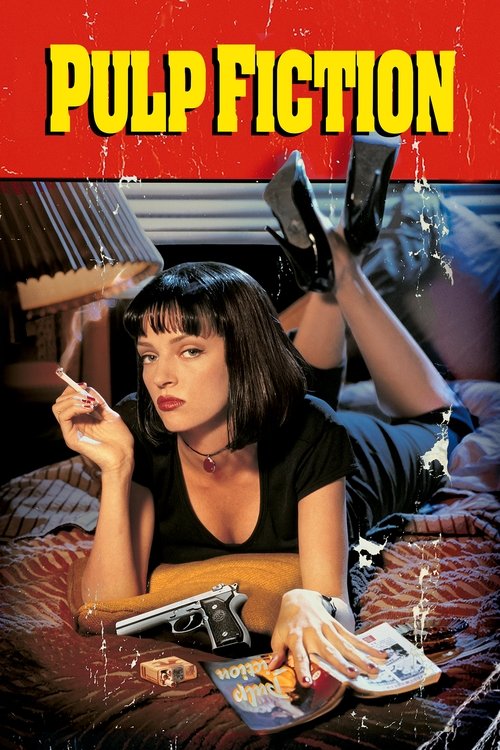
A spectacularly entertaining piece of pop culture, “Pulp Fiction” is the “American Graffiti” of violent crime pictures.
…the film’s soundtrack is something of a modernized “American Graffiti,”…
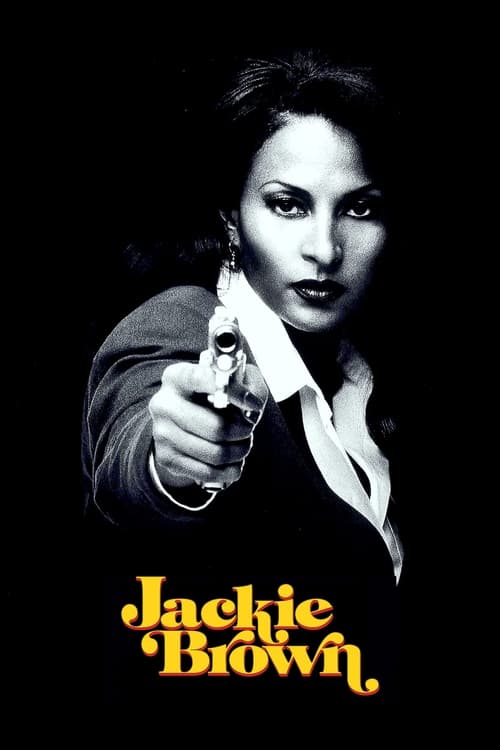
“Jackie Brown” is Tarantino’s “American Graffiti.”
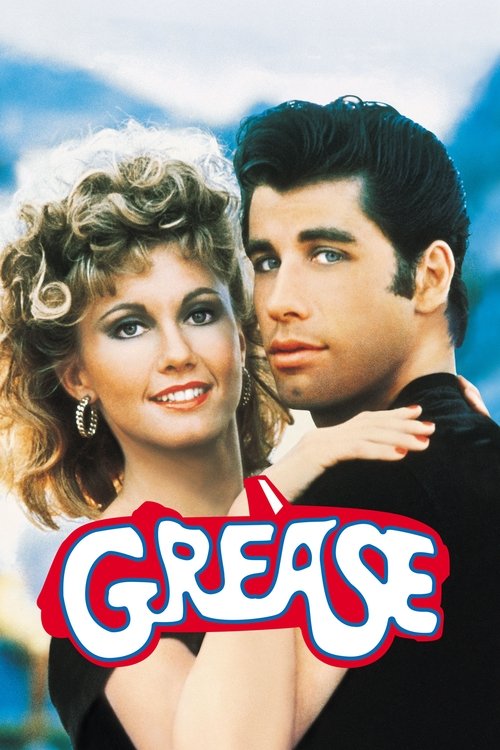
It had only been 20 years since all of that was real when they were making "Happy Days" and "American Graffiti" and this and everything else that romanticized the era when the filmmakers who suddenly owned pop culture had been kids.
It lacks anything resembling the intelligence of "American Graffiti," the good fun of "FM" or the integrity of "The Buddy Holly Story."
It is tempting to the point that I cannot ignore it to compare the film with American Graffiti , for they serve to bracket a certain important period in the American cinema: the 1973 film was released in the most glorious peak of the New Hollywood, while 1978 finds us in the first year of that movement's symbolic death (about which we'll have a great deal to say later).
Grease is like American Graffiti in its bridging of the generation gap through a Top 40s score and a plot that plays up the naivete of a more innocent era (which was still considered plenty dangerous by its elders, who were scandalized by Elvis the Pelvis).
Jackson also works with Miguel Calvo as supervising sound editor and his whole sound team to craft a rich world of sonic montages, with dense layers of nature and water effects mixed with softer tones of human life, all reminding one of the brilliance of George Lucas and Walter Murch's collaborations in THX-1138 and American Graffiti.

Sometimes it feels like a sentimental journey, à la American Graffiti, but Mills periodically uses distancing devices to make us question our own nostalgia.
Advertisement
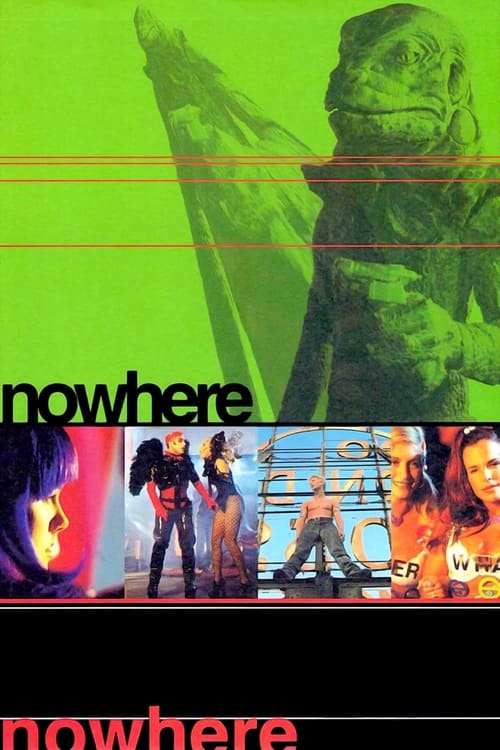
What follows is an updated American Graffiti-style series of parallel couplings, misadventures, and tedious broodings about the meaninglessness of it all, punctuated by the odd alien abduction.
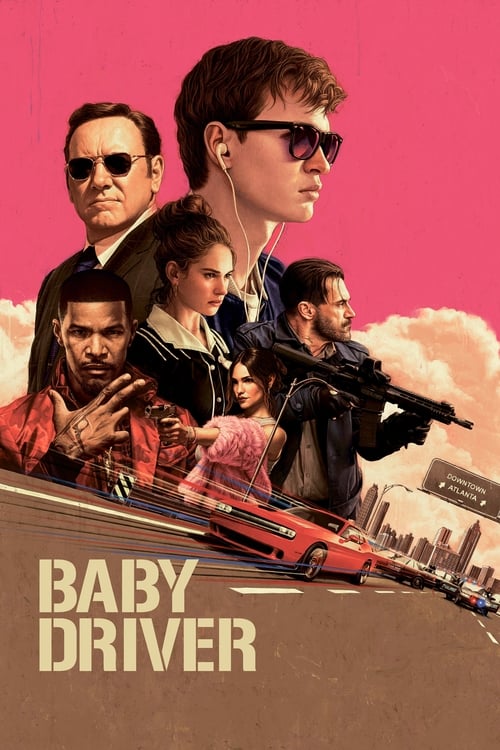
There's a fantasy sequence in which Baby imagines what life would be like on the road with his beloved, shot in sepia, that finds Debora dressed in 1950s American Graffiti innocence, and it plays more like fetishism than Romanticism.
At a time when hipness has been reduced to emojis and man buns, filmmaker Edgar Wright dishes the real deal with the uber-stylish “Baby Driver,” a crime caper that melds “Drive”-style action and “American Graffiti” musicality.
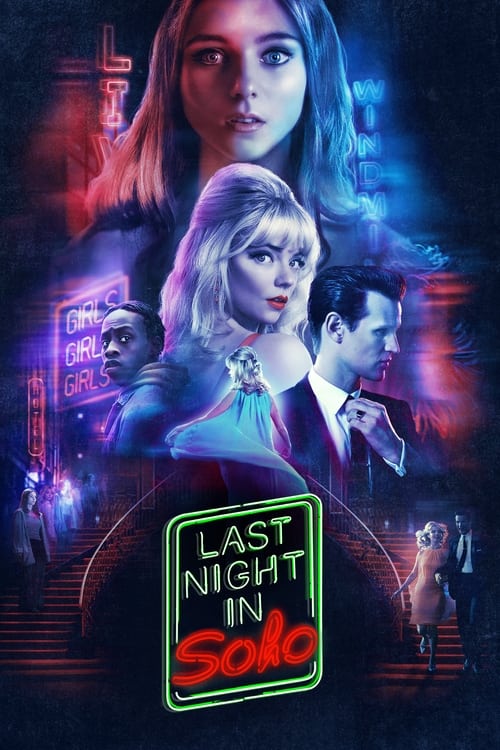
It generally takes about 20 years for filmmakers to start looking back at a particular decade, such as the 1950s with American Graffiti in 1973, 1960s with Diner in 1982, 1970s with Dazed and Confused in 1993, and the 1980s with multiple properties in the 2000s.