
Edgar Wright
553 connections found
View:
Connections, in both directions



…reminiscent not so much of a Winkleman as a Flickerman – Stanley Tucci's Caesar Flickerman in The Hunger Games films.
That was of course the point behind King’s idea – even if in the years since, through The Hunger Games, Squid Game and others, it became something of a stock premise for satirical science-fiction films and shows.
…this version invites comparisons to The Hunger Games and especially Black Mirror.
…but we're in a post-Hunger Games world…
After The Hunger Games, Black Mirror, Squid Game, and decades more of media-saturation parables, the idea that we’re addicted to spectacle isn’t exactly a revelation.
Though it came first, “The Running Man” owes a lot to “The Hunger Games” franchise in the way that the Network exec Killian and “Speed the Wheel” host (Sean Hayes, love) are styled like variations of Caesar Flickerman without the warmth of Stanley Tucci.
He even gets his own Home Alone style kills!
Michael Cera brings a grounded sincerity as a zine-making rebel before leaning into Wright's indulgences for a Home Alone-like zaniness…
…outside of a delightful sequence in which Daniels and Michael Cera’s Elton unleash a series of Home Alone-style traps on invading cops…
An example is a cartoonishly violent house invasion including Michael Cera with a Home-Alone style series of booby traps…
Michael Cera pops up just long enough to cosplay “Home Alone” for the Kristi Noem era…
Michael Cera gets a deliriously unhinged Home Alone-style sequence that injects manic comedy into the dread…
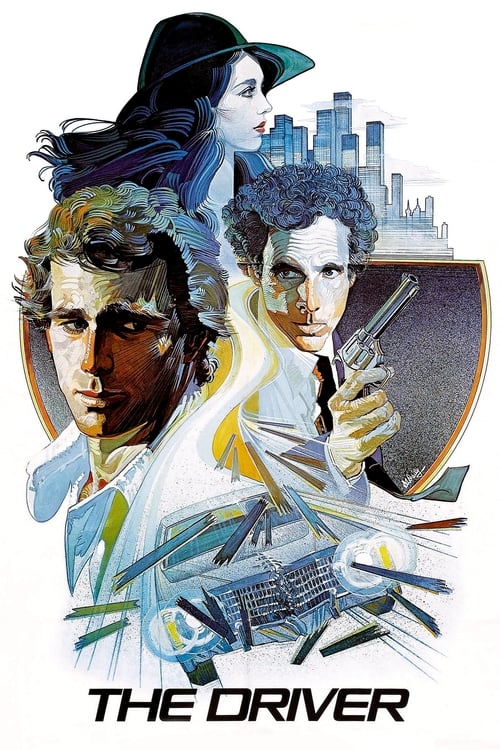
The Driver (1978)
Directed by Walter Hill
influenced Baby Driver (2017), Last Night in Soho (2021)
Themes Visuals Characters
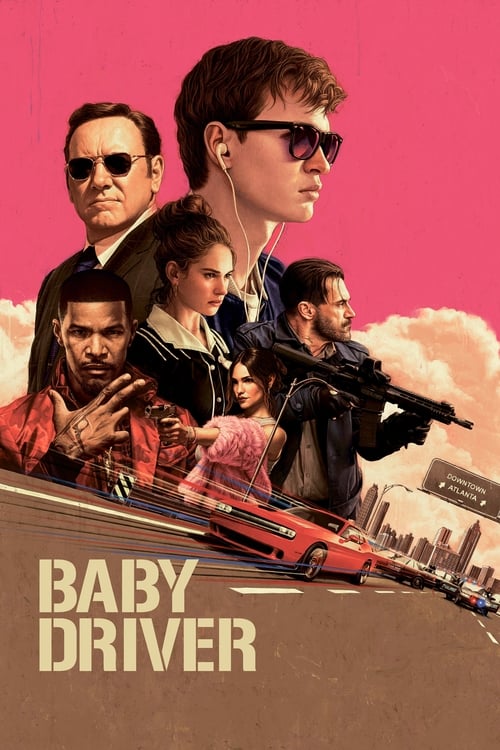
Wright taps into a lineage of action filmmaking oriented around moral relativists through Baby, whose rationale that he’s only a passive driver in these criminal schemes (along with his refusal to carry a gun) recalls Drive , which recalls Walter Hill’s The Driver , which recalls Jean-Pierre Melville’s Le Samouraï , and so on.
Walter Hill’s 1978 stunner The Driver is a big influence here — hell, the legendary filmmaker makes a vocal cameo at the end as a court room translator — as is what Wright refers to as The Holy Trinity of Nineties L.A. action-crime thrillers: 1991’s Point Break, 1992’s Reservoir Dogs, and 1995’s Heat.
While Baby Driver is undoubtedly influenced by the likes of Heat, Reservoir Dogs, and The Driver–so much so that eagle-eyed fans should keep their eyes peeled for a Walter Hill cameo–the film is the singular product of Wright’s creative vision.
With “Baby Driver,” his first film since 2010’s “Scott Pilgrim vs. the World” set on this side of the Atlantic, Wright pays exuberant pop tribute to pictures like Walter Hill’s 1978 cult favorite, “The Driver,” as well as its ultra-stylish, ultra-violent 2011 descendant, Nicolas Winding Refn’s “Drive.”
Though the screenplay gives him a halfhearted backstory about being with his parents, as a child, when they died in a car crash (and that would make him want to become a driver?), most of his motives remain a blur; given a chance to flee, he hesitates, not because, like Ryan O’Neal in “The Driver,” or Ryan Gosling in “Drive,” he runs in some existential groove of his own devising but because he’s barely a character at all.
And the film takes a smart approach to cameos, too (see: a brief appearance from rappers Big Boi and Killer Mike, a nod to both the film’s musical trappings and its Atlanta setting; and a voiceover cameo from director Walter Hill , whose The Driver is one of the film’s main inspiration points).
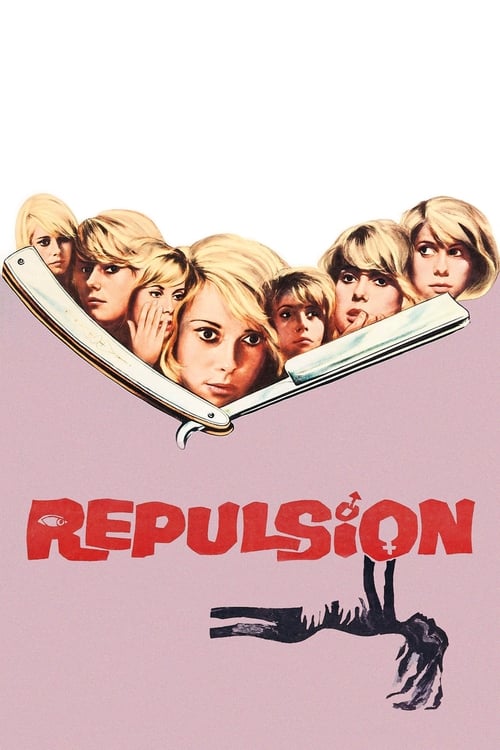
Repulsion (1965)
Directed by Roman Polanski
influenced Last Night in Soho (2021)
Visuals Themes Plot
Wright’s visual acuity is too good not to enjoy visual references to Mario Bava’s colorful murder set pieces in Blood and Black Lace or Roman Polanski’s claustrophobia in paranoid thriller Repulsion .
Like its "artistic" lead character toiling away at a single fastidiously recreated dress, Last Night is a movie with a lot of fluffed-up gestures and nods to past work — whether Dario Argento's Inferno, Roman Polanski's Repulsion, John Carpenter in places — but not a lot to share itself.
The film itself brims with echoes from the past: Roman Polanski’s genuinely chilling Sixties horror film Repulsion , the presence of Sixties icons Tushingham and Terence Stamp; a terrific juke box of songs.
Adding depth to the story is Ellie’s own past, which hints at mental instability and harks back to Roman Polanski’s Repulsion , about similar madness overwhelming a similarly beautiful blonde (Catherine Deneuve) in a similarly claustrophobic 1960s London.
That evokes Polanski’s “Repulsion” (1965), but the blend of troubled personalities that become a single blonde live wire also evokes Ingmar Bergman’s “Persona” (1966).
But he isn’t interested in only riffing on one genre: He also pays tribute to noirs, notably Roman Polanski’s psycho-thriller Repulsion, which also follows a woman who experiences frightening hallucinations rooted in a fear of men.
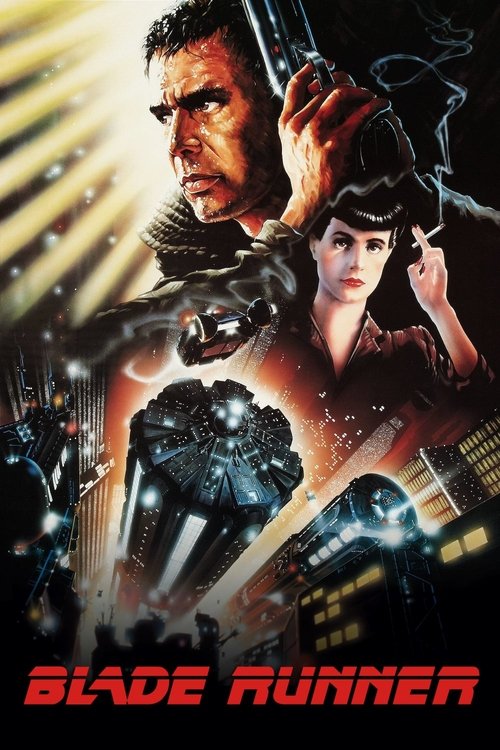
It’s a place to have fun in a Blade Runner-lite playground with a lead actor who’s more than capable of delivering Wright’s smartass dialogue in a way that endears himself to the audience.
…could have birthed a formulaic Blade Runner rip-off…
Chung-hoon Chung’s cinematography feels futuristic yet still down-to-earth, without relying too heavily on the bright neon lights and high-contrast visuals one often associates with Blade Runner.
It’s the basic logline for hundreds of sci-fi dystopias, from Blade Runner to Wall-E.
Go beyond this year, and it is impossible not to think of The Hunger Games, Robocop, Brazil, Blade Runner, and Minority Report…
This isn’t Blade Runner’s neon gloom…
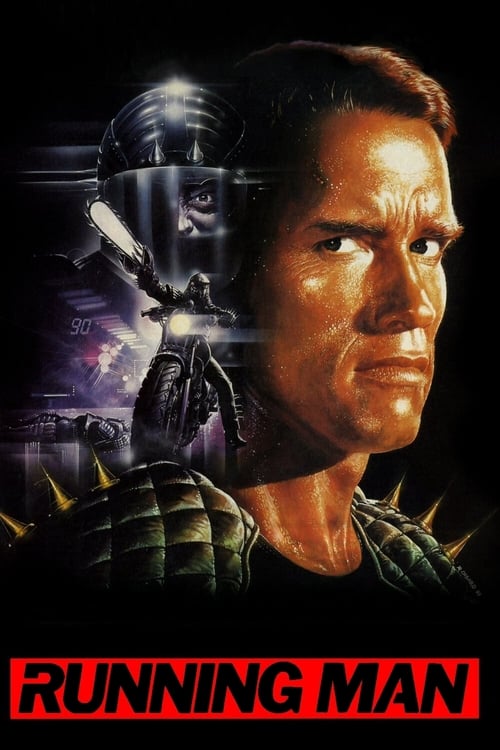
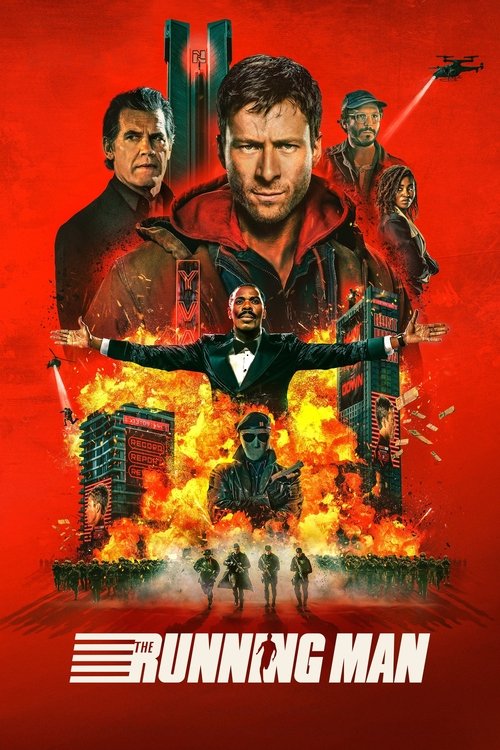
The Running Man (1987)
Directed by Paul Michael Glaser
influenced The Running Man (2025)
Themes Plot
In this way, Wright does show his love of the 1987 film.
This take on The Running Man is far more faithful to its source material than the Arnold Schwarzenegger film…
In the ’87 version, Ben Richards (Schwarzenegger), a military captain framed for opening fire on unarmed protestors, draws the attention of Damon Killian (Richard Dawson), the host of The Running Man…
I was just a teenager when I saw The Running Man on the big screen in 1987…
“The Running Man” (2025) is the second adaptation of Stephen King’s novel that he wrote under his pseudonym, Richard Bachman, and director and cowriter Edgar Wright’s most recent film.
“The Running Man” was first adapted to the big screen as a gloriously campy cult classic starring Arnold Schwarzenegger that was predictive in its own way…
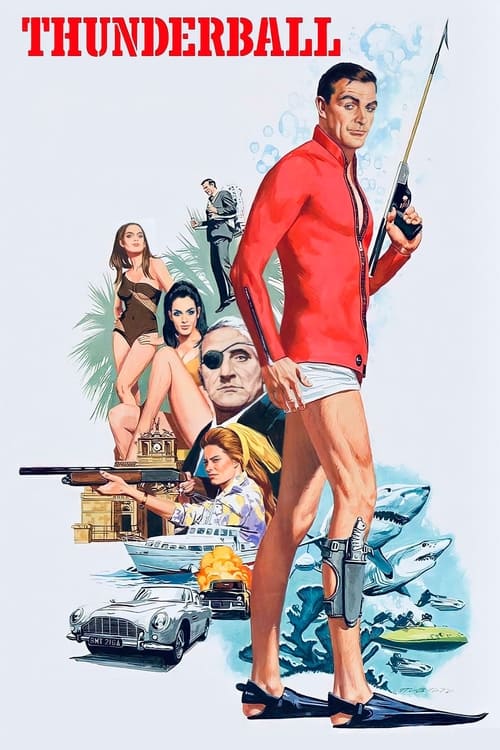
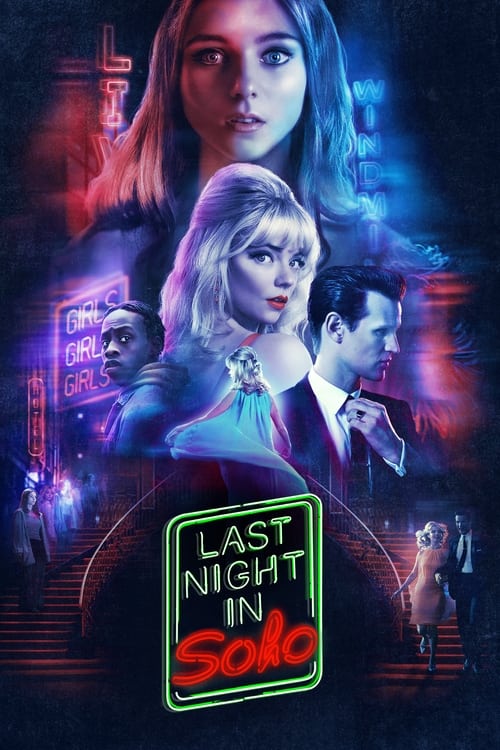
In many respects, Last Night in Soho is a tale of two halves, with the first part being a slow build, where Wright submerges us into the style and ambiance of the 60’s, with mirrors, feathery dresses, large billboards for Sean Connery in Thunderball , and music that is peak 1960’s London sound.
Her first nocturnal encounter shows the talented chanteuse meeting Matt Smith’s louche talent manager Jack and falling for his honey-tongued promises, while around them, Wright lovingly explores his own fandom of the era through the plush, mirrored interiors and a gargantuan, brightly lit marquee for Thunderball .
Walking through the city in her pajamas, Eloise gazes up and sees a marquee for Thunderball (1965) as the cars whiz around her; she wanders into a night club only to look in the mirror and see not herself but Sandy.
Also watch out for a few nifty nods to James Bond, with a huge Thunderball poster featured prominently, while everyone drinks the Vesper Martini created by Ian Fleming in the novel Casino Royale .
The setup is seductive, and the production design is sumptuous; Wright’s claim that he was inspired to recreate old-school Soho by the Los Angeles–plays-itself imagery of his pal Quentin Tarantino’s Once Upon a Time … in Hollywood contextualizes the luminous beauty (and detail) of Eloise’s foray into the past, including a rapturous view of a movie theater marquee advertising Sean Connery in Thunderball .
Eloise’s naïve downhill descent into a hell of blaring horns, vomiting drunks and battered hookers wearing hideous clothes is illustrated by marquees of the James Bond movie Thunderball, interminable musical reprises of gushy, lugubrious rock tunes like “Downtown”, and violent scenes of carnage and bloodshed that have no meaning.
…cynically grim streaming hits like Netflix's Squid Game…
JR.: Yes, yes. Squid Game, The Challenge, yes.
…it may be relevant today after the 21st century rise of the reality completion shows, from “Survivor” to “Squid Game”…
After The Hunger Games, Black Mirror, Squid Game, and decades more of media-saturation parables, the idea that we’re addicted to spectacle isn’t exactly a revelation.
It’s not hard to understand why these early King books – written under his old pseudonym Richard Bachman – would seem attractive to producers after “The Hunger Games” and “Squid Game” made bazillions of dollars.
Not to mention “Battle Royale” and “Squid Game.”
Through no fault of its own, The Running Man happens to be released mere months after another Stephen King adaptation that centers on a physical trial built by a dictator-like overlord that masquerades as a way to escape poverty when it’s merely reality tv fodder for the rich. The Long Walk was released in September and is a far grimmer exploration of the ways people in power want to keep those in poverty fighting amongst themselves rather than recognizing the real enemy.
Sure, walking is lower-impact than running, but The Long Walk is just as thematically impactful as The Running Man in its exploration of extremely similar ideas.
That’s an issue, albeit on a case-by-case basis (The Long Walk is excellent), with adapting old(er) IP with then-topical or urgent themes.
That also ensures it’s never as bleak as the recent film version of King’s thematically similar The Long Walk…
2025 has been the year of Stephen King adaptations with The Monkey, The Life of Chuck, and The Long Walk.
This cinematic year has given audiences The Life of Chuck, The Monkey, and The Long Walk, each one offering a different philosophy through diverging genres (drama, dark comedy, thriller), and Wright’s The Running Man is a hybrid of them all…
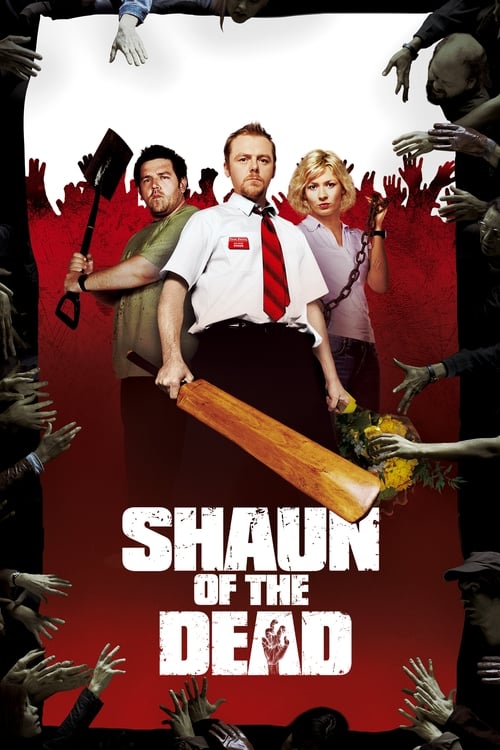
Zombieland: Double Tap (2019)
Directed by Ruben Fleischer
influenced by Shaun of the Dead (2004)
Themes Plot Characters
“Double Tap” is the follow-up to Fleischer’s popular 2009 postapocalyptic comedy “Zombieland,” which joined 2004’s “Shaun of the Dead” in the zombie subgenre that added wit and sight gags to the usual slate of undead gore.
Director Ruben Fleischer's original 2009 comedy came along at the ideal time, as the zombie genre was just reaching its modern peak — a few years after Shaun of the Dead, a year after the zombie first-person shooter Left 4 Dead, and just before The Walking Dead would become a television phenomenon.
Even zom-com classic “Shaun of the Dead” recycled the drawn-out routine where characters take a long time to catch on to the fact that an infected loved one is transforming into a flesh-eater too.
Shaun of the Dead (arguably the king of the subgenre) was a story about taking responsibility and maturing, that just happened to take place during a zombie apocalypse.
Ruben Fleischer's film wasn't the first zombie comedy, or the best one (I'd nominate Edgar Wright's Shaun of the Dead), but it was good fun and did decent box office.
Luke Wilson and Thomas Middleditch’s appearance as conspicuous mirrors of Harrelson and Eisenberg is a gag that starts out tired and obvious, grows into something very funny and absurd, before then dragging on too long and ending in an obvious punch line; Shaun of the Dead was wise to keep this gag to a brief aside.
Tuner (2026)
Directed by Daniel Roher
influenced by Baby Driver (2017)
Visuals Themes Characters Plot
Tuner’s New York City backdrop and “white guy trying to make ends meet” premise is strongly reminiscent of Josh Safdie’s Marty Supreme, though the central romance and Roher’s sense of snappy fervor rather fall in line with Edgar Wright’s Baby Driver, minus the overt genre elements.
Taking more than a little inspiration from Edgar Wright’s Baby Driver, it’s a film where the sound design is unusually meaningful and immersive…
…a laid back Baby Driver by way of that other recent, highly nostalgic Jewish NYC crime caper, Caught Stealing…
He’s a mix of Baby from Baby Driver (has a special interest that functions like a superpower) and Hank Thompson from Caught Stealing (a former child prodigy haunted by a tragic past), but unlike those two, he’s thoroughly proactive in his decision-making.
There’s more than a passing nod to Edgar Wright’s Baby Driver in Tuner. But despite hitting many similar narrative beats, Roher’s movie finds its own distinct sound as the hum of an engine and the loud beats of pop and rock classics are replaced by softer piano tones, a sublime Jazz score, and the delightful performances of Leo Woodall, Dustin Hoffman, and a cracking ensemble.
More inspiration could have been taken from films like Baby Driver (dir. Edgar Wright, 2017)—especially as both stories are essentially “good-natured boy with an ear problem does crime, but for good reason.”
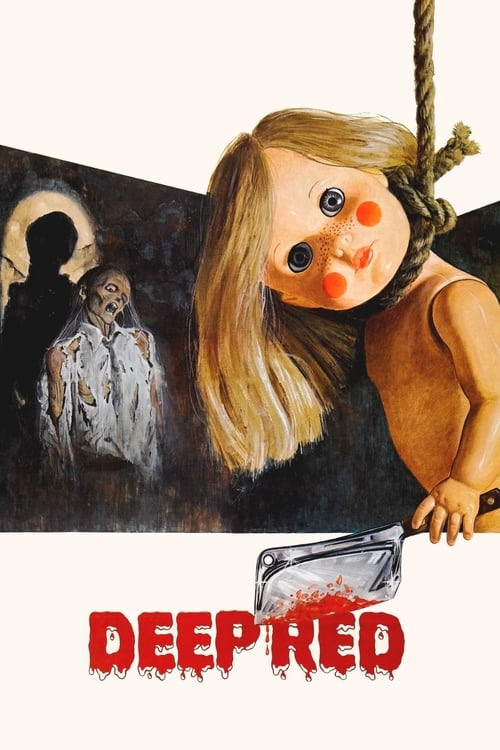
Wright pays homage to the king of giallo himself, Dario Argento, borrowing bold visual elements from his films like Deep Red and Suspiria (the use of knives as mirrors, a fixation on the color red).
What Movies Will It Remind You Of?: The protracted revival of Dario Argento’s Suspiria should be celebrated, and it’s an obvious touchpoint here, along with Deep Red and Mario Bava’s Blood and Black Lace .
The film’s setup should give the viewer the hopeful impression that “Soho” will mine the work and maybe the themes of director Dario Argento (see his “Deep Red” and his classic “Suspiria”).
One Battle After Another (2025)
Directed by Paul Thomas Anderson
influenced The Running Man (2025)
Themes
I think the film is getting at something not dissimilar to films this year like One Battle After Another, or even Superman.
…but like One Battle After Another or Andor, the heroes of 2025 are most certainly card-carrying revolutionaries…
…a neat companion to the recent One Battle After Another, with a revolutionary spirit coursing through its veins.
…even if it can feel like the safer, focus-grouped cousin of One Battle After Another.
…la siento más cercana a Una batalla tras otra (One Battle After Another, 2025), de Paul Thomas Anderson…
One Battle After Another was inarguably received as an accurate survey of the moment…
…one that channels the vicious satire of Network or the grim despair of Children of Men…
…pelea por colocarse a la altura de, por ejemplo, Network, un mundo implacable, que, al final, es de lo que se trata.
…a book that now looks like the missing link between “Network” and “The Hunger Games.”
…gags about the importance of ratings that Network’s Howard Beale would scoff at…
“Man 1” was preceded thematically by “Network” and “They Shoot Horses, Don’t They?”
…the film alludes also to classic small-screen satires such as Sidney Lumet’s Network…
…a direct descendent of 1990s Paul Verhoeven (there are shades of Total Recall, in particular)…
…canaliza la explosividad y ambición creativa de Paul Verhoeven en “Total Recall”…
…the glory days of campy one-liner action flicks that left most of the meat of their source material off the screen (see also, Total Recall) in favor of a little extra flash and sizzle.
For fans of 80s action staples like Total Recall and RoboCop, The Running Man hits every target.
…as soulless as other actioner remakes like RoboCop and Total Recall…
Buried in an epic run of Schwarzenegger sci-fi classics like The Terminator, Predator, and Total Recall…

This is Wright, so nods and references abound, with the filmmaker paying homage to the work of Mario Bava, Nicolas Roeg’s Don’t Look Now , and Wes Craven’s Nightmare on Elm Street.
As always, Wright is a tad too slick: there’s a tidiness that doesn’t quite capture the flintiness of on-the-record inspirations Repulsion and Don’t Look Now .
It uses the stylish aesthetics of classic psychological horror films such as Don’t Look Now and Repulsion as a vehicle for a lecture about why the time period in which those movies were made was nothing that we should aspire to bring back, no matter how cool it may have looked on the surface.
The vivid use of colours from Argento’s Suspiria, the suspense of Don’t Look Now and Repulsion with the occasional sprinkling of Giallo/Hammer horror to measure.
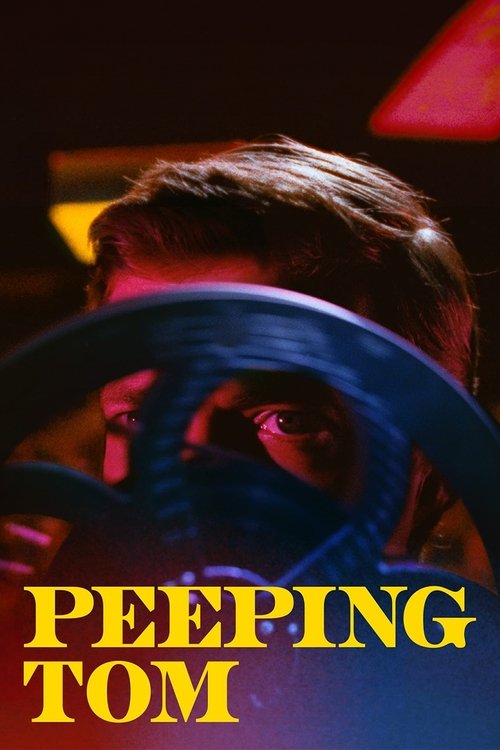
Wright throws in references to Michael Powell’s notorious thriller Peeping Tom and to Alfred Hitchcock’s Frenzy among other films.
The color schemes and decors evoke Powell-Pressburger’s “The Red Shoes” (1948) and Michael Powell’s London terror “Peeping Tom” (1960): so much movie madness in the Big Smoke.
It’s billed as a Swinging Sixties-influenced psychological horror in the vein of Repulsion, Peeping Tom and Vertigo, but don’t let that fool you.
Now, he satiates his appetite for British thrillers like Peeping Tom and 70’s Italian Giallo films with his most audacious project yet.
Later on, he also imitates the lush look of Hammer Studios’ horror films as well as the seediness of that all-time great serial killer flick, Peeping Tom .
En esta reflexión sobre la lascividad de la mirada hegemónica, sobre la construcción de los personajes femeninos en el cine de horror, sobre lo que separa a víctimas de victimarios, Wright regresa a los viejos problemas planteados por Peeping Tom (1960) de Michael Powell y, sesenta años después, les da un contexto dolorosamente contemporáneo.
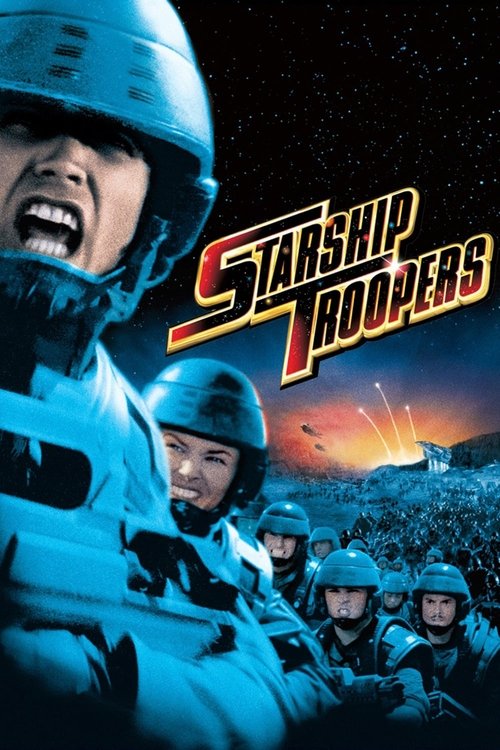
It’s not as daring as something like Verhoeven’s Starship Troopers but it is electrifyingly plugged in to the ills of a corrupt society that uses propaganda and spectacle to distract from pressing issues.
…apenas roza la superficie del modelo de Starship Troopers (1997), de Paul Verhoeven, obra que sí dialoga mejor con El sobreviviente…
Parts of it have the sting of those cheerfully grotesque TV ads, news reports, and propaganda clips in the original “The Running Man” and Paul Verhoeven’s “Robocop” and “Starship Troopers,” all of which were set in societies bereft of kindness and virtue.
If you watch Paul Verhoeven’s RoboCop and Starship Troopers, you’ll experience screenplays that effectively mix mockery and venom.
Wright pays homage to the maestros of subversive genre films – Paul Verhoeven, John Carpenter, Sam Raimi…
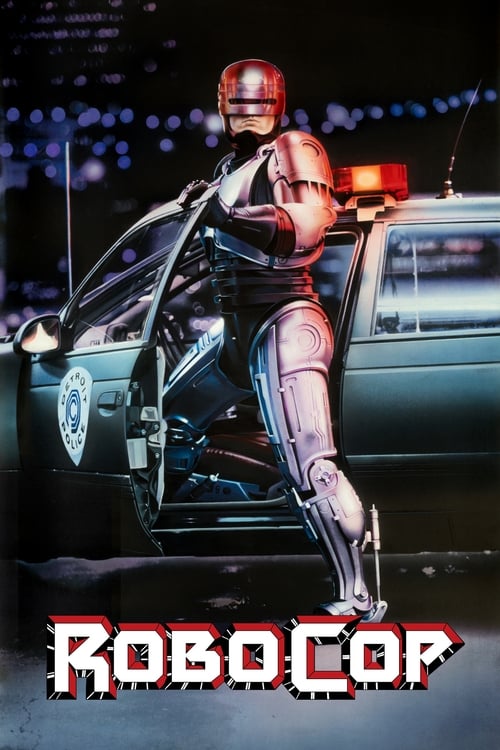
I had hoped Wright might achieve something along the lines of the savage satire Paul Verhoeven mined in Robocop, but this version of The Running Man comes nowhere close.
Parts of it have the sting of those cheerfully grotesque TV ads, news reports, and propaganda clips in the original “The Running Man” and Paul Verhoeven’s “Robocop” and “Starship Troopers,” all of which were set in societies bereft of kindness and virtue.
Robocop struck the vibe better, and the image-conscious alterations from King’s novel meant that the movie had to end with a kiss rather than a bang.
Wright builds on the media-skewing that ROBOCOP also did so well in 1987…
The 1987 version had a fierce satirical angle from the Robocop era…
Go beyond this year, and it is impossible not to think of The Hunger Games, Robocop, Brazil, Blade Runner, and Minority Report…
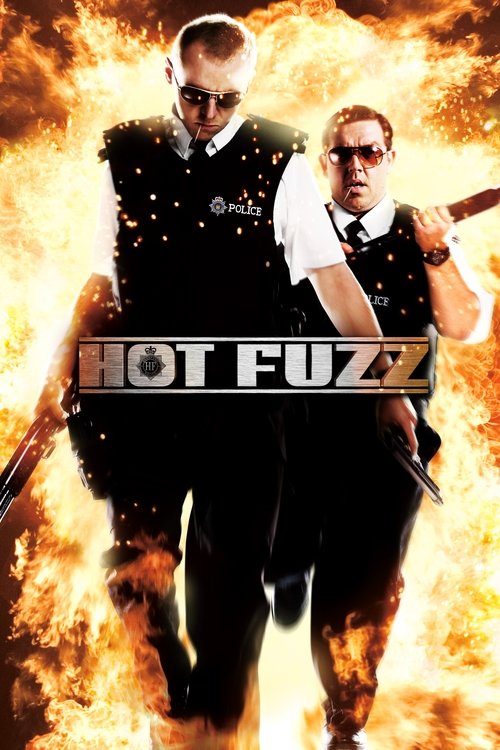
Die Hard (1988)
Directed by John McTiernan
influenced Hot Fuzz (2007), The Running Man (2025), Scott Pilgrim vs. the World (2010)
Themes Characters Visuals
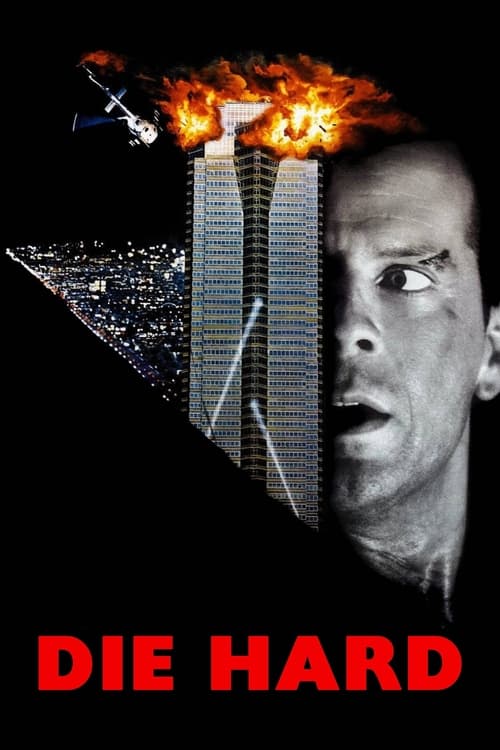
In a similar way to Die Hard he rallies against the system for the noblest of reasons; love and family.
While he sounds and looks like the everyman protagonists of the Die Hard (1988) era…
He plays Richards as an everyday working-class man (think John McClane in Die Hard)…
…with a screenplay by Steven E. de Souza (“Die Hard,” 1988 and “Die Hard 2,” 1990)…
The homages to hugely popular pictures are crystal clear, but the genre-spoofing moviemakers have done their homework – scenes derived from “First Blood,” “Die Hard,” “Lethal Weapon,” Sergio Leone’s “The Man With No Name” trilogy, “Straw Dogs,” “Chinatown,” “Brannigan,” and countless others are lampooned with varying degrees of subtlety, each being every bit as amusing, especially for eagle-eyed action connoisseurs.
Aside from the obvious nepotism Danny's name might imply, he's also got a rather casual relationship with reality, having informed his police sensibilities with every American Cop Movie from Dirty Harry to Lethal Weapon to Die Hard... but his favorites (and the ones both laughingly paid tribute to and viciously skewered by Hot Fuzz) are Bad Boys II and Point Break.