
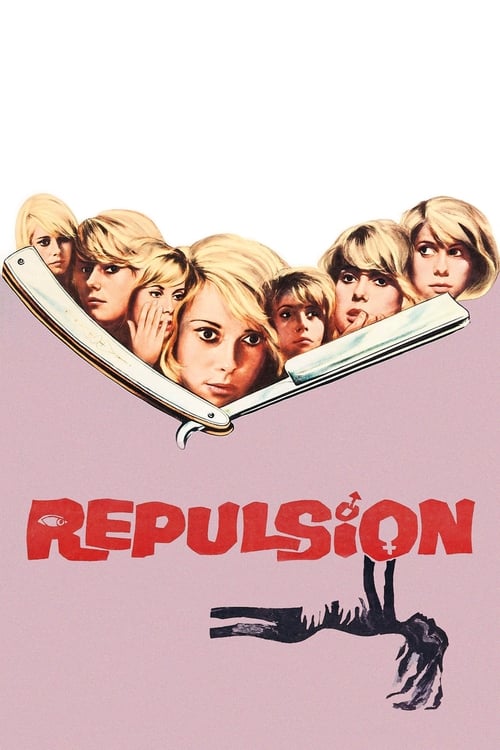
Repulsion (1965)
Directed by Roman Polanski
Beautiful young manicurist Carole suffers from androphobia (the pathological fear of interaction with men). When her sister and roommate, Helen, leaves their London flat to go on an Italian holiday with her married boyfriend, Carole withdraws into her apartment. She begins to experience frightful hallucinations, her fear gradually mutating into madness.
5 connections found
View:
5 films that influenced Repulsion
What critics say influenced Repulsion
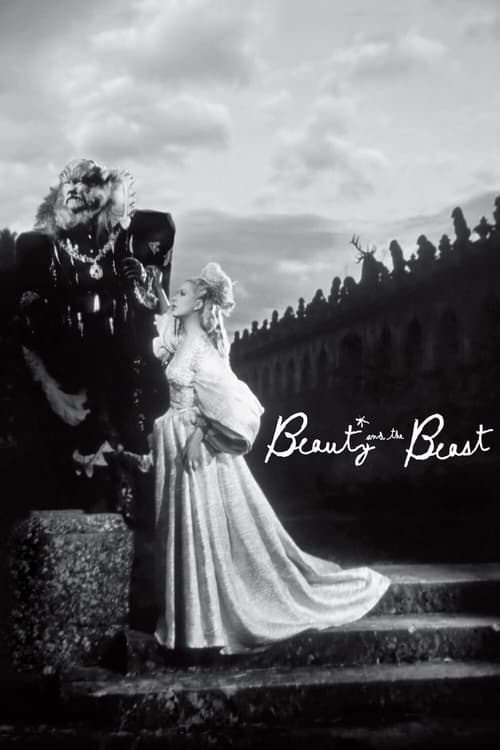


Haunted by nightmares of rape and violation, she hallucinates arms coming out of the two walls of her hallway (a steal from Cocteau's "Beauty and the Beast").
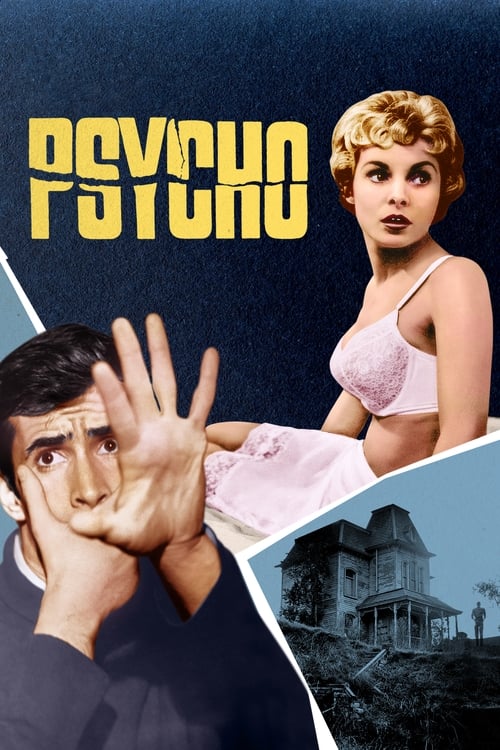
In this, and many other ways, it follows in the footsteps of Hitchcock's Psycho (also being shown - check it out on the big screen) and Powell's Peeping Tom.
Several filmmakers get entire chapters dedicated to their work, including Val Lewton, Henri-Georges Clouzot, and Roger Corman, but there are only two chapters of the twelve that focus on a single film: Alfred Hitchcock’s Psycho (1960) and Roman Polanski’s Repulsion, that latter of which Butler describes as “a film of such complexity and subtlety that an entire book could be written about it” (Butler never went that far, but he did write a subsequent book on Polanski).
Like Hitchcock's "Psycho" (1960), it puts forth a disturbingly convincing portrait of the true horror of escalating madness.
It's certainly tempting to look at Repulsion as an answer to Psycho (released five years before) and as a warm-up for Polanski's The Tenant and Rosemary's Baby, with their hemmed-in apartments and batty old neighbors (and limber, free-form camera work).
Repulsion draws favorable comparisons to Psycho , a better-known film which documents the solitude of insanity from those outside looking in.
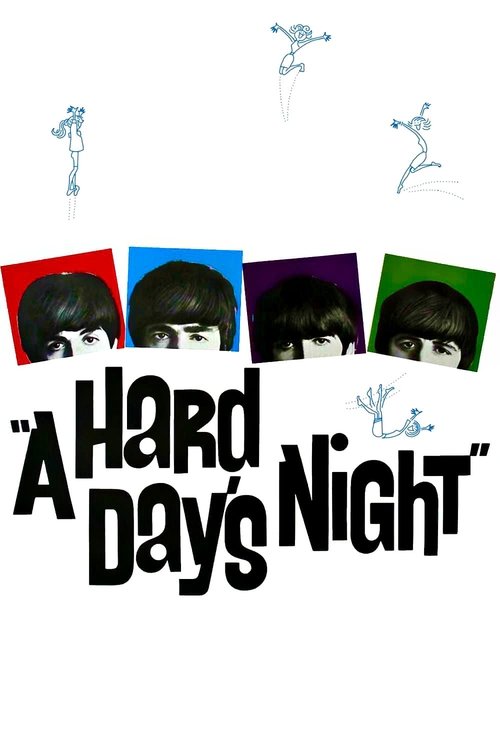
Shot in stark black and white by Gilbert Taylor, an industry veteran who had recently shot Stanley Kubrick’s Dr. Strangelove (1964) and Richard Lester’s A Hard Day’s Night (1964) and would go on to shoot Hitchock’s Frenzy (1972), as well as Star Wars (1977), Repulsion is first and foremost an intensely experiential film, bringing literal physicality to mental and emotional fissures.
The subtle black-and-white photography is by Gilbert Taylor, who had just shot Dr Strangelove and A Hard Day's Night.
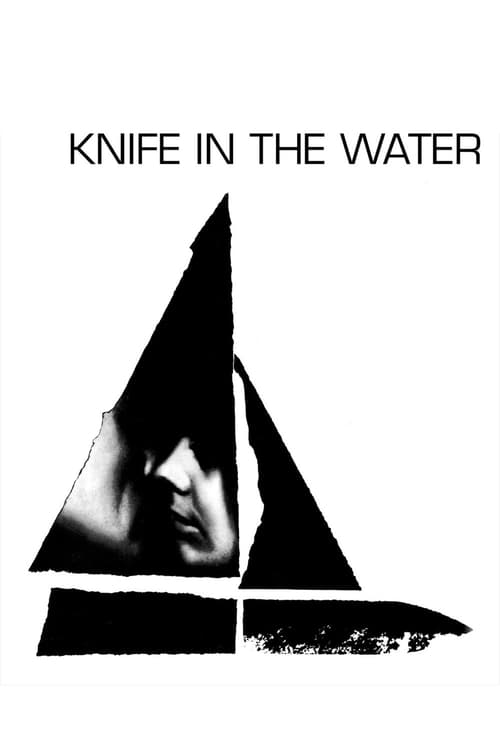
Indeed, in “Knife in the Water” (1962) you can see elements and themes that Polanski extrapolated on in psychological thrillers such as “Repulsion” (1965), “Cul-de-sac” (1966), “Rosemary’s Baby” (1968), and “The Tenant” (1976).
Polanski was only 32 at the time he made Repulsion, and he had directed only one other film, the Polish thriller Knife in the Water (1962), which had earned him significant international acclaim and opened doors for him to make films in other countries.
As his second feature film (after "Knife in the Water"), Roman Polanski's1965 psychological thriller uncoils like a primordial poisonous snake disguised by unfathomable beauty that conceals its deadly feminine bite.
"Repulsion" was only Polanski's second feature, and his first in English, following the high acclaim of his Polish debut "Knife in the Water" (1962).
Roman Polanski's ("Rosemary's Baby"/"Repulsion "/"The Pianist") first feature-length film, Knife in the Water, does all of the following so well: its economy in style, slow boiling build-up of tension, display of primitive machoism and sexuality, emotional games, humiliation over male competition, unsettling mood, and driving psychological force.
Advertisement
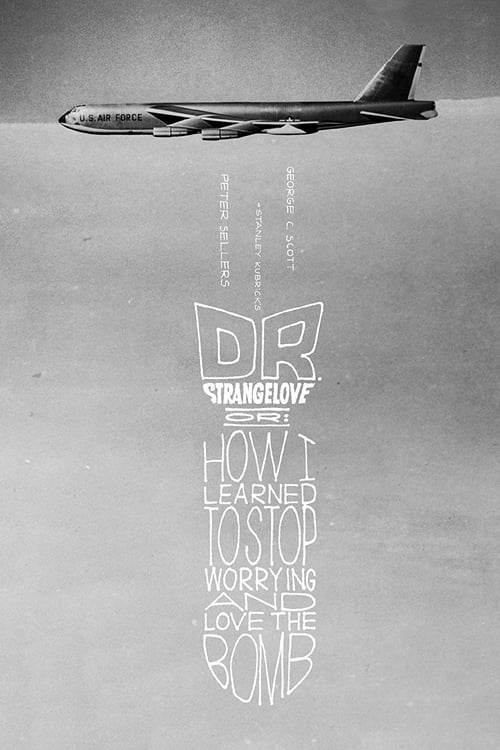
Dr. Strangelove or: How I Learned to Stop Worrying and Love the Bomb (1964)
Directed by Stanley Kubrick
Shot in stark black and white by Gilbert Taylor, an industry veteran who had recently shot Stanley Kubrick’s Dr. Strangelove (1964) and Richard Lester’s A Hard Day’s Night (1964) and would go on to shoot Hitchock’s Frenzy (1972), as well as Star Wars (1977), Repulsion is first and foremost an intensely experiential film, bringing literal physicality to mental and emotional fissures.
The subtle black-and-white photography is by Gilbert Taylor, who had just shot Dr Strangelove and A Hard Day's Night.